
If your hydrangea looks the same size it was two years ago, something is off. These are not slow-growing shrubs by nature. A healthy panicle hydrangea can add 2 feet of height in a single season. A well-fed smooth hydrangea like Annabelle can spread to 5 feet wide in just a few years. When that kind of growth isn't happening, there's always a reason, and it's almost always fixable. This guide is about finding that reason and fixing it, starting this week.
How to Make Hydrangea Grow Bigger and Taller Fast

Marcus Holloway
24 Mar 2026
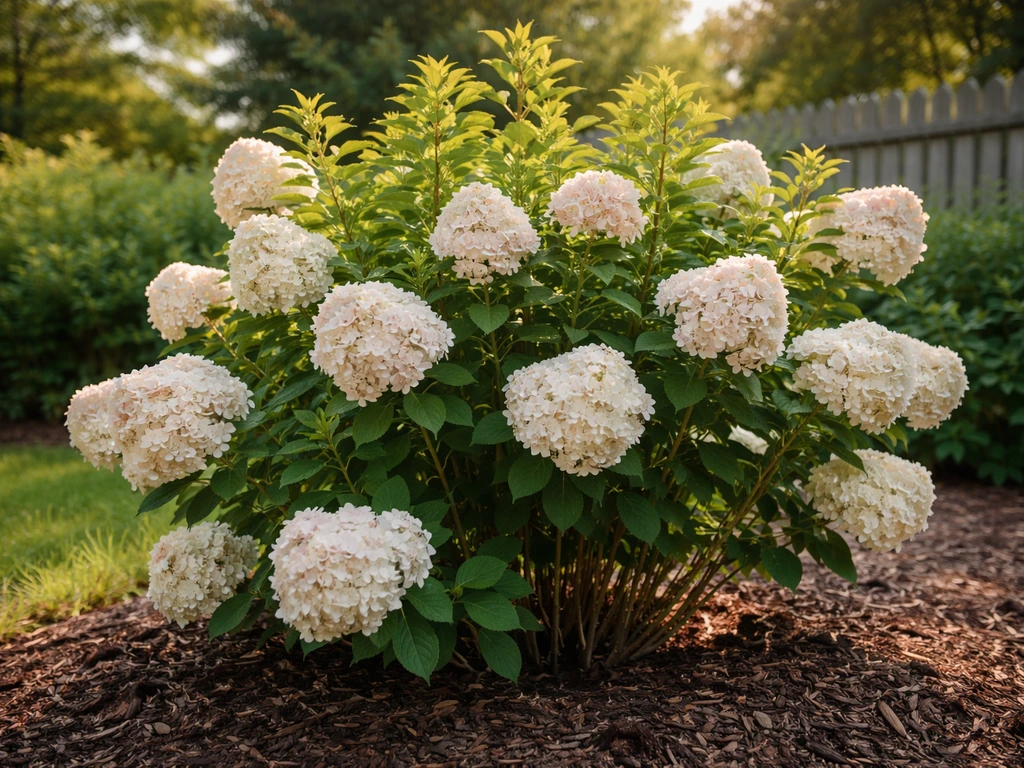
Diagnose why your hydrangea isn't getting bigger
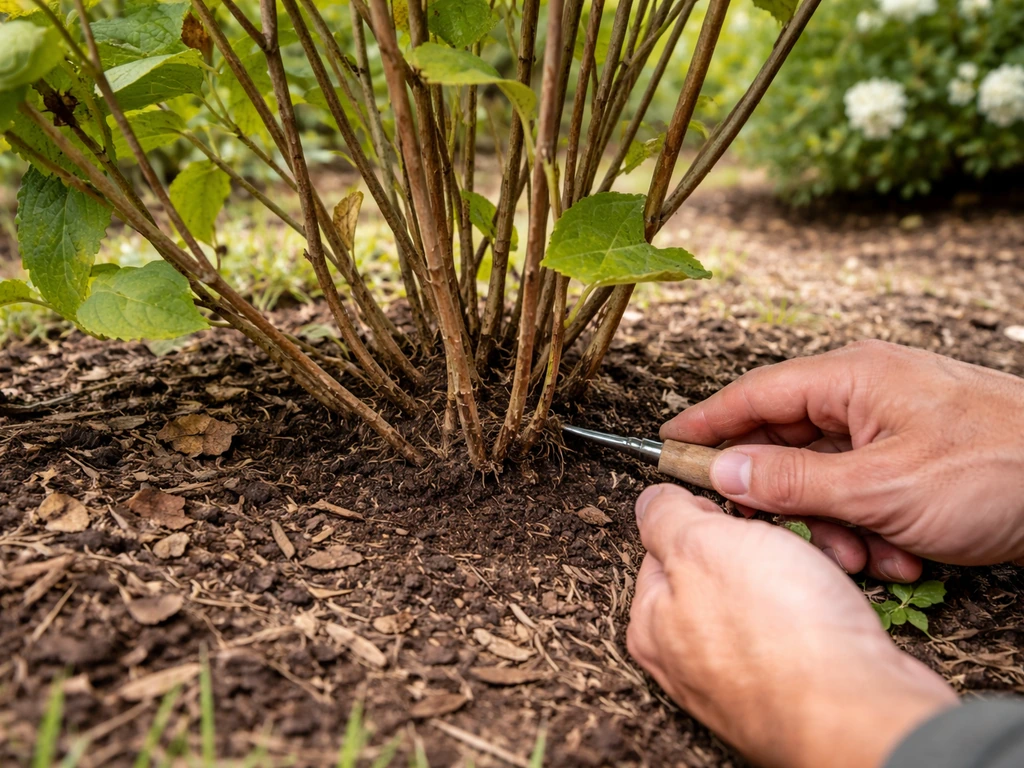
Before you throw fertilizer at it or start pruning, take ten minutes to actually look at the plant and think through its situation. Most stunted hydrangeas have one or two root causes, and once you find them, the fix is usually straightforward.
The most common culprits are: too little light, poor or compacted soil, drought stress, bad pruning timing, root crowding, nutrient deficiency, or pest and disease pressure. University of Maryland Extension puts it plainly: poor growing conditions, weather extremes, and soggy soil are the major causes of decline and weak growth. That covers a lot of ground, so let's narrow it down.
Start by checking the leaves. If you're seeing yellowing between the leaf veins (called interveinal chlorosis), that's often an iron deficiency triggered by soil pH that's too high. If leaves are unusually small or the plant looks generally pale and wan, nitrogen deficiency is a real possibility. Red-tinged leaf margins on bigleaf hydrangeas are a known sign of nitrogen shortage. If new spring growth looks distorted or stunted and you see tiny bugs clustered on the stems, aphids may be the issue. Mississippi State Extension specifically flags aphids as a pest that can infest new spring growth and cause exactly that kind of stunting and leaf distortion.
Next, check your soil. Dig down 6 inches near the base of the plant. Is the soil hard and dry, or is it soggy and compacted? Either extreme prevents roots from doing their job. Soggy soil starves roots of oxygen and leads to the kind of slow decline that looks like ordinary poor growth. Bone-dry soil creates drought stress, and a drought-stressed hydrangea simply won't put energy into getting bigger. UMass notes that poor root establishment or ongoing water stress can keep a plant small even when the leaves look basically okay.
Finally, think back on your pruning. If your hydrangea produced almost no new growth last year and you pruned it in late fall or early spring, you may have removed all the flower buds AND the growth points. This is especially common with bigleaf hydrangeas. More on the pruning question in its own section below.
Match care to your hydrangea type and growth habit
This is the single biggest mistake I see home gardeners make: treating all hydrangeas the same. The species you have determines almost every decision, from pruning timing to how much sun it actually wants to how aggressively you can push it with fertilizer.
The four types you're most likely to have in a home garden are bigleaf (Hydrangea macrophylla), smooth (H. arborescens, like Annabelle), panicle (H. paniculata, like Limelight or Bobo), and oakleaf (H. quercifolia). Here's a quick breakdown of their growth habits and what that means for size.
| Type | Mature Size | Blooms On | Cold Hardiness | Key Size Challenge |
|---|---|---|---|---|
| Bigleaf (H. macrophylla) | 3–6 ft tall and wide | Old wood (prior year's stems) | Zones 5–9 (buds vulnerable to cold) | Wrong pruning or hard winters kill buds and stall growth |
| Smooth (H. arborescens) | 3–5 ft tall and wide | New wood (current season) | Zones 3–9 | Under-pruning leads to floppy, weak stems with small flower heads |
| Panicle (H. paniculata) | 6–15 ft tall (variety dependent) | New wood (current season) | Zones 3–8 | Underfeeding and under-pruning limit size potential |
| Oakleaf (H. quercifolia) | 4–8 ft tall and wide | Old wood (prior year's stems) | Zones 5–9 | Too much shade slows growth significantly |
If you have a bigleaf hydrangea and you want it bigger, the rules are completely different from someone trying to grow a larger panicle hydrangea, so follow the right steps in how to grow panicle hydrangea for best results. The bigleaf is more sensitive to drought and heat (Oregon State University Extension flags this specifically), blooms on old wood, and responds poorly to hard pruning.
The panicle, on the other hand, is tough as nails, blooms on new wood, and actually benefits from more aggressive pruning to produce bigger blooms and a stronger framework. Know what you have before you do anything else. If you're not sure, check out the dedicated guides on how to grow hydrangea and how to grow Annabelle hydrangeas on this site for species-specific detail.
If you want a broader starting point beyond troubleshooting, see this guide on how to grow hydrangeas how to grow. how to grow hydrangea. how to grow annabelle hydrangea
Sunlight and placement for taller, bigger growth
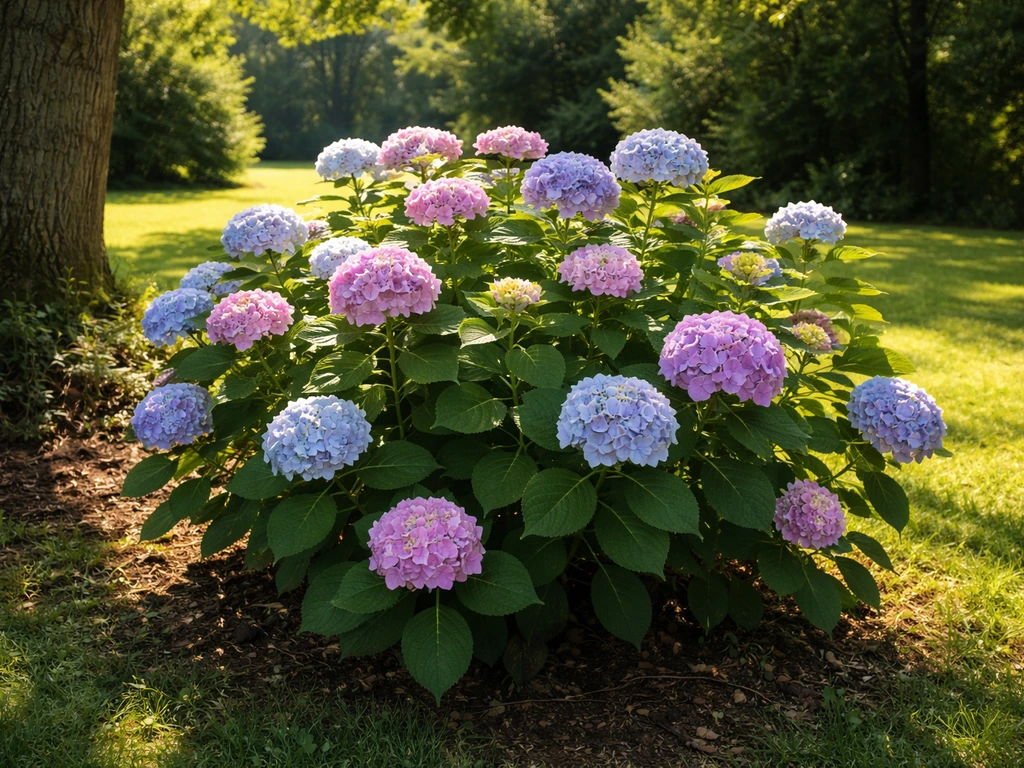
Hydrangeas have a reputation as shade plants, and that reputation causes a lot of stunted shrubs. The reality is more nuanced. Most hydrangeas need at least 4 to 6 hours of direct sun daily to grow vigorously. Morning sun with afternoon shade is often ideal, especially for bigleaf types in hot climates. But a plant sitting under dense tree canopy all day is not going to grow large. It'll survive, and it might even bloom sporadically, but it won't put on the kind of growth you're looking for.
Panicle hydrangeas are the most sun-tolerant of the group and will actually perform better in full sun (6 or more hours), producing larger flower heads and stronger upright growth. Oakleaf hydrangeas are the most shade-tolerant but still do best with a few hours of direct light. Bigleaf and smooth hydrangeas fall in the middle: they want morning sun and won't thrive in deep shade.
There's another sunlight-related issue worth mentioning: poor air circulation. When hydrangeas are crammed into shady, still corners, they become magnets for powdery mildew and black spot. Oregon State Extension notes that shady locations with poor air circulation are directly associated with these disease problems, both of which sap plant energy and contribute to poor overall vigor. If your hydrangea is planted too close to a fence, a wall, or other shrubs, that crowding is working against you on multiple fronts.
If your hydrangea is in the wrong spot and you're in a temperate climate, early spring (right now, in late March) is actually a reasonable time to transplant an established plant, as long as you do it before it leafs out fully and you water it in well. Moving a bigleaf hydrangea from a shady spot to one that gets morning sun could be the single most impactful change you make.
Soil, fertilizing, and pH for vigorous size
Get the pH right first
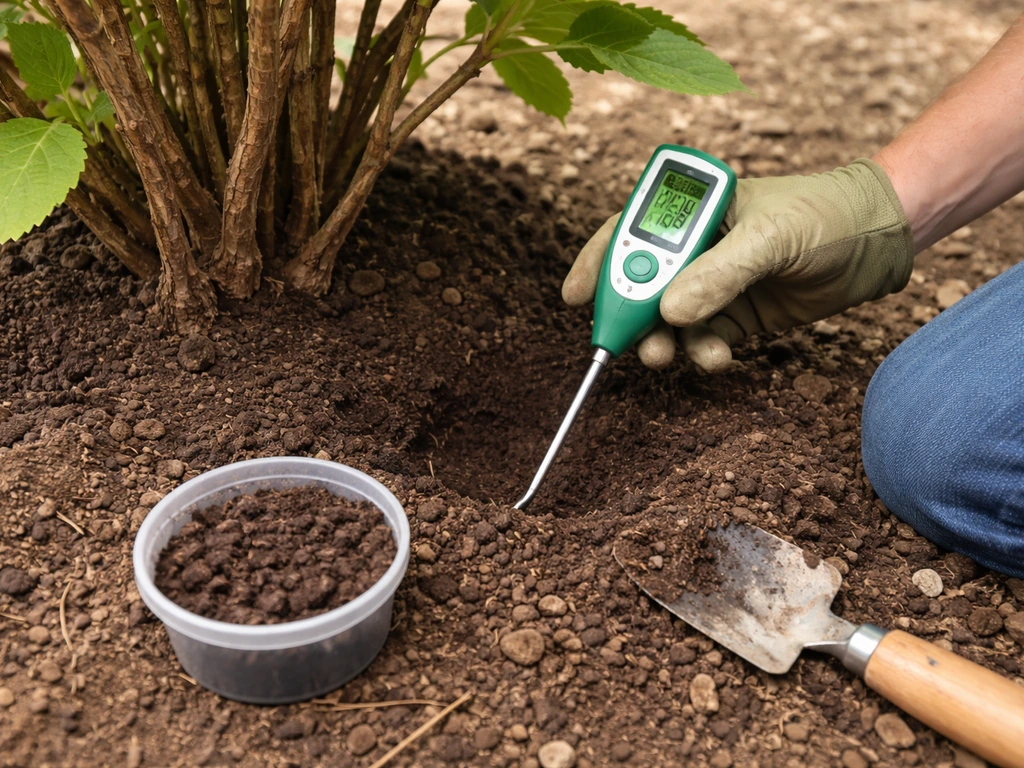
Hydrangeas grow best in soil with a pH between 5. UMass Amherst’s fact sheet notes that bigleaf hydrangea flower color shifts with soil pH, with pH 5.
5 and below tending toward blue and pH 6. 5 and above tending toward pink, rose, or red depending on the cultivar. 0 and 6. 5.
That's the sweet spot where nutrients are available and roots can actually absorb them. When soil pH creeps above 6. 5 or 7. 0, iron becomes chemically locked up in the soil and unavailable to the plant, leading to the interveinal chlorosis I mentioned earlier.
UC ANR confirms this: iron chlorosis is common when soil pH exceeds roughly 6. 5 to 7, and fixing the soil environment is the real long-term solution. A bag of fertilizer won't solve an iron deficiency caused by high pH. You need to lower the pH first.
Get a soil test if you haven't done one. Your local cooperative extension office usually offers them cheaply or free. The test tells you your current pH and nutrient levels, which takes the guesswork out of what to add. To lower pH, sulfur is the slow, long-term approach, while aluminum sulfate works faster. Iowa State Extension mentions aluminum sulfate specifically as an option for amending soil pH for hydrangeas. Acidic soil (pH 4.5 to 5.5) with available aluminum pushes blue blooms, while more neutral or alkaline soil produces pink. If you're trying to grow blue hydrangeas, this is directly relevant.
Fertilizing for size, not just blooms
Nitrogen drives vegetative growth, which means stems, branches, and leaves. If your hydrangea is small and sparse, it probably needs nitrogen. But here's where people go wrong: too much nitrogen, especially late in the season, pushes lush leafy growth at the expense of flowers and can produce weak, floppy stems that don't hold up over winter. Mississippi State Extension specifically cautions against too much nitrogen fertilizer, noting that balanced formulas like 8-8-8, 10-10-10, or 13-13-13 are the appropriate starting point. Apply at the rates on the bag, not double.
For most home gardeners, a balanced slow-release granular fertilizer applied in spring (April) and again in mid-summer (late June or early July) is the right approach. Stop fertilizing by August. Late feeding encourages new growth that won't harden off before frost, which is especially damaging for bigleaf hydrangeas that bloom on old wood. If you want to push size, focus your nitrogen application in early spring when the plant is actively putting on new growth.
One more thing about fertilizer: I'm honestly a bit skeptical of the people who swear that a single dose of Miracle-Gro turned their tiny hydrangea into a giant. What Miracle-Gro can do is provide a quick nitrogen boost if the plant is deficient. What it can't do is fix wrong soil pH, bad drainage, root crowding, or a bad pruning cut from last fall. It's a tool, not a solution.
Soil structure and organic matter
If your soil is compacted clay or sandy and fast-draining, the best fertilizer in the world won't help much. Work in 2 to 3 inches of compost around the base of established plants each spring. Don't dig it in (you'll damage surface roots), just lay it on top and let it break down. Over a season or two, it improves both drainage in heavy soils and water retention in sandy ones. It also feeds the microbial life in the soil that makes nutrients more available to plant roots.
Watering schedule and avoiding drought stress
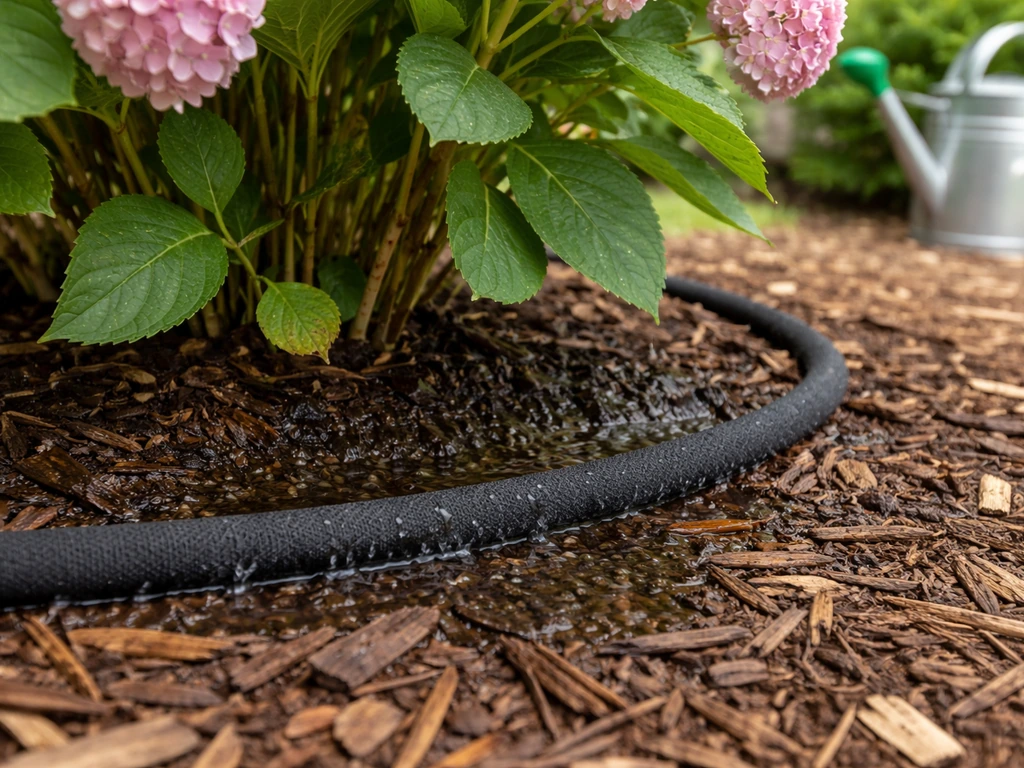
Hydrangeas are thirsty plants, and drought stress is one of the fastest ways to stall their growth. UMass points directly to drought stress as a factor that keeps bigleaf hydrangeas small. The general guideline from University of Wisconsin Extension is 1 inch of water per week for ornamental shrubs, even in fall when plants are winding down. That applies to hydrangeas throughout the growing season.
In practice, what does 1 inch per week look like? A slow soaker hose running for 30 to 45 minutes twice a week at the root zone gets you there in most situations. Overhead watering works but increases the risk of powdery mildew, so aim low when you can. During heat waves or dry stretches in July and August, you may need to water more frequently, especially for bigleaf hydrangeas, which OSU Extension specifically flags as less tolerant of drought and heat than other types.
Mulch is the single best thing you can do to support consistent moisture. University of Minnesota Extension recommends a 3-inch-deep layer of organic mulch extending out to the edge of the plant's canopy. That's further than most people mulch. The root system of an established shrub extends 1.5 to 3.5 times the width of the plant above ground, and keeping that whole zone consistently moist is what supports the root growth that drives the plant getting bigger. Use wood chips, shredded bark, or shredded leaves. Keep mulch a few inches away from the base of the stems to prevent rot.
One mistake I see constantly: watering shallowly and frequently. Short, light waterings encourage shallow roots that dry out quickly and leave the plant vulnerable in dry spells. Water deeply and less often. You want the water to penetrate 8 to 10 inches into the soil. If you're not sure whether your soil is getting adequate moisture, push a screwdriver or a finger 6 inches into the ground near the drip line of the plant. It should feel moist, not soggy and not bone dry.
Pruning strategy to increase height and bush size
Pruning is where most people accidentally make their hydrangea smaller, not bigger. The rule that matters most: know whether your hydrangea blooms on old wood or new wood, because that determines when and how hard you can cut.
Old-wood bloomers: bigleaf and oakleaf
Bigleaf hydrangeas produce their flower buds at the tips of last year's stems. Cut those stems off and you cut off next year's blooms, plus you remove the growth points that would have extended the plant upward. University of New Hampshire Extension explains this clearly: the flower buds sit on old wood from the previous season. If you pruned your bigleaf in fall, late winter, or early spring, you likely removed those buds and set the plant back.
For bigleaf hydrangeas, the only safe time to prune is immediately after they finish blooming, usually late July or August. At that point, you can remove dead wood and any weak, crossing stems without sacrificing next year's buds. Don't cut it to the ground, ever.
Oakleaf hydrangeas follow the same old-wood rule. Prune right after flowering if needed, but honestly, these shrubs tend to develop a beautiful natural shape and rarely need heavy pruning to grow large.
New-wood bloomers: smooth and panicle
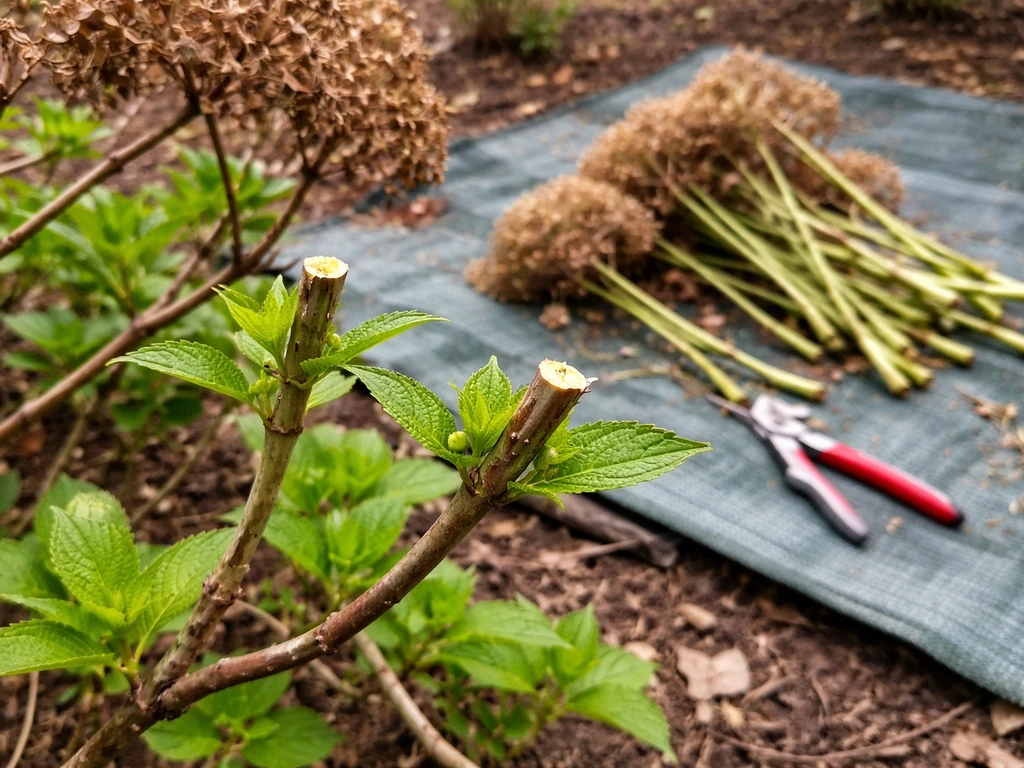
Smooth hydrangeas (Annabelle types) and panicle hydrangeas bloom on new wood produced in the current season. This means you can and should prune them in late winter or very early spring. Chicago Botanic Garden recommends cutting smooth hydrangeas down hard to about 1 foot tall in early March. This sounds brutal but it's correct. That hard cut forces the plant to push multiple vigorous new stems, which means more blooms on a stronger framework. A plant that is never pruned, or only lightly trimmed, tends to develop a cluttered mass of weak stems that flops and stays small.
For panicle hydrangeas, the approach is a bit more selective. Chicago Botanic Garden notes that panicle types don't require drastic pruning, but University of Illinois Extension confirms they are new-wood bloomers that benefit from late-winter pruning. To encourage larger flower heads and a bigger, stronger framework, remove about one-third of the oldest, weakest stems at the base each year in late winter, and cut back last year's growth by roughly a third. This keeps the plant's energy focused on fewer, more vigorous shoots.
University of Maryland Extension summarizes it neatly: old-wood types get pruned just after flowering, new-wood types get pruned in late winter. Getting this backwards is probably the most common reason a hydrangea stalls out.
Seasonal growth plan and what to do now
It's late March 2026, and you're reading this at exactly the right time of year to make a real difference this season. Here's how to approach the next several months with size as the goal.
Right now (late March through April)
- Prune your smooth and panicle hydrangeas now if you haven't already. Smooth types can go down hard to about 1 foot. Panicle types get a selective cleanup and light reduction.
- Do not prune bigleaf or oakleaf hydrangeas yet. Leave them alone until you can see which stems are dead versus alive. Scratch the bark on a stem with your fingernail: green tissue underneath means it's alive. Wait until you see buds swelling before removing anything.
- Get a soil test done or at minimum buy a cheap pH test from a garden center. If your pH is above 6.5, start a sulfur or aluminum sulfate amendment program now.
- Top-dress with 2 to 3 inches of compost around all plants, out to the drip line, keeping it away from the stems.
- Apply a balanced slow-release granular fertilizer (10-10-10 or similar) once you see active new growth emerging, typically mid to late April.
Late spring through early summer (May through June)
- Water consistently: 1 inch per week minimum. Increase to 1.5 inches per week during hot, dry stretches.
- Watch for aphids on new growth. A strong stream of water from a hose knocks them off. Severe infestations can be treated with insecticidal soap.
- Check that your mulch layer is still 3 inches deep and extended to the canopy edge. Mulch breaks down and compresses over time.
- If you're seeing interveinal yellowing on new leaves, test the pH and consider an iron chelate drench as a fast fix while you work on long-term pH correction.
Midsummer (July through August)
- Apply a second round of balanced fertilizer in late June or early July. Stop fertilizing after early August.
- For bigleaf and oakleaf hydrangeas: prune immediately after blooms finish. Remove dead stems and any weak or crossing growth. Do not cut back healthy stems.
- Keep watering deeply. This is when drought stress does the most damage to next year's bud set on old-wood bloomers.
- Avoid heavy pruning of any type during heat waves. OSU Extension specifically warns that hard pruning during heat stress on bigleaf hydrangeas pushes vulnerable new growth that the plant can't support well.
Fall and winter prep (September through March)
- Continue watering through fall until the ground freezes. Roots keep growing after the leaves drop, and dry soil going into winter stresses the plant.
- In colder zones (5 and below), protect bigleaf hydrangea stems with a wire cage filled with dry leaves after the first hard frost. This protects old-wood buds from winter kill.
- Do not prune bigleaf hydrangeas in fall. Leave the dead stems standing through winter as they offer some protection to the buds below them.
- In late February or early March, plan your smooth and panicle pruning, and the cycle starts again.
Growing a bigger hydrangea isn't about one magic fix. It's about eliminating the things holding the plant back: wrong light, wrong pH, inconsistent water, and mistimed pruning. Fix those systematically, and you'll see the difference this season. The plants that get the basics right consistently are the ones that actually look impressive. Give your hydrangea the conditions it needs, and it will grow.
FAQ
How can I tell if my hydrangea is “stunted” from roots versus from lack of light or fertilizer?
Do a simple check in addition to leaf color. If new growth is pale or absent even in bright spots, suspect roots or pruning timing. If the plant produces plenty of new leaves but stays short, first verify light hours and water consistency, because hydrangeas can leaf out while still failing to size up under shade or irregular moisture. Also look at the base, if you see roots circling or the root ball seems tight at the surface, root crowding is likely limiting growth.
What’s the fastest way to improve size if I’m not sure of the hydrangea type (bigleaf, smooth, panicle, oakleaf)?
If you cannot identify the type, prioritize actions that are safe across all hydrangeas: correct sun (at least morning sun), fix watering to about 1 inch per week, add 2 to 3 inches of compost as a top-dress in spring, and avoid hard pruning until you know the bloom type. Pruning is where mistakes most often cost next season’s growth, so staying hands-off is safer than guessing.
My leaves yellow between veins, but I already added fertilizer. What should I do next?
Interveinal yellowing usually points to iron being unavailable, most often from high soil pH rather than a simple nutrient shortage. Before adding more fertilizer, get a soil test and correct pH using amendments aimed at lowering pH. If you correct pH, you can still follow up with a balanced slow-release feed at normal rates, but the fertilizer will not override an iron lockout from alkaline soil.
Can I use Miracle-Gro or a high-nitrogen liquid to make it bigger faster?
You can use a quick nitrogen boost only if a test or clear symptoms suggest nitrogen deficiency, and do it at the label rate. Avoid stacking products, because excess nitrogen late in the season can delay hardening off and reduce flower performance. If your plant is small due to pruning, shade, or poor drainage, extra nitrogen will not solve the real limiter.
How do I know if I’m watering too shallowly (and shrinking root growth)?
After watering, check penetration. Push a finger or screwdriver 6 inches down near the drip line, moist is the target, bone-dry means the water is not reaching deep enough. If the top few inches feel wet but the deeper soil dries out quickly, switch from frequent short cycles to longer soaks fewer times per week so roots are encouraged deeper.
What mulch thickness is safe, and how far from the stems should it start?
Aim for about a 3-inch mulch layer over the root zone, and keep it a few inches away from the base of the stems to prevent rot and reduce fungal issues. Extending mulch out to the canopy edge helps because hydrangea roots can extend beyond the visible plant footprint.
Should I transplant my hydrangea to get it bigger, or can I fix the current spot?
If your plant is in deep shade, poor air flow, or has chronically compacted or soggy soil, transplanting can be more impactful than repeated feeding. Early spring before full leaf-out is typically the best window for established plants in temperate climates, but you must water in thoroughly afterward. If the issue is pH or watering inconsistency, you can often fix those without moving the plant.
I pruned, and now it didn’t grow or didn’t bloom. How long should I wait to know if the mistake is fixable?
If you cut a bigleaf hydrangea’s old-wood buds, you may lose blooms for the coming season, and growth can also look weak. Many gardeners see a recovery in the following year once correct pruning is used and the plant regains proper top growth. Focus on getting the basics right immediately (sun, water, mulch, and pH), then evaluate again at the next pruning window for that type.
My panicle hydrangea has smaller flowers than last year. What can reduce flower head size?
Three common culprits are insufficient sun, inconsistent moisture during hot periods, and pruning that removed too much of the prior year’s growth or too many weak stems. Panicles handle more sun well, so moving toward full sun can increase bloom head size. Also avoid late-season fertilizing after summer, because it can produce soft growth that struggles in fall.
Is hard pruning safe for smooth hydrangeas (Annabelle types), and how much should I cut?
Smooth hydrangeas generally tolerate a hard cut in late winter or very early spring, down to around a foot tall is commonly used to force stronger new stems. The key is timing, do it early enough that the plant is not already pushing full growth. If you prune too late, you can reduce the number of vigorous stems that would have produced that season’s blooms.
When should I stop fertilizing so the plant still gets bigger but doesn’t get damaged by frost?
Stop feeding by August. Late feeding encourages new tender growth that may not harden off before frost, which can stunt spring growth after winter. If your goal is size, stick to spring and mid-summer applications, then rely on compost, consistent watering, and mulch for the rest.
How do pests like aphids contribute to stunting, and what’s the simplest first step?
Aphids clustered on new spring growth can distort leaves and reduce the plant’s ability to build strong stems and buds, which then limits overall size. Start by washing off clusters with a strong water spray and monitor new growth closely. If infestation returns quickly, address it early before the plant becomes stressed during peak heat and drought periods.