
Growing hydrangeas successfully comes down to three things: picking the right type for your space, planting it correctly, and understanding when (and when not) to prune. Once you choose a type, you can follow a step-by-step routine for how to grow hydrangeas from planting to seasonal care hydrangeas how to grow. Follow that complete how to grow hydrangeas routine for planting, watering, and seasonal care so your plants bloom reliably. Get those three right and you'll have big, healthy blooms almost every year. Get them wrong and you'll spend seasons wondering why your plant looks great but never flowers. I've seen both outcomes, and the difference is almost always one of those three things.
How to Grow Hydrangea: Planting, Care, Pruning Tips
Marcus Holloway
24 Mar 2026
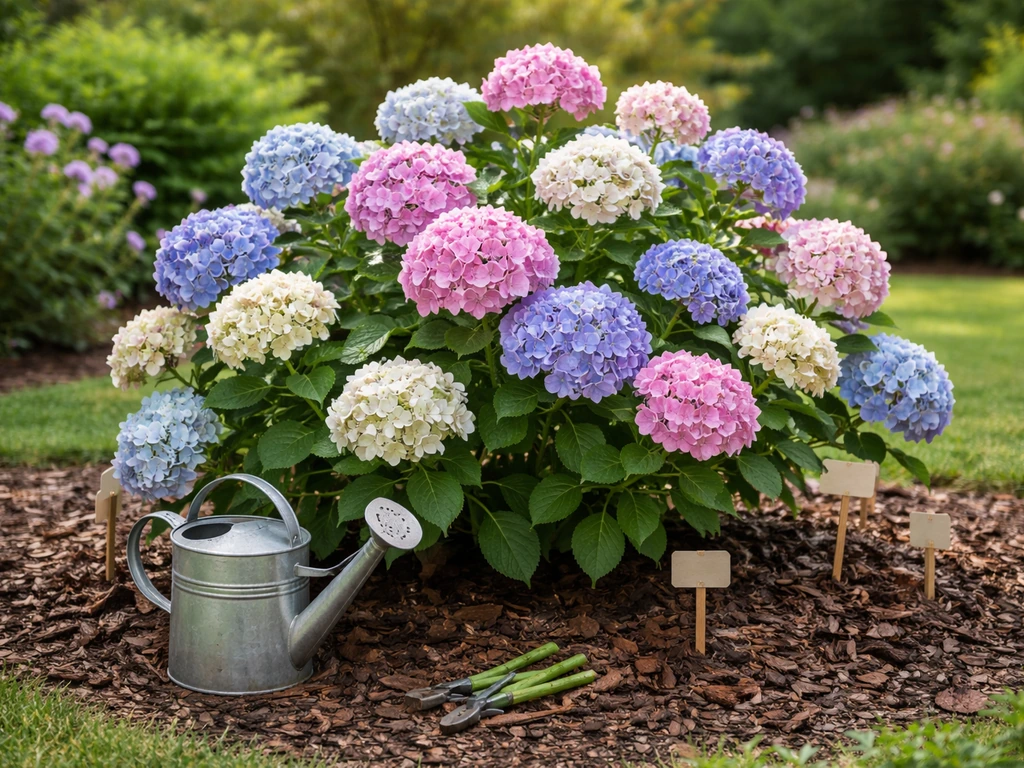
Choosing the right hydrangea type
There are several species commonly sold at garden centers, and they're not interchangeable. Sun tolerance, pruning timing, cold hardiness, and bloom color control all vary by species. Picking the wrong one for your yard and then following generic care advice is a recipe for frustration.
Here's a quick breakdown of the main types you'll encounter:
| Type | Species | Blooms on | Sun needs | Best for |
|---|---|---|---|---|
| Bigleaf (mophead/lacecap) | H. macrophylla | Old wood | Part shade to part sun | Classic big blooms, color-changing |
| Smooth hydrangea | H. arborescens | New wood | Part shade to full sun | Reliably blooms every year (e.g., Annabelle) |
| Panicle hydrangea | H. paniculata | New wood | Full sun to part sun | Largest plants, toughest, tree forms |
| Oakleaf hydrangea | H. quercifolia | Old wood | Part shade | Fall color, drought tolerance |
| Climbing hydrangea | H. anomala petiolaris | Old wood | Part shade to full sun | Covering walls, fences, trees |
If you're a beginner or you live somewhere with cold winters (Zone 4 or 5), I'd honestly start with a panicle hydrangea or a smooth hydrangea like Annabelle. They bloom on new wood, which means even if winter kills every stem back to the ground, you'll still get flowers that season. Bigleaf hydrangeas (H. macrophylla) are gorgeous but their flower buds overwinter on old stems, so a bad frost or a well-meaning spring pruning can wipe out an entire year's blooms.
Hydrangea 'trees' are not a separate species. They're typically panicle hydrangeas (H. paniculata) trained into a standard form with a single trunk. You grow them the same way as a shrub form, just with some structural pruning to maintain the trunk and a rounded top. Cultivars like 'Limelight' and 'Quick Fire' are the most commonly trained into tree form.
Climbing hydrangea (H. anomala subsp. petiolaris) is its own animal entirely. It attaches to surfaces using aerial rootlets, can eventually reach 30 to 80 feet, and takes 3 to 5 years to establish before it really takes off. Don't panic if it barely moves in year one or two. It's putting its energy underground.
Site and soil setup for strong growth
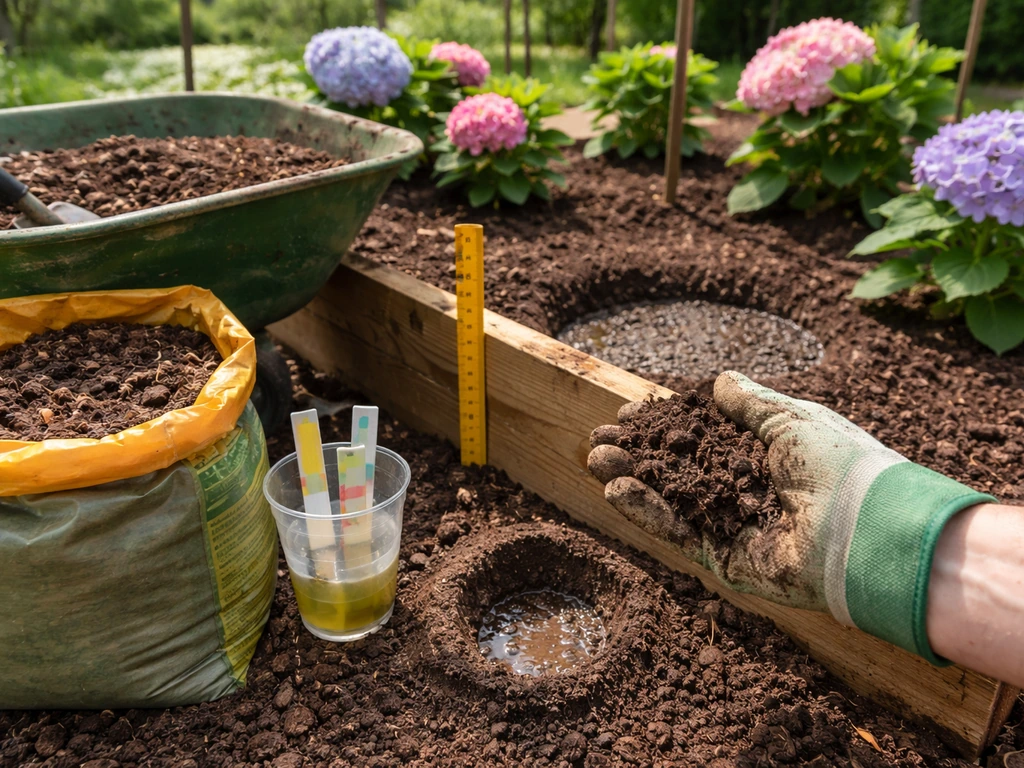
Most hydrangeas want well-drained soil. That's the non-negotiable. They like moisture but they will rot in waterlogged ground. If your garden holds water after rain, raise the bed or amend heavily with compost and coarse grit before planting.
For soil pH, the general sweet spot for most hydrangeas is about 5.0 to 6.5. Panicle hydrangeas are more tolerant of a wider pH range than macrophylla types. Here's the thing most gardeners don't know: for bigleaf hydrangeas (H. macrophylla), soil pH isn't just a health factor, it controls bloom color. Aluminum ions in the soil produce blue flowers, and aluminum only becomes available to the plant when the soil is acidic, roughly pH 4. Oregon State Extension notes that acidic soil (pH below 6) with available aluminum tends to produce blue or purple hydrangea blooms blank" rel="noopener noreferrer">Aluminum ions in the soil produce blue flowers. 0 to 5.0. Raise the pH above 6.0 and you push the blooms toward pink, see more on how to grow pink hydrangea for specific tips. If you're specifically chasing blue hydrangeas, you'll need to acidify with aluminum sulfate. Homes & Gardens notes that aluminum sulfate helps keep blue hydrangea blooms by lowering soil pH so aluminum can be taken up and bound to pigment processes associated with blue flowers acidify with aluminum sulfate. If you want pink, keep the pH higher and avoid aluminum sulfate. White-flowered varieties like 'Annabelle' or paniculata types don't change color this way regardless of soil pH.
Before planting, work in 2 to 3 inches of compost to improve both drainage and moisture retention. If you're on clay, this step matters even more. Do a simple soil pH test (available at most garden centers or through your local extension office) before you try to manipulate color, because you need to know where you're starting from.
For site selection, think about afternoon sun. Most hydrangeas handle morning sun well, but in hot climates (Zone 7 and warmer), all-day sun plus heat stress can cause wilting, bleached blooms, and stressed plants. In cooler zones (5 and 6), full sun is often fine, especially for panicle and smooth types. Bigleaf and oakleaf hydrangeas do best in bright indirect light or morning sun with afternoon shade.
Planting hydrangeas: timing and step-by-step
The best times to plant hydrangeas are spring or fall. Spring planting gives roots a full growing season to establish before summer heat. Fall planting (at least 6 weeks before the ground freezes) lets roots settle in before the plant has to support leafy growth. Avoid planting during summer, especially if you're buying a plant in bloom at a garden center. It's tempting, but summer-planted hydrangeas struggle with heat and transplant stress simultaneously.
Here's how to plant correctly:
- Dig a hole about twice as wide as the root ball, and roughly the same depth.
- Set the plant so the top of the root ball sits at or just slightly above ground level, about 1 inch above grade, to allow for settling. Do not bury the crown.
- Backfill with the original soil mixed with compost, firming gently as you go to eliminate air pockets.
- Water deeply immediately after planting to settle the soil around the roots.
- Apply a 2 to 3 inch layer of organic mulch (wood chips, shredded bark) around the base, keeping it a few inches away from the stem itself.
- Water every 2 to 3 days for the first few weeks, then taper to a regular schedule once the plant shows new growth.
Spacing matters more than people give it credit for. A full-grown bigleaf hydrangea can easily spread 5 to 6 feet wide. A panicle hydrangea in tree form might reach 8 feet. Plant them where they have room to mature without being crowded by fences, AC units, or other shrubs, because hydrangeas that get pruned hard just to control size often lose their blooms in the process.
Planting climbing hydrangea
For climbing hydrangea, choose a sturdy, permanent surface: a brick wall, stone wall, large tree trunk, or solid wooden fence. Plant at the base of the structure and gently guide the first shoots toward it. You may need to use soft ties or temporary supports for the first year or two until the aerial rootlets take hold. Once they attach, climbing hydrangea needs very little help. Do not plant it against a wood surface you plan to repaint, because the rootlets bond tightly and can cause damage on removal.
Watering and fertilizing to get healthy blooms
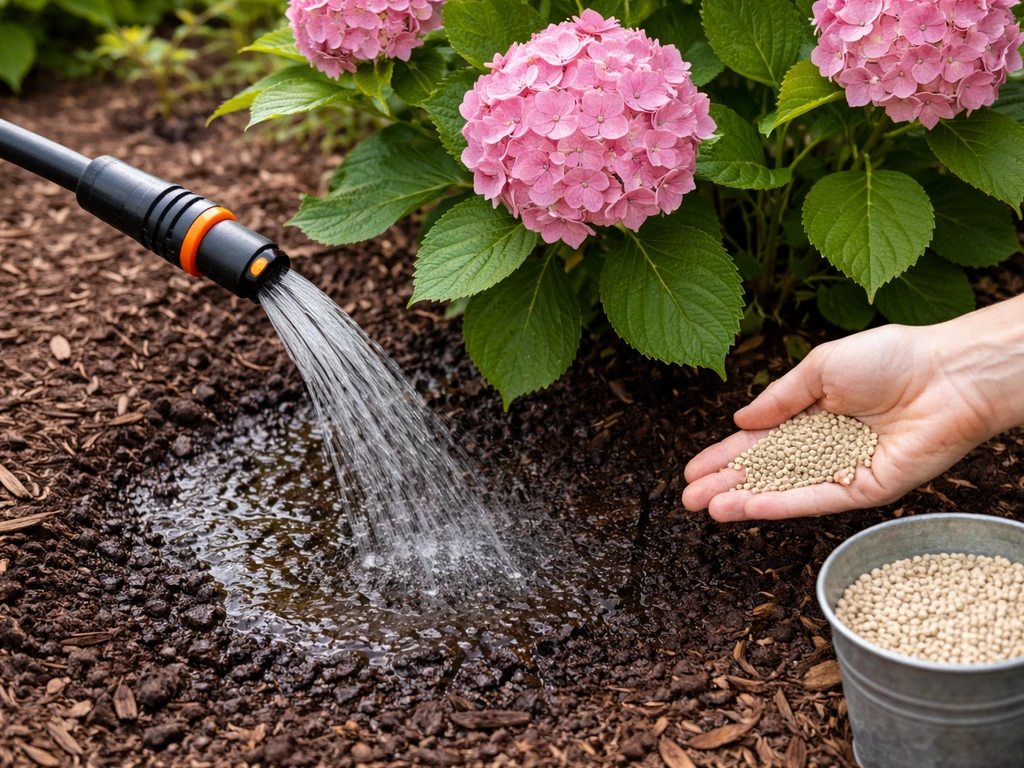
Hydrangeas need about 1 inch of water per week under normal conditions. During hot, dry stretches, that goes up to around 2 inches per week. The name 'hydrangea' literally means water vessel, and they mean it. Wilting leaves mid-afternoon on a hot day doesn't always mean under-watering (some afternoon wilt is normal in heat), but if the leaves are still drooping in the morning, the plant is genuinely thirsty.
Deep, infrequent watering is better than light daily sprinkles. Aim to water slowly at the base, soaking the root zone rather than wetting the foliage. Wet foliage encourages fungal problems. In March and early spring when the soil is still cool, watering deeply once every 7 to 10 days is often enough if rainfall is adequate. Add a fresh 2 to 4 inch layer of organic mulch at this time to retain moisture and stabilize soil temperature.
On fertilizing: more is not better. Excess nitrogen (the first number on a fertilizer label) is one of the most common reasons hydrangeas leaf out beautifully but produce no flowers at all. A balanced fertilizer like a 10-10-10 is a safe, sensible choice for most hydrangeas. Apply once in spring when new growth appears and, if needed, once more in midsummer. Don't fertilize late in the season, as it can push tender new growth that won't harden off before frost.
One timing note worth emphasizing: in early spring, hold off on fertilizing until you actually see new growth emerging from the stems. Feeding too early can stimulate soft growth that a late frost will kill. Late March to early April is typically the right window in most temperate zones, but let the plant tell you when it's ready rather than going by the calendar alone.
Sunlight, pruning, and training (including climbing hydrangea)
For bloom production, hydrangeas generally want 6 to 8 hours of sun per day. That's the full-sun threshold for panicle and smooth types. Bigleaf hydrangeas can do well with 4 to 6 hours, especially if that sun comes in the morning. Less than 4 hours of sun per day and almost any hydrangea will struggle to flower well regardless of everything else you do.
Pruning: the most misunderstood part of hydrangea care
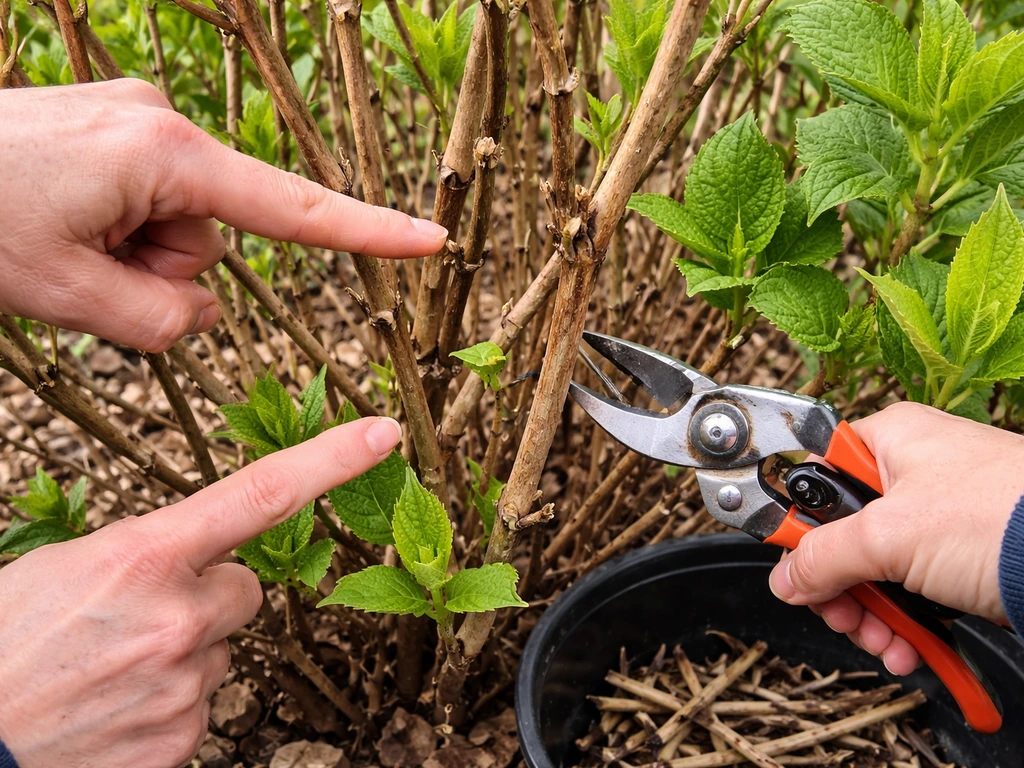
Pruning is where most people accidentally destroy their own blooms. The critical question is whether your hydrangea blooms on old wood or new wood, because the answer dictates everything about when and how much you can cut.
- Old wood bloomers (H. macrophylla, H. quercifolia, H. anomala petiolaris): flower buds are set on stems that grew the previous season. Prune these in summer, right after blooming, not in fall or spring. Pruning in spring removes the buds that were quietly waiting inside those stems all winter.
- New wood bloomers (H. paniculata, H. arborescens): flower buds form on stems that grow in the current season. Prune these in late winter or early spring before new growth starts. Even a hard cutback won't cost you flowers.
Right now in late March (today's date is March 24, 2026), if you have a panicle hydrangea or a smooth hydrangea like Annabelle, you can still prune it now before new growth gets too far along. If you have a bigleaf or climbing hydrangea, put the pruners down and wait until after it blooms this summer. Pruning it now means no flowers this year.
For smooth hydrangeas like Annabelle, you can cut stems back to within a few inches of the ground each late winter or early fall to manage size and encourage strong new flowering stems. This is intentionally hard pruning and it works well for this species specifically. Don't apply the same approach to a bigleaf hydrangea or you'll strip it bare for a full season.
For panicle hydrangeas grown as 'trees' (standard form), pruning focuses on maintaining the shape of the rounded crown. Remove crossing, dead, or weak branches in late winter, and tip back the main framework stems lightly to encourage branching and more flower sites. Don't remove the main trunk or the permanent scaffold branches.
Training climbing hydrangea
Climbing hydrangea blooms on old wood, so the same pruning caution applies. Only prune after it flowers (typically late spring to early summer). You can remove dead stems, trim any shoots growing away from the support surface, and cut back vigorous side branches to keep it tidy without cutting into the main framework. In the early years, focus on guiding and attaching rather than pruning at all.
Getting big, healthy plants and more blooms: growth boosters and troubleshooting
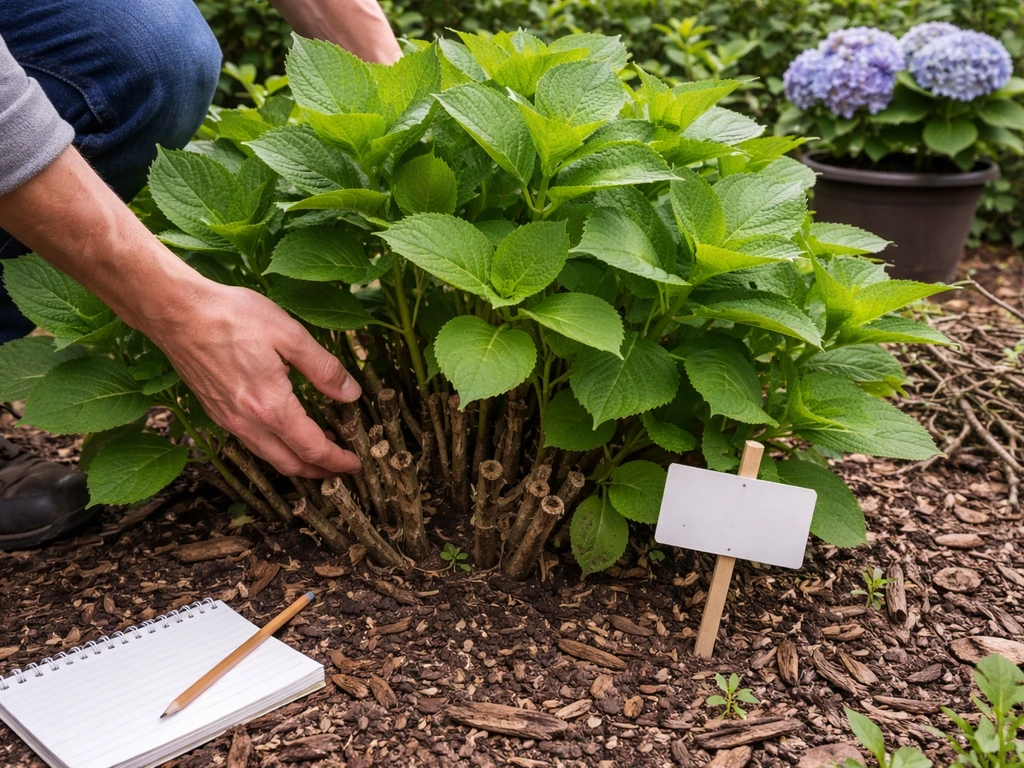
If your hydrangea is growing well but producing few or no flowers, run through this checklist before reaching for any product:
- Did you prune at the wrong time? This is the number one cause of no blooms on bigleaf and climbing hydrangeas. If you pruned in fall or spring on an old-wood type, you likely removed the flower buds.
- Is the plant getting enough light? Less than 4 to 6 hours of sun is a major limiting factor for flowering.
- Are you over-fertilizing with nitrogen? Heavy nitrogen feeding pushes vegetative growth at the expense of blooms. Scale back and use a balanced formula.
- Is the plant newly transplanted or young? Hydrangeas under 2 to 3 years old often put energy into root development first. Give them time.
- Did a late frost damage the buds? For old-wood types, a hard frost after bud swell can kill buds without killing stems. The plant looks fine but won't bloom that year.
To encourage larger plants and bigger flower heads, focus on consistent deep watering, adequate (not excessive) fertilization, and not cutting the plant back unnecessarily. Panicle hydrangeas in particular respond well to a light annual pruning that removes the weakest stems and encourages fewer but larger flower heads. If you want the absolute largest blooms, thin stems in early spring so the plant puts its energy into fewer, stronger shoots.
Mulching is underrated as a growth booster. A consistent 2 to 3 inch layer of organic mulch conserves moisture, moderates soil temperature, and gradually improves soil structure as it breaks down. It's probably the single lowest-effort thing you can do for a hydrangea's long-term health.
For winter protection of old-wood bloomers, add mulch at the base in early winter and, in cold zones (Zone 5 and colder), wrap the stems loosely in burlap to protect the buds. Never use plastic wrap or plastic sheeting. Plastic traps moisture and can actually damage the buds you're trying to protect. Remove the wrapping in early spring as temperatures stabilize.
Special care for macrophylla, paniculata, and white hydrangeas
Hydrangea macrophylla (bigleaf)
This is the classic florist's hydrangea: big round mopheads or flat lacecap flowers in shades of blue, pink, or purple depending on soil chemistry. H. macrophylla is rewarding but the most high-maintenance of the common types when it comes to bloom consistency.
The key to keeping it blooming year after year: protect those old stems through winter, prune only after flowering in summer, and manage soil pH intentionally if you want a specific color. For blue flowers, acidify to pH 4.0 to 5.0 with aluminum sulfate and make sure aluminum is available in the soil. For pink, keep pH closer to 6.0 to 6.5 and avoid aluminum sulfate. For more detail on pushing and maintaining blue color, there's a dedicated guide on how to grow blue hydrangeas that goes deep on soil chemistry and amendment timing.
Reblooming cultivars (like Endless Summer series) are bred to flower on both old and new wood, making them more forgiving. If you're in a cold climate and tired of losing buds to frost, a remontant variety is worth the upgrade.
Hydrangea paniculata (panicle)
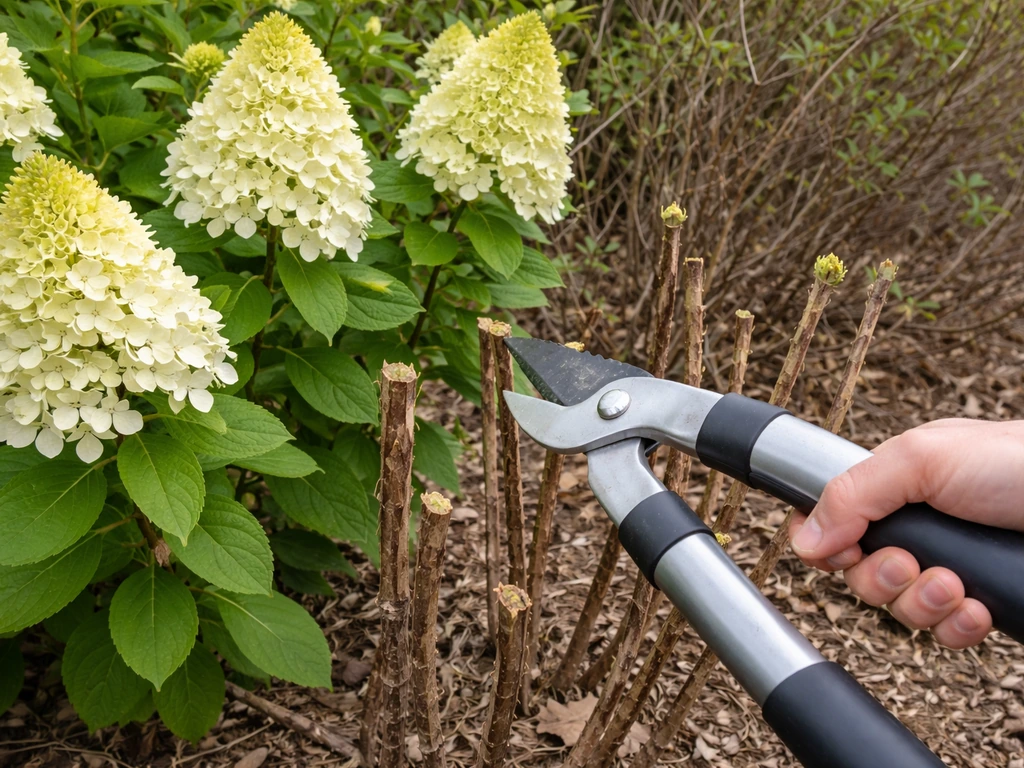
Panicle hydrangeas are arguably the most beginner-friendly and versatile of the bunch. They bloom on new wood, tolerate full sun, handle a wider pH range than macrophylla, and are generally cold-hardy to Zone 3 or 4. They're also the ones most commonly trained into tree form.
Prune panicle hydrangeas in late winter before new growth starts. You can cut back hard if needed (removing up to one-third of the plant's overall size) without sacrificing blooms. The plant will produce new flowering shoots on the fresh growth. If you want to grow a panicle hydrangea as a standard tree form, select the strongest single stem early on, remove all competing basal shoots as they appear, and build a clean trunk to about 3 to 4 feet before letting the crown branch out. Prune panicle hydrangeas in late winter before new growth starts. You can cut back hard if needed (removing up to one-third of the plant's overall size) without sacrificing blooms. The plant will produce new flowering shoots on the fresh growth. If you want to grow a panicle hydrangea as a standard tree form, select the strongest single stem early on, remove all competing basal shoots as they appear, and build a clean trunk to about 3 to 4 feet before letting the crown branch out. For a deeper dive into growing this specific type, check out the guide on how to grow panicle hydrangea.
Panicle hydrangeas start with white or cream flowers in summer, and the blooms age to pink and then parchment-brown through fall. This color shift is not related to soil pH, it's just the plant's natural aging process.
White hydrangeas
White hydrangeas include smooth types like Annabelle (H. arborescens), panicle types like 'Limelight' (which opens chartreuse and fades to white), oakleaf hydrangeas, and some macrophylla cultivars that hold white regardless of soil pH. If you're growing a white macrophylla and it's turning pale pink, that's usually just natural aging of the bloom rather than a soil issue. True white-blooming species and cultivars don't shift color with pH the way pink and blue macrophyllas do.
Annabelle is one of the easiest white hydrangeas to grow: cut it hard to the ground or just above in late winter, feed it once in spring, water it consistently, and it will produce large white globes reliably every summer even in Zones 3 to 5. The flowers can get heavy and flop, especially after rain. Planting it where it gets some wind protection, or using a simple ring support, fixes this without any chemical intervention.
If you want white blooms on a panicle type with impressive size and sun tolerance, 'Limelight' and 'PeeGee' are both excellent choices that respond well to being trained as standard trees. They're also tough enough to handle a lot of direct sun, which most other hydrangeas can't say.
FAQ
My hydrangea has lots of leaves but no blooms, what should I check first?
If your hydrangea is leafing out but never flowers, check the pruning category first (old-wood vs new-wood). Then confirm it gets enough sun (at least 4 to 6 hours for bigleaf, 6 to 8 for panicle/smooth). The next most common cause is too much nitrogen, which creates leafy growth without buds.
Can I prune my hydrangea anytime I want?
Yes, but only if you’re confident about the type. Bigleaf and climbing hydrangeas lose that year’s flowers if you prune before they bloom, because flower buds form on older stems. Panicle and smooth hydrangeas are the main types you can prune in late winter for new-flower production.
My hydrangea wilts in the afternoon, does that mean I should water more?
Don’t assume it’s under-watered based on wilting mid-afternoon, that can be normal during heat. Use a morning check, if leaves are still drooping when the sun is lower, then water deeply at the base. Also avoid frequent sprinkling since it encourages fungal issues from wet foliage.
What if my yard stays wet after rain, can I still grow hydrangeas?
Start with soil drainage. If water sits on the surface after rain or the area stays soggy, raising the bed and blending in coarse grit and compost before planting is more effective than changing watering habits. In consistently waterlogged soil, hydrangeas can decline even if you water correctly.
How do I know whether I can actually grow blue hydrangeas in my yard?
Use a soil pH test before buying amendments, and retest after you amend because pH changes can take time. If you’re aiming for blue blooms on bigleaf hydrangeas, you need acidic soil plus aluminum to be available, simply adding “blue hydrangea” products without testing often leads to disappointment.
When should I fertilize hydrangeas, and what’s the biggest feeding mistake to avoid?
Timing matters. Fertilize in spring only after you see new growth emerging, and avoid late-season feeding because it can produce soft growth that can’t harden before frost. Many people overdo it, use a balanced fertilizer and keep applications modest rather than frequent.
My white hydrangea looks like it’s turning pink, is it a pH problem?
Bigleaf hydrangeas can change color, but white-flowering types generally do not respond to soil pH the same way. If you see a white cultivar turning slightly tinted, it’s often natural bloom aging or cultivar behavior rather than a soil chemistry shift.
How do I prune for blooms if I’m not sure whether mine blooms on old or new wood?
For bigleaf hydrangeas, protect old stems through winter, then prune only after flowering in summer. For panicle and smooth types, late-winter pruning before new growth starts is safe, and hard cutting can be fine for smooth types like Annabelle.
What’s the best way to get bigger hydrangea flower heads, not just more flowers?
If you’re trying for larger flower heads, focus on consistent deep watering and avoid unnecessary hard pruning that removes potential buds. For panicle hydrangeas, a light annual thinning of weaker stems in early spring can result in fewer but larger blooms.
I keep losing my hydrangea buds to late frost, should I switch plants?
Watch for late frost and winter bud damage, especially with bigleaf and climbing hydrangeas. Reblooming cultivars help because they can flower on both old and new wood, making them more reliable in cold climates.
Can I transplant a hydrangea, and what season is safest?
Yes, but do it carefully. If you can dig early enough to protect many roots and keep the plant well watered afterward, spring or fall are usually easiest. Avoid summer moves, heat stress plus transplant stress is a common reason plants stall for an entire season.
How much mulch should I use, and should I pile it against the stems?
Use organic mulch 2 to 4 inches thick and keep it from piling directly against stems. Mulch helps moderate soil temperature and moisture, but if you over-mulch in wet or cool conditions it can stay too damp near the crown.