
Yes, Miracle-Gro is good for petunias, but the formula you choose and how you apply it makes all the difference. The wrong product or too much nitrogen will give you lush green vines and almost no flowers. The right product, applied at the right time, gives you the dense, colorful blooms petunias are known for. The short version: use a bloom-boosting formula like Miracle-Gro Water Soluble Bloom Booster (15-30-15) for container petunias, apply every two weeks, and always water thoroughly before and after feeding.
Is Miracle-Gro Good for Petunias? How to Feed Safely

Marcus Holloway
31 May 2026
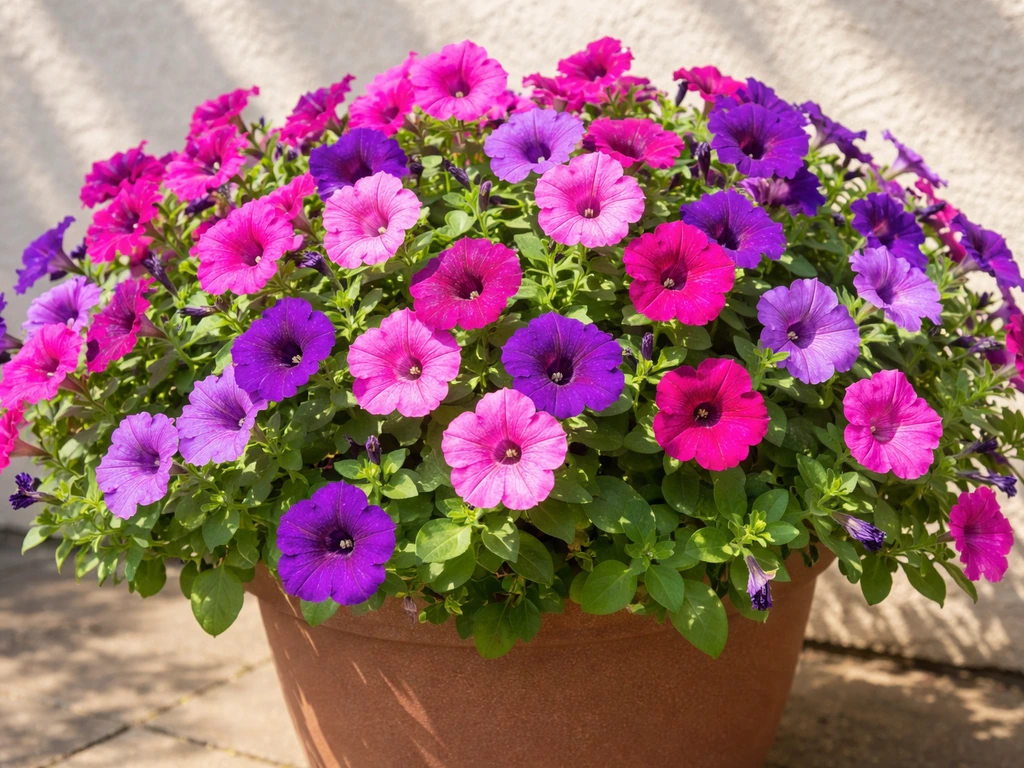
Miracle-Gro vs. petunias: what you actually need to know
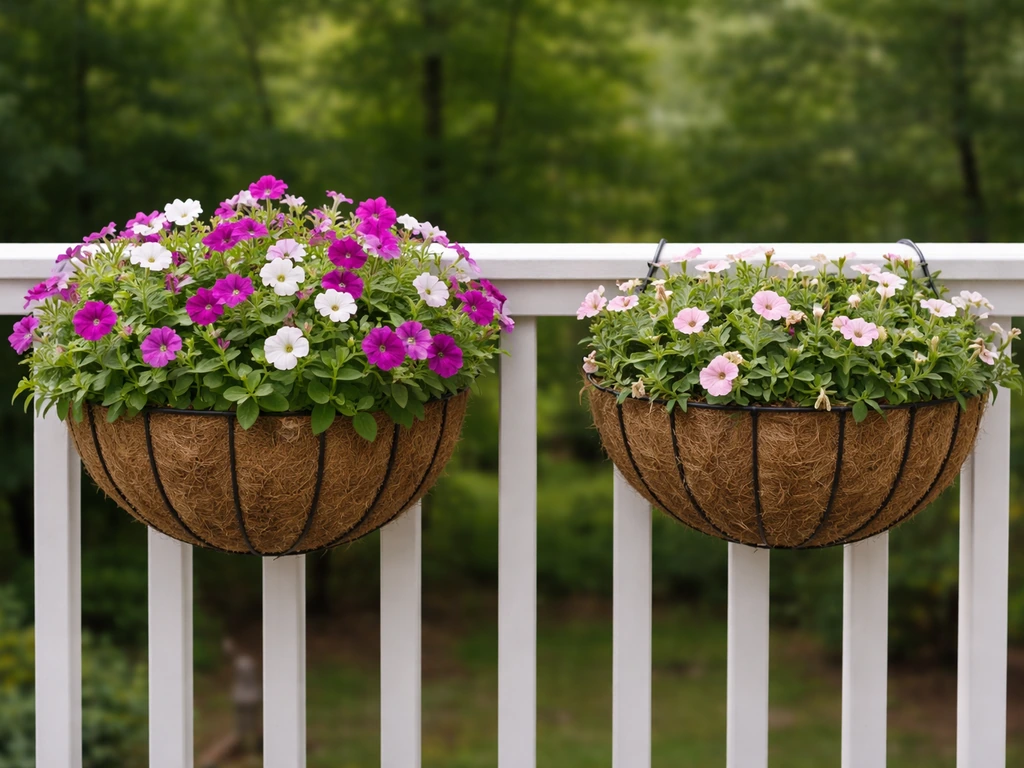
Petunias are heavy feeders, especially in containers and hanging baskets where nutrients flush out with every watering. Without regular fertilizing, they'll slow down, stop blooming, and look tired by midsummer. So yes, they genuinely need feeding, and Miracle-Gro is a perfectly capable product for that job.
The problem most people run into is using the general-purpose formula and wondering why their petunias are all leaves and no flowers. High-nitrogen fertilizers push vegetative growth. Petunias need phosphorus to produce flowers, which is why a bloom-booster formula is almost always the better call. Think of the NPK ratio as a dial: nitrogen (N) builds green growth, phosphorus (P) builds roots and blooms, and potassium (K) supports overall plant health. For petunias, you want that middle number as high as possible.
That said, Miracle-Gro is not magic. If your petunias are in dense shade, sitting in waterlogged soil, or planted in poor drainage, fertilizer won't fix those problems. It can even make them worse by pushing salt buildup in stressed root zones. Fertilizer helps healthy plants grow better. It doesn't rescue struggling ones.
Best Miracle-Gro formulas for petunias
Miracle-Gro makes a surprisingly wide range of products, and they are not interchangeable for petunias. Here's how the main options stack up.
| Product | NPK Ratio | Type | Best For Petunias |
|---|---|---|---|
| Bloom Booster Flower Food | 15-30-15 | Water soluble | Best choice — high phosphorus drives blooms |
| All Purpose Plant Food | 24-8-16 | Water soluble | Acceptable but high nitrogen risks leafy growth |
| Shake 'n Feed All Purpose | 12-4-8 | Slow-release granular | Good for in-ground petunias, less control |
| LiquaFeed Bloom Booster | Bloom-boosting blend | Liquid (hose-end) | Convenient for in-ground or large containers |
| Pour & Feed Plant Food | Liquid ready-to-use | Liquid concentrate | Easy option for small containers, every 1–2 weeks |
Bloom Booster (15-30-15): the go-to pick
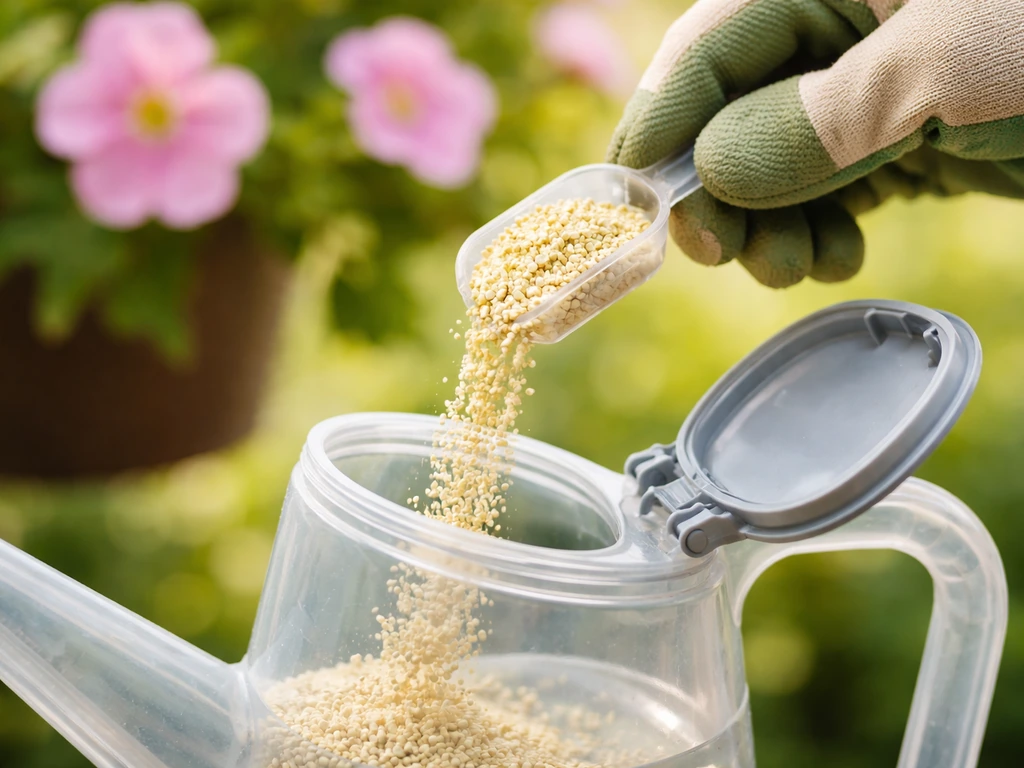
Miracle-Gro Water Soluble Bloom Booster Flower Food with its 15-30-15 NPK is the formula I'd recommend to almost anyone growing petunias in containers or hanging baskets. That high center number (phosphorus at 30) directly supports flower development, and the balanced nitrogen and potassium keep plants from going either leggy or weak. Miracle-Gro notes you should wait until about 30 days after planting in fresh potting mix before starting regular feeding, which is solid advice since quality potting mix usually contains a starter charge of nutrients.
All Purpose (24-8-16): works, but watch the nitrogen
The classic Miracle-Gro All Purpose at 24-8-16 is not ideal for petunias as a primary fertilizer. That 24 in nitrogen is high, and petunias will respond by putting energy into foliage rather than flowers. You can use it at half-strength early in the season when you want to establish size and leaf coverage, then switch to Bloom Booster once you want maximum flowering. Just don't make it your every-two-weeks go-to all summer.
Shake 'n Feed (12-4-8): better for in-ground petunias
If you have petunias planted directly in garden beds, the Shake 'n Feed granular at 12-4-8 is a convenient option. You work it into the top one to three inches of soil and water it in, and it releases slowly over time. The downside is less control: you can't easily adjust frequency or concentration the way you can with water-soluble formulas. For containers, slow-release granulars can also contribute to salt buildup over a season, so use them cautiously in pots.
How to apply Miracle-Gro to petunias without causing problems
Timing: when to start feeding
If you're planting into fresh potting mix, hold off on fertilizing for the first 2 to 4 weeks. Good potting mixes include a starter nutrient charge that carries the plant through that early establishment window. Starting fertilizer too early on newly planted petunias, especially young transplants with underdeveloped roots, can stress the plant. For in-ground petunias in garden soil with few added nutrients, you can start feeding about two weeks after planting once you see signs of active growth.
How often to feed
For water-soluble formulas like Bloom Booster, every two weeks is the standard for most petunias in containers. For hanging baskets, Miracle-Gro Water Soluble Bloom Booster is usually applied on the same two-week schedule, with weekly feeding only if the plants are very vigorous Miracle-Gro on hanging baskets. University of Minnesota Extension specifically recommends feeding petunias every two weeks, with weekly feeding for spreading or Wave-type varieties, which are especially vigorous and fast-growing. If you want to feed more frequently, you can apply at one-quarter the recommended rate weekly, which is a technique extension specialists recommend for container annuals because it keeps a more consistent nutrient level rather than peaks and valleys.
How much to use
For Miracle-Gro Water Soluble Bloom Booster, the label dosing gives about blank" rel="noopener noreferrer">half a teaspoon per gallon of water for indoor plants, scaling up for outdoor use with a watering can or hose-end feeder. Always follow the label for your specific product and don't assume more is better. For Miracle-Gro Pour & Feed Plant Food, follow the label guidance to blank" rel="noopener noreferrer">feed plants in outdoor and indoor containers every 1 to 2 weeks, and note that 1 capful equals 58 grams. Doubling the concentration doesn't double the benefit, it raises the risk of salt accumulation and root burn, especially in containers where drainage can concentrate solutes in the lower root zone.
The watering rule you can't skip
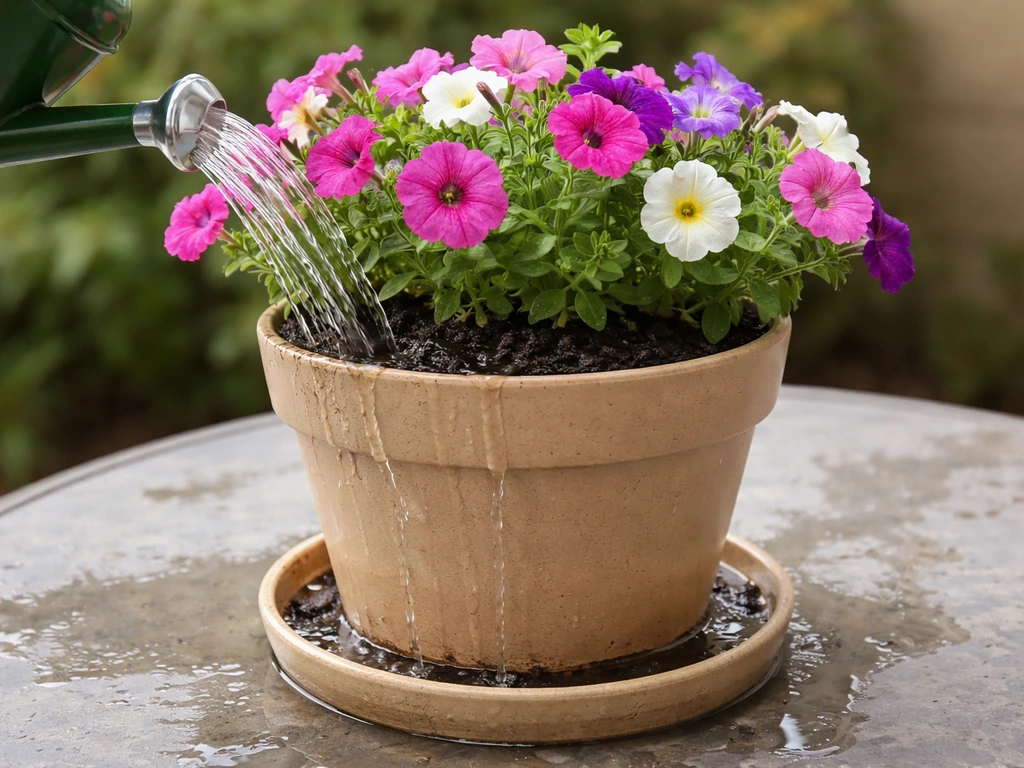
Always water your petunias thoroughly before applying liquid fertilizer, and water again lightly after. Applying fertilizer to dry soil concentrates the solution around roots and dramatically increases the chance of burn. This is one of the most common mistakes I see, especially with hanging baskets in summer heat when the soil dries out fast. Soak the basket first, apply your diluted Bloom Booster, then let it settle in. If you're using granular Shake 'n Feed, work it into the soil surface and water it in well immediately after application.
Soil and light basics that determine whether fertilizer actually helps
Fertilizer amplifies what's already working. If your growing conditions are off, feeding won't fix them. This same Miracle-Gro fertilizer logic applies when you’re asking, “is Miracle-Gro good for peonies,” because bloom quality depends on matching the nutrients to the plant’s needs and feeding schedule. Petunias need full sun, which means at least six hours of direct sunlight per day. You can use the same general Miracle-Gro feeding approach on hibiscus, but choose the right formula and avoid overfeeding so you do not trigger leaf growth with fewer blooms. In partial shade, they'll produce fewer flowers regardless of how well you feed them, and high nitrogen fertilizer in shade will just push more leggy, weak growth toward the light.
Soil matters too. Petunias prefer well-draining soil with a pH between 6.0 and 7.0, slightly acidic to neutral. In containers, a quality potting mix designed for annuals or flowering plants will give you a good foundation. Heavy garden soil that holds water creates root stress that no amount of fertilizer can compensate for. If your in-ground bed tends to stay wet, amend it with compost and perlite before planting, not just with more fertilizer.
Container petunias dry out much faster than in-ground plants, sometimes requiring daily watering in hot weather. That frequent watering flushes nutrients out quickly, which is exactly why regular fertilizing matters more for potted petunias than for those in the ground. It's also why salt buildup is a bigger risk in containers: you're concentrating everything in a small volume of soil. Flushing the pot with plain water every few weeks helps reset that accumulation.
Troubleshooting: too much, too little, and other petunia headaches
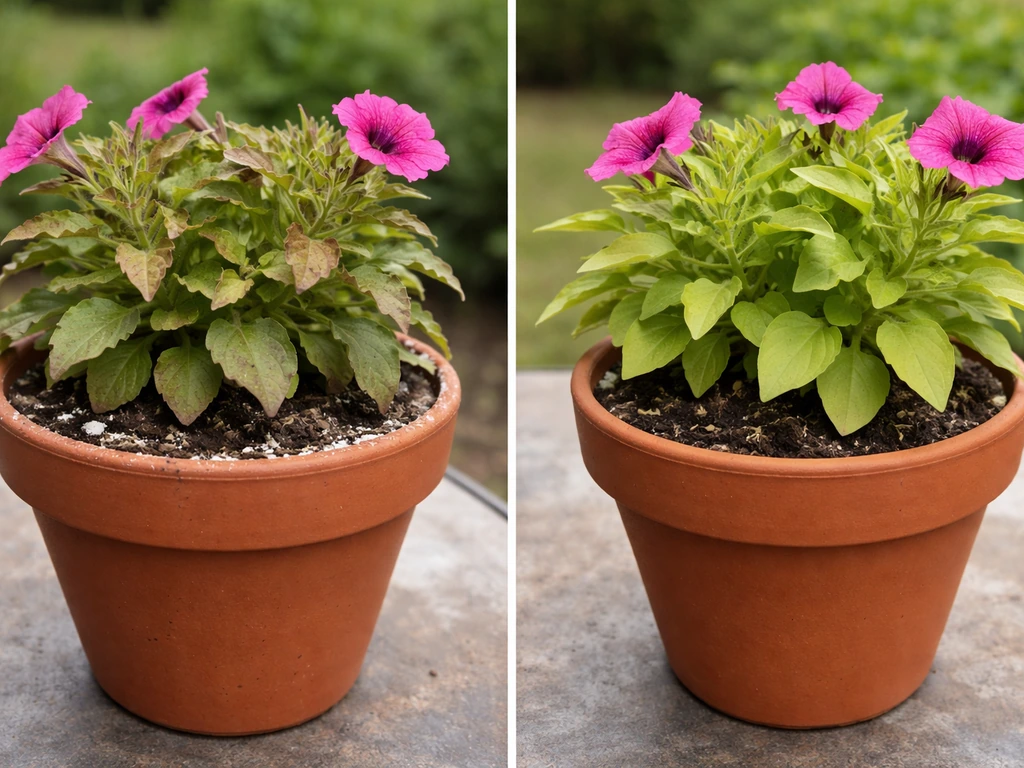
Signs you're over-fertilizing
- Leaf tips or edges turning brown or crispy (fertilizer burn from salt concentration)
- White crusty buildup on the surface of potting soil or around the drainage holes
- Lots of green leafy growth but very few flowers
- Wilting even when soil is moist (salt damage to roots reducing water uptake)
- Algae or a greenish film on the soil surface (excess nutrients feeding surface organisms)
If you see salt crust or brown leaf tips, flush the container thoroughly with plain water for several minutes until it runs freely from the drainage holes. This dilutes and drains the accumulated salts. Then dial back your feeding concentration or frequency. Switching from every-two-weeks to every-three-weeks, or halving your dilution rate, is often enough to correct the issue without stopping fertilization entirely.
Signs you're under-fertilizing
- Pale yellow-green leaves, especially on older foliage lower on the plant
- Slow growth and small flowers or very few buds
- Stems becoming thin and wiry as the season progresses
- Leaves dropping from the lower portion of the plant
Yellowing lower leaves on container petunias are almost always a sign of nitrogen deficiency from leaching, especially if you've been watering heavily. Resume your regular Bloom Booster schedule and you'll usually see improvement within 10 to 14 days. If you've been using only slow-release granulars and see this pattern midseason, supplement with a liquid water-soluble feed to give the plant a faster boost.
Leggy petunias with few flowers
Leggy, stretched growth with minimal blooms usually points to one of three things: too much shade, too much nitrogen, or petunias that simply need a hard trim. Petunias respond extremely well to cutting back. Trim leggy stems by about one-third, feed with Bloom Booster, keep them in full sun, and they'll rebound with fresh growth and a new flush of flowers within two to three weeks. Don't be afraid to cut them back hard in midsummer if they've gotten out of hand.
Alternatives to Miracle-Gro for feeding petunias
Miracle-Gro is convenient and widely available, but it's not your only option. If you prefer organic approaches, lower-cost alternatives, or just want a backup plan, here are reliable choices.
- Balanced bloom fertilizers from other brands (look for a high middle number in the NPK): Products like Jack's Classic Blossom Booster (10-30-20) work similarly to Miracle-Gro Bloom Booster and give you the same phosphorus-driven flower production.
- Tomato fertilizers: Sounds odd, but tomato formulas are bloom-focused with moderate nitrogen and higher phosphorus and potassium. They work well for flowering annuals like petunias and are widely available.
- Fish emulsion or fish and kelp blends: Organic options that release nutrients more slowly. They smell unpleasant but they work. Apply at half strength every two weeks and expect slightly slower results than synthetic fertilizers.
- Compost tea: A DIY option made by steeping finished compost in water for 24 to 48 hours and applying the liquid to your plants. It's low in concentrated nutrients but adds beneficial microbial life to the soil, which improves nutrient availability over time.
- Slow-release organic granulars (like Espoma Flower-tone): These are a lower-maintenance option for in-ground petunias. Work them into the soil at planting and reapply mid-season. They won't give you the same quick response as water-soluble synthetics but are gentle and forgiving.
If you're growing petunias alongside other flowering annuals like geraniums or impatiens in the same containers or beds, the good news is that bloom-boosting fertilizers work well across most of them. If you are growing impatiens too, Miracle-Gro-type bloom boosters can work, but you should keep an eye on nitrogen so you do not end up with lots of leaves and fewer blooms. Hoya care is different from petunias, so it's important to check whether your fertilizer approach fits succulents and epiphytic plants before using Miracle-Gro. The same idea of using a bloom-boosting fertilizer at the right rate can also help geraniums produce more flowers. The feeding schedule and phosphorus-focused approach that benefits petunias tends to benefit most summer flowering annuals, so you don't usually need a separate product for each plant type.
The bottom line: Miracle-Gro Bloom Booster is a solid, proven choice for petunias. Use it every two weeks in containers, water before and after applying, start about a month after planting into fresh potting mix, and trim your plants back when they get leggy. Do those things consistently and you'll have petunias blooming hard from late spring through the first frost.
FAQ
Can I use Miracle-Gro for petunias if I’m growing them in-ground in my garden bed?
Yes, but you’ll usually need fewer feedings than with containers. If your bed gets regular amendments and drains well, start around two weeks after planting and use the Bloom Booster approach, not the high-nitrogen all-purpose. In-ground salt buildup is less common, but overfeeding can still reduce blooms by encouraging leafy growth.
Which Miracle-Gro product should I avoid for petunias?
Avoid Miracle-Gro high-nitrogen, general-purpose blends as your main ongoing fertilizer during peak bloom. If you only have an all-purpose product, use it at half strength only early on, then switch to a phosphorus-focused bloom formula once you want heavy flowering.
How soon after planting can I start Miracle-Gro on petunias in containers?
If you planted into fresh potting mix, wait about 30 days before beginning a regular schedule. If you used older potting mix or the plant is already actively growing with established roots, you may not need to wait as long, but start weaker than the label and watch for leaf color and bloom response.
What if my petunias have lots of leaves but few flowers after using Miracle-Gro?
That pattern usually means either too much nitrogen or not enough sun. Reduce concentration, confirm you are using a bloom-focused formula, and check for at least six hours of direct light. If growth is leggy, a hard trim (about one-third) plus the Bloom Booster schedule often fixes it in 2 to 3 weeks.
Can I feed petunias weekly instead of every two weeks?
Yes, but use a quarter-strength weekly approach rather than full-dose weekly. Frequent low-dose feeding helps keep nutrient levels steadier in containers, which reduces the peaks that can contribute to leafiness or salt stress.
Is it safe to fertilize petunias when they look wilted or the soil is very dry?
Do not apply liquid fertilizer to dry soil. Water thoroughly first, then apply the diluted feed, and water lightly again after. This prevents root burn that can happen when fertilizer concentrates around dry roots during hot weather.
How do I know if I’m overdoing fertilizer or causing salt buildup in my containers?
Look for salt crust on the soil surface or brown leaf tip burn, and notice if growth stalls even though you’re feeding. Flush the pot with plain water until it runs freely from drainage holes, then scale back frequency or dilution for the next cycle.
My petunias are yellowing on the lower leaves in midsummer, what should I do?
Yellow lower leaves in containers often point to nitrogen deficiency from leaching. Resume the Bloom Booster schedule at label strength, and within 10 to 14 days you should see improvement. If you only used slow-release fertilizer, supplementing with liquid feed can help faster.
Can I use Miracle-Gro on petunias that are in partial shade?
You can feed them, but fertilizer cannot replace missing light. Expect fewer flowers in shade no matter what. If you do fertilize, be extra cautious with nitrogen, because shade plus high nitrogen often creates leggy growth that leans toward the light.
Does the fertilizer rate differ for indoor vs outdoor petunias?
Yes. Indoors, the label may call for about half a teaspoon per gallon for liquid feeds, while outdoor watering cans or hose-end feeders will scale differently. Always follow the label for your exact product and avoid guessing, since container size and drainage can change how quickly salts concentrate.
What’s the best way to recover petunias that got leggy even though I’m feeding?
First, verify light conditions and correct overfeeding, then trim leggy stems by about one-third. After trimming, feed with the bloom-focused formula and keep the plants in full sun. A strong trim plus correct feeding usually triggers a fresh flowering flush within a couple of weeks.