
Yes, you can use Miracle-Gro on hoyas, but with a lighter hand than the label suggests and with the right product. Can you use Miracle-Gro on impatiens too? In most cases, you can, but match the fertilizer strength and frequency to impatiens' higher-feeding needs and avoid overdoing it.
Can I Use Miracle-Gro on Hoya Plants? Safe How-To

Marcus Holloway
6 Jun 2026
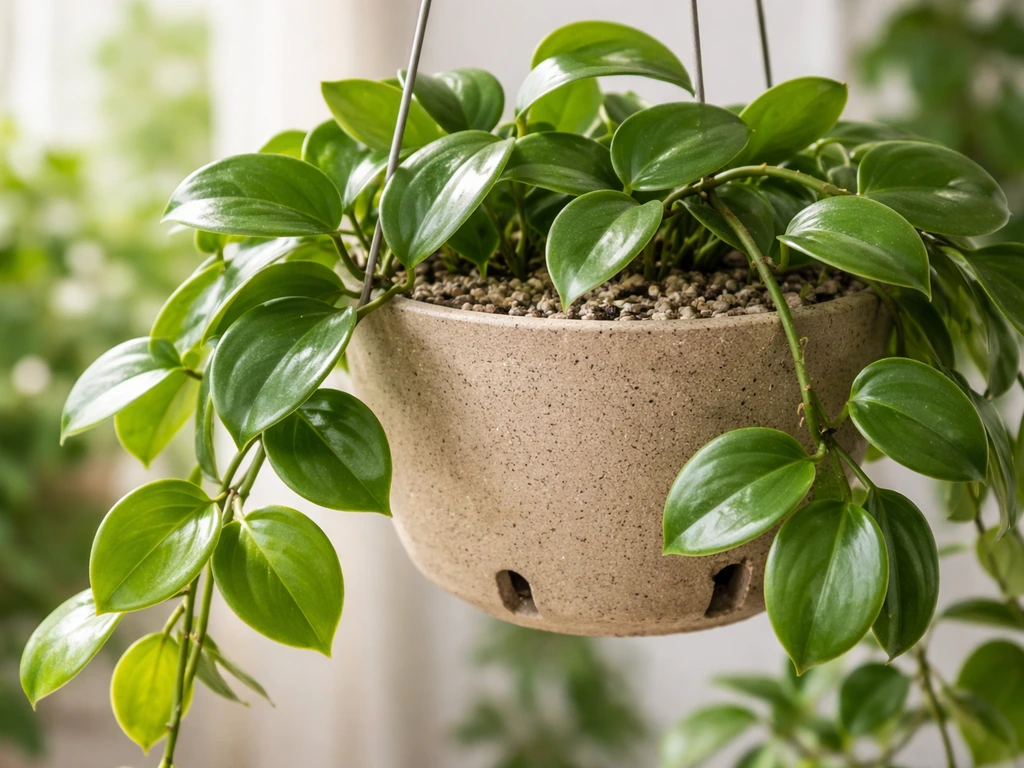
The standard Water Soluble All Purpose Plant Food (24-8-16) works fine for hoyas if you cut the dose in half and apply it no more than once a month during the growing season. The granular Shake 'N Feed version is a riskier choice for hoyas in pots, and high-nitrogen blends can push leafy growth at the expense of those waxy blooms you're probably hoping for. Done right, Miracle-Gro can support healthy vines and even encourage flowering. Miracle-Gro can also work for geraniums, but you’ll want to use it at a diluted dose and avoid overfeeding to prevent salt buildup is miracle grow good for geraniums.
Done wrong, you'll end up with salt buildup, root burn, and a plant that sulks for months.
Which Miracle-Gro product actually works for hoyas
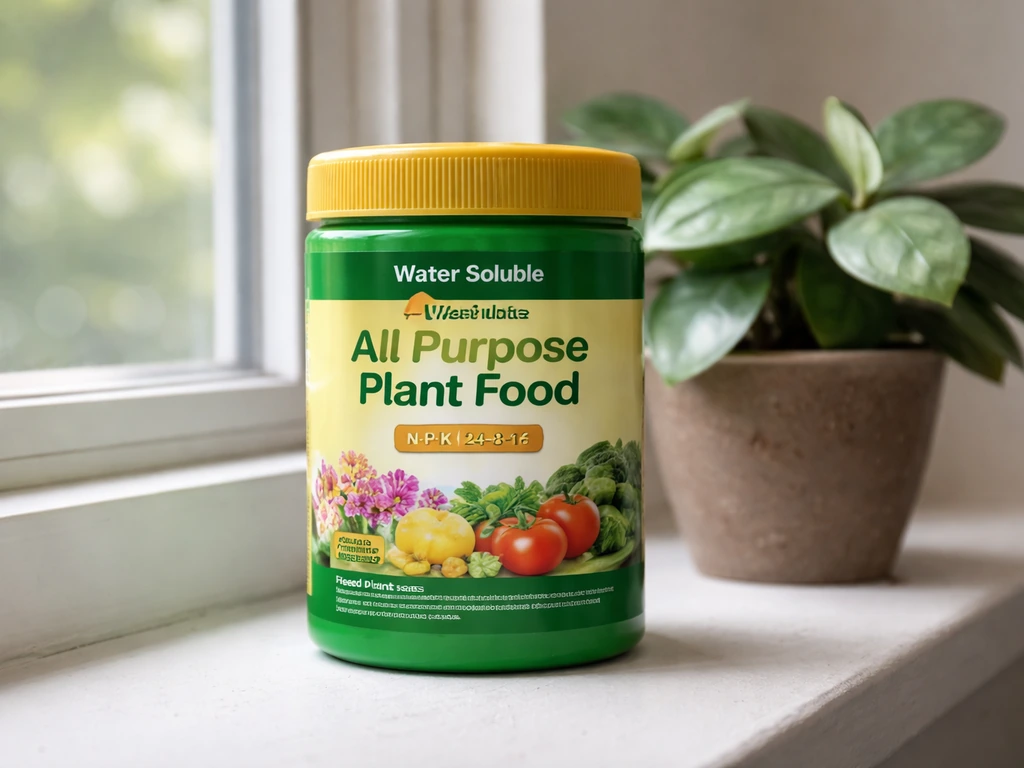
Not all Miracle-Gro products are created equal for a plant like hoya, which grows slowly, prefers to be a little root-bound, and can be sensitive to salt accumulation in the pot. Here's how the main options stack up.
| Product | N-P-K | Application Rate | Frequency | Hoya-Friendly? |
|---|---|---|---|---|
| Water Soluble All Purpose Plant Food | 24-8-16 | 1/4 tsp per gallon (half the label dose) | Once a month during active growth | Yes, with dilution |
| Liquid All Purpose Plant Food Concentrate | varies | 1/2 tsp per gallon (half label) | Every 4 weeks max | Yes, good for container hoyas |
| Water Soluble Orchid Food | lower nitrogen | Per label (every 2 weeks active, 4 weeks rest) | Follows hoya rhythm well | Good option, especially for blooms |
| Shake 'N Feed All Purpose (granular) | sustained release | Per label, every 3 months | Hard to control in small pots | Not recommended for hoyas in pots |
The liquid options give you the most control, which matters a lot with hoyas. The Orchid Food is worth considering because hoyas share some growing preferences with orchids: they like good drainage, moderate humidity, and don't want to be fed heavily. The Orchid Food's schedule (every 2 weeks during active growth, every 4 weeks during rest) actually lines up well with how hoyas behave through the seasons. If you already have the All Purpose on hand, that works too, just dial back the dose.
What to look for on the label: avoid anything where nitrogen is dramatically higher than phosphorus and potassium, especially if you want your hoya to bloom. A balanced or phosphorus-leaning ratio is better for flower production. The 24-8-16 formula is nitrogen-heavy, which is why cutting the dose matters. If you want to encourage blooms specifically, switching to a higher-phosphate fertilizer for a couple of months before your plant's normal blooming window is a smart move.
How to fertilize hoyas safely (without burning the roots)
The single most important rule: always water your hoya before you fertilize. If you pour liquid fertilizer onto dry soil, the concentration around the roots spikes sharply, and that's what causes root burn. Give your hoya a plain water soak first, let it drain, then apply your diluted fertilizer solution. This one step prevents most of the damage people run into.
- Water the plant thoroughly with plain water first and let excess drain completely.
- Mix your Miracle-Gro solution at half the label-recommended dose: about 1/4 teaspoon of the All Purpose powder per gallon of water, or 1/2 teaspoon per gallon if using the liquid concentrate.
- Apply the diluted solution evenly to the soil, not onto leaves or stems.
- Let the pot drain fully. Do not let it sit in a saucer of fertilizer water.
- Feed once a month during spring and summer. In fall and winter, stop or drop to once every 6 to 8 weeks at most.
One more thing to keep in mind: hoyas in lower light need even less fertilizer. If yours sits in a dimmer spot, cut the frequency to once every 6 weeks even during the growing season. A plant that isn't actively photosynthesizing at full speed can't use the nutrients efficiently, and the excess salts just accumulate in the soil.
When to fertilize for growth vs. when to fertilize for blooms
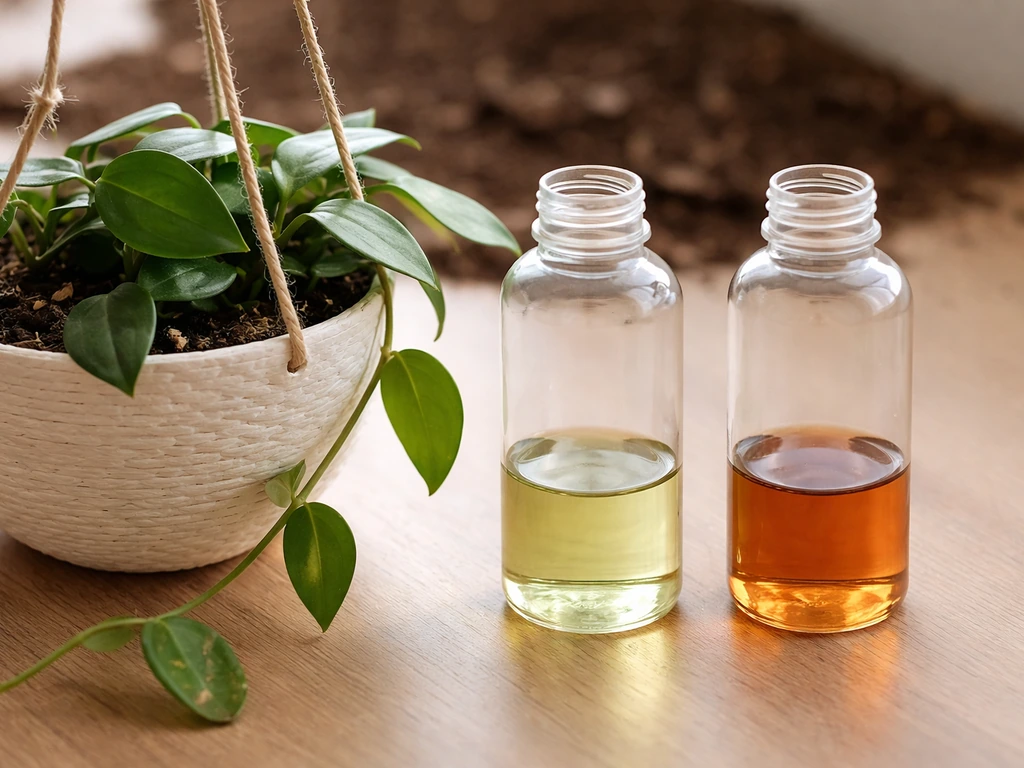
Timing your fertilizer to what you actually want from your hoya makes a real difference. If you're trying to build out the vine, fill a hanging basket, or encourage new leaf growth, feeding with an all-purpose formula monthly from March through August is appropriate. For hanging baskets in particular, use the same monthly feeding window during the growing season, but keep the dose diluted so you do not risk salt buildup. If you're chasing blooms, the strategy shifts a bit.
For flowering, switch to a higher-phosphate formula about two months before your hoya's typical bloom time. Many hoyas bloom in late spring or early summer, so starting a phosphate-leaning feed in late winter or early spring gives the plant what it needs to develop those flower spurs. The Orchid Food from Miracle-Gro fits well here. Keep in mind that light is the bigger variable for blooms.
If your hoya isn't getting bright indirect light for several hours a day, no amount of fertilizer is going to trigger flowering. Iowa State University Extension notes that low light generally leads to thin, stretched growth and little or no flowering, and fertilizer cannot compensate for insufficient light [no amount of fertilizer is going to trigger flowering](https://yardandgarden. extension. iastate.
edu/how-to/all-about-hoyas). Iowa State University Extension makes this point clearly: low light leads to little or no flowering. Miracle-Gro can support blooms, but it can't replace adequate light.
In fall and winter, slow way down. Hoyas naturally rest during lower-light months, and feeding a resting plant is where most over-fertilization problems start. Either pause entirely or feed once every 6 to 8 weeks at a quarter-strength dose just to maintain.
How to read your hoya: signs of overfeeding vs. underfeeding
Hoyas are pretty communicative once you know what to look for. Confusing overfeeding and underfeeding symptoms leads to the classic mistake of adding more fertilizer when the plant actually needs less.
Signs your hoya is overfed
- Brown or crispy leaf edges (marginal leaf burn), especially on older leaves
- White crusty deposits on the soil surface or around drainage holes (salt buildup)
- Wilting even when the soil is moist
- Yellowing leaves combined with slowed or stopped growth
- Soft, mushy root tips when you check the root ball
These are classic signs of soluble salt accumulation. The mechanism, well-documented by university extensions including the University of Maryland and Michigan State, is that excessive fertilizer raises salt concentration in the soil solution to a point where the plant can't absorb water properly. It's essentially drought stress caused by chemistry, not by lack of water. The fix is to stop feeding and flush (more on that below). Texas A&M AgriLife notes that when salts build up, leaching can be done by running water through individual pots and applying enough water to allow leaching through the container flush (more on that below).
Signs your hoya is underfed
- Pale, light green leaves across the whole plant (not just older ones)
- Very slow growth even during the active season with good light
- Small new leaves that stay much smaller than mature ones
- No sign of new growth or flower spurs after months of warm, bright conditions
Before assuming your hoya is underfed, check the light first. A hoya in a low-light corner will look similar: pale, slow, reluctant to bloom. If light is adequate and you haven't fed in more than three months during the growing season, then yes, adding a diluted liquid fertilizer monthly is the right call. But if you have good light and the plant still won't bloom, revisit your watering rhythm and pot size before blaming nutrition. Hoyas actually bloom better when slightly root-bound.
Already used Miracle-Gro? Here's how to recover
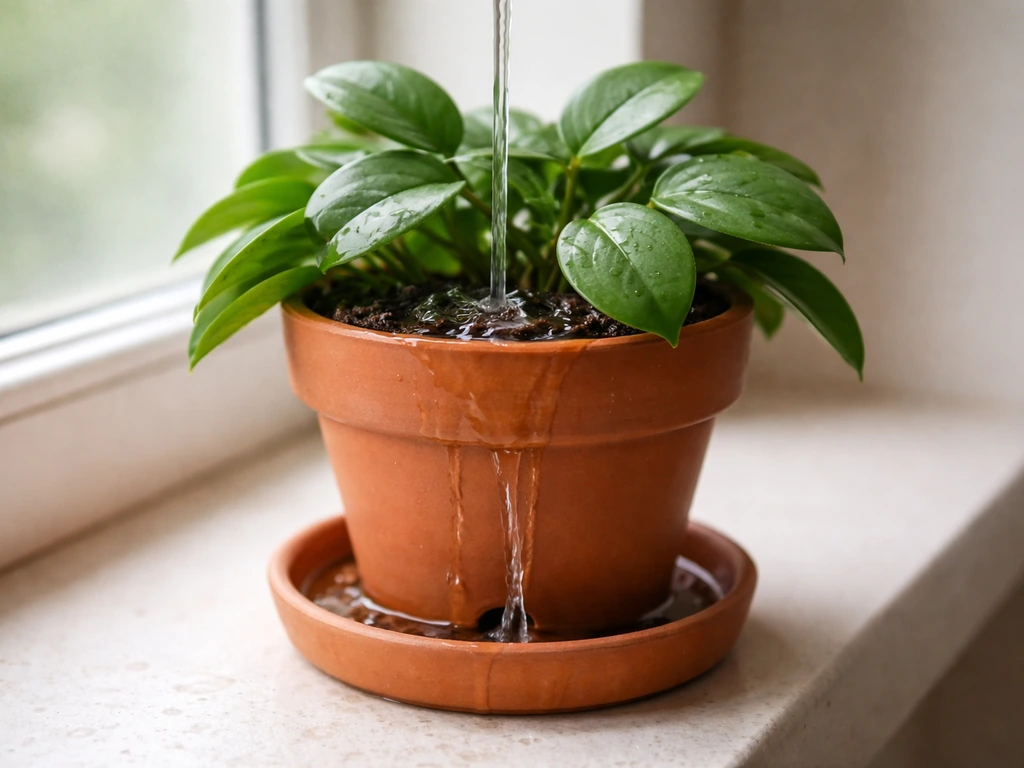
If you fed your hoya at full label strength, applied granules directly to a small pot, or fed it during winter without realizing it was in a rest phase, don't panic. The damage is usually reversible, especially if you catch it early.
- Stop fertilizing immediately. Don't try to balance it out with another product.
- Flush the pot: take it to a sink or outside and slowly run plain, room-temperature water through the soil for several minutes. You want enough water to pass through so roughly 20% of what you put in drains out the bottom, carrying excess salts with it. Do this two or three times over a week.
- Check drainage. If water is sitting in the pot or draining slowly, that's compounding the problem. Hoyas need fast-draining, chunky mix. If the soil is dense or compacted, consider repotting into a blend with perlite or bark to improve drainage.
- Hold off on any new fertilizer for at least four to six weeks while the plant stabilizes.
- If leaf burn is severe or roots look brown and mushy when you check them, trim the damaged roots, let them dry briefly, and repot into fresh, well-draining mix.
- Resume feeding at half-strength only when you see new healthy growth emerging.
One situation to avoid: if you just repotted your hoya into fresh potting mix, skip fertilizer for at least a month. Most quality mixes already contain some starter nutrients, and the roots are stressed from the transition. Adding fertilizer right after repotting is a common cause of root burn even when the dose seems reasonable.
The bigger picture: what Miracle-Gro can and can't do for hoyas
Miracle-Gro is a useful tool for hoyas, but it's not a shortcut around the fundamentals. If your hoya isn't blooming, the most likely culprits are light and pot size, not nutrition. Because peonies are also sensitive to fertilizer burn, it helps to use the right balance and timing when choosing a product like Miracle-Gro peonies fertilizer.
If you are wondering whether Miracle-Gro is good for hibiscus, use a balanced fertilizer and adjust strength based on how quickly hibiscus is growing is miracle grow good for hibiscus. If growth is slow, check watering consistency and soil mix before adding more fertilizer. Fertilizer works best when everything else is already in order, it supports a healthy plant but it can't compensate for a plant that's stressed by other factors.
Used correctly, the liquid Miracle-Gro products are genuinely convenient for hoyas and other houseplants. If your nasturtiums still won't grow, check the same basics too, especially light, watering, and whether the soil drains well Miracle-Gro products. If you're already using Miracle-Gro on other plants like geraniums or petunias, just remember that hoyas want a lighter touch than most flowering annuals. Miracle-Gro can be used on geraniums too, but you should follow the label and avoid overfeeding to prevent salt buildup and root burn. Half the dose, consistent timing with the seasons, and plain-water drainage in between feedings will get you far better results than following the label to the letter.
FAQ
Can I use Miracle-Gro on my hoya if it’s in a semi-hydroponic setup (LECA or similar)?
Be extra cautious because fertilizer salts build up differently in non-soil media. Use the same “half dose or less” rule, reduce frequency (for example, every 4 to 6 weeks), and monitor roots for browning or slimy texture. If you see salt-like crusting on the container or rapid odor buildup, switch to plain water rinses and stop feeding until conditions stabilize.
How do I flush my hoya if I suspect fertilizer salt buildup?
Stop feeding and run plain water through the pot slowly until you get clear drainage out the bottom. Repeat once 1 to 2 days later if the pot is small or you had multiple heavy feeds. After flushing, let the pot fully drain and resume only at lower strength and longer intervals.
Should I use Miracle-Gro after repotting, or how long should I wait?
Wait at least 4 weeks after repotting into fresh, quality mix before resuming any Miracle-Gro. New roots need time to recover from handling and any starter nutrients in the mix can overlap with fertilizer, increasing the risk of root stress.
Can I use Miracle-Gro granules if I top-dress my hoya pot instead of mixing it in water?
It’s higher risk for hoyas because granules can create uneven, locally concentrated salt pockets, especially in small or tightly potted plants. If you use granules at all, keep the amount very small and avoid applying right against the stem or where the roots are densest.
Do I need to dilute Miracle-Gro even when using the Orchid Food formula?
Yes, dilution is still a good safety move for hoyas in pots, especially if your light is moderate or your growth is slow. Even though the Orchid Food schedule is gentler, hoyas still accumulate salts if the plant cannot process nutrients quickly.
What if my hoya is outdoors in summer, can I fertilize more often?
Often you should not increase frequency just because it’s warm. Higher light and faster growth may justify slightly more regular feeding, but hoyas still prefer a light hand. A practical approach is to keep the “less than label strength” rule and only move toward the more frequent schedule if the plant is actively pushing new growth and the pot drains quickly.
How can I tell the difference between overfeeding and underfeeding on a hoya?
Overfeeding commonly shows salt buildup clues like crusty soil, poor water uptake, leaf yellowing paired with stressed roots, or sudden decline after a fertilizing session. Underfeeding usually looks more like slow, pale growth and lack of new leaves, but it can also be caused by low light. Check light first before assuming it’s a nutrition issue.
Is Miracle-Gro safe for small hoya cuttings or newly rooted plants?
Newly rooted plants are more sensitive to fertilizer stress than mature ones. If your hoya cutting just rooted, wait until it shows steady new growth, then start at quarter strength and only during active growing conditions. For the first few months, prefer plain water and only add fertilizer occasionally.
Can Miracle-Gro help my hoya bloom if I can’t increase light?
Fertilizer cannot replace bright light for bloom initiation. If your hoya does not get several hours of strong bright indirect light daily, focus on improving light first, then adjust fertilizer strategy. If light remains low, keep feeding minimal because extra nutrients mostly translate into salt accumulation without boosting flowers.