
Hortensia is simply another name for hydrangea, and if you grow the right type in the right spot and prune it correctly for that specific type, you will get big, reliable blooms every year. The most common reason hydrangeas fail to flower is not disease or bad soil, it is pruning at the wrong time and removing exactly the buds that would have flowered. Get the pruning rule right for your variety, nail the watering, and the rest follows naturally.
How to Grow Hortensia Hydrangeas Step by Step by Type
Marcus Holloway
5 Jun 2026
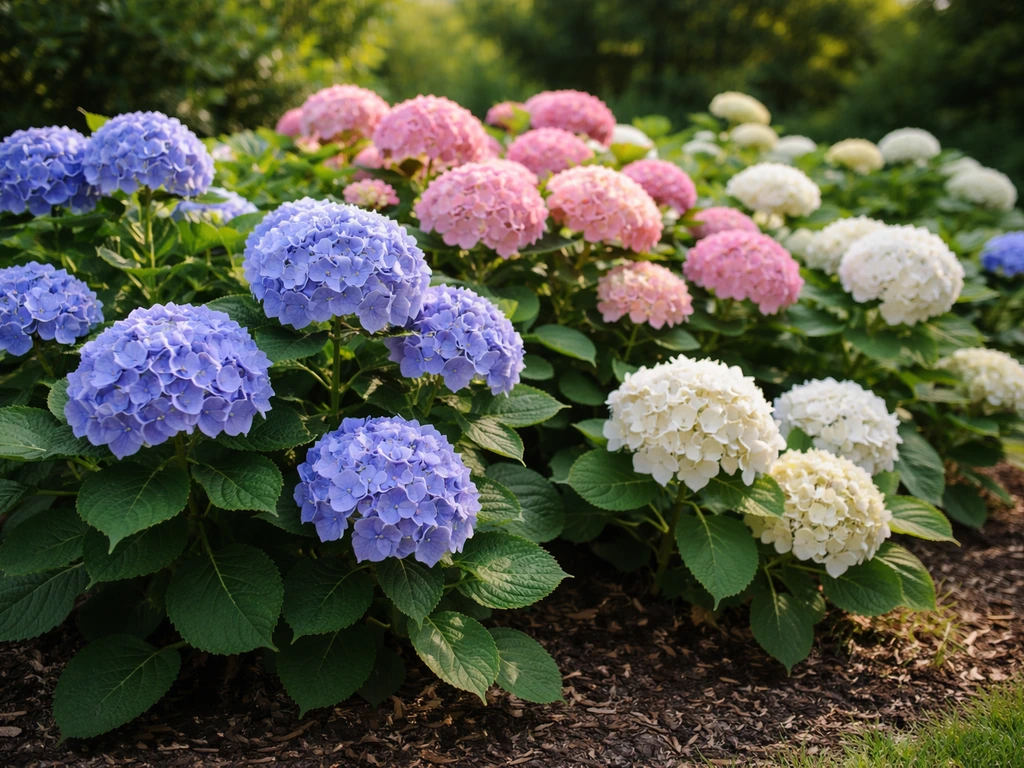
Hydrangea types and choosing the right one for your garden
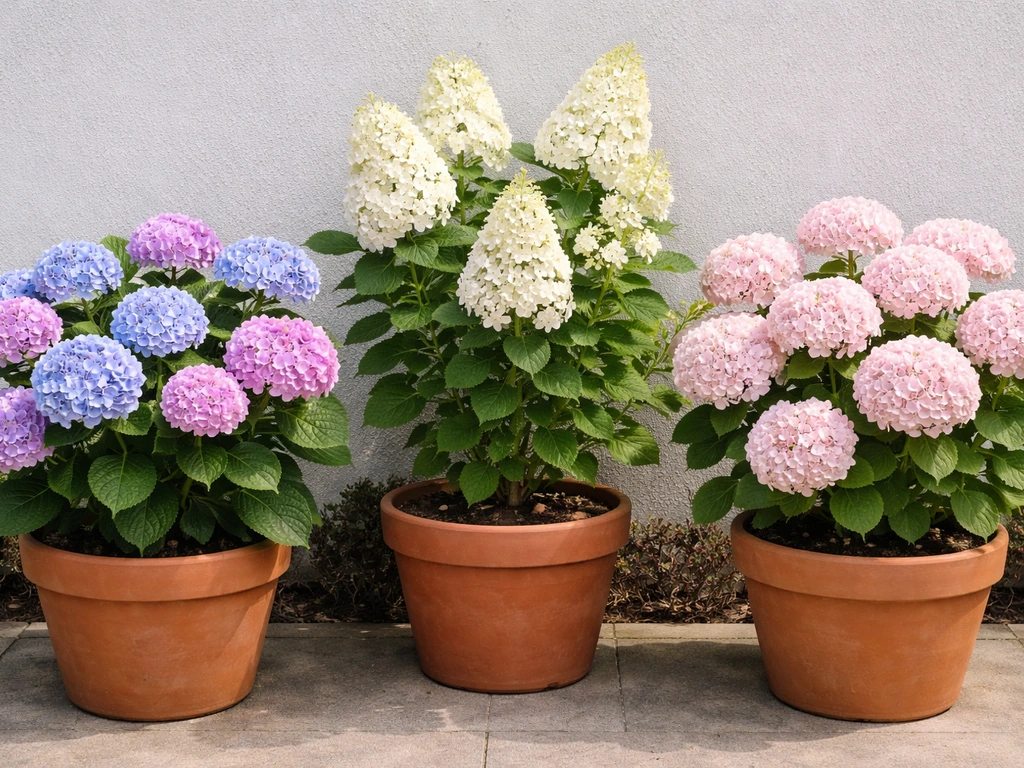
Before you buy a single plant, you need to know which type you are dealing with, because the care, especially pruning, is completely different depending on the species. There are five types you will realistically encounter at a garden center.
| Type | Latin Name | Blooms On | Flower Shape | Best For |
|---|---|---|---|---|
| Bigleaf (Mophead/Lacecap) | H. macrophylla | Old wood | Round globe or flat lacecap | Color-changing, coastal gardens, sheltered spots |
| Panicle | H. paniculata | New wood | Cone/panicle shape | Cold climates, beginners, full sun |
| Smooth | H. arborescens | New wood | Large round white clusters | Shade tolerance, low-maintenance |
| Oakleaf | H. quercifolia | Old wood | Elongated cone | Fall color, woodland gardens |
| Climbing | H. anomala petiolaris | Old wood | Flat lacecap | Walls, fences, shaded structures |
For most beginners, I point to panicle hydrangeas first. Varieties like 'Limelight', 'Quick Fire', and 'Bobo' are nearly indestructible, tolerate full sun and cold winters, bloom reliably on new wood, and forgive pruning mistakes. If you are in USDA Zone 4 or 5, a panicle hydrangea is your safest bet for big blooms without the heartbreak. Bigleaf types (the classic blue and pink mopheads) are stunning but more demanding, they are frost-sensitive, prone to bud kill in cold winters, and easy to accidentally prune into silence.
Smooth hydrangeas like 'Annabelle' and 'Incrediball' are also excellent beginner choices, especially for shadier spots. They produce enormous white flower heads, come back reliably every year, and you can cut them back hard in late winter without a second thought. Oakleaf hydrangeas are underrated, they give you flowers, incredible fall foliage, and peeling bark for winter interest, but they do bloom on old wood, so treat them like bigleafs when it comes to pruning.
When to plant hydrangeas and where to put them
The best time to plant container-grown hydrangeas is spring (after your last frost date) through early fall, giving roots at least six weeks to establish before the ground freezes. In warmer zones (7 and above), fall planting is actually ideal, cooler temperatures reduce transplant stress and the plant can focus entirely on root development. In zones 4 to 6, spring planting is safer, especially for bigleaf types that are already on the edge of cold hardiness.
Site placement is one of the places I see gardeners go wrong the most. The classic mistake is planting a bigleaf hydrangea in blazing full sun and then wondering why it wilts by noon and produces half the blooms it should. Here is a useful rule of thumb: most hydrangeas want morning sun and afternoon shade, which in practice means an east-facing or north-facing spot. Panicle hydrangeas are the exception, they genuinely thrive in full sun (six or more hours) and actually produce more flowers with more light. Smooth hydrangeas are the most shade-tolerant; they will bloom in a spot that gets only three to four hours of direct sun.
- Bigleaf (H. macrophylla): morning sun, afternoon shade; at least 3-4 hours of direct light
- Panicle (H. paniculata): full sun to part shade; at least 6 hours for best blooms
- Smooth (H. arborescens): part shade to full shade; very tolerant of low-light spots
- Oakleaf (H. quercifolia): part shade; mirrors what you would give bigleaf types
- Climbing (H. anomala petiolaris): shade to part shade; perfect for a shaded north-facing wall
Avoid planting right against a south or west-facing wall, especially in zones 6 and above. The reflected heat and afternoon sun will stress the plant, dry the soil out fast, and cause chronic wilting. Also avoid frost pockets, low-lying areas where cold air settles, if you are growing bigleaf or oakleaf types, since late spring frosts can wipe out an entire season's buds in one night.
Soil, sunlight, and spacing
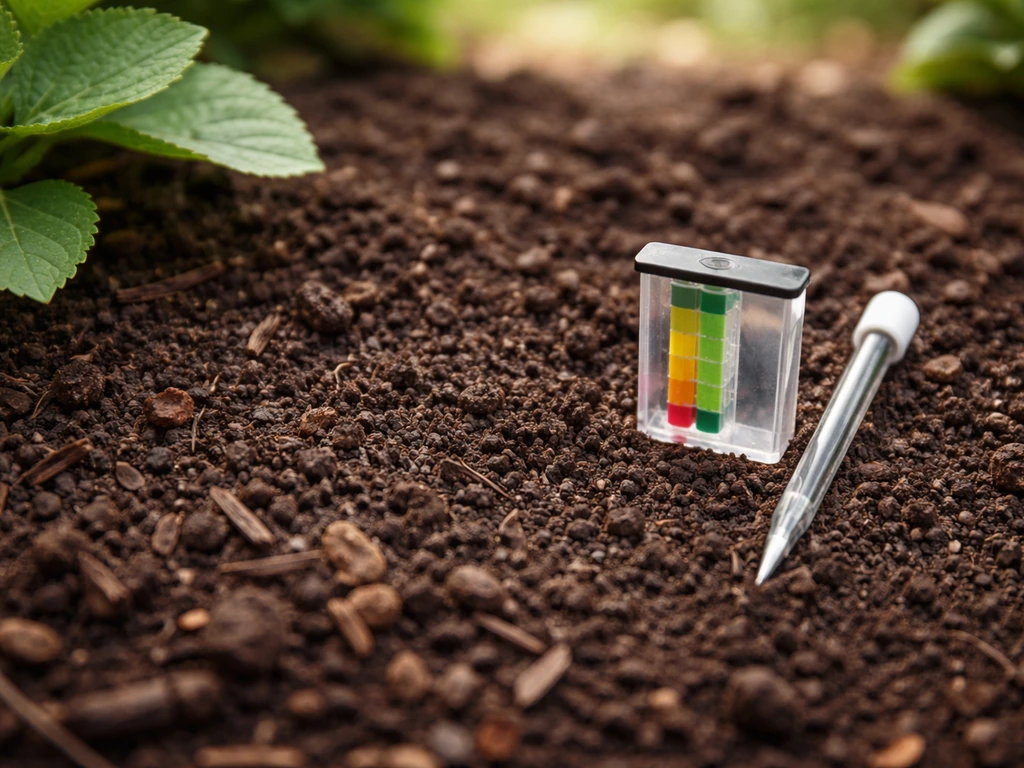
Hydrangeas want rich, moist, well-draining soil. They will not tolerate waterlogged roots, but they also struggle badly in thin, dry, sandy soil without organic matter. Before planting, work in two to three inches of compost, not just a handful, but a real amendment mixed into the top foot of soil. If your soil drains poorly, raising the bed by even four to six inches makes a significant difference.
Soil pH matters more for bigleaf hydrangeas than for any other type, and this is where the fun begins. In acidic soil (pH 5.5 or below), bigleaf hydrangeas turn blue because aluminum becomes more available to the plant. In alkaline soil (pH 6.5 and above), the same plant produces pink flowers. In the middle range, you often get a muddled purple. If you want to push blue, lower pH by working in elemental sulfur and watering with diluted aluminum sulfate solution. For pink, raise pH with garden lime. Be aware that changing flower color takes a full growing season to show results, you are adjusting soil chemistry, not painting the flowers.
For spacing, give hydrangeas more room than you think they need. A mature 'Limelight' panicle hydrangea reaches six to eight feet wide. A bigleaf type like 'Endless Summer' typically spreads four to five feet. Plant at roughly the mature width apart, center to center. Cramming them together might look fine for a year or two, but it creates poor air circulation, which invites powdery mildew and fungal problems down the road.
Watering and fertilizing for big blooms
Hydrangeas are thirsty plants, and their name literally comes from the Greek for water vessel. In the first year after planting, water deeply two to three times per week during warm weather, you want to soak the root zone, not just wet the surface. A good test: push a finger two inches into the soil; if it feels dry at that depth, water. After the first year, established plants in average soil can usually get by with once-weekly deep watering, but during heat waves or drought, check more frequently.
Always water at the base of the plant, not overhead. Wet foliage sitting overnight is one of the main causes of powdery mildew and leaf spot fungal disease. Drip irrigation or a soaker hose is ideal. Mulching with two to three inches of shredded wood or bark around the base (keeping it off the main stems) conserves moisture dramatically and keeps soil temperature stable, both things that directly benefit root health and flowering.
For fertilizing, the honest answer is: less is often more. A single application of a balanced, slow-release granular fertilizer (like a 10-10-10 or similar) in early spring is usually all a well-amended garden soil needs. If you go heavy on nitrogen, you will get a lush, leafy plant with mediocre blooms, nitrogen pushes vegetative growth at the expense of flowers. I am skeptical of any approach that involves monthly Miracle-Gro applications; it can work, but it tends to over-feed nitrogen and the results are inconsistent. If you want to support flower development specifically, switch to a low-nitrogen, phosphorus-higher formula (something like 10-30-10) in early summer. Stop all fertilizing by late July, feeding late in the season encourages soft new growth that is vulnerable to early frost damage.
How to plant hydrangeas step by step
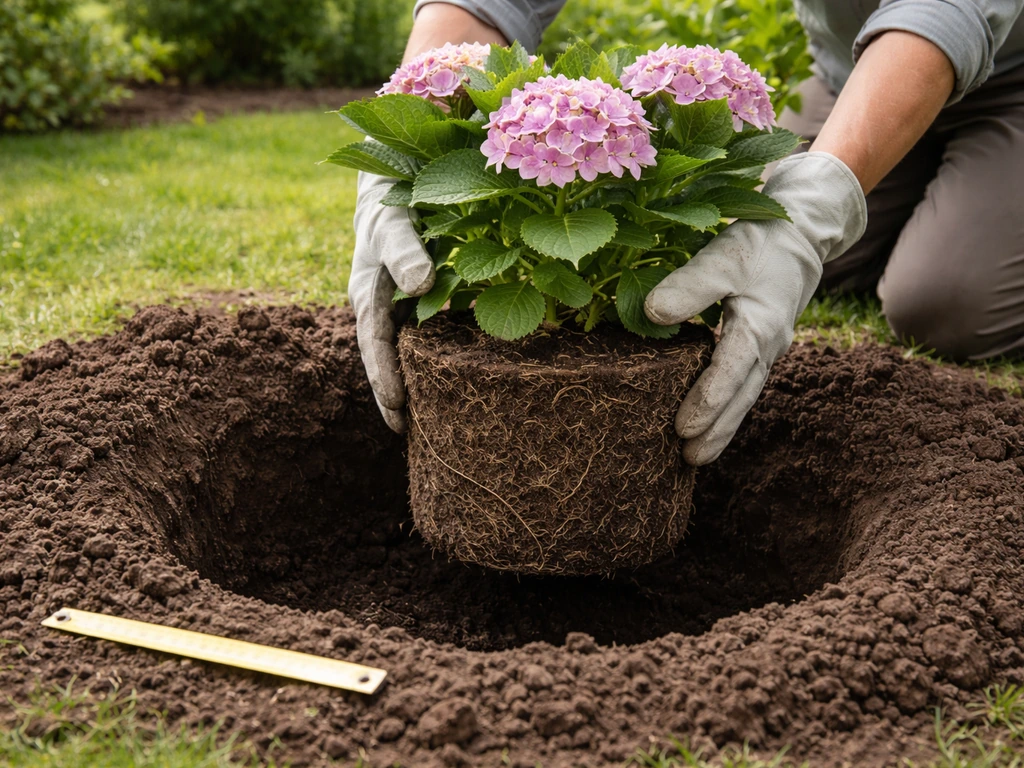
- Choose a site that matches your hydrangea type's light requirements (see the guide above) and check that drainage is adequate.
- Dig a hole two to three times wider than the root ball but no deeper — you want the top of the root ball to sit at or just slightly above the surrounding soil level.
- Mix the removed soil with an equal volume of compost or aged organic matter.
- Remove the plant from its container and gently loosen any circling roots at the base of the root ball.
- Place the plant in the hole, backfill with the amended soil mix, and firm it down gently to remove air pockets. Do not bury the crown.
- Water the plant thoroughly immediately after planting — use enough water to settle the soil around the roots completely.
- Apply a two to three inch layer of mulch over the root zone, leaving a gap of a few inches around the main stem.
- Water every two to three days for the first two weeks, then taper to weekly deep watering as the plant establishes.
One common early-care mistake: people see a few droopy leaves in the first week and assume something is wrong. Some wilting immediately after transplanting is completely normal, the plant is adjusting. As long as you are watering regularly and the soil is moist at depth, give it ten to fourteen days before worrying. What you should watch for is prolonged wilting even after watering, which usually signals either root damage or a drainage problem.
Pruning by hydrangea type (this is the section that prevents most failures)
This is the most important section in this entire guide, and the place where most gardeners accidentally ruin their flowering for a full year. The rule is simple once you understand it: blank" rel="noopener noreferrer">some hydrangeas bloom on buds formed on last year's stems (old wood), and some bloom on buds formed on the current season's new growth (new wood). If you want a fuller guide, the next step is to learn how to grow hoyas, since their care routine is different but still straightforward once you know the rules pruning. Cut old-wood bloomers at the wrong time and you are literally cutting off next year's flowers.
Old wood bloomers: bigleaf, oakleaf, and climbing hydrangeas
Bigleaf (H. Hydrangeas that bloom on old wood form flower buds on last year’s stems, so pruning timing should avoid cutting off those buds; flowering for these types typically happens earlier in the season before new wood becomes floriferous Bigleaf (H.. macrophylla), oakleaf (H. quercifolia), and climbing hydrangeas (H. anomala petiolaris) all form their flower buds on last year's stems. This means you must not do any significant pruning in fall, winter, or early spring, those stems you are cutting off in a tidy autumn cleanup are the same stems that would have flowered in June. If you live in a cold climate and these buds get killed by a hard frost, that is why your bigleaf hydrangea leafs out beautifully every year but produces no flowers.
For old wood bloomers, the correct pruning window is immediately after flowering, typically mid to late summer. At that point, you can remove spent flower heads and cut back a few of the oldest, woodiest stems to the base to encourage fresh growth. Never remove more than one-third of the plant. If you missed the post-bloom window, the safer choice is to skip pruning entirely that year rather than risk cutting off next year's buds.
New wood bloomers: panicle and smooth hydrangeas
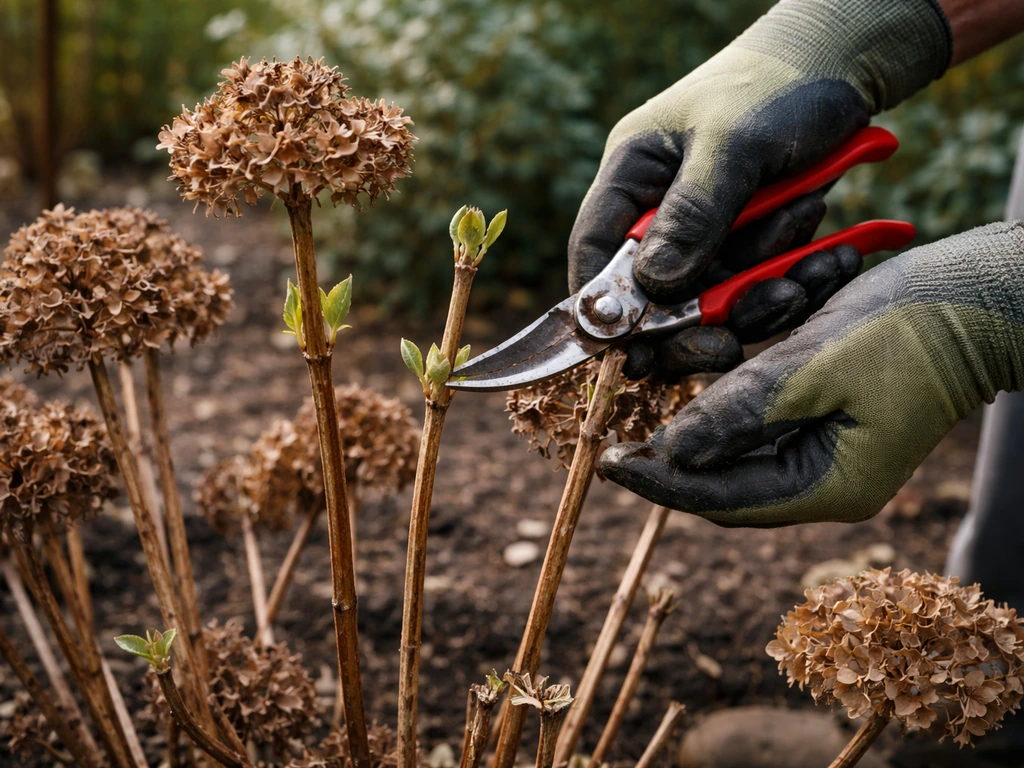
Panicle hydrangeas (H. paniculata) and smooth hydrangeas (H. arborescens) set their flower buds on the current season's new growth. This means you can prune them in late winter or early spring, right before the growing season starts, without any risk of removing flower buds. In fact, cutting panicle types back by about one-third in late winter actively improves flowering, it encourages strong new stems that support bigger flower heads. For smooth types like 'Annabelle', you can cut the whole plant back to about twelve inches from the ground in late winter and it will come back vigorously and flower that same summer.
A quick summary of the timing rules, because I find this is what people most often need to screenshot and stick on the shed door:
| Hydrangea Type | Blooms On | Prune When | How Much to Remove |
|---|---|---|---|
| Bigleaf (H. macrophylla) | Old wood | Immediately after flowering (mid-late summer) | Remove spent blooms + up to 1/3 of oldest stems |
| Oakleaf (H. quercifolia) | Old wood | Immediately after flowering (summer) | Light shaping only; avoid heavy cuts |
| Climbing (H. anomala) | Old wood | Immediately after flowering | Remove dead/crossing stems only |
| Panicle (H. paniculata) | New wood | Late winter or early spring | Cut back by up to 1/3 for stronger stems |
| Smooth (H. arborescens) | New wood | Late winter or early spring | Can cut to 12 inches from ground |
Seasonal care and troubleshooting from spring through winter
Spring
In early spring, apply your slow-release granular fertilizer around the drip line of established plants. For panicle and smooth types, this is also your pruning window, get that done before you see significant bud swell. Resist the urge to prune bigleaf types now. As temperatures warm, check for any winter dieback on stems by scratching the bark lightly with a fingernail, green underneath means the stem is alive, brown and dry means it is dead and can be removed. Keep watering as needed, especially if spring is dry.
Watch out for late frost warnings if you have bigleaf types with visible buds developing. A single night at 28°F (-2°C) can kill exposed buds. Cover plants with a light frost cloth or even old bedsheets if a late frost is forecast, it takes about ten minutes and can save your entire bloom season.
Summer
Summer is about consistent watering, watching for pests and disease, and enjoying the flowers. Water deeply and regularly, especially during heat waves. If you see wilting in the afternoon on a hot day, do not panic, this is often normal temporary heat stress, not dehydration. If the plant is still wilted in the cool of the morning, that is when you need to water more. Deadheading spent blooms on bigleaf types once flowering winds down (late summer) is also your pruning window for old-wood bloomers, do it now, before the new buds for next year begin to form.
Common summer problems and what actually causes them: powdery mildew (white coating on leaves) is nearly always caused by poor air circulation and overhead watering, improve airflow by thinning crowded stems and switch to base watering. Yellow leaves with green veins (chlorosis) often indicate iron deficiency caused by soil pH being too high, which locks out iron uptake, test your soil and adjust pH down if needed. Leaf scorch (brown crispy edges) usually means too much afternoon sun or inconsistent watering.
Fall
Stop fertilizing by late July or early August at the latest. Fall is for letting the plant harden off naturally. You can leave dried flower heads on panicle hydrangeas through fall and winter, they look beautiful covered in frost and actually provide some insulation to the stems below. For bigleaf types in cold climates (zones 5 and 6), consider applying a deeper mulch layer of four to six inches around the base in late fall to insulate the root zone and protect the lower stem buds from freeze damage. Do not cut the stems down, those old wood stems are protecting the buds you want to keep.
Winter
For most hydrangea types, winter care is mainly about doing nothing. Panicle and smooth types are cold-hardy to Zone 3 and 4 respectively and need no special protection. For bigleaf types in zones 5 and 6, some gardeners build a simple wire cage filled with straw or dried leaves around the plant after hard frost sets in, this protects the stem buds from the worst freeze-thaw cycles. Remove it gradually in spring once consistent freezing temperatures are past. In zone 7 and above, bigleaf hydrangeas need no winter protection at all.
The most common failures and how to fix them
- No blooms on bigleaf hydrangea: Almost always caused by pruning at the wrong time or late frost killing the buds. Do not prune in fall or spring. Protect from late frosts.
- Plant looks healthy but flowers poorly: Usually too much nitrogen fertilizer pushing leaf growth. Switch to a lower-nitrogen or phosphorus-higher fertilizer.
- Wilting despite regular watering: Check drainage. If soil stays soggy, roots may be rotting. Improve drainage or move the plant.
- Brown or crispy leaf edges: Heat stress or drought stress. Increase watering frequency and consider adding more mulch to retain moisture.
- White powdery coating on leaves: Powdery mildew. Improve air circulation, stop overhead watering, and treat with a diluted baking soda spray or neem oil if severe.
- No flowers after a harsh winter: Bigleaf buds were likely killed by cold. Consider varieties bred for cold hardiness like 'Endless Summer' (remontant types that rebloom on new wood) or switch to panicle types.
If you enjoy growing other bold flowering perennials alongside your hydrangeas, heuchera makes an excellent companion plant for shaded spots where smooth or bigleaf hydrangeas thrive, and hellebores are another great option for the same partially shaded woodland-style setting. Heuchera also grows best with well-draining soil and consistent moisture, so it is a great match for many of the shaded spots hydrangeas love. If you also want to grow hellebores, you can follow the right timing and light needs to get strong, long-lasting blooms. For something completely different in a sunnier section of the garden, kniphofia (red hot poker) pairs strikingly well with the cone-shaped flower heads of panicle hydrangeas. If you are also planting kniphofia, learn how to grow it in full sun, provide well-drained soil, and avoid overwatering so the spikes stay vigorous kniphofia (red hot poker).
The bottom line is that hydrangeas are not difficult plants, they just have specific rules, and the pruning rule is the one that trips almost everyone up at first. Know your type, prune at the right time (or skip pruning if you are unsure), water consistently, go easy on the nitrogen, and you will have armfuls of flowers every summer. If you also want a low-fuss perennial, see how to grow hemerocallis for another easy flowering option that follows simple timing rules. If you also want a tropical splash, here is a guide on how to grow heliconia for bold, long-lasting blooms.
FAQ
How can I tell what hydrangea type I have if the label is missing or unclear?
Look at the foliage and bloom form, bigleaf (mophead/lacecap) usually has broader, darker leaves and round heads, oakleaf has lobed leaves like an oak, panicle has elongated cone-shaped panicles, and smooth types have large, round white flower heads. If you can, also note pruning behavior you did last year, bigleaf and oakleaf flower on old wood, panicle and smooth flower on new growth, so the first year of blooms after winter is a clue.
My bigleaf hydrangea leafs out but won’t bloom, what’s the most likely cause?
Bud kill from winter cold or pruning at the wrong time is the top two causes. If buds are present on stems but flowers never form, check for late-spring frost damage near the time buds were developing, if you trimmed it in fall, winter, or early spring, you may have removed next season’s buds.
Should I deadhead (remove spent blooms) on panicle and smooth hydrangeas?
You can, but it is not as critical as with old-wood bloomers. Deadheading is mainly aesthetic and can keep the plant looking tidy. For panicle types, leaving some spent panicles through fall can also protect stems and improve winter appearance, if you prune, do it after the peak bloom period.
Can I prune bigleaf hydrangeas if I’m worried it looks messy in winter?
For old-wood bloomers, avoid significant pruning in fall, winter, or early spring. If you need to clean up, do only light work after flowering when new buds are no longer at risk, otherwise the plant may produce leaves but no flowers for a full season.
What’s the best way to rescue a hydrangea that was planted too close to a wall or in harsh afternoon sun?
If it is a bigleaf type, relocate is the only real fix for chronic wilting, because reflected heat dries the root zone and can stress buds. If moving is not possible, create afternoon shade with a temporary structure and increase consistent deep watering, but expect fewer blooms until light conditions improve.
How do I know whether my hydrangea needs more water or just better drainage?
Check moisture at depth, if the top couple inches are dry but the soil 2 inches down is still moist, you may be overwatering or suffering from poor drainage around roots. If the 2-inch test is dry and the plant is wilting even though you have not had heat waves, increase deep watering frequency, if it stays soggy and wilts, improve drainage by amending or raising the bed.
Why do my hydrangea leaves look pale or yellow with green veins, and what should I do?
That pattern often points to iron chlorosis caused by soil pH that is too high for the plant to access iron. Test soil pH, then adjust gradually using the correct products for acidifying, and avoid heavy lime applications or frequent changing back and forth, it can take a full growing season to see clear improvements.
Can I change my bigleaf hydrangea flower color from pink to blue (or blue to pink) quickly?
Not quickly. Flower color shifts with soil chemistry, changing pH or aluminum availability affects new growth, so you typically need a full growing season to judge results. Make one deliberate adjustment plan, keep watering consistent, and avoid switching products repeatedly.
What fertilizer schedule should I use if I want flowers, not just leaves?
Use a single slow-release, balanced feeding in early spring, then only consider a low-nitrogen, higher-phosphorus fertilizer in early summer if your soil is not already rich. Stop feeding by late July or early August to prevent soft growth. Avoid monthly high-nitrogen lawn-style feeding, it often reduces bloom quantity.
Is afternoon wilting always a watering problem?
Not necessarily. Afternoon wilting during heat can be temporary, check again in the cool of morning, if it recovers overnight you likely need mulching or consistent moisture rather than urgent watering. If it stays wilted in the morning and the 2-inch soil test is dry, increase deep watering.
How should I water to prevent powdery mildew and leaf spot?
Water at the base with drip irrigation or a soaker hose, keep foliage dry overnight, and avoid overhead sprinkling. Improve airflow by spacing plants appropriately and thinning crowded stems, especially for dense bigleaf clumps. Mulch helps too, it reduces splashing that can spread leaf spotting organisms.
Do hydrangeas need to be protected from winter wind as well as cold?
Wind can desiccate buds and leaves, especially for bigleaf hydrangeas in borderline zones. A simple protective cage or windbreak plus deeper mulch can help buffer freeze-thaw cycles, but do not trap the plant in a way that keeps it wet and unventilated for long periods.
When is it too late to plant or transplant a hydrangea?
Planting timing depends on your climate, spring through early fall is the general window, with at least about six weeks for roots to establish before hard freezes. In colder zones, late-fall planting risks insufficient root recovery, in warmer zones, fall can be ideal because cooler temps reduce transplant stress.