Hoyas are forgiving, long-lived houseplants that thrive on benign neglect once you get three things right: fast-draining soil, bright indirect light, and a proper dry-down between waterings. Nail those basics and you'll have healthy vines within a season. Get the flowering conditions right too, and the waxy, fragrant blooms will follow. Here's exactly how to do all of it.
How to Grow Hoyas: Step-by-Step Care, Propagation, and Bloom Tips
Marcus Holloway
29 Apr 2026
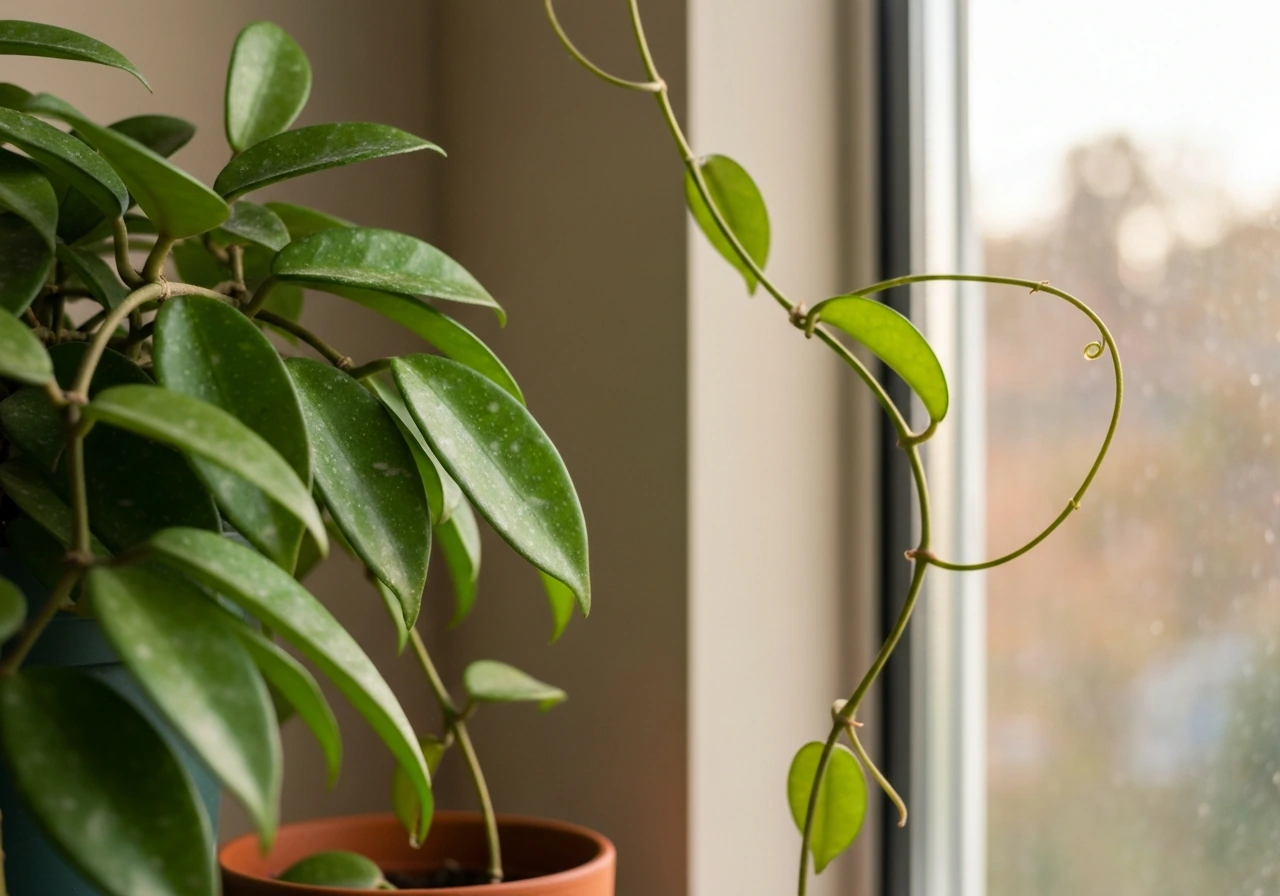
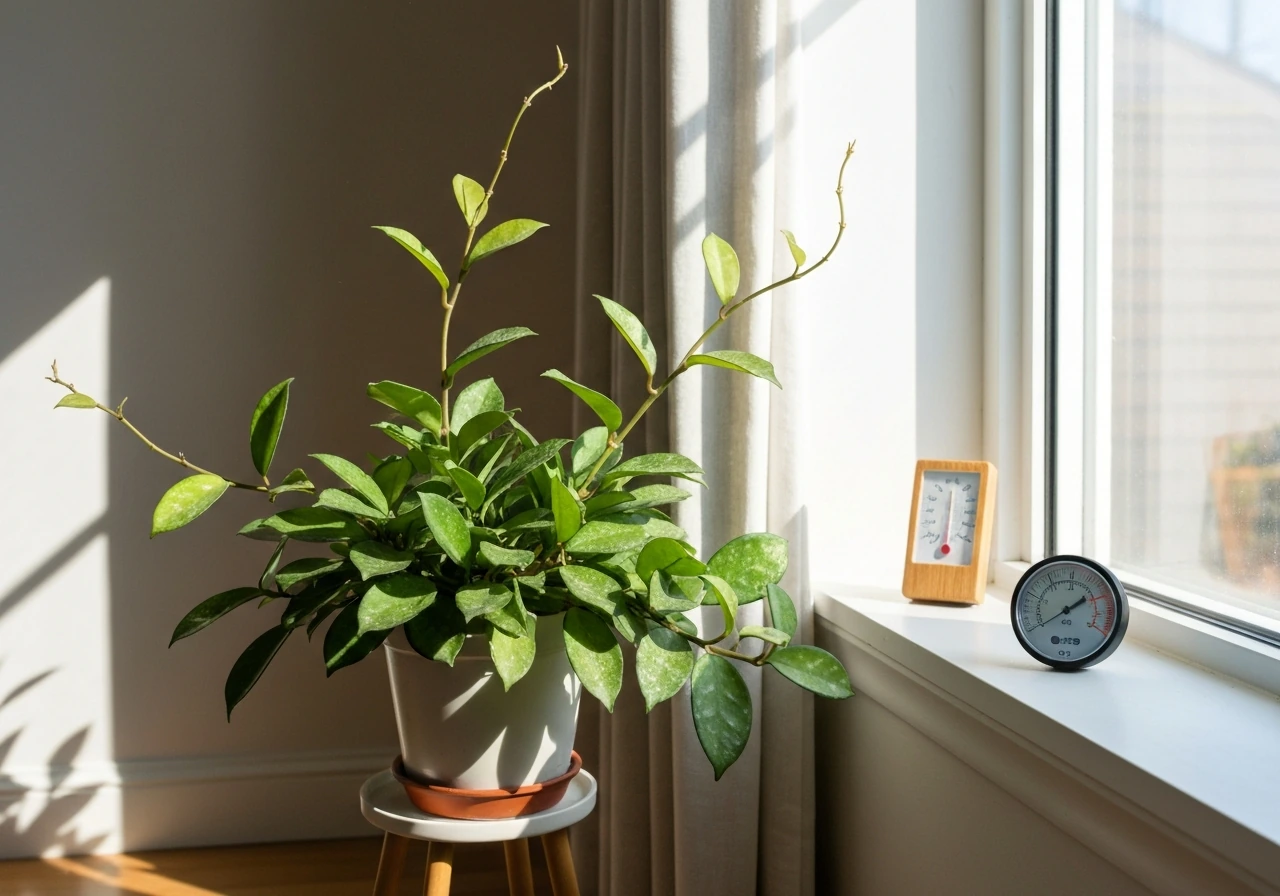
Quick-start hoya setup: light, temperature, pot, and soil
Light
Hoyas want at least 6 to 8 hours of bright, indirect light every day. A spot within a few feet of an east- or south-facing window is ideal. Morning sun is generally fine, but harsh afternoon direct sun will scorch the leaves, leaving pale or bleached patches. If you've moved a hoya to a brighter spot and the foliage suddenly looks washed out, that's almost always a too-fast transition rather than a permanent light intolerance. Ease them into more light gradually. A useful test: if your hand held a foot above the pot casts a clear, soft shadow, the light level is about right.
Temperature
Indoors, hoyas are happy between 65 and 85°F during the day. They don't love cold drafts or heating vents. Keep them away from both. Later, when you're chasing blooms, cooler nights matter a lot, but for basic healthy growth just aim for stable warmth.
Pot choice
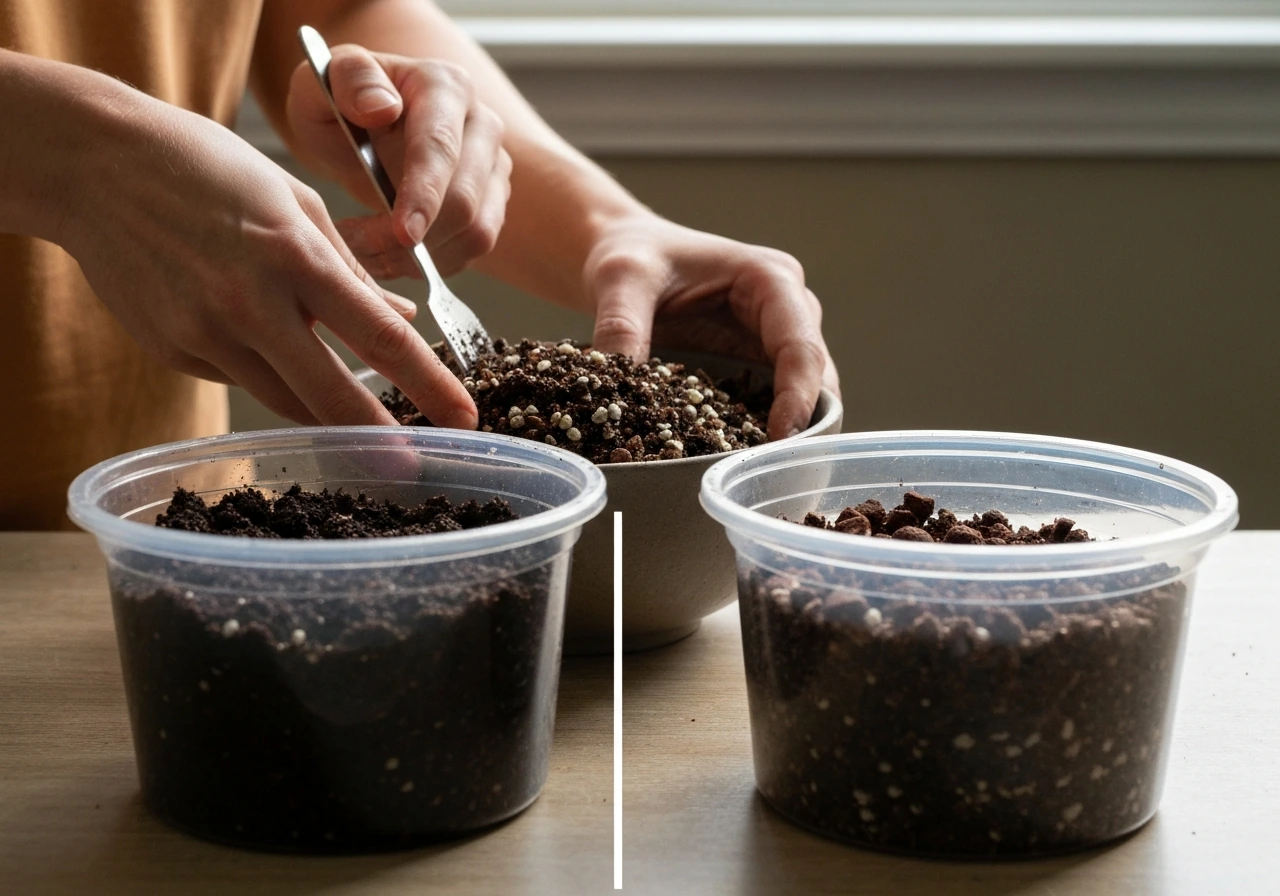
Go small and go porous. Hoyas actually prefer being slightly root-bound, so don't rush to size up. A terracotta or unglazed ceramic pot helps wick away excess moisture, which is your best insurance against root rot. Whatever pot you choose, drainage holes are non-negotiable.
The right soil mix
Standard potting soil holds too much moisture for hoyas and will cause problems. You want a chunky, fast-draining mix where water runs through quickly and the roots can breathe. A mix that works really well is roughly 40% chunky orchid bark or coconut husk chips, 30% perlite or pumice, and 20% coco coir as a base. You can add a small amount of horticultural charcoal to keep things fresh. The test is simple: pour water in and it should drain out within seconds, not pool or sit.
Planting and propagation: cuttings, leaves, and seeds
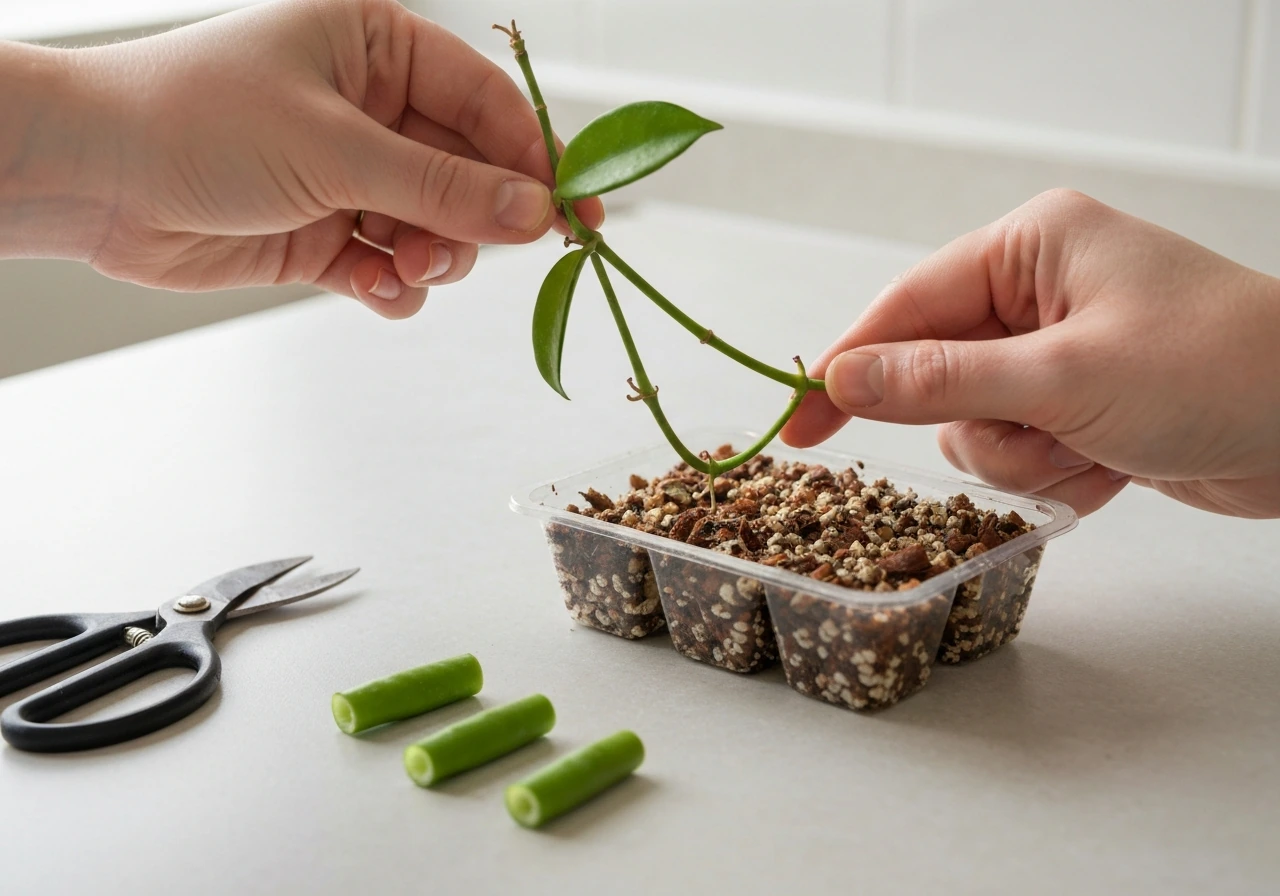
Stem cuttings are by far the most reliable way to propagate hoyas, and they're beginner-friendly. The other methods (single leaves, seeds) come with real limitations worth understanding before you invest time in them.
Stem cuttings: the go-to method
Take cuttings in spring or early summer when the plant is actively growing. A good cutting has at least one node (the bump or joint on the stem where leaves and roots emerge) and two or three leaves. Cut just below a node with clean, sharp scissors. The node is where roots will form, so it must be positioned where it contacts your rooting medium.
You have two main rooting options: water or a well-draining medium like perlite or sphagnum moss. Water rooting is the easiest to monitor. Place the cut end (with node submerged) in a jar of room-temperature water, keep it in bright indirect light at 65 to 80°F, and change the water every few days. Roots typically appear within a few weeks, and most cuttings are ready to pot within six weeks. LECA works well too if you want to skip the water-to-soil transition shock. Once roots are 1 to 2 inches long, pot the cutting into your chunky mix. Don't let it sit in water indefinitely once roots form or you risk rot.
Single-leaf propagation: honest expectations
You've probably seen heart-shaped Hoya kerrii leaves sold as novelty plants. Here's the reality: a single leaf with no node attached may root, but it will never grow into a full plant. It lacks the meristematic tissue (the growth-producing cells) found only in nodes. Even for Hoya kerrii, leaf-only propagation requires extremely high humidity (above 80%), takes 6 to 12 months, and the success rate is low. If you want a real plant, use a stem cutting with a node.
Growing from seed: a long game
Hoya seeds are rarely available commercially and lose viability fast, dropping to near-zero germination within about 8 weeks at room temperature. Even under optimal conditions, germination rates are only around 30 to 60%. Seed-grown plants take 3 to 7 years to flower and won't reliably match the parent plant's traits. Growing from seed is a project for the deeply patient or experimental grower, not a practical route to a blooming hoya.
Watering and humidity: how to avoid rot and keep growth steady
How to water hoyas
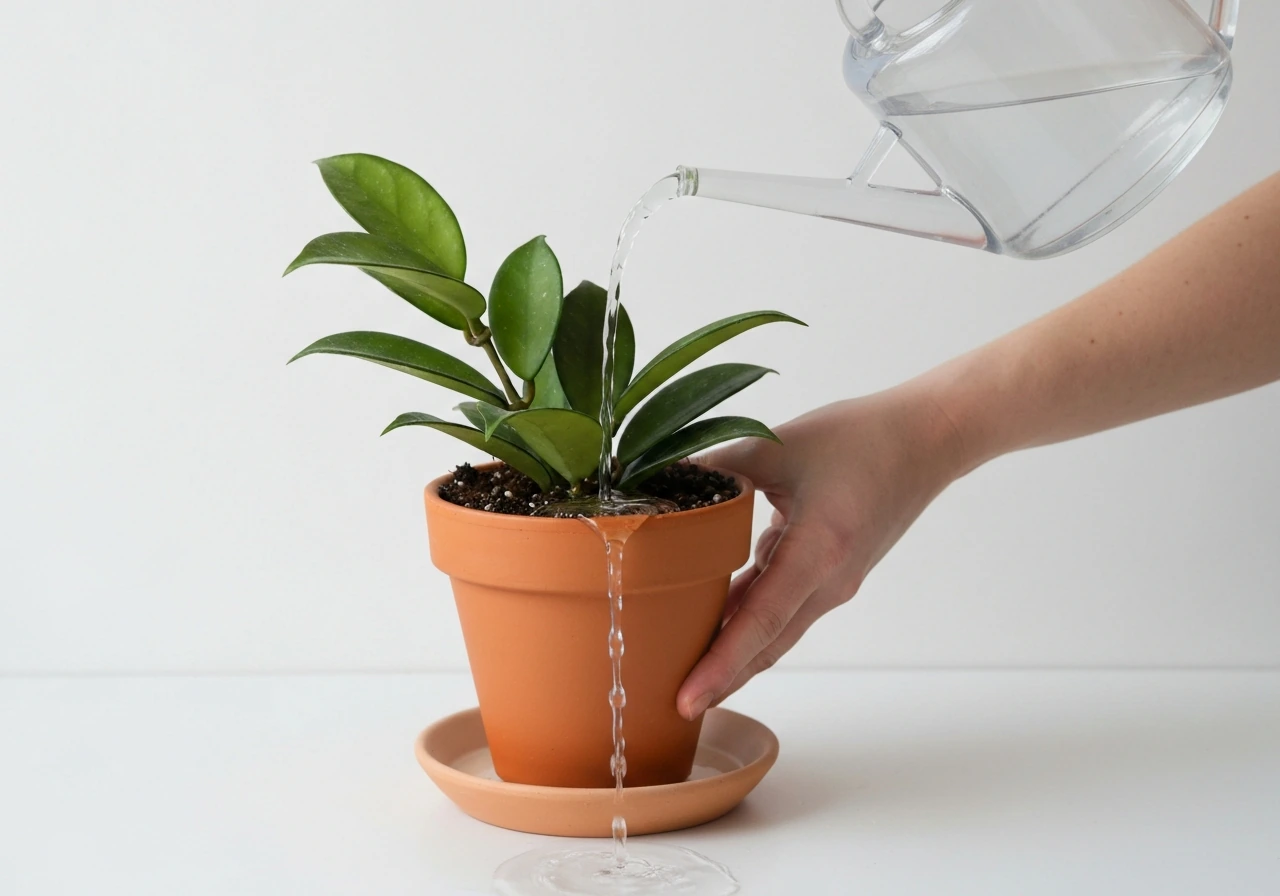
The golden rule for hoyas is: water deeply, then let the mix dry completely before watering again. That means soaking the pot until water runs freely from the drainage holes, then waiting until the top inch or two of soil is bone dry before you water again. Mature hoyas with thick, succulent-like leaves store water and can tolerate longer dry spells. In summer, that might mean watering every 7 to 10 days. In winter, it can stretch to every 10 to 21 days. Those are rough guides, not rules. Always check the soil, not the calendar.
Overwatering is the number one killer of hoyas. If the mix stays wet for extended periods, roots can't get oxygen and they begin to rot. A smelly pot, mushy stems, or yellowing leaves that don't recover when you ease up on watering are all signs something is wrong below the surface. If you suspect root rot, pull the plant out and inspect. Healthy roots are white or tan and firm. Rotted roots are brown, mushy, and may smell. Cut off the damaged roots, let them dry briefly, and repot into fresh, fast-draining mix.
Humidity
Hoyas appreciate humidity in the 60 to 70% range, which supports healthy leaf texture and helps prevent the curling or crisping you sometimes see in very dry indoor environments. That said, don't chase extremely high humidity without also ensuring good airflow. Stagnant, humid air promotes fungal problems. A small fan nearby does more good than a humidifier cranked to maximum. Grouping plants together and using a pebble tray with water beneath the pot are both gentle, low-risk ways to lift humidity locally.
Feeding and seasonal care: fertilizer, pruning, and repotting
Fertilizing
Feed hoyas only during active growth, from spring through late summer. A water-soluble, balanced or slightly low-nitrogen fertilizer applied at half-strength every 2 to 4 weeks is plenty. Look for NPK ratios in the range of 2-1-2, 3-1-2, or 5-2-3. Avoid heavy nitrogen formulas that push leafy growth at the expense of flowers. During budding, switch to something marketed for orchids or a phosphorus-forward formula to support bloom development. Stop feeding entirely in fall and winter when growth slows. More fertilizer is not better here. Buildup in the soil can burn roots and cause the leaf yellowing you were trying to prevent.
Pruning
Prune in early spring before the growing season kicks in. You can cut back leggy or overcrowded vines to tidy the plant and encourage bushier growth. The critical rule: never cut the peduncles, which are the short woody spurs or stems that flowers grow from. Hoyas rebloom from the same peduncle year after year. Removing one accidentally is an easy mistake that sets you back significantly on blooms. When in doubt, leave any short, stubby stems you don't recognize alone until you can identify them.
Repotting
Hoyas prefer being slightly snug in their pots, so resist the urge to repot frequently. When roots start circling the bottom of the pot or pushing out of drainage holes, step up just one pot size (typically 1 to 2 inches larger in diameter). Repot in spring using fresh chunky mix. Avoid repotting when the plant is budding or in bloom, as the disturbance can cause bud drop.
Training for shape and encouraging flowering
Training the vines
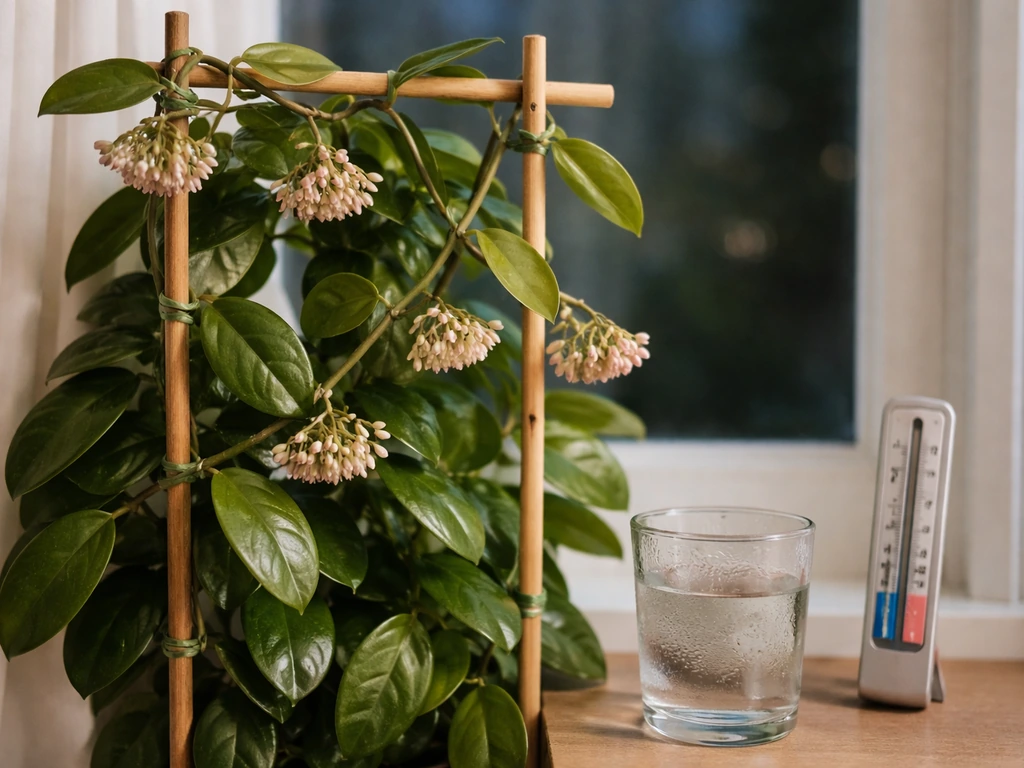
Hoyas are natural climbers and trailers. You can train them up a trellis, moss pole, or hoop, or let them cascade from a hanging basket. Use soft ties or clips to guide vines gently without cutting into the stems. Keeping growth organized also makes it easier to spot pest damage and monitor peduncles.
Getting hoyas to bloom: what actually triggers flowers
The biggest frustration with hoyas is getting them to bloom indoors. Here's what actually matters, in order of importance.
- Maturity: Young plants simply won't bloom. Most hoyas need at least 1 to 2 years to reach blooming age. Seed-grown plants can take 3 to 7 years. If your plant is young, patience is the only solution.
- Light: Consistent bright indirect light for 6 to 8 hours daily is the foundation. A plant sitting in low light rarely blooms indoors.
- Cool nights: This is the trigger most people miss. Hoyas need a temperature drop at night to initiate buds. Aim for around 55 to 62°F at night while keeping daytime temps at 68 to 75°F, sustained for roughly 8 weeks or more. A windowsill that gets cool in autumn often provides this naturally.
- Root-bound preference: Hoyas bloom more readily when slightly pot-bound. Don't rush to size up the pot.
- Leave the peduncles alone: Those small, woody nubs on the stems are the flower spurs. Once identified, never cut them. Flowers emerge from umbels on the peduncle, and the same spur can rebloom season after season.
If your hoya checks all those boxes and still won't bloom, look at whether you fertilized heavily with nitrogen during the potential trigger period. A nitrogen push encourages leaf growth instead of flower initiation. Ease off the nitrogen and let the plant experience a genuine cool-night period this fall.
Common problems and how to fix them
| Problem | Likely Cause | Fix |
|---|---|---|
| Yellowing leaves | Overwatering or root rot | Check roots, remove rotted tissue, repot in fast-draining mix, reduce watering frequency |
| Shriveling or wrinkled leaves | Underwatering or very low humidity | Water deeply and thoroughly; check if mix has dried out completely; raise ambient humidity to 60–70% |
| Leggy, stretched growth | Insufficient light | Move closer to a bright window; rotate plant regularly for even exposure |
| No growth at all | Too cold, wrong season, or compacted/waterlogged soil | Check temperature (aim 65–85°F), ensure it's actively growing season, refresh soil if compacted |
| White cottony masses on stems or leaf joints | Mealybugs | Remove manually with 70% isopropyl alcohol on a cotton swab, then spray with insecticidal soap every 7–10 days for 3–4 weeks |
| Mushy stems, black roots, bad smell from pot | Root rot from overwatering | Unpot immediately, cut off all rotted roots, let roots air-dry briefly, repot in dry chunky mix, wait 3–4 days before watering |
| No blooms despite healthy plant | Young age, not enough light, no cool nights, peduncles removed | Check maturity, increase light, allow cool nights (55–62°F) for 8+ weeks in fall, never cut peduncles |
Mealybugs in detail
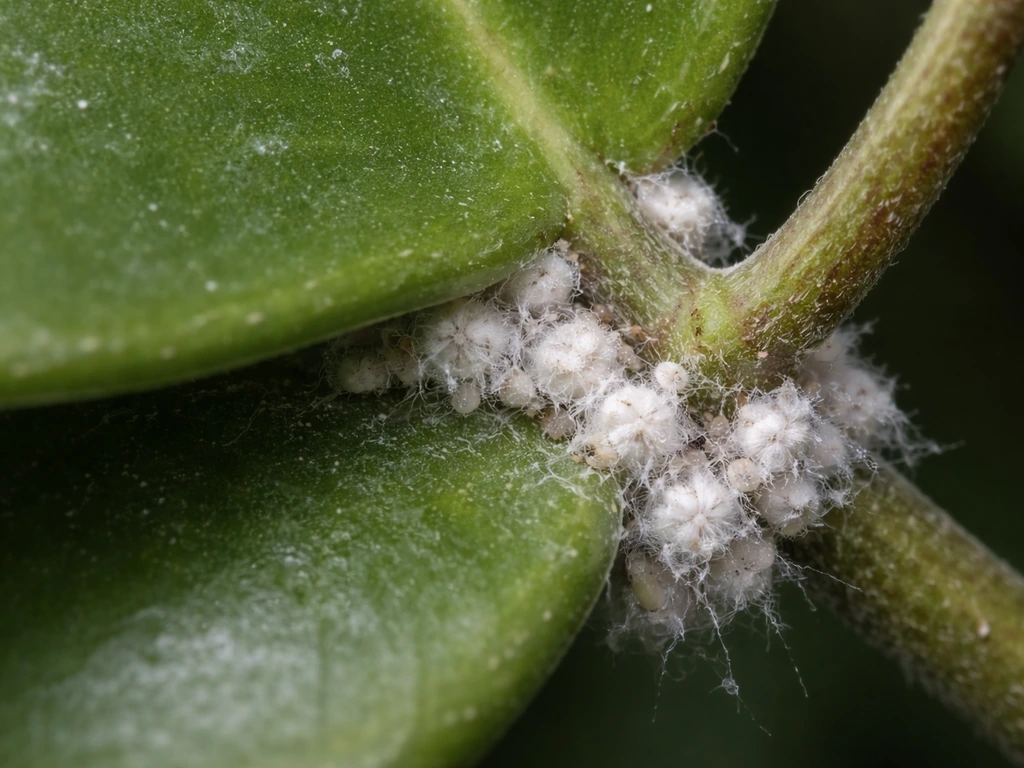
Mealybugs are the most common hoya pest and they're sneaky. Look for white, fluffy or cotton-like clusters tucked into leaf joints, along stems, and on the undersides of leaves. Catch them early and they're very manageable. Use a cotton swab dipped in 70% isopropyl alcohol to wipe them off by hand first, then follow up with a thorough spray of insecticidal soap or diluted neem oil, making sure to hit leaf undersides and stem joints. Repeat every 7 to 10 days for at least 3 to 4 weeks to kill off new hatchlings. Mealybugs have a waxy coating that resists water-based sprays, so adding a drop of dish soap as a wetting agent to neem oil helps the treatment penetrate.
What to do after your cuttings root: long-term care for new plants
Once your cutting has roots that are 1 to 2 inches long, it's ready to pot up. Transition it gently. Plant it into a small pot with your chunky, fast-draining mix and water lightly just to settle the roots. For the first couple of weeks, keep it in consistent bright indirect light at 65 to 80°F. Don't fertilize yet, and hold off on heavy watering. New roots are delicate and the biggest mistake here is going straight to a mother-plant care routine before the cutting has established.
New plants that have been rooted in water sometimes show a brief adjustment period when moved to soil, with minor wilting for a few days. That's normal. The roots adapt to pulling moisture from soil rather than being surrounded by it. Keep the humidity slightly higher during this transition (70% or so) to reduce transpiration stress while the roots get established. Within a few weeks, new leaf growth is your sign that the plant has settled in and you can begin a regular care routine.
Don't repot a newly established cutting for at least 6 to 12 months. Let it fill its starter pot before moving up a size. Young hoyas grow slowly in their first year, and resisting the urge to repot or fertilize heavily makes a genuine difference in long-term root health. Once you see roots starting to emerge from drainage holes, that's your cue to step up one pot size and begin treating it like a mature plant.
If you enjoy growing other lush, foliage-rich plants alongside your hoyas, it's worth exploring similarly rewarding species. If you want a different style of shade-loving winter interest, consider what to grow with hellebores alongside your other plants. Heuchera and hellebores, for example, are great companions for shaded or partially shaded spots in the garden, while hortensia (hydrangeas) bring the same kind of patient, long-term reward that hoyas offer indoors. If you want to try something different, learning how to grow heuchera will help you get similar reliable, long-term results in the right shade. If you also want to add hellebores to your garden, you can follow a similar approach to getting the right light and moisture for healthy growth. The principles of good drainage, appropriate watering, and respecting each plant's seasonal cues carry over across all of them. You can apply the same kind of bright, well-draining setup and careful watering habits when you’re learning how to grow heliconia too. If you are expanding into garden perennials, learning how to grow kniphofia will help you apply the same kind of attention to drainage, watering, and seasonal growth cues. If you're ready to expand your daylily collection, learn how to grow hemerocallis with the right light, soil, and watering schedule.
FAQ
How do I tell when my hoya actually needs water?
No, hoyas do not need a lot of water once they settle in. A good approach is to water until it freely runs out the drainage holes, then wait until the top inch or two of the mix is fully dry (not just the surface). If the pot feels heavy or the mix still looks dark and damp, wait longer.
What are the signs of root rot versus normal leaf aging?
Leaf yellowing that improves after you ease watering is usually an overwatering or low-root-oxygen issue. If the leaves stay mushy, drop easily, or you notice a rotten smell, it often means root rot. In that case, inspect roots immediately, trim the damaged ones, and repot into fresh chunky mix.
When should I repot my hoya, and what pot size should I use?
Repot into only one size larger, typically 1 to 2 inches wider, and do it in spring. Also, avoid repotting right after propagation or during budding, because root disturbance can trigger bud drop. If you are in doubt, wait until you see roots circling or coming out of the drainage holes.
Can hoyas be underwatered, and how can I recover them?
Sometimes. If they are kept too dry for too long, leaves can crisp at the edges and stems may look shriveled. The fix is a full deep watering followed by the normal dry-down cycle, then monitor for new growth rather than trying to increase watering frequency immediately.
Is direct sunlight ever okay for hoyas?
For most hoyas, choose a temperature stability-first location, then use the sun only carefully. Morning sun is typically safer, but you still want bright, indirect light overall. Afternoon direct sun, especially through hot glass, is the most common cause of bleached patches, so rotate the plant or use a sheer curtain if needed.
How do I move a hoya cutting from water to soil without stalling it?
If your cuttings root in water, transition too aggressively and you can stall them. Pot only after roots are about 1 to 2 inches long, then keep them in bright indirect light and avoid fertilizing for the first few weeks. Also, water lightly at first to settle the roots, then resume the full dry-down routine once new growth starts.
What’s the best humidity setup if my hoya is having leaf curl or crisping?
Yes, a humidifier can help, but airflow matters more than the humidity number. Use gentle circulation (for example, a small fan nearby on a timer), and avoid constantly wet leaves or standing water under the pot. If you see fuzzy growth on leaves or persistent leaf spotting, reduce humidity and improve airflow.
How do I prevent mealybugs from coming back?
If mealybugs return, it is usually because eggs or new hatchlings survived between treatments. Keep repeating the alcohol wipe plus insecticidal soap or neem at 7 to 10 day intervals for at least 3 to 4 rounds, and check leaf undersides and stem joints each time. Isolate the plant until you have multiple clean inspections.
Why does my hoya keep growing leaves but never flowers?
Yes, common triggers include high nitrogen during potential bloom initiation and no cool-night period. If you fertilize, use only during spring through late summer at half strength, then stop in fall and winter. In the fall, aim for cooler nights (even if days stay warm), and do not cut off the peduncles when you prune.
Can I grow a hoya from a single leaf, and will it bloom?
Don’t rely on leaf-only rooting for a “real” plant. A single leaf can sometimes form roots, but without a node it cannot grow into a full vine, because the growth tissue needed for new stems is at the node. If you want an actual plant, use a stem cutting that includes at least one node.
Is LECA better than perlite or sphagnum for rooting hoya cuttings?
LECA can be helpful for propagation and can reduce the water-to-soil shock, but you still need to provide a proper wet-dry rhythm and nutrients. Use a well-draining approach, ensure adequate light, and avoid leaving the cutting submerged indefinitely once roots form. If the roots look slimy or dark, rinse and refresh the setup quickly.
Why did pruning reduce my hoya’s chances to bloom?
Avoid pruning uncertainty around flowering. Many hoyas rebloom from the same peduncle, so cutting off those spurs can set blooms back for a long time. If you are unsure whether a short spur is a peduncle or just a stem, leave it alone until you can identify it.
Should I fertilize during winter to speed up growth?
A useful rule is to match fertilizer to growth stage, not desire. If you fertilize too late into the year, you can encourage tender new growth when the plant should be slowing down. Stop feeding in fall and winter, and resume only once you see active growth again.