
Growing hydrangeas from seed is genuinely possible, but it sits somewhere between moderately tricky and frustrating depending on your expectations. The seeds are tiny, germination is slow and unpredictable, and the seedlings you get may look nothing like the plant you collected seed from. That said, if you enjoy the process of starting from scratch and you're not in a hurry for blooms, it absolutely works.
Is It Hard to Grow Hydrangeas From Seed? A Step Guide
Marcus Holloway
28 Jun 2026
Give yourself a 2-to-3 year timeline before you see flowers, keep your seed-starting environment warm, humid, and bright, and don't skip the surface-sowing technique. That's the short version. Here's everything else you need to know. If you want a quicker path to blooms that fits typical UK growing conditions, you may prefer guidelines like how to grow hydrangeas in the UK rather than starting from seed how to grow hydrangeas uk.
How hard is it, really? The honest difficulty level
Hydrangeas from seed are harder than, say, sunflowers or zinnias, but they're not in the same league as orchids. If your goal is learning how to grow hydrangeas in south africa, remember that starting from seed is still a multi-season challenge and is typically harder than buying a proven plant or using cuttings.
The main challenges are three things: the seeds are dust-fine and easy to accidentally bury too deep or wash away, germination rates tend to be low even under good conditions, and the whole process takes patience measured in years, not weeks. If you're expecting to sow in spring and have a blooming shrub by fall, that's not going to happen.
But if you treat this as a multi-season project and set up the right conditions from day one, you'll get viable seedlings. The difficulty comes more from managing expectations and maintaining consistent moisture than from any technical complexity.
How hydrangea seeds actually germinate
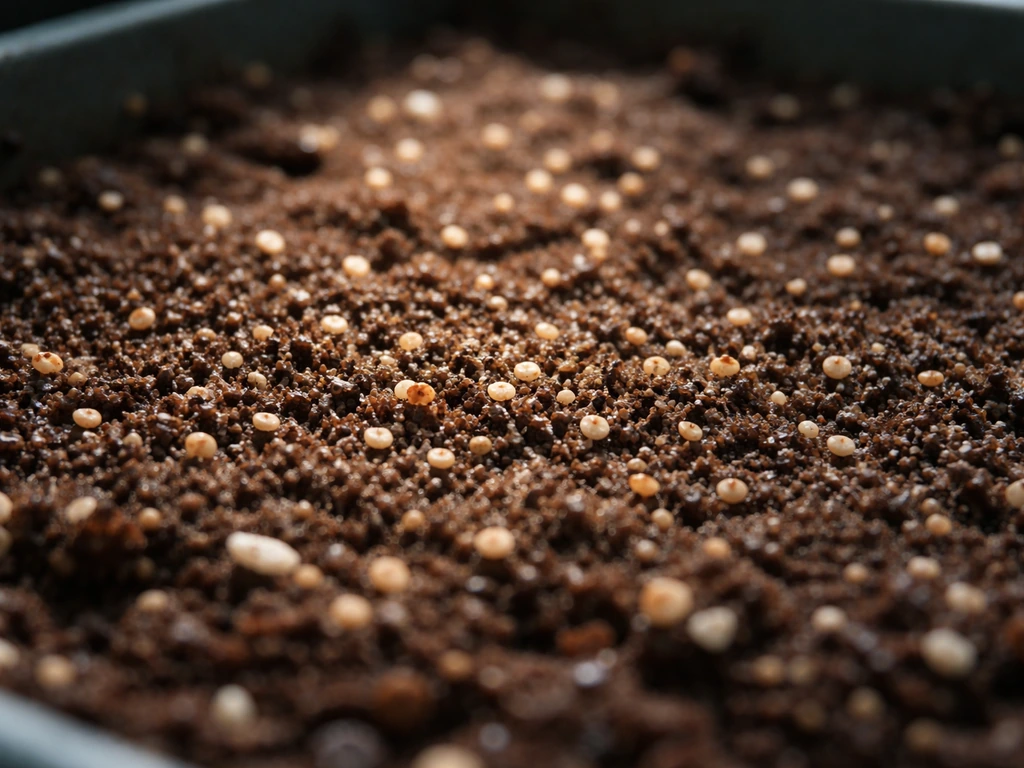
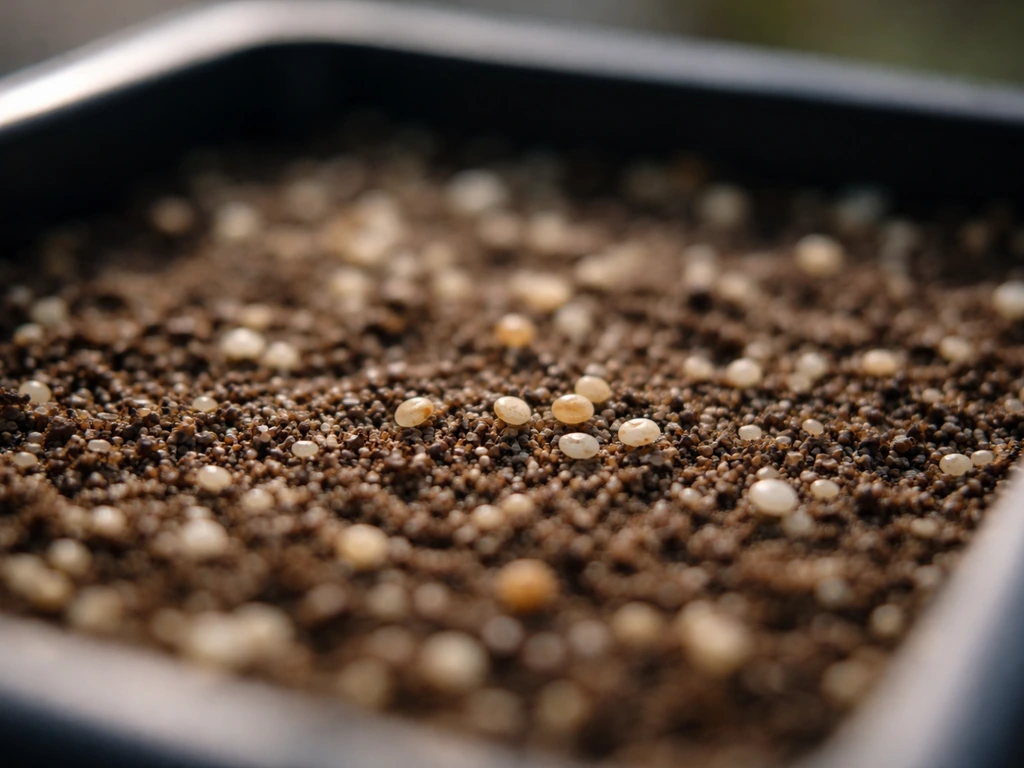
Hydrangea seeds are surface-germinators, meaning they need light to sprout. This is one of the most common mistakes people make: they cover the seeds with soil or mix, and then wonder why nothing happens. You press them gently onto the surface of your seed-starting medium and leave them exposed. From there, germination typically takes anywhere from 14 to 30 days under good conditions, though stragglers can appear well beyond that window.
Temperature matters a lot here. Research on native Hydrangea serrata puts the optimum germination temperature at 25°C (about 77°F). For Hydrangea macrophylla and Hydrangea paniculata, studies have looked at the effects of light, stratification, and gibberellic acid (GA3) on breaking dormancy. The University of Tennessee Extension notes that cold stratification isn't strictly required for germination, but recommends 30 to 90 days of moist prechilling when you have the ability to control temperature. Practically speaking, if you're starting in late winter or early spring with seeds you collected from last season, doing a brief cold-moist stratification in the fridge for 4 to 6 weeks before sowing doesn't hurt and may improve your germination rates.
Light is non-negotiable. Seeds sown in a dim corner of a basement will likely fail. Once seeds are on the surface of your medium, they need consistent, bright indirect light or a grow light positioned 2 to 4 inches above the tray.
Setting up your seed-starting station
Containers and seed-starting mix
Use shallow seed trays or cell packs with drainage holes. Because hydrangea seeds are so fine, a wide flat tray works well since you can scatter seeds across the surface and then thin or prick out seedlings later. Never use garden soil in seed trays. It compacts, drains poorly, and introduces the pathogens that cause damping-off. A dedicated seed-starting mix is essential. For best results, use a blend of peat moss (or coco coir) and perlite in roughly equal parts. This gives you the moisture retention hydrangea seeds need alongside the drainage that keeps roots from sitting in water. Oklahoma State University Extension specifically recommends perlite and peat in seed-starting mixes, and it's advice that applies perfectly here.
Temperature, light, and moisture control
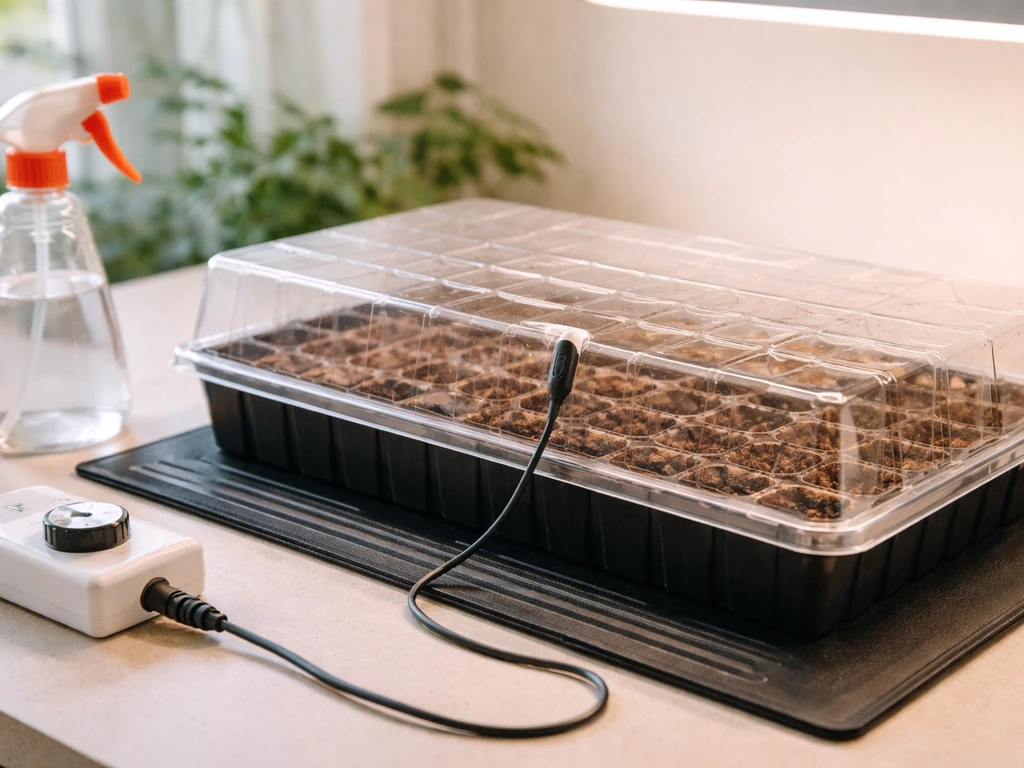
Your target soil temperature is 70 to 77°F (22 to 25°C). A heat mat under the tray is the simplest way to hit this consistently. Keep the medium moist but never waterlogged. The best watering method for hydrangea seedlings is bottom watering: set the tray in a shallow dish of water and let the mix absorb moisture from below.
If you’re trying to grow hydrangeas in water, bottom watering is still a useful way to keep moisture consistent while you get established. This keeps the surface from being disturbed (important with surface-sown seeds) and reduces the fungal pressure that leads to damping-off. Use a humidity dome or plastic wrap over the tray until you see germination, then remove it to improve airflow. A small fan running nearby at low speed is genuinely useful here.
It strengthens stems and dramatically reduces the moisture buildup that damping-off pathogens thrive on.
For light, aim for 14 to 16 hours per day under a grow light if you're starting indoors. A south-facing windowsill can work, but natural light in winter and early spring is often too weak and too short to drive strong seedling growth. Leggy, pale seedlings are almost always a light problem.
From seedling to garden: transplanting and first-season care
Once seedlings have two sets of true leaves (not the first tiny seed leaves, the actual shaped hydrangea leaves), they're ready to move up into individual small pots, something in the 2- to 3-inch range. Handle them by the leaves, not the stem, since the stem is fragile and easily bruised. At this stage they still need warm temperatures, consistent moisture, and good light.
When the weather is reliably above 50°F at night and your seedlings are 3 to 5 inches tall, it's time to harden them off before putting them outside. Hardening off means gradually introducing outdoor conditions over 10 to 14 days. For help with timing your first outdoor steps, follow the guidance for when to grow hydrangea from seeds so your seedlings are ready Hardening off. Start with an hour of sheltered outdoor time in dappled shade, add more time each day, and slowly expose them to more direct sun and wind. Skipping this step is a fast way to lose seedlings you spent months growing.
In their first season in the ground, young hydrangea seedlings put almost all their energy into root development. Don't expect much top growth. Water regularly during dry spells, keep them mulched to retain soil moisture, and hold off on heavy fertilizing. A light dose of balanced fertilizer in late spring is fine, but overdoing nitrogen at this stage pushes weak leafy growth instead of root establishment. If you're in a climate with harsh winters, pot the seedlings and bring them into a sheltered spot for their first winter rather than leaving them in the ground.
What to actually expect: flowering timeline and the genetics surprise
Here's the part that catches a lot of gardeners off guard. Even if everything goes perfectly, you're looking at 2 to 3 years before a seed-grown hydrangea flowers for the first time. Once you know the timeline for seed-grown hydrangeas, you can plan your setup around how to grow hydrangeas in NZ for your local conditions. Some plants take longer. That alone makes seed-starting a serious commitment compared to planting a nursery shrub that may bloom its first or second year.
The other issue is genetics. Most garden hydrangeas, especially the popular Hydrangea macrophylla varieties (the big mopheads and lacecaps), are hybrids. Seeds collected from a hybrid will not reliably produce offspring that match the parent. You might get a completely different flower color, a different form, or a plant that's simply not as showy.
This is why professional growers propagate hydrangeas by cuttings rather than seed. If you collected seed from a gorgeous blue mophead, the seedlings might be pink, white, or somewhere in between. For species hydrangeas like Hydrangea paniculata or Hydrangea arborescens, seed-grown plants are more likely to resemble the parent, but even then there's variation. Going in with eyes open about this makes the whole process more enjoyable and less disappointing.
What goes wrong and how to fix it
No germination at all
If nothing appears after 4 to 6 weeks, the most common culprits are seeds covered with soil (remember: surface sow only), temperature too low (below 65°F slows germination significantly), or seeds that were too old or improperly stored. Hydrangea seeds have a short viability window. Use fresh seed from the current season if you can, and store any leftovers in a sealed container in the fridge.
Damping-off
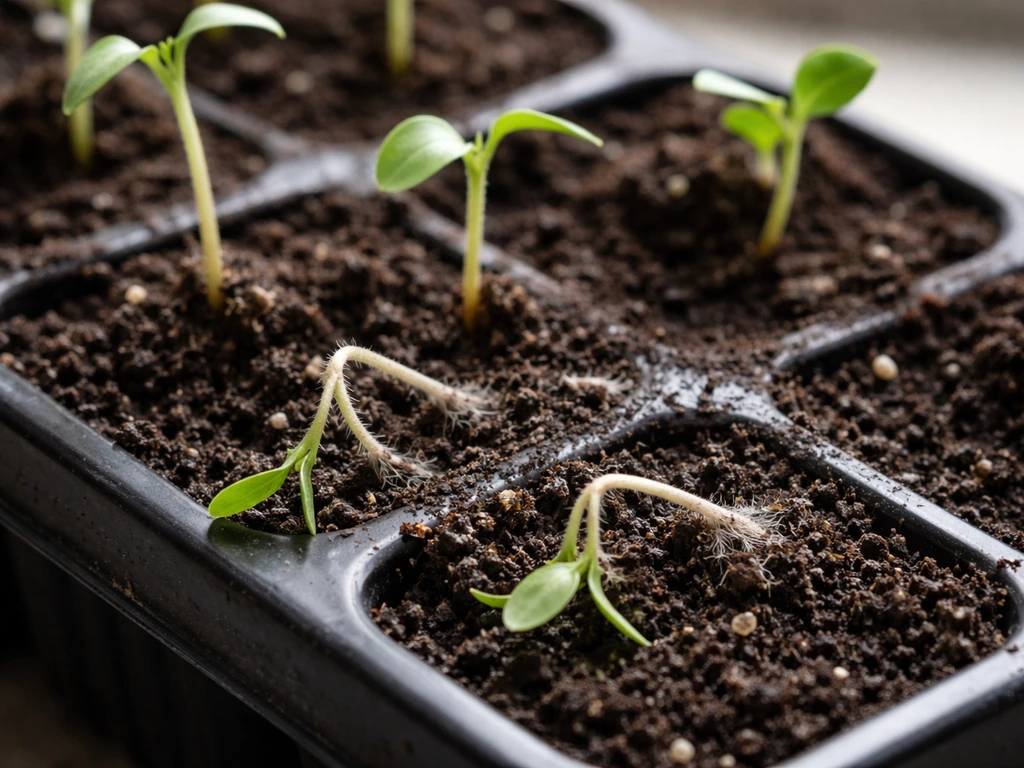
Damping-off is the single most common killer of hydrangea seedlings. It's a fungal problem that rots seeds before they emerge or collapses seedlings at the soil line, and it looks like mushy tan spots or stems that pinch off suddenly near the base. The conditions that cause it are wet soil, poor airflow, and contaminated growing medium.
As the University of Wisconsin-Madison Extension puts it, proper prevention is really the only option since there's no reliable cure once it takes hold. Prevent it by using a sterile seed-starting mix (never garden soil), bottom watering instead of overhead watering, running a fan for airflow, and not overwatering. Penn State Extension recommends [keeping soil temperature around 70 to 75°F](https://extension. psu.
edu/damping-off/), which also helps seedlings grow quickly enough to outpace the pathogen. If damping-off hits one section of your tray, isolate those seedlings immediately since the pathogens spread through shared water.
Leggy, weak seedlings
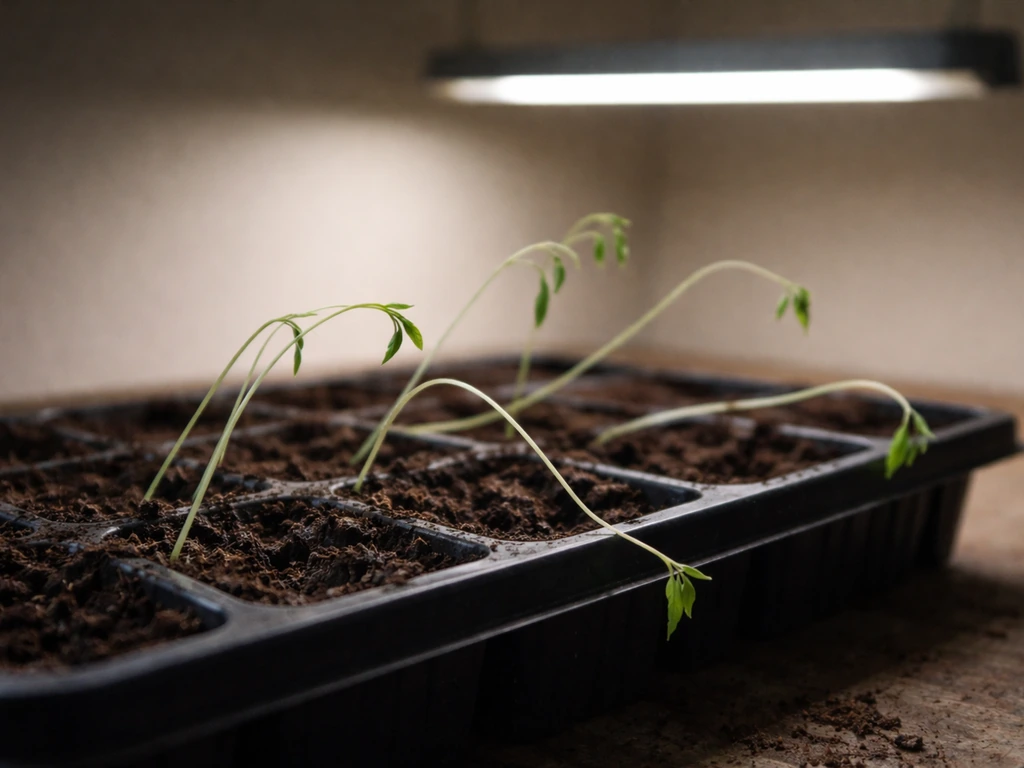
Long, spindly seedlings that flop over are almost always a light problem. Either the light source is too far away, too weak, or the day length is too short. Move your grow light to within 2 to 4 inches of the seedling tops, or supplement a south-facing window with a supplemental light. Adding a fan helps here too, since the gentle resistance of moving air encourages stronger, thicker stem growth.
When seed is the wrong tool for the job
If you want flowers within a season or two, or if you're trying to replicate a specific variety, seeds are the wrong approach. Cuttings are the fastest and most reliable way to propagate hydrangeas and maintain the characteristics of the parent plant. Softwood cuttings taken in late spring to early summer root easily in moist perlite or a propagation mix, and you'll typically have a flowering-sized plant within a year. Alternatively, buying established starts or small shrubs from a nursery gets you to blooms faster and with much more certainty about what you're getting.
Seed-growing makes the most sense when you're experimenting with species hydrangeas, you enjoy the process itself, or you want to raise a large number of plants cheaply and don't mind the variation. For a gardener who wants to grow hydrangeas outdoors and see results this season, starting from nursery stock or cuttings is simply a more efficient path. If you're planning to grow hydrangeas outdoors, you'll also want to match the plants to your climate and follow outdoor planting and care timing for the best chance of blooms. For those in specific climates, local growing conditions also play a role in which approach makes sense, and the process differs somewhat whether you're gardening in the UK, New Zealand, South Africa, or elsewhere.
Quick-reference checklist for seed starting
- Use fresh hydrangea seeds collected in fall and stored in the fridge until sowing.
- Optional but helpful: cold-moist stratify seeds in a damp paper towel in the fridge for 4 to 6 weeks before sowing.
- Fill a shallow seed tray with a 50/50 mix of peat moss (or coco coir) and perlite. Moisten thoroughly.
- Scatter seeds on the surface. Do not cover with soil. Press gently to ensure contact with the medium.
- Cover with a humidity dome or plastic wrap. Place on a heat mat set to 70 to 77°F (22 to 25°C).
- Provide 14 to 16 hours of light per day using a grow light positioned 2 to 4 inches above the tray.
- Bottom water only. Keep medium consistently moist but not soggy.
- Remove the dome once seedlings emerge and run a fan nearby for airflow.
- Pot up into individual 2- to 3-inch containers once two sets of true leaves appear.
- Harden off over 10 to 14 days before planting outdoors.
- Mulch, water regularly, and expect root growth (not much top growth) in year one.
| Method | Time to First Bloom | Matches Parent Plant | Difficulty | Best For |
|---|---|---|---|---|
| Seed | 2 to 3+ years | Often no (especially hybrids) | Moderate to challenging | Experimenting, species types, large quantities |
| Cuttings | 1 to 2 years | Yes, reliably | Easy to moderate | Replicating a specific variety quickly |
| Nursery starts | 1 to 2 years (sometimes same season) | Yes | Easy | Fastest blooms, most predictable results |
FAQ
How many hydrangea seeds should I sow if the germination rate is unpredictable?
Sow more seeds than you ultimately want plants, a good rule is at least 3 to 5 times the number of seedlings you would like to pot up. With surface-sown, tiny seeds, even small losses from handling, wash-off, or low viability can reduce your final count dramatically.
Do I need to cover hydrangea seeds with plastic wrap or a humidity dome the whole time?
Keep the humidity dome or wrap on only until you see germination, then remove it to improve airflow. If you leave it on after sprouts emerge, the moisture buildup increases damping-off risk even if the tray looks clean.
Should I mist the tray or water from the bottom while seeds are germinating?
Use bottom watering. Overhead misting can dislodge dust-fine seeds and creates wet patches on the surface, which raises fungal pressure. Check moisture by feel, if the surface looks slick or waterlogged, stop watering and increase airflow.
What grow light distance and schedule works best once seedlings sprout?
Place the light about 2 to 4 inches above the seedling tops, and run it 14 to 16 hours per day for indoor starts. If seedlings start stretching or turning pale, lower the light closer rather than extending day length indefinitely.
Can I stratify hydrangea seeds even if the article says cold stratification may not be strictly required?
Yes, do a short moist prechill (often 4 to 6 weeks) if your seeds are from last season or you cannot control warmth during germination. The benefit is mainly improved consistency, not a guarantee, so still prioritize surface sowing and warm temperatures.
When should I thin or prick out crowded seedlings?
Thin as soon as you can distinguish individual seedlings and once they are stable enough to handle without snapping. Waiting too long leads to tangled, delicate stems and causes root damage when you separate them later.
Why do my seedlings look healthy for a while, then suddenly collapse at the soil line?
That pattern often indicates damping-off that wasn’t fully prevented early on. Common triggers are staying too wet, inadequate airflow, or using a non-sterile medium. Isolate affected seedlings, let the remaining surface dry slightly between bottom-watering cycles, and keep a gentle fan running.
Can I transplant seedlings immediately after germination?
Not usually. Wait until they have two sets of true leaves before potting up, since the first tiny leaves are not strong enough for reliable handling. Transplanting too early increases bruising and slows growth.
Will seed-grown hydrangeas look like the parent plant?
Not reliably for hybrid types, especially Hydrangea macrophylla mopheads and lacecaps. Seed from a hybrid can produce different colors and forms, so the most accurate way to keep specific traits is cuttings rather than seed.
How long can I store hydrangea seeds and still expect germination?
Hydrangea seeds have a short viability window, fresh seed is best. If you store leftovers, use a sealed container in the fridge, and plan to sow soon rather than holding them for multiple seasons.
What’s the safest fertilizer approach for the first season of seedlings in the ground or pots?
Start with minimal feeding. A light balanced fertilizer dose in late spring is usually enough, and avoid heavy nitrogen early because it encourages weak top growth when seedlings should prioritize roots.
Do I need to harden off seedlings before moving them outside even if nights are only slightly cool?
Yes. Harden off over about 10 to 14 days once nights are reliably above 50°F, gradual exposure reduces leaf scorch and wind stress. Skipping hardening off commonly causes sudden leaf loss even if the temperature later seems fine.
If I want blooms as quickly as possible, what should I do instead of seed?
Use cuttings or buy nursery starts for speed and certainty. Softwood cuttings taken in late spring to early summer often reach flowering-sized plants in about a year, while seed typically takes 2 to 3 years even under good conditions.