
Plant your hydrangeas in a sheltered spot with morning sun and afternoon shade, in moist but well-drained, slightly acidic soil. Avoid frost pockets, exposed windy corners, and heavy clay that stays wet all winter. Get those basics right and you'll have reliable blooms every year. Hydrangeas can also be grown from seed, but it is a slow process with variable results grow hydrangeas from seed. Get them wrong and you'll spend seasons wondering why your plant looks miserable.
How to Grow Hydrangeas in the UK: Site, Soil and Care

Marcus Holloway
27 Jun 2026
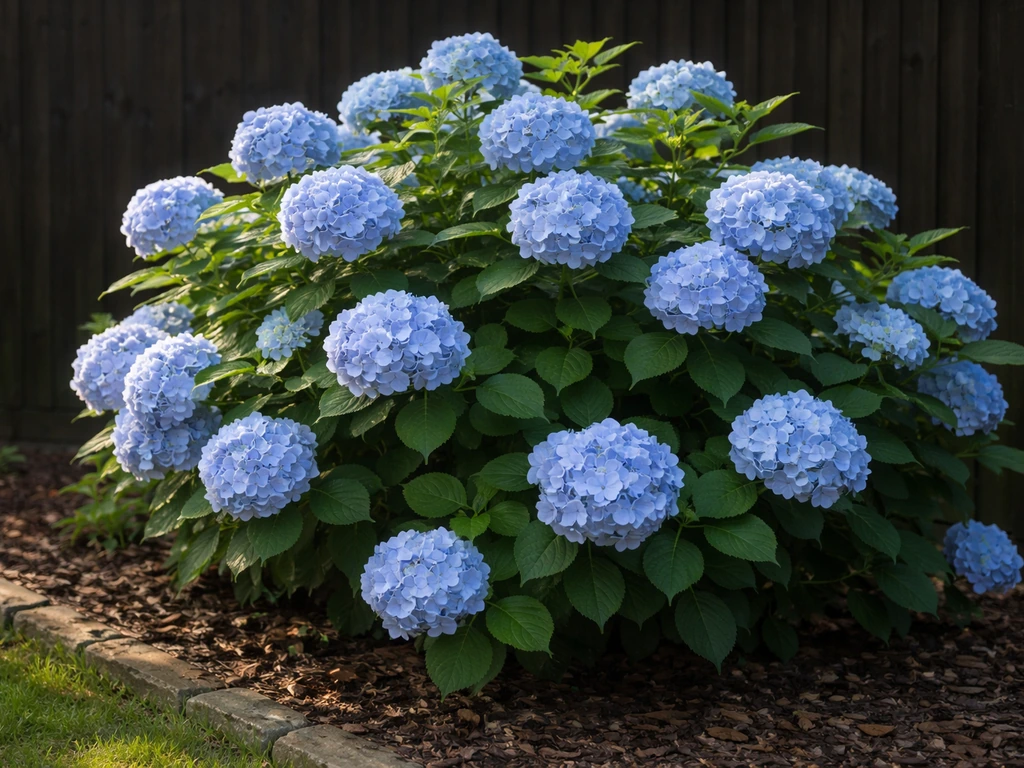
Picking the right spot in the UK (microclimates matter more than you think)
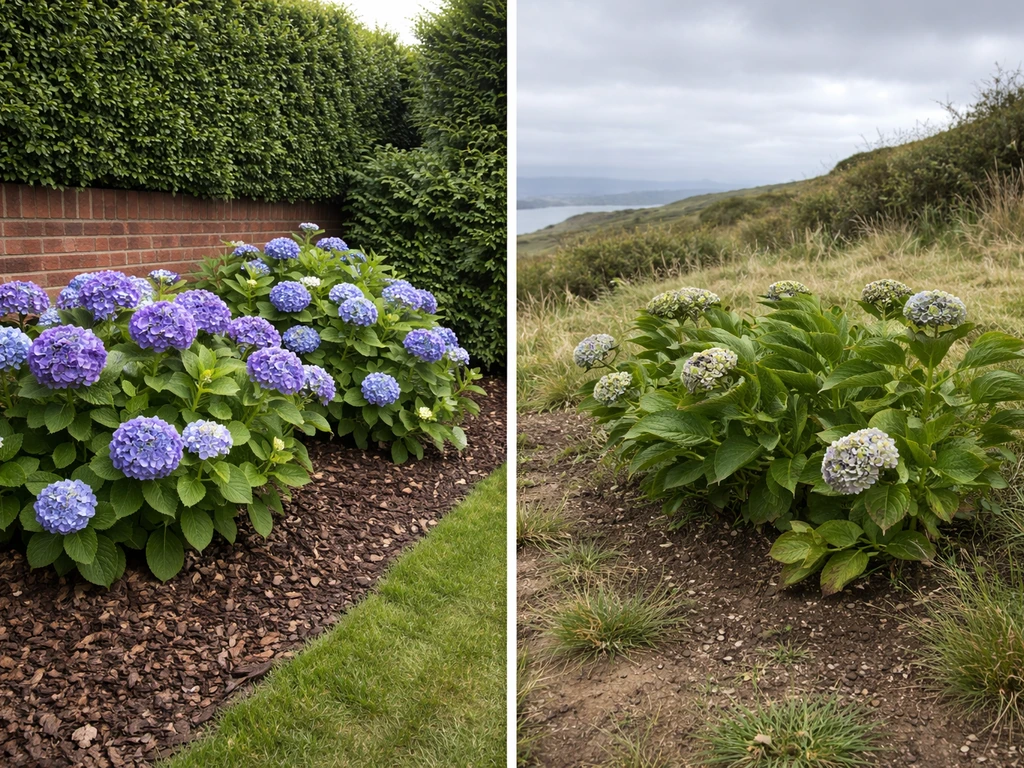
The UK's climate is genuinely good for hydrangeas, but there's a big difference between a sheltered urban garden in Bristol and an exposed hillside plot in Yorkshire. Before you dig a hole, spend five minutes thinking about the specific conditions in your garden.
Wind is one of the biggest killers of hydrangea flowers in the UK. Those large mophead blooms act like sails, and exposed windy sites will break stems and shred petals before you get to enjoy them. A spot sheltered by a fence, hedge, or wall makes a real difference. If your garden is exposed, plant near a boundary or use taller shrubs as a windbreak.
Frost pockets are another thing to watch. Cold air sinks and collects in low-lying areas, particularly at the bottom of slopes or in enclosed dips. Hydrangeas flower on buds formed the previous autumn and winter, and a sharp late frost in a frost pocket can wipe those buds out entirely. If you've had a full-grown hydrangea that never seems to flower, a frost pocket location is often the culprit. Choose a slightly elevated or open-to-sky position rather than the lowest point in the garden.
If you're in an urban area, you're in luck. The urban heat island effect gives city and town gardens a slightly warmer microclimate, which means better bud survival over winter and an earlier start in spring. Use it to your advantage and you can grow some of the slightly more tender varieties with more confidence.
Rainfall-wise, the UK's west coast and upland areas get plenty of natural moisture, which suits hydrangeas well. In drier eastern counties, you'll need to be more proactive with watering, especially in summer. In South Africa, watering schedules need to be adjusted for local heat and dry spells so your hydrangeas do not dry out in summer. Factor this into where you plant and how you plan to water.
Which hydrangeas actually do well in the UK
Not all hydrangeas are equal when it comes to UK growing conditions, and choosing the right type for your site makes everything easier. Here's a practical rundown of the main options.
| Type | Best for | Pruning type | Cold hardiness | Notes |
|---|---|---|---|---|
| H. macrophylla (Mophead/Lacecap) | Sheltered gardens, cottage borders | Old wood | Moderate | Colour changes with soil pH; buds vulnerable to hard frosts |
| H. serrata | Smaller gardens, partial shade | Old wood | Good | More compact than macrophylla; great lacecap flowers |
| H. paniculata | Exposed or sunnier sites | New wood | Excellent | Very reliable bloomer; tolerates more sun and wind |
| H. arborescens | Shade or woodland gardens | New wood | Excellent | Flowers on new wood so pruning is forgiving |
| H. quercifolia (Oakleaf) | Sheltered spot, partial shade | Old wood | Moderate-good | Good autumn colour; leave heads on for frost protection |
| H. petiolaris (Climbing) | North or east-facing walls, fences | Minimal needed | Excellent | Self-clinging; brilliant for shady walls |
For most UK beginners, H. paniculata is the most rewarding starting point. It blooms on new wood, so even if a harsh winter kills the old stems back, you'll still get flowers. Varieties like 'Limelight' and 'Phantom' are widely available and genuinely tough. H. macrophylla mopheads are the ones you picture when you think of hydrangeas, and they're stunning when they work, but they do need a sheltered site and careful pruning to flower reliably.
Getting the soil right before you plant
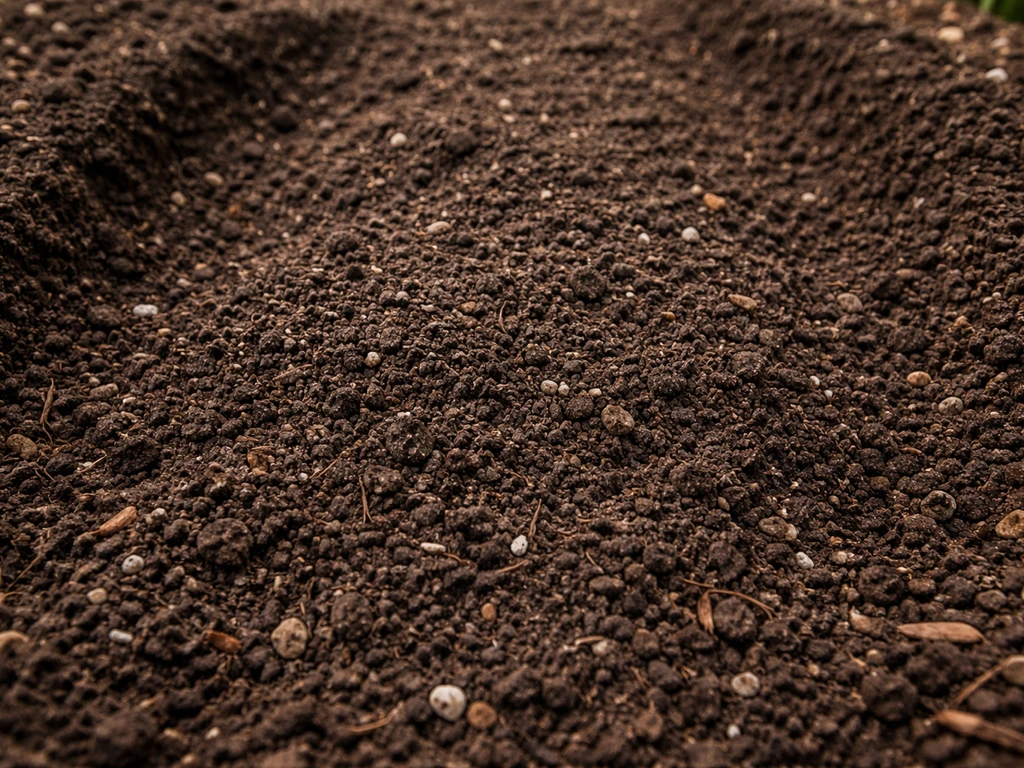
Hydrangeas want moist, well-drained soil that's rich in organic matter. Those two things sound contradictory but they're not: you want soil that holds moisture without becoming waterlogged. Heavy clay that stays wet through winter is a genuine problem, as it can cause root rot. If you've got clay, dig in plenty of grit and compost before planting, or consider raising the bed slightly to improve drainage.
For H. macrophylla and H. serrata, soil pH is especially important because it directly affects flower colour. Acidic soils (roughly pH 4.5 to 5.5) make aluminium more available to the plant, which drives blue and purple tones. Alkaline soils (around pH 6.0 to 7.0 and above) lock up that aluminium, pushing flowers toward pink and red. White-flowered varieties aren't affected by pH. If you want to grow blue mopheads and your soil is alkaline (common in chalk and limestone areas of the UK), you can use aluminium sulphate-based blueing compounds. Applying these from around March, about six weeks before buds set their colour, gives the best results. A specialist hydrangea feed with an NPK profile around 25:5:30 also supports blue colour performance.
Regardless of colour goals, work in a generous amount of garden compost or well-rotted organic matter before planting. This improves both water retention and drainage, and gives roots something to establish into. A 5 to 7 cm mulch of bark chips or garden compost around the base after planting helps lock in moisture, moderates soil temperature, and suppresses weeds. Keep it clear of the main stem to avoid rot.
Sun, shade, and where to actually position them
The RHS recommends light shade as the ideal position for shrubby hydrangeas, and that's good practical advice for most UK gardens. Morning sun with afternoon shade is close to perfect: the plant gets enough light to flower well but avoids the hottest, dryest part of the day. An east or north-east facing border, or a spot that gets dappled light under a canopy, works well.
Sunnier positions can work if the soil stays reliably moist through summer, but in practice, most UK gardens have dry spells that make a sunnier spot harder to manage. If you're in the drier east of England, stick closer to partial shade. H. paniculata is the exception: it tolerates and even prefers more sun than the other species, and is your best bet if you've only got a south-facing or open border.
Avoid full deep shade all day: you'll get plenty of leaves and very few flowers. And avoid directly under large tree canopies where roots compete aggressively for water and the soil stays very dry. The base of a large beech or sycamore is one of those spots that looks shady and sheltered but is actually a poor choice.
When and how to plant
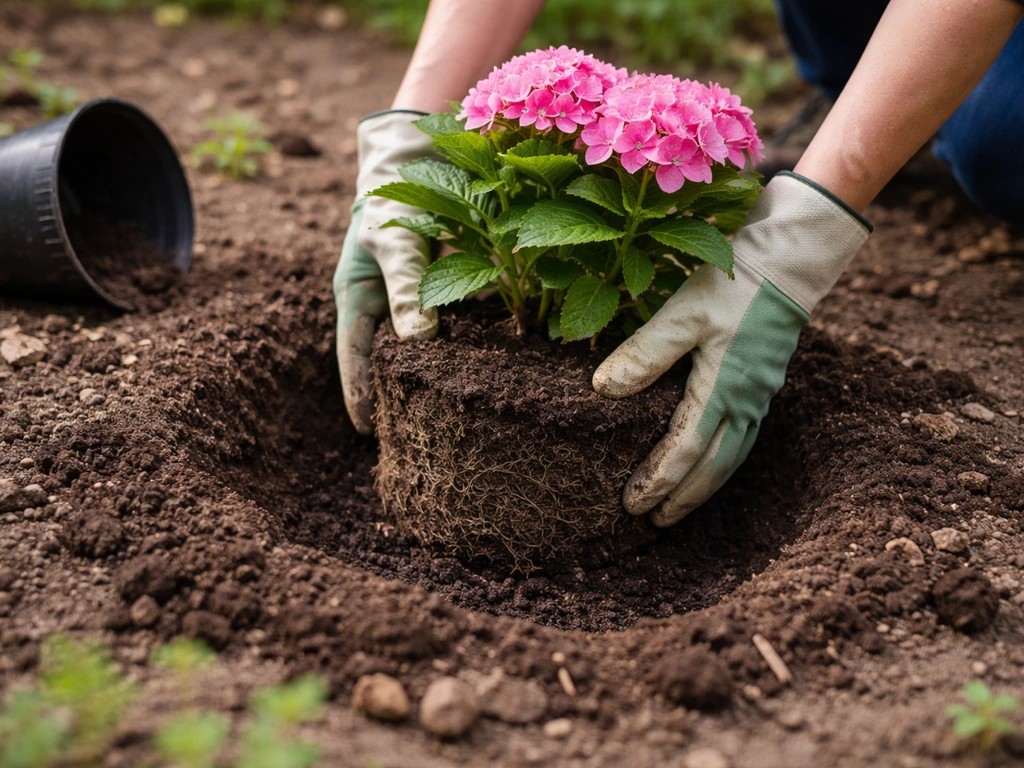
Container-grown plants
Container-grown hydrangeas are what most people buy from garden centres, and the good news is you can plant them pretty much any time of year as long as the soil isn't frozen, excessively wet, or bone-dry from summer drought. Autumn is particularly good because the soil is still warm enough to encourage root establishment before the plant goes dormant, and you won't need to water as heavily as you would in summer. Spring is also excellent. If you're wondering when to grow hydrangea from seeds, start by planning for a longer indoor phase before seedlings are ready for outdoor conditions. Midsummer planting is possible but requires more consistent watering.
When planting, dig a hole roughly twice the width of the pot and the same depth. The critical thing is to plant so the surface of the pot compost sits level with the surrounding soil: not too deep, not too high. Firm the soil around the rootball to remove air pockets, water in well, and then apply that mulch layer.
Bare-root plants
Bare-root hydrangeas are available during the dormant season, typically November through to March, and they're often better value than container plants. Plant them as soon as you receive them: the roots must not dry out. If you can't plant immediately, keep the roots wrapped and moist or heel them into a temporary spot in the ground. Before planting, soak the roots in water for an hour or two, then plant to the same depth as they were growing (look for the soil mark on the main stem), firm well, and water in.
Spacing
Give hydrangeas room. Most shrubby types need at least 1 to 1.5 metres between plants, with larger H. paniculata varieties needing up to 2 metres. It's tempting to plant them close for an immediate effect, but crowded hydrangeas get less air circulation and flower less well. If you're planting a group, err on the generous side.
Watering and feeding in the UK
Hydrangeas are thirsty plants. The name literally comes from the Greek for water vessel. In a typical UK summer with regular rainfall, established plants in a shaded position will largely look after themselves. But during dry spells, and particularly in the first two years after planting, you'll need to water deeply and regularly. A deep soak every few days is better than a light daily sprinkle: you want to encourage roots to go down rather than stay near the surface.
Feeding is where people often go wrong. More fertiliser does not mean more flowers. The RHS is clear on this: too much fertiliser, especially high-nitrogen feeds, encourages lush leafy growth at the expense of flower buds, and that soft growth is more vulnerable to frost damage over winter. A balanced slow-release feed in spring is usually enough for established plants in decent soil. If you've prepared the soil well with organic matter, you may not need to feed at all in year one. If you're aiming for blue flowers on H. macrophylla, use a specialist hydrangea feed rather than a general-purpose fertiliser.
Pruning, overwintering, and actually getting blooms
This is where most gardeners accidentally wreck their hydrangeas, so it's worth getting this right.
Old wood vs new wood: the rule that changes everything
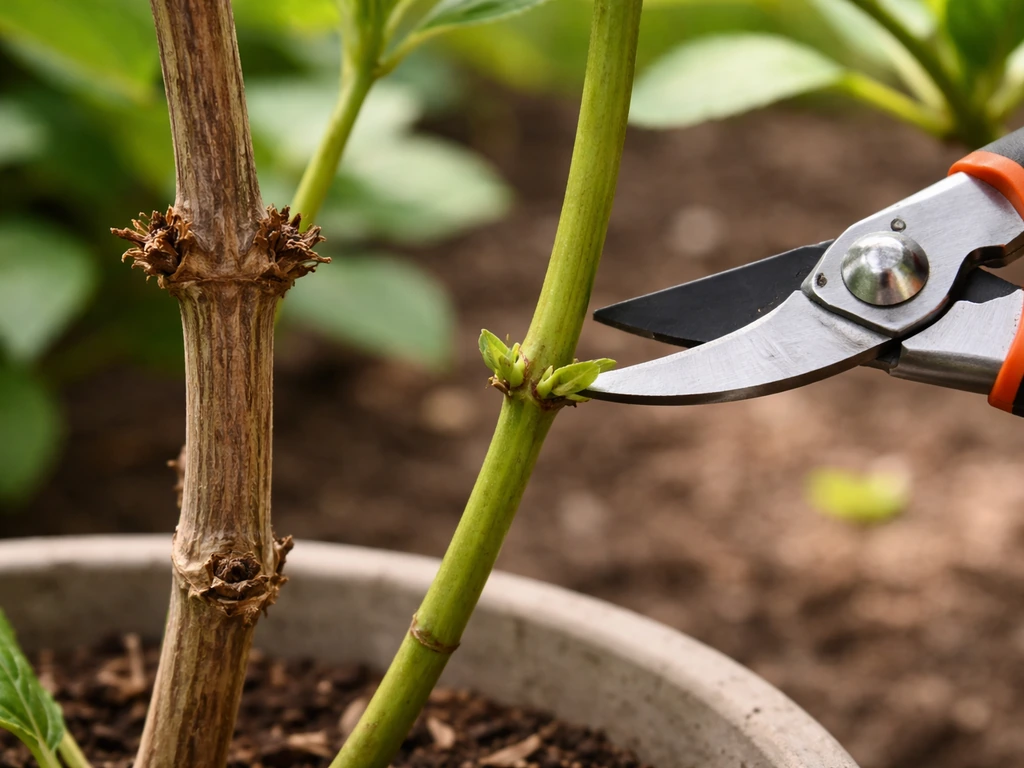
Whether your hydrangea blooms on old wood or new wood determines when and how hard you can prune. Get this wrong and you'll cut off next year's flowers. GardeningKnowHow notes that pruning timing differs depending on whether your hydrangea blooms on old wood or new wood, with old-wood types pruned right after flowering and new-wood types pruned in early spring or late winter pruning differs for old-wood versus new-wood hydrangeas.
- Old wood bloomers (H. macrophylla, H. serrata, H. quercifolia): These form their flower buds on stems that grew the previous year. Prune them hard in spring and you remove those buds. The right approach is to prune lightly, right after flowering in summer, removing only dead, damaged, or crossing stems.
- New wood bloomers (H. paniculata, H. arborescens): These flower on growth produced in the current season. You can prune these harder in late winter or early spring, cutting back to a framework of older wood, and they'll still flower reliably that summer.
For mopheads and lacecaps, the deadheading rule is slightly different to what you might expect. Don't deadhead in autumn. Leave the old flower heads on the plant through winter. They act as a natural insulating layer that helps protect the developing buds below from frost and wind. Remove them in early spring when you can see the new growth starting, cutting just above a healthy pair of buds.
Winter protection
In most of the UK, established H. paniculata and H. arborescens need no winter protection. They're reliably hardy. For H. macrophylla and H. serrata in colder or more exposed gardens, a few simple steps make a big difference. Leave the flower heads on as described above. Apply a mulch of compost or bark around the base in autumn to protect roots from freezing. In very cold areas or for young plants, you can wrap the stems loosely with horticultural fleece during hard frosts, but this usually isn't necessary in most UK gardens.
If your hydrangea isn't flowering
The most common reasons hydrangeas fail to flower in the UK are: pruning at the wrong time (for old-wood types), late frosts killing the buds, too much shade, or over-feeding with nitrogen. If you’re in New Zealand, the same basics still apply, but your timing and microclimate choices can make a big difference to how to grow hydrangeas in NZ hydrangeas fail to flower in the UK. Work through that list before assuming something more exotic is wrong. A plant that looks healthy and leafy but never flowers has usually been either pruned incorrectly or overfed. A plant that shows bud traces but then fails to open is usually frost damage.
A quick start checklist for UK gardeners
- Choose a sheltered spot with morning sun and afternoon shade, away from frost pockets and wind.
- Test your soil pH if you want to control flower colour on H. macrophylla.
- Improve drainage before planting if you have heavy clay.
- Pick H. paniculata if you're a beginner or have an exposed site; H. macrophylla if you have a sheltered, shaded garden.
- Plant container-grown plants at pot-soil level and firm in well.
- Plant bare-root stock between November and March with wet roots.
- Mulch around the base with 5 to 7 cm of bark or compost, keeping it clear of the stem.
- Water deeply during dry spells, especially in the first two years.
- Feed sparingly: avoid high-nitrogen fertilisers.
- Leave old flower heads on mopheads and lacecaps through winter for frost protection.
- Prune old-wood types after flowering in summer; new-wood types in late winter.
Hydrangeas are genuinely rewarding once you've matched the right variety to the right spot. Most of the failures I've seen come down to planting in the wrong microclimate or pruning at the wrong time, not from anything complicated. If you want the best results, follow a clear plan for how to grow hydrangeas outdoors, from site choice to pruning. Nail those two things and the rest follows naturally.
FAQ
How do I know whether my hydrangea should be pruned in autumn or spring?
In the UK, you can set a simple rule: if it blooms on old wood, avoid major pruning until you can see new growth in spring, and keep spent heads through winter. If it blooms on new wood (common with H. paniculata), you can cut back more confidently in late winter. If you are unsure which type you bought, treat it conservatively and wait until early spring before any hard pruning.
My hydrangea grows leaves but won’t flower. What should I check first?
A pale, even leaf colour usually points to low nutrients, but most “no flowers” cases in the UK are not a fertiliser problem. Focus first on the pruning timing (old-wood types), late frost damage to buds, and whether the plant is in deep shade. Only then adjust feeding, and choose a fertiliser that is not high in nitrogen.
Can I turn pink mopheads blue in a chalky UK garden?
Blue hydrangea colour depends on soil aluminium availability, not just “acidic soil”. If your garden is chalky, test the soil and consider a scheduled aluminium sulphate-based treatment starting roughly six weeks before the buds change colour. Also note that white-flowered varieties will not shift colour with pH, so don’t chase colour changes that the genetics won’t allow.
How can I grow hydrangeas in pots in the UK successfully?
Yes, but the key is drainage and consistent moisture. Containers dry out fast, so use a potting mix that holds moisture while still draining well, and water deeply until excess drains out. In winter, shelter the pot from freezing winds and consider insulating the sides with bubble wrap or hessian to reduce root freeze-thaw.
Is midsummer planting a bad idea for hydrangeas in the UK?
If you bought a container hydrangea in midsummer, plant it in partial shade and commit to regular deep watering, because newly planted roots have less time to settle. Keep an eye on wilting during hot spells, and avoid letting the compost dry out completely. Once established, watering demands reduce.
What’s the best way to tell if I’m watering deeply enough?
Do a quick water-depth check: if the top few centimetres feel damp but the plant still droops, the root zone is likely drying. For hydrangeas, aim for a deep soak every few days during dry spells, and water early in the morning so leaves dry faster and reduce disease pressure.
What is the easiest UK method to propagate hydrangeas, seed or cuttings?
Yes, but you usually want to take cuttings from the correct growth type for the species, and you should expect slower results than with many shrubs. Seed is possible but it is variable and slow, so for reliable “grow it like the parent plant” results, consider cuttings rather than seed for most UK gardeners.
My hydrangea makes buds but they fail to open. Is it a watering problem?
If your hydrangea looks fine but the buds never open, it often means bud damage from a late frost rather than a watering issue. Check whether the flowers browned or failed to develop after a cold snap, then improve location next season by avoiding frost pockets and providing more wind shelter.
Can planting depth affect hydrangea growth, and how do I fix it?
If your hydrangea is planted too deep, it can struggle and decline gradually, because the root area stays stressed and the plant is slow to establish. Use the “pot compost level with surrounding soil” guideline, firm well, and do not bury the stem. If you need to correct depth, do it early in the growing season when the plant is actively starting to grow.
How do I manage flower colour year after year if my soil pH is high?
Alkaline soil is common in chalk and limestone areas, and it often explains persistent pink flowers on varieties you hoped would go blue. Before changing anything, test soil pH. Then apply the appropriate blueing product at the right time, and keep feeding modest, because excessive nitrogen can reduce bud quality even if you manage colour.