Hydrangeas grow beautifully outdoors when you match the right variety to your climate, give them morning sun with afternoon shade, plant them in moist well-drained soil, and prune at the correct time for how they bloom. Get those four things right and you'll have reliable flowers every year, whether you're growing in the ground or in a pot on a patio.
How to Grow Hydrangeas Outdoors: Ground and Pot Guide
Marcus Holloway
18 May 2026
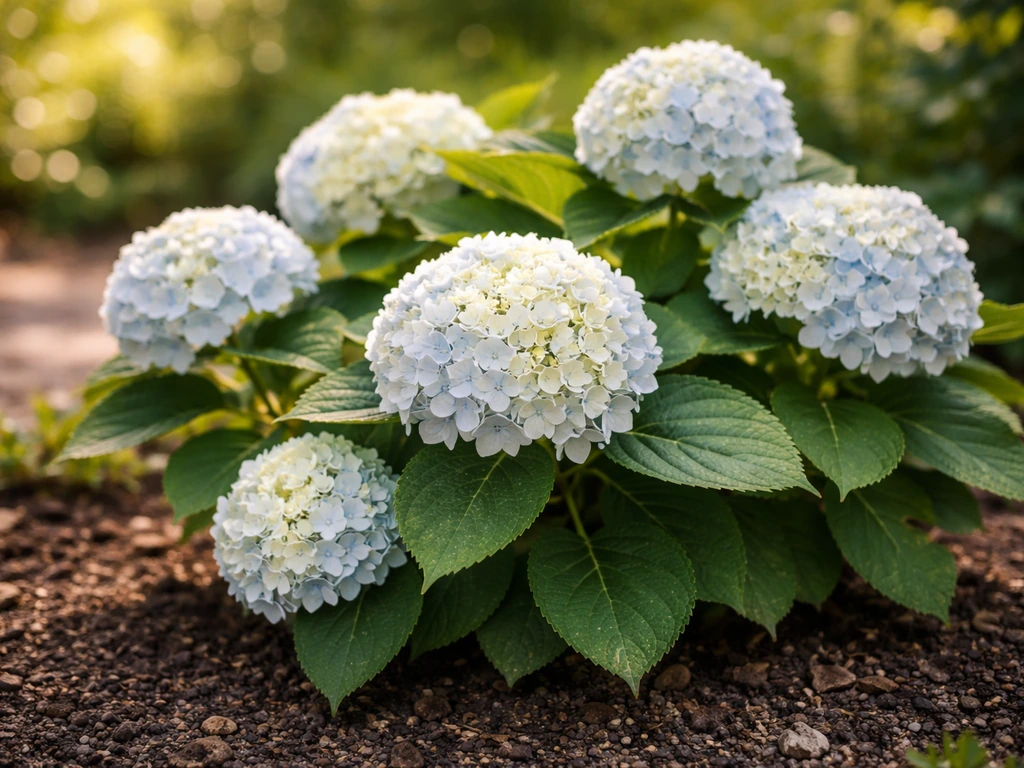
Choosing the right hydrangea type for outdoor growing
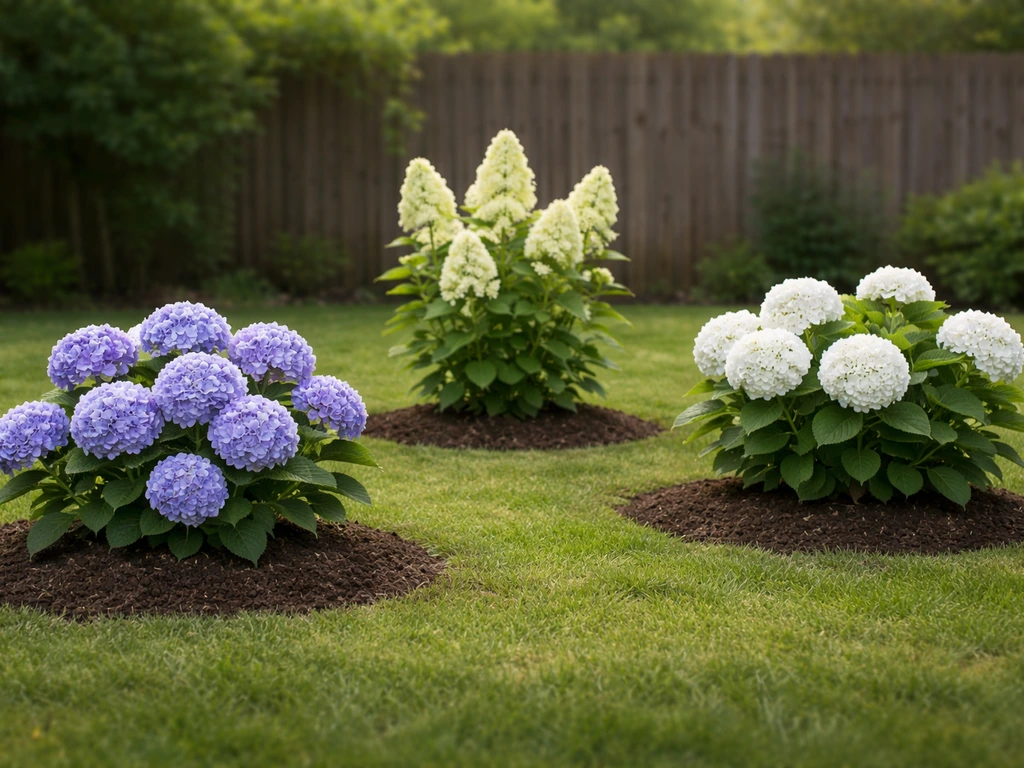
This is honestly where most people go wrong before they've even put a shovel in the ground. They buy whatever looks gorgeous at the garden center in June, bring it home, plant it, and then wonder why it barely blooms the following year. The variety you choose has to match your climate, your available space, and how much pruning flexibility you want.
There are five main species you'll encounter, and they behave very differently from each other. Here's a practical breakdown:
| Species | Common Name | Hardiness (USDA Zone) | Blooms On | Best For |
|---|---|---|---|---|
| H. macrophylla | Bigleaf / Mophead / Lacecap | Zones 5–9 | Old wood (mostly) | Mild climates, color-changing blooms |
| H. paniculata | Panicle hydrangea | Zones 3–8 | New wood | Cold climates, easy pruning |
| H. arborescens | Smooth hydrangea | Zones 3–9 | New wood | Beginners, tough conditions |
| H. quercifolia | Oakleaf hydrangea | Zones 5–9 | Old wood | Hot summers, fall color interest |
| H. serrata | Mountain hydrangea | Zones 5–9 | Old wood (mostly) | Smaller gardens, shade tolerance |
If you're in a colder zone (Zone 4 or below) or you're a beginner who doesn't want to stress about pruning timing, panicle hydrangeas like 'Limelight' or smooth hydrangeas like 'Annabelle' are your safest bet. They bloom on new wood grown each season, so even if winter kills every stem to the ground, you still get flowers. Bigleaf hydrangeas are the classic blue or pink mopheads everyone loves, but they're more demanding. Their buds form in late summer for the following year, so a hard winter or a mistimed pruning cut will cost you a whole season of flowers. If you want the bigleaf look with more forgiveness, look at the Endless Summer series, which blooms on both old and new wood, making it much more reliable after a rough winter.
For gardeners outside the US, growing conditions vary significantly. The principles here apply broadly, but local climate details matter, and region-specific guides can fill in those gaps.
Outdoor site conditions: sunlight, temperature, and wind protection
Most hydrangeas want morning sun and afternoon shade. That's the single most useful rule for siting them outdoors. The morning light encourages strong flowering, and the afternoon shade protects leaves and flower heads from scorching during the hottest part of the day. Aim for about five hours of direct sunlight, ideally before noon. Too little light is also a real problem: a plant sitting in deep shade all day will produce weak growth and few flowers, so don't overcorrect and tuck them somewhere gloomy just to be safe.
Bigleaf hydrangeas are the most sensitive to afternoon heat. If you're growing them and your summers get hot (think consistent highs above 85°F / 29°C), afternoon shade isn't optional. Panicle and smooth hydrangeas tolerate more sun and heat, though they'll still appreciate some relief during peak summer hours.
Wind is an underrated stressor for outdoor hydrangeas, especially for potted plants. A drying wind speeds up moisture loss from both the soil and the leaves, which can trigger leaf scorch even when you're watering regularly. Site them near a fence, wall, or larger shrubs that buffer prevailing winds without blocking all the light. If you're in a particularly windy spot, staking tall varieties like panicle hydrangeas in their first season will prevent stem breakage.
Temperature hardiness mostly comes down to the variety, but all outdoor hydrangeas benefit from being planted away from frost pockets (low-lying areas where cold air settles) and from south-facing walls that might push them into early growth before the last frost has passed. A late frost hitting fresh new buds on an old-wood hydrangea is one of the most common reasons for a bloomless season.
Soil setup and planting steps (ground vs containers)
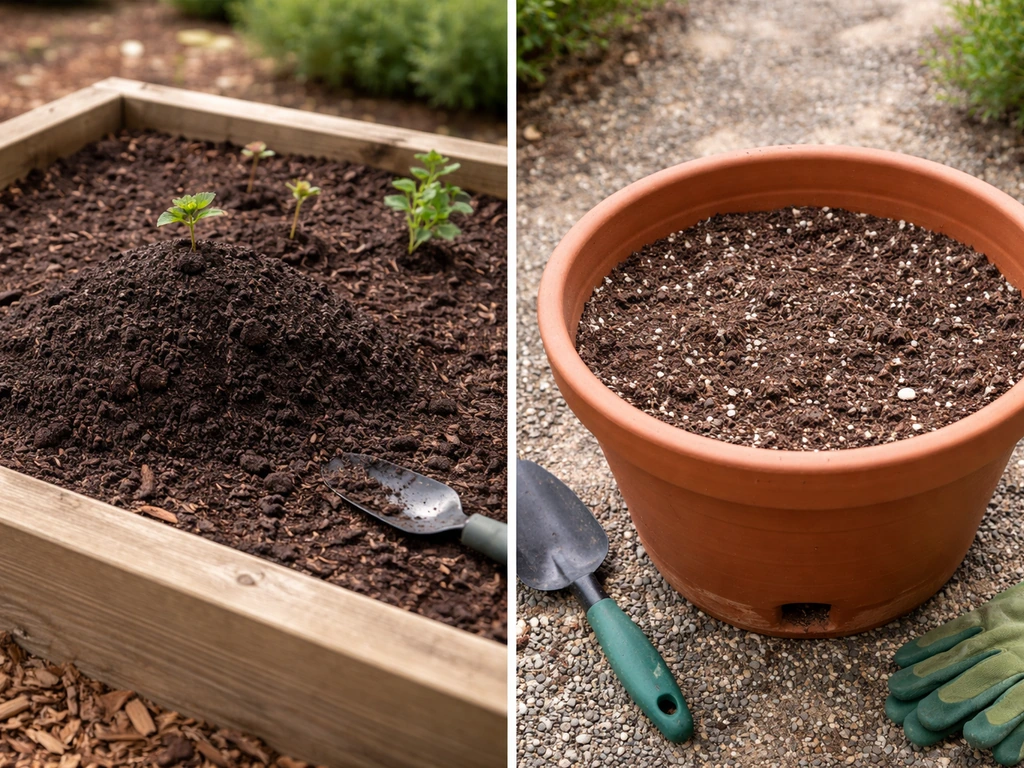
Planting in the ground
The best times to plant hydrangeas in the ground are spring and fall. Avoid planting in midsummer heat if you can help it. Fall planting lets the roots establish without the stress of flowering, and spring planting gives the whole growing season for the plant to settle in before its first winter.
Hydrangeas want moist, rich, well-drained soil. If your soil is heavy clay that holds water like a bathtub, dig in generous amounts of compost and plant the hydrangea at or slightly above the surrounding soil level so the crown doesn't sit in pooled water. For compacted clay soils or poorly drained soils, UMN Extension recommends planting shrubs at or slightly higher than the depth they were in the nursery to help avoid waterlogging at the root zone. In sandy soils that drain too fast, adding compost improves moisture retention. Either way, compost is your best starting amendment. Raised beds are another excellent option for improving drainage on problem sites.
Dig a hole about twice the width of the root ball and roughly the same depth. Set the plant so the top of the root ball sits level with (or just slightly above) the surrounding ground. Backfill with your amended soil, firm gently around the roots, water thoroughly, and then apply a 2–3 inch layer of mulch around the base, keeping mulch a few inches away from the stem. That mulch layer is doing a lot of work: it retains moisture, moderates soil temperature, and suppresses weeds.
Soil pH matters especially if you're growing bigleaf hydrangeas and want to influence bloom color. Acidic soil around pH 5.2–5.5 produces blue flowers because it makes aluminum more available to the plant. More neutral to slightly alkaline soil (pH 5.5–7.5) shifts flowers toward pink and red. To go blue, you can add aluminum sulfate, but use it carefully and test your soil first because the exact amount depends on your starting pH and soil type. Phosphorus in the soil binds aluminum and works against blue color development, so avoid high-phosphorus fertilizers if blue is your goal. White-flowered varieties don't change color regardless of soil pH.
Growing hydrangeas in pots outdoors
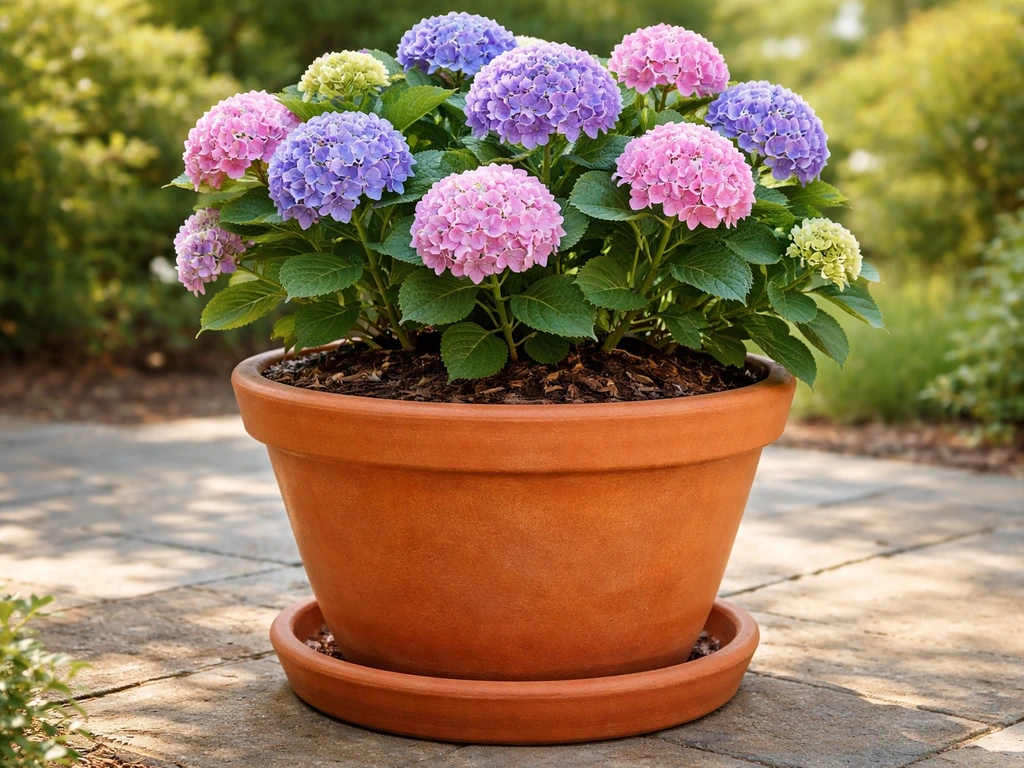
Containers are a great option for patios, small gardens, or climates where you want the flexibility to move plants indoors for winter. But potted hydrangeas need more attention than in-ground plants, and there are a few non-negotiables.
Go bigger than you think you need. A pot that's too small dries out fast, overheats in summer, and stunts root development. For most hydrangeas, start with at least a 15–20 gallon container, and make sure it has multiple drainage holes. Use a high-quality potting mix, not garden soil (which compacts in containers and drains poorly). You can blend standard potting mix with some perlite for improved drainage. Because pots drain freely, they lose nutrients faster, so your fertilizing schedule needs to be more consistent than for in-ground plants.
If you're moving a hydrangea from indoors to an outdoor spot, don't just put it straight into full sun. Give it a week or two of gradually increasing light exposure so it can adjust, especially if it was in low indoor light. This light acclimation step prevents shock and leaf burn that can set the plant back significantly.
Watering and fertilizing schedule for outdoor hydrangeas
Watering
Hydrangeas are thirsty plants. The name itself comes from the Greek for water vessel, and that reputation is earned. For newly planted in-ground hydrangeas, water deeply two to three times per week for the first growing season, then taper to once or twice a week as the roots establish. Established plants in the ground typically need watering when the top inch of soil feels dry, which in summer heat might be every few days. Always water at the base of the plant rather than overhead to reduce disease risk.
Container plants dry out much faster than in-ground ones. In hot summer weather, you may need to water your potted hydrangeas every day. Check the soil daily by pressing your finger an inch into the mix. If it's dry, water until it drains freely from the bottom holes. The biggest mistake with potted hydrangeas is inconsistent watering: letting them dry out completely and then flooding them causes stress that shows up as wilting, leaf scorch, and reduced flowering.
Fertilizing
For in-ground hydrangeas, a balanced slow-release fertilizer applied once in spring is usually enough. You can add a second light application in midsummer if growth looks sluggish. The key thing to avoid is excessive nitrogen. Too much nitrogen pushes leafy green growth at the expense of flowers, which is one of the most common reasons a well-watered, well-sited hydrangea stubbornly refuses to bloom. I've seen it happen with heavy-handed Miracle-Gro applications: beautiful lush foliage, zero flowers. If you're chasing blue color in bigleaf hydrangeas, avoid high-phosphorus fertilizers as described earlier.
Container hydrangeas need more frequent fertilizing because nutrients flush out with regular watering. A slow-release granular fertilizer at the start of the season, combined with a diluted liquid fertilizer every two to four weeks through the growing season, works well. Cut back on fertilizing by late summer to allow the plant to slow down before winter.
Pruning and controlling bloom timing in the right season
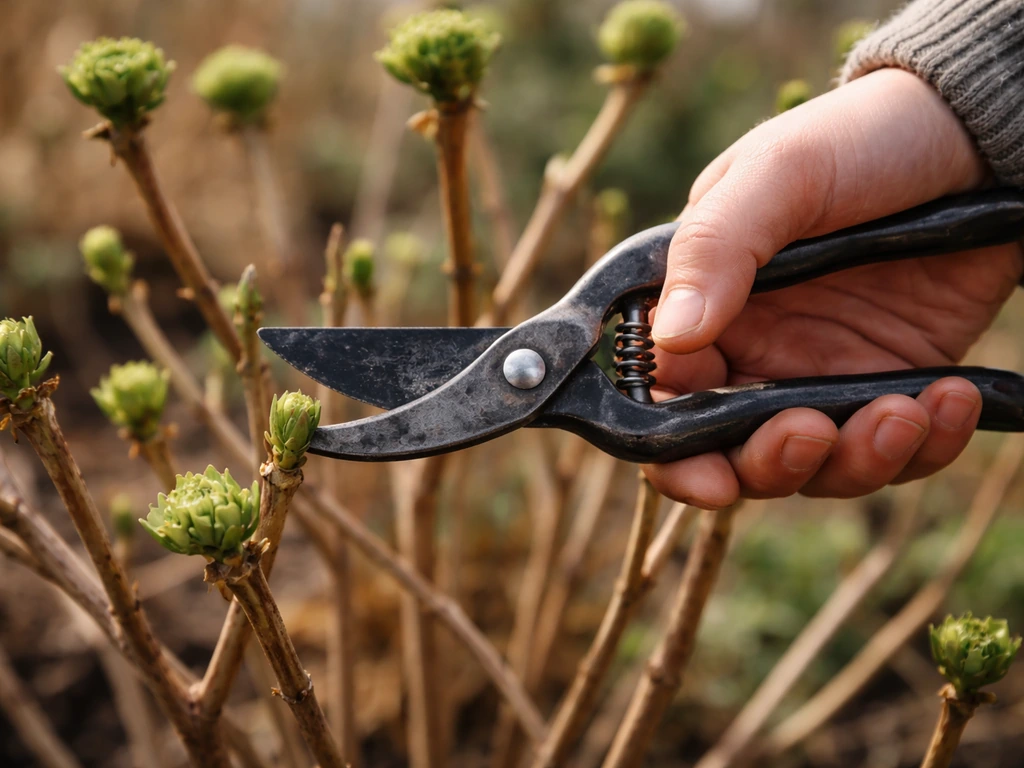
Pruning is where most hydrangea disappointment originates, and it's almost always a timing mistake. The rule is simple once you know it: new-wood bloomers get pruned in late winter or early spring; old-wood bloomers get pruned immediately after they finish flowering in summer, if at all.
Panicle hydrangeas (H. paniculata) and smooth hydrangeas (H. arborescens) bloom on new wood produced each season. You can cut them back hard in late winter or early spring and they will still flower on the fresh growth that follows. This makes them very easy to manage. For smooth hydrangeas like 'Annabelle,' cutting back to about 12–18 inches from the ground each late winter keeps the plant tidy and the stems strong enough to hold up big flower heads without flopping.
Bigleaf hydrangeas (H. macrophylla), oakleaf hydrangeas (H. quercifolia), and most mountain hydrangeas (H. serrata) bloom on old wood. Those flower buds formed on last year's stems during late summer. If you prune in fall, winter, or early spring, you're removing the buds that would have been this year's flowers. The safe pruning window for these is right after they finish blooming, typically late summer. At that point, you can remove spent flower heads and any dead or crossing stems. Beyond that, leave them alone. If you're not sure when your bigleaf bloomed on, the Endless Summer series is the most forgiving option because it can rebloom on both old and new wood.
Deadheading (removing spent blooms) isn't necessary for the plant's health, but for varieties that can rebloom, removing faded flowers can encourage a second flush. For in-ground old-wood types, you don't need to deadhead at all if you don't want to, especially since those dried flower heads look attractive through winter and offer some bud protection.
Seasonal care: winter protection and summer heat stress
Winter protection
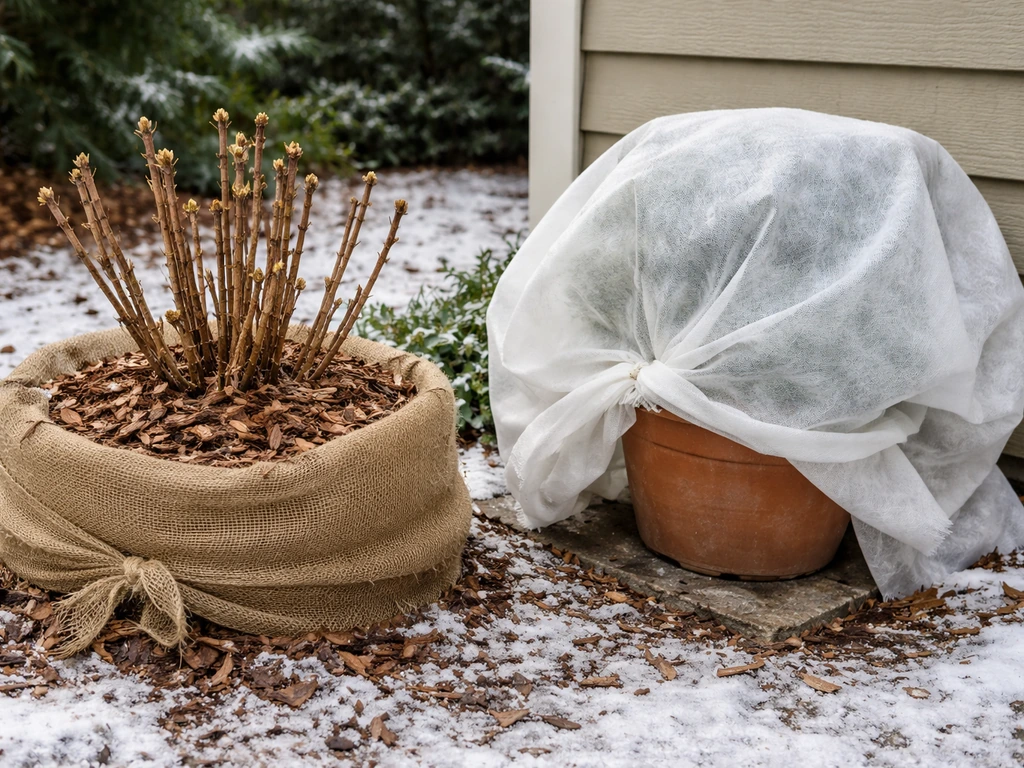
For in-ground old-wood hydrangeas in colder climates (Zones 5 and below), protecting overwintering buds is the difference between a full bloom season and a disappointing one. After the plant goes dormant in fall, mound 6–12 inches of mulch, straw, or dry leaves around the base and lower stems. Some gardeners build a wire cage around the plant and fill it with leaves for extra insulation. The goal is to keep the stem temperatures from swinging wildly during freeze-thaw cycles, which is what kills buds.
Potted hydrangeas are significantly more vulnerable in winter. The roots are surrounded by air on all sides instead of ground insulation, which means they can freeze to the same temperature as the winter air. A helpful rule of thumb: treat a containerized hydrangea as if it were two hardiness zones colder than your actual zone when deciding whether it can survive outdoors. Your options are to move the pot into an unheated garage or basement (cool and dark is fine, it just needs to stay above about 10°F / -12°C), insulate the pot with bubble wrap, burlap, or styrofoam, or surround it with mulch or evergreen branches. Larger, thicker-walled pots provide more insulation than small thin plastic ones.
Summer heat stress
Hydrangeas sometimes wilt dramatically on hot afternoons even when the soil is moist. This is heat stress, not drought, and it's actually normal. The plant is losing water through its leaves faster than the roots can replace it. If the plant perks back up in the evening once temperatures drop, you don't need to do anything special. If it's wilting in the morning before heat peaks, that's a watering issue. Afternoon shade, mulch to keep roots cool, and consistent moisture are your main defenses against summer heat stress. For potted plants, moving them to a shadier spot during heat waves can make a significant difference.
Troubleshooting common outdoor problems and plant health
No blooms or very few flowers
This is the most common complaint, and there are three main causes. First, check whether you pruned at the wrong time for your variety. Old-wood bloomers pruned in winter or spring won't have buds to open. Second, check for excessive nitrogen fertilizing: too much nitrogen means foliage at the expense of flowers. Third, consider winter bud damage. If you have bigleaf hydrangeas and experienced a late frost or cold snap in spring, those buds may have been killed. The solution for future seasons is better winter protection and choosing remontant varieties if your climate is unpredictable.
Leaf scorch
Brown, crispy leaf edges are almost always environmental, not a disease. The most likely culprits are too much afternoon sun, inconsistent watering (especially letting the soil dry out), hot dry winds, or a combination of all three. Leaf scorch won't kill the plant, but it's telling you the conditions aren't right. Improve shade during the hottest hours, mulch heavily to retain moisture, and check your watering frequency. For potted plants, moving them to a more sheltered spot often resolves it quickly.
Wilting that isn't fixed by watering
If you water well and the plant still droops during the day, it's likely heat stress rather than drought (as covered above). If wilting persists into cooler parts of the day and the soil feels moist, check the roots for signs of rot, which can happen in poorly drained soil or an overwatered container. Root rot looks like mushy, dark roots instead of firm white or tan ones. If that's the issue, improve drainage immediately: for pots, ensure the drainage holes are clear and consider repotting into fresh mix with better aeration.
Leaf spots and fungal issues
Tan or gray spots with dark purple halos are typically Cercospora leaf spot, a fungal issue that's common in humid summers. The good news is it's almost never fatal and rarely warrants treatment. It looks alarming but mostly affects appearance. Improve air circulation around the plant, avoid overhead watering, and clear up fallen leaves at the end of the season. Botrytis blight can affect flower buds in cool, wet conditions, causing them to turn brown and fail to open. Again, better airflow and avoiding wet foliage in the evening are your best preventatives.
Transplant shock
A newly planted or recently moved hydrangea often droops dramatically for the first week or two. This is normal root stress, not a death sentence. Keep the soil consistently moist (but not waterlogged), provide shade from intense afternoon sun, and don't fertilize right away. Give it three to four weeks before panicking. If you're moving a potted hydrangea from indoors to an outdoor location, acclimate it gradually over one to two weeks rather than placing it straight into full outdoor conditions.
Growing hydrangeas outdoors is genuinely achievable for beginners once you understand the logic behind the timing and conditions. If you want step-by-step help specific to the UK, including which hydrangea types cope best with local weather, follow this guide on how to grow hydrangeas in the UK how to grow hydrangeas uk. If you want to take it further, follow the specific steps for how to grow hydrangeas in water. If you're wondering whether you can grow hydrangeas from seed, the process is much more hands-on and takes longer than planting a nursery plant grow hydrangeas outdoors. If you are growing hydrangeas from seed, you will also want to plan your start date and early care around the timing your seedlings need to mature. Pick the right variety for your zone, site it with morning sun and afternoon shelter, keep the soil consistently moist, prune at the right time for how your plant blooms, and protect those buds (or the whole pot) before winter hits. Do those things and you'll stop wondering why your neighbor's hydrangeas look so much better than yours.
FAQ
How can I tell which type of hydrangea I have, especially if the tag is missing?
Look at the flower cluster shape and the leaf texture, then use the bloom timing as your clue. Mophead and lacecap bigleaf types usually have large, dense round heads and bloom in early summer, while panicle types have cone-shaped panicles that flower later (often mid to late summer) and tend to grow more upright. If you can, also remember how it was pruned the previous year, because correct pruning depends on whether it blooms on old or new wood.
What should I do if my hydrangea gets morning sun but afternoon sun is unavoidable?
If afternoon sun can exceed about four to six hours or regularly comes with hot, dry conditions, mitigate rather than relocate if you cannot move it. Add a wider mulch ring to cool roots, water at the base early in the day, and provide a temporary shade cloth during heat waves. Bigleaf hydrangeas usually need more afternoon protection than panicle or smooth types.
My bigleaf hydrangea blooms poorly after winter. Is it better to prune differently or protect it more?
Start with winter bud protection, not pruning changes. Old-wood types form buds late summer, so a late frost or freeze-thaw cycle can wipe them out even if you prune perfectly. Add mounding and insulation in fall, avoid heavy late-season nitrogen, and in unpredictable climates consider switching to remontant bigleaf varieties that can bloom on new growth too.
Can I change my hydrangea’s bloom color from pink to blue (or vice versa) after it’s already planted?
You can influence future blooms, but you typically cannot reliably “flip” a color instantly. Bloom color depends on soil aluminum availability and also on how long the plant has had to take up changes. Test soil pH first, then adjust cautiously, avoid high-phosphorus fertilizers for blue, and expect the most visible shift to take at least one growing season.
Is it a problem if I accidentally prune an old-wood hydrangea in spring?
It often means you lose flowers for that season, because you removed buds formed the previous late summer. The plant may still grow leaves and shoots normally, so focus on correct timing going forward, remove only spent heads after flowering, and provide good moisture and winter protection for the next set of buds.
Should I deadhead hydrangeas even if I’m trying to get more blooms?
Deadheading is helpful mainly for varieties that can rebloom. For old-wood types, especially in-ground ones, leaving dried flower heads can protect buds and still look attractive through winter, so you can skip deadheading without harming plant health. If your plant is a remontant type and you want a second flush, removing faded blooms after the first round can improve the odds.
Why does my hydrangea look healthy but won’t flower, and how do I narrow down the cause?
Use a quick checklist: confirm pruning timing for the bloom type (old-wood versus new-wood), check fertilizing (excess nitrogen often gives lush leaves with few blooms), and consider winter bud damage from late frost. Also verify light, because deep shade can produce weak growth and no flowers even when watering seems correct.
How do I prevent root rot in pots or in heavy clay soil?
For pots, ensure multiple drainage holes, keep the potting mix fluffy (not compacted garden soil), and empty any saucer after watering. For clay, amend generously with compost and plant slightly above surrounding grade so the crown does not sit in pooled water. If wilting happens alongside consistently wet soil, inspect for mushy, dark roots and repot with better aeration if needed.
How often should I fertilize hydrangeas if I’m not seeing much growth?
If growth is sluggish, a single balanced slow-release feed in spring is the usual baseline. A light second dose in midsummer can help if growth is slow, but avoid heavy or high-nitrogen feeding because it can suppress flowering. For containers, plan on more frequent feeding because nutrients wash out faster with regular watering.
Do hydrangeas need a lot of water in the first weeks after planting, and how do I tell if I’m overdoing it?
New plantings usually need deep watering more often (two to three times per week in many climates) while roots establish. Overwatering shows up as constantly soggy soil, yellowing, and in severe cases mushy roots, not just occasional wilting. Aim for consistently moist soil, then reduce frequency once the plant is established and the top inch dries between waterings.
How should I overwinter a potted hydrangea if I cannot move it indoors?
You have a few options: wrap the pot and insulate the sides, bury or sink the pot in a protected location, or surround it with mulch and evergreen branches while keeping the plant from drying out. The rule of thumb is to treat the container like it is two zones colder, because roots are exposed to air temperatures on all sides.
Why does my hydrangea wilt only on hot afternoons, but recover later?
That pattern usually indicates heat stress rather than a lack of water. The leaves lose water faster than roots can supply it during peak heat, especially with wind or bright afternoon sun. The fix is to keep roots cool (mulch), maintain consistent base-level moisture, and provide afternoon shade during heat waves.