
Hydrangeas grow brilliantly in New Zealand. In South Africa, you can still grow hydrangeas well, but you need to match the variety to local sun, frost risk, and soil conditions how to grow hydrangeas in south africa. The climate suits them, nurseries are full of options, and with the right variety in the right spot they'll reward you with armloads of blooms every summer. The catch is that a few common mistakes, mostly wrong pruning timing and ignoring soil pH, trip up a lot of NZ gardeners before they get there. Get those two things right and the rest is straightforward.
How to Grow Hydrangeas in NZ: Planting, Care and Pruning

Marcus Holloway
30 Jun 2026
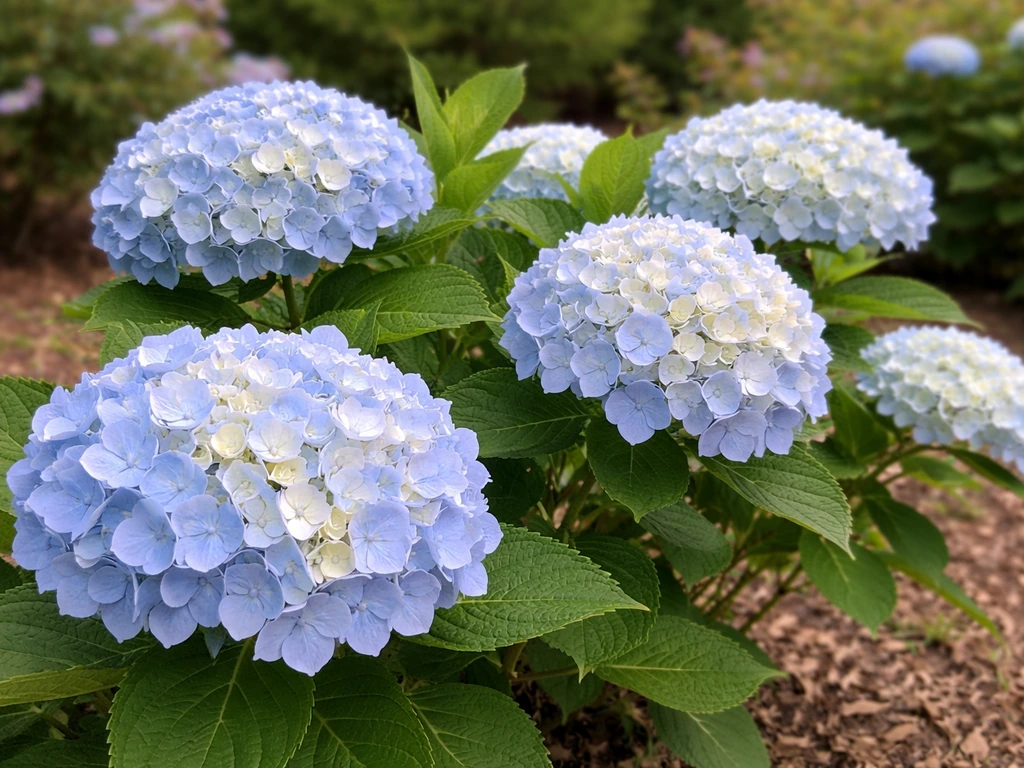
Hydrangea varieties that grow well in NZ
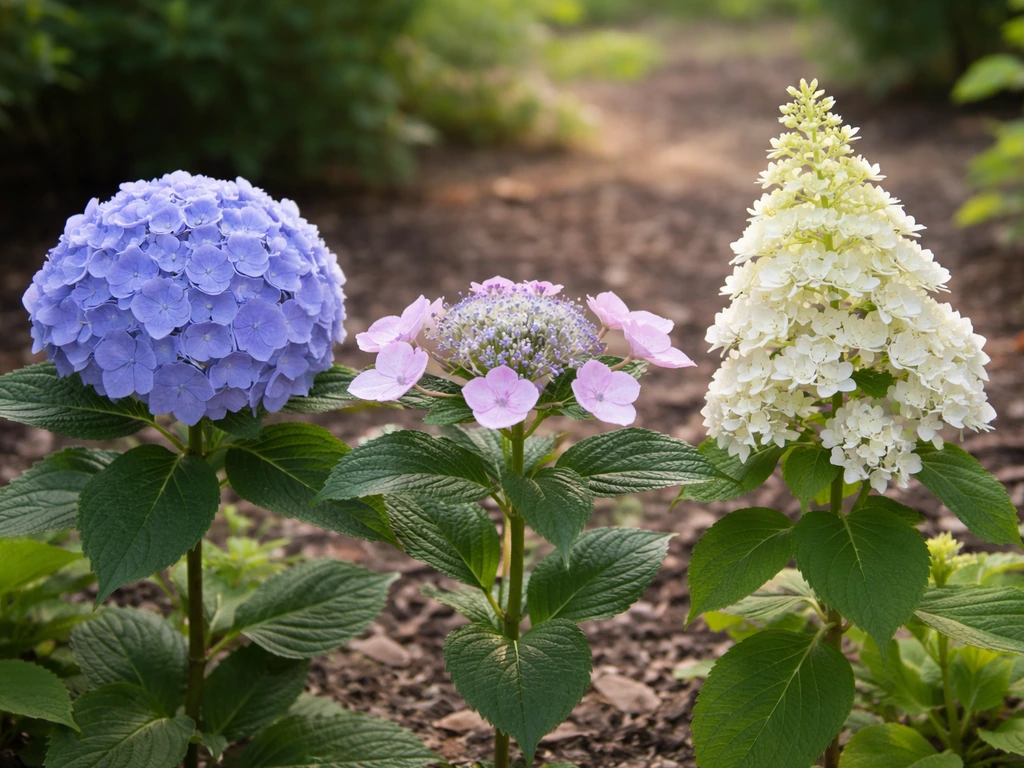
Three main types do well here, and knowing which one you have changes almost every decision you'll make about pruning and care.
Bigleaf hydrangeas (Hydrangea macrophylla) are the classic NZ garden shrub. They come as mopheads, with big round flower heads, or lacecaps, with a flat central cluster ringed by larger sterile florets. 'Saxon Pink Maiden' is a popular mophead. 'Blue Wave' is a well-known lacecap. 'Runaway Bride' is a trailing lacecap that flowers along the full length of its stems, making it great for containers or spilling over a wall. These are the only hydrangeas where soil pH changes flower colour, which I'll get into later. They bloom on old wood (last season's growth), which is the critical pruning point.
Panicle hydrangeas (Hydrangea paniculata) are cone-shaped rather than round and much more sun-tolerant than bigleaf types. 'Limelight' is widely available here and puts on a long show, with flowers that open lime-green, age to cream, then take on smoky pink tones by autumn. 'Bombshell' is another good option, fully frost-hardy across all NZ regions and blooming from midsummer through to mid-autumn. These bloom on new wood, so you can prune them harder without losing flowers.
Smooth hydrangeas (Hydrangea arborescens), most famously 'Annabelle', also bloom on new wood. They're reliable, cold-tolerant, and their big white snowball heads are hard to beat. They can be cut back hard each year and will still flower, which makes pruning stress-free compared to macrophyllas.
Best planting time and site selection in NZ
Spring and autumn are your sweet spots for planting. If you're wondering when to grow hydrangea from seeds, timing your seed starting and early care around the season can help seedlings establish before harsh weather Spring and autumn are your sweet spots for planting. Both Tui and Kings Plant Barn recommend this window, and it makes sense: you're avoiding the heat stress of midsummer and the cold snaps of midwinter. If you're planting in early summer because that's when you found the perfect plant at the nursery, go ahead but commit to generous, consistent watering for the first few months. Container-grown plants can technically go in year-round as long as the ground isn't waterlogged or bone dry.
For site selection, the general rule is morning sun and afternoon shade. In the North Island and coastal areas where summers get hot, afternoon shade is especially important. Bigleaf and lacecap types genuinely thrive with limited direct sun and are one of the few flowering shrubs that perform well in shadier spots. Panicle hydrangeas like 'Limelight' and 'Bombshell' handle more sun, so if you have a sunnier border, they're your pick. Wherever you plant, wind protection matters. Hydrangeas have large leaves and heavy flower heads that bruise and brown badly in strong wind, so a sheltered spot next to a fence, wall, or established shrubs makes a real difference.
Soil prep and fertilising
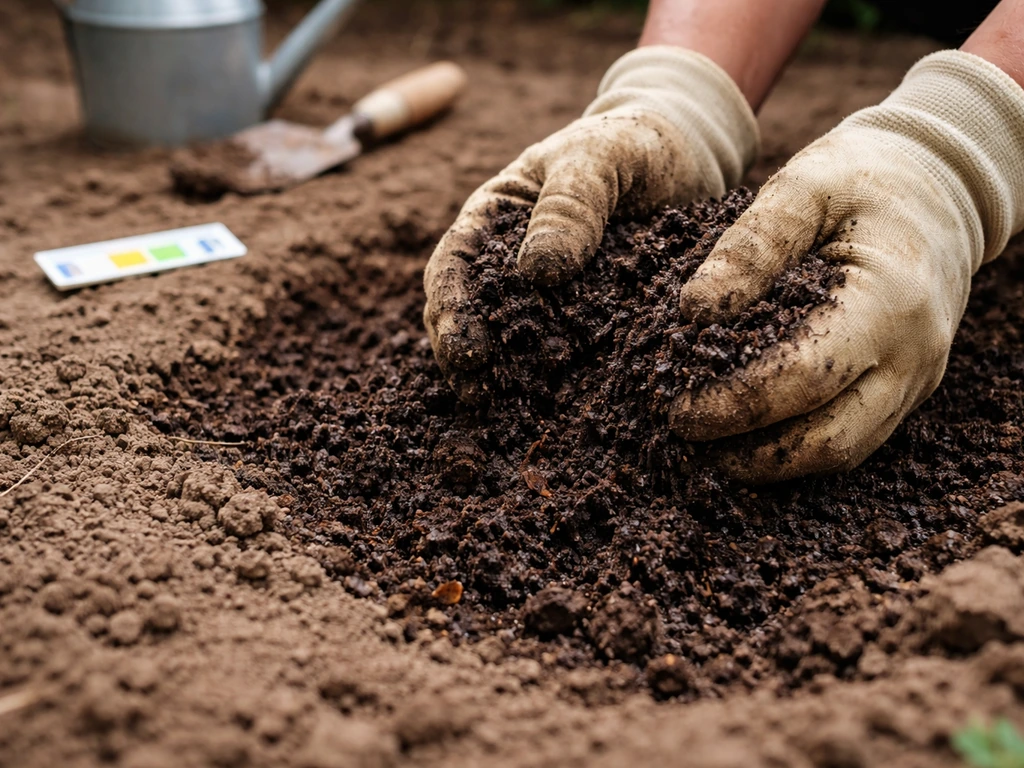
Hydrangeas aren't fussy about soil type, but they hate poor drainage and they respond noticeably to organic matter. Before planting, dig in plenty of compost. If you're working with clay soil, dig the hole twice as deep and wide as the root ball, mix Gypsum Claybreaker into the base layer, and backfill with a compost-clay blend. This gives roots somewhere decent to establish before they hit the heavy stuff.
Soil pH matters more for hydrangeas than almost any other garden shrub, specifically for bigleaf types. Acid soil (pH 4.5 to 5.5) produces blue flowers. Alkaline soil pushes them toward pink. White-flowered varieties like 'Annabelle' stay white regardless. If you want to keep or shift blue flowers, test your soil and use sulphur or aluminium sulphate to bring the pH down. For pink, let the soil stay neutral to slightly alkaline or add lime. Purple tones tend to sit in the middle pH range. Panicle and arborescens types don't change colour with pH, so you don't need to worry about this with them.
For feeding, start in spring when new growth appears and feed again in late summer or early autumn, around February. Tui NovaTec Premium Fertiliser is a solid NZ-available option. A practical rhythm that works well is every three months from late winter through the growing season: once at the end of winter when you do any light pruning, once in late spring, and once in February after the main flush of flowers. Avoid heavy nitrogen feeds late in the season as this pushes soft new growth that can get caught by early frosts.
Watering and sun/shade care by variety
Hydrangeas are thirsty plants. Their large leaves lose moisture fast, and they'll tell you when they're stressed by wilting dramatically in the afternoon heat. Regular deep watering is better than light frequent watering: aim for once or twice a week in dry summer conditions and adjust down in cooler months. A good finger test before watering helps: push your finger two or three centimetres into the soil near the base. If it's dry, water. If it's still moist, wait. Overwatering is a real problem too and will cause yellowing leaves and reduced flowering, so don't water on autopilot.
Always water at the base of the plant. Wetting the foliage and flowers raises humidity at leaf level, which encourages powdery mildew and botrytis. A soaker hose or careful watering can directed at the soil, not the leaves, is the right approach. Mulching around the base (keeping mulch away from the stem itself) helps the soil hold moisture and reduces how often you need to water during dry spells.
| Variety type | Sun tolerance | Watering needs | Best NZ placement |
|---|---|---|---|
| Bigleaf / Mophead (H. macrophylla) | Low to moderate | High | Morning sun, afternoon shade; sheltered spot |
| Lacecap (H. macrophylla) | Low to moderate | High | Dappled light or part shade; coastal gardens |
| Panicle (H. paniculata) | Moderate to high | Moderate | Sunny to part-sun borders |
| Smooth / Annabelle (H. arborescens) | Low to moderate | Moderate to high | Part shade to shade; cooler southern regions |
Planting, spacing, and container vs ground basics
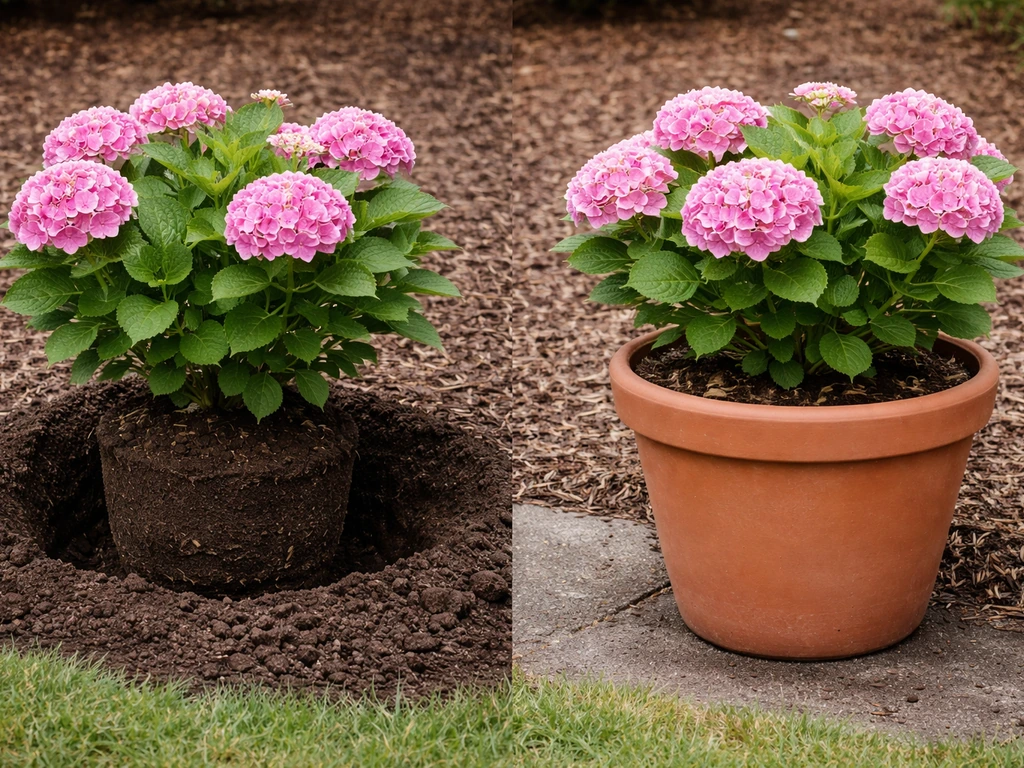
Planting in the ground
Dig a hole roughly twice the width of the root ball and the same depth. Place the plant so the top of the root ball sits level with or very slightly above the surrounding soil (not sunk into a bowl that collects water). Backfill with your compost-amended soil, firm it down gently, water thoroughly, and mulch around the base. Space most medium-sized hydrangeas around 1 to 1.5 metres apart to give them room to spread. Larger panicle types like 'Limelight' can reach 2 metres wide, so give those more space. If you're transplanting from a pot, handle the root ball gently to keep roots intact and reduce transplant shock.
Growing in containers
Containers work well for hydrangeas if you choose the right variety and stay on top of watering. Compact varieties like 'Runaway Bride' or smaller mopheads are best. Use a large pot (at least 40 to 50 cm diameter) with good drainage holes and a quality potting mix. Container plants dry out much faster than garden beds, so you may need to water every day in midsummer. Feed container plants more frequently than in-ground plants because nutrients leach out with regular watering. Re-pot every two to three years when roots start circling the base or the plant seems to stall.
Seasonal care calendar
Spring (September to November)
This is when you plant, start feeding, and check for new bud growth on old-wood types. Apply your first fertiliser as new growth emerges. Check the soil pH if you're targeting blue flowers and adjust with sulphur if needed. New plantings need consistent watering while they establish. This is also a good time to apply a fresh layer of mulch.
Summer (December to February)
Peak flowering season for most types. Water deeply and consistently, especially during dry spells. Deadhead spent flowers on new-wood types (panicle, arborescens) to encourage more blooms. On old-wood macrophyllas, leave the flowers until late summer at the earliest. Apply your second feed in late January or February. Watch for signs of stress: wilting, browning leaf edges, or yellowing.
Autumn (March to May)
Autumn is a great time to plant new hydrangeas. Reduce watering as temperatures drop. You can do light tidying, but hold off on any serious pruning of macrophyllas until you're clear about where next year's buds are sitting. This is also when panicle hydrangeas put on their late show, with flowers turning pink as they age. Leave old flower heads on macrophyllas in colder areas as they help protect developing buds from early frosts.
Winter (June to August)
Winter is pruning time for most types, but the approach depends on variety (see the pruning section below). Water only when the soil is dry. Most hydrangeas are dormant now and need very little attention beyond protection from severe frost for younger plants. In colder southern regions, a light frost cloth over young plants during hard frosts is worth doing.
Pruning rules for different hydrangea types
Wrong pruning is the single most common reason hydrangeas don't flower in NZ. If you're wondering about starting hydrangeas from seed, the main thing to plan for is how long they take to become flowering-size plants grow hydrangeas from seed. The rule is simple once you know it: old-wood bloomers can lose their flower buds if you prune at the wrong time. blank" rel="noopener noreferrer">Pruning hydrangeas depends on whether they flower on new wood or old wood, with Hamilton College Arboretum noting that bigleaf types flower on old wood while panicle and similar types flower on new wood. New-wood bloomers won't.
Bigleaf and lacecap types (H. macrophylla): prune carefully
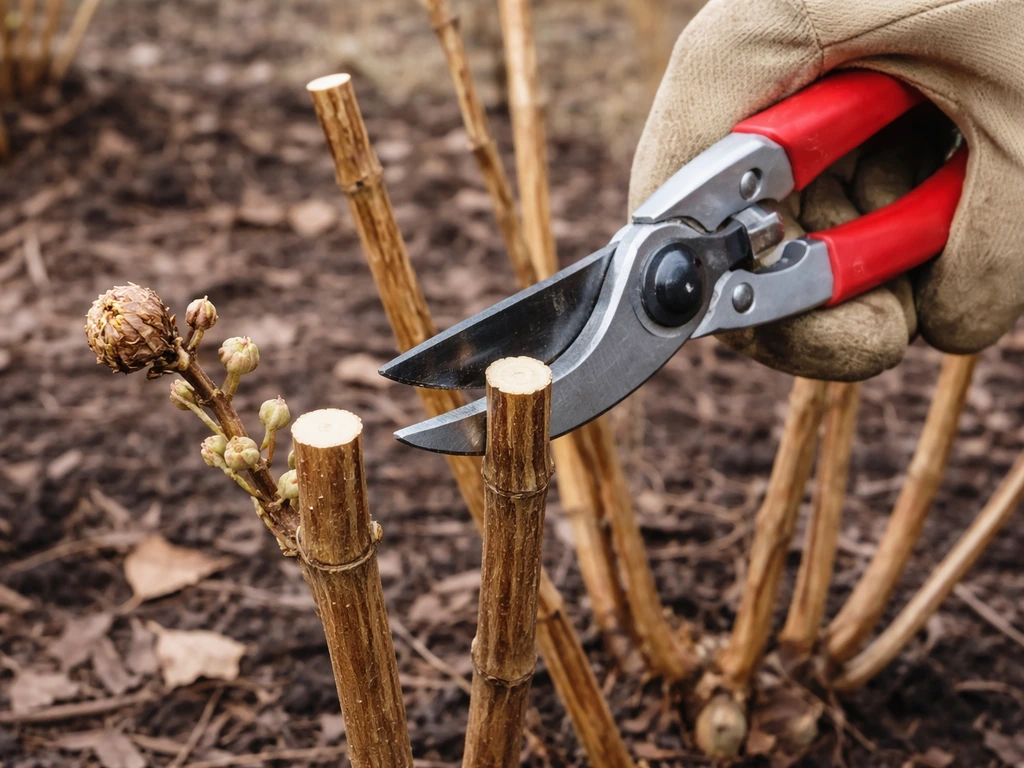
These bloom on last season's wood. The fat buds that will become next year's flowers are already sitting on those stems by the end of summer. If you cut those stems back hard in autumn or winter, you lose the buds and lose your flowers for that season. The approach here is mostly to deadhead and lightly shape rather than cut hard.
Remove obviously dead, damaged, or diseased stems at the base. The Plant Company (NZ) advises removing dead, damaged, or diseased hydrangea stems when pruning, and notes that many hydrangea varieties will re-sprout even when cut back hard, with pruning goals depending on the hydrangea type [dead, damaged, or diseased stems](https://www. theplantcompany. co.
nz/expert-advice/pruning-hydrangeas-nz). You can cut stems that flowered this year back to a strong pair of buds just below the old flower head, but leave the main structure alone. In harsh winter areas, leaving the old flower heads through winter provides some frost protection for those buds below.
Panicle types (H. paniculata): prune harder in late winter
These bloom on new wood produced in spring and summer. You can cut them back by a third to a half in late winter (July to August) without losing any flowers. Cutting to a framework of strong outward-facing buds gives you a compact, tidy shape and often more and better blooms than leaving them unpruned.
Smooth types (H. arborescens, e.g., 'Annabelle'): cut back hard
These also bloom on new wood and can handle a hard cut in late winter. Many gardeners cut 'Annabelle' to within 30 cm of the ground each year. They'll re-sprout vigorously and produce large flower heads. If you leave them unpruned, they get very tall and floppy, so cutting back is practical as well as useful.
Common problems and fixes in New Zealand
Yellow leaves (chlorosis)
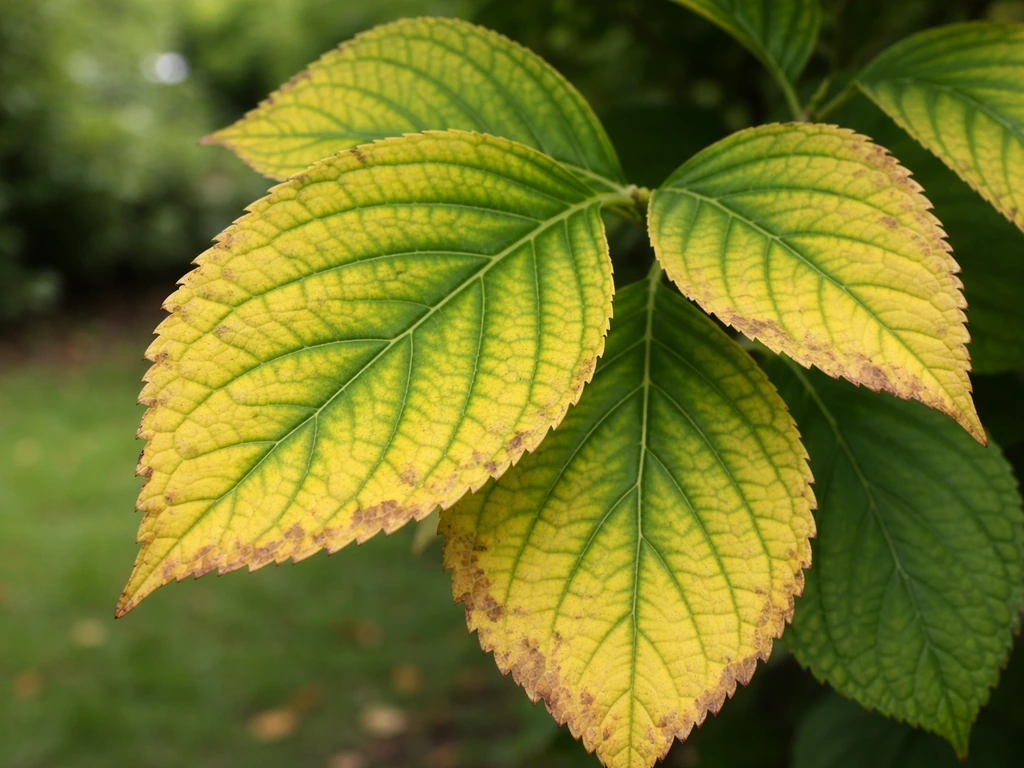
If the younger leaves are turning yellow while the veins stay green, that's iron deficiency chlorosis, and it's fairly common in NZ gardens with alkaline or compacted soils. The iron is in the soil but the plant can't access it. Fix it with an iron chelate product like Yates Leaf Greener, applied as a soil drench or foliar spray. You'll usually see improvement within a couple of weeks. If it keeps coming back, test your soil pH. Alkaline soil (above pH 6.5 or so) locks out iron even when it's present, so you may need to acidify the soil with sulphur long-term.
Brown, drooping leaves and flowers
Brown leaf edges in summer usually mean heat stress or inconsistent watering. Water more deeply and mulch well. If the browning is wet-looking and spreads into irregular blotches on flowers and foliage, you're probably looking at botrytis blight (grey mould). This thrives in cool, damp, still conditions. Improve airflow around the plant, remove affected material, and stop watering over the leaves. Fungicide sprays can help in severe cases but improving conditions does most of the work.
No flowers or poor blooming
The most likely cause is pruning at the wrong time, especially on macrophyllas where you've cut off the buds before they could flower. Review your pruning timing first. Other causes include too much shade for panicle types, insufficient fertiliser, or a frost that hit the buds in spring. If your plant is healthy but just not flowering, check whether it's an old-wood type that may have been pruned incorrectly, and lay off the hard cut for a full season.
Powdery mildew
A white powdery coating on leaves, usually showing up in late summer. It's more unsightly than fatal. Water at the base, improve airflow, and avoid over-feeding with nitrogen (lush soft growth is more susceptible). Sulphur-based sprays or neem oil can help if it's widespread.
Pests
Aphids cluster on new growth in spring. A strong blast of water from the hose knocks most of them off, or use insecticidal soap if numbers are high. Scale insects can appear on older woody stems and are best treated with horticultural oil. Slugs and snails damage young foliage, especially on new plantings in spring, so use bait or physical barriers around new plants.
Flowers turning pink when you want blue
This only applies to bigleaf macrophyllas. Your soil is too alkaline. Test the pH and use sulphur or aluminium sulphate to bring it down to the 4.5 to 5.5 range. This takes a bit of time to take effect, so don't expect instant results. You'll usually see the colour shift over one to two growing seasons as the soil chemistry changes.
FAQ
In NZ, how can I tell whether my hydrangea is an old-wood or new-wood bloomer before I prune it?
Check what the flowers are coming from. If it sets flower buds in late summer that later open the following season, it is an old-wood (bigleaf) type, and you should only do light shaping after flowering. If it produces shoots and flowers in the same growing season, it is new-wood (panicle or arborescens, and also common for many smooth types), which tolerates a late-winter hard cut.
My hydrangea won’t flower in NZ, but I’m watering and feeding. What should I check first?
Verify pruning timing relative to the type. For old-wood (macrophylla), a hard autumn or winter cut often removes next season’s buds. If you’re unsure of the type, look for whether flower buds were already visible by late summer on thick stems, and pause any hard pruning for one full season while you only deadhead and remove dead wood.
Can I grow hydrangeas from seed in NZ, and how long will it take to get flowers?
You can, but it usually takes multiple growing seasons to reach flowering size, and seedlings may not come true to the parent variety. Plan for a longer timeline, and use the parent plant type (old-wood versus new-wood) as a guide for pruning once plants are large enough to bloom.
What’s the best way to adjust soil to get blue hydrangea flowers in NZ without harming the plant?
Test your soil pH first, then lower it gradually. Use sulphur or aluminium sulphate as directed for your soil, and be consistent rather than repeating heavy doses. Expect colour change over one to two growing seasons, and avoid drastic pH swings that can stress roots and reduce flowering.
I have yellow leaves with green veins. Should I treat it as nutrient deficiency or soil pH?
Yellowing where veins stay green is usually iron chlorosis, commonly linked to alkaline or compacted soil. Start with an iron chelate drench or foliar spray for quicker relief, then follow up with a soil pH test because repeated cases typically require longer-term acidification to keep iron available.
How do I water hydrangeas during NZ summer without overwatering?
Use a finger check before watering, and only water when the top few centimetres are dry. In many NZ gardens, watering once or twice a week deeply in dry spells works better than frequent small drinks. Overwatering often shows as yellowing leaves and weaker flowering, so if you see that, reduce frequency and check drainage.
Do container hydrangeas need different pruning or feeding than garden plants in NZ?
Yes. Containers dry out faster and nutrients leach out with watering, so feeding usually needs to be more frequent than in-ground plants. For pruning, apply the same old-wood versus new-wood logic as garden plants, but be more cautious, because container plants have less root volume and less resilience if you cut hard at the wrong time.
My hydrangea leaves are turning brown. How can I tell if it’s heat stress or a disease?
If the browning is mainly on edges during hot weather, it points to heat stress or inconsistent moisture, fix it with deeper watering and mulch. If browning is accompanied by greyish mould, wet-looking patches, or irregular spreading damage on flowers and foliage, it can be botrytis, which needs better airflow and avoiding leaf-level wetness.
When is frost protection actually worth it for hydrangeas in NZ?
It’s most worth it for young plants and for protecting buds after late-winter conditions. Use frost cloth for young hydrangeas during hard frosts, and for old-wood types where buds form on last season’s stems, avoid removing spent flower heads too early in colder areas because they can offer natural bud protection.
Can I plant hydrangeas in shade, and which type handles it best in NZ?
Yes, but choose the variety wisely. Bigleaf and lacecap types are among the better options for shadier spots, while panicle types handle more sun. If your border is mostly shade, prioritize macrophylla or lacecap forms and still aim for some morning light and protection from strong winds.