
Little Gem magnolia (Magnolia grandiflora 'Little Gem') is one of the most rewarding compact trees you can plant in a home garden. It blank" rel="noopener noreferrer">stays manageable at around 15 to 20 feet tall and 8 to 10 feet wide over its first couple of decades, blooms repeatedly from late spring through summer with those classic creamy white flowers, and holds its glossy evergreen leaves year-round. Plant it in well-drained, slightly acidic soil, give it full sun to partial shade, water it consistently through the first two years, and it will reward you with reliable blooms and almost no drama. Here's exactly how to do it. If you want to boost your chances of better blooms on a small garden gate, focus on the same light, soil, and watering basics right away how to grow kiss-me over the garden gate.
How to Grow Magnolia Little Gem: Planting and Care Guide

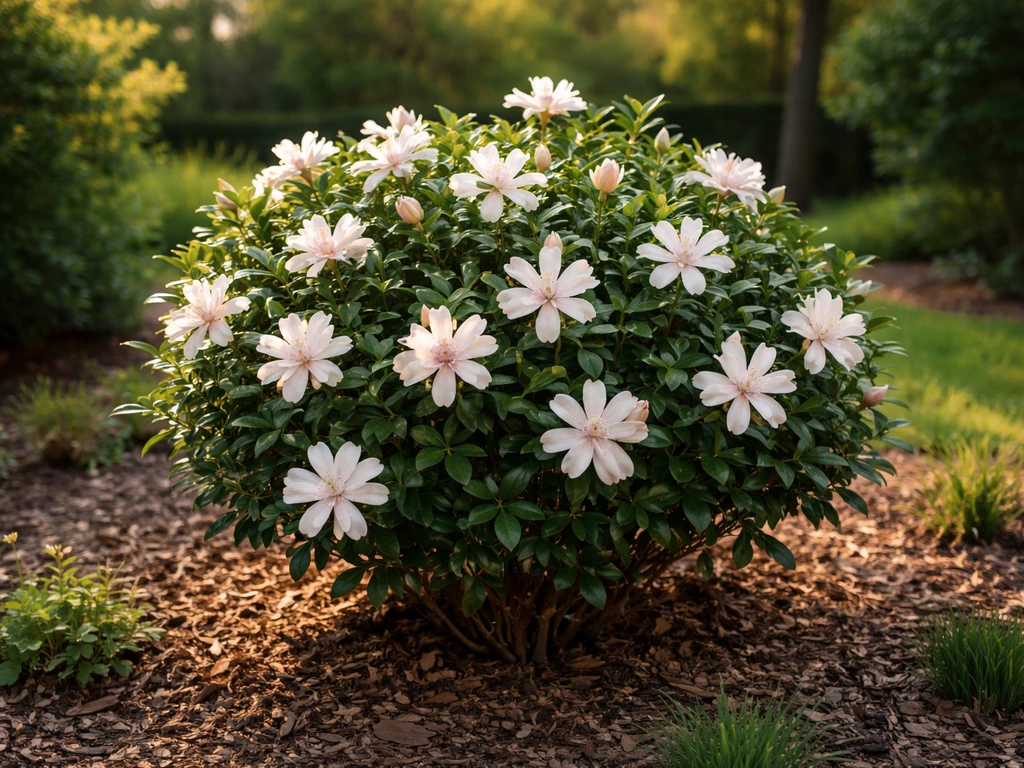
What Little Gem magnolia needs to thrive
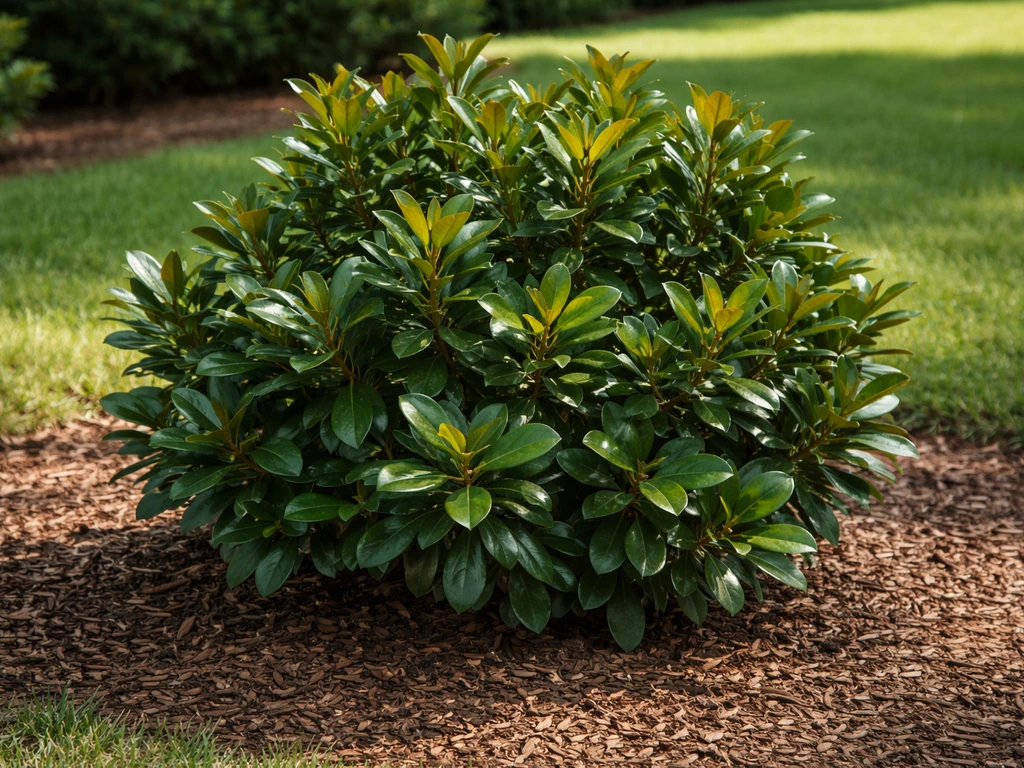
Before you dig a single hole, it helps to understand what this tree actually wants. Little Gem is a cultivar of the southern magnolia but bred specifically to stay compact and bloom young, sometimes within the first year or two of planting. It grows in USDA hardiness zones 6 through 10, so it covers a wide range from the mid-Atlantic all the way down to South Florida and across the Gulf Coast. It's not a finicky tree, but it does have a few non-negotiables.
- Full sun to partial shade (at least 4 to 6 hours of direct sun for the best bloom count)
- Well-drained, slightly acidic soil with a pH of around 5.5 to 6.5
- Consistent moisture during establishment (first 1 to 2 years) but no waterlogged roots
- Room to breathe: at least 8 to 10 feet away from structures, fences, and other trees
- Mulch to keep roots cool and moisture stable, especially in hot climates
What often trips people up is treating Little Gem like a houseplant that needs constant intervention. It doesn't. Once established, it's genuinely low maintenance. The hard part is just the first two years, and getting the planting conditions right from the start.
Choosing the best planting time, location, and spacing
The LSU AgCenter recommends planting Little Gem from fall through early spring, and that's the window I'd stick to. Fall planting is my personal preference because the tree gets months of cool-weather root development before it has to support new foliage growth in spring. In warmer zones (8 through 10), a fall planting in October or November is ideal. In zones 6 and 7, early spring planting just after the last frost works well if you missed the fall window. The main thing to avoid is planting in the middle of summer heat, which stresses the root system right when it needs to be doing its most important work. After you pick the right site and planting window, follow these steps to help your Miss Kim lilac establish quickly how to grow miss kim lilac.
For location, think about the tree's mature footprint: about 15 to 20 feet tall and 8 to 10 feet wide. That's not huge, but it's not small either. Plant it at least 8 feet from any wall, fence, or walkway. If you're planting a row for screening or a privacy hedge, space them 8 to 10 feet apart center to center. If you're growing magnolia stellata, the same spacing and site choices help the roots establish and reduce stress in the first season. Any closer and they'll crowd each other as the canopy fills out, which reduces air circulation and can invite fungal issues. I've seen people plant these at 5 feet and then spend years regretting it.
Pick a spot that gets morning sun and, in hotter climates, some afternoon shade. Little Gem handles full sun fine, but in zone 9 or 10 gardens where afternoon temperatures routinely hit the 90s, a bit of filtered afternoon shade keeps the foliage looking better and reduces transplant stress in the first season.
Soil setup and drainage
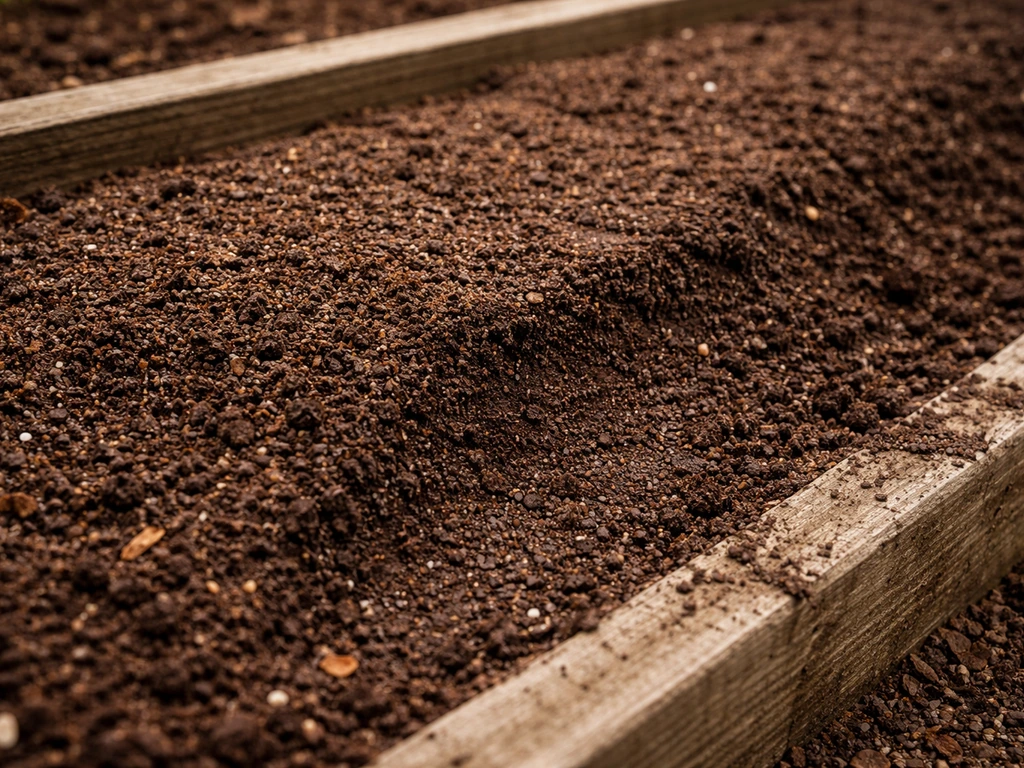
Little Gem does not like wet feet. If you want, you can also follow these steps for how to grow Michelia alba, since it shares many similar needs around light, watering, and soil wet feet. That's the single biggest killer of newly planted magnolias I've seen, and it's almost always a drainage problem masquerading as something else. Before planting, do a simple drainage test: dig a hole about 12 inches deep, fill it with water, and see how long it takes to drain. If it's still sitting there after an hour, you have a drainage problem you need to address before putting this tree in the ground.
The ideal soil is loamy, moist but well-drained, and slightly acidic with a pH in the 5.5 to 6.5 range. If you're dealing with heavy clay, amend generously with compost and coarse sand, and consider raising the planting area a few inches above grade to improve drainage. Sandy soils drain too fast and dry out quickly, so work in plenty of organic matter like aged compost or pine bark fines to improve water retention.
When you dig the hole, make it two to three times as wide as the root ball but only as deep as the root ball itself. Setting the tree slightly high, with the top of the root ball about an inch above the surrounding soil grade, is actually smart practice for drainage and helps prevent crown rot. Backfill with the native soil mixed with compost (aim for roughly a 70/30 mix of native soil to compost). Avoid filling the hole with pure compost or potting mix because roots can get lazy and refuse to push out into the native soil, which makes for a structurally weak tree.
Watering from planting through establishment and beyond
Watering is where most people either over-correct or under-correct. Here's the honest breakdown by stage.
At planting
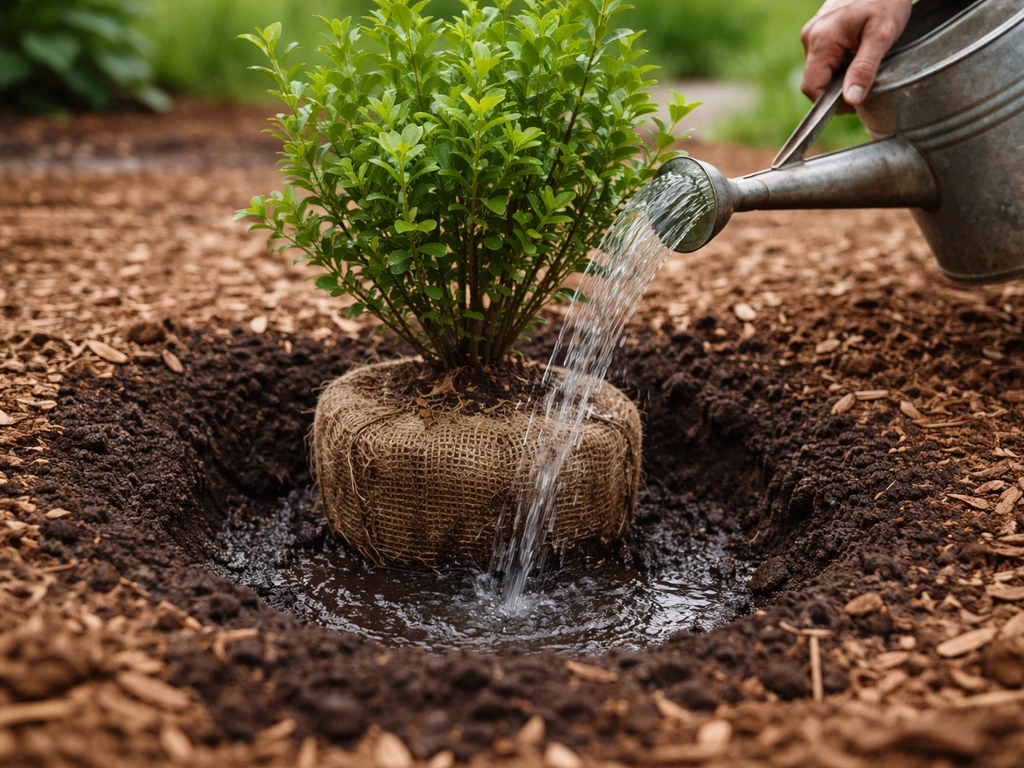
Water the root ball thoroughly before you plant, and then again immediately after backfilling. This first deep soak helps settle the soil and eliminates air pockets around the roots. Don't skip it.
First growing season (months 1 through 12)
This is the critical window. Water deeply two to three times per week if there's no rain, aiming to soak the root zone (not just the surface) each time. A good rule of thumb is about 10 gallons per inch of trunk diameter per watering session. You want the soil to stay consistently moist but never soggy. Check the soil a few inches down before watering. If it still feels damp, skip that session. Overwatering at this stage is just as damaging as underwatering and a lot harder to diagnose.
Second year and beyond
Once Little Gem is established (usually by the end of the second growing season), it becomes notably more drought-tolerant. If you're specifically wondering how to grow camellias in Florida, you'll want to focus on their preferred acidic soil, partial shade, and consistent moisture. In most climates, supplemental watering once a week during dry spells in spring and summer is enough. In zone 9 and 10 summers with extended heat and no rain, bump that to twice a week. In winter, you can largely let rainfall handle it unless you're in an unusually dry stretch.
Light requirements and sun exposure tips
Little Gem performs best in full sun to partial shade. 'Full sun' means six or more hours of direct sunlight per day, and that's genuinely the sweet spot for maximum flower production. Trees planted in shadier spots will still grow and look attractive, but you'll see noticeably fewer blooms. If you're torn between a shadier and a sunnier location, choose the sunnier one. If you are also interested in fragrant, tropical-style magnolias, you can compare these care basics with how to grow michelia champaca for similar but not identical needs.
One thing worth knowing: the foliage on Little Gem is naturally glossy and dark green on top with a rusty-brown, suede-like underside. In deep shade, leaves can look dull or yellowish, and the canopy tends to get leggy as the tree reaches for light. If you notice this happening, that's your cue to reassess the site or prune surrounding vegetation to open up more light.
For gardeners in hotter zones growing this alongside other sun-loving ornamentals like camellias or michelia, remember that Little Gem can eventually cast significant shade as it matures. Pink Perfection camellias pair nicely with Little Gem when you match sunlight and protect both plants from too much heat and drought. Plan your garden layout with that canopy growth in mind so you're not shading out shorter plants unintentionally.
Fertilizing, mulching, and seasonal care
Fertilizing
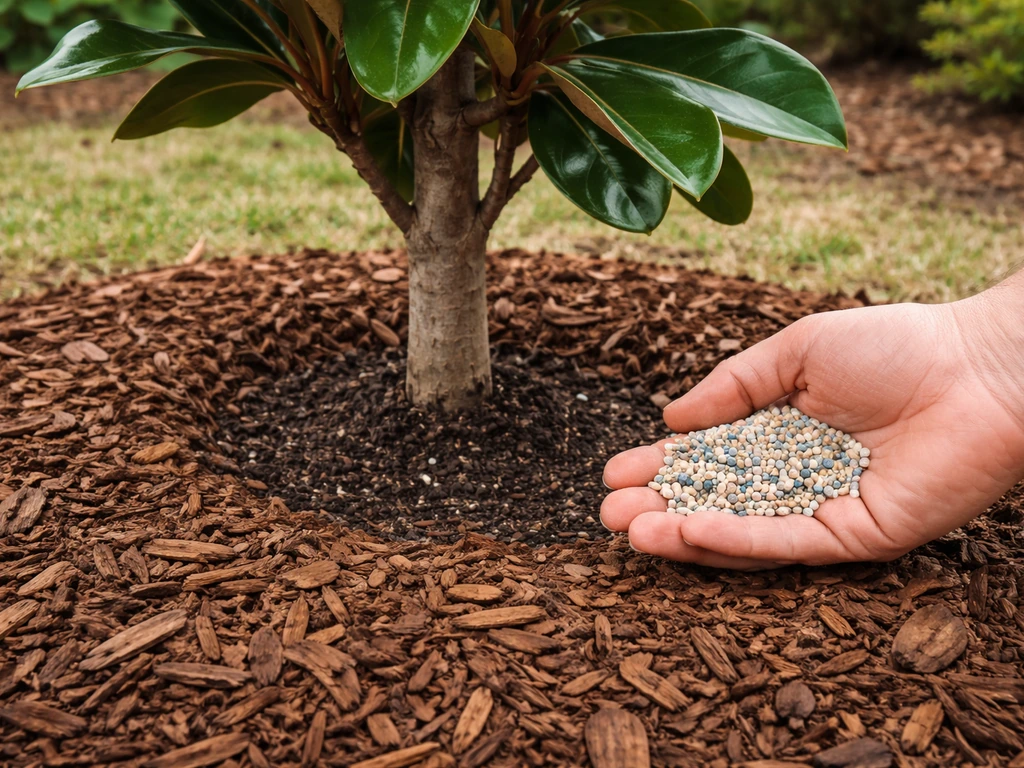
Little Gem isn't a heavy feeder, and I'd rather see people under-fertilize than over-fertilize. Use a slow-release granular fertilizer formulated for acid-loving trees and shrubs (look for an azalea and camellia fertilizer, which typically has the right NPK ratio and often contains sulfur to support acidic pH). Apply once in early spring as new growth emerges, and optionally once more in early summer. That's it. Don't fertilize after July or August because late-season fertilizing pushes tender new growth that won't harden off before winter, making the tree vulnerable to cold damage in zones 6 and 7.
A word on quick-fix fertilizers: Miracle-Gro and similar water-soluble products can give you a fast green flush, but they don't build the long-term soil health that makes this tree thrive for decades. Use them occasionally if you want a quick boost, but don't rely on them as your primary feeding strategy.
Mulching
Mulch is genuinely one of the most impactful things you can do for a newly planted Little Gem, and it costs almost nothing if you buy it in bulk. Spread a 3 to 4 inch layer of organic mulch (pine bark, wood chips, or pine straw all work well) in a wide ring around the base of the tree, extending out to the drip line if possible. Keep the mulch a few inches away from the trunk to prevent crown rot. Mulch regulates soil temperature, retains moisture, suppresses weeds, and breaks down slowly to improve soil structure over time. Refresh it every year in spring.
Seasonal care calendar
| Season | Key Task |
|---|---|
| Early spring | Apply slow-release fertilizer; refresh mulch layer; check for winter damage |
| Late spring to summer | Monitor watering during dry spells; enjoy blooms; watch for pests |
| Late summer to early fall | Fruiting cones (3 to 5 inches) mature and ripen; reduce fertilizing |
| Fall | Ideal planting window; add extra mulch in zones 6 and 7 before frost |
| Winter | Minimal care needed; water during extended dry periods in warm zones |
Pruning, shape and size control, and troubleshooting
When and how to prune
Little Gem is naturally compact and doesn't need heavy annual pruning the way some ornamentals do. Most of the time, you're just tidying: removing dead or crossing branches, shaping the canopy lightly, and keeping the lower skirt of branches where you want it. The timing matters here. Like other magnolias that bloom on old wood, prune Little Gem immediately after a flush of flowering, not before. Cutting too late removes next season's buds and you'll wonder why it isn't blooming. I've heard this complaint more times than I can count, and the culprit is almost always a well-meaning fall pruning.
For size control, you can selectively remove the longest upward shoots in late spring to keep height in check. Don't shear it like a hedge because that creates a dense outer shell of growth with a bare interior. Work branch by branch instead, cutting just above a lateral branch or bud. The tree responds well to this kind of selective reduction and will fill back in naturally.
Common problems and what's actually causing them
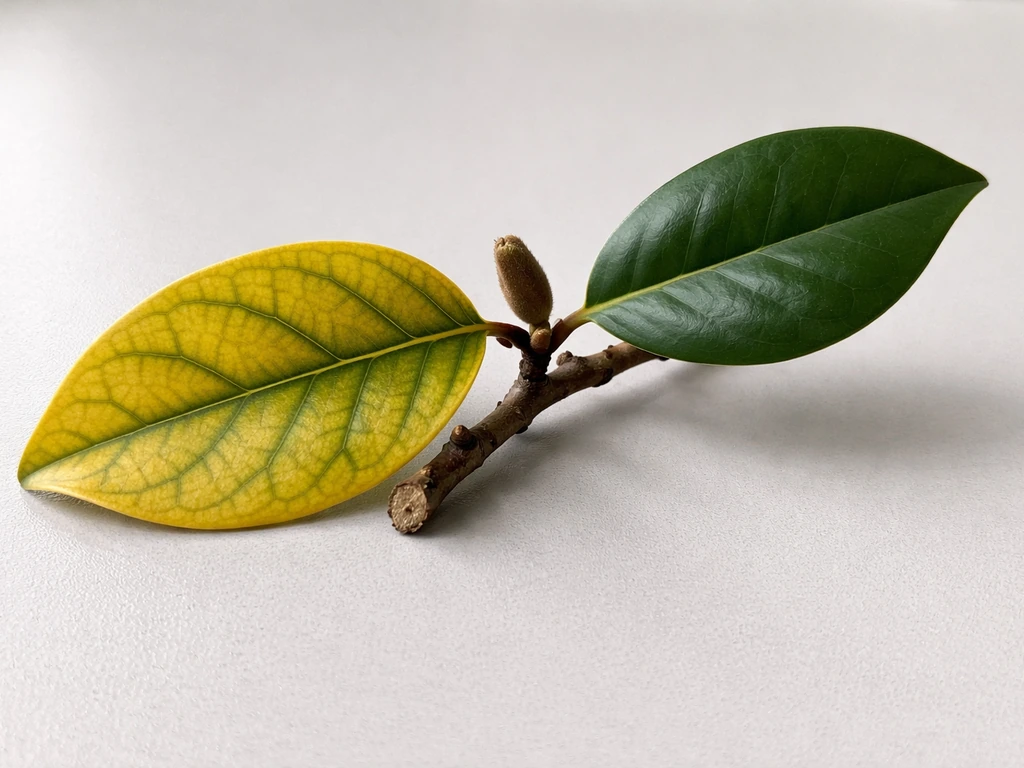
- Yellow leaves with green veins: almost always iron chlorosis from pH that's too high (above 7). Test your soil and acidify with sulfur or an acidifying fertilizer.
- No blooms: usually caused by pruning at the wrong time (removing buds) or too much shade. Confirm your pruning timing and evaluate sun exposure.
- Wilting despite watering: check drainage first. If the soil stays soggy, root rot is likely the culprit. Waterlogged roots cannot take up water, so the tree wilts even when wet.
- Dropping older leaves in spring: this is normal. Little Gem is evergreen but does shed older interior leaves in spring as new growth emerges. Light yellowing and leaf drop at this time is not a problem.
- Scale insects on stems and leaves: look for small, waxy bumps. Treat with horticultural oil applied when temperatures are moderate (not in high summer heat) or with a systemic insecticide in severe cases.
- Leggy, sparse growth: usually a light problem. Move container-grown specimens to a brighter spot, or selectively prune surrounding trees to open the canopy.
One last thing worth saying: Little Gem is genuinely one of the more forgiving ornamental trees available for home gardeners. Get the drainage right, give it enough sun, water it consistently for the first two years, and stay out of its way with the pruning shears until after it blooms. Do those four things and you'll have a healthy, flowering tree that will look better every season. If you enjoy growing compact flowering ornamentals, it pairs beautifully in a garden that also includes camellias, michelia, and magnolia stellata for a layered, multi-season display of blooms. If you want the Honeysuckle plant variety instead, focus on its vine needs by choosing the right sunlight, soil, and support structure before you plant compact flowering ornamentals.
FAQ
How do I tell if my Little Gem magnolia has poor drainage before planting?
Besides the one-hour soak test, watch for existing site clues like waterlogged grass, standing puddles after rain, or earth that smells sour. If any of those are present, plan to amend and raise the planting area rather than relying on mulch to “fix” soggy soil.
What’s the best way to adjust soil if my pH is too high (not acidic enough)?
Work in elemental sulfur or an acidic compost amendment a few months before planting rather than right at planting time. After planting, avoid repeated heavy applications of fertilizer to “force” acidity, instead use an azalea or camellia fertilizer on schedule.
Can I grow a Little Gem magnolia in a container?
Yes for short-term placement, but choose a very large pot with drainage holes and expect more frequent watering than in-ground. Use a slow-release acid-friendly fertilizer lightly, and be careful not to let the root ball sit wet, because containers magnify drainage problems.
Should I mulch around the tree right away, and how far from the trunk?
Mulch can go on immediately after planting, use a 3 to 4 inch layer, and keep it a few inches away from the trunk or you risk crown rot. Extend the mulch out toward the drip line for the best moisture and temperature stability.
Why isn’t my Little Gem blooming even though it’s growing?
The most common causes are too much shade and pruning at the wrong time. Confirm you’re giving at least 6 hours of direct sun and that pruning happens right after a flowering flush, not in fall or winter.
What’s the correct watering target during the first two years (and how do I avoid overwatering)?
Water deeply 2 to 3 times per week only when the soil a few inches down feels dry. If the soil is still damp, skip, even if the surface looks dry, because magnolias can suffer when root-zone moisture stays saturated.
Is it okay to plant Little Gem near sidewalks or under power lines?
Keep it well away from hardscape, ideally at least 8 feet from walls and walkways, because the mature canopy and roots will crowd and reduce airflow. Also avoid planting directly under lines, since the tree can reach 15 to 20 feet.
Do I need to fertilize every year for reliable flowers?
Usually no. A single early spring application of slow-release acid-loving fertilizer is often enough, and late-season feeding should be avoided after July or August to reduce the risk of tender growth in colder zones.
How do I prune Little Gem without ruining next year’s flowers?
Prune only after you finish seeing the main flush of blooms, remove dead or crossing branches first, and for size control selectively trim long shoots. Avoid shearing like a hedge, because it creates thick outer growth that can reduce interior airflow and flower quality.
My leaves look yellowish or dull. Could that be a nutrient issue?
It’s more often a light or site issue. In deep shade, foliage can dull and canopy can get leggy, so first increase sunlight through site adjustments before trying to “fix” it with extra fertilizer or frequent watering changes.
What cold protection should I use in zone 6 or on a newly planted tree?
Young trees benefit from insulating mulch, keep the mulch 3 to 4 inches deep and off the trunk. Also avoid late fertilizing, because it promotes tender growth that is more likely to get damaged during winter cold snaps.
How long does it take for Little Gem to become truly low maintenance?
Plan for the first two growing seasons as the high-care period, especially watering consistency and making sure the drainage is correct. By the end of year two, it typically tolerates dry spells better, and you can shift to supplemental watering only during prolonged heat and no-rain periods.