
Growing multi-colored bougainvillea comes down to three things: picking the right cultivar, giving it relentless sun, and stressing it just enough with water and pruning to push those vivid bracts. You can either plant a single variety that naturally shifts colors on the same plant, or grow several differently colored plants together in a large planter or trained side by side on a fence. Both approaches work, but they need the same core conditions to perform. If you want the specifics for that plant, follow a dedicated brugmansia growth guide covering sun, watering, and feeding core conditions.
How to Grow Multi Colored Bougainvillea for More Blooms
Marcus Holloway
20 Jun 2026
Choosing multi-colored bougainvillea varieties
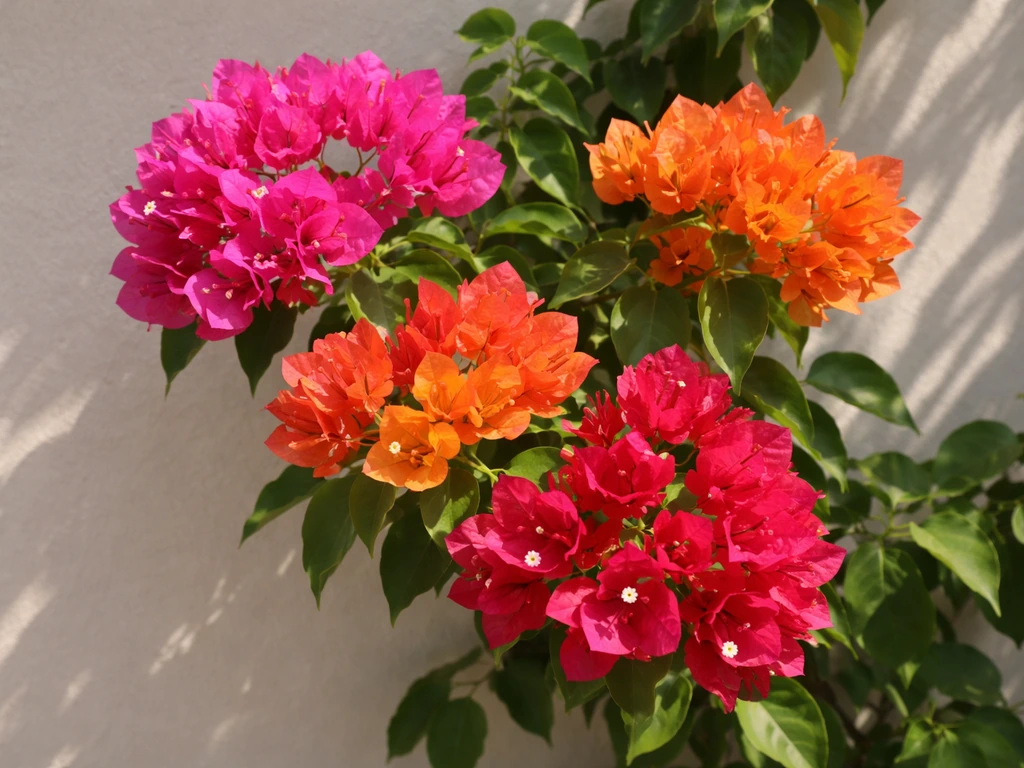
Not every bougainvillea produces multiple bract colors on the same plant. Most cultivars have a fixed color, and while bracts can shift shade depending on temperature or stress, that's not the same as a true multi-colored variety. If you want genuine mixed colors on one plant, look specifically for cultivars bred for multi-colored bract expression.
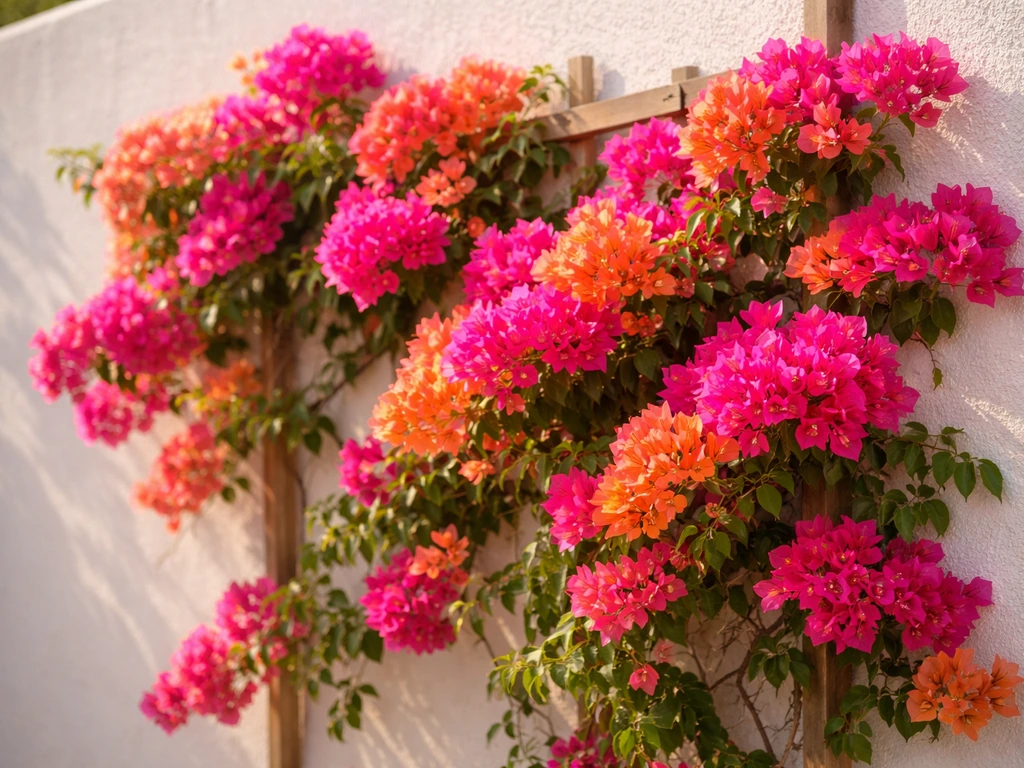
Bougainvillea 'Monle' (sold as Camarillo Fiesta) is one of the best examples. It produces hot pink to golden yellow bracts on the same plant at the same time, so you get that layered, tropical look without planting multiple vines. 'Ms. Alice' is another popular pick, with bracts that can span white, yellow, orange, pink, and shades of magenta. It's sometimes marketed as a 'rainbow' bougainvillea, which is a reasonable description when it's performing well.
The other approach is mixing single-color cultivars. Plant two or three compact varieties in the same large pot, or train different colors side by side along a trellis or fence. This gives you full control over which colors appear and how they're arranged. The trade-off is that you're managing multiple plants, and if one outcompetes the others, your color mix can disappear. Either way, confirm at the nursery that the variety you're buying is actually multi-colored by nature, not just a mislabeled plant with standard pink bracts.
One thing worth knowing: what we call 'flowers' on a bougainvillea are actually bracts, which are modified leaves surrounding the tiny true flowers in the center. The bracts are where all the color comes from, and they're what you're managing when you prune and fertilize for maximum display.
Planting site selection and sun requirements
Bougainvillea is not a shade-tolerant plant. When you follow the sun, watering, and pruning basics, you’ll learn how to grow a bougainvillea that reliably produces those bright bracts Bougainvillea is not a shade-tolerant plant.. If you're not giving it full sun, you're not getting the bract color you want. The minimum is 6 hours of direct sun daily, but 8 or more hours is where these plants really perform. In less than that, you'll get plenty of lush green growth and almost no bracts. I've seen people plant bougainvillea near a wall that blocks afternoon sun and then wonder why it never flowers. The position matters more than almost anything else.
South-facing or west-facing walls are ideal in most climates because they accumulate heat and reflect it back onto the plant, which bougainvillea loves. Walls also offer wind protection, which helps in exposed gardens. If you're growing in a container, you have the flexibility to move the pot to chase sun through the season, which is a real advantage in cooler climates where sun angles shift. To keep bougainvillea happy in hanging baskets, make sure the basket gets strong sun and has excellent drainage so it does not stay wet grow bougainvillea in hanging baskets.
In warm climates (USDA zones 9 through 11), bougainvillea can stay outdoors year-round and grow as a perennial shrub or vine. In cooler zones, treat it as a container plant you bring indoors before frost. For UK and northern European gardeners specifically, growing outdoors in summer and overwintering inside is the standard approach. Spring or early summer is the right time to plant or move plants outside when temperatures are reliably warm.
Soil, pots vs ground, and planting setup
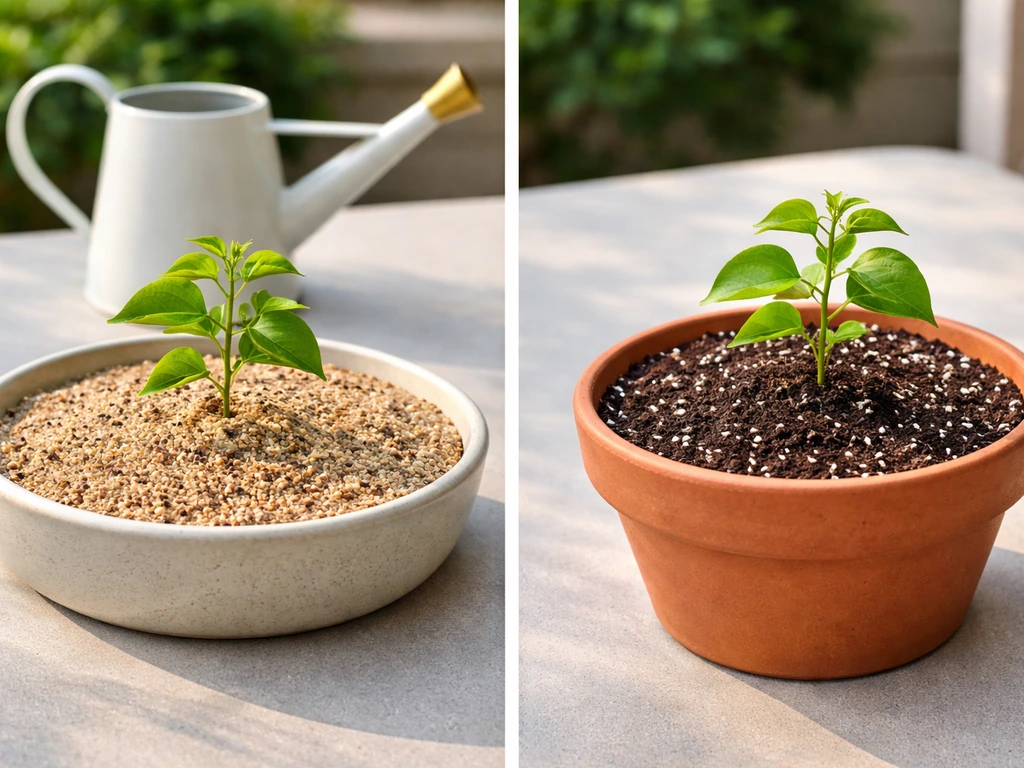
Bougainvillea is surprisingly unfussy about soil as long as it drains fast. What kills these plants more often than anything is soggy roots. In the ground, they prefer sandy or loamy soil with a slightly acidic to neutral pH around 5.5 to 6.5. If your native soil is heavy clay, you'll want to amend the planting hole with coarse sand and perlite, or build a raised bed. Good drainage is non-negotiable.
For containers, use a high-quality potting mix blended with perlite at roughly a 3:1 ratio. The pot must have at least one drainage hole, ideally more. Terracotta pots work well because they're porous and help prevent overwatering, though they dry out faster in heat, which means you'll need to water more often in summer. A minimum pot size of 12 to 16 inches is reasonable for a young plant, but bougainvillea in containers will eventually want something larger if you're training it upward.
When transplanting, be careful with the roots. Bougainvillea roots are famously sensitive to disturbance, and rough handling during planting can set the plant back by weeks. Slide the root ball out gently, disturb it as little as possible, and plant at the same depth it was growing in the nursery pot. Water in thoroughly, then back off and let the soil almost dry out before the next watering.
| Factor | In-Ground | Container |
|---|---|---|
| Best for zones | 9–11 (frost-free) | Any zone (moveable) |
| Drainage requirement | Amend clay soils heavily | Drainage hole essential, add perlite |
| Growth size | Can reach 20–30 ft | Stays more compact, manageable |
| Watering frequency | Less frequent once established | More frequent in heat |
| Overwintering | Not needed in warm zones | Bring indoors before frost |
| Root sensitivity | Less transplant shock long-term | More control, but repot carefully |
Watering, fertilizing, and feeding schedules
Getting the watering right
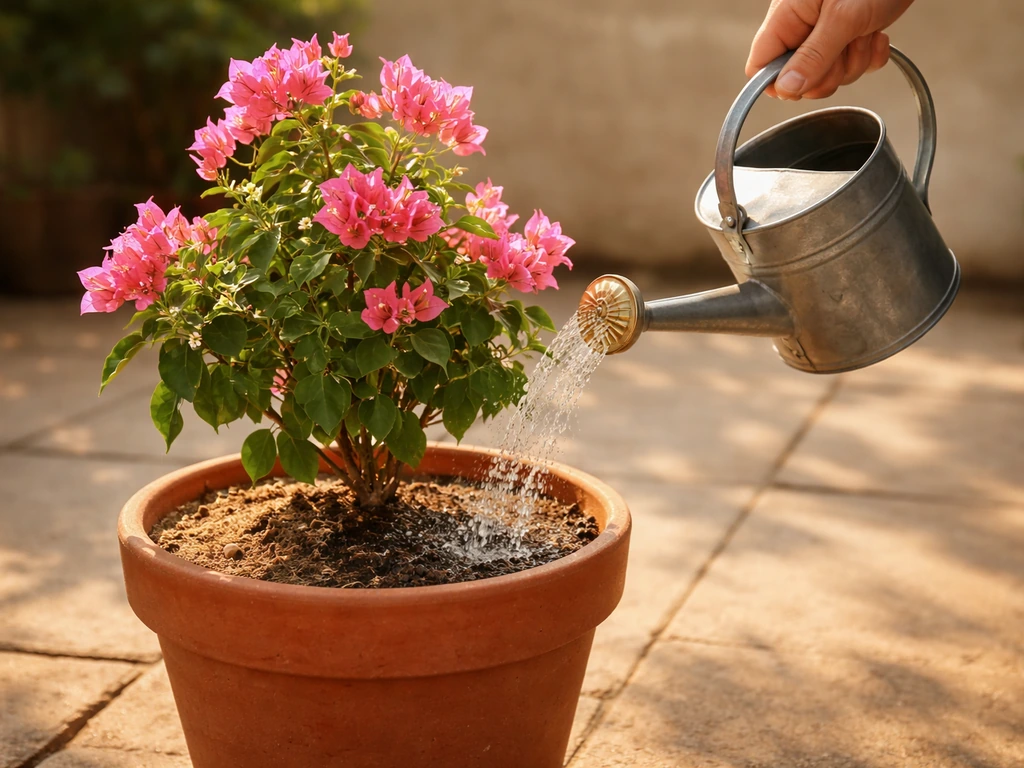
Here's where most beginners go wrong: they water bougainvillea like a thirsty annual. These plants actually flower better with mild water stress. The right approach for container plants is to water thoroughly until it runs out of the drainage holes, then wait until the top inch or two of potting mix feels slightly dry before watering again. In summer heat, that might mean every 2 to 3 days. In cooler weather or indoors in winter, it could be once every week or two.
In-ground plants in warm climates need deep watering once or twice a week during the growing season, then less once established. The goal is roots that go deep searching for moisture, not roots sitting in wet soil. Consistent light overwatering is one of the main reasons bougainvillea produces leaves but no bracts.
Fertilizing for bracts, not leaves
Nitrogen is the enemy of flowering bougainvillea. High-nitrogen fertilizers push green leafy growth at the expense of the bracts you actually want. Look for a fertilizer with a low first number in the NPK ratio: something like 5-10-10 or 6-8-10 is a reasonable starting point. To decode the label, the three numbers represent the percentage of nitrogen, phosphorus (as P2O5), and potassium (as K2O) in that order. The higher phosphorus and potassium support root development and flowering rather than leafy expansion.
During the active growing and blooming season (spring through mid-summer), feed every 3 to 4 weeks with a low-nitrogen, high-potassium fertilizer. Taper off by late summer and stop feeding entirely through fall and winter. Don't be tempted to throw fertilizer at a non-blooming plant thinking it'll help. If it's not flowering, the fix is almost always more sun and a pruning reset, not more food.
Training, pruning, and encouraging more blooms
Bougainvillea blooms on new growth. That single fact drives the entire pruning and training strategy. If you let the plant grow freely without cutting it back, you get long woody canes with flowering happening only at the very tips. Pruning creates more new shoots, which means more flowering points, which means more bracts. For a multi-colored display, this matters even more because you want maximum coverage and density.
When to prune
The main structural pruning happens in late winter to early spring before new growth kicks off, especially in zones 9 to 11. This is when you cut back the previous season's long growth to encourage a flush of new shoots once warmth returns. Light tip pruning can happen after each flowering flush through the growing season to push the plant into another round of new growth and reblooming. Don't prune in fall or early winter in cooler climates; you want the plant to harden off before cold weather hits.
Training on a support
For maximum bract production on a trellis, fence, or wall, the trick is to train the main canes horizontally rather than letting them shoot straight up. Tying canes sideways encourages the plant to push lateral shoots from along the length of the cane, and those laterals are where the flowering happens. Once those lateral shoots appear, light tip pinching keeps them short and bushy rather than long and leggy. Think of it as building a framework of horizontal main canes with a cascade of short flowering side shoots hanging off them.
Use soft ties or garden wire with rubber sleeves to attach canes to your support without cutting into the stem. Bougainvillea has thorns, so gloves are essential when you're working with it. Space your main canes evenly across the support so you get good coverage and the plant isn't bunched in one corner.
Encouraging reblooming
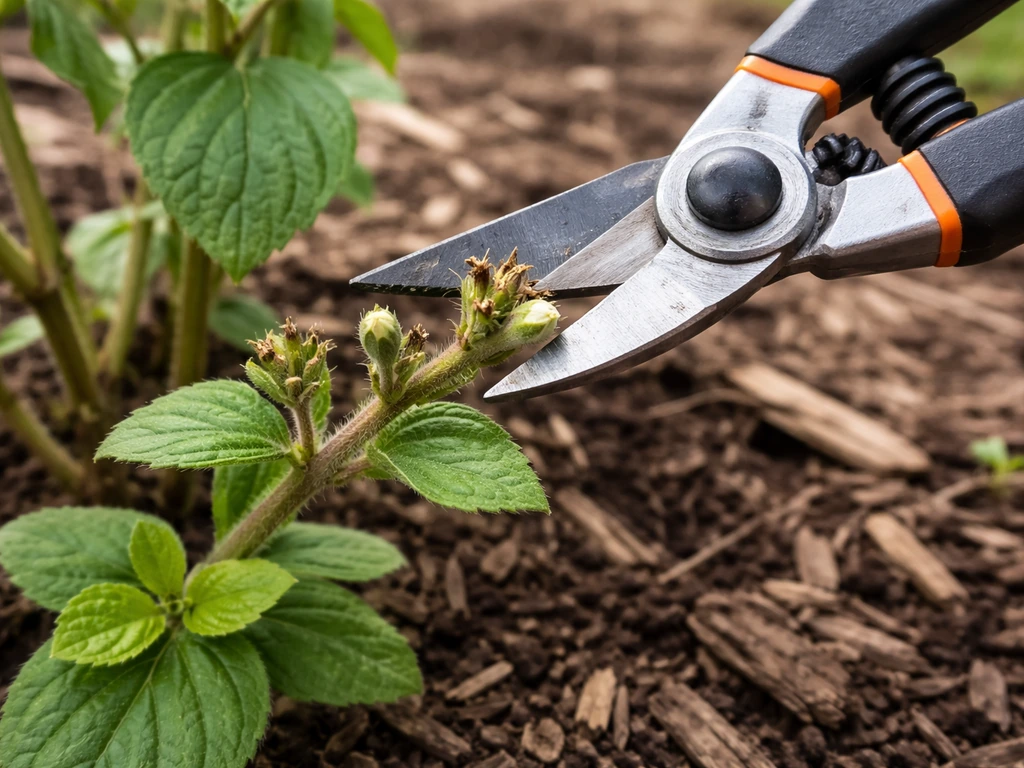
After a flowering flush fades, trim back the spent lateral shoots by about a third. This triggers the plant to push new growth from those points, which will be your next wave of bracts. Pair the light pruning with a feed of your low-nitrogen fertilizer and a deep watering if the soil is dry, and you'll typically see new growth within a few weeks. In warm climates, bougainvillea can cycle through multiple bloom periods in a year using this approach.
Troubleshooting: leaf drop, poor flowering, pests, and diseases
Leaf drop
Sudden leaf drop is usually a temperature or watering issue. Bougainvillea will shed leaves when exposed to cold drafts or temperatures that drop below 10°C (50°F) at night. If you've just brought it indoors for winter and it's dropping leaves, that's often a normal stress response to the change in light and humidity, not necessarily a death sentence. It can recover. The fix is a consistently warm, bright spot and backing off watering until the plant stabilizes. Overwatering in cool conditions will compound the problem and can cause root rot.
Poor or absent flowering
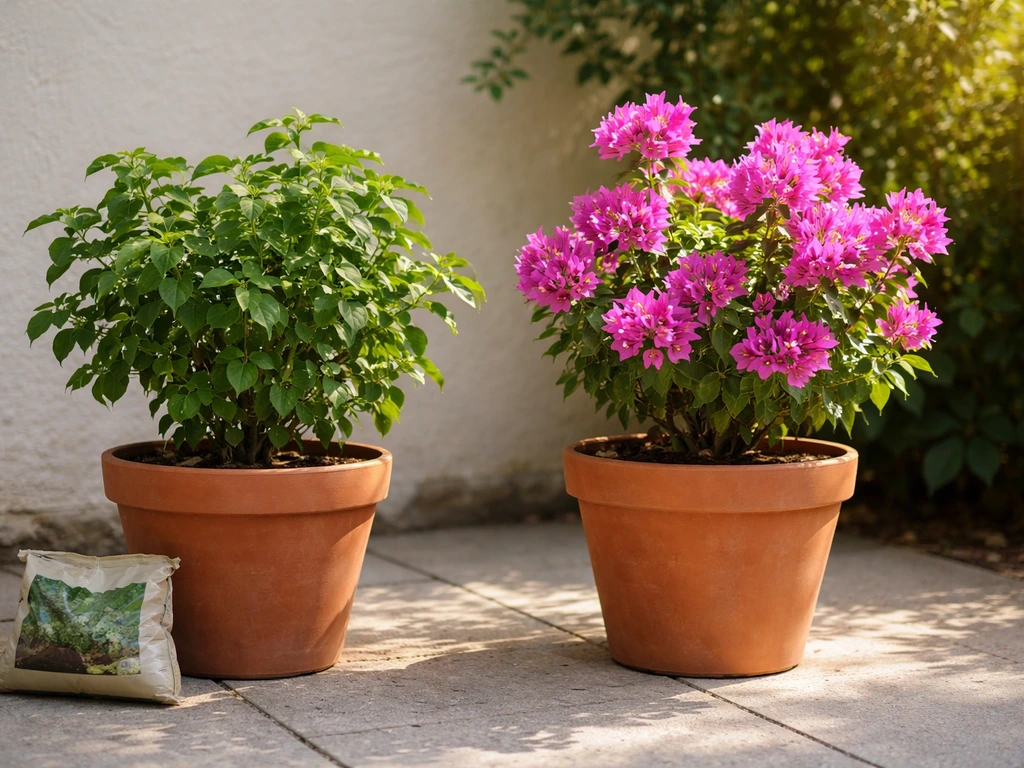
If your bougainvillea is leafy and green but refuses to flower, run through this checklist in order: not enough sun (the most common cause), too much nitrogen in the fertilizer, no recent pruning to stimulate new growth, or the plant is sitting in cool temperatures that slow its flowering response. Fix the sun situation first before changing anything else. Moving a pot even a few feet to a brighter spot can make a noticeable difference within a few weeks.
Color changes in bracts
Some bougainvillea cultivars naturally shift bract color in response to temperature swings, light levels, or plant stress. You might see one branch displaying a different shade than the rest of the plant. That's not a disease or a problem. For multi-colored varieties like Camarillo Fiesta, that variation is the whole point. For standard single-color cultivars, color shifts can look surprising but are generally harmless. If new colors appear on just one or a few branches and persist across multiple growth cycles, it may indicate a natural branch mutation, which is actually how some new cultivars are discovered.
Pests
The most common pests you'll run into are mealybugs, aphids, and scale insects. All three are sap-suckers and tend to cluster on new growth and undersides of leaves. The bougainvillea looper caterpillar is another pest to watch for, as it feeds on leaves and can cause significant defoliation. For mealybugs and aphids, insecticidal soap spray is an effective first response. For mealybugs, insecticidal soap or soft-bodied insect sprays are recommended as part of control insecticidal soap spray is an effective first response. Apply it directly to the insects and repeat every 5 to 7 days until the infestation clears. For scale, a neem oil solution works well applied to the affected areas.
One thing that often gets overlooked: ants. Ants actively farm sap-sucking pests like aphids and mealybugs, protecting them from predators in exchange for the honeydew they produce. If you're seeing a lot of ant activity on your plant, that's often a sign a sap-sucker infestation is developing. Controlling ant access to the plant (sticky barriers around pot legs or a grease band on a trunk) takes away that protection and makes your pest treatments much more effective.
Disease
Root rot is the main disease threat and it comes from poor drainage or overwatering. If your plant is wilting despite moist soil and the roots look brown and mushy rather than white and firm, root rot is likely. The honest answer is that severe root rot is very hard to recover from. Catch it early by improving drainage immediately, removing damaged roots, and repotting into fresh dry mix. Fungal leaf spots can appear in humid conditions with poor air circulation. Spacing plants properly and avoiding overhead watering helps prevent both.
Seasonal care and overwintering
Spring and summer
Spring is when bougainvillea wakes up and you should too. Do your main structural pruning as new growth just starts showing. Resume fertilizing with your low-nitrogen mix and increase watering frequency as temperatures climb. If you overwintered a container plant indoors, wait until the risk of frost has fully passed and night temperatures are consistently above 10°C (50°F) before moving it back outside. Harden it off over a week or two by starting it in a sheltered semi-shaded spot before moving to full sun, which prevents sun scorch after months of lower indoor light.
Summer is peak performance time. Your main jobs are watering consistently, light pruning after each bloom flush, and watching for pests. Bougainvillea handles heat extremely well and doesn't need any shading even in very hot climates. If you're in the UK or growing in a region with a short warm season, maximize every week of warm weather by keeping the plant in the best possible sun position.
Fall and winter
In frost-free zones (roughly USDA zones 9b to 11), bougainvillea can stay outdoors year-round. Reduce watering and stop fertilizing by early fall. The plant may drop some leaves as days shorten, which is normal. In zones where frost occurs, you need to bring container plants indoors before the first frost. Move them to a bright, frost-free space where night temperatures stay at or above 10°C (50°F). A heated greenhouse, sunroom, or very bright south-facing window are the usual options.
Through winter, water very sparingly: just enough to keep the potting mix from going completely bone dry. Do not fertilize. Some leaf drop indoors is expected and not a cause for panic. The plant is semi-dormant and doesn't need much from you right now. Resist the urge to move it around frequently looking for better light, as repeated disturbance makes leaf drop worse. Keep it in its spot, keep it frost-free, and wait for spring. When growth resumes and the weather warms, you can start the whole cycle again with a fresh prune and a gradual return to outdoor life.
If you're growing bougainvillea in a particularly challenging climate, like the UK or northern states, the container approach gives you the most flexibility across all seasons. For more on how to grow bougainvillea in the UK, focus on sun, drainage, and overwintering so it can bloom reliably each season If you're growing bougainvillea in a particularly challenging climate, like the UK or northern states. Growing bougainvillea in hanging baskets or training a compact variety in a pot that can move between a sunny patio and a warm indoor spot over winter is a genuinely practical way to enjoy these plants even where summers are short. The investment of effort pays off when you see that wall of hot pink, gold, and magenta bracts in full summer sun.
FAQ
Can I make a single bougainvillea plant show multiple colors if it was sold as “mixed” or “rainbow” but it only has one bract color right now?
Sometimes cultivars shift color slightly under different stress and temperatures, but true multi-color expression is cultivar-dependent. If the plant has one color consistently across multiple flushes, it usually means it is a standard cultivar or the “mixed” description was inaccurate. Confirm the exact cultivar name on the tag or receipt, then compare it to known multi-colored varieties at nurseries.
Why do my multi-colored bracts fade to the same color after a while?
A common cause is that the plant stops receiving strong light, often from growth becoming dense, a support blocking sun, or the pot being placed slightly too far from the brightest wall. Another cause is over-fertilizing with nitrogen, which can reduce bract intensity. Check sun first (aim for 8+ hours), then switch to the low-nitrogen, higher-potassium feeding schedule.
How do I choose between “one plant that colors itself” versus planting several colors together in a container?
Pick one-plant color shifting only if the cultivar is specifically bred for multi-bract expression, because you are relying on genetics for the pattern. Choose several plants in one pot if you want reliable, controllable color placement, but be prepared for competition, uneven growth, and more pruning to keep all vines balanced.
What pot size do I need for a multi-colored bougainvillea so it will still bloom heavily?
Stay with a large enough pot for training, but not so huge that the plant sits wet too long. For active training, many growers find that once the roots fill the pot, blooming improves. If your pot is oversized and watering keeps it damp, bracts often stall. Aim for the largest practical size with fast drainage and a watering routine that lets the top inch dry between waterings.
How can I tell the difference between normal leaf drop and a problem that threatens blooming?
Normal leaf drop usually follows a stress change (moving indoors, cold drafts, temporary temperature dips), and the plant otherwise looks firm and alive. Concerning issues include wilting despite wet soil, foul smells, or roots that turn brown and mushy (root rot). If you suspect rot, prioritize drainage and repotting into fresh dry mix rather than increasing fertilizer or watering.
Should I prune my bougainvillea before it flowers or wait for a bloom flush to finish?
For more bracts, you generally want pruning to force new growth that blooms. If your plant is not flowering, a reset prune in late winter or early spring (before heavy new growth) is usually the better move. During the season, light tip pruning and trimming spent laterals after a flush helps trigger the next wave, but avoid heavy cutting right before cold weather or during unstable temperatures.
Will staking or training vertically still produce multi-colored bracts?
It can, but upright training often reduces bract density because bougainvillea flowers on new lateral growth. If you want a dense, colorful display, train the main canes horizontally across a trellis or fence so side shoots develop along the length. Then pinch or lightly trim tips to keep laterals short and bushy.
What watering mistake most often ruins bract color even when the plant looks healthy?
Overwatering in cool or non-sunny conditions. The plant may stay leafy and green while bracts fail to show because roots are staying too wet and growth stays vegetative. Use the “water thoroughly, then let the top inch or two dry” rule for containers, and reduce frequency in winter or during cloudy stretches.
Can I use a balanced fertilizer instead of low-nitrogen, high-potassium?
You can, but it is risky for flowering. High nitrogen encourages leafy growth at the expense of bracts. If you only have a balanced product, dilute and apply sparingly, and prioritize a regimen that leans toward lower nitrogen with more support for flowering, especially from spring through mid-summer.
My bougainvillea has lots of ants, but I do not see aphids or mealybugs. What should I do?
Ants often mean sap-suckers are present, even if you cannot spot them immediately. Check new growth and leaf undersides closely, then treat the sap-suckers (insecticidal soap for aphids or mealybugs, neem for scale) and block ant access with sticky barriers or trunk grease bands so the next pest generation is not protected.
Are bougainvillea pests different on multi-colored plants, since the plant has multiple colors?
No, pest pressure is about the plant and conditions, not the color pattern. The same sap-suckers (aphids, mealybugs, scale) and the bougainvillea looper caterpillar apply. Multi-colored cultivars still need regular scouting on new growth and underside foliage so treatments can start early.
What is the fastest way to recover blooming if my multi-colored bougainvillea stops flowering?
Run a short checklist in order: move to the brightest possible spot for full direct sun, stop any high-nitrogen feeding, do a pruning reset if the plant is overgrown and woody, and correct watering to avoid soggy roots. After these changes, allow a few weeks for new growth, since bougainvillea bracts form on fresh shoots.
Can I propagate multi-colored bougainvillea to get the same exact color pattern?
Often yes if you take cuttings from a proven multi-colored parent and root them correctly, but color patterns can be less predictable than you expect if the plant was not truly multi-colored genetically or if a branch mutation was involved. For best odds, propagate from the specific section that reliably shows multi-bract color across multiple flushes.