
Brugmansia will reward you with enormous, trumpet-shaped blooms and a heady fragrance that stops people in their tracks, but only if you get a few key things right: enough warmth, consistent feeding, good drainage, and the right pruning timing. Grown in a container, kept in bright light over winter, and fertilized regularly through the growing season, most Brugmansias will flower reliably from late spring through autumn. If yours isn't blooming or is looking sad, it's almost always one of four culprits: too little light, too little fertilizer, sitting in soggy soil, or cold temperatures creeping in.
How to Grow Brugmansia: Step-by-Step Care Guide
Marcus Holloway
4 May 2026
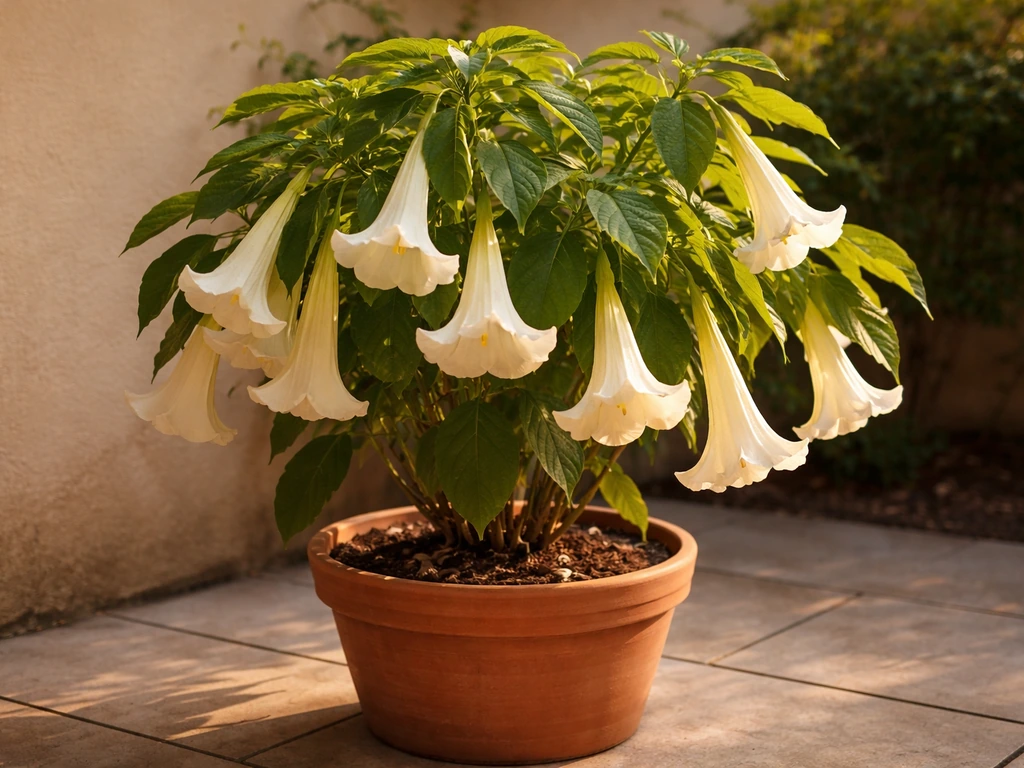
Where Brugmansia will grow best
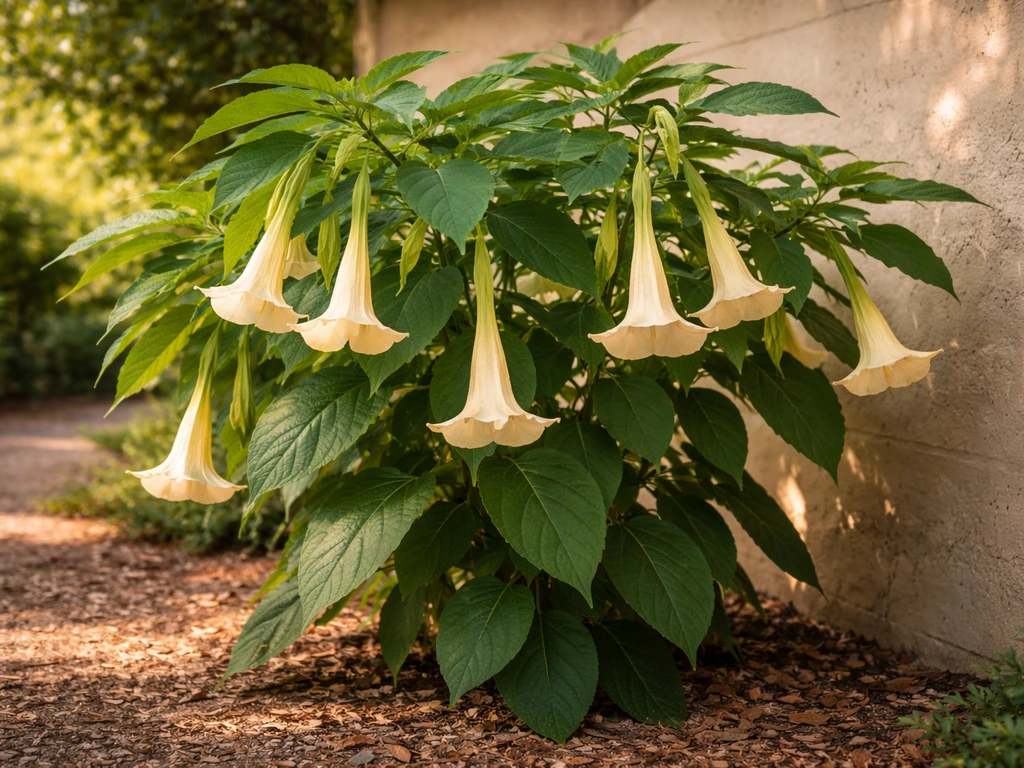
Brugmansia is a subtropical plant, and it behaves like one. It genuinely thrives in warm, sheltered spots with plenty of light, and it suffers the moment temperatures dip. If you're gardening in a frost-free climate (roughly USDA zones 9–11), you can grow it in the ground year-round and it will get truly large, often 6 to 10 feet tall. In cooler climates, almost everyone grows it in a container so it can be moved inside for winter, which is honestly the smarter approach regardless of where you live since it gives you complete control.
Outdoors in summer, Brugmansia wants a warm, sheltered position in partial shade or full sun. A spot that gets morning sun and afternoon shade in hotter climates keeps the leaves from scorching. In the UK and similar temperate climates, a south-facing wall or a sheltered courtyard works well. If you are also curious about bougainvillea, see our guide on how to grow bougainvillea in the UK how to grow bougainvillea in UK. Think of it like growing a tender exotic: position it where it gets heat, light, and some wind protection, and it'll push out growth fast.
The hard line is temperature. Night temperatures need to stay reliably above 7 to 10°C (45 to 50°F) for healthy outdoor growth, with daytime temps around 10 to 12°C (50 to 54°F) as a minimum. Below that, growth slows or stops, and a hard frost will kill the top growth outright. In warm climates, roots are hardier and can resprout from the base after a light freeze, but don't count on that as a plan.
Planting setup: containers, soil, and timing
Choosing the right container
For an established medium to large Brugmansia, aim for a container around 5 to 7 gallons, roughly 14 inches wide by 12 inches deep. That gives the roots enough room to develop without holding so much soil that it stays wet for too long between waterings. Whatever pot you choose, it absolutely must have drainage holes. This is non-negotiable. Brugmansia and waterlogged soil are a lethal combination, and root rot can kill a plant you've been nursing for months.
Avoid sitting the pot in a saucer full of standing water. If you want to use a drip tray, empty it after each watering. Terracotta pots dry out faster than plastic, which works in your favor for drainage, but they're heavy once the plant is established, so factor that in if you're moving it indoors for winter.
Getting the soil right
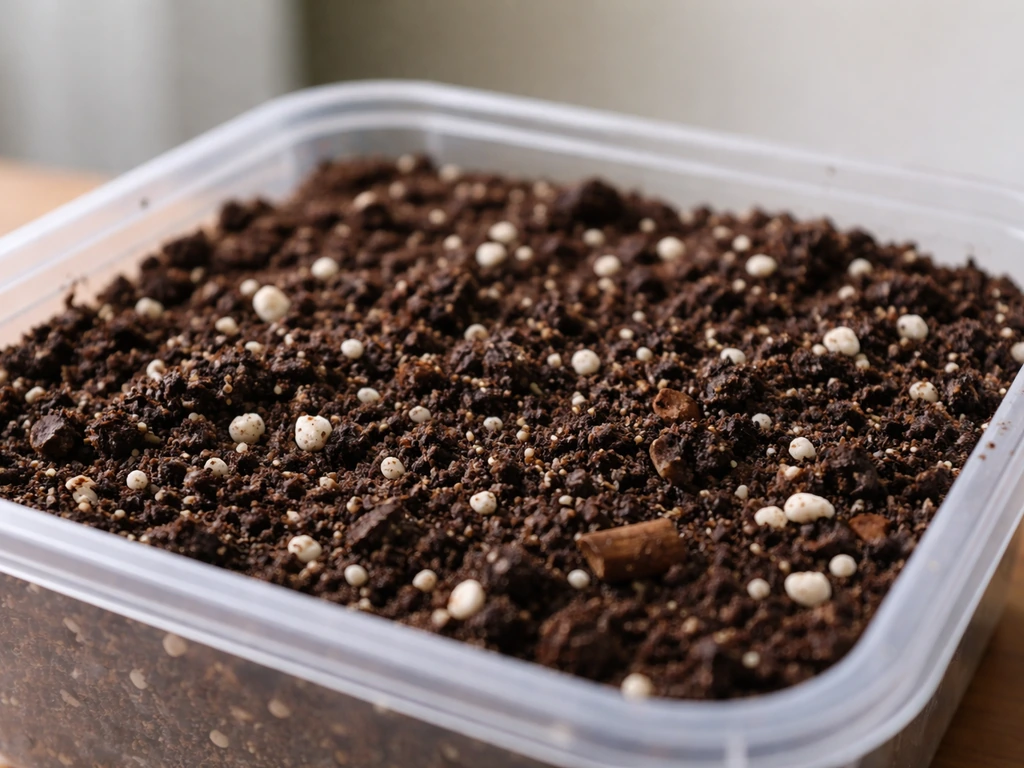
Use a good-quality, free-draining potting mix. Brugmansia likes fertile, moist soil, but the operative word is free-draining. A standard peat-based or peat-free compost works, but mix in about 20 to 30 percent perlite or coarse grit to improve drainage and prevent compaction. A slightly acidic to neutral pH, around 6.0 to 7.0, suits it well. Avoid dense, clay-heavy garden soil in pots, it holds too much moisture and will cause problems.
When to plant
Pot up or repot in spring, once you're bringing the plant out of its winter rest. If you're starting from a cutting or a newly purchased plant, late spring is ideal since the plant has warm months ahead to establish itself and push into flowering. Don't rush it outdoors until night temperatures are consistently above 10°C (50°F).
Light and watering: the routine that drives growth and blooms
Light requirements
Brugmansia is a light-hungry plant. Outdoors, it does best in full sun to partial shade with at least 6 hours of direct light daily. Indoors over winter, it needs the brightest spot you have: a conservatory, a south-facing window, or a heated greenhouse. If flowering slows or stops indoors, inadequate light is the most likely cause. It's not about pruning or feeding at that point, it's about lumens. A cheap grow light on a timer can make a real difference if your indoor light is genuinely limited.
Watering routine
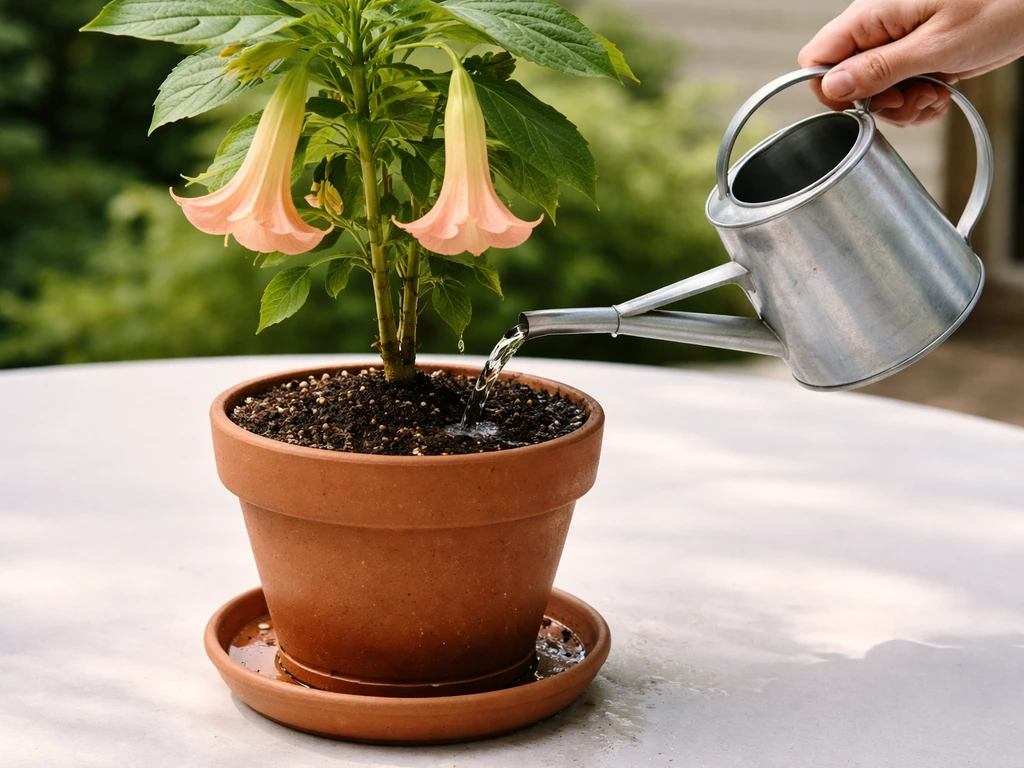
In the active growing season (spring through autumn), Brugmansia is thirsty, especially in warm weather. Water thoroughly until a little water drains from the bottom of the pot, then let the top inch or two of the potting mix dry out before watering again. You're aiming for consistently moist, never soggy. In summer heat, a large plant in a small container might need watering every day or every other day. In cooler, cloudy spells, pull back and let it dry a little more between drinks.
In winter, if the plant has gone dormant (more on that later), cut watering back significantly, just enough to stop the roots from completely drying out. If it's staying active indoors in a warm, bright spot, continue watering but less frequently than in summer since the plant is growing more slowly and evaporation is lower.
Feeding and repotting for strong flowering
Fertilizing schedule
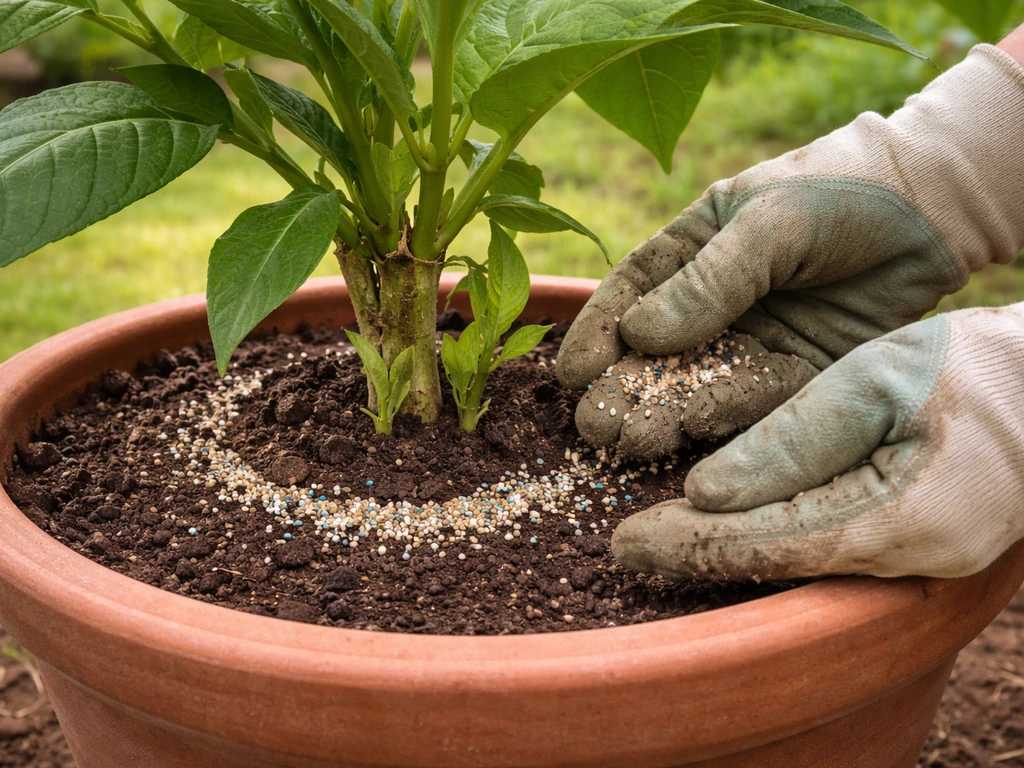
This is where a lot of growers underperform with Brugmansia. Because it flowers on new growth, it needs to keep actively growing to keep flowering. That means consistent, regular feeding through the growing season. Apply a balanced liquid fertilizer at least monthly from spring through autumn, and many experienced growers fertilize every two weeks during peak growth. A high-potassium fertilizer (like a tomato feed) during the flowering period can boost blooms. In winter, reduce feeding to sparingly or stop altogether if the plant is dormant, a light dose every six weeks is plenty if it's still actively growing indoors.
Don't rely on slow-release granules alone during the growing season. They can help, but a large, actively growing Brugmansia in a pot will outpace what a slow-release product can deliver. Use liquid feeds as your primary method from late spring through early autumn.
Repotting
Repot every one to two years in spring, or when you can see roots circling the bottom of the pot or pushing through drainage holes. Move up one pot size at a time rather than jumping to a much larger container, which holds excess moisture around roots that aren't yet filling the space. When repotting, refresh the potting mix entirely since old compost becomes compacted and nutrient-depleted over time.
Pruning, shaping, and getting more blooms
Brugmansia blooms on new growth, so strategic pruning encourages more flowering rather than reducing it. The key is timing. Prune after a flush of flowering is complete, not mid-bloom. This prompts the plant to push fresh growth, which will carry the next round of flowers.
For annual shaping and size control, cut back new growth to within about 2.5 cm (1 inch) of older, woody growth. This keeps the plant compact enough to manage, especially important if you're moving it in and out of the house each season. In spring, when bringing the plant out of its winter rest, is also a good time to do a harder prune to shape the structure before it pushes out a full season of new growth.
One thing to be aware of: if you prune heavily mid-season, you're cutting off potential flowering wood, so the plant will need a few weeks to regenerate before it blooms again. That's fine, just factor it into your expectations. If your plant is leggy with few flowers, a hard prune followed by a boost of fertilizer is often the fastest reset.
Seasonal care and overwintering based on your climate
This is the part that trips up most Brugmansia growers in cooler climates, and getting it right makes the difference between a plant that lasts years and one that dies its first winter.
Warm climates (zones 9–11, frost-free)
If you're in a genuinely frost-free climate, Brugmansia can stay outdoors year-round. Keep watering and feeding reduced over the cooler months, let growth slow naturally, and it will pick back up as temperatures rise. Even if a light frost damages the top growth, the roots are often hardy enough to resprout from the base by late spring.
Cool and temperate climates (zones 7–8 and colder)
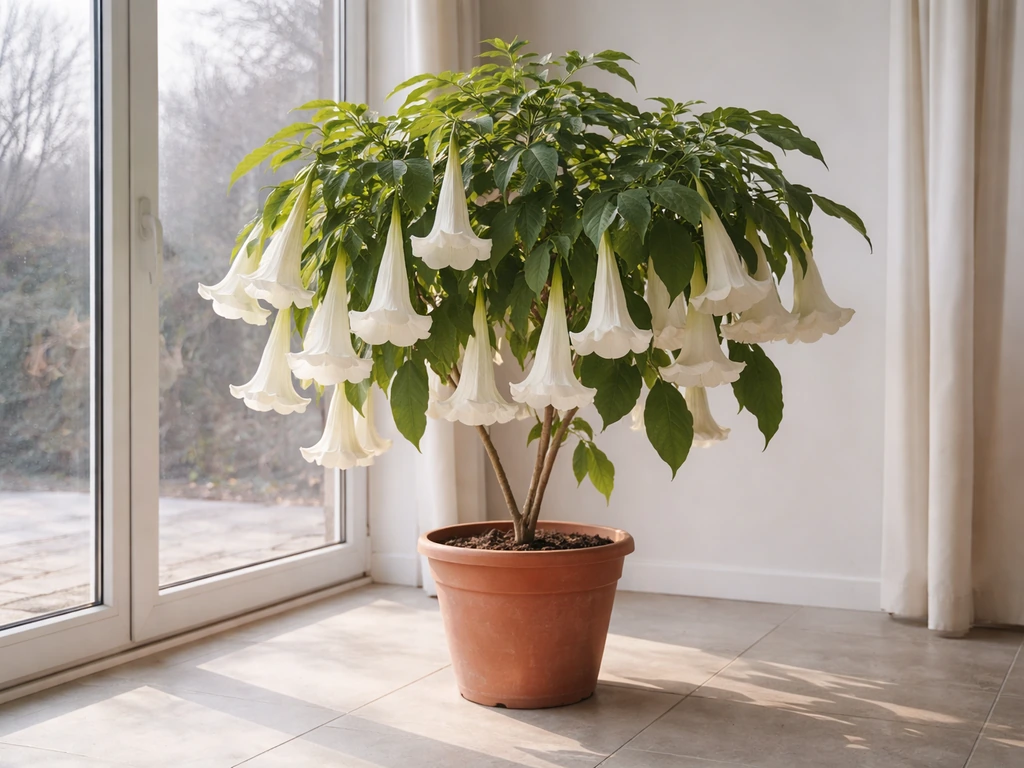
Once night temperatures start dropping toward 10°C (50°F) in autumn, it's time to bring the plant inside. You have two main options:
- Keep it actively growing indoors: Place it in the brightest, warmest spot you have, ideally a conservatory or heated greenhouse. Continue watering (less than in summer) and feed lightly every six weeks. It may continue to produce buds if the light is good enough.
- Allow it to go dormant: Move it to a cool, frost-free space around 4 to 7°C (40°F), like a garage or unheated spare room. Stop watering almost entirely, just enough to prevent the roots from desiccating completely. The plant will drop its leaves and rest. In spring, prune it back, repot it, move it somewhere warm, and resume watering and feeding to wake it up.
The dormancy route is easier for most people without a greenhouse. A cool garage at around 40°F (4°C) works perfectly well. Just don't let it freeze, and don't worry when it looks dead. It isn't. Come March or April, move it somewhere warm and bright, give it a good drink, and within a few weeks you'll see new buds breaking at the base of pruned stems.
Troubleshooting common problems and pests
No flowers or blooming has stopped
The most common cause is insufficient light. If the plant is indoors and not flowering, it almost certainly needs more light before anything else. The second most common cause is insufficient feeding: if it's not actively growing, it's not going to flower. Check both before you start adjusting anything else.
Yellow leaves
Yellowing leaves have several possible causes. Overwatering and root rot are the most serious: if the soil has been consistently soggy and lower leaves are yellowing and dropping, check the roots for brown, mushy tissue. If root rot has set in, you'll need to cut away the affected roots, repot into fresh dry mix, and dial back your watering significantly. Nutrient deficiency (particularly nitrogen or iron in acidic soils) can also cause yellowing, especially if the plant hasn't been fed in a while. Resume a regular fertilizing schedule and you should see improvement in new growth within a few weeks.
Leggy, sparse growth
Leggy growth with long gaps between leaves almost always points to low light. If you can't provide more light, a hard prune followed by moving the plant to a better-lit spot is the reset you need. Combine that with regular feeding to push compact, vigorous new growth.
Common pests
| Pest | What you'll see | Fix |
|---|---|---|
| Aphids | Clusters on new growth and buds, sticky residue | Knock off by hand or spray with water; use an insecticidal soap for heavier infestations |
| Whiteflies | Cloud of tiny white flies when you disturb the plant, pale stippled leaves | Use a labeled whitefly control product; avoid spraying when beneficial insects are active |
| Spider mites | Fine webbing under leaves, stippled or bronzed foliage | Particularly dangerous on young plants and can be fatal; treat promptly with a miticide or neem oil, increase humidity around the plant |
| Root rot (fungal) | Yellowing leaves, wilting despite wet soil, mushy brown roots | Remove affected roots, repot in fresh dry mix, improve drainage, water less frequently |
Spider mites are worth calling out specifically because they move fast and can kill a young Brugmansia before you realize what's happened. In a recent r/brugmansia thread, one indoor grower describes rotating spider-mite treatments, including neem oil and insecticidal soap, to manage infestations blank" rel="noopener noreferrer">Spider mites are worth calling out specifically because they move fast and can kill a young Brugmansia. blank" rel="noopener noreferrer">Check the undersides of leaves regularly, especially during warm, dry spells indoors in winter when conditions favor mites. Catching them early makes treatment much easier.
Your Brugmansia growing checklist
- Choose a 5 to 7 gallon pot with drainage holes and a free-draining potting mix with added perlite
- Position outdoors in a warm, sheltered spot with full sun to partial shade once night temps are reliably above 10°C (50°F)
- Water thoroughly and allow the top inch or two to dry between waterings; never let the pot sit in standing water
- Feed with a balanced liquid fertilizer every two weeks in active growth, switching to a high-potassium feed during flowering
- Prune after each flowering flush and do a shaping prune in spring before new growth begins
- Bring indoors before temperatures drop to 10°C (50°F) at night; choose between active growing indoors or cool dormancy at around 4°C (40°F)
- Check leaf undersides weekly for spider mites, especially during winter indoors
- If flowering stops, check light first, then feeding, before adjusting anything else
Brugmansia rewards attentive gardeners who treat it like the slightly demanding tropical it is. Wikipedia reports that Brugmansia contains tropane alkaloids such as atropine, scopolamine, and hyoscyamine, and that concentrations can differ among plant parts.
Get the drainage, light, and feeding routine right, and you'll have a plant that draws comments from everyone who walks past it in bloom. These same basics also matter when you're learning how to grow bougainvillea in hanging baskets drainage, light, and feeding routine. For multi colored bougainvillea, focus on strong light, the right watering rhythm, and nutrient support so the plant blooms with vibrant color drainage, light, and feeding routine.
It's a different kind of commitment than growing something like bougainvillea, which is more drought-tolerant and forgiving, but the payoff of those huge, fragrant trumpets in late summer makes it absolutely worth the effort.
FAQ
Is Brugmansia safe to grow if I have pets or small children?
No, Brugmansia is highly toxic if ingested, and even handling can irritate skin in some people. If you have pets that may chew plants or children who might touch flowers or leaves, keep it out of reach and consider gloves and thorough handwashing after pruning.
How do I tell whether my Brugmansia is dormant or just not thriving indoors?
Dormant plants typically slow dramatically, stop pushing new leaves, and use little water. In contrast, an actively growing plant still produces new growth and will dry out faster. If it looks “dead” but still has firm stems and you can see buds at the base, dormancy is likely.
What should I do if my Brugmansia is getting lots of leaves but still not flowering?
That pattern usually points to insufficient light or excessive nitrogen. First, increase direct light to match the brightest spot you can provide, then switch to a flowering friendly feed during the growing season (for example, a tomato type high potassium fertilizer) rather than a strong all purpose mix.
Can I grow Brugmansia from seed instead of cuttings?
Yes, but it is slower and less predictable in bloom timing and flower traits. Most growers use cuttings or nursery plants to get flowering faster, and you still must manage warmth, light, and feeding as carefully as you would for established plants.
How big should my pot be, and is it harmful to use a very large container?
A container that is too large can stay wet too long, raising root rot risk and slowing growth. Move up only one pot size at a time, keep good drainage holes, and refresh mix at repotting so the roots can fill the volume evenly.
How often should I water, and how do I avoid overwatering?
Use the potting mix moisture level, not the calendar. Water thoroughly, then wait until the top inch or two dries before watering again. In winter dormancy, water only enough to prevent complete root drying, and never let the pot sit in standing water.
My leaves are drooping even though the soil isn’t soaking. What’s going on?
Drooping can also happen when light is too low, temperatures are too cool, or the plant is drying out more quickly than expected in bright indoor spots. Check drainage speed, confirm the potting mix is not compacted, and move to brighter light before making big watering changes.
What’s the best time to prune so it blooms again?
Prune after a flowering flush finishes, not during peak bloom. This timing encourages new growth that will carry the next set of flowers, while mid bloom pruning can delay flowering because the plant needs time to regenerate new flowering wood.
Why are my new shoots growing but the plant looks weak or stops after pruning?
After a hard prune, the plant needs both time and nutrient support. Avoid heavy pruning late in the season, then resume regular liquid feeding once it starts fresh growth, and keep conditions warm and well lit so it can rebuild energy reserves.
How can I manage spider mites on Brugmansia indoors during winter?
Check leaf undersides regularly and act early, mites spread quickly in warm, dry indoor air. Use targeted treatment as soon as you notice webbing or stippling, and increase humidity or ventilation gradually if your home air is very dry.
What should I do if I suspect root rot?
Act immediately. Remove the plant from the pot, inspect roots, trim away brown mushy tissue, and repot into fresh dry, free draining mix. Then water less frequently until you see new growth, since returning to the old watering rhythm often causes repeat rot.
Can I move Brugmansia outdoors before the night temperatures are fully warm?
It’s risky. The article’s minimums matter, especially night temperatures. If nights are still below about 10°C (50°F), wait or protect the plant overnight, because cool nights slow growth and can lead to poor flowering later.