
Yes, cyclamen can absolutely grow outdoors, but the species you choose determines almost everything. The florist's cyclamen you buy at the grocery store (Cyclamen persicum) is only hardy in USDA Zones 9–11, which rules out most of the country for year-round outdoor planting. The ones you want for a proper outdoor garden are the hardy species: Cyclamen hederifolium (ivy-leaved cyclamen, Zones 5–9) and Cyclamen coum (Zones 5–9), which survive genuine winters, bloom reliably, and come back year after year with almost no fuss once you get the site and drainage right.
How to Grow Cyclamen Outdoors: Step-by-Step Guide

Marcus Holloway
28 May 2026
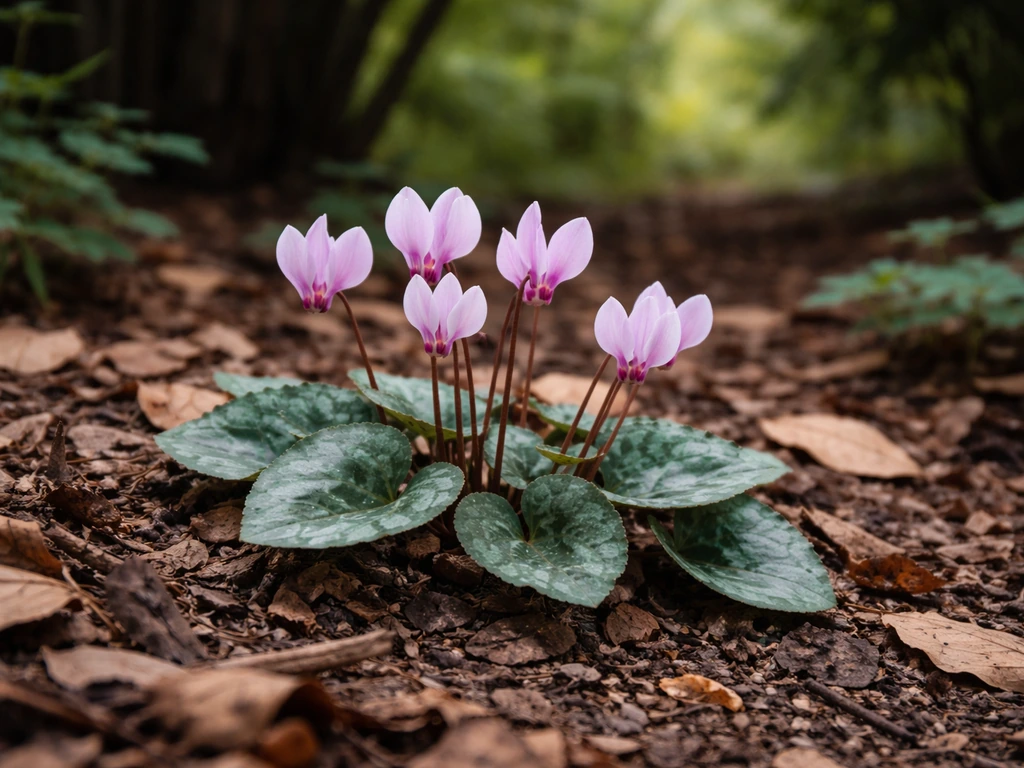
Can cyclamen really grow outdoors (and when)?
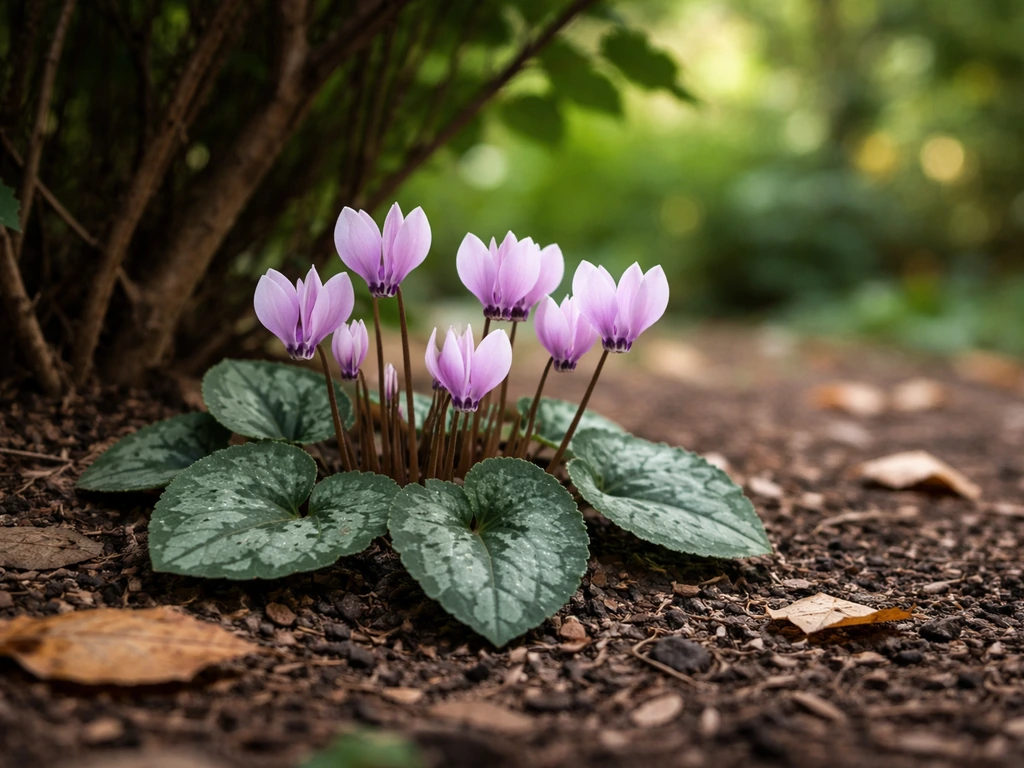
Hardy cyclamen are genuinely tough garden plants when conditions suit them. The confusion comes from those beautiful florist's cyclamen sold everywhere from November through February. Those are Cyclamen persicum hybrids bred for indoor color, and they'll die the moment a hard frost hits. If you've tried planting one of those outside and lost it, that's why.
The hardy garden species are a different story entirely. Cyclamen hederifolium pushes up flowers in September and October, before its leaves even appear, and keeps its attractive marbled foliage through winter and into spring. Cyclamen coum does the opposite: it blooms in the depths of winter from January through March, with pink and magenta flowers that look almost impossible against cold soil. Both go fully dormant in summer, which catches a lot of gardeners off guard. If your plant's leaves die back in May or June, that's completely normal and not a sign of failure. Growth restarts in autumn, and the cycle repeats.
If you're in Zone 9–11 and specifically want to grow Cyclamen persicum outdoors, you can, but you're essentially treating it as a cool-season annual or container plant. You'd move it outside in late May once night temperatures are stable, let rainfall do most of the watering, and bring it back in before summer heat scorches it. For Cyclamen persicum in a pot, the Chicago Botanic Garden advises moving the pot outdoors in late May so normal rainfall can water the tuber move it outside in late May once night temperatures are stable.
Choosing the right type and assessing your climate
Before you buy a single corm, check your USDA Hardiness Zone. If you're in Zones 5 through 9, both Cyclamen hederifolium and Cyclamen coum are solid choices. Below Zone 5, outdoor success becomes a gamble without serious frost protection. Above Zone 9, you're better off with Cyclamen persicum treated as a cool-season plant or kept in containers you can move around.
| Species | Hardy Zones | Bloom Time | Best For |
|---|---|---|---|
| Cyclamen hederifolium | 5–9 | September–October | Fall color, naturalized woodland areas |
| Cyclamen coum | 5–9 | January–March | Winter interest under deciduous trees |
| Cyclamen persicum | 9–11 | Winter (indoors) / seasonal outdoors | Mild-climate gardens or container planting |
One thing worth knowing: if you bought a cyclamen as a pot plant, it's almost certainly a florist's cultivar derived from Cyclamen persicum, not a hardy garden species. The hardy species are sold specifically as garden or outdoor plants, usually as dry corms or small potted plants in autumn. Don't assume a pretty cyclamen from the garden center is suitable for outdoor planting year-round without checking the label.
Picking the right outdoor spot
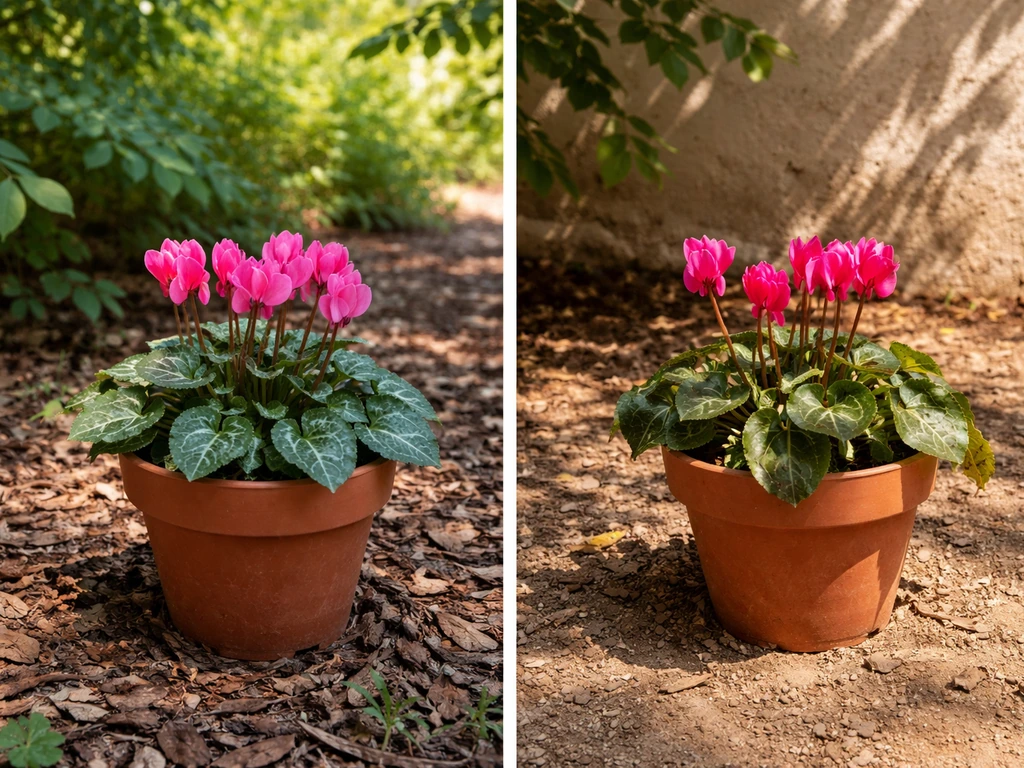
Site selection is where most outdoor cyclamen attempts succeed or fail before a single watering. If you want to pinpoint where to grow cyclamen, start by focusing on the light level and drainage of the spot. The RHS puts it plainly: cyclamen do best in spots that are not overly dry or sunny. In practice, that means dappled shade or bright indirect light is your target. If you're also wondering how to grow anthuriums outdoors, the biggest keys are choosing the right sun exposure and protecting them from cool temperatures. Think under a deciduous tree where summer shade keeps the soil from baking, but winter sun reaches the ground when the leaves have dropped. That natural pattern suits both C. hederifolium and C. coum perfectly.
Hot afternoon sun in summer is a real problem. It scorches the foliage and dries out the corm during a period when the plant is already stressed and dormant. A north-facing or east-facing border, or the base of a wall that gets morning light only, tends to work much better than an open south-facing bed.
Wind matters more than most gardeners expect. The flowers of both C. hederifolium and C. coum are relatively delicate, and a constantly exposed, windy position can damage blooms and dry out the soil faster than you want. A spot sheltered by a wall, hedge, or shrubs makes a real difference, especially for C. coum blooming in January and February when conditions are roughest.
- Dappled or bright indirect shade: ideal (under deciduous trees is a classic choice)
- Morning sun, afternoon shade: works well for most zones
- Full shade: acceptable but blooms may be sparse
- Full hot sun: avoid, especially in Zones 7 and above
- Exposed, windy sites: avoid if possible; use hedges or walls as wind buffers
Soil, planting depth, and timing
Getting the soil right
Fast-draining soil is non-negotiable. Standing water around the corm is the single biggest killer of outdoor cyclamen, full stop. Penn State Extension is blunt about it: waterlogging leads to tuber rot and death. You want a well-drained loam with decent organic content. If your soil is heavy clay, work in grit or coarse sand before planting, or build up a raised bed. Hardy cyclamen can tolerate heavier soils better than the florist types, but they still need water to move through, not pool.
Adding leaf mold or well-rotted compost improves both drainage and organic content at the same time, which mimics the woodland floor conditions these plants come from. Aim for a slightly acidic to neutral pH (roughly 6.0–7.0). You don't need to overthink the fertility; cyclamen aren't heavy feeders, and rich, overly amended soil can actually cause more problems than a lean, well-drained mix.
How deep to plant

Plant corms shallowly. For Cyclamen hederifolium, aim for about 1 inch (2–3 cm) deep, making sure the roots emerge from the shoulders (upper surface) of the corm, so that part needs to be under soil. For Cyclamen coum, about 2 cm of soil coverage on top is the standard guidance. Planting too deep is a real risk because it increases the chance of the corm sitting in damp soil and rotting. Plant with the growing point facing upward. If you're not sure which side is which, the flat or slightly concave side generally faces up on most cyclamen corms.
When to plant
Plant Cyclamen hederifolium corms in late summer, ideally July or August, so they're established before their September flowering. Cyclamen coum corms can go in during late summer to early autumn as well. Dry corms can sometimes be slow to establish, so buying potted plants in active growth or just coming into bloom is a legitimate shortcut if you can find them. Either way, autumn planting gives both species time to root before winter.
Watering and fertilizing outdoors without causing rot
More cyclamen die from overwatering than from drought. That's the single most important thing to internalize before you get started. Cyclamen have a clear seasonal rhythm: they want moisture during their active growing and blooming periods (autumn, winter, and spring) and then much drier conditions during summer dormancy. Penn State Extension highlights this hardy outdoor cyclamen cycle, noting excellent year-round soil drainage, adequate moisture in fall, winter, and spring, and much drier summer conditions while tubers are dormant blank" rel="noopener noreferrer">excellent soil drainage year-round, adequate moisture in fall, winter, and spring, and drier conditions in summer when tubers are dormant. This same kind of seasonal planning, especially avoiding waterlogged soil in dormancy, is key when you learn how to grow bromeliads outside too outdoor cyclamen. Ignoring that rhythm and continuing to water through summer is a reliable way to lose your plants.
In autumn, when you start to see new growth or flower buds emerging, introduce watering gradually. Once the plant is in full active growth, water when the top inch of soil feels dry, and always water around the corm rather than directly over it. Aim to keep the soil consistently moist but never waterlogged during the growing season. In spring, as the leaves start to yellow and die back, begin reducing watering. By the time dormancy is fully established (typically May or June), stop watering almost entirely. Keep the soil essentially dry through summer.
Around September, give the soil a small amount of water and watch for signs of growth. Once new shoots appear, resume normal watering. If you're in a climate where natural rainfall handles autumn and winter moisture, you may not need to do much at all except ensure the summer dormancy period stays dry. In rainy summer climates, this is where a well-drained site (or a spot under the eaves of a building) becomes critical.
On fertilizing: cyclamen don't need much. A light application of a balanced, low-nitrogen fertilizer in early autumn when growth is starting is enough. Avoid high-nitrogen feeds that push lush leafy growth at the expense of flowers, and avoid fertilizing during dormancy entirely. In good garden soil with regular leaf mold or compost, you may not need to fertilize at all for the first couple of years.
Seasonal care and dormancy: what to do year-round
Understanding the full yearly cycle makes outdoor cyclamen nearly effortless once established. The plant tells you what it needs at each stage if you know what to look for.
| Season | What's Happening | What You Should Do |
|---|---|---|
| Late summer (Jul–Aug) | Dormancy ending; corms resting in dry soil | Plant new corms; give light water around September to wake established plants |
| Autumn (Sep–Oct) | C. hederifolium flowers and leaves emerge | Water regularly as growth resumes; watch for slug damage on new growth |
| Winter (Nov–Mar) | C. coum flowers; C. hederifolium holds foliage | Keep soil moist, not wet; mulch lightly if hard frost is expected |
| Spring (Mar–May) | Leaves on both species grow, then yellow | Reduce watering as leaves fade; avoid fertilizing |
| Early summer (May–Jun) | Full dormancy; leaves die back completely | Stop watering; let soil dry; don't disturb corms; mulch to keep cool |
One thing that trips up new growers every year: when the leaves die back in May or June, it looks like the plant has died. It hasn't. The corm is simply resting underground, and disturbing it, digging it up to check on it, or continuing to water it are all ways to actually kill it. Mark your planting spots so you don't accidentally dig into them during summer garden work.
If you're growing Cyclamen coum in a spot with particularly cold winters (Zone 5 or 6), a light mulch of dry leaves or bark over the planting area in late autumn gives the corms extra insulation. The RHS specifically recommends mulching well when the leaves wither and avoiding excessive summer moisture, which is good advice to follow as a default regardless of your zone. Remove the mulch in early spring so emerging growth isn't smothered.
Troubleshooting common outdoor problems
The corm rots in the ground
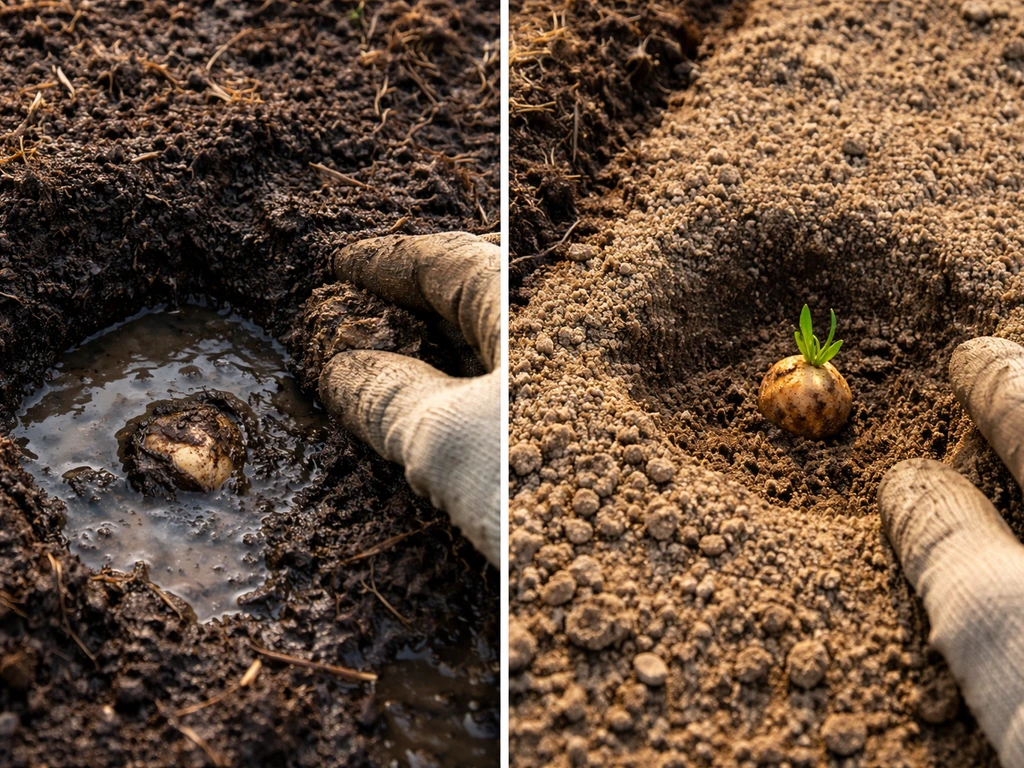
This is the most common failure, and it's almost always caused by waterlogged soil, overwatering during summer dormancy, or planting too deep. If you lose a corm to rot, dig back into the site before replanting and check whether water is pooling. Add grit, improve your drainage, and plant the next corm shallower. Bacterial soft rot can also set in through any damage to the corm, so handle corms gently when planting and avoid nicking them with a trowel.
No flowers (or very few)
Too much shade is the usual culprit when plants produce lots of leaves but few flowers. Move them to a brighter spot (still avoiding direct hot sun) the following season. A corm planted too recently may simply need another year to establish before flowering well. Also check that you haven't overfed with nitrogen, which pushes leafy growth at the expense of blooms.
Leaves yellowing at the wrong time
Yellow leaves in spring are completely normal as the plant heads into dormancy. Yellow leaves in autumn or winter, when the plant should be actively growing, usually point to overwatering, root rot, or a location that's too wet. Check drainage immediately. If the soil is soggy, you may need to lift the corm, let it dry out, and replant in a better-draining spot.
Slugs and vine weevils
Slugs love the fresh new growth that emerges in early autumn, particularly on C. hederifolium. Check plants at night if you notice ragged holes in leaves or flowers. Slug pellets (iron phosphate-based ones are wildlife-safe) or regular slug patrols at dusk work well. Vine weevil larvae are a more serious problem: they eat corm roots underground and can kill a plant without obvious above-ground symptoms until it's too late. If you find a corm with root damage and c-shaped white grubs nearby, treat the soil with a biological nematode drench in late summer.
Plants surviving but not spreading
Hardy cyclamen, especially C. hederifolium, naturally self-seed once established and can colonize large areas under trees over time. If yours aren't spreading after a few years, the seeds may not be finding bare soil to germinate in. Gently clear away competing groundcover or thick mulch from around established plants in summer to give seeds a chance. Don't be impatient though: cyclamen are slow to naturalize, and a patch that looks sparse in year two can be lush by year five.
If you're growing other shade-tolerant bulbs or tubers alongside cyclamen, the care principles overlap in useful ways. Plants like paperwhites and caladiums that also dislike waterlogged conditions benefit from the same well-drained, organically enriched soil you'd set up for cyclamen, so planning these areas together makes good sense.
FAQ
Can I grow cyclamen outdoors in containers if I am not in Zones 5–9?
Yes, especially if you choose hardy species for the outdoor growing season you have. Use a pot with drainage holes, a fast, well-draining mix, and keep the corm seasonally dry during summer dormancy. For Cyclamen persicum in warm zones, treat it as cool-season container color, move it out in late spring, and bring it back before summer heat and keep rainfall from accumulating in the pot.
Do I need to water cyclamen in summer when the leaves die back?
Usually no. Once dormancy is fully underway (often May or June), watering should stop or be extremely minimal. The goal is dry, not just “less wet,” because even occasional soakings can keep the corm in damp soil and trigger rot.
How can I tell if my cyclamen problem is drought stress or waterlogging?
Waterlogging typically causes collapse, foul smells, or sudden failure after wet periods, even if the plant looks fine at first. Drought stress is more likely to show as dry, shriveled growth and slowed recovery after the next growing period. If leaves yellow at the wrong time and the soil stays damp, check drainage immediately.
What side of the corm should face up, and does it really matter?
It matters. Plant with the growing point facing upward. The flat or slightly concave side generally goes down on most corms. If you plant upside down, the plant can struggle to root and may rot because the corm sits in moisture longer than it should.
How much fertilizer is safe for outdoor cyclamen?
Keep it light. A small early-autumn dose of balanced, low-nitrogen is usually enough, and overfeeding nitrogen often reduces flowers and increases lush foliage. If your soil already has leaf mold or compost, you may skip fertilizing for the first couple of years.
Should I deadhead cyclamen flowers outdoors?
You can remove faded blooms, but avoid digging or disturbing the corm. If seed production is not part of your plan, deadheading can keep the plant looking tidy. Let the plant’s seasonal die-back happen naturally, do not cut back leaves before they yellow in spring.
Why are my plants producing leaves but few or no flowers?
Common causes are too much shade, over-fertilizing with nitrogen, or planting depth and establishment time. Also check that you did not keep watering through dormancy. Move to brighter light next season (still avoiding scorching hot sun), and refrain from heavy feeding.
My cyclamen came from a pot in bloom. Can I plant it outside and expect it to survive winter?
Only if it is a hardy garden cyclamen labeled for your zone and type. Many pot plants sold in winter are florist types related to Cyclamen persicum and are not frost-hardy. Look for labeling that specifies hardy outdoor species, or treat the plant as a seasonal container specimen.
What is the best way to improve drainage in heavy clay soil?
Do not rely only on adding compost. Work in coarse grit or coarse sand to break up clay, and consider a raised bed so water moves through rather than pools around the corm. After a rain, verify the area drains within a reasonable time, because prolonged wetness is the main rot trigger.
How deep should I plant cyclamen corms, and what if I am unsure?
Hardy hederifolium is typically about 2–3 cm (about 1 inch) deep with the shoulders positioned so the upper surface is under soil, while coum is usually covered by about 2 cm of soil. If you are unsure, err on the shallower side because deeper placement increases the chance of sitting in damp conditions.
How do I protect cyclamen from cold without smothering them?
For coum in colder winters, a light mulch of dry leaves or bark over the planting area applied in late autumn can help insulation. Remove the mulch in early spring so new growth is not smothered. Avoid thick, wet mulches, especially if your site stays damp in winter.
What should I do if I suspect root or corm rot?
First check whether water is pooling and pause watering. If the soil around the corm is soggy, lift and inspect the corm, let it dry, then replant in a better-draining spot with improved soil structure. If bacterial soft rot is suspected, be careful handling and consider replacing the corm rather than trying to rescue heavily damaged sections.
How can I manage slugs and vine weevils on outdoor cyclamen?
For slugs, inspect at night when new growth appears and use slug control such as iron phosphate pellets or targeted patrols. For vine weevil larvae, look for root damage and white C-shaped grubs, then use a biological nematode drench in late summer, which matches the period when control is most effective.
Will outdoor cyclamen self-seed, and why might it take years?
They can self-seed once established, especially under trees. If seedlings do not appear after a couple of years, it can be because seeds need bare, mineral soil and are blocked by thick mulch or groundcover. Leave surrounding area less crowded in summer, but be patient because naturalizing is often slow.
Should I lift corms for storage in winter?
Usually not for hardy outdoor cyclamen in the right zone and with good drainage. Lifting is more relevant for florist-type plants or in marginal climates. If you do lift, keep corms dry during the dormant period and replant at the correct depth once conditions are suitable for rooting in autumn.