
Where you grow cyclamen depends almost entirely on which type you have. Florist's cyclamen (Cyclamen persicum) is a cool-room houseplant for most of the country, thriving indoors in bright indirect light at 60–65°F during the day and around 50°F at night. Hardy cyclamen like Cyclamen hederifolium or Cyclamen coum belong outside in dappled shade under trees, on a shady bank, or in a woodland-style border, and they'll naturalize happily in USDA Zones 5–9 with almost no help from you. If you want reliable outdoor results, make sure you match the hardy type to your zone and give it the right shade, soil, and drainage grow cyclamen outdoors. Get the type right first, and everything else falls into place.
Where to Grow Cyclamen: Best Indoor and Outdoor Spots

Marcus Holloway
17 May 2026
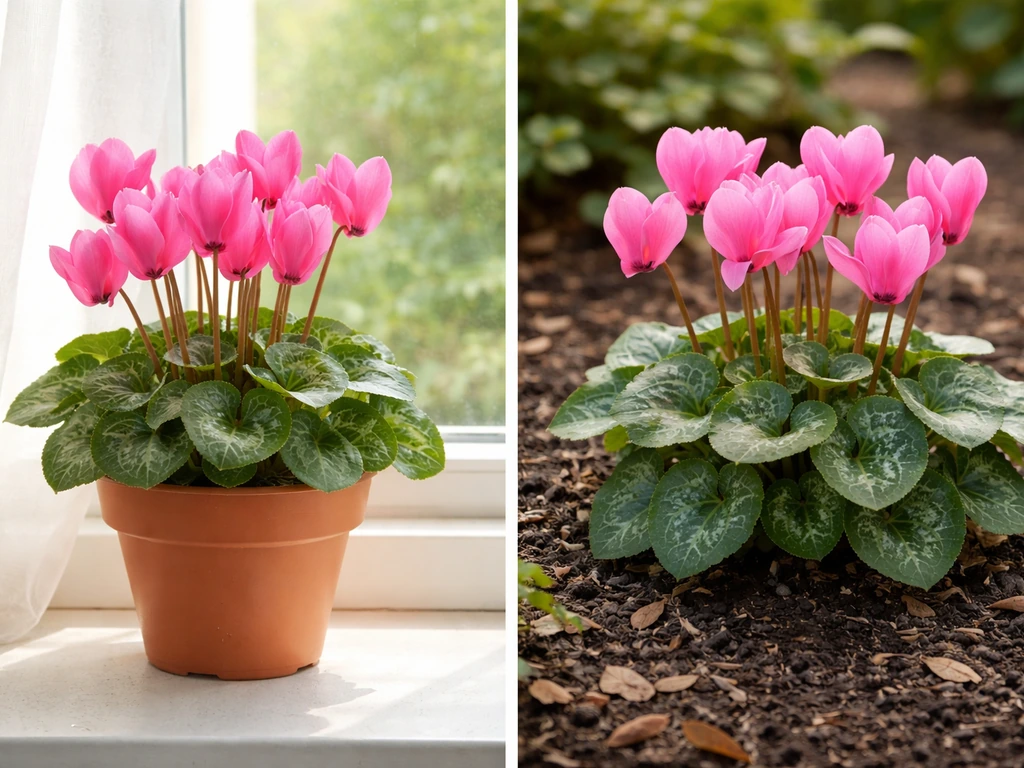
Cyclamen types and why 'where to grow' depends on them
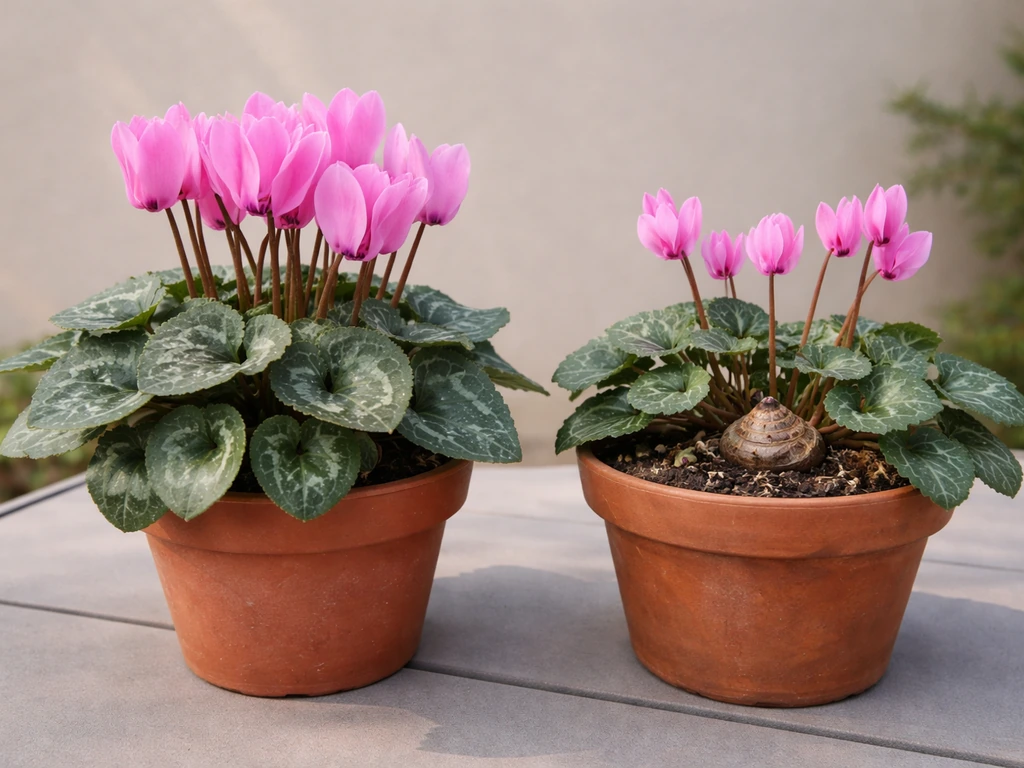
There are two very different growing situations hiding under the word 'cyclamen,' and mixing them up is the single biggest reason people end up with a dead plant. Florist's cyclamen (Cyclamen persicum) is the one sold in grocery stores and garden centers every winter, usually loaded with flowers in red, pink, white, or purple. It's a tender plant, only reliably winter-hardy outdoors in USDA Zones 9–11. If you live anywhere with cold winters, treat it as a houseplant.
The other group is the hardy garden cyclamen, mainly Cyclamen hederifolium (autumn-flowering) and Cyclamen coum (winter to early spring flowering). These are tough, small-flowered perennials that survive hard frosts, grow under deciduous trees, and actually prefer to be left alone. Their conditions and placement are almost the opposite of florist's cyclamen.
Buying a plant already growing in a pot is the easiest way to establish either type reliably. Dormant tubers sold in bags can work, but they're easy to plant upside-down or let dry out fatally before they root. Starting with a growing plant gives you an immediate visual read on whether your chosen spot is working.
| Feature | Florist's Cyclamen (C. persicum) | Hardy Cyclamen (C. hederifolium / C. coum) |
|---|---|---|
| Hardiness (USDA Zones) | Zones 9–11 outdoors; houseplant elsewhere | Zones 5–9 (hederifolium); Zones 6–9 (coum) |
| Best location | Cool indoor room, bright window | Outdoor shade, under trees, shady border |
| Bloom season | Winter (Nov–Feb) | Autumn (hederifolium); Winter–early spring (coum) |
| Summer dormancy | Yes, indoors in a cool, dryish spot | Yes, outdoors; tubers prefer dry summer soil |
| Main challenge | Too much heat, overwatering | Too much summer moisture, waterlogged soil |
Climate and temperature: what to aim for year-round
Cyclamen persicum is a Mediterranean plant at heart, and its natural rhythm is cool, wet winters and hot, dry summers. Indoors, that translates to keeping your plant genuinely cool during its flowering season. Aim for 60–65°F during the day and try to get nights down to around 50°F. A cool bedroom, an unheated sunroom, or a spot near a drafty north-facing window in winter is often perfect. A warm, centrally heated living room at 72°F is where florist's cyclamen goes downhill fast. The warmth pushes it into early dormancy and you lose weeks of bloom.
Hardy outdoor cyclamen are far more forgiving of temperature swings. Cyclamen hederifolium handles temperatures well below freezing once established, and its leaves emerge in autumn and persist through winter while the garden is bare. Hardy garden cyclamen like Cyclamen hederifolium produce leaves in autumn, grow through winter, and then enter dormancy before summer in a dry-season rest blank" rel="noopener noreferrer">leaves emerge in autumn and persist through winter. Cyclamen coum does the same. Both go dormant before summer heat arrives, which is the cycle they evolved for. In very cold climates (Zone 5 or 6), a loose mulch of leaf mould over the planting area in late autumn helps protect tubers from the hardest freezes and is worth doing annually.
Light by season: shade, sun, and where to put your pot
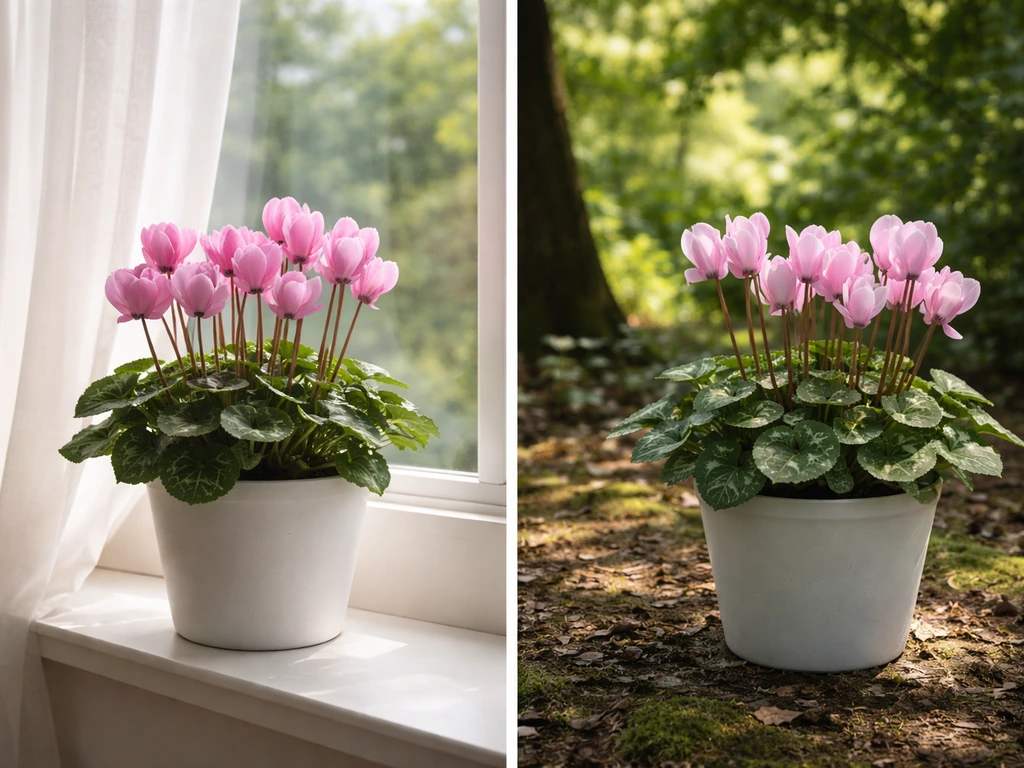
For florist's cyclamen indoors, bright indirect light is the goal during the growing and flowering season (autumn through late winter). A north- or east-facing windowsill works well. Direct sun through a south or west window can overheat the plant quickly and trigger early dormancy, which is the last thing you want in December. What actually drives good blooming is light reaching the heart of the plant, so avoid burying it behind other plants or pushing it into a corner. Once flowering finishes and leaves start yellowing (usually late winter to spring), you can move it somewhere dimmer while it rests.
Hardy cyclamen outdoors follow the light that comes through a tree canopy naturally. In autumn and winter, when trees are bare, they get more sun, which is exactly when they're actively growing and flowering. By summer, the canopy fills in and the resting tubers sit in deeper shade with drier soil. If you're planting in an open garden without trees, find a spot that gets morning sun and afternoon shade.
Avoid full, baking sun all day. The RHS describes this type of planting well: under trees, on shady banks, and in woodland-style borders alongside other early plants. If you want, you can use many of the same outdoor-site ideas to help you grow anthuriums outdoors, especially around light and drainage.
Soil and drainage: getting the ground or pot right
For outdoor hardy cyclamen
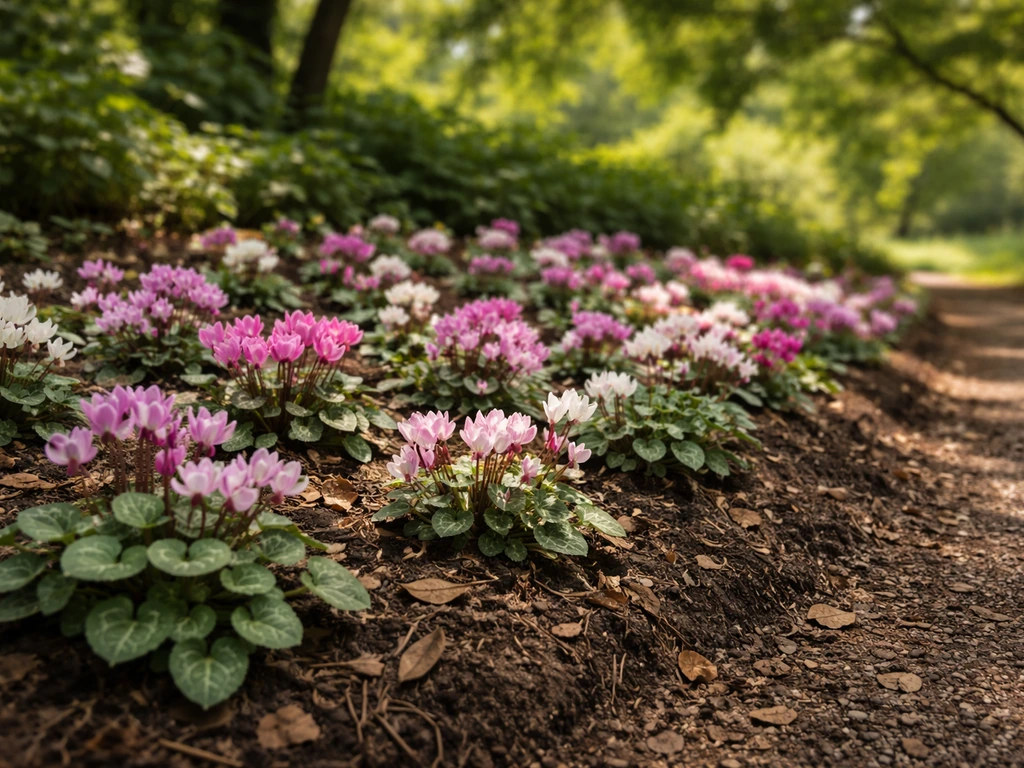
Hardy cyclamen need humus-rich, well-drained soil. These same basics help too when you want to grow bromeliads outside, since soil quality and drainage still determine whether plants thrive or rot how to grow bromeliads outside. The worst thing you can do is plant them somewhere that holds moisture through summer because that's when the tubers are dormant and vulnerable to rot. A soil that drains freely but has decent organic matter from decomposing leaves is ideal.
If you're under trees in a typical garden, the existing leaf litter often creates exactly this. Work in some extra leaf mould when planting, and mulch annually with more leaf mould as the foliage dies down in late spring. This feeds the soil, conserves moisture during the growing season, and provides some frost protection in winter.
For florist's cyclamen in pots
Drainage is equally critical in containers. Use a peat-free potting mix with good structure that won't compact and sit wet. A mix designed for houseplants with added perlite works well. The pot must have drainage holes; no exceptions. Don't let the pot sit in a saucer of standing water. One practical thing: don't overpot cyclamen. A slightly snug pot in relation to the tuber helps avoid excess soggy compost around the roots.
Watering by location and season
More cyclamen die from overwatering than from any other cause. The Cyclamen Society is blunt about this, and experience backs it up. The compost or soil should stay damp but never wet during active growth. During dormancy, you ease off dramatically.
For florist's cyclamen in a pot, water at the outer rim of the container rather than over the top of the plant. Getting water into the crown (the center where leaves and stems emerge from the tuber) leads to crown rot, which is fatal. The Chicago Botanic Garden makes this exact point. Keep the soil slightly moist through the flowering period. As blooms fade and leaves yellow, reduce watering steadily. Let the soil become nearly dry while the plant rests through late spring and summer, but don't let the tuber completely desiccate. Rewet slowly in early autumn when you see signs of new growth.
For hardy cyclamen in the ground, summer rainfall does the work. In most temperate climates, summer rain is enough to keep the tubers from desiccating without you doing anything. If you're in a dry-summer climate, a very occasional light watering in extreme heat is fine, but these plants genuinely prefer dry summers. Through autumn and winter when they're actively growing, natural rainfall usually handles things. Only step in if you have a prolonged dry spell during leaf and flower season.
Outdoor vs indoor placement: balcony, garden bed, and windowsill
If you have a florist's cyclamen and want to find the single best spot in your home, start with a north- or east-facing windowsill in the coolest room you're comfortable in. A spare bedroom, a hallway with decent natural light, or an unheated porch (as long as temps don't drop below about 40°F) will keep it happier than a cozy kitchen or living room near a radiator. Balconies in mild climates (Zones 9–11) can work in winter if temperatures stay above freezing and you protect the plant from frost and heavy rain.
For hardy cyclamen outdoors, the ideal garden bed is under a deciduous tree where the soil is naturally leafy and well-drained. A north- or east-facing border also works. Avoid south-facing walls where reflected heat and dry soil bake the tubers in summer. Cyclamen hederifolium is particularly good at naturalizing under trees where little else will grow, and it spreads slowly over years once established. If you're growing on a balcony or patio in a pot, hardy cyclamen can work in containers too, but make sure the pot won't sit waterlogged in winter rain and can be moved to a sheltered spot in extreme cold snaps.
It's worth noting that outdoor cyclamen share some placement logic with other plants that need defined seasonal cycles and specific light conditions. If you're also growing paperwhites or caladiums outdoors, you'll find the approach to seasonal positioning and dormancy management overlaps in useful ways. If you’re also wondering how to grow paperwhites outdoors, focus on choosing the right sun and well-drained soil so bulbs can thrive through winter. Caladiums also dislike cold, so outdoors you’ll want to plant them after temperatures stay consistently warm caladiums outdoors.
When your spot isn't ideal: fixing heat, darkness, and soggy soil
Too warm indoors
If your cyclamen is in a warm room (above 68–70°F consistently) and you notice the flowers fading quickly, leaves yellowing, and new buds not opening properly, heat stress is almost certainly the culprit. Move the plant to a cooler spot immediately. A few nights at 50°F can reset things. If the whole house is warm, try moving it near a window cracked slightly in winter, or to an unheated room overnight. You won't always fully rescue a heat-stressed plant midseason, but cooling it down will slow the decline and may extend bloom for a few more weeks.
Not enough light
A cyclamen in a dark corner will stop flowering and become leggy over time. If your windowsill gets genuinely dim winter light (north-facing rooms in northern latitudes can be gloomy by December), try moving the plant as close to the glass as possible. Clean dusty windows. Don't let other plants block it. A simple grow light a few inches above the plant for a few hours per day can extend a bloom season meaningfully if you're willing to bother. For outdoor hardy cyclamen in too much shade, the honest answer is they're more tolerant of shade than most plants, but deep, year-round darkness under a dense evergreen canopy will reduce flowering. Dappled light is the sweet spot.
Soggy soil or poor drainage
If your outdoor planting area holds water after rain, hardy cyclamen will rot during their summer dormancy. The fix is to improve drainage before planting by working in grit or coarse sand alongside leaf mould, or raising the bed slightly. For a potted plant sitting in a waterlogged saucer, empty the saucer and elevate the pot on feet so water drains freely. If you suspect crown rot has already started (soft, mushy tissue at the base of the stems), there's no reliable cure. Remove the plant, check the tuber, and if any firm tissue remains, let it dry out completely before deciding whether to replant in a drier spot. It's a frustrating loss, but the lesson sticks: drainage first, always.
FAQ
Can I grow cyclamen outside if I have only a balcony with limited sun?
Yes, but place matters more than total hours. For hardy types in a pot, aim for morning sun with afternoon shade, avoid full baking sun all day, and make sure the pot can drain freely in winter rain. Bring the pot to a sheltered spot during extreme cold snaps, because container tubers freeze faster than tubers in the ground.
What if I’m not sure whether my cyclamen is florist’s or a hardy garden type?
Look at the hardiness sold with it and the season it flowers. Florist’s cyclamen is typically sold as a winter blooming plant for indoor use and is only reliably winter-hardy in warmer zones. Hardy garden cyclamen are sold as tubers or specified for garden planting and usually flower in autumn (hederifolium) or winter to early spring (coum). If you can’t confirm, treat it as florist’s and keep it cool indoors.
How close to the window should I place florist’s cyclamen indoors in winter?
Place it as close to the glass as you can without touching the cold pane heavily. Light reaching the heart matters, and a plant pushed into a darker corner often stops flowering even if the room temperature is cool. Also rotate it slightly every few days so flower stems develop evenly rather than leaning toward the light.
Is it safe to put cyclamen on a porch if temperatures drop near freezing at night?
Often, yes for florist’s cyclamen, as long as it stays near its cool target and does not freeze. Keep it bright with protection from direct wind-driven rain, and be ready to bring it in if overnight lows drop well below about 40°F consistently. Freezing damage can show later as mushy foliage or sudden failure of new buds.
Why did my florist’s cyclamen stop blooming early even though it seemed healthy?
Heat and light issues are the two most common causes. If the room runs above the mid to high 60s°F, it can enter dormancy early. Also check for poor light at the heart of the plant, for example if other plants crowd it or curtains reduce winter daylight, leading to fading blooms and leggy growth.
Can I water cyclamen from the top if I’m careful not to wet the crown?
Better to avoid top watering. Even with care, water can end up between leaf stems or wick into the crown area, which increases crown-rot risk. For potted florist’s cyclamen, water the outer rim and let excess drain away, keeping the mix slightly moist during active growth rather than wet.
Should hardy cyclamen be watered in summer dormancy?
In most climates, no, because dry summers are part of their natural rhythm and extra moisture raises rot risk. Only give a light, occasional watering during extreme heat if the area truly dries out for a long time, and avoid saturating the soil.
What soil texture works best when planting hardy cyclamen outdoors?
Use humus-rich soil that drains quickly. A good practical approach is mixing leaf mould or compost for organic matter with grit or coarse sand to prevent slow, lingering wetness. If water puddles after rain, assume the drainage is too slow and improve it before planting, or raise the bed.
How can I tell if my outdoor cyclamen rot issue is drainage or something else?
Watch when symptoms appear. If rotting happens during summer dormancy or soon after heavy rains, drainage is the likely culprit because tubers stay vulnerable while dormant. If plants rot repeatedly in the same spot, fix the site conditions (amend soil, raise bed, improve mound height) rather than continuing to water or fertilize.
Is there a “best” container size for florist’s cyclamen?
Use a pot that is slightly snug for the tuber rather than very roomy. Too much extra compost around the tuber stays wet longer and increases rot risk. Ensure there are drainage holes and never keep the pot sitting in a saucer of standing water.