
Violets are surprisingly easy to grow in a yard once you match the right type to the right spot. Sweet violets (Viola odorata) want partial shade and moist soil. Pansies and violas (both in the Viola genus) tolerate more sun and drier conditions. Get that basic match right and you'll have flowers coming back year after year with minimal fuss.
How to Grow Violets in Your Yard: Complete Guide

Marcus Holloway
9 Jun 2026
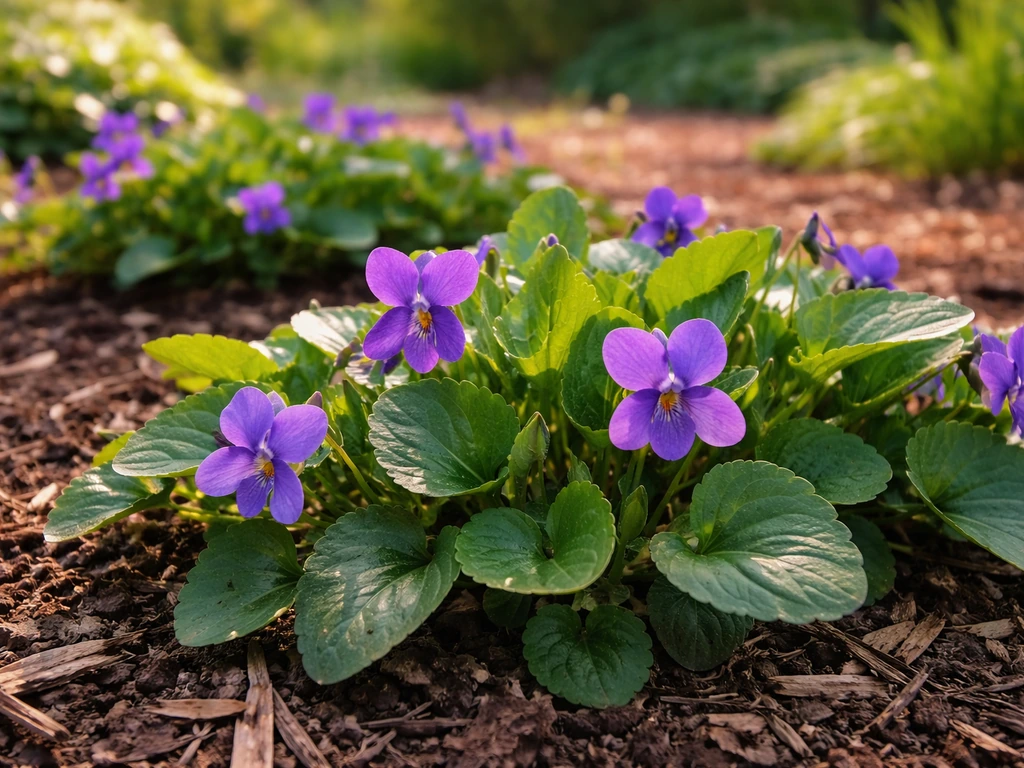
Which violet type should you actually grow?
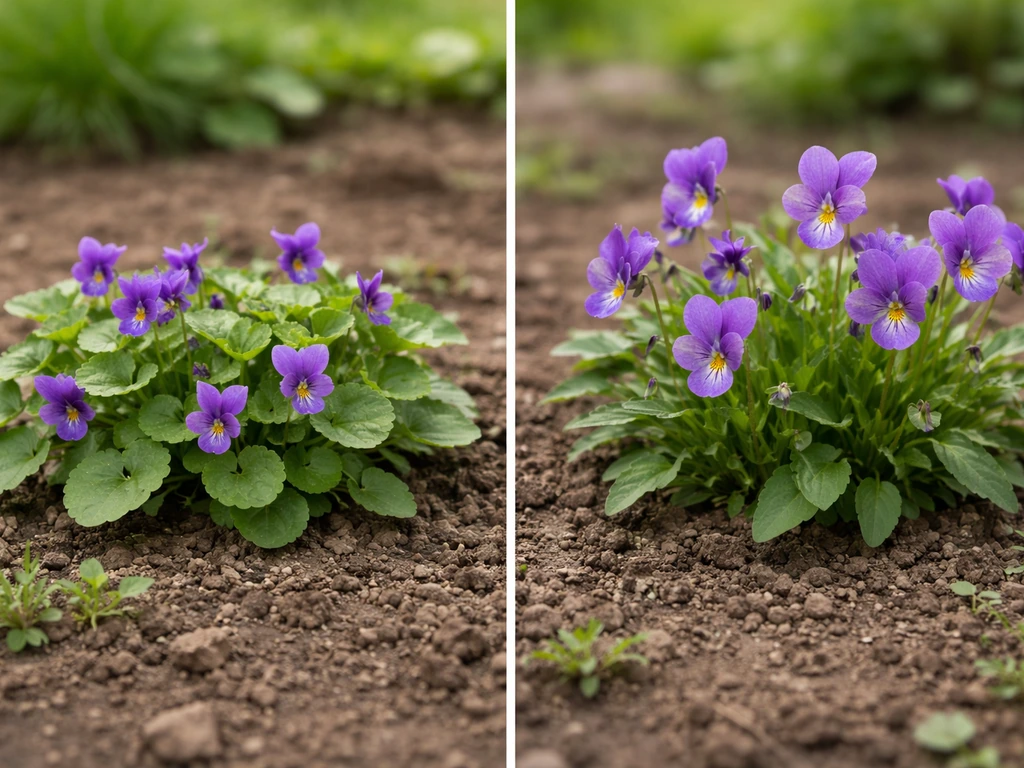
The word 'violet' covers a lot of ground, and picking the right one for your yard matters more than any other decision you'll make. Here are the main options home gardeners work with:
- Sweet violet (Viola odorata): The classic fragrant violet. A low-growing perennial that spreads by runners and self-seeds freely. Deep purple or white flowers in early spring. It's the one grandmothers grew under trees, and it genuinely earns that reputation. Best for shadier, woodland-style yards.
- English violet: Often used interchangeably with sweet violet. Same species, same care. If a plant tag says 'English violet,' treat it like Viola odorata.
- Horned violet (Viola cornuta): A tufted perennial with a longer bloom season than sweet violet. Spreads via creeping stems and handles full sun to part shade well. More adaptable than sweet violet and a great choice if you want ground-cover-style coverage in a sunnier border.
- Pansy (Viola x wittrockiana): Larger flowers, usually grown as a cool-season annual or biennial. Excellent for spring and fall color in beds and borders. Very forgiving and widely available at nurseries.
- Viola (small-flowered Viola types): Smaller-flowered cousins to pansies. More heat-tolerant and often longer-blooming. Easier to grow than pansies in many climates and a great beginner choice.
If you want a self-sustaining patch that comes back every year and gradually spreads, go with sweet violet or horned violet. If you want maximum flower power for a season without a long-term commitment, pansies and violas are your answer. Both approaches work beautifully in a yard, and many gardeners use a mix: perennial violets as a permanent groundcover layer, with pansies tucked in for extra color each spring and fall.
If you're interested in growing violets as houseplants, that's a different conversation entirely and African violets (Saintpaulia) are a separate species altogether with their own care requirements. African violets are grown indoors with different light, watering, and soil needs than outdoor garden violets If you're interested in growing violets as houseplants.
Picking the right spot in your yard
Light requirements
Light needs vary by type, and this is where a lot of gardeners go wrong. Sweet violet performs best in partial shade, especially where afternoon sun is blocked by trees or a fence. Direct afternoon sun in summer will scorch the leaves and cause the plant to go dormant earlier than it needs to. Horned violet is more flexible and genuinely handles blank" rel="noopener noreferrer">full sun to part shade, making it a better option for open garden beds. blank" rel="noopener noreferrer">Pansies and violas prefer full sun in cooler weather (spring and fall) but appreciate afternoon shade during warmer spells. If you're planting in late summer for fall color, a spot that gets some midday shade will keep them going longer.
Temperature tolerance and hardiness
Sweet violet is cold-hardy to USDA Zone 4 and often Zone 3 with mulch protection. It goes semi-dormant in the heat of summer and revives in fall. Horned violet is similarly cold-tolerant (Zone 5-9). Pansies are cool-season plants and thrive when temperatures are between 45-65°F. They can handle a light frost but will die back hard in summer heat. Violas are slightly more heat-tolerant than pansies, which is why many gardeners prefer them for longer seasons.
Spacing
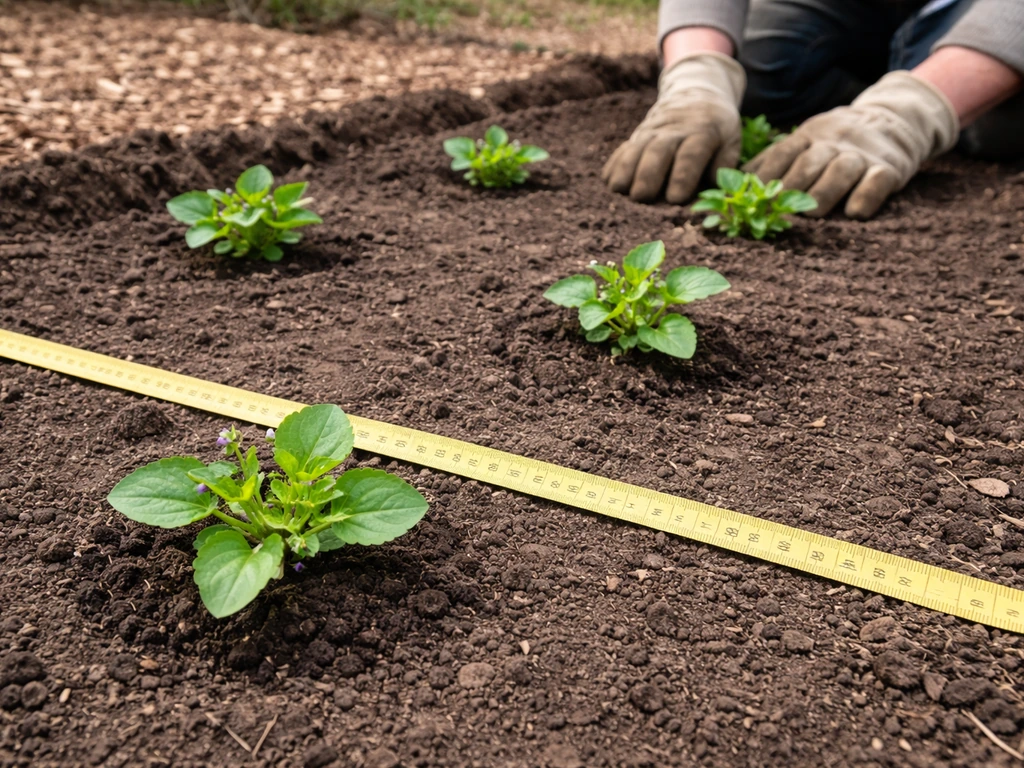
Give sweet violets about 6-12 inches between plants when you first install them, but expect them to fill in and spread via runners within a couple of seasons. Horned violets spread similarly and appreciate similar spacing. Pansies and violas can go as close as 6-8 inches for a full, lush look in beds. If you're planting in a mass, closer spacing looks better faster. If you're planting under trees or along a path, let sweet violets have more room and they'll reward you by naturalizing into a proper carpet.
Soil prep: get this right and everything else is easier
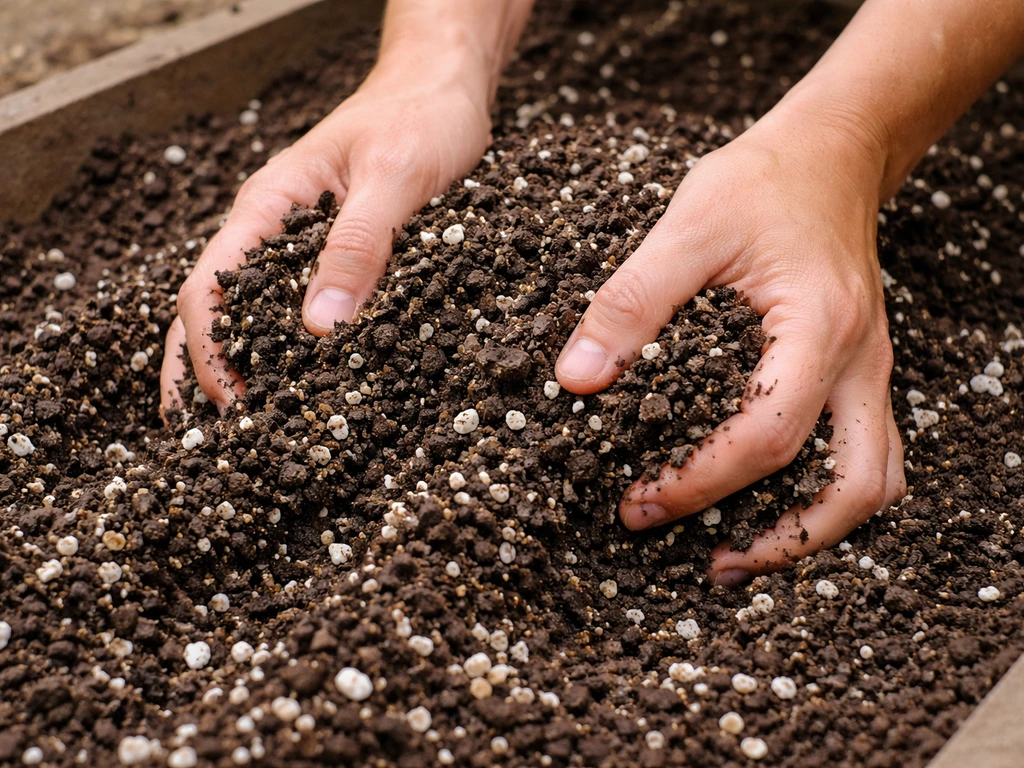
Violets are not fussy, but they have clear preferences. Getting the soil right before planting is the single biggest thing you can do to set yourself up for success, especially with sweet violets that you want to naturalize over time.
pH and texture
Violets prefer a slightly acidic to neutral soil pH in the range of 5.5-7.0. Most average garden soils fall in this range, so unless you're gardening on unusually alkaline or acidic ground, you probably don't need to adjust pH. If you're not sure, a cheap soil test kit (under $15 at any garden center) will tell you where you stand. For texture, violets want loose, well-draining soil that still holds some moisture. Heavy clay is a problem because it stays waterlogged and can cause root rot, especially for sweet violet. Pure sandy soil drains too fast and dries out between waterings. The sweet spot is loamy soil with good organic matter content.
Drainage and amendments
If your soil is heavy clay, work in 2-3 inches of compost and some perlite or coarse grit before planting. Do this by digging the bed down about 8-10 inches and mixing the amendments thoroughly rather than just laying compost on top. For sandy soil, a generous addition of compost (2-4 inches worked in) will improve moisture retention significantly.
Avoid peat moss as your primary amendment since it can make soil more acidic than violets prefer and it's not a sustainable resource. Well-aged compost, leaf mold, or aged bark fines are better choices. If you're planting sweet violet under trees where root competition is heavy, add extra compost and water more consistently in the first season to help the violets get established against the tree roots.
Planting depth and timing
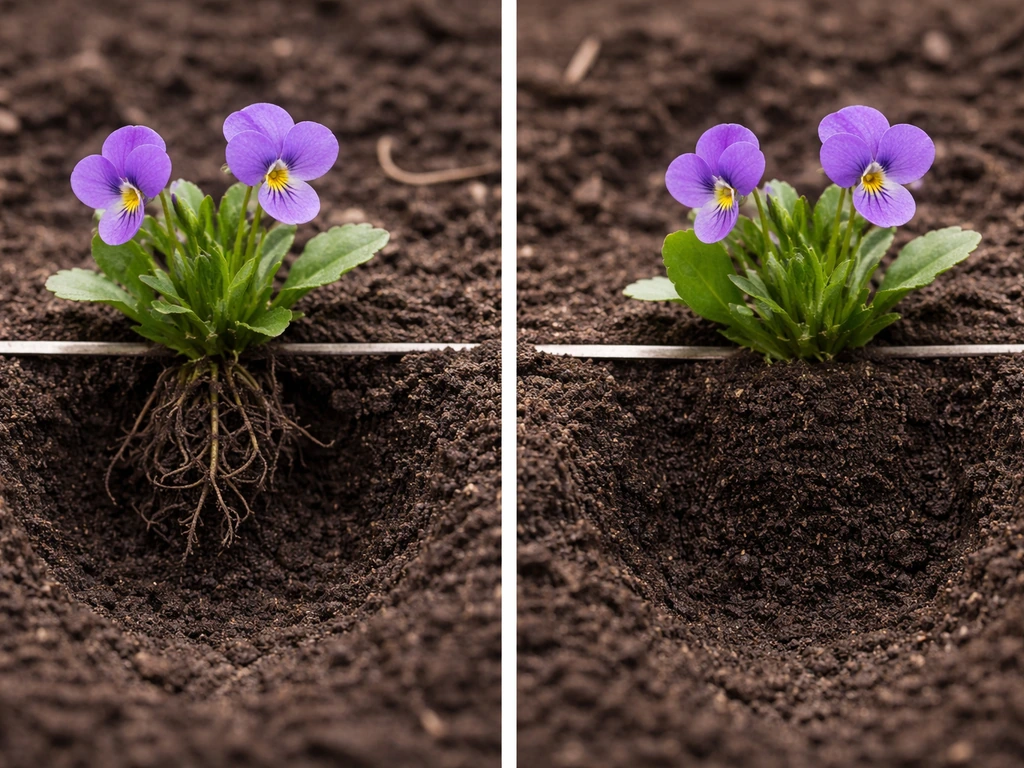
Plant violet transplants at the same depth they were growing in their nursery pot. Planting too deep is a common mistake and can cause crown rot. For seeds, barely cover them with a thin layer of fine soil or vermiculite since they need light to germinate. Timing-wise, plant sweet violets and horned violets in early spring or early fall. Pansies and violas go in as soon as the soil can be worked in spring, or in late summer (about 6-8 weeks before your first frost) for a fall display. If you want the best results, check the guidance on when to grow violas based on your local seasons and frost dates.
Watering and fertilizing
Watering
Sweet violets like consistently moist soil, so in their first season you should water whenever the top inch of soil feels dry. Once established, they're reasonably drought-tolerant but will look better and spread faster with regular moisture. A deep watering (enough to wet the soil 4-6 inches down) every 5-7 days in dry weather is a good baseline. Pansies and violas need about 1 inch of water per week, whether from rain or irrigation. Water at the base of the plant rather than overhead to reduce the risk of fungal problems. In hot weather, pansies will wilt and look stressed regardless of watering, which is usually a sign they're hitting their temperature ceiling rather than a watering problem.
Fertilizing
Violets are light feeders. Over-fertilizing, especially with high-nitrogen products, pushes lush foliage at the expense of flowers. For sweet violets and horned violets, a single application of a balanced, slow-release granular fertilizer (something like a 10-10-10 or similar) worked into the soil at planting is usually all they need for the season. Top-dress with compost each spring instead of reaching for synthetic fertilizer. For pansies and violas, a balanced water-soluble fertilizer every 2-3 weeks during active growth keeps them blooming well. Miracle-Gro works fine here but don't expect it to fix a plant that's struggling due to poor soil, wrong location, or pest damage. Fertilizer is a supplement to good conditions, not a substitute for them.
Ongoing seasonal care
Deadheading and tidying
For pansies and violas, deadhead spent flowers regularly to keep the plants producing new blooms. It takes about 30 seconds per plant and makes a noticeable difference in bloom quantity. Pinch or snip just below the spent flower. For sweet violets, deadheading prevents excessive self-seeding if you don't want the plant to spread aggressively. If you do want it to naturalize, let some flowers go to seed. The cleistogamous flowers (the small, closed ones that appear after the main flush) are the main seed producers anyway, so removing visible spent blooms still allows some natural spread.
Weed control
Weeds are the main competition threat, especially in the first season before your violets have filled in. A 2-inch layer of fine mulch (shredded leaves or fine bark) around transplants keeps weeds suppressed and retains moisture. Once sweet violets or horned violets have naturalized into a dense mat, they do a decent job of suppressing weeds themselves. Avoid thick mulch directly against the plant crowns. Hand-pull weeds rather than using hoes close to violet roots, which are shallow and easy to disturb.
Seasonal adjustments
In spring, clean up any winter-damaged foliage from perennial violets and top-dress with compost. This is also the time to divide overcrowded clumps if needed. In summer, sweet violets will go semi-dormant in heat. Don't panic and don't overwater trying to revive them. They'll come back in fall. Pansies planted in spring will typically decline in midsummer heat. You can pull them and replant with warm-season annuals, then come back with violas in late summer. In fall, plant pansies and violas for a second flush of color before frost. Mulch perennial violets after the ground freezes to protect the crowns through winter.
Propagating and expanding your violet patch
Growing from seed
Sweet violet seed needs cold stratification to germinate well. The easiest method is direct sowing outdoors in fall, letting winter provide the cold period naturally. Alternatively, mix seeds with moist vermiculite in a sealed bag and refrigerate for 4-6 weeks before sowing indoors under lights in late winter. Surface-sow in seed trays and keep at around 65-70°F. Germination is slow and uneven, so be patient. Pansy and viola seeds are simpler: start indoors 10-12 weeks before your desired transplant date, barely covering seeds with soil, at soil temperatures around 65-70°F. They germinate in 10-21 days.
Division
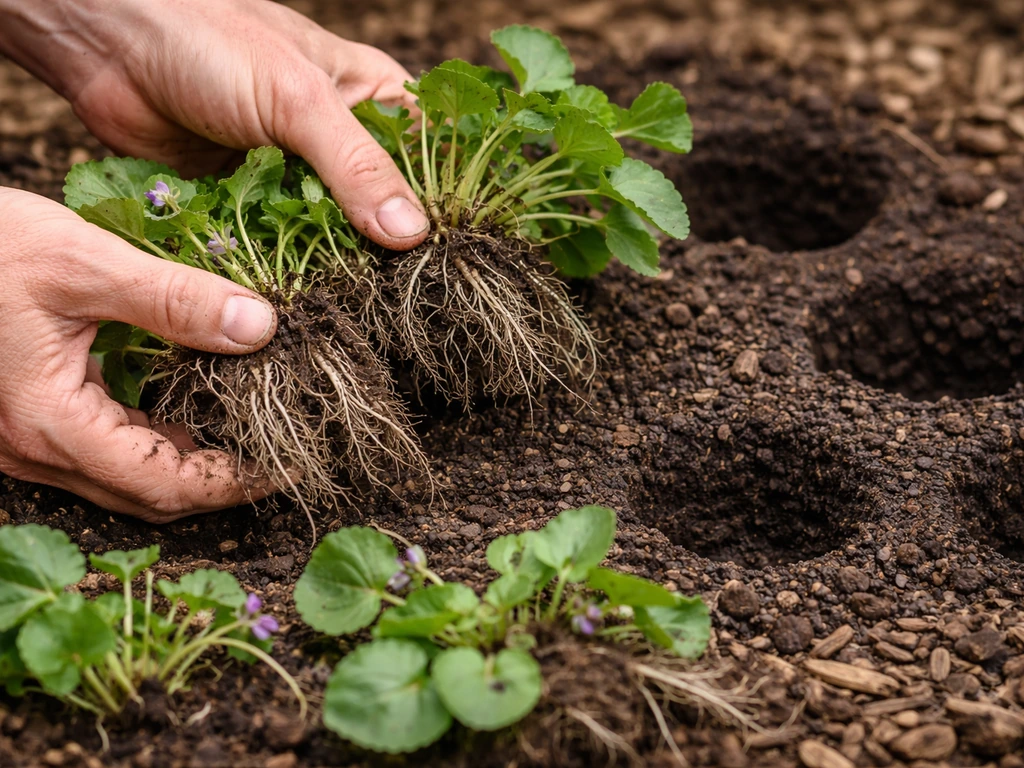
Division is the easiest and fastest way to get more plants from established sweet violets and horned violets. In early spring or early fall, use a garden fork to lift a clump, split it into sections (each with roots and several crowns attached), and replant immediately. Water well and keep the divisions consistently moist for 2-3 weeks while they settle in. Divisions establish faster than seedlings and usually bloom the same season or the following one.
Stem cuttings and runners
Sweet violets spread naturally via stolons (above-ground runners) that root where they touch soil. You can encourage this by gently pinning runners to the ground with a small stone or wire pin. Once rooted, sever from the parent plant and transplant.
Stem cuttings work less reliably for most yard violets compared to division, but if you want to try, take 2-3 inch cuttings in spring, remove lower leaves, dip in rooting hormone, and stick in a moist perlite/compost mix under cover. For a deeper look at leaf-based propagation techniques, that method deserves its own full treatment.
If you want to try that approach, learn how to grow violets from leaves and keep the new starts warm and consistently moist leaf-based propagation techniques.
What's going wrong: common problems and how to fix them
| Problem | Likely Cause | What To Do |
|---|---|---|
| No flowers or very few blooms | Too much shade, too much nitrogen fertilizer, or wrong season for pansies | Move pansies/violas to sunnier spot; switch to a lower-nitrogen, bloom-boosting fertilizer; check timing for cool-season types |
| Leggy, floppy stems | Too little light or too warm for pansies | Move to brighter location; pinch back stems to encourage bushier growth; accept summer decline in pansies as normal |
| Crown or root rot | Overwatering or poorly draining soil | Improve drainage immediately; let soil dry slightly between waterings; do not replant in same spot without amending soil |
| Powdery mildew (white coating on leaves) | Poor air circulation, warm days, cool nights | Thin crowded plantings; apply neem oil or a baking soda spray; avoid overhead watering |
| Aphids (clusters of soft insects on stems/buds) | Common in spring flushes of new growth | Blast off with a strong water stream; apply insecticidal soap; ladybugs naturally control aphid populations |
| Slugs and snails (ragged holes in leaves) | Moist, shaded conditions | Handpick at night; use iron phosphate bait (safe around pets and wildlife); reduce thick mulch directly under foliage |
| Wilting despite adequate water | Heat stress in summer, especially pansies | Normal for pansies above 75°F; provide afternoon shade or accept summer dormancy; do not over-compensate with water |
| Yellowing leaves | Nutrient deficiency, overwatering, or compacted soil | Test soil; ease off watering; aerate around plants; top-dress with compost |
Most violet problems trace back to two things: wrong location (too much sun for sweet violets, or not enough sun for pansies) and soil that either holds too much water or not enough organic matter. Get those two fundamentals right and you'll rarely need to troubleshoot anything else.
If you're growing violets outdoors in containers or in a different climate context, some of these challenges shift, but the core principles of good drainage, appropriate light, and restrained fertilizing stay the same across the board. If you want more reliable results, follow a step-by-step outdoor guide tailored to violets and your local conditions growing violets outdoors in containers.
If you are wondering how do you grow violets in your particular conditions, focus on matching the right light and soil for the type you chose growing violets outdoors.
FAQ
Can I grow violets in full shade all season, especially sweet violets?
Sweet violets tolerate and often prefer partial shade, but if your spot is very dark and stays cool and wet, airflow can be poor. Aim for bright shade, where the plants still get some filtered light, and avoid letting water pool by improving drainage and spacing for circulation.
What should I do if my sweet violets go dormant in summer but look unhealthy before fall?
Semi-dormancy is normal, but if crowns look mushy or plants collapse, it usually means excess moisture or heavy clay. Reduce watering slightly, check that the bed drains well, and add compost plus grit/perlite to lighten the soil around (not against) the crowns.
How do I tell whether my violets need more sun or they need different watering?
For sweet violets, scorched leaf edges and early dormancy usually point to too much sun, not watering. For pansies and violas, wilting during hot afternoons is often temperature stress. If the soil is wet but plants still decline, test drainage by watering once and watching how quickly water disappears.
Is it okay to plant violets under trees if roots are dense?
Yes, but it will take extra establishment support. Increase compost at planting, water more consistently during the first season, and keep mulch fine and away from the crown so violet roots are not smothered or competing with overly dry tree roots.
Should I use mulch with violets, and how thick is too thick?
Mulch helps most in the first season, use about a 2-inch layer of fine mulch around transplants. Avoid piling mulch directly against crowns, because that area can trap moisture and increase risk of crown rot, especially in cool, wet weather.
Why are my violets not spreading even though I planted sweet or horned violets?
Violets spread fastest when they have runner contact with suitable soil and consistent moisture while they establish. Check that they are planted shallow enough, not buried too deep, and that the soil has enough organic matter and not too much clay so stolons can root where they touch.
Do violet seeds need light to germinate, and how can I avoid burying them too deep?
Yes, violet seeds need light, so keep them just barely covered. Use a thin sifted layer of fine soil or vermiculite, water gently to avoid washing seeds down, and keep the seed surface evenly moist until germination begins.
When is the best time to divide overcrowded sweet or horned violets?
Division works in early spring or early fall. Choose a cool period when you can keep new divisions evenly moist for 2 to 3 weeks, because hot weather and drying out slow root establishment.
My pansies/violas keep blooming but the leaves look pale. Is fertilizer the answer?
Not always. First confirm you have the right light for your conditions (full sun in cool weather, afternoon shade in heat) and that soil drains well. If growth is active and not scorched, switch to a balanced water-soluble fertilizer at the interval you can maintain, otherwise top-dressing with compost and correcting light is often more effective than increasing nitrogen.
How should I water violets in containers versus in-ground beds?
Container soil dries faster, so monitor the top inch frequently. Water at the base and aim to wet the root zone thoroughly, but do not let pots sit in saucers of water. Good drainage holes and a loamy, organic mix are the biggest differences from in-ground planting.
What pest or disease issue is most likely if my violet flowers suddenly rot or turn dark?
Dark or rotting flowers often develop when foliage stays wet and airflow is limited. Water at the base, reduce overhead watering, and remove heavily damaged plant parts so moisture does not remain trapped in dense growth.