
Violets are genuinely easy to grow once you match the right type to the right spot. Give them partial shade, decent drainage, and consistently moist soil, and they'll reward you with spring blooms and spread happily on their own. To get the best results, follow these steps on light, soil, watering, and ongoing care for your violets in your specific yard conditions how to grow violets in your yard. You can also propagate violets from leaf cuttings, which can be a useful option if you want more plants without buying new starts grow violets from leaves. The two types most home gardeners deal with are sweet violet (Viola odorata) and wild violet (Viola sororia), and while they're closely related, they have slightly different preferences worth knowing before you plant.
How Do You Grow Violets: Wild and Sweet Violet Care

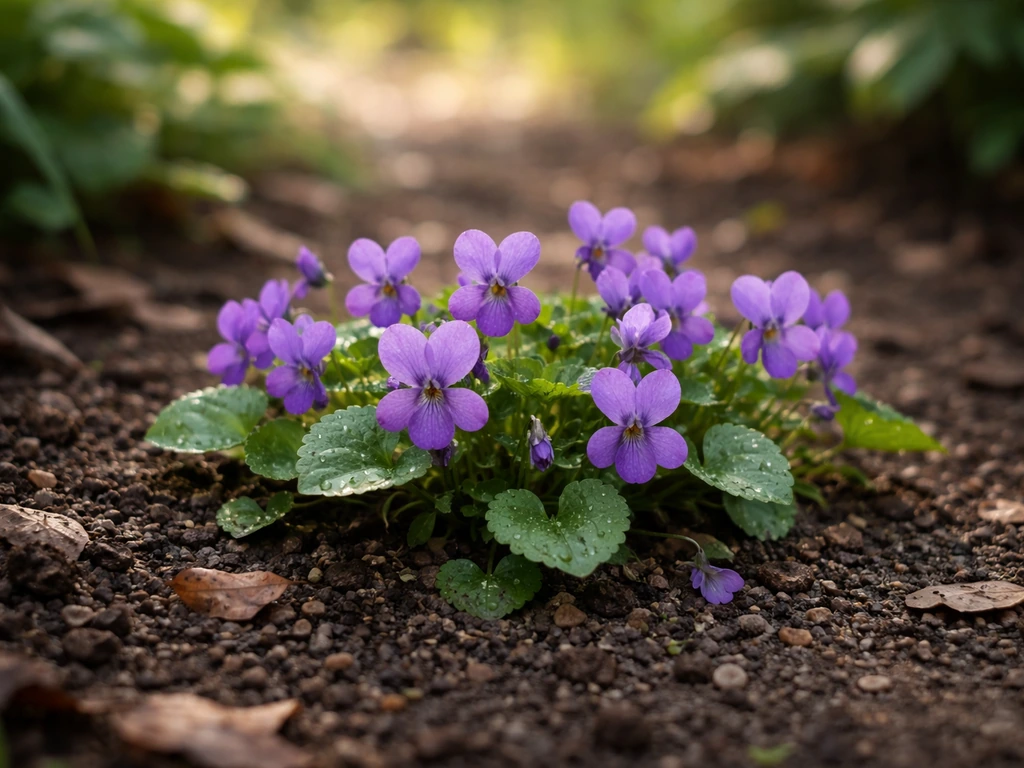
Choosing your violet type and where to get them
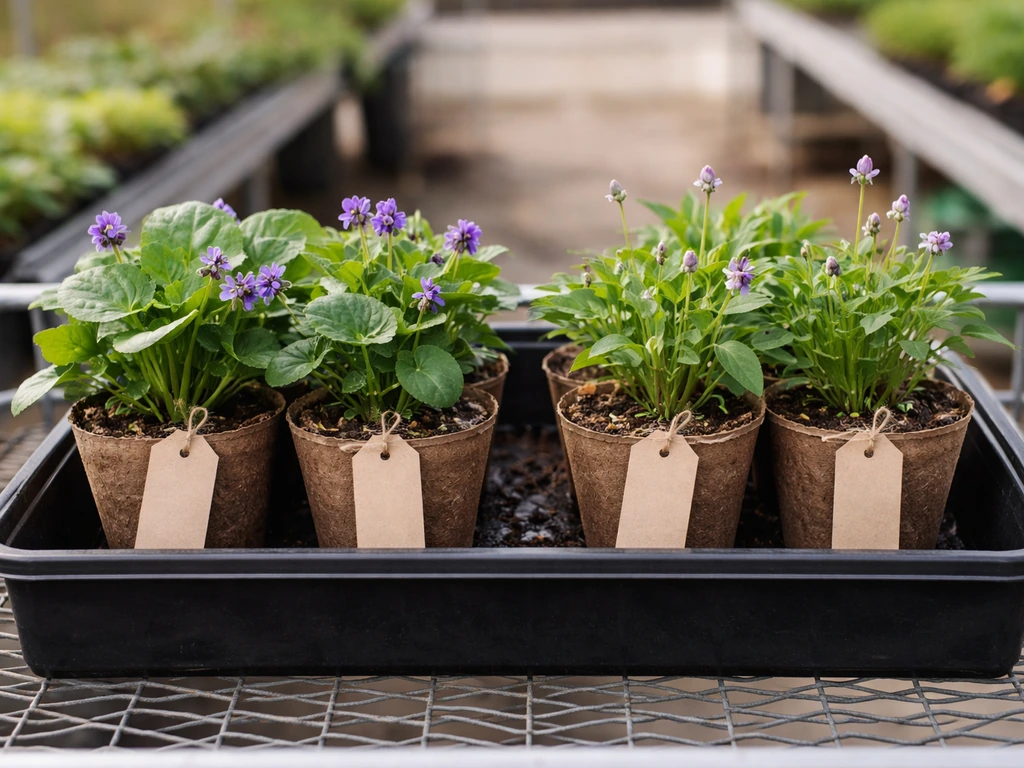
Before you dig a single hole, decide which violet you're actually growing. Sweet violet (Viola odorata) is the classic cottage-garden perennial with fragrant purple or white flowers, typically grown from starts or seeds for a more intentional planting. Wild violet (Viola sororia, often called common blue violet) is the native North American species you see naturalizing in lawns and woodland edges. It's tougher, spreads more aggressively by both seed and underground rhizomes, and asks for almost nothing once established.
For sweet violets, nursery transplants or mail-order starts give you the fastest results. You can also grow them from seed, which takes more patience but costs less. For wild violets, the easiest route is dividing rhizomes from an existing patch, or simply letting a few self-seeded plants establish and work from there. If you want a specific flower color or fragrance, start with named cultivars from a reputable nursery rather than collecting random seed.
One thing worth knowing upfront: wild violet spreads vigorously, both by seed and rhizome. If you're planting it in a formal border, plan for containment from the start, whether that means edging, containers, or a dedicated naturalized area. Sweet violet spreads too, but it's more manageable and responds well to occasional thinning.
Finding the best spot: light, soil, and drainage
Light requirements
Both species prefer partial shade, but there's nuance here that matters. Sweet violet genuinely dislikes full sun, especially in warmer climates where afternoon sun will stress it. Dappled shade under deciduous trees, or a spot that gets morning sun and afternoon shade, is ideal. Wild violet (Viola sororia) is a bit more flexible. It grows fine in light, filtered shade and tolerates full sun, but only if the soil stays consistently moist. In drier full-sun spots, wild violet will survive but won't flower as prolifically.
Soil type and drainage
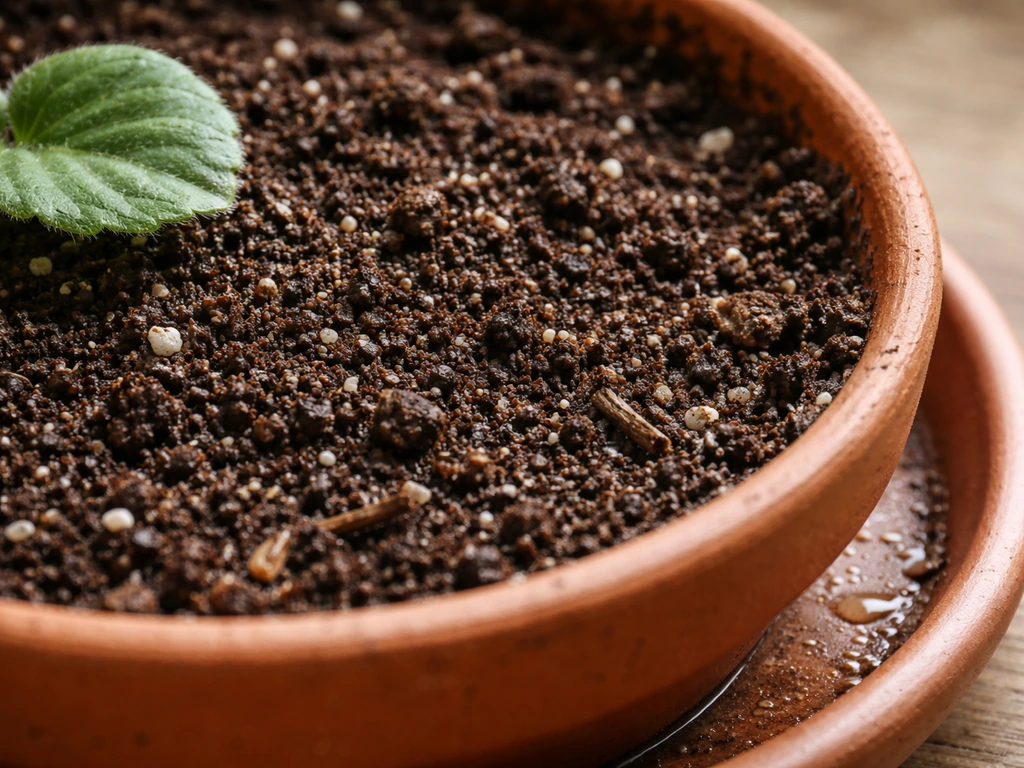
Neither type likes sitting in waterlogged soil for extended periods. What you're aiming for is average to moist, well-drained soil, the kind that holds moisture without becoming soggy. If your soil is heavy clay, work in compost or aged leaf mold to improve drainage and aeration before planting. If it's sandy and drains too fast, the same amendment (compost) helps retain moisture. Adding organic matter is almost always the right answer for violets. Just avoid going overboard with fertilizer at planting time, as high nutrient levels can actually encourage root rots.
Violets aren't fussy about pH, but they do best in slightly acidic to neutral soil, roughly pH 6.0 to 7.0. Most garden beds without significant lime amendments will fall naturally in this range. If you're planting under conifers where the soil tends to be more acidic, that's fine for wild violet in particular.
When and how to plant: seeds, starts, and transplants
Timing
Transplants and nursery starts go in the ground after your last spring frost. For most of the continental US, that's somewhere between late March and mid-May depending on your zone. Violets are cool-season plants, so earlier is better as long as hard freezes are behind you. Knowing the right time to plant helps you choose the best when to grow violas for your local conditions cool-season plants, so earlier is better. You can also plant in early fall, giving roots time to establish before winter dormancy.
For seeds, you have two windows. Direct-sow outdoors after frost risk has passed, planting seeds about 1/8 inch deep and keeping the seedbed consistently moist. Alternatively, sow in late summer or fall for germination the following spring. Violet seeds benefit from a cold stratification period, so fall sowing takes advantage of natural winter temperatures. If you're starting indoors, keep seed trays in darkness during germination since viola seeds prefer the dark to sprout.
Spacing and planting method

Space transplants about 6 to 8 inches apart (15 to 20 cm). This feels close, but violets are low-growing plants and the spacing allows them to fill in without immediately competing. Dig a hole just deep enough to match the root ball, set the plant in so the crown sits at soil level (not buried), firm the soil around the roots, and water in well. For rhizome divisions, plant the rhizome horizontally just below the soil surface and water thoroughly.
Watering: getting establishment right
The most critical watering period is the first few weeks after planting. Newly set transplants and freshly sown seed need consistently moist soil, not wet, but never dried out. Drought stress during establishment is one of the most common reasons violets fail to take, so check soil moisture every couple of days and water before it dries out completely.
Once established, shift to a deep-water approach: let the top inch of soil dry out slightly between waterings, then water thoroughly. In practical terms, this often means watering once or twice a week in warm weather, less in cool spring and fall when evaporation is slower. Avoid overhead watering when you can, as wet foliage encourages leaf spot and mildew. Aim at the base of the plant instead.
In containers, violets dry out faster than in-ground plants, so check soil moisture daily in warm weather. Pots should have drainage holes, and the soil should never sit in standing water in a saucer.
Ongoing care through the seasons
Fertilizing (and when not to)
Violets are not heavy feeders. If you've amended your soil with compost at planting, you may not need to fertilize at all in the first season. For established plants, a balanced liquid fertilizer applied every two to four weeks during active growth and bloom is plenty. Go with a diluted or low-rate slow-release fertilizer rather than heavy applications. Over-fertilizing, especially with high-nitrogen products, pushes leafy growth at the expense of flowers and, more seriously, can increase susceptibility to root rot.
Mulching
A 1 to 2 inch layer of mulch around your violets does several useful things: it retains soil moisture, moderates soil temperature, and suppresses competing weeds. Use shredded leaves, bark mulch, or compost. Keep mulch pulled back slightly from the crown of the plant to avoid rot. In fall, a light mulch layer helps insulate roots over winter, especially in colder zones.
Dividing and managing spread
Both wild and sweet violets benefit from division every two to three years. Crowded clumps tend to flower less, and dividing them in early spring or early fall rejuvenates the plant and gives you new starts to spread around or share. For wild violet, division of rhizomes is also your main propagation method. Wild violet (Viola spp.) reproduces via seed and short rhizomes, and it is a perennial. Dig up a clump, separate the rhizomes with a clean knife or by hand, and replant pieces with at least a few leaves attached. Sweet violets can also be propagated from cuttings, which is worth trying if you have a favorite fragrant cultivar you want to multiply.
Seasonal maintenance checklist
- Spring: Divide overcrowded clumps, apply compost top-dressing, begin regular watering as new growth emerges.
- During bloom (typically March to May): Deadhead spent flowers on sweet violet to extend the bloom period; wild violet self-cleans well.
- Summer: Reduce fertilizer once bloom slows, maintain consistent moisture, watch for pest pressure as heat builds.
- Fall: Cut back dead foliage after frost, apply a light mulch layer, plant new transplants or sow seed for spring germination.
- Winter: Established in-ground violets are dormant and need no care in most zones; container plants may need protection in zones below 5.
Troubleshooting what's going wrong
Here's the honest rundown on what typically fails and why. Most violet problems trace back to one of four causes: wrong light, poor drainage, pest pressure, or disease encouraged by wet foliage.
| Problem | Likely Cause | Fix |
|---|---|---|
| No flowers or sparse bloom | Too much shade, overcrowding, or over-fertilizing with nitrogen | Move to brighter partial shade, divide clumps, switch to a bloom-boosting low-N fertilizer |
| Wilting despite watering | Root rot from waterlogged soil or damaged roots | Improve drainage, reduce watering frequency, check for mushy roots and remove affected material |
| Yellow leaves | Overwatering, nutrient deficiency, or natural summer dormancy | Let soil dry slightly between waterings; apply diluted balanced fertilizer if new growth is also pale |
| Powdery white coating on leaves | Powdery mildew, often from overcrowding and poor air circulation | Thin plants to improve airflow, avoid overhead watering, treat with a diluted neem oil spray if needed |
| Sticky residue or distorted new growth | Aphid infestation (violet aphids are common) | Spray with insecticidal soap or horticultural oil; check undersides of leaves and growing tips |
| Irregular holes in leaves, slime trails | Slug damage | Set slug traps, remove daytime hiding spots like dense mulch near crowns, use iron phosphate bait |
| Plants dying after transplant | Drought stress during establishment or planting too deep | Water daily for the first two weeks, make sure crown is at soil level, not buried |
Powdery mildew is especially worth catching early. You'll notice a white, powdery coating on the upper surface of leaves, often starting on older growth. It rarely kills violets outright but weakens them and looks bad. The fix is mostly cultural: space plants so air moves through the patch, water at the base rather than overhead, and thin out any really crowded areas. If you're seeing it recur every year in the same spot, that's a sign the site is too humid or too enclosed.
Wild violet vs. sweet violet: the key differences in care
If you're deciding between these two or already growing one and wondering why the other behaves differently, here's where their care actually diverges.
| Trait | Wild Violet (Viola sororia) | Sweet Violet (Viola odorata) |
|---|---|---|
| Sun tolerance | Full sun to partial shade; tolerates full sun in moist soil | Partial to dappled shade; dislikes full sun |
| Spread habit | Aggressive; spreads by rhizome and seed, including self-fertilizing cleistogamous flowers | Moderate; spreads by stolons and seed, more manageable |
| Fragrance | Little to none | Strongly fragrant, especially in cool weather |
| Best use | Naturalized areas, woodland edges, lawn alternatives | Cottage gardens, borders, containers, cut flowers |
| Propagation | Division of rhizomes, self-seeding | Seed, starts, cuttings, division |
| Fertilizer needs | Minimal; native to lean soils | Light feeding during bloom; compost amendment at planting |
| Containment needed? | Yes, especially in formal beds | Generally no, but division every 2-3 years helps |
The practical takeaway: if you want low-maintenance ground cover for a shady or semi-shady area and don't mind vigorous spreading, wild violet is your plant. If you want fragrance, specific flower colors, and a more controlled plant for a garden bed, grow sweet violet. Wild violet's underground rhizomes and cleistogamous (self-fertilizing, petal-less) flowers mean it can spread in ways you won't immediately notice, so plan accordingly. Common blue violet (Viola sororia) produces showy flowers and also small self-fertilizing cleistogamous flowers that do not open during summer self-fertilizing cleistogamous flowers that never open during summer.
For sweet violet specifically, the dappled shade preference is real and worth taking seriously. I've seen sweet violets planted in full afternoon sun look miserable by July even with regular watering. They survive, but they don't thrive. Under a deciduous tree or along the north-facing side of a fence is where they do their best work.
If you want to go deeper on specific growing scenarios, the care for African violets (Saintpaulia species) is a completely different indoor-growing world, while growing violets outdoors in your yard versus in containers also has some distinct considerations worth exploring depending on your setup. If you mean the indoor plant African violets, the steps for how to grow them are different, especially for light, watering, and potting mix how grow african violets.
FAQ
Can violets handle full sun, or do they need shade?
For sweet violets, aim for morning sun with afternoon shade (or dappled shade), and avoid hot full afternoon sun, especially in warmer climates. Wild violets can take more sun if the soil stays consistently moist, but in dry sun they will thin out and flower less even if they survive.
What should I do if my violets are drying out in summer?
Yes, but do not bake them. Keep soil consistently moist during establishment, then switch to deep watering after the top inch dries slightly. Use mulch to slow evaporation, and consider partial shade or morning-sun-only placements in very hot areas.
How do you keep wild violets from taking over your yard?
Common blue (wild) violet often spreads underground, so pulling seedlings alone will not stop it. Use a physical barrier (edging at least 6 to 8 inches deep), keep it in containers, or confine it to a designated naturalized area if you want predictable boundaries.
How deep should you plant violet starts or divisions?
If the crown is buried, violets can rot or stall. Plant so the crown sits at the soil surface, then firm the soil and water in thoroughly to remove air pockets around the roots.
How can I tell whether I’m growing sweet violet or wild violet?
They are commonly sold as Viola odorata (sweet violet) and Viola sororia (wild violet), and the care changes mainly around light tolerance and spread rate. Before planting, confirm the species or cultivar name and check whether the plant is intended to naturalize or stay contained.
My violets get powdery mildew every year, what else can I try?
Start by adjusting watering and spacing. Water at the base, improve airflow by thinning crowded patches, and remove or prune heavily mildewed leaves early. If mildew keeps returning in the same humid spot, increase shade ventilation or relocate to a less enclosed area.
Why are my violets growing lots of leaves but not flowering?
Over-fertilizing is a frequent culprit, especially high-nitrogen products. Reduce feeding or skip it in the first season if compost was added, then use a diluted balanced fertilizer only during active growth and bloom.
What causes root rot or dying violets even when I water them regularly?
Watch for waterlogged conditions during cool seasons and after rain. Ensure beds drain well, avoid overhead watering, and if the soil is heavy clay add compost or leaf mold to improve aeration before planting.
Can you grow violets in containers, and how is container care different?
Yes. Container violets need faster, more frequent checks, often daily in warm weather, but the pot must drain freely. Never let the pot sit in a saucer of water, and consider a potting mix with good structure plus added compost for moisture retention.
When is the best time to divide violets in my region?
In general, violets respond well to division every two to three years, but the timing can depend on weather. Early spring division works in most regions, and early fall division can also succeed if the plants establish roots before hard winter conditions.
How do you prevent violets from re-seeding all over your garden?
Because violets start spreading by seed and rhizomes, hand-weeding alone is not enough. For seed control, remove flower heads before seed sets, and for wild violets manage underground spread with barriers or containment.
My violet seeds won’t germinate, what are the most common reasons?
If you get poor germination indoors, first ensure you did cold stratification for seeds (using fall sowing as the natural method). Also keep seed trays dark during germination, and maintain consistently moist (not soggy) media until sprouts appear.