
Red hibiscus will bloom reliably all season if you match the care routine to the type you're growing. The two you're most likely dealing with are tropical hibiscus (Hibiscus rosa-sinensis) and hardy hibiscus (Hibiscus moscheutos or related species). Tropical types need warmth, full sun, and consistent moisture with excellent drainage. Hardy types are surprisingly cold-tolerant (down to USDA Zone 4 or 5 depending on variety), die back to the ground each winter, and come back bigger every spring. Get that distinction right first, and the rest of the care falls into place. If you want step-by-step help, our guide on how to grow hardy hibiscus walks through timing, soil, and care basics for reliable blooms.
How to Grow Red Hibiscus: Step-by-Step Care Guide
Marcus Holloway
7 Jun 2026
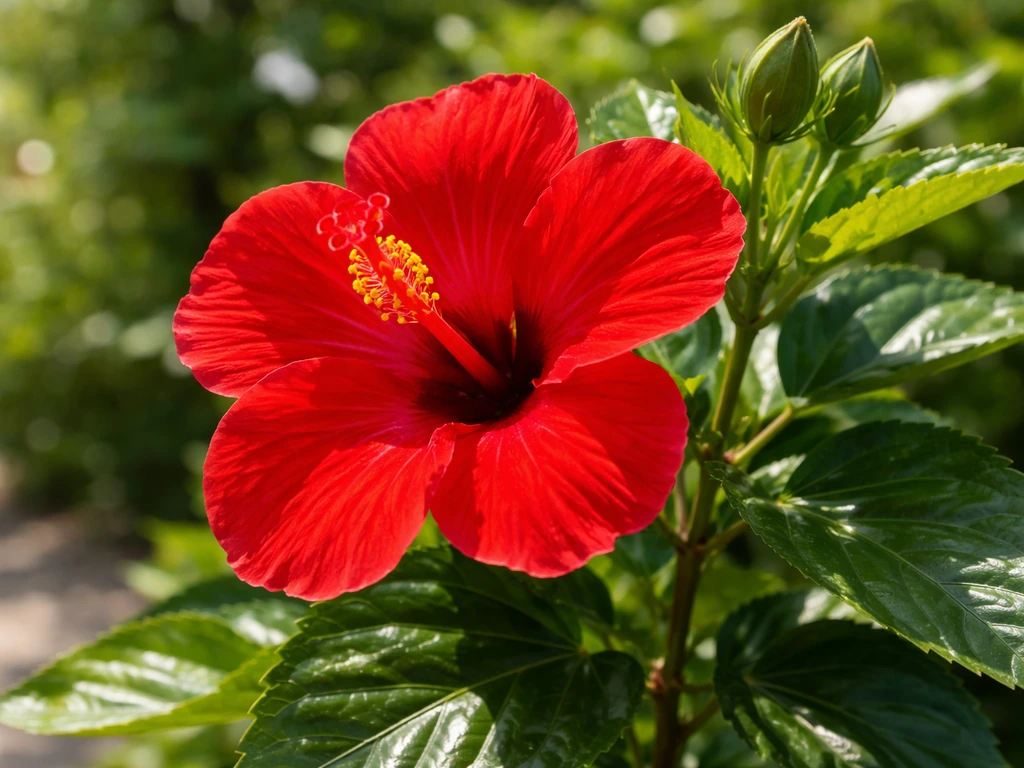
Which red hibiscus do you actually have?
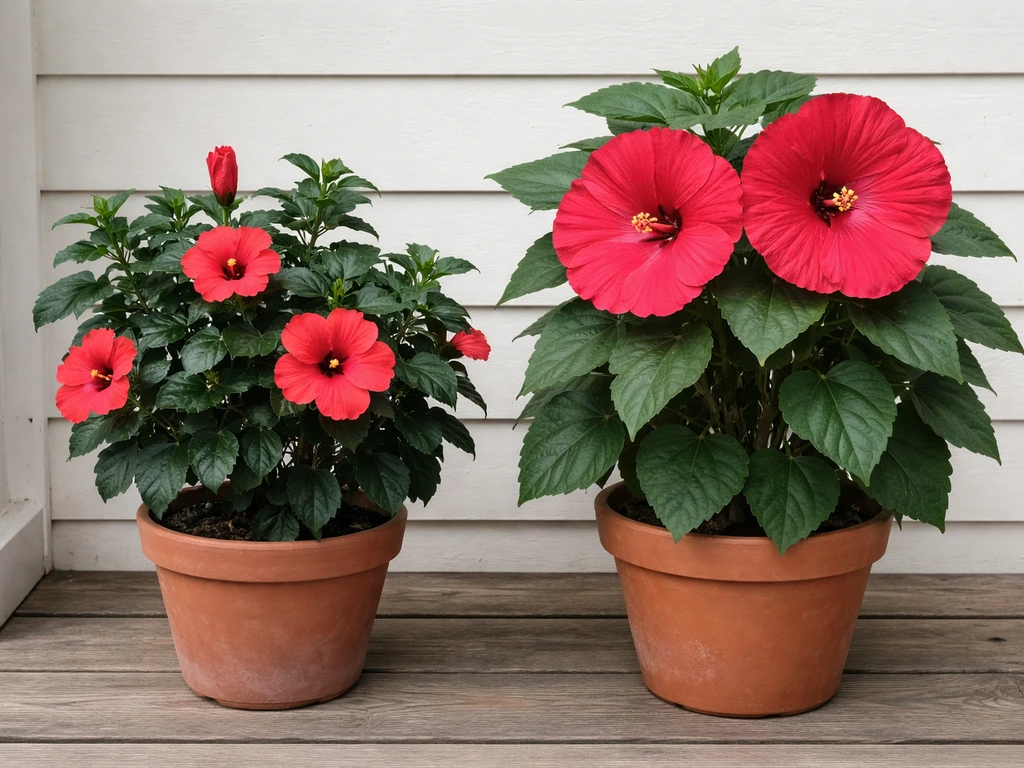
This matters more than people realize. 'Red hibiscus' is a description, not a species, and the care for tropical versus hardy types is different enough that following the wrong advice will get you dead plants or zero flowers. Here's a quick way to figure out what you're working with.
| Feature | Tropical Hibiscus (H. rosa-sinensis) | Hardy Hibiscus (H. moscheutos) | Rose of Sharon (H. syriacus) |
|---|---|---|---|
| Cold hardiness | USDA Zones 9–11 outdoors year-round | USDA Zones 4–9 | USDA Zones 5–9 |
| Leaf size/texture | Smaller, glossy, dark green | Very large, slightly fuzzy | Smaller, lobed, matte green |
| Flower size | 3–6 inches, multiple colors | 8–12 inches, dinner-plate blooms | 2–4 inches, often purple/white but red varieties exist |
| Bloom timing | Spring through fall (nearly continuous) | Mid-to-late summer | Late summer into fall |
| Winter behavior | Evergreen where frost-free; dies if frozen | Dies to ground, returns from roots | Deciduous shrub, returns each year |
| Typical height | 2–8 ft (pruned), up to 15 ft unpruned | 3–7 ft | 8–12 ft |
If you bought a red hibiscus at a garden center in a 1-gallon pot with glossy leaves and smaller flowers, it's almost certainly tropical. If you have a massive plant with enormous plate-sized blooms that disappears in fall and comes back from a crown in spring, that's hardy hibiscus. Rose of Sharon is more of a landscape shrub and less commonly sold as 'red,' but it does exist in red-adjacent shades. Most of this guide focuses on tropical and hardy hibiscus since those are what most people mean by red hibiscus.
Planting timing, location, and soil setup
When to plant
For tropical hibiscus, plant outdoors after your last frost date when nighttime temps are consistently above 50°F. In most of the US, that means mid-May through early June. In Zone 9 and above, you can plant almost any time. For hardy hibiscus, plant in spring after frost danger passes or in early fall at least 6 weeks before your first frost so roots establish before cold sets in. Hardy hibiscus is slow to wake up in spring, sometimes not showing new growth until late May or even June, so don't panic if the ground looks bare while your neighbors' gardens are exploding.
Choosing the right spot
Both types want a spot with as much sun as possible, ideally 6 to 8 hours of direct sun per day. Tropical hibiscus will tolerate light shade but will noticeably slow its bloom production. Hardy hibiscus is the same: less sun equals fewer flowers, full stop. Avoid low spots where water pools after rain, especially for tropical varieties, since soggy roots are one of the fastest ways to kill them. If your garden has heavy clay, raised beds or amended planting holes will save you a lot of frustration.
Soil preparation
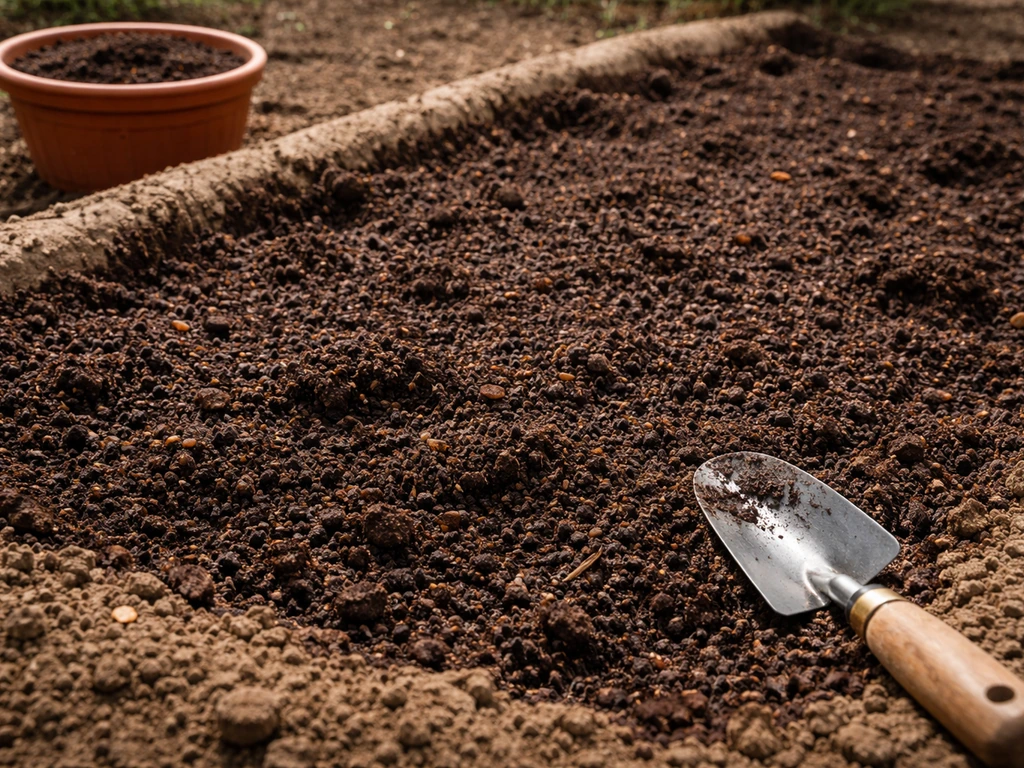
Both types prefer rich, well-draining soil with a slightly acidic to neutral pH between 6. 0 and 7. 0. Before planting, work in 2 to 3 inches of compost to improve drainage in clay soils or water retention in sandy ones.
To get the most reliable growth, focus on how to grow hibiscus in soil by improving drainage and tailoring the soil texture to your conditions work in 2 to 3 inches of compost. For in-ground planting, dig a hole twice as wide as the root ball and the same depth.
Backfill with the native soil mixed with compost rather than replacing it entirely with potting mix, which can actually create a drainage barrier between your amended hole and the surrounding soil. Hardy hibiscus tolerates slightly wetter conditions than tropical and can even handle rain garden situations with periodic standing water.
Sunlight and watering: getting both right
Full sun is non-negotiable for serious blooming. Tropical hibiscus grown in containers is notorious for bud drop when moved suddenly from a bright patio into lower-light conditions indoors, which is a real problem for gardeners in colder zones transitioning plants inside in fall. The RHS has documented this clearly: low indoor light in winter triggers yellowing leaves and flower bud drop in H. rosa-sinensis. If you're bringing tropical hibiscus inside for winter, place it directly in your sunniest south- or west-facing window or supplement with a grow light.
Watering schedule that avoids the two big mistakes
The two most common hibiscus watering mistakes are overwatering in cool weather and underwatering during summer heat. Tropical hibiscus likes consistently moist soil during the growing season, but 'moist' doesn't mean 'wet.' Stick your finger an inch into the soil: if it feels dry at that depth, water thoroughly until it drains from the bottom. In summer heat, that might mean watering container plants daily. In spring and fall, every 2 to 3 days is usually enough. In winter indoors, back off significantly since cooler temps and lower light mean the plant uses much less water, and overwatering in low-light conditions is a classic way to cause root rot and the leaf yellowing that comes with it.
Hardy hibiscus in the ground is more forgiving but still benefits from about 1 inch of water per week during the growing season, either from rain or irrigation. Mulching around the base with 2 to 3 inches of shredded bark or wood chips keeps moisture in and dramatically reduces how often you need to water during dry spells.
Fertilizing for continuous red blooms
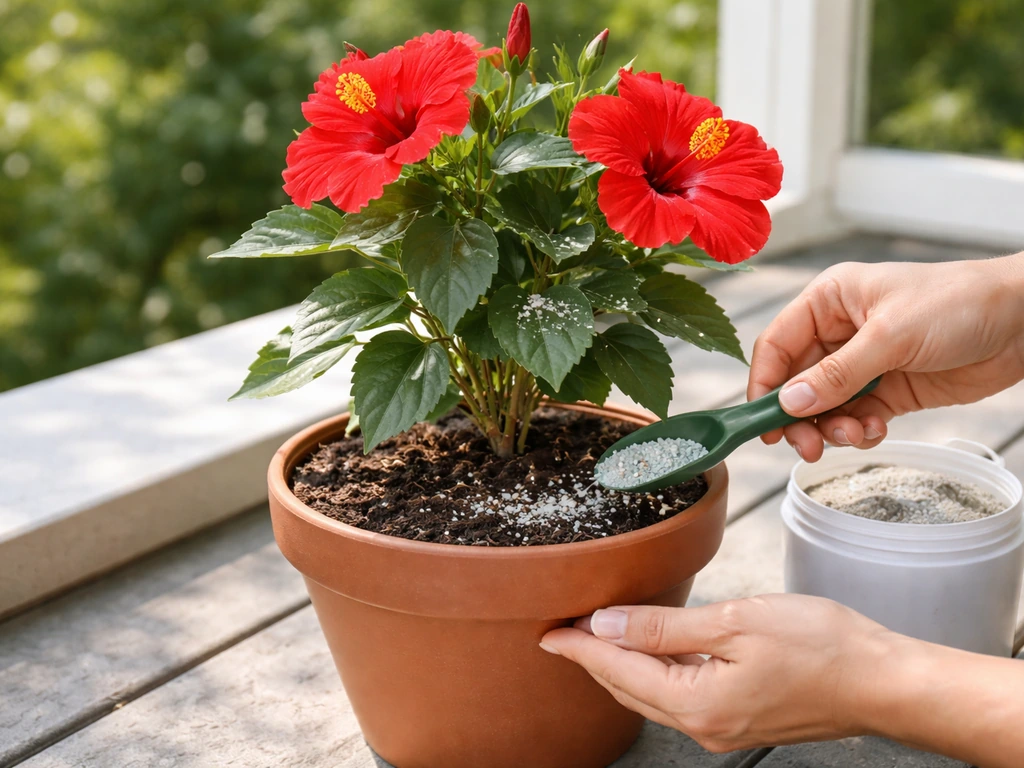
Hibiscus is a heavy feeder and will reward a consistent fertilizing schedule with noticeably more blooms. What you want is a fertilizer higher in potassium and phosphorus relative to nitrogen. High-nitrogen fertilizers push lush leafy growth at the expense of flowers, which is the opposite of what you want. I've seen gardeners dump granular lawn fertilizer on their hibiscus and then wonder why they have a gorgeous green bush with no flowers.
- Tropical hibiscus: use a balanced liquid fertilizer (10-10-10 or a dedicated hibiscus formula) every 2 weeks during the growing season from spring through early fall. Reduce to once a month or stop entirely in winter if the plant is dormant or semi-dormant indoors.
- Hardy hibiscus: apply a slow-release granular fertilizer (something like 5-10-10 or a rose/flowering shrub formula) in early spring when new growth appears, then supplement with liquid feed every 3 to 4 weeks through midsummer.
- Avoid fertilizing in late fall or when the plant is stressed from drought, transplant shock, or pest damage. Feeding a stressed plant doesn't fix the stress — it often makes things worse.
- Yellowing leaves with green veins (chlorosis) can signal iron deficiency, especially in alkaline soils. A chelated iron supplement or a soil acidifier can fix this quickly.
On Miracle-Gro: the standard all-purpose formula is fine in a pinch but it's higher in nitrogen (24-8-16) than what hibiscus ideally needs for blooming. Their Bloom Booster formula (15-30-15) is a better option if Miracle-Gro is what you have. Dedicated hibiscus fertilizers formulated for tropical varieties generally do a better job because they're built for exactly this plant.
Pruning and training to get more flowers
Pruning is one of the most underused tools for getting more blooms, and most people either skip it or do it at the wrong time. Here's the difference between the two main types.
Tropical hibiscus pruning
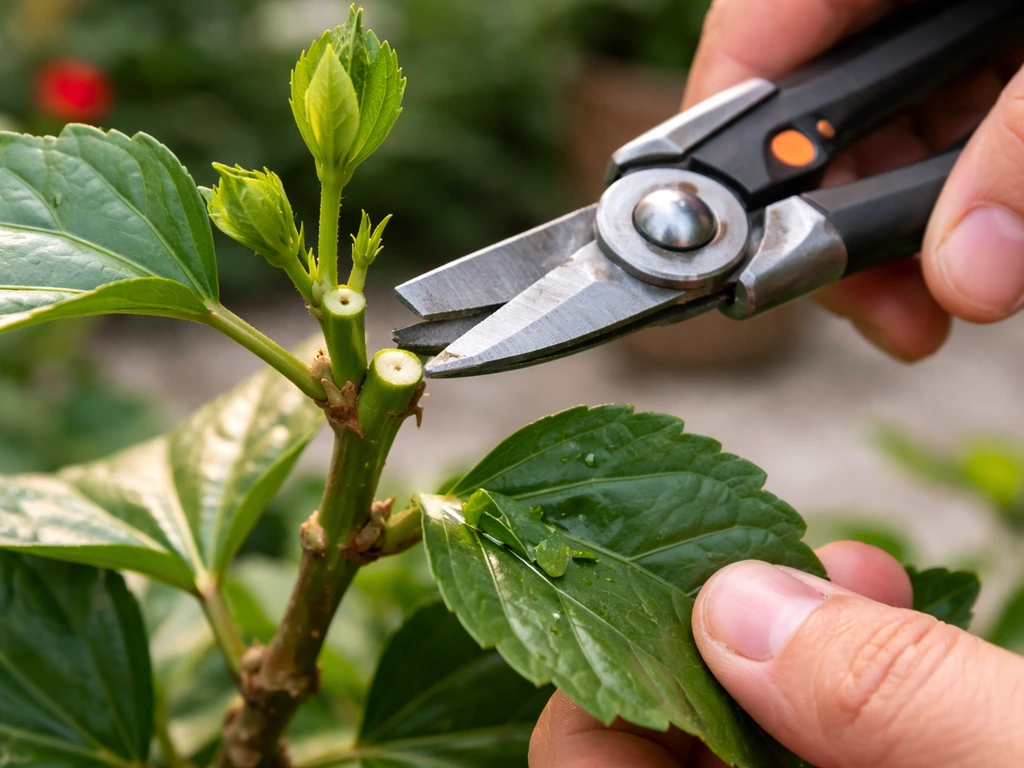
Tropical hibiscus blooms on new growth, so the more actively branching stems you encourage, the more flowers you get. In early spring (or when bringing the plant back outside after winter), cut it back by about one-third. This sounds aggressive but it triggers a flush of new branching. During the season, pinch back the tips of branches after each bloom to encourage lateral shoots. You can also do a light shaping any time during the growing season. Avoid heavy pruning in late summer or fall since you want the plant going into dormancy with some energy stored.
Hardy hibiscus pruning
Hardy hibiscus dies back to the crown each winter, so you'll be cutting back dead woody stems in late fall after frost or in early spring. Either timing works. Don't cut it back in midsummer or early fall since the plant is still actively growing and setting up next season's energy reserves. In spring, wait until you see new growth emerging from the base before cutting away the dead stalks.
This patience pays off: hardy hibiscus emerges fast once it starts and can reach full flowering height by midsummer. You can also pinch the growing tips in late spring when the plant is 12 to 18 inches tall to encourage branching and more flower sites, though this delays blooming by a week or two.
Container growing vs. in-ground: which is better for red hibiscus?
The honest answer is: it depends on your climate. In Zone 9 and above, in-ground tropical hibiscus will absolutely outperform a container plant in size and blooming because the roots can spread freely and the plant never gets root-bound or pot-stressed. In colder zones where you need to bring the plant inside for winter, containers are the practical choice since you can't dig up an established in-ground plant every October.
| Factor | Container Growing | In-Ground Growing |
|---|---|---|
| Best for zones | All zones (mobility for winter) | Zones 9–11 for tropical; Zones 4–9 for hardy |
| Soil control | Full control over mix and drainage | Depends on native soil; amendments needed |
| Watering frequency | More frequent (dries out faster) | Less frequent; soil retains more moisture |
| Root space | Limited; repot every 1–2 years | Unlimited; plants grow much larger |
| Bloom potential | Good with regular feeding | Best long-term blooming potential |
| Winter management | Easy to move indoors | Hardy types overwinter in ground; tropical types cannot |
For containers, use a 12 to 14-inch pot minimum for tropical hibiscus (larger is better), and choose a mix of quality potting soil with extra perlite mixed in at about 20 to 25% by volume for drainage. Terracotta pots dry out faster than plastic or glazed ceramic, which can be an advantage in humid climates or a liability in dry ones. Make sure the pot has drainage holes. If it doesn't, repot immediately: no drainage hole means root rot eventually, no matter how careful you are with watering.
If you're curious about growing hibiscus specifically in water or propagating from different methods, those are separate techniques worth exploring on their own terms. If you're wondering how to grow hibiscus in water, propagation and long-term care involve a few different steps than standard soil growing. The soil and drainage setup described here is the foundation for most home gardeners.
Seasonal care and getting through winter
Tropical hibiscus: indoor transition
If you're in Zone 8 or colder, bring tropical hibiscus inside before nighttime temperatures drop below 50°F, typically in September or October depending on your location. Before bringing it in, inspect the plant carefully for pests (especially spider mites and whiteflies, which love to hitchhike indoors). Spray it down with insecticidal soap or neem oil a week before moving it inside to knock back any populations.
Once inside, place it in your brightest window and resist the urge to keep watering on the same schedule you used outdoors. The plant will likely drop some leaves as it adjusts to lower light, this is normal and not necessarily a sign it's dying. Cut watering back significantly, let the top inch or two of soil dry out between waterings, and hold fertilizer until spring.
Hardy hibiscus: cold-weather prep
Hardy hibiscus doesn't need any indoor care but does benefit from a few simple fall tasks. After the first hard frost kills the foliage, cut the stems back to about 6 inches from the ground or leave the stalks standing until spring (both approaches work, though leaving stalks can help mark where the plant is so you don't accidentally dig it up). Pile 3 to 4 inches of mulch over the crown to insulate the roots through the coldest months, especially in Zones 4 and 5 where winter temps are brutal. In spring, pull the mulch back as temperatures warm to let the crown breathe and warm up faster.
Troubleshooting: pests, diseases, and why your hibiscus isn't blooming
No blooms (the most frustrating problem)
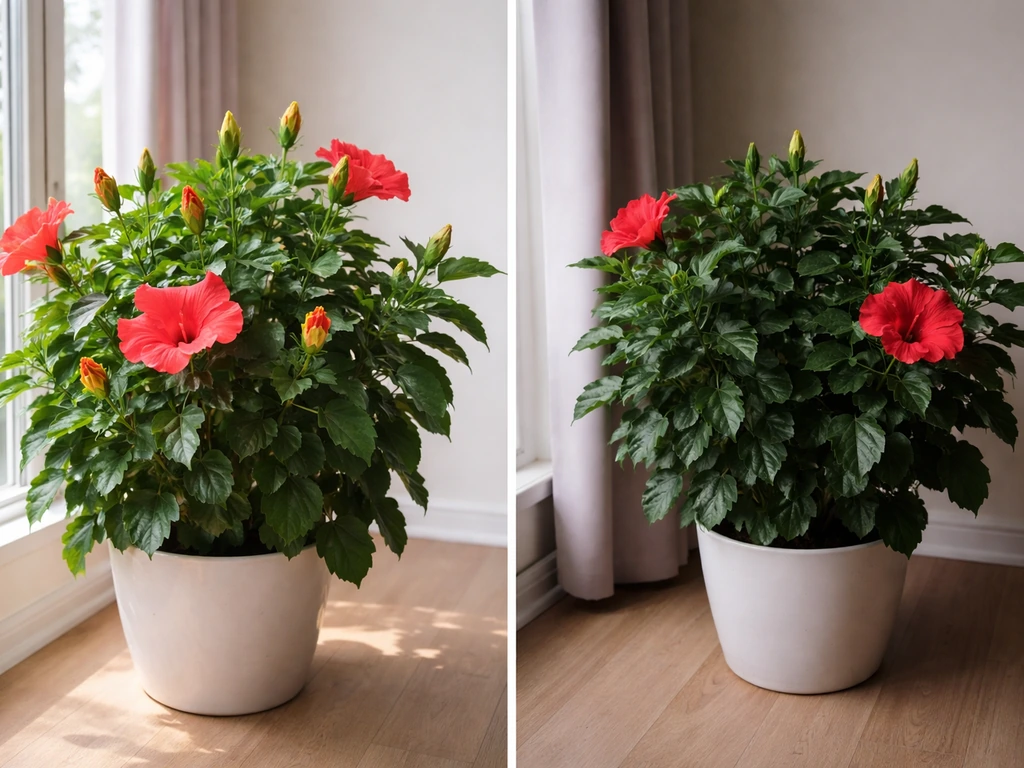
If your red hibiscus has plenty of leaves but no flowers, run through this checklist before doing anything drastic. Not enough sun is the single most common cause. Count the actual hours of direct sun the plant gets on a clear day. If it's under 5 or 6 hours, that's your answer. Too much nitrogen fertilizer is the second most common culprit: the plant puts all its energy into leaves. Finally, check if the plant is root-bound in its container: a severely pot-bound tropical hibiscus will sometimes stop blooming until repotted. Stress from inconsistent watering, especially repeated cycles of bone dry followed by soaking, also suppresses blooming.
Yellow leaves and bud drop
Yellow leaves have multiple causes and you need to read the pattern to diagnose correctly. Yellow leaves across the whole plant with no other symptoms usually points to overwatering or poor drainage. Yellow leaves with green veins (interveinal chlorosis) suggests iron or magnesium deficiency, often triggered by high pH soil. Leaves turning yellow and dropping along with flower buds, especially in winter on indoor plants, almost always means low light combined with temperature swings, which is exactly what the Smithsonian and RHS have noted as a major issue for H. rosa-sinensis indoors. The fix is more light and more stable temperatures, not more water or fertilizer.
Common pests
- Spider mites: tiny, barely visible pests that cause stippled, dusty-looking leaves and fine webbing, especially in hot dry conditions or indoors in winter. Spray with insecticidal soap or neem oil every 5 to 7 days until gone. Increasing humidity helps prevent reinfestation.
- Aphids: soft-bodied clustered insects on new growth and buds. Knock them off with a strong jet of water or use insecticidal soap. Rarely cause serious damage if caught early.
- Whiteflies: small white flying insects that cloud up when you disturb the plant. Common on tropical hibiscus, especially indoors. Yellow sticky traps plus neem oil sprays are the most effective combination.
- Thrips: cause streaking or silvering on flower petals and distorted buds. Spinosad-based insecticides work well against thrips.
Common diseases
- Root rot (Phytophthora or Pythium): caused by overwatering or poor drainage. Symptoms include wilting despite moist soil, blackened mushy roots, and sudden collapse. There's no real fix once it's advanced — prevention through proper drainage and watering restraint is the only reliable answer.
- Leaf spot fungi: cause brown or black spots on leaves, usually more unsightly than deadly. Remove affected leaves, improve air circulation around the plant, and avoid overhead watering. Copper-based fungicide can help in persistent cases.
- Canker: woody stem sections that turn brown and die back, often on tropical hibiscus after cold damage or physical injury. Prune back to healthy wood and seal cuts if possible.
Your first 30 to 60 days: a practical starting routine
Whether you're planting today or just got a new plant, here's a simple action plan for the first two months that covers the most important steps without overwhelming you.
- Day 1: identify your type (tropical or hardy) using the table above and confirm your USDA hardiness zone. This decides everything downstream.
- Day 1–3: assess your planting location. Count actual sun hours on a clear day. If it's under 6 hours, choose a different spot before planting.
- Day 1–3 (in-ground): prepare your soil by working in compost and checking drainage. Pour a bucket of water into your planting hole and make sure it drains within 30 to 60 minutes. Slow drainage means you need to amend or consider raised beds.
- Day 1–3 (container): choose a pot with drainage holes, at least 12 inches wide. Mix quality potting soil with 20 to 25% perlite. Do not use garden soil in containers.
- Day 3–7: plant at the same depth it was growing in its nursery pot. Water in well and apply 2 to 3 inches of mulch around (but not against) the stem.
- Week 2 onward: begin a consistent watering routine. Check soil moisture daily for container plants, every 2 to 3 days for in-ground. Water when the top inch is dry.
- Week 2–3: start fertilizing with a balanced or bloom-focused fertilizer once the plant shows signs of active growth (new leaves emerging). Don't fertilize a freshly transplanted or stressed plant.
- Month 1–2: watch for early pest signs, especially if growing indoors or in humid conditions. Catching pests early makes them far easier to control.
- Month 2 (tropical, if in-ground): if you're in Zone 8 or colder, start planning your fall indoor transition now so you have a spot ready and aren't scrambling in October.
Red hibiscus is genuinely one of the most rewarding flowering plants you can grow because the blooms are so dramatic and, when conditions are right, they just keep coming all season. Oregon State University notes that Hibiscus syriacus, also called rose of Sharon, is a deciduous landscape shrub hardy to USDA Zone 5 [Red hibiscus is genuinely one of the most rewarding flowering plants you can grow](https://www. oregonstate. edu/landscapeplants.
oregonstate. edu/plants/hibiscus-syriacus). The common failures all trace back to the same handful of issues: not enough sun, wrong watering habits, and feeding that pushes leaves instead of flowers. Nail those three things and you'll have more blooms than you know what to do with.
If you want to expand your hibiscus growing beyond the basics, exploring hardy hibiscus varieties or learning how to get more flowers from an established plant are both natural next steps once you have your red hibiscus thriving. This same approach can also help you figure out how to grow hibiscus from leaves and keep the new plants healthy as they root how to get more flowers from an established plant.
If you want a bigger bloom show, use the same principles and focus on how to grow more hibiscus flowers with the right sun, watering, and feeding. To get the best results, use the right approach for how to grow hardy hibiscus, especially around planting time, sun, and winter prep.
FAQ
Can I grow red hibiscus from seeds, or is it better to buy a plant?
You can start hardy hibiscus from seed, but tropical red hibiscus is more reliably propagated from cuttings because many store-bought varieties do not come true to seed (flower color and size can vary). If you want the same bloom type as the parent plant, take a 4 to 6 inch stem cutting in late spring or early summer and root it before winter.
How do I tell if my red hibiscus is tropical or hardy when the tag is unclear?
Look at mature size and winter behavior. If it forms a woody crown and the plant dies back to the ground each winter then regrows in spring, it is hardy. If it stays evergreen or only drops leaves indoors but never has true winter dieback outdoors, it is tropical. Container size can hint too, very small pots with glossy leaves often indicate tropical nursery stock.
My tropical hibiscus gets buds but they fall off. What usually causes it?
The most common triggers are light drop and inconsistent watering. If you moved the plant or the days got shorter, place it in the brightest window or add a grow light and avoid letting the soil swing between bone-dry and waterlogged. Also check for spider mites or whiteflies, since pest stress can cause bud drop even when care seems correct.
How often should I repot tropical red hibiscus, and what size jump is safe?
Plan to repot about every 1 to 2 years, or sooner if roots are circling the pot or water runs straight through the mix. Move up only one pot size at a time (for example, a 10 inch to 12 to 14 inch container). Oversizing can keep the root zone wet too long and increase the risk of root rot.
What mulch should I use for hardy hibiscus, and should I mulch tropical hibiscus in containers?
For hardy hibiscus in the ground, use 2 to 3 inches of shredded bark or wood chips around the base, keeping mulch from piling up against the crown. For tropical hibiscus in containers, avoid heavy mulch that traps moisture and slows drying. Instead, focus on a well-draining potting mix and careful watering based on the top inch of soil.
What pH issue can affect hibiscus, and how do I correct it safely?
If you suspect interveinal chlorosis (yellowing with green veins), the problem is often high pH locking out iron or magnesium rather than a lack of fertilizer. To correct gently, use slightly acidic amendments and avoid repeated high-dose feeding. A safer approach is to test soil pH first and then adjust gradually over time, especially in containers.
Is it normal for tropical hibiscus to drop leaves after moving it indoors?
Yes, mild to moderate leaf drop is common when light intensity drops. What is not normal is continued overwatering. Let the top inch or two of mix dry between waterings, keep it in the sunniest window you have, and hold fertilizer until spring growth resumes.
How can I prevent root rot in red hibiscus?
Root rot usually comes from poor drainage or watering when the plant is not actively using water. Use a pot with drainage holes, a mix with extra perlite, and water only after the top inch of soil dries (containers) or when the top layer dries slightly (in-ground). In cool weather, reduce frequency even if the surface looks dry, because uptake slows down with lower temperatures.
Should I deadhead tropical and hardy hibiscus, and does it change bloom size?
Yes, removing spent blooms can tidy the plant and reduce wasted energy. For tropical hibiscus, pinching and light pruning that encourages branching often has a bigger effect on bloom quantity than deadheading alone. For hardy hibiscus, deadheading helps keep the look clean, but the bigger driver of bloom performance is sun and summer feeding.
Why is my hardy hibiscus slow to wake up in spring, and when should I start troubleshooting?
Hardy hibiscus commonly stays bare until late May or June because new growth depends on soil warming. Wait until you see green shoots before changing anything major. If there is still no emergence by mid-summer, check crown health by gently scraping a small area at the base for green tissue, and verify the plant is not buried too deep under mulch.
Can I grow red hibiscus in a partially shaded yard if I increase fertilizer?
Usually no. Fertilizer cannot replace light for bloom production in either tropical or hardy types. If you have less than about 5 to 6 hours of direct sun, the plant often shifts into leaf growth and reduced flowering. The practical fix is to relocate the plant or use a container that you can move into full sun during the peak bloom months.
What is the best way to winterize hardy hibiscus in colder zones?
After the first hard frost, cut stems back to about 6 inches (or leave them as markers), then insulate the crown with 3 to 4 inches of mulch. Do not mulch too early before the ground is cold, because that can keep the crown warm and vulnerable to rot. In spring, pull mulch back once temperatures rise so the crown can breathe and warm quickly.