
To get more blooms from your hibiscus, focus on these five things: give it at least 6 hours of direct sun daily, keep the soil consistently moist without letting it dry out or stay soggy, feed it every 1 to 2 weeks with a low-nitrogen, high-potassium fertilizer during the growing season, prune selectively to push new flowering shoots, and protect it from temperature extremes that trigger bud drop. If you specifically want how to grow red hibiscus successfully, focus on matching its sun, watering, and nutrient needs to the type you have. Most hibiscus plants that aren't blooming well have one or two of these things off, not all of them, so the fastest fix is diagnosing which lever is the problem and adjusting it.
How to Grow More Hibiscus Flowers Step by Step

Marcus Holloway
24 Jun 2026
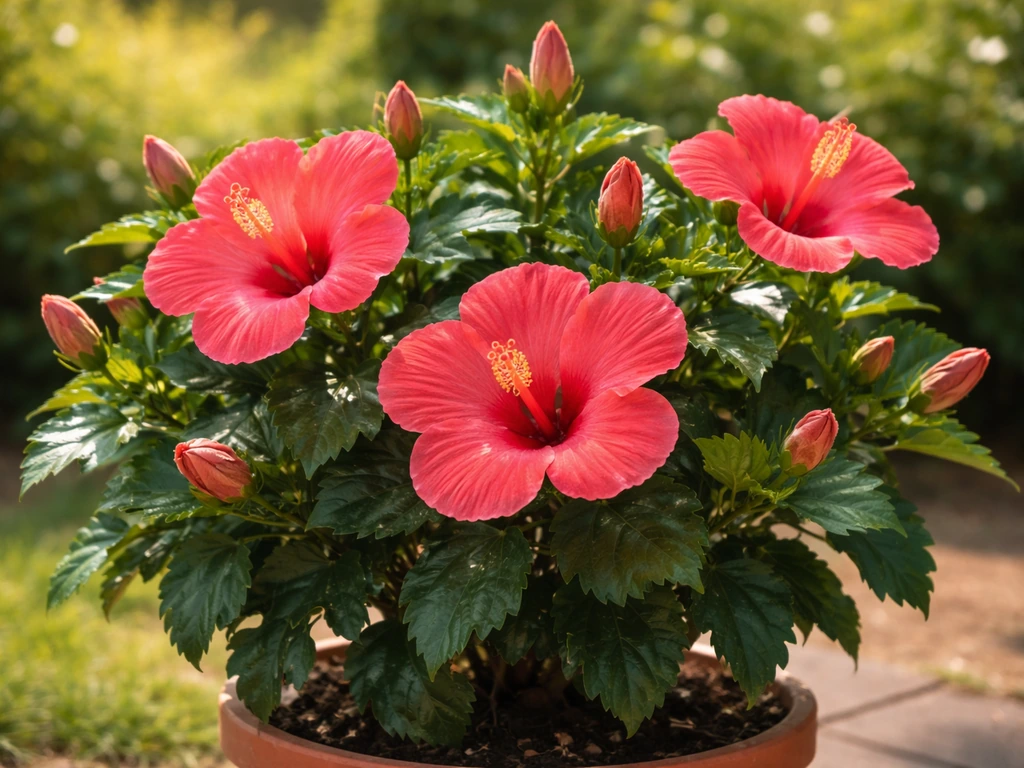
Why your hibiscus isn't blooming enough (quick diagnosis)
Before you change everything at once, it's worth narrowing down the actual cause. Most bloom problems in hibiscus come down to a short list of culprits, and they each show up in slightly different ways.
- Buds forming but dropping before opening: This almost always points to drought stress, sudden environmental changes (like moving a potted plant from a nursery to your home), or over-fertilization with too much nitrogen. High heat stress can also cause this.
- No buds at all: Usually a sunlight problem, a fertilizer imbalance (too much nitrogen pushing leafy growth at the expense of flowers), or the plant being excessively rootbound in a pot that's too small.
- Sparse buds that open slowly or look deformed: Check for thrips or gall midge. These pests lay eggs inside flower buds, causing them to discolor, deform, or drop before they fully open.
- Yellowing leaves and declining blooms together: Likely a root issue, either root rot from waterlogging or a pest like aphids weakening the overall plant. Address the root cause before expecting more flowers.
- Plant looks fine but just won't bloom: Often a fertilizer issue or light deficiency. Even partial shade throughout the day can meaningfully cut bloom count.
One thing I've seen trip up a lot of gardeners: they buy a hibiscus already loaded with buds from the garden center, bring it home, and within a week the buds start falling off. The plant isn't sick. It's reacting to a change in its watering schedule and light environment. Costa Farms calls this out directly as one of the top causes of bud drop. Give a newly moved hibiscus a week or two to adjust before deciding something is deeply wrong.
Sunlight requirements to maximize bud set
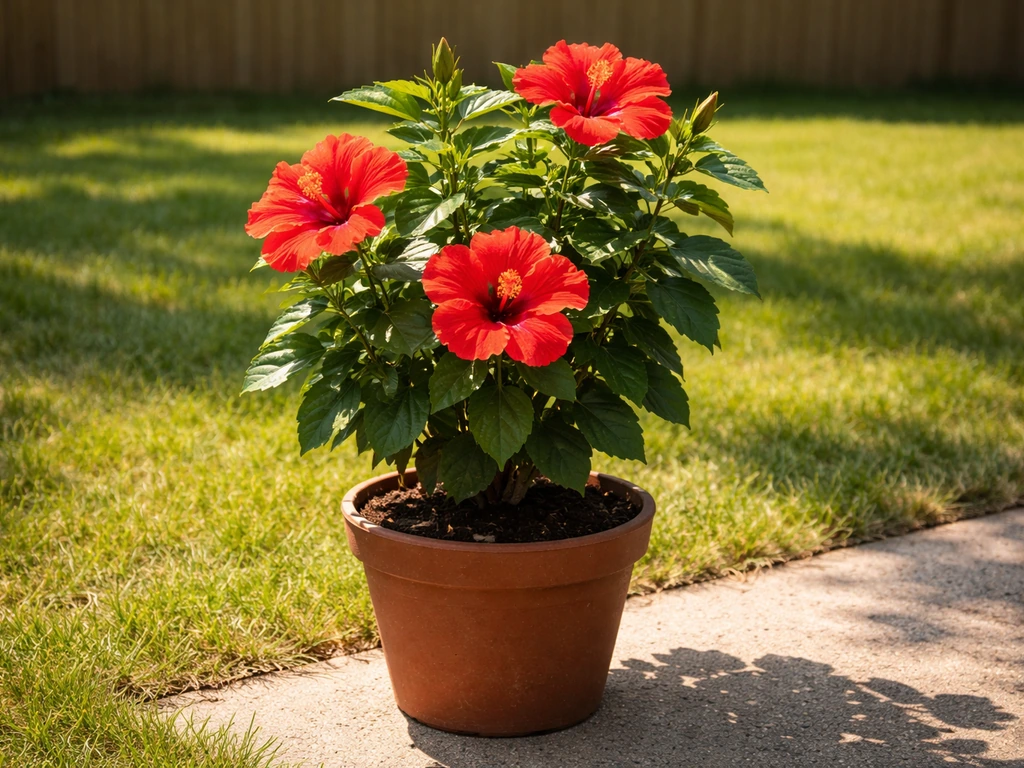
Hibiscus is not a plant that will perform well in partial shade and you should stop hoping it will. Tropical hibiscus (Hibiscus rosa-sinensis) and hardy hibiscus (Hibiscus moscheutos) both want full sun, and that means at least 6 hours of direct sunlight per day. Hardy hibiscus in particular, which is native to wetland edges, evolved in open sunny conditions. Colorado State University Extension notes that hardy hibiscus grown in partial sun all day produces noticeably fewer blooms than the same plant in full sun. For tropical varieties, Smithsonian Gardens confirms full sun is the preference, with the caveat that light shade is tolerated, though you'll pay for it in bloom count.
For most home gardeners in northern climates, UMN Extension recommends a south or west-facing exposure with 4 to 5 hours of bright direct light as a minimum. Six to 8 hours is better. If your plant is in a spot that only gets morning light and then sits in shade from noon onward, it's probably not going to bloom the way you want it to.
If you're moving a potted hibiscus from indoors or a shaded porch to a sunnier position, do it gradually. UMN Extension specifically recommends an acclimation step: move the plant first to filtered light under a shade tree for a few days, then into bright indirect light, and finally into full sun. Skipping this step and going straight to a hot afternoon sun situation can scorch leaves and actually set the plant back. Take a week to transition and you'll avoid that stress response.
Watering and soil moisture: consistent bloom fuel
The key word with hibiscus watering is consistent. Not wet, not dry, consistently moist. Tropical Plants of Florida puts it plainly: avoid drought cycles and swamp conditions equally. Both extremes stress the plant and reduce blooming. Hardy hibiscus is actually a wetland native, so it leans toward the moister end of the spectrum, but it still needs good drainage. Tropical hibiscus is less forgiving of waterlogging and more sensitive to root rot.
For container hibiscus, a practical watering rule is to check the top 2 to 4 inches of soil. When those inches feel dry, water thoroughly until it drains out the bottom. Don't let the pot sit in a saucer of standing water. Trapped moisture in pots is a common reason hibiscus in containers struggle, and it's also why fungus gnats tend to show up when soil stays too wet, especially in low-light conditions where the soil dries slowly.
For in-ground hibiscus, the goal is loamy, well-drained soil enriched with compost. Dupont Nursery emphasizes a well-drained growing medium specifically to prevent root disease and fungal problems. If you're planting in heavy clay, amend generously before planting. Adding organic material helps the soil drain freely while still holding enough moisture to stay evenly moist between waterings. That balance is exactly what hibiscus needs to keep producing buds.
During peak bloom periods, you may need to water in-ground plants every day in hot weather. Container plants can dry out even faster. Inconsistent moisture is one of the most common reasons a hibiscus that was blooming stops blooming, so this is worth being disciplined about.
Fertilizer for flowers: timing, ratios, and avoiding mistakes
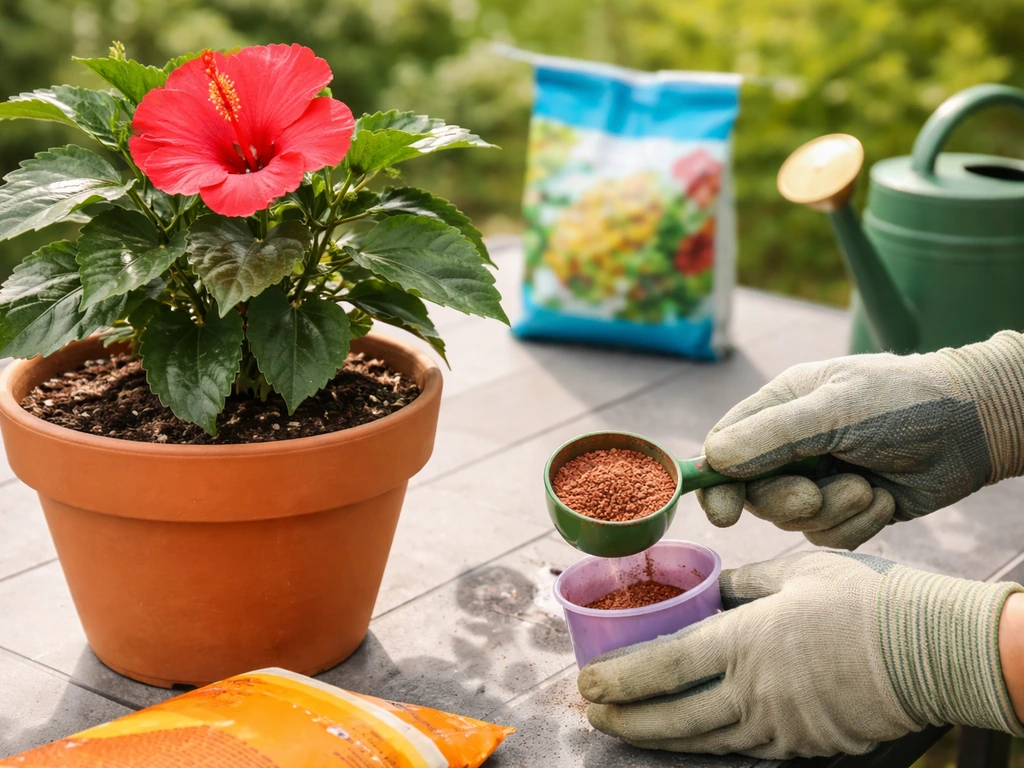
Fertilizing hibiscus for maximum blooms is where a lot of gardeners make the same mistake: they reach for whatever general-purpose fertilizer is in the garage, often something high in nitrogen like a 10-10-10 or similar, and wonder why the plant just keeps pushing leaves instead of flowers. Too much nitrogen produces vigorous, dark green growth at the expense of buds. Bloom-shy hibiscus plants are often being overfed with nitrogen.
What you want instead is a fertilizer with lower nitrogen, lower to medium phosphorus, and higher potassium. Hidden Valley Hibiscus describes the ideal nutrient pattern as medium-low-high across the N-P-K numbers. The Wintergreenhouse guide specifically cautions against high-phosphorus formulas and recommends fertilizers high in potassium for hibiscus bloom support. Potassium is the nutrient most directly linked to flower production and plant stress resilience.
Timing matters as much as formulation. Tropical Plants of Florida recommends applying liquid fertilizer roughly every 1 to 2 weeks during active growth. For container plants, UMN Extension suggests starting regular fertilizer applications somewhere between 2 and 6 weeks after planting, depending on what's already in your potting mix and how fast the plant is growing. If your potting mix includes slow-release fertilizer beads (most commercial mixes do), hold off on additional feeding for the first month or so.
One practical note on application: fertilizer concentrated around the roots without being watered in properly can burn the plant, especially in hot conditions. Always water your hibiscus before and after applying granular fertilizer, or use diluted liquid fertilizer applied to moist soil. Stressed plants that are already drought-stressed when you fertilize are especially vulnerable to fertilizer burn.
| Nutrient | Role in hibiscus | Too much causes | Recommendation |
|---|---|---|---|
| Nitrogen (N) | Leaf and stem growth | Lush leaves, fewer buds, possible bud drop | Keep relatively low during bloom season |
| Phosphorus (P) | Root development, some flowering | Can interfere with micronutrient uptake | Low to medium; avoid high-phosphorus formulas |
| Potassium (K) | Flower production, stress resilience | Rarely a problem | Keep relatively high for bloom stimulation |
| Iron and micronutrients | Chlorophyll production, overall health | Rarely a problem at normal doses | Look for chelated micronutrients in formulas |
Pruning and deadheading to trigger more flowering shoots
Hibiscus blooms on new growth. If you want to propagate hibiscus from leaves, focus on taking the right leaf cuttings and keeping them warm and consistently moist until they root Hibiscus blooms on new growth.. That single fact should shape everything about how and when you prune. If you cut back old, woody stems, you're pushing the plant to generate new shoots, and those new shoots are where next season's flowers will come from. If you never prune, the plant gets leggy, the flowering zone moves further and further out on long stems, and overall bloom count drops.
The standard recommendation from the University of Washington is to cut back main shoots by about one-third, leaving two or three buds on each lateral branch. GardeningKnowHow echoes the general rule of not removing more than one-third of the plant at once to avoid shocking it. For tropical hibiscus, do your major pruning in early spring before growth resumes. In cold-winter regions, wait until frost danger is past. For hardy hibiscus, cut old stems back near the ground in late winter or early spring, since the plant dies back completely anyway and regrows from the roots.
Pinching is an underused technique that works really well for boosting bloom count on tropical hibiscus. Pinching out the growing tip of a stem (removing just the top inch or two) causes the plant to branch and produce two new shoots where there was one. More shoots means more flowering tips. The University of Washington cites this as a reliable way to increase flower production, particularly in spring and early summer. Do it on younger, actively growing stems rather than old woody ones.
One thing to be careful about: pruning at the wrong time or too aggressively will temporarily reduce your flower count because you're cutting off the growth that was about to bloom. Tropical Plants of Florida makes this point clearly. The payoff comes a few weeks later when the new growth that follows the cut starts producing buds. Think of it as a short-term investment. If your plant is in full flower right now, don't do a major prune. Wait until a natural lull between flush cycles or until early spring.
Seasonal care (heat/cold) and how it affects bloom count
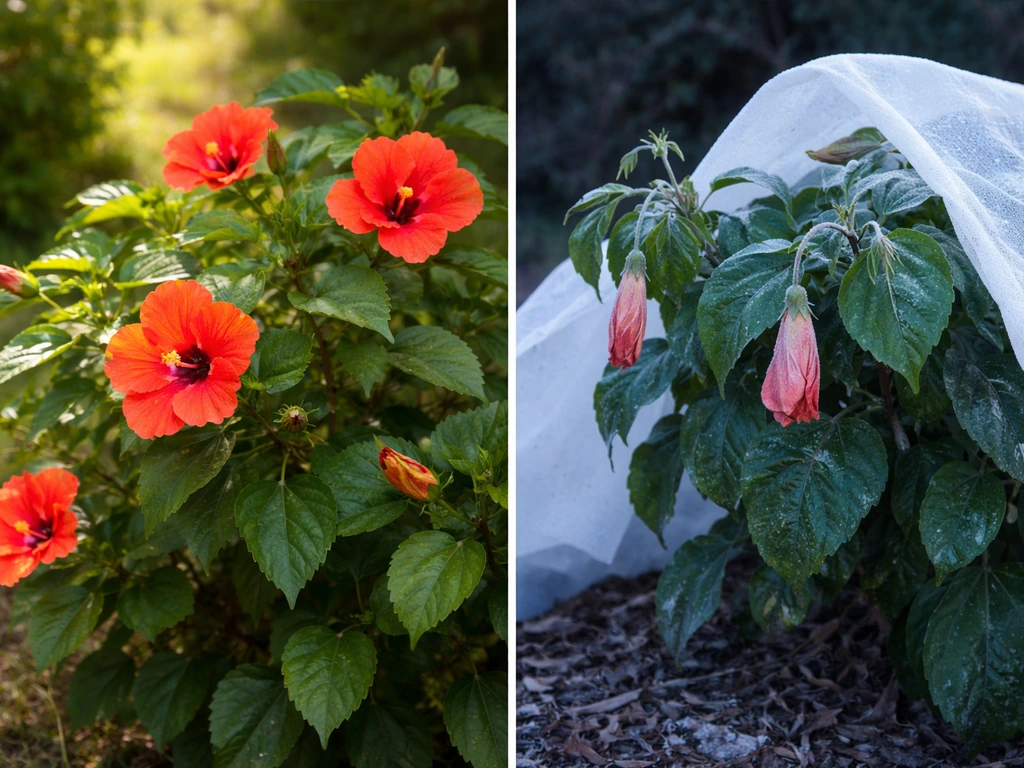
Hibiscus is triggered to bloom by warmth and long days, which is why you see the best flowering in summer. But extremes in either direction cause problems. Very high temperatures combined with drought stress are a known trigger for bud drop, as the LSU AgCenter notes. When temperatures spike above 95 degrees Fahrenheit and the soil dries out even slightly, tropical hibiscus will often drop buds as a stress response. Keeping up consistent watering during heat waves is especially important for bud retention.
On the cold end, tropical hibiscus is not frost-tolerant and needs to be brought indoors or moved to a protected location when temperatures drop below about 50 degrees Fahrenheit at night. Cold temperatures slow metabolism, reduce blooming, and can kill the plant entirely if they drop to freezing. When you bring a tropical hibiscus indoors for winter, expect it to slow down significantly, possibly stop blooming altogether, and drop some leaves. That's normal. Keep it in the brightest window you have, reduce watering slightly (but don't let it dry out completely), and hold off on heavy fertilizing until active growth resumes in spring.
Hardy hibiscus varieties, like Hibiscus moscheutos cultivars, are a different story. They're perennials in zones 4 to 9 and die back to the ground each winter, then re-emerge from the roots in late spring. This is later than most perennials, so don't panic if yours looks dead in May. They bloom in mid to late summer on that year's new growth. Mulching the root zone over winter helps protect the crown and supports a stronger re-emergence. CSU Pueblo Extension distinguishes clearly between these two types, and knowing which one you have matters a lot for planning seasonal care correctly.
A quick note on spring transitions: if you're moving a potted tropical hibiscus back outdoors after winter, follow the same gradual acclimation approach mentioned in the sunlight section. Going from a dim indoor window to full afternoon sun in one step will cause leaf scorch and stress the plant right when you want it gearing up for summer blooms.
Troubleshooting common problems that reduce flowers
Even when you're doing most things right, a handful of specific problems can still cut your bloom count. Here's what to look for and what to do about it.
Bud drop before the flower opens
If buds are forming and then falling off before they open, run through this checklist: Is the soil drying out between waterings? Has the plant been recently moved or had a sudden change in environment? Is the weather unusually hot and dry? Is your fertilizer high in nitrogen? Any one of these can cause bud drop. Fix the most likely culprit first before changing multiple things at once.
Thrips and gall midge
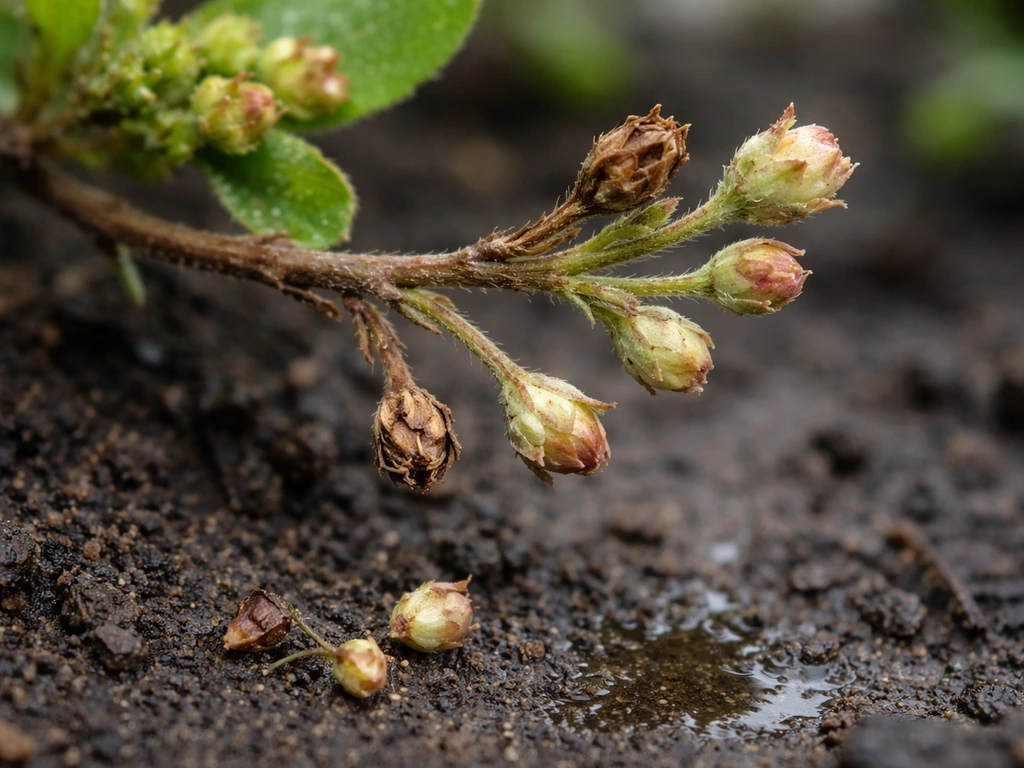
If buds are discoloring, looking streaked or distorted, and then falling off before opening, suspect thrips or gall midge. Gall midge lays eggs inside young buds, and the developing larvae cause the bud to drop. Thrips feed on petal tissue as it forms, leaving silvery streaks or causing the bud to fail to open properly. Both are common hibiscus pests. For thrips, insecticidal soap sprayed directly on the affected areas works when it contacts the pest. Cornell Cooperative Extension confirms insecticidal soaps are most effective on soft-bodied insects like thrips when you get direct contact. For gall midge, the main control strategy is removing and disposing of affected buds (not composting them) and keeping the plant healthy enough to outpace the damage.
Aphids weakening the plant
Aphids cluster on new growth and buds, sucking sap and causing stunted new shoots, deformed leaves, and eventually bud drop and yellowing. LSU AgCenter specifically lists aphid infestation as a cause of reduced flowering in tropical hibiscus. Knock them off with a strong spray of water first. For persistent infestations, insecticidal soap is effective. If caterpillars are also a problem, the LSU AgCenter recommends Bt (Bacillus thuringiensis) or spinosad as lower-impact options.
Root rot from overwatering
If your hibiscus has yellowing leaves, general decline, and sparse or no flowers despite adequate light and fertilizer, root rot may be the culprit. University of Maryland Extension describes symptoms as yellowing and browning leaves, dieback, and blackening of the crown or roots. Pull the plant from its pot (for container plants) and check the roots. Healthy roots are white to tan and firm. Rotted roots are brown, mushy, and may smell bad. If you find rot, trim away the affected roots, repot into fresh well-drained mix, and hold back on watering until you see active recovery. Prevent recurrence by ensuring the pot has drainage holes and you're not letting it sit in standing water.
Being rootbound
A potted hibiscus that's become severely rootbound can stop blooming or drop buds even when everything else is right. Costa Farms lists this as a documented cause of bud drop. If roots are circling the pot, emerging from drainage holes, or the plant seems to dry out unusually fast after watering, it's time to move up one pot size. Go up about 2 inches in diameter, use fresh potting mix, and expect a brief adjustment period before flowering resumes.
Getting more flowers from hibiscus is rarely about one big fix. It's about getting several things right at once: enough direct sun, consistent moisture, the right fertilizer ratio, timely pruning, and staying on top of pests before they set the plant back. Work through each section here, identify what your plant is actually missing, and make changes one or two at a time so you can tell what's working. Most hibiscus plants respond quickly when their core needs are met, often rewarding you with a new flush of buds within a few weeks of getting conditions right.
FAQ
Can I speed up hibiscus blooming by pruning more aggressively than the recommended one-third?
Yes, but only after it roots and starts making new growth. Hibiscus blooms on new shoots, so leaf propagation delays flowers until the cutting forms stems. Keep the cutting warm and consistently moist, then wait for active leaf growth before you prune it for branching.
My hibiscus drops buds but still has green leaves, what should I check first?
Usually not. If you cut back too much or too late, you remove the growth that would have produced buds soon, causing a short-term bloom dip. A better approach is to do light shaping during the season, and save major cuts for early spring (tropical) or late winter/early spring (hardy).
How do I tell if my hibiscus needs more water or less water?
Check for short cycles of stress in the last 2 to 3 weeks. Bud drop is commonly triggered by either drying out between waterings or too much nitrogen feeding. If you recently changed where the plant sits, treat it like a transplant and stabilize light and moisture for 1 to 2 weeks before changing fertilizer or pruning.
What’s the best way to water container hibiscus so it doesn’t get root rot?
Use a soil check, not the plant appearance. If the top 2 to 4 inches dry out, water thoroughly until it drains. If soil stays wet for days, look for soggy conditions, poor drainage, or an oversized pot, and let it dry slightly between deep waterings to reduce root-rot risk.
Does potting mix matter as much as fertilizer for hibiscus blooms?
Choose a pot size that dries at a reasonable pace and always empty any catch saucer after watering. If the plant dries slowly, root disease risk rises. Also make sure the mix is not dense, and confirm drainage holes are clear, not blocked by roots.
Should I fertilize during winter for hibiscus?
Yes, especially for container plants. A mix that holds too much water can prevent healthy root function, which reduces flowering even if you fertilize correctly. Aim for a well-drained mix, then tune fertilizer once you’re confident the plant is staying evenly moist without waterlogging.
What fertilizer should I use if I only have a high-nitrogen general-purpose formula?
For tropical hibiscus kept indoors, hold back or greatly reduce feeding when growth slows, then resume regular feeding when you see new leaves and active growth in spring. For hardy hibiscus that dies back, don’t push fertilizer during dormancy, focus on protecting the crown with mulch until re-emergence.
My tropical hibiscus is full of buds but none open. Could it be pests?
Avoid making it your main bloom food. If you must use it temporarily, reduce frequency and do not follow package-strength rates, since nitrogen excess can produce lush leaves with fewer flowers. Better is to switch to a lower-nitrogen, higher-potassium hibiscus fertilizer, then reapply on a 1 to 2 week schedule during active growth.
Do I need to pinch hibiscus even if it’s already flowering?
It can be. Silvery streaking or deformed buds points toward thrips, while buds that fail to open and then drop can indicate gall midge. Look closely at the newest buds first, and for gall midge remove affected buds and dispose of them (do not compost) to prevent the next generation from developing.
How do I prevent hibiscus from scorched leaves when moving it outdoors or to a sunnier spot?
Pinching is best on actively growing, younger stems rather than during a major flush. If your plant is already in full bloom, skip heavy pinching and wait for a natural lull, then pinch the tips to create more branching that will become future flowering sites.
My hardy hibiscus looks dead in spring, when should I prune it?
Acclimate in stages over about a week, starting with filtered light under a tree, then bright indirect light, then gradual exposure to direct sun. If you jump straight to hot afternoon sun, leaves can scorch and the plant may temporarily pause bud production.
Can a rootbound hibiscus still bloom if I improve its sun and watering?
Don’t rush. Hardy hibiscus dies back to the ground, then re-emerges later than many perennials. Wait until you see new shoots, and prune old stems only after growth starts (typically late winter/early spring timing), then cut back as needed without removing live developing growth.
What should I do if my hibiscus has yellow leaves and I’m already giving it enough sun and fertilizer?
It might bloom briefly, but rootbound plants often struggle to sustain flowering because roots can’t access water and nutrients evenly. If you see circling roots, roots emerging from drainage holes, or unusually fast drying after watering, repot one size up and expect a short adjustment period before the next flush.
How quickly should I expect more hibiscus flowers after correcting one issue?
Suspect root problems, most often root rot. Check roots by removing the plant from its container, discard mushy brown roots, repot into fresh well-drained mix, and reduce watering until you see clear new growth. Prevent recurrence by confirming drainage holes and avoiding standing water.
Is more sun always better for hibiscus flowering?
Often within a few weeks, but it depends on what you fixed. Light and watering stabilization can reduce bud drop quickly, while fertilizer and pruning changes affect the timing of new growth and bud initiation. Make one or two adjustments at a time so you can tell which change actually triggers the next flush.
Why does my hibiscus bloom in summer but not in spring or fall?
More direct light helps up to the plant’s tolerance. For hibiscus, insufficient sun reduces bloom count, but extreme heat can still cause bud drop, especially when the soil dries slightly. In very hot weather, maintain consistent moisture rather than relying on extra watering alone or moving into harsher light suddenly.
Should I remove spent hibiscus flowers to get more blooms?
Hibiscus is strongly driven by warm temperatures and longer days, so spring and fall can be less productive, especially in cooler or variable climates. If you’re growing tropical hibiscus outdoors, protecting it from cool nights and avoiding sudden temperature swings helps preserve buds and supports more consistent flowering.
Why do my hibiscus buds sometimes drop right after fertilizing?
It can help, mainly by preventing energy from going into seed production. If your plant is otherwise healthy, removing flower remnants can tidy the plant and encourage continued bud set, but it is not a substitute for the core factors (sun, consistent moisture, correct N-P-K balance, and timely pruning).
What’s a good troubleshooting order to use when I want to grow more hibiscus flowers?
Fertilizer burn or feeding stressed plants can trigger bud drop. Water the plant first, apply fertilizer on moist soil, and avoid feeding if the hibiscus is already drought-stressed or wilting. If you recently overfed, pause fertilizing and focus on consistent watering until you see stable new growth.
Do hardy and tropical hibiscus need the same bloom strategy?
Start with the most common causes and easiest checks: verify at least 6 hours of direct sun, confirm consistent moisture in the top soil zone, then review fertilizer ratio to ensure it is not high in nitrogen. Next check pruning timing and finally inspect for pests on new buds, since insects can reduce bloom even when care is otherwise correct.
How do I know if my fertilizer is “high phosphorus” and whether that’s bad?
They share the same big idea (flowers form on new growth), but their schedules differ. Tropical types need ongoing warmth and careful winter handling indoors, while hardy types bloom later on new season growth and die back in winter. Mixing up the timing, like pruning a tropical too late or expecting hardy blooms early, is a common reason for disappointment.
What’s the fastest non-chemical way to reduce hibiscus pest problems that affect buds?
Check the label’s N-P-K numbers. If the middle number (phosphorus) is very high compared to nitrogen and potassium, it may not support bloom the way you want, and some guides advise avoiding high-phosphorus formulas for hibiscus bloom focus. If you’re unsure, switch to a hibiscus-oriented fertilizer with lower nitrogen and higher potassium, then follow a 1 to 2 week schedule during active growth.
Can I grow hibiscus indoors year-round to get more flowers?
Catch issues early on new growth. Spray a strong stream of water to dislodge soft-bodied pests like aphids, remove damaged buds for gall midge, and avoid letting plants stay overly stressed, since healthier growth withstands pressure better. If pests persist, then move to targeted insecticidal soap for direct contact on the affected areas.
My hibiscus flowers well after one adjustment, then stops again, what’s the most likely reason?
It can bloom indoors, but you’ll likely struggle with consistent light. Place it in the brightest window you have and use gradual acclimation if you move outdoors later. Expect slower growth in low light, and avoid heavy fertilizer when growth is minimal, since it can worsen leaf growth without boosting blooms.
Should I mulch my hibiscus to increase blooms?
A recurring mismatch in watering consistency or light. Hibiscus can handle changes in nutrition when it is stable, but it reacts quickly to drought cycles, waterlogging, or sudden shade. Re-check the basics before changing fertilizer again, since bud set often fails when moisture swings return.
What’s the minimum daily sun for hibiscus if I want more flowers?
For hardy hibiscus, mulch helps protect the crown over winter and supports stronger re-emergence, which leads to more summer bloom. For containers, mulch is less important, and you should instead focus on the quality of the potting mix and drainage to keep moisture balanced.
When should I repot a container hibiscus for best blooming?
Aim for at least 6 hours of direct sun daily for best blooming, and for some northern climates a south or west exposure is often more reliable. If you’re consistently below that, you may get flowers in flushes, but it will be harder to maintain a high bloom count across the season.
Can diseases other than root rot cause hibiscus yellowing and fewer flowers?
Repot when it shows clear rootbound signs, ideally when temperatures are favorable and the plant is about to enter or already in active growth. After repotting, expect a brief adjustment period where flowering slows, so plan repotting before your main blooming push rather than mid-flush.
Why does my hibiscus stop blooming after I bring it home from the store?
Yes, but yellowing plus dieback with root discoloration is a strong root-rot indicator. If roots look healthy and firmness remains, reassess watering extremes and light, then look for leaf spotting or pest feeding damage. If you see crown blackening or a foul odor, treat it as root rot and act quickly.
What should I do if my hibiscus looks leggy and produces flowers farther and farther out?
Store plants often drop buds after the jump to a new environment, especially if watering patterns and light levels change. Give the plant 1 to 2 weeks to acclimate to your routine, then troubleshoot the sun and soil moisture first before assuming it has a nutrient deficiency.
Does using compost help hibiscus bloom more?
That usually means the plant needs pruning to trigger new shoots closer to the framework. Cut back main shoots and, for tropical types, pinch younger tips during active growth to force branching, which creates more flowering points instead of letting long stems take over.
How can I tell if fertilizer is being applied at the wrong time for my hibiscus?
In-ground, adding compost can improve soil structure so it stays loamy and drains well while holding moisture, which supports consistent bud formation. In containers, compost can make mixes too dense unless blended carefully, so focus on a well-draining potting mix and only use compost in ways that preserve aeration.
What’s a common mistake that prevents hibiscus from blooming even when gardeners follow the label?
If you fertilize when the plant is not actively growing, you may get leaf growth without buds and increased stress sensitivity. Use growth cues, when you see new leaves and steady growth, then start or resume the 1 to 2 week feeding rhythm, otherwise hold off until spring warmth returns.
Should I spray hibiscus leaves to improve blooming?
Using a general-purpose, high-nitrogen fertilizer as if “more fertilizer equals more flowers.” For hibiscus bloom support, prioritize lower nitrogen and higher potassium, and do not apply concentrates that dry-out the soil between feedings. Adjust the N-P-K balance first, then fine-tune watering and pruning.
How do I handle hibiscus buds during a heat wave to reduce bud drop?
Misting is not a substitute for sun, fertilizer, and soil moisture, and constant wet foliage can increase fungal issues. If you want to manage pests, focus on targeted treatment where insects are, and keep watering at the soil level so roots get consistent moisture without soaking leaves.
What pot size is best for container hibiscus to maximize flowering?
During extreme heat, keep soil consistently moist and avoid letting it dry even slightly. Deep water when the top zone dries, check containers more often because they heat up and dry faster, and avoid sudden changes in placement that would add extra stress.
Can I use slow-release fertilizer beads and still get more hibiscus flowers?
Use the smallest pot that allows healthy root growth without being tightly rootbound. Very large pots hold moisture longer and can increase root rot risk, while too-small pots can dry too quickly. If the plant dries unusually fast or roots circle, move up about 2 inches in diameter and refresh the mix.
How do I reduce bud drop caused by fertilizer overfeeding?
Yes, but it changes the timing. If your potting mix already includes beads, hold off on additional feeding for the first month or so to prevent nutrient excess, then monitor growth. For continued bud support, you may still add a bloom-focused liquid fertilizer later during active growth.
Is it okay to prune hibiscus while it’s blooming if I’m trying to shape the plant?
Stop fertilizing for a short period, water consistently to stabilize moisture, and focus on sun and pruning timing. If the pot has drainage issues, fix drainage and repot if needed, since damaged roots can turn a fertilization mistake into ongoing decline.
Why do hibiscus flowers sometimes look small even though the plant is blooming?
Light, careful removal of dead or damaged stems is fine, but avoid major structural cuts during an active bloom flush. If you want the biggest long-term payoff, wait until the next lull or into early spring for the main pruning, then let new growth set the next buds.
What’s the quickest way to figure out which “lever” is limiting my hibiscus blooms?
Small blossoms often come from moisture inconsistency, insufficient direct sun, or nutrient imbalance. Confirm you are meeting sun expectations, keep watering even, and ensure you are not overusing high-nitrogen fertilizer, since that combination can limit the plant’s ability to produce strong, full blooms.
Can I grow more hibiscus flowers by changing only one thing?
Run a short checklist in this order: sunlight hours first, then soil moisture consistency, then fertilizer N-P-K balance, then pruning timing, then pest inspection. Once you find the most likely mismatch, adjust only one or two factors and watch for changes in new growth and bud set over the next few weeks.
How often should I check for pests on my hibiscus during bloom season?
Often yes, but the one thing that matters most is usually direct sun and consistent watering. If you already meet sun and moisture needs, then switching to a higher-potassium, lower-nitrogen fertilizer and pruning to encourage new shoots can be the fastest single correction. If the plant is in deep shade, changing fertilizer alone won’t fix bloom count.
Does leaf color tell me whether my hibiscus needs potassium?
Check at least weekly, especially on new buds and fresh shoots. Bud-forming stages are when thrips and gall midge cause the most harm, and early detection makes it much easier to remove affected buds or apply targeted treatment before damage spreads.
What should I do if my hibiscus has lots of leaves but no buds after pruning?
Not reliably. Nutrient deficiencies can show up similarly to stress from light or watering issues. Instead of guessing from leaf color alone, confirm your fertilizer N-P-K ratio is potassium-forward, then stabilize watering, because consistent moisture and correct fertilizer are what most directly support repeated blooming.
Should I water hibiscus before using granular fertilizer?
Wait, and don’t re-prune immediately. Pruning can temporarily reduce flowers because the plant needs time to replace cut shoots with new flowering growth. In the meantime, keep sun adequate and feeding consistent at the right ratio, then look for new branching and bud initiation a few weeks after the cut.
Can wind or drafts affect hibiscus flowering?
Yes. Water first, apply granular fertilizer on moist soil, then water in properly so fertilizer doesn’t sit concentrated near roots. This reduces the chance of fertilizer burn, which is especially common when heat and dry conditions make the plant more sensitive.
Should I deadhead hibiscus flowers or leave them?
Yes, especially outdoors in exposed locations. Wind can dry pots faster and increase bud drop if moisture swings happen, and indoor drafts can lower comfort and slow growth. If bud drop is worst on the breeziest side, consider sheltering the plant while still keeping direct sun hours intact.
What is the most common reason hibiscus stops blooming in containers despite good intentions?
Remove spent blooms when you can, it can help keep the plant focused on producing new buds instead of seed. If you notice seed pods forming and blooming slows, deadheading is a practical way to encourage continued flowering, while still ensuring sun, moisture, and fertilizer are correct.
Can I move my hibiscus closer to a window at night to get more light?
Overwatering or underwatering due to inconsistent schedules, often combined with poor drainage or a pot that stays too wet. Container roots in a narrow soil volume react quickly to extremes, so aim for a consistent moist-but-not-soggy routine and verify drainage each time you water.
How do I avoid fungal problems when trying to improve hibiscus flowering?
Don’t increase stress by shifting it abruptly, and avoid placing it where it gets cold drafts at night. If you want more light, do it gradually during the day, keep it away from cold windowsills in winter, and focus on consistent warmth and gradual light acclimation.
Is it normal for hibiscus to drop some buds during seasonal transitions?
Water at the soil level, avoid wetting foliage, and ensure the plant has airflow, especially for dense tropical varieties. Fungus is more likely when leaves stay wet, and persistent fungal issues can indirectly reduce buds by stressing the plant.
How soon can I expect improvement after repotting a rootbound container hibiscus?
Yes, mild bud drop can happen when temperature and light shift, particularly for tropical hibiscus moving between indoor and outdoor conditions. If most buds drop after a sudden location change, acclimate gradually and stabilize watering before troubleshooting fertilizer or pruning aggressively.
What is the difference between bud drop and leaf drop, and what do they mean?
Typically within a few weeks, provided roots recover and moisture stays consistent. If you see new leaves soon after repotting, that’s a good sign the plant is ready to redirect energy into bud growth.
Should I prune back hibiscus if it isn’t blooming yet, even though it’s been in place for months?
Bud drop usually points to short-term stress during bud formation, like moisture swings, hot-dry conditions, or transplant shock. Leaf drop is more common during cold snaps or winter indoor transitions for tropical hibiscus. Knowing which one is happening helps you choose the right fix, watering stability for bud drop, warmth and lighting for leaf drop.
What’s the safest fertilizer schedule for a new hibiscus plant I just bought?
If it has had stable sun and consistent watering and still refuses to flower, pruning can help by forcing new shoots where flowers form. Do it according to type, major pruning in early spring for tropical, and late winter or early spring for hardy, then give it time for new growth to produce buds.
How do I know if my hibiscus is getting enough direct sun indoors?
Stabilize first. Let it acclimate to your light and watering for about 2 to 4 weeks, then start feeding during active growth using a potassium-forward hibiscus fertilizer. If the potting mix already includes slow-release beads, wait longer to avoid overfeeding.
Can hibiscus bloom more if I fertilize more often with a weaker dose?
If buds are scarce and growth is weak, indoor light may be insufficient. Place it in the brightest window you have and keep it there consistently, sudden repositioning can trigger bud drop. If possible, rotate the pot every few days for even light, but avoid abrupt changes that shift it from shaded to harsh light quickly.
What should I do with infected buds from hibiscus pests?
Sometimes, but frequency still has to match active growth. During active growth, diluted liquid fertilizer can work on a 1 to 2 week rhythm, and for containers you may start after 2 to 6 weeks depending on your mix. Don’t increase total nutrients, the key is correct N-P-K balance and not applying it to stressed, dry roots.
Does pruning in the wrong season affect hardy hibiscus differently than tropical?
Remove and dispose of affected buds rather than composting them, especially for gall midge. Bagging the removed material can reduce the chance of pests spreading within the yard. Keep the plant healthy with proper light and moisture so it can produce replacement flowering growth.
How can I tell whether bud drop is temperature-related or watering-related?
Yes. Hardy hibiscus regrows from roots after winter dieback, so pruning too early can remove potential stems before they emerge. Tropical hibiscus relies on current and near-future new growth, so major cuts late in the flowering cycle can temporarily reduce blooms until new shoots form.
Can I use potassium supplements separately instead of switching fertilizers?
Temperature-related drop often spikes during heat waves or cold nights and may happen across multiple buds at once. Watering-related drop is more tied to irregular schedules, like missed watering days or pots drying too quickly, and it often correlates with noticeable soil dryness or soggy conditions.
What is the easiest way to improve drainage for in-ground hibiscus in heavy clay?
It’s better to use a balanced hibiscus fertilizer because nitrogen and phosphorus levels also affect growth patterns and bud formation. If you do add anything separately, keep it modest and avoid overcorrecting, since imbalances can lead to leafiness, poor growth, or unintended stress. Adjust the full N-P-K ratio rather than only one nutrient.
Should I trim off yellow leaves to help hibiscus bloom more?
Amend heavily before planting with organic matter and focus on creating a loamy, well-drained bed. If water pools after rain, you likely need additional amendments or raised planting to achieve evenly moist but not waterlogged conditions, which is crucial for consistent bud production.
Why do some hibiscus varieties seem harder to bloom than others?
Yes, remove yellow or dead leaves to reduce pest hiding and to keep the plant tidy, but don’t treat leaf removal as the main fix. If yellowing is persistent, diagnose the cause first, root rot, nutrient imbalance, or moisture extremes, since removing leaves won’t restore flowering if the underlying stress remains.
What should I do if my hibiscus is in full sun but still has fewer flowers than last year?
Blooming behavior varies by variety and growth habit. Some have more demanding light or nutrient responses, and some hardy types bloom later in the season. Confirm which type you have, tropical versus hardy, and then tune sun, feeding, and pruning timing accordingly.
Can I use a grow light to increase hibiscus flowers?
Look for changes in roots and soil first, such as rootbound condition in containers or soil compaction in-ground. Also review fertilizer ratio and pruning habits, since nitrogen overfeeding or minimal pruning can reduce flowering over time. Finally, check for hidden pests on new buds, since damage may not be obvious until buds fail to open.
How do I keep hibiscus from dropping buds when relocating within the same yard?
It can help indoors, but you still need to replicate the plant’s outdoor sun intensity and consistency. Use bright, stable positioning and avoid quick repositioning, because light acclimation still matters. Even with grow lights, ensure watering consistency and proper fertilizer ratio so the plant has the resources to form buds.
Do hibiscus flowers bloom more after night temperatures rise?
Even within the same yard, microclimates differ in sun hours, wind exposure, and soil moisture retention. Move the plant gradually, and keep a consistent watering schedule during the transition period. If buds start dropping, pause further moves and let the plant stabilize for 1 to 2 weeks.
Should I fertilize differently for tropical versus hardy hibiscus?
Yes, since hibiscus responds to warmth for bud development. If nights are cool, bud initiation may slow. For tropical hibiscus, protecting it from cool night temperatures can preserve bud set and improve the chance that buds open instead of dropping.
How do I stop fungus gnats in container hibiscus without harming flowering?
The general N-P-K goal is similar during active growth, potassium-forward and lower nitrogen, but timing differs. Tropical hibiscus can be fed more regularly during warm active growth, hardy hibiscus feeding should align with spring regrowth and the period before and during bloom, and not during dormancy.
When is the worst time to prune hibiscus for maximum flower count?
Let the top layer dry slightly between deep waterings only if you can still keep overall moisture consistent. Fungus gnats thrive in constantly wet soil and low-light conditions, so improve light and drainage first, then consider sticky traps and targeted interventions. Avoid overwatering while trying to “cure” gnats, since hibiscus needs consistent moisture for bud retention.
What should I do if my hibiscus has not bloomed at all this season?
Avoid major pruning while your plant is in an active, full bloom flush, since cutting back removes the shoots that are about to produce flowers. Wait for a lull between flushes, or do major pruning in early spring for tropical or late winter/early spring for hardy.
Is it better to prune in the morning or evening?
Start by confirming type and season expectations, tropical versus hardy. Then verify sun hours and check container roots or soil conditions, like drainage and compaction. If those basics are right, correct fertilizer ratio and pruning timing, and inspect for pests on new growth, since even one limiting factor can prevent any bud set.
Should I rotate my container hibiscus toward the sun?
Either can work, but pick a time when temperatures are moderate and the plant can recover without heat stress. If you prune during hot midday conditions, the plant may be more sensitive and temporarily pause new growth. Water normally and avoid fertilizing right after a major cut.
What’s a quick diagnostic for whether fertilizer is the problem versus pruning?
You can rotate gradually to keep growth even, but avoid sudden large angle changes that shift it from shade to hot direct light quickly. Small daily rotations are less stressful and help maintain balanced flowering across the plant.
How do I protect hibiscus buds from getting knocked off during storms?
If the plant is producing plenty of new leafy growth but no new shoots or buds, nitrogen excess or wrong N-P-K balance is more likely than pruning. If flowering shoots are present but flower count is low, pruning timing or inconsistent watering during bud formation is more likely. Use what you see on current growth to decide which lever to adjust first.
What’s the best way to know if I have tropical hibiscus or hardy hibiscus?
Use a sheltered spot or secure the plant so wind and heavy rain do not shake buds loose. For containers, keep them under an awning or move them into a less exposed area temporarily, while still maintaining enough direct sun to avoid a bloom drop later.
Can I grow more hibiscus flowers by training the plant up a stake?
The behavior over winter is the giveaway. Tropical hibiscus stays alive and can leaf-drop indoors if it gets too cool, hardy hibiscus dies back to the ground outdoors and re-emerges later in spring and blooms on new season growth. Knowing which one you have prevents timing mistakes that reduce flowering.
How do I avoid leaf scorch while increasing sun for hibiscus?
It can improve light exposure for a plant that sprawls, which can help indirectly with bud set. However, training is not a substitute for sun and pruning for new growth. If you stake, do it gently without damaging stems, and still keep pruning aimed at encouraging branching on flowering shoots.
What should I do if buds are forming but turning brown before opening?
Increase sun gradually and avoid waterlogged roots in hot conditions. When acclimating, watch for leaf edge browning and move back to filtered light if it appears. Scorch often happens when intense afternoon sun follows a sudden move, so the transition pace is key.
How can I tell if my potting mix is the cause of poor blooming?
Browning buds can be stress-related, often heat combined with slight drying, or pest damage. Review watering consistency immediately during hot periods and inspect buds closely for streaking or distortion. If pests are present, targeted soap on affected areas or bud removal for gall midge can prevent additional bud loss.
Should I prune hibiscus roots when repotting?
If the mix stays wet too long or dries too fast compared with your usual watering, it’s likely limiting. Poor mix quality can lead to either waterlogging or drought stress, both of which reduce blooming. Repot into a well-drained mix that stays evenly moist, then resume your fertilizer routine during active growth.
What’s the best first action if my hibiscus is not blooming after following the main steps?
Usually no. For a rootbound container hibiscus, repot by moving to a fresh pot and using minimal root disturbance, unless roots are severely circling. If you do trim, keep it conservative to avoid stressing the plant and interrupting bud formation.
Will moving my hibiscus to a hotter location increase blooms?
Do a focused diagnosis: inspect for pests on new buds, confirm sun hours are truly direct and uninterrupted, and check whether watering is consistently moist at the right depth. If those are correct, then verify fertilizer N-P-K ratio and pruning timing, and make only one change at a time so you can attribute improvements accurately.
How can I tell if my fertilizer schedule is too heavy even if I’m using the right fertilizer type?
Not necessarily, heat can increase stress and cause bud drop if soil moisture fluctuates. If you move it to hotter sun, you must improve watering consistency and ensure it still gets adequate direct light without drying. If bud drop increases after the move, revert to a slightly less intense exposure and stabilize care.
Should I bag or cover hibiscus during cold snaps to protect buds?
If you see rapid leaf growth with reduced bud formation, or you notice bud drop shortly after feeding, the schedule or concentration is likely too high. Adjust by diluting more or stretching intervals, and ensure you always apply to moist soil so roots are not stressed during feeding.
How long should acclimation take when moving tropical hibiscus outdoors in spring?
Yes, briefly covering can help tropical hibiscus tolerate cold snaps, especially for protecting buds and tender foliage. Use breathable protection and remove it when temperatures rise to prevent overheating inside the cover. Combine with warm indoor transition if nights approach freezing.
What’s the best way to keep hardy hibiscus from getting damaged while dormant?
About a week is a solid rule of thumb, filtered light for a few days, then bright indirect, then gradual full sun. If your local spring has unpredictable cold nights, extend acclimation and prioritize nighttime protection to avoid bud drop and leaf stress.
Can I use compost tea as a fertilizer to grow more hibiscus flowers?
Mulch the root zone to protect the crown, and avoid trampling or disturbing the dormant plants. If you have heavy winter wetness, ensure the crown area drains well so it doesn’t rot before spring regrowth.
Why might my hibiscus bloom less even when I meet sun and watering needs?
Compost tea is inconsistent and can be low in the precise N-P-K balance hibiscus needs for bloom, and it can also introduce unwanted organisms. If you want maximum flowers, use a hibiscus-oriented fertilizer and treat compost tea only as supplemental at a low rate, after the plant is established and you can monitor results.
Is it better to prune lightly more often, or do bigger pruning once?
Incorrect fertilizer balance or pruning timing is a common hidden cause, especially too much nitrogen or pruning off the new flowering shoots. Also check for pests on new buds, since damage can prevent flowers from opening even with good environmental conditions.
Does humidity matter for hibiscus flowering indoors?
For many gardeners, light, regular shaping works better than big cuts because it avoids removing too much potential flowering growth at once. Do the main pruning in the recommended seasonal window, then use minor trims or pinching to manage branching and flowering tips during active growth.
What’s the best tool to check if your container hibiscus needs water?
It can affect how comfortably the plant grows, but blooming is driven more by light intensity, warmth, and balanced nutrition. If humidity is low and the plant shows stress, pair mild humidity support with correct watering and bright light, so you do not create wet foliage conditions that encourage fungus.
Can I grow hibiscus more successfully by planting in raised beds?
Use a finger or a moisture meter to check the top 2 to 4 inches, then water thoroughly when that layer has dried. Consistent measurement is more reliable than watching surface soil, since containers can look dry on top while staying wet underneath.
What should I do if my hibiscus buds are fine for a while and then start dropping suddenly?
Often yes if your ground stays wet or compacts. Raised beds improve drainage while allowing you to keep soil enriched with compost, which helps hibiscus stay evenly moist without waterlogging. This can support steadier bud production in rainy climates.
How do I keep hardy hibiscus from getting too much water in winter?
Look for the trigger that changed recently, like a hot spell, a missed watering, a move to a shadier spot, or a fertilizer application at an inconvenient time. Stabilize the most likely stress factor first, then observe new growth and bud set over the next few weeks.
What’s the best way to dispose of removed buds from pest problems?
Improve drainage around the crown so it does not sit waterlogged, especially in low spots. If your soil holds water after rain, raised mounding or drainage adjustments help. Mulch should protect, not trap standing water.
Can I fertilize hibiscus when it’s in bud drop recovery mode?
Bag them and discard them, instead of composting. This reduces the chance that pest larvae or eggs complete their life cycle, especially for gall midge, where damaged buds are the main control target.
Should I water with cold or room-temperature water for hibiscus?
Wait until you see stable new growth and improved bud retention before resuming regular feeding. If bud drop happened due to drought stress or fertilizer burn, feeding too soon can prolong stress. Stabilize moisture first, then return to your potassium-forward schedule.
What’s the most effective way to increase flowering without changing your entire routine?
Room-temperature water is gentler, especially in winter or when plants are indoors and recovering from stress. Very cold water can shock stressed roots slightly, while very hot water is also not ideal in heat waves. Use comfortable temperature water to keep stress low.
How do I handle hibiscus if I travel and can’t maintain watering consistency?
Make one targeted change with the highest payoff: correct the fertilizer N-P-K balance to potassium-forward, or adjust placement to ensure at least 6 hours of direct sun, then keep watering consistent. After that, refine pruning and pest control based on what you observe in the next bud flush.
Is there a way to reduce bud drop without using pesticides?
Before leaving, water thoroughly so containers start from a consistent baseline, and consider using a moisture-retaining but well-draining strategy like checking soil depth and adjusting pot mix if you repeatedly have missed watering. For longer trips, ask someone to check the top 2 to 4 inches and water only if that depth dries to avoid both drought stress and overwatering.
Why does my hibiscus produce lots of buds but they don’t open until much later?
Yes, focus on prevention: ensure full sun, keep moisture consistent, avoid excess nitrogen, and prune to encourage healthier new shoots. Many bud drop causes are stress-related rather than pest-related, and fixing watering and nutrition often reduces bud loss substantially.
Can I use bone meal or similar amendments for hibiscus phosphorus needs?
That can happen if growth is slow due to cool nights, inconsistent moisture, or insufficient direct light. Warmth and steady moisture are the main “unlock” factors, so protect from cool temperatures and avoid letting the soil dry slightly during bud development.
How do I know if my hardy hibiscus will bloom this year if I prune too early?
Usually avoid using amendments to increase phosphorus unless your soil tests show a deficiency. For hibiscus, bud support is more reliably driven by a higher potassium approach with lower nitrogen, and too much phosphorus can be counterproductive for bloom in some mixes. Stick with hibiscus-appropriate fertilizers unless you have test results.
What’s the difference between filtered light and bright indirect light for acclimating hibiscus?
If you prune when shoots are not yet visible, you risk reducing the material that would have emerged. Wait until you see new growth or are sure the plant has re-emerged. For hardy hibiscus, late winter/early spring pruning aligns better with regrowth timing than pruning in mid-spring once active shoots appear.
Does hibiscus need full sun even in very hot climates?
Filtered light is usually under the shade of a tree or behind dappled leaves, brightness varies but direct rays are blocked. Bright indirect light is more consistent illumination without direct sun, often near a window. Using both steps helps your hibiscus adjust gradually without leaf scorch from immediate high-intensity sun.
What should I do if my hibiscus buds are covered in sticky residue?
Yes for bloom potential, but manage stress by preventing moisture swings. In very hot areas, the challenge is not sun amount alone, it is keeping the root zone consistently moist during heat spikes. If buds drop, prioritize watering consistency rather than reducing sun immediately.
How long should I wait before deciding fertilizer is not working?
Sticky residue can indicate sap-sucking pests like aphids. Start by rinsing buds and new growth with a strong water spray, then monitor for recurrence. If it persists, use insecticidal soap on affected areas with direct contact, and remove heavily infested growth if needed.
Can hibiscus stop blooming if it’s potting mix is depleted even if I fertilize?
Give it time tied to new growth. After changing to the right potassium-forward fertilizer and correct timing, watch for new shoots and bud formation over the next few weeks. If there is zero new growth, the issue is likely light, roots, or temperature, not just the fertilizer formula.
Is it possible to grow more hibiscus flowers by changing the plant’s exposure (east vs west vs south)?
It can. If the mix has poor structure or drainage, roots can struggle even with fertilizer additions. Refreshing the mix during repotting, especially if the plant is rootbound or soil has compacted, can restore the plant’s ability to use nutrients for flowering.
What’s a good way to tell if my hibiscus has enough potassium without relying on guesswork?
Yes, exposure affects direct light hours and afternoon intensity. West and south exposures often provide stronger direct light, which supports more consistent bud set. If your plant only gets morning sun, it may bloom less, so relocating to maximize uninterrupted direct rays can improve flower count.
Should I worry about transplanting shock when moving a hibiscus from a pot to the ground?
Use the fertilizer label N-P-K to match a potassium-forward formula and keep nitrogen low. Over time, you will see the pattern in growth, less leafiness with more flowering when the ratio is right. If potassium is adequate but blooms still fail, the limiting factor is more likely sun, watering consistency, pruning timing, or pests.
How do I prevent hibiscus from going leggy again after pruning?
Yes, the plant still reacts to changes in light and watering retention. Improve the planting hole drainage, water deeply after planting, and keep moisture consistent for the first couple of weeks. Expect some bud drop during the transition, then focus on the usual sun, fertilizer ratio, and pruning strategy for recovery.
Can I get more hibiscus flowers by using reflective surfaces?
Keep up with selective pruning and occasional pinching on actively growing tropical stems to encourage branching. Legginess often returns when you stop managing the flowering zone, so plan light seasonal shaping and avoid long gaps between corrective pruning.
What’s the best way to handle a hibiscus that keeps dropping buds every time you fertilize?
Sometimes. Reflective materials near the pot can increase the amount of light reaching leaves, especially in bright but limited-window setups. Still, reflective help cannot replace true direct sun outdoors or sufficient indoor light intensity for bud formation.
How do I keep hibiscus from getting too much shade from other plants?
Pause fertilizing, stabilize watering, and check drainage. Bud drop after feeding points to stress sensitivity, often from applying to dry roots or overconcentrating. When you resume, use diluted fertilizer on moist soil at the correct N-P-K balance.
Is it okay to use organic fertilizers for hibiscus flowers?
Trim nearby plants that block direct sun and check sun patterns at bud-forming times, late spring through summer. If shade covers the hibiscus for part of the day, the plant may still survive but bloom less consistently, so aim for uninterrupted direct rays.
What’s a safe way to remove pests if insecticidal soap isn’t working yet?
Yes if they still meet the N-P-K needs and are not heavy on nitrogen. Many organic products are high-nitrogen, so read the label or choose a bloom-focused product. Apply on a schedule during active growth, and water in properly to avoid uneven feeding.
How can I improve blooming if my hibiscus is already in the right spot but the soil is poor?
Repeat applications with direct contact and focus on the newest buds and tender growth where pests hide. If gall midge is suspected, removing affected buds is the main control. If you’re seeing damage consistent with thrips or aphids, verify the pest identity before switching products, since the best method depends on the pest life cycle.
What’s the best month to prune hibiscus for maximum flowers?
In-ground, amend the planting area to create loamy, well-drained soil enriched with compost and avoid heavy clay without improvement. For containers, refresh the potting mix so it drains well while staying evenly moist, then re-establish your fertilizer routine once the roots are healthy.
Can I grow hibiscus more successfully from seed to get more flowers sooner?
For tropical hibiscus, early spring before growth restarts is typically best, because it sets up new flowering shoots. For hardy hibiscus, late winter or early spring aligns with the dormancy cycle before new shoots emerge. Exact timing depends on your local frost dates, so plan around them.
How do I keep a hibiscus from dropping buds when nights get cooler in late summer?
Seed-grown hibiscus usually takes longer to reach flowering size and can vary in performance. If your goal is more flowers quickly, buying a mature plant or using cuttings that already have a growth structure tends to produce blooms sooner once conditions are right.
Does soil pH affect hibiscus flowering?
As nights cool, bud development can slow and buds may drop if stress increases. Keep watering consistent, avoid fertilizer overfeeding during slow growth, and if tropical, consider protective measures for cool nights. The key is reducing overall stress while keeping light as strong as possible.
Should I remove yellow leaves immediately when I see them?
It can, mainly through nutrient availability and root health. If your plant repeatedly struggles despite correct sun, watering, and a potassium-forward fertilizer, have soil or potting mix tested and adjust gradually based on results. Sudden pH changes can stress roots, so small, measured corrections work better.
What’s the most reliable sign that pruning worked to increase future flowers?
Remove them once they are clearly dead or heavily damaged, it can improve cleanliness and reduce pest hiding. But if yellowing is widespread and new growth is declining, prioritize diagnosing roots, moisture, and fertilizer balance instead of just stripping leaves.
Can hibiscus flowers be prevented from dropping by covering the plant at night?
You should see new shoots and branching where you made cuts, within a few weeks. Those new shoots are where buds form, so the presence of fresh, actively growing tips is the best confirmation that the pruning strategy will translate into more flowers later.
Is it normal for hibiscus to stop blooming after a heat wave?
Covering can reduce cold drafts and protect tropical hibiscus from cool night conditions, which may reduce bud drop when temperature is a factor. However, it will not fix bud drop from watering extremes or nitrogen excess, so use it only when the issue is clearly temperature-related.
Can I use liquid seaweed or foliar feeds to boost hibiscus blooms?
It can be. Heat spikes combined with slight drying can cause bud drop, then the plant needs time to produce new growth. Stabilize moisture, avoid feeding while stressed, and wait for the next flush, typically once conditions become more favorable.
Should I prune off buds during recovery from root rot?
Foliar supplements can be supportive, but they rarely replace the need for adequate direct sun, consistent soil moisture, and the correct fertilizer ratio. If you use foliar products, do it lightly and avoid frequent wet foliage, since that can increase fungal risk.
What’s a simple way to track changes so I know what’s working?
Usually yes for best recovery. If the plant is struggling with root rot, let it focus on rebuilding healthy roots and new leaves instead of spending energy on opening flowers. Once you see stable new growth, you can return to bloom-focused care and light pruning.
Can I grow more hibiscus flowers by switching soil in the container without repotting size?
Keep notes for sun exposure hours, watering frequency, and when you prune or fertilize. Mark dates when you adjust one variable, then compare bud set and leaf growth over the following weeks. This prevents the common mistake of changing multiple factors at once and not knowing what caused improvement or setbacks.
Will removing the plant from standing water immediately save it from root rot?
Yes, if drainage or moisture balance is the issue. Refreshing the potting mix while keeping the same pot size can improve aeration and reduce waterlogging, which supports flowering. Only do it when the plant is stable, since disturbing roots can cause a temporary pause in buds.
How do I keep tropical hibiscus from dropping leaves and stopping blooming in winter indoors?
It can help, but you also need to correct the underlying drainage issue. If the roots are already damaged, removing standing water might not fully reverse rot. Check roots if yellowing and decline continue, trim affected sections, repot with fresh well-drained mix, and reduce watering until recovery.
What should I do when hardy hibiscus starts re-emerging in spring and has no buds yet?
Use the brightest window, avoid cold drafts, reduce watering slightly without letting it fully dry, and delay heavy fertilizing until active growth returns. Leaf drop can happen during the transition, but stable conditions help it bounce back faster.
Can I use pruning to influence when hibiscus blooms start?
Expect a delay. Hardy hibiscus blooms on that year’s new growth later in summer, so focus on getting strong stems established first. Keep watering consistent as shoots establish, and plan pruning to shape the plant after new growth is visible.
How can I prevent bud drop when moving from a cool area to a warm one indoors?
To some extent. Pruning that encourages new shoots can shift the timing of bud initiation, but it won’t make the plant ignore temperature and day length. If you prune in the correct seasonal window and keep conditions favorable, buds often appear a few weeks after the new growth begins.
What’s the best “minimum standard” checklist for growers who want more hibiscus flowers every year?
Acclimate gradually even indoors. Move it to the warmer room progressively and keep light levels consistent, sudden changes can stress the plant and cause bud drop or leaf shedding. Once it stabilizes, resume your regular watering and potassium-forward feeding schedule if growth is active.
How do I know when to stop watering hardy hibiscus as it starts dormancy?
Aim for at least 6 hours of direct sun, consistent moist soil with good drainage, potassium-forward low-nitrogen fertilizer during active growth, pruning that promotes new shoots, and early pest checks on buds and tender tips. If you meet these in the right seasonal timing, most plants respond with renewed flowering within a few weeks.
Can I use a trellis to create more flowering tips for tropical hibiscus?
In dormancy, reduce watering because the plant is no longer actively growing above ground. Only water enough to prevent the crown area from staying bone-dry if winters are unusually dry, and prioritize drainage to avoid rot. Let rainfall handle most of the moisture in typical climates.
Why do my hibiscus buds look healthy but drop after opening only a few flowers?
A trellis can help manage plant shape and light exposure, but the main driver of more flowers is creating new shoots through pruning and pinching. If you train it, still keep cutting and pinching focused on young growth so flowering occurs on the new tips you’re developing.
What should I do if my hibiscus has sticky honeydew and reduced flowers at the same time?
That pattern can indicate continued stress during later bud development stages, often from moisture swings or temperature fluctuations. Re-check the top soil moisture depth, ensure heat waves are handled with consistent watering, and confirm the fertilizer ratio has not shifted back to nitrogen-heavy feeding.
Is there a benefit to pruning after the first bloom flush to get a second flush?
Sticky residue suggests sap-sucking insects, commonly aphids or other pests, which can reduce flowering by stressing new buds and growth. Rinse with water, then treat with insecticidal soap with direct contact if needed. Keep an eye on the buds for early thrips-like damage, and avoid over-fertilizing the stressed plant.
How do I fix bud drop when I suspect both watering and fertilizer are off?
Often yes, especially for tropical hibiscus. A light prune after a flush can encourage new branching and a fresh set of flowering shoots, but avoid major cuts if the plant is currently producing heavy buds. Wait for a lull and keep watering and potassium-forward feeding steady to support the next bloom cycle.
What’s a practical “success signal” that you should keep doing what you’re doing?
Pick the most likely offender first, start with watering consistency, since both drought and waterlogging can trigger stress. Then correct fertilizer ratio to low-nitrogen, higher potassium. After that, adjust pruning timing and check pests, making changes one or two at a time so you can connect cause and effect.
Can hibiscus flowers be harmed by fertilizer splashing onto petals?
Watch for increasing numbers of buds on newer growth tips, not just a single rescued flower. When the plant maintains bud retention and new shoots appear consistently, your combination of sun, watering, nutrition, and pruning is working, and you should keep the routine stable.
When should I stop pruning for the season?
Granular or concentrated fertilizer on petals can scorch or leave residues. To prevent issues, apply fertilizer to the soil, water it in properly, and avoid feeding on windy days that increase splash risk. If you see residues, rinse gently with clean water later, in gentle light conditions.
Can I use a different potting mix brand but same fertilizer schedule?
For tropical hibiscus, avoid major pruning late in the season once growth slows or temperatures drop, since the plant may not have time to rebuild flowering shoots. For hardy hibiscus, pruning aligns with winter dieback timing, so stop active pruning once buds are forming and focus on consistent watering and light.
Is it okay to prune off new buds to let the plant grow more leaves first?
Yes, but watch moisture behavior. Different mixes hold water differently, so your watering frequency and drainage performance may change, which can influence bud retention. Adjust watering based on the top 2 to 4 inch soil check, then keep the fertilizer schedule based on active growth.
How do I handle hibiscus if I’m overwatering accidentally and want to recover quickly?
It’s not ideal if your goal is maximum flowering soon. Hibiscus invests in bud development based on light and growth readiness, removing buds delays the bloom cycle. Instead, support the plant with correct sun, consistent moisture, and correct fertilizer ratio, then prune only enough to shape branching without cutting off most future bloom sites.
Does hibiscus need staking or support for more flowers?
Stop watering until the top zone dries slightly, ensure the pot drains and the mix is not waterlogged, and improve light and airflow. If leaves yellow and decline continues, inspect roots. Repotting with a fresh well-drained mix may be necessary for faster recovery when rot has started.
Can I use mulch in containers to improve moisture consistency for hibiscus?
Sometimes, especially when plants grow tall with multiple new flowering shoots that can snap in wind. Support can reduce bud and stem breakage, but it does not increase the number of flowering shoots. Use support only as needed for stability, and still rely on pruning and pinching to create more buds.
Why do hibiscus buds sometimes change color before dropping?
It can help with surface moisture, but it must not trap excess moisture against the stem. Keep mulch away from the crown, and ensure the container still drains well. In many cases, better potting mix and correct watering technique are more reliable than adding mulch.
Should I prune hibiscus late in summer?
Color changes can reflect stress from temperature swings, moisture issues, or pest feeding. Brown or shriveled buds often point to drought stress or heat, while distorted buds can reflect pests like thrips or gall midge. Inspect buds closely and adjust the most likely stress factor first.
How do I keep hibiscus from getting too tall and producing fewer blooms at the top?
For tropical hibiscus, late pruning can reduce flowers if it cuts off growth that would bloom soon, and it may not have time to form new flowering shoots before cooler weather slows growth. If you must prune, keep it light and prioritize shaping rather than major cuts.
What should I do if my hibiscus stops growing after I fix sun and watering?
Leggy growth reduces the distribution of flowering zones. Cut back main shoots to encourage branching, and for tropical types use pinching on younger stems to create multiple flowering tips. This keeps bloom points closer and typically increases total flowers.
Can hibiscus be trained to bloom more by removing side shoots?
If growth stalls after environmental improvements, check roots and pot size. Rootbound or root rot can halt growth even when sun and moisture seem correct. Inspect the drainage situation and roots if decline continues, then refresh the mix or repot with good drainage if needed.
Is it better to water hibiscus in the morning or evening?
Generally no. Removing side shoots can reduce the number of flowering tips. Hibiscus blooms on new growth, so the strategy that usually increases flower count is encouraging branching through selective pruning and pinching, not removing too much new growth.
What’s the safest fertilizer type to start with if I’m new to hibiscus care?
Both can work, but morning watering is often easier to manage because foliage can dry naturally and you reduce the chance of lingering wet conditions. For containers in hot climates, watering in the morning also helps keep the plant from drying out later in the day when buds are most vulnerable.
Why does my hibiscus flower better after being slightly rootbound, then decline later?
Start with a fertilizer specifically formulated for flowering or hibiscus, where nitrogen is low, potassium is higher, and phosphorus is not excessively high. Apply it during active growth at the intervals your plant is growing fastest, and avoid increasing rates beyond label directions to reduce fertilizer burn risk.
Can I grow more hibiscus flowers by increasing watering frequency during mild weather?
A mild rootbound state can temporarily concentrate nutrients, but as the plant becomes more stressed, it loses access to water and nutrients evenly. Once you see circling roots or rapid drying after watering, repot promptly. Waiting too long often leads to repeated bud drop and reduced bloom.
What does it mean if my hibiscus has many buds but no new vegetative growth?
Not unless it corrects moisture inconsistency. Hibiscus needs consistent moisture, but watering too frequently can create soggy roots, especially in containers or low-light spots. Use the top 2 to 4 inch check and water thoroughly only when that zone dries.
How do I keep a hardy hibiscus from breaking or rotting at the crown?
It can happen when the plant is stressed or when temperatures and light are not supporting new shoot development beyond bud formation. The next step is to ensure adequate sun, stabilize moisture, and confirm you are not overfeeding nitrogen. If no new leaves appear for several weeks, inspect roots and consider repotting with better drainage.
Should I remove fallen hibiscus petals from the ground?
Avoid letting the crown sit in standing water. Improve drainage in heavy soils and maintain mulch that protects without trapping water. If winter wetness is severe, raised planting or drainage adjustments can prevent rot that would otherwise reduce summer bloom.
What’s the best way to improve flowering when your plant is already large?
It can help keep pests and fungus pressure lower, especially in humid conditions. Remove plant debris during active bloom seasons, but focus your main effort on sun, watering consistency, and correct fertilizer, since fallen petals are only a minor factor compared to root health and bud-setting conditions.
Can I use a different pruning shape, like hedge-style trimming, and still get lots of flowers?
Large hibiscus plants often need better pruning precision, not bigger cuts. Use selective pruning to renew flowering shoots, keep fertilizer potassium-forward, and manage watering carefully because large root systems can still experience drought stress in containers. Inspect the plant regularly for pests on new growth and buds.
What should I do if my hibiscus is flowering but the buds often fail to open fully?
You can, as long as you preserve enough new growth and avoid removing too much at once. Hedge-style trimming can work if it encourages branching tips, but if it creates heavy removal at wrong times, it can reduce flower count. For maximum blooms, prune with the goal of stimulating new shoots where flowers will form.
How can I tell if my plant is getting enough phosphorus for blooms?
Inspect for thrips damage or poor bud development from stress. If buds look streaked or malformed before dropping, thrips is a likely cause, and insecticidal soap with direct contact can help. If the buds look intact but remain tight, check moisture consistency and ensure you are not using an overly nitrogen-heavy fertilizer.
What’s the best way to handle hibiscus if it’s potting mix has become hydrophobic?
Instead of chasing phosphorus, focus on the full N-P-K balance typical for hibiscus bloom support. If nitrogen is too high, buds often suffer even if phosphorus is present. A potassium-forward fertilizer with moderate phosphorus usually performs better than trying to boost one nutrient alone without soil testing.
Can I use a fan indoors to help hibiscus bloom more?
If water runs off instead of soaking in, the mix may be hydrophobic and causing uneven moisture, leading to bud drop. Rehydrate by watering thoroughly and consider repotting into fresh mix if it keeps happening. Hydrophobic mix also reduces nutrient uptake, so correcting it is key for flower production.
How do I manage hibiscus when it’s exposed to both heat and drought during summer?
Better airflow can reduce pest and fungal issues, and it can help leaves dry faster. It won’t replace bright light and warmth, but improved airflow can make the plant more comfortable, which supports steady growth and bud formation. Keep the fan gentle, avoid direct blasting at the plant.
Should I repot my hibiscus when it’s producing buds?
Use a disciplined watering routine and check soil depth frequently for containers. In-ground plants may still need daily watering during peak heat, especially if mulching is insufficient. Pair consistent moisture with the correct fertilizer ratio so the plant has enough potassium to maintain bud retention under stress.
What’s a quick way to check if your container drains properly?
It’s usually better to avoid major repotting mid-flush. If you must repot due to severe rootbound or drainage failure, expect temporary bud loss and a pause in flowering while roots recover. The best time is when active growth is underway and conditions are stable.
Can I increase hibiscus flowers by changing how I fertilize, like switching from granular to liquid?
After watering, observe how fast the water exits and whether excess water remains at the bottom. If drainage is very slow, the mix may be too dense, roots may be clogged around drainage holes, or the pot may lack adequate holes. Slow drainage increases root-rot risk and reduces flowering.
How should I dispose of aphids or thrips after treating hibiscus?
Yes, but do it thoughtfully. Liquid fertilizers can be easier to control and apply diluted to moist soil, reducing burn risk. Granular can be fine too, just make sure it is watered in properly and not concentrated near dry roots. Choose the format that matches your ability to apply consistently.
Why does my hibiscus bloom less after I stop pruning for a long time?
Remove heavily infested plant material if needed and rinse off residue without spreading it to other plants. Clean up fallen debris from surfaces, and avoid re-contaminating the plant by using the same tools across multiple infested plants without washing.
Can I grow more hibiscus flowers by keeping it slightly drier than recommended?
Without pruning, the plant becomes leggy, the flowering zone shifts farther out on long stems, and the plant may produce fewer new shoots overall. Hibiscus flowers form on new growth, so periodic pruning keeps new flowering shoots forming closer to the main structure.
Does trimming leaves help hibiscus bloom more?
No, since hibiscus needs consistent moisture. Slightly drying repeatedly can trigger bud drop, and in-ground plants often tolerate the moister side better than typical dry gardens. Instead of making it drier, focus on improving drainage so it stays evenly moist without becoming soggy.
How do I reduce bud drop when I don’t know what’s wrong yet?
Trimming too many leaves can reduce the plant’s ability to photosynthesize and build energy for buds. Remove only damaged or yellow leaves, then correct the actual bloom-limiting factors, sun, moisture consistency, fertilizer ratio, pruning timing, and pest control.
Is there a benefit to removing seed pods once flowers fade?
Stabilize the basics without major changes: ensure at least 6 hours of direct sun, water to keep soil consistently moist at the top zone, and avoid high-nitrogen fertilizer. Keep pruning minimal until you can confirm the cause, then make one change at a time to prevent compounding stress.
What’s the most effective way to prevent root rot in containers?
Yes. If your hibiscus sets seed, it can shift energy away from producing more buds. Removing faded flowers and seed pods helps redirect energy into new flowering growth, as long as you are also maintaining proper light, moisture, and potassium-forward feeding.
Can hibiscus be over-pruned by pinching alone?
Start with proper drainage holes, use a well-drained potting mix, water based on soil depth rather than a fixed schedule, and never let the pot sit in standing water. Root rot often begins when moisture stays too wet, and bud production declines once roots are compromised.
What should I do if my hibiscus is flowering but growing more slowly than expected?
Pinching is gentler than major pruning, but repeated pinching can still reduce flowers temporarily if you remove too much active growth right before bud set. Pinch younger stems during active growth, but pause when the plant is already in a heavy bloom flush and focus on consistent watering and correct fertilizer.
How can I tell if my hibiscus is nutrient burned versus just overwatered?
Slow growth often comes from low light, cool temperatures, or root stress. Confirm direct light hours, protect from cool nights for tropical plants, and inspect roots if it’s in a pot that might be rootbound or soggy. Once growth resumes, your correct fertilizer routine will again translate into more buds.
Do hibiscus flowers need deadheading for repeat blooming?
Nutrient burn more often shows after feeding and can present as leaf edge browning or worsening decline following fertilizer. Overwatering more often shows yellowing, mushy roots, and persistent wet soil. Check soil depth and, if decline continues, inspect roots to distinguish the cause quickly.
Can I use a larger saucer under my pot to increase humidity and reduce bud drop?
They often do not need it to bloom again, but it can improve repeat flush quality by reducing seed formation and tidying the plant. The bigger drivers remain consistent sun, even moisture, correct fertilizer N-P-K balance, and pruning that encourages new growth.
Is it okay to prune only the tips on a tropical hibiscus to get more flowers?
It’s risky. A larger saucer increases the chance the pot sits in standing water, which raises root-rot risk. If you want humidity, use safer methods like grouping plants or using a humidifier, and still water based on soil depth rather than relying on a water reservoir.
What’s a good routine for weekly hibiscus care to maximize flowers?
Yes, tip pruning and pinching can work well because it stimulates branching, and those new tips become future flowering sites. Just be mindful not to pinch too much during a peak flush, since cutting active bud-bearing growth can reduce the immediate flower count.
Can I grow hibiscus flowers in shade if I use more fertilizer?
Each week, check sun position, do a top 2 to 4 inch soil moisture test for containers, inspect buds and new shoots for pests, and confirm your fertilizer schedule matches active growth. If buds are dropping, troubleshoot one factor at a time, start with moisture consistency and N-P-K ratio, then adjust light or pruning next if needed.
What’s the best way to store hibiscus cuttings if I want to root them later?
No, fertilizer cannot compensate for insufficient direct sun. If your hibiscus does not receive enough direct light, it may produce leaves but fewer buds. Fix placement to maximize direct hours first, then tune fertilizer and pruning to drive more flowers.
How can I reduce flower loss from pests without harming beneficial insects?
Once you take cuttings, rooting success depends on keeping them warm and consistently moist until roots form. If you delay, the cutting tissues dry out and rooting fails. Plan to propagate close to when you take cuttings, and keep cuttings protected from drying and cold.
Should I prune hardy hibiscus in late fall?
Use targeted treatments only where needed, start with physical removal like rinsing aphids, and use insecticidal soap for direct contact on soft-bodied pests. Avoid broad pesticide spraying unless you positively identify the pest and bud damage is actively occurring.
If my hibiscus blooms less after a repot, when should I restart fertilizer?
Typically avoid fall major pruning. In cold regions, hardy hibiscus often benefits from leaving stems until winter dieback progresses, then pruning in late winter or early spring when it’s time for regrowth. Major fall cuts can reduce the plant’s ability to handle seasonal stress.
How do I prevent bud drop when moving from indoor to outdoor full sun?
Wait until you see active growth and the plant has adjusted, often a few weeks depending on mix and temperature. If your potting mix includes slow-release fertilizer, hold off longer to avoid nutrient excess. Once growth resumes, restart your potassium-forward schedule on moist soil.
How can I tell if my fertilizer is too strong for my hibiscus?
Use gradual acclimation, filtered light first, then bright indirect, then direct sun exposure. Keep watering consistent during the transition, since leaf scorch and root stress from heat can cause immediate bud drop. Avoid moving right into harsh afternoon sun.
What’s the best way to encourage hibiscus branching without pinching?
If you repeatedly see leaf edge browning, rapid leaf growth with fewer buds, or bud drop occurring soon after application, it may be too strong or applied too frequently. Use lower concentration or longer intervals and always water in properly on moist soil.
Can I use mulch around containers to keep them cooler and bloom better?
Selective pruning of main shoots can encourage new lateral shoots, and those new shoots become flowering growth. For tropical hibiscus, a combination of strategic pruning and light pinching on younger stems tends to create more flowering tips than pruning alone.
How do I know if my hibiscus needs more pruning or just better light?
Mulch can help with temperature swings at the soil surface, but it can also keep soil too wet. If you use it, keep mulch away from the stem and monitor moisture closely with the top 2 to 4 inch soil check, adjusting watering to prevent soggy roots.
What is the safest way to prune hibiscus for the first time?
If new growth is sparse and you see limited branching with few flowering tips, pruning may help. If the plant is actively producing healthy new shoots but buds are few, the issue is more likely light intensity, watering consistency, or fertilizer N-P-K balance. Compare the amount of new growth versus flower tips to decide.
Why do my hibiscus buds sometimes open but the blossoms don’t last?
Start conservatively. Follow the one-third guidance for major cuts, leave a couple of buds on laterals, and avoid major pruning during an active flush. If you are unsure, do a light shaping cut first and observe next growth and bud initiation.
Should I change my pruning strategy if I’m trying to grow more flowers on a specific branch?
Short blossom life can be caused by heat stress, inconsistent moisture, or sudden temperature swings. Ensure consistent watering during hot days and protect tropical hibiscus from cold drafts indoors. If blooms are dropping quickly, re-check moisture at the root zone and fertilizer balance.
Can hibiscus bloom more if I remove neighboring weeds?
Yes. Focus pruning on that branch by encouraging new shoots near it, since flowers form on new growth. For tropical hibiscus, pinching the tip on a target young stem can create branching that increases flowering points on that section without restructuring the entire plant.
What should I do if my hibiscus is in a pot and fungus gnats keep returning?
Yes, reducing competition can improve water and nutrient availability, especially in-ground. Weeds can create uneven moisture and nutrient uptake, leading to stress that reduces bud set. Keep the area around hibiscus clean and mulched appropriately to maintain consistent soil moisture.
How can I tell if bud drop is caused by transplant stress versus watering problems?
Treat the moisture problem, fungus gnats often indicate constantly wet soil. Allow the top zone to dry slightly, improve light to help soil dry faster, check drainage, and remove decaying organic debris on the surface. If the soil stays wet, repot into a more aerated mix to restore a healthier moisture pattern.
Do I need to rotate pruning cuts year to year?
Transplant stress usually starts soon after a location change and improves as the plant acclimates over 1 to 2 weeks. Watering problems often continue as long as the soil moisture swings persist. If the timing matches a move, stabilize light and watering first, then reassess.
What’s a good first step if you want more hibiscus flowers but don’t know which variety you have?
It can help. If you always cut in the same areas, you may overuse certain branches and create uneven growth patterns. Selectively prune different main shoots and leave enough structure so the plant keeps producing new flowering shoots across the canopy.
What’s the best way to measure whether my plant is actually getting 6 hours of direct sun?
Focus on care that works for both, at least 6 hours of direct sun, consistent moisture without waterlogging, correct fertilizer balance, and pest monitoring on buds. Then identify whether it is tropical or hardy so you can align pruning and seasonal expectations correctly.
Can I use pruning to correct bud drop from low light?
Track it during the hours you care about by observing from your usual viewing times, or use a simple phone sunlight tracking app. Relying on “it gets sun most of the day” can be misleading, especially if midday shade blocks direct rays that hibiscus needs for bloom.
What should I do if my hibiscus is blooming less after I changed potting mix brand?
Pruning cannot compensate for insufficient direct light. Low light reduces bud formation capacity, and pruning may temporarily reduce blooms further. Fix placement to increase direct hours first, then prune to encourage new flowering shoots once the plant is capable of setting buds.
How do I keep hibiscus buds from dropping when I’m inconsistent about checking moisture?
A new mix can change drainage and water retention, which affects root health and moisture consistency. Re-check watering needs with the top 2 to 4 inch soil depth. If the mix stays wet too long or dries too quickly, repot into a mix that supports evenly moist but well-drained conditions.
Can I grow more hibiscus flowers by improving drainage outdoors too?
Switch to a repeatable check method, measure the top 2 to 4 inches on containers at least every day during hot weather and a couple of times a week otherwise. Consistent moisture is one of the highest-impact levers for bloom retention, so remove guesswork from your routine.
When should I prune hibiscus after it flowers to encourage the next flush?
Yes. If your in-ground soil is heavy or stays wet after rain, hibiscus may develop root stress that reduces flowering. Amend to create loamy, well-drained conditions, and in very wet areas consider raised beds so moisture stays even but not waterlogged.
What’s a common mistake with pruning pinched tips on tropical hibiscus?
For tropical hibiscus, prune only after a flush and once flower production naturally slows, then allow a few weeks for new shoots to form. Avoid major cuts while it is actively producing lots of buds. For hardy hibiscus, focus on shape pruning in late winter/early spring, then expect bloom later in summer.
Can hibiscus buds drop because the plant is too young?
Pinching too old or woody stems is less effective. Pinch younger, actively growing tips where branching will be forced. Also avoid pinching during peak bloom, which can temporarily reduce the current flowering output.
How do I know if my hibiscus is getting enough fertilizer based on growth?
Yes. Young plants may produce buds but not have enough established root mass to support opening. If your plant is newly rooted or recently propagated, focus on building healthy growth first, then expect more reliable bloom once it has stronger stems and a stable root system.
Is it worth switching hibiscus location from east to south if it costs me daily direct sun?
If you see steady new leaves and branching but bud count is low, nutrient balance could be wrong, particularly nitrogen excess. If growth is minimal, light or temperature may be limiting instead of fertilizer. Pair fertilizer adjustments with growth observations to avoid feeding a plant that cannot convert nutrients into buds.
Does crowding multiple hibiscus plants together reduce flowers?
Often it is. East exposures can be insufficient if mornings are short or if afternoon shade begins early. South or west locations that maintain uninterrupted direct rays usually produce more buds, and the benefit can outweigh the inconvenience if you do a gradual acclimation to prevent scorch and transplant shock.
What’s the best immediate action for bud drop on a healthy-looking hibiscus?
It can. Crowding increases competition for light and water, and it can reduce airflow, raising stress and pest pressure. If you want maximum bloom, give plants space so each one receives direct sun and you can water consistently without constantly wetting neighboring foliage.
How do I keep tropical hibiscus from going dormant and stopping bloom indoors?
Stabilize the environment right away: confirm direct sun, check moisture consistency using soil depth, and pause major pruning or feeding changes. Bud drop often improves when stress is removed, and you can then adjust fertilizer ratio or pruning timing once you’ve stabilized conditions.
What should I do if my hibiscus flowers are being eaten?
Maintain warmth and maximum light. Keep it in the brightest window, avoid cold drafts, and continue a gentle potassium-forward feeding during active growth. If growth slows dramatically, reduce watering slightly and delay heavy fertilizer until the plant resumes new growth.
Can hibiscus bloom more if I change the type of pot?
If petals are missing or blossoms are chewed, inspect at dusk and at night for caterpillars or other feeders. Target treatments like Bt for caterpillars can work for lower-impact control, and removing damaged blossoms reduces attractants. Feeding and watering still need to be consistent to support replacement buds.
Why do my hibiscus flowers fade unevenly?
Sometimes. Terracotta tends to dry faster, which can be good if you currently overwater, but it can also increase drought stress if you cannot water frequently. Plastic holds moisture longer, which can help in hot conditions but can worsen waterlogging if drainage is poor. Choose a pot material that matches your ability to keep consistent moisture.
How can I reduce stress that causes bud drop during summer rains?
Uneven fading can result from inconsistent watering or uneven light exposure across the plant. If one side dries faster or is more shaded, that side’s buds can open but later fade or drop sooner. Rotate gradually and ensure watering consistency so all sides receive balanced conditions.
Should I use foliar feeding to fix bud drop?
In-ground hibiscus can suffer if soil becomes waterlogged, in containers if drainage is poor. Ensure drainage pathways are clear, avoid compacted soil, and keep pots from sitting in runoff water. During heavy rain weeks, check soil depth more often than you would in dry weather.
Can I grow more hibiscus flowers by moving it into partial afternoon shade?
Usually no. Foliar feeding is not a reliable fix for the most common causes of bud drop, those are light, watering consistency, nitrogen excess, and pruning timing. If you do use foliar products, use them as a supplement, not your main bloom strategy.
What’s the best way to handle hibiscus in a hot car or accidental cold exposure?
In some extreme climates, afternoon shade may prevent overheating and help bud retention, but bloom count typically drops compared to full direct sun. If you choose partial shade, do it carefully, keep morning direct light strong, and maintain consistent moisture so buds are not stressed.
Is there a simple way to know if pruning timing is off?
If a hibiscus was briefly exposed to extreme cold or heat, assume bud and leaf stress. Move it to stable conditions, avoid sudden position changes, keep watering consistent but not soggy, and pause fertilizer until you see active new growth returning. This reduces the chance of additional bud drop.
How can I encourage hibiscus to bloom earlier in the season?
Yes. If you prune at the peak of flowering, you typically see fewer flowers for a short period, followed by buds later once new growth forms. If pruning consistently eliminates blooms, your timing is likely too aggressive or too late in the cycle for the plant’s growth pattern.
What’s a good rule of thumb for fertilizer amounts for containers?
For tropical hibiscus, ensure warmth and strong light as early as possible, and avoid cold nights that slow growth. For hardy hibiscus, the nature of the species means it blooms later, so the best you can do is support strong regrowth and proper watering as it re-emerges. Avoid trying to “force” it with heavy nitrogen feeding.
Can I use a moisture wick or self-watering system for container hibiscus?
Use dilution rates on the label rather than guessing, and apply to moist soil. If your container is small or the plant is young, use the lower end of recommended dosing, because root burn risk increases in small volumes and hot weather. Adjust based on plant response over subsequent weeks.
How should I respond if my hibiscus buds are healthy but pests keep damaging flowers?
It can work if the reservoir and drainage keep roots from sitting in constantly wet conditions. If the system causes waterlogging, you’ll increase root rot risk and reduce flowering. If you try it, monitor root health and adjust so the soil stays evenly moist without staying swampy.
Can nitrogen-rich composted manure reduce hibiscus flowers?
Increase your inspection frequency and treat specifically on the pest stage that affects buds, thrips on tender petal tissue, aphids on new growth, gall midge by removing affected buds. Keep your plant stress low with consistent moisture and correct fertilizer ratio so it can keep producing replacement buds while you manage pests.
Do hibiscus flowers need to be fully open before you deadhead them?
It can. Manure and some composts may be high in nitrogen depending on the source, and nitrogen excess can lead to leaf-heavy growth at the expense of buds. If you use manure, keep it light, composted, and avoid frequent high-nitrogen additions, then prioritize potassium-forward fertilizers during bloom support.
How do I make sure I’m not accidentally over-pruning during pinching?
Not always. If you want to prevent seed formation and redirect energy, you can remove faded blossoms once they have completed their main display, even if they are not fully dropped. Don’t over-prune stems, focus on removing flower remnants and seed pods carefully.
What’s the best way to recover a hibiscus that had bud drop due to drought stress?
Pinch only the very tip, remove a small portion, and stop once you see branching begin. Over-pinching can remove too much active growth and temporarily reduce flower production. Pinch younger flexible stems rather than woody ones, and spread pinching across time rather than doing everything in one session.
How do I stop leaf scorch if I already moved my hibiscus into hot sun too fast?
Rehydrate gradually with deep watering, then maintain consistent moist conditions without waterlogging. Pause high fertilizer until the plant shows stable new growth, since stressed roots can burn. If bud drop was severe, expect a new flush after the plant rebuilds new flowering shoots.
Does soil compaction affect hibiscus blooming?
Move it back to filtered or bright indirect light immediately, remove severely scorched leaves if they are damaged, and keep watering consistent. Give it time to recover before gradually increasing sun again, otherwise you risk extended setbacks where bloom production stays low.
How should I prune if my hibiscus is an awkward shape and I want more blooms but less height?
Yes, compaction reduces oxygen in the root zone and can cause uneven moisture, both of which weaken buds. In-ground, loosen and amend before planting, and avoid working soil near established roots too often. In containers, refresh the mix if it becomes dense over time.
Can hibiscus bloom more if I fertilize with a bloom booster plus basic fertilizer?
Use selective cuts to reduce height without removing all the flowering tips. Trim main shoots strategically, leaving buds on laterals, and for tropical types use pinching on younger shoots to keep branching where you want it. Avoid a single drastic cut that shocks the plant during bloom season.
What’s the best way to prevent bud drop caused by uneven shade from a nearby fence or structure?
Sometimes, but combining products can accidentally raise nitrogen too much or create nutrient imbalance. Check total N-P-K from both sources, aim for low nitrogen and higher potassium, and avoid doubling up unless you calculate the combined label strengths. Apply to moist soil and track plant response.
How do I handle hibiscus if my yard has irrigation that accidentally wets the pot and creates a soaked bottom?
Reposition or trim nearby shading so the hibiscus gets uninterrupted direct sun for the daily target. If you cannot change the structure, acclimate to a slightly lower sun level and adjust expectations, because consistent bloom counts generally require full direct hours.
Why do my hibiscus buds sometimes turn black before falling?
Avoid irrigation over the container base in a way that keeps water trapped. Splashing and standing water increase root rot risk. Adjust sprinkler placement, elevate the pot slightly off the ground if needed, and always empty saucers so the pot never sits in runoff water.
Can I grow more hibiscus flowers by switching from high-potassium fertilizer to equal NPK?
Black buds can indicate fungal or pest damage, or they can be a symptom of stress from cold snaps for tropical plants. Inspect the buds closely for discoloration patterns and check recent temperature events and moisture conditions. Remove affected buds promptly to limit spread and improve overall plant stability.
Do hibiscus flowers appear on every branch after pruning?
Often not. If your current fertilizer is low nitrogen and potassium-forward but you switch to equal or higher nitrogen mixes, you may see more leaves and fewer buds. Hibiscus bloom support typically benefits from potassium emphasis, so keep the N-P-K ratio bloom-focused rather than neutral.
Is it possible that lack of blooms is due to the plant being under-watered even though leaves look green?
Not every branch, flowers mainly develop on new growth. Pruning encourages new shoots, but the plant still needs time to develop tips that can form buds. Expect a few weeks lag, and look for fresh, actively growing shoots before judging the pruning results.
What’s the best way to keep container hibiscus from drying out too quickly during hot weather?
Yes. Hibiscus can keep leaves looking green while buds fail from drought stress during bud formation. The only reliable way is the soil depth check and adjusting watering to keep the root zone consistently moist without waterlogging.
How long does it take hibiscus to show improvement after pest control?
Water deeper and more consistently based on the top 2 to 4 inch soil check, and consider using a potting mix that improves moisture retention while staying well-drained. Shade the pot from direct heat if needed, but keep the plant’s foliage in enough direct sun to maintain bud set.
Can too much pruning cause permanent reduction in hibiscus flowering?
You can see changes quickly if pests were preventing buds from opening, but a reliable flush usually takes a few weeks because new flowering tips must form. Keep conditions stable during that time, do not over-fertilize stressed plants, and continue inspection until you stop seeing new damaged buds.
Should I worry about frost for hardy hibiscus buds?
Usually it’s temporary, but repeated or extremely aggressive pruning can weaken the plant and reduce its ability to generate new flowering shoots. Recovery depends on light, watering, and nutrients. If the plant stops producing new growth after pruning, reassess sun and root health, and reduce further pruning until it rebounds.
What’s the best approach to fertilize if I see leaf growth exploding but no buds?
Hardy hibiscus dieback is part of the cycle, so buds are not typically exposed the same way as tropicals. Focus on protecting the crown during winter. If cold damages shoots you see earlier, wait for regrowth and avoid heavy pruning until new growth stabilizes.
How do I choose where to place hibiscus for more blooms in a small yard?
Reduce nitrogen exposure and pause any high-nitrogen feeding. Switch to a fertilizer with lower nitrogen and higher potassium, then follow a moderate schedule like every 1 to 2 weeks during active growth. Ensure watering is consistent, because over-fertilized but drought-stressed roots can still underperform.
Can pruning make hibiscus bloom even if temperatures are too cool?
Pick the sunniest spot that avoids sudden afternoon shade and excessive wind. For containers, place them where you can monitor watering frequently. If only one spot works, maximize soil drainage and correct fertilizer ratio so the plant can convert available light into buds effectively.
How can I prevent buds from dropping due to root stress from fluctuating pot size?
Pruning can encourage new shoots, but cool temperatures and short days limit bud development. For tropical hibiscus, keep warmth stable, protect from cool nights, and avoid major pruning right before cold periods. For hardy hibiscus, accept later bloom timing and focus on strong regrowth rather than forcing early flowering.
Why might my hibiscus bloom more after thunderstorms?
Avoid repeatedly downsizing or upsizing pots. Once you repot to the right size, keep the plant there long enough for roots to re-establish. Sudden pot size changes can swing moisture and nutrient availability, which leads to bud drop.
How do I keep hibiscus from losing buds when I water incorrectly, like a little every day?
Often it’s because soil moisture becomes evenly replenished and humidity can temporarily ease plant stress. If rainfall also improves soil structure or washing off pests, that can help too. The key is to replicate that consistency with irrigation afterward, so bud set continues instead of collapsing as conditions dry out again.
What’s a good way to troubleshoot if only one hibiscus plant in a group blooms poorly?
A little daily often wets only the surface, leaving the root zone dry at depth or encouraging shallow roots. Instead, water thoroughly when the top 2 to 4 inches dry, then let it return to consistently moist through good drainage and occasional deeper watering. This supports stable bud development.
Can hibiscus be grown in partial shade if it’s only short of direct hours by 1 to 2 hours?
Compare conditions side by side: sun exposure, watering frequency, pot drainage, fertilizer application, and whether it is being shaded by neighboring plants. Often the problem is localized, like a slightly darker spot or a pot that stays wetter, and fixing that specific difference can quickly restore flowering.
Should I remove suckers or shoots growing from the base of my hibiscus?
Sometimes it still blooms, but likely with fewer flowers and less consistent flushes. Hibiscus responds strongly to full direct sun for bud formation. If you’re short by 1 to 2 hours, try repositioning to reclaim direct time, especially in the late afternoon when sun can drive stronger bloom potential.
What’s a quick way to tell if your hibiscus is rootbound without removing it?
For hardy hibiscus, shoots from the base are part of regrowth and should generally be left until you can evaluate strength. For tropical hibiscus, base shoots can be beneficial for branching and flowers, but manage them through selective pruning so you keep the plant balanced and focused on new growth tips rather than overcrowding.
Can I grow more hibiscus flowers by improving sunlight quality, like using a reflective wall?
Look for roots emerging from drainage holes, circling the pot sides, and signs that it dries unusually fast right after watering. If you lift the pot and see dense root mass near the bottom, it’s likely rootbound, and a pot size increase of about 2 inches in diameter is usually the next step.
Do hibiscus flowers drop more in rainy seasons?
Reflective surfaces can increase bounce light and help leaves receive more usable light, which may boost bud formation in marginal placements. It is still best to target true direct sun, but reflectors can help when you are close to the minimum direct hours needed.
How do I handle hibiscus if it is growing in a spot that gets too much afternoon sun and too much drying?
They can, mainly because rain changes the balance between waterlogging and inconsistent watering. In containers, heavy rainfall can keep soil too wet, increasing root stress. In-ground, drainage and soil structure determine whether rain supports bloom or triggers bud drop due to root issues.
Can I fertilize hibiscus right after pruning to increase bloom production?
Consider a slightly more sheltered direct-sun location, or keep the plant in direct sun but increase your ability to maintain consistent moisture, especially for containers. You can also use appropriate mulching in-ground to reduce rapid moisture loss, as long as it does not trap standing water.
What’s the best way to avoid bud drop when you’re trying multiple changes at once?
It can increase growth, but do it cautiously. Pruning creates new tissue that needs stable conditions, avoid fertilizing a drought-stressed plant. Water first, then feed at the right ratio, and use the normal active-growth schedule rather than adding extra right after a heavy cut.
Can leaf discoloration help me identify root rot early enough?
Change one variable at a time and give it a few weeks, since buds and flowers respond on a delayed timeline tied to new growth. If you adjust sun, watering, fertilizer, and pruning together, you won’t know which change caused improvement or setbacks.
How do I keep hibiscus blossoms from being damaged by overhead watering?
Often yes. Early root rot can cause yellowing, browning, dieback, and crown or root blackening. If you see these signs along with reduced flowering, check roots promptly rather than continuing fertilizer, since damaged roots can’t support buds effectively.
What should I do if I’m unsure which hibiscus variety I have and it’s not blooming?
Overhead watering can wet petals and increase fungal risk, and it can also contribute to disease pressure that reduces bloom quality. Water at the soil level, and if you use sprinklers, adjust them so they don’t consistently hit flowers and buds.
Can I grow more hibiscus flowers by reducing the amount of nitrogen in my existing fertilizer?
Treat it like tropical first if it stays evergreen and needs winter indoor protection, and treat it like hardy if it dies back each winter and blooms mid to late summer. Meanwhile, keep the fundamentals right, direct sun, consistent moisture, correct fertilizer ratio, and pruning aimed at new shoots.
How should I change my care routine if my hibiscus is getting aphids during bloom?
If your fertilizer is nitrogen-heavy, reducing nitrogen by switching products or using targeted bloom formulations is more effective than trying to guess reductions. If you dilute, make sure you still provide enough potassium, and avoid overfeeding, since even small concentration errors can shift the growth balance back toward leaves instead of buds.
How can I tell if my hibiscus buds are failing due to nutrient excess rather than pests?
Act quickly on new buds and shoots. Rinse with water, use insecticidal soap with direct contact if needed, and avoid heavy nitrogen feeding during infestations. Keep watering consistent so the plant can replace damaged growth and keep forming buds.
Is there a way to increase bud retention after a plant moves indoors for winter?
Nutrient excess from high nitrogen often shows as leafiness with fewer buds, and pests usually cause visible bud distortion, streaking, or ongoing damage on new growth. Inspect buds closely first. If buds are normal but not setting, re-check fertilizer N-P-K and prune timing.
What’s a good approach to pruning hardy hibiscus after winter dieback when it looks dead?
Yes. Keep it in the brightest window, maintain moderate warmth, reduce watering slightly but do not let it dry completely, and postpone heavy fertilizing until active growth resumes in spring. Sudden cold or dim conditions are major bud and leaf-drop triggers for tropical hibiscus.
If my hibiscus is blooming but the plant looks tired, what’s the priority fix?
Wait until you see clear green shoots emerging before pruning. Remove only dead stems and avoid cutting deeper than necessary. This protects new growth and supports a strong new season that will bloom later in summer.
Should I fertilize after a repot with fresh mix that has no fertilizer included?
Prioritize root health and consistent conditions. Check drainage, soil moisture consistency, and whether the plant is rootbound in a pot. Once the plant is stable and producing new shoots again, resume potassium-forward feeding and selective pruning to support the next flush.
How do I handle bud drop that coincides with a pest outbreak?
Yes, but wait until the plant settles and shows new growth. In containers, a common approach is to start fertilizer roughly 2 to 6 weeks after planting, depending on conditions and whether the mix already contains slow-release nutrients. Always apply to moist soil to reduce burn risk.
Can I increase hibiscus flowers by planting them deeper in the ground?
Treat the pests first while stabilizing sun and watering. If you remove affected buds for gall midge and rinse or soap for thrips and aphids, the plant can redirect energy to replacement buds. Avoid major pruning during the pest rush, wait until the pest pressure drops.
What’s a good strategy if your hibiscus is in a shaded spot but moving is not possible?
Usually no. Plant at the appropriate depth for the root crown so the plant has healthy access to air and moisture. Planting too deep can stress the crown and contribute to disease, which reduces flowering.
How does fertilizer burn look on hibiscus, and what should I do immediately?
If you cannot improve direct sun, focus on stabilizing moisture, correct fertilizer ratio, and manage pruning for branching on new growth tips. Expect fewer flowers than full sun, but you may still increase bloom count by optimizing the other levers. Consider using reflective surfaces or a sunnier temporary move during peak bloom if possible.
Do I need to fertilize year-round in warm climates?
Fertilizer burn can show as browning at leaf edges, worsening decline, or bud drop soon after feeding. Water thoroughly to dilute fertilizer in the root zone, stop feeding for a bit, and check drainage. If decline continues and roots may be damaged, inspect roots and repot into fresh well-drained mix.
What should I do if my hibiscus is producing new leaves but not buds after pinching and pruning?
Typically only during active growth. Even in warm climates, growth slows at times, and feeding during slow growth can cause imbalance and stress. Use growth cues and keep the fertilizer N-P-K bloom-focused during active periods, then reduce or pause when growth slows.
How do I prevent hibiscus bud drop when I’m using a drip irrigation system?
Keep conditions stable and wait for bud initiation timing, usually a few weeks after new shoots develop. If buds do not appear, reassess sun exposure (direct hours), watering consistency, and fertilizer ratio. Also inspect for pests on the new tips, since early pest damage can stop bud development.
Can I use fertilizer spikes or pods instead of liquid for hibiscus blooming?
Drip systems can create uneven moisture if emitters are placed poorly or if zones vary in flow. Confirm soil moisture at the top 2 to 4 inches is consistently moist and adjust emitter placement and run times. Avoid creating waterlogged pockets near the emitter and ensure even root-zone wetting.
What’s a good way to tell if your hibiscus is suffering from transplant shock when bought in bud from a store?
They can work, but they often deliver nutrients gradually and may not provide the precise potassium-forward, lower-nitrogen timing you want. Also, if your pot already has slow-release nutrients, adding more can cause excess. Use the label guidance and monitor plant response, especially bud formation.
Can I improve flowering by trimming back roots during repotting for a rootbound hibiscus?
Buds often drop shortly after you bring it home, while the plant otherwise looks fine. That usually indicates a light and watering change rather than disease. Give 1 to 2 weeks to acclimate, then troubleshoot sun hours and watering consistency before adjusting pruning or fertilizer.
What’s the best way to handle a potted hibiscus that stays too wet after watering?
Light trimming can sometimes help, but it increases stress. If you’re trimming, be conservative and repot into fresh well-drained mix. Expect a pause in flowering while roots recover, and do it when temperatures and light support recovery, usually in active growth season.
How can I reduce bud drop when humidity is low in my home?
First, confirm drainage holes are open and not blocked. Then switch to a more aerated, well-drained potting mix if the mix is dense. Finally, adjust watering based on soil depth rather than a routine schedule. This helps prevent root rot and supports better bud set.
Should I water again immediately after a pot drains, just in case?
Humidity alone rarely determines hibiscus blooming, but low humidity can increase plant stress. Combine gentle humidity support with bright light and consistent watering. Avoid misting buds frequently, focus on soil moisture consistency and comfort conditions.
What’s the most common pruning timing mistake for tropical hibiscus?
Generally no. If it already drained fully, watering again immediately can push moisture into soggy conditions. Instead, wait and re-check the top 2 to 4 inches after some time, then water thoroughly when that depth dries.
What should I do if my hibiscus grows well but flowers poorly only on one plant?
Doing major pruning too late in the flowering cycle, which cuts off shoots that would have bloomed soon. Aim for early spring major pruning before growth resumes, then use lighter shaping or pinching only on active stems during the season.
Can I use a liquid fertilizer schedule that matches the plant’s growth speed instead of fixed dates?
Compare microconditions, direct sun duration, and container drainage. Even plants in the same yard can differ by an hour of direct sun or by how close they are to irrigation overspray or shade from nearby structures. Identify the difference and correct it first before changing fertilizer broadly.
How do I keep hibiscus flowering after I cut it back for spring?
Yes, that is often better. Apply more reliably during active growth when you see new leaves and steady growth, and slow down or pause when growth stalls. Still keep the nutrient ratio potassium-forward and avoid feeding when the plant is stressed or temperatures are unfavorable.
What’s the best way to handle a hibiscus that refuses to bloom in shade but gets plenty of sun at certain times?
Keep it in full sun, maintain consistent moist soil, and feed with the correct low-nitrogen, high-potassium ratio once growth starts. Avoid additional major pruning right after the cut. New buds often appear after new shoots develop, so focus on stability and patience.
Can I increase hibiscus flowers by changing the potting mix to include more sand?
Make the most of the sun windows. If midday shade is unavoidable, ensure it still receives the highest possible direct rays each day and avoid additional shifts. You can also prune to create a canopy that captures light on the sunward side, which can increase flowering when the light is limited.
What’s the best strategy if you have multiple hibiscus and want to diagnose one that isn’t blooming?
It can improve drainage, which may help if the current mix is too wet. But adding sand can also reduce nutrient-holding capacity and water retention, causing drought stress. The goal is well-drained but not dry, so choose a balanced mix and tune watering after repotting.
Does pruning affect hibiscus flowering differently depending on whether it’s tropical or hardy?
Start with a side-by-side comparison. Check each plant’s direct sun hours, soil moisture consistency, fertilizer timing and ratio, and look for pests specifically on new buds. If everything else matches, the outlier is usually the plant with drainage or root issues, or the one shaded slightly more than you realized.
How can I prevent hibiscus bud drop when nights get very warm and days are extremely hot?
Yes. Tropical hibiscus forms flowers on new growth and benefits from early spring major pruning when growth resumes, with pinching helping branching. Hardy hibiscus blooms later in the season on new growth after re-emergence, so pruning timing needs to match its dormancy and regrowth cycle.
Should I pinch hibiscus right before a heat wave?
Keep moisture consistent during both day and night, and reduce fertilizer if the plant is stressed. Heat can increase bud drop even if watering is only slightly inconsistent. Check containers frequently in extreme heat, and consider partial shading for the pot only if it reduces rapid drying without reducing foliage sun too much.
Can I grow more hibiscus flowers by increasing watering amount without changing frequency?
Avoid it if possible. Pinching increases active new growth, and in a heat wave that new tissue can be more sensitive, leading to bud drop or leaf stress. If you must, pinch conservatively, keep soil consistently moist, and do not add extra nitrogen-heavy feeding to stressed plants.
What’s the best way to keep hardy hibiscus from being killed by freezing?
If you water more deeply at the correct times, yes. The key is not just how much, it is when the soil gets wet relative to how quickly it dries. Water thoroughly when the top 2 to 4 inches dry, then allow it to return to evenly moist rather than staying saturated.
Why might my hibiscus bloom less after relocating indoors for winter, and is it reversible?
For hardy hibiscus, freezing down to the ground is normal. The critical part is protecting the crown with mulch and ensuring the crown is not sitting in waterlogged soil in winter. If winters are extremely harsh, extra mulch or a protected microclimate can help survival.
Can I use a bloom-focused fertilizer for hardy hibiscus in spring before it starts blooming?
It’s usually reversible. Tropical hibiscus often slows or stops blooming after indoor transition due to reduced light and cooler temperatures. Provide the brightest window, keep watering consistent but not soggy, and delay heavy fertilizing until active growth returns in spring.
What should I do if I keep getting fewer blooms year after year in the same plant?
Yes, as long as you follow the active growth timing. Apply during spring regrowth to support strong new shoots, and keep the N-P-K balance bloom-friendly, potassium-forward with lower nitrogen. Avoid applying during true dormancy when the plant is not growing.
How do I avoid bud drop if my hibiscus is in full sun but the soil is sandy and drains too fast?
Start with structural causes: the plant may be getting leggy due to infrequent pruning, it may be rootbound in a container, or the soil mix may be degrading. Reassess sun, prune to encourage new flowering shoots, confirm fertilizer ratio, and inspect roots or drainage to restore a consistent bloom cycle.
Does the hibiscus pot need to be perfectly level for more blooms?
In sandy soils, consistent watering is critical. Use organic amendments in-ground or a well-balanced container mix that holds moisture while draining well. For containers, water based on top soil depth rather than a fixed schedule, and aim for evenly moist conditions that prevent drought stress during bud formation.
Can I increase hibiscus blooms by removing surrounding competing plants?
It matters mostly for drainage and even moisture. If the pot tilts and drains more on one side, parts of the root zone can dry out and buds may drop. Keep pots level and ensure drainage holes are functioning evenly.
How do I know if my pruning created new shoots that will flower?
Yes, reducing competition for water and nutrients can improve bud set, especially in-ground. Remove weeds regularly and maintain mulch around the hibiscus so soil moisture stays even and roots are not competing with other plants.
Can I grow more hibiscus flowers by keeping the plant slightly root-aerated?
Look for new green tips and lateral shoots that are actively growing. Buds typically develop from those new shoots, so if you see branching and fresh growth after pruning, flowering is usually delayed but expected. If no new shoots form, reassess light, moisture, and fertilizer balance.
What should I do if my hibiscus buds are falling off but no pests are visible?
In practice, you do that by using a well-drained potting mix and ensuring drainage holes work. Aeration prevents waterlogging, which supports healthy roots and consistent bud formation. Avoid letting the soil go swampy even if it seems like more water should help blooms.
Can I grow more hibiscus flowers by changing to a larger pot more than one size?
If no pests are visible, stress factors are more likely. Review light exposure, watering consistency, fertilizer nitrogen level, and temperature extremes. Stabilize the plant first, then adjust fertilizer ratio and pruning timing, since bud drop often improves once the plant is not stressed.
How can I tell if my fertilizer is causing bud drop from salts or buildup?
Usually not. Oversizing increases the chance of soggy soil and root rot in containers. A small step up, about 2 inches in diameter, is safer and helps maintain a balanced moisture cycle. Repot only when rootbound is clear.
What’s the best way to prepare to buy a hibiscus with maximum bloom potential?
If you see leaf browning, soil crusting, or declining vigor in addition to bud issues, salts may be accumulating. Leach the pot periodically by watering thoroughly until it runs out the drainage holes, then resume your schedule at correct dilution. If you see repeated problems, repot with fresh mix.
Can I use a fan to reduce mold on hibiscus indoors and improve flowering?
Choose plants with strong, sturdy stems, visible healthy new growth, and buds that are tight and intact. Avoid plants with lots of fallen buds already on the display area, since that can indicate stress. After purchase, acclimate gradually and start with stable sun and consistent watering.
How do I prevent hibiscus from losing buds after a fertilizer change?
Yes, airflow helps prevent lingering wet foliage and can reduce fungal pressure that weakens the plant. But flowering will still depend on light intensity and balanced nutrition. Use a gentle airflow and keep watering targeted at the soil to protect buds and leaves.
Can my soil be too rich and still cause fewer hibiscus flowers?
Do a small, controlled transition. If switching fertilizers, start at recommended rates, apply to moist soil, and avoid feeding during drought stress or heat spikes. Give the plant a few weeks to respond with new growth and bud set before making further changes.
How do I handle a hibiscus that keeps dropping buds even after I correct watering and sun?
Yes, especially if richness comes with high nitrogen. Very lush soil can promote leaf growth and suppress buds if nitrogen is excessive. A potassium-forward fertilizer plan during active growth helps counterbalance this, and pruning encourages flowering shoots.
What’s the best way to confirm my hibiscus is producing buds on new growth?
At that point, prioritize fertilizer ratio and pruning timing, then inspect for pests on new buds. Also check roots for container plants, since root rot or severe rootbound conditions can override improved top-care and still reduce flowering. If needed, repot into fresh well-drained mix and resume feeding only after recovery.
Can I grow more hibiscus flowers by adjusting my watering to match temperature changes?
Watch new shoots. If buds appear on the ends of new lateral stems after pruning or pinching, that’s the correct pattern. Avoid cutting those tips unnecessarily once you see bud initiation.
Should I prune to remove all dead or damaged stems after each bloom cycle?
Yes. In hot weather, hibiscus may need more frequent deep waterings, especially in containers, while in cooler weather you should slow down. Use the top 2 to 4 inch soil check, then adjust frequency based on how quickly that zone dries.
How can I increase flower count without changing the fertilizer brand?
Remove dead or damaged stems, but don’t over-prune live growth each cycle. Hibiscus needs enough new shoots to carry the next flush. A light cleanup is helpful, major pruning should follow the seasonal timing for your type.
Is it possible that my hibiscus is in the wrong zone for blooming?
You can if you adjust the fertilizer formulation by choosing a low-nitrogen, higher-potassium option within the same brand line, or by changing how often and at what dilution you apply. Still, avoid boosting nitrogen, and apply to moist soil to reduce burn risk. Then rely on sun, moisture, and pruning to realize the bloom potential.
What should I do if my hibiscus is blooming but the plant overall is thinning?
Yes, especially for tropical hibiscus, which needs warmth and cannot handle cold nights well. If you are in a climate with frequent cool nights below the plant’s comfort range, flowering will be inconsistent. In those cases, providing indoor protection or a protected outdoor spot can help stabilize bud development.
Can I keep hibiscus blooming longer by preventing it from going to seed?
Thinning can reflect nutrient imbalance, root stress, or inconsistent watering. Check soil drainage and root health first, then confirm your fertilizer ratio is not drifting back to nitrogen-heavy feeding. If the pot is rootbound, repot, and resume potassium-forward feeding during active growth.
How do I stop a fertilizer from burning hibiscus when my plant is in a very hot spot?
Yes. Preventing seed formation by removing spent blooms or pods helps redirect energy into new flowers. This works best when the plant has enough sun, consistent moisture, and the right fertilizer balance so it can actually produce additional buds.
Can I use a slow-release potassium-rich fertilizer to avoid monthly fertilizing?
Feed only when the plant is well-watered, avoid feeding during peak heat if the roots are stressed, and use diluted liquid fertilizer rather than concentrated granular forms. Always water before and after applying granules. If you suspect burn, pause feeding and focus on recovery with consistent moisture.
What’s the best way to keep a hibiscus from getting too leggy during the growing season?
You can, and it may reduce workload, but you still need correct N-P-K balance and to account for how much is already in your potting mix. Slow-release products can be convenient, yet they may not be as responsive when bud set is changing. Monitor bloom performance and adjust with a liquid potassium-forward feed if needed during active growth.
Can I increase hibiscus flowers by changing soil texture with perlite?
Use light pruning and pinching on tropical types, and remove only about one-third during major seasonal shaping. Regularly encourage branching so flowering tips stay distributed. Legginess often returns when you wait too long between pruning sessions.
Should I fertilize right after a bud set begins?
Perlite can improve aeration and drainage, which helps prevent soggy conditions that reduce blooms. But too much can make the mix dry quickly. Use it in moderation and always reassess watering frequency after changing the mix so moisture stays consistently moist.
How do I protect a hibiscus from frost without stopping flowering entirely?
If the plant is already on a proper fertilizer schedule during active growth, you can continue as normal. If you are starting a fertilizer routine, begin once new growth is established and the soil is moist. Avoid starting heavy fertilizing during heat stress or drought stress, since it can cause bud drop.
What should I do if my hibiscus has bud drop after I changed pruning style?
For tropical hibiscus, protect from cold nights by moving indoors or to a protected location when nighttime temperatures near the mid-40s to 50°F range. Flowering will slow in indoor winter conditions, but protection helps keep the plant from severe damage, so it can resume blooming sooner in spring.
Can I grow more hibiscus flowers by increasing the number of buds through more flowers-per-branch training?
It’s likely a timing issue. New pruning can shift the cycle, so flowers may drop temporarily as the plant reroutes growth to new shoots. Stabilize sun and moisture, avoid additional major cuts right after the change, and wait for new tips to develop buds.
What is the best way to keep hibiscus buds from dropping due to indoor heating vents?
You can influence it by encouraging branching, pruning and pinching younger stems to create more flowering tips. But you cannot force more flowers if the plant lacks light or has moisture and nutrition stress, so training works best when the core conditions are already met.
How do I know if my hibiscus needs a pollination partner?
Vents can dry air and create temperature swings. Keep the plant away from direct airflow from heaters or AC, maintain a bright location, and ensure the soil moisture stays consistent. Bud drop from indoor drafts is common, and reducing airflow stress can restore retention.