
White Feather hosta is one of the most striking hostas you can grow, but it needs the right conditions to perform. Plant it in dappled or partial shade with moist, well-drained soil, keep slugs under control, and give it time: those ghostly cream-white leaves that emerge in spring will gradually transition to a rich green by midsummer. It's hardy in zones 3–9, tops out around 10–14 inches tall and up to 24 inches wide, and is genuinely beginner-friendly as long as you don't try to grow it in full sun or let it dry out.
How to Grow White Feather Hosta: Step-by-Step Guide

Marcus Holloway
23 Jun 2026
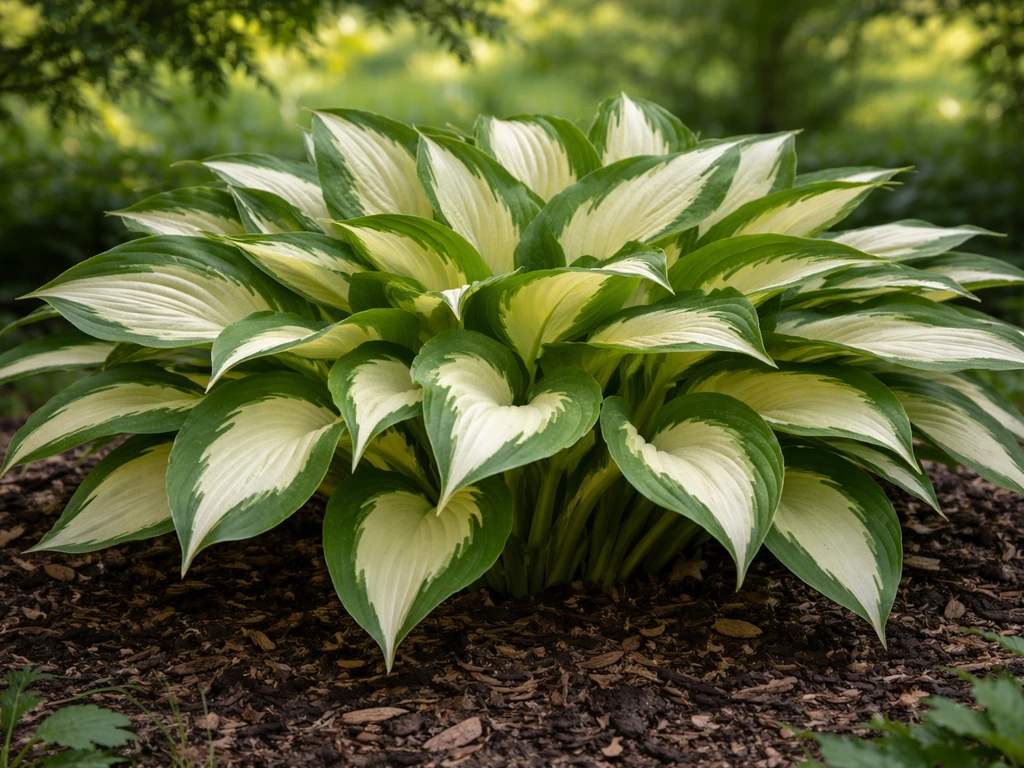
What you're actually growing: know the variety
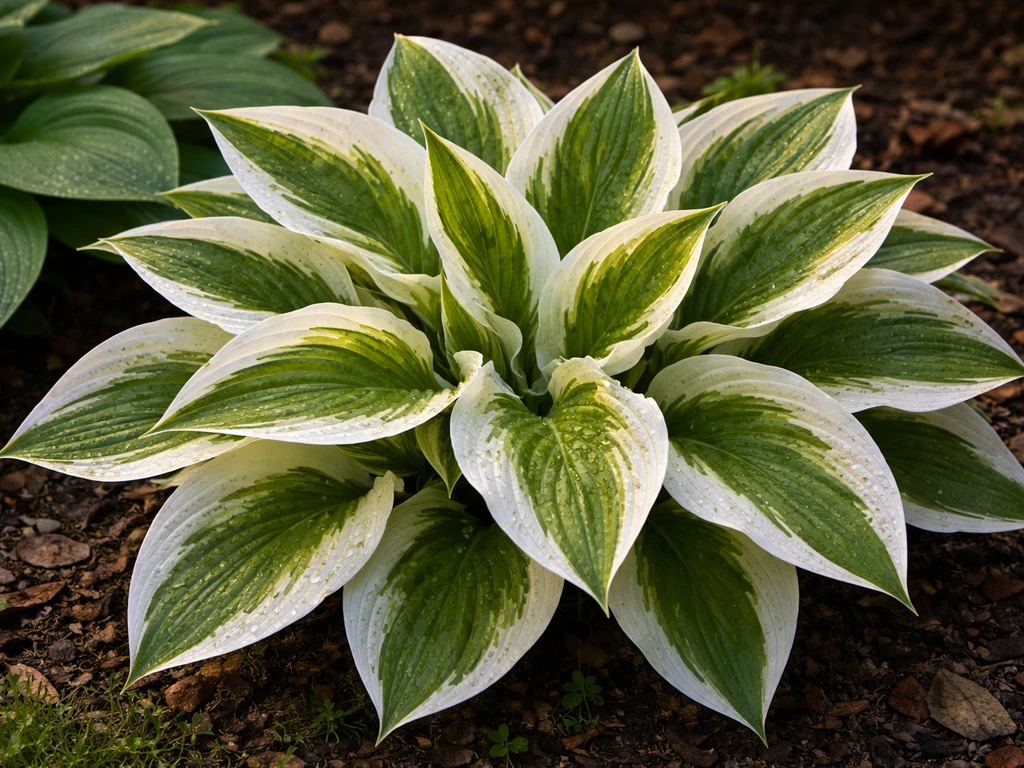
Before you plant, it helps to understand what makes White Feather different from other hostas. Most hostas are green, blue-green, or have cream margins. White Feather emerges from the ground in spring with leaves that are almost entirely cream-white, sometimes with the faintest green veining. As the season progresses and temperatures rise, those leaves transition to a solid lush green. That transition is normal. It's not a sign something is wrong. If your plant looks more green than white by July, that's exactly what it's supposed to do.
The mature size lands around 10–14 inches tall and 16–24 inches wide depending on soil richness and how long the plant has been established. Some sources list it at a more compact 14 x 14 inches (about 35 x 35 cm), but in a well-fed garden bed with good moisture, expect it to push wider over time. It's a medium-sized hosta, not a giant like Empress Wu, but not a miniature either, so plan your spacing accordingly.
One thing I always tell new hosta growers: be patient with this cultivar in its first year. It puts energy into root establishment before putting on a big foliar show. You'll get a better display in year two, and year three is usually when it really hits its stride.
When and where to plant White Feather hosta
Timing: spring vs. fall planting
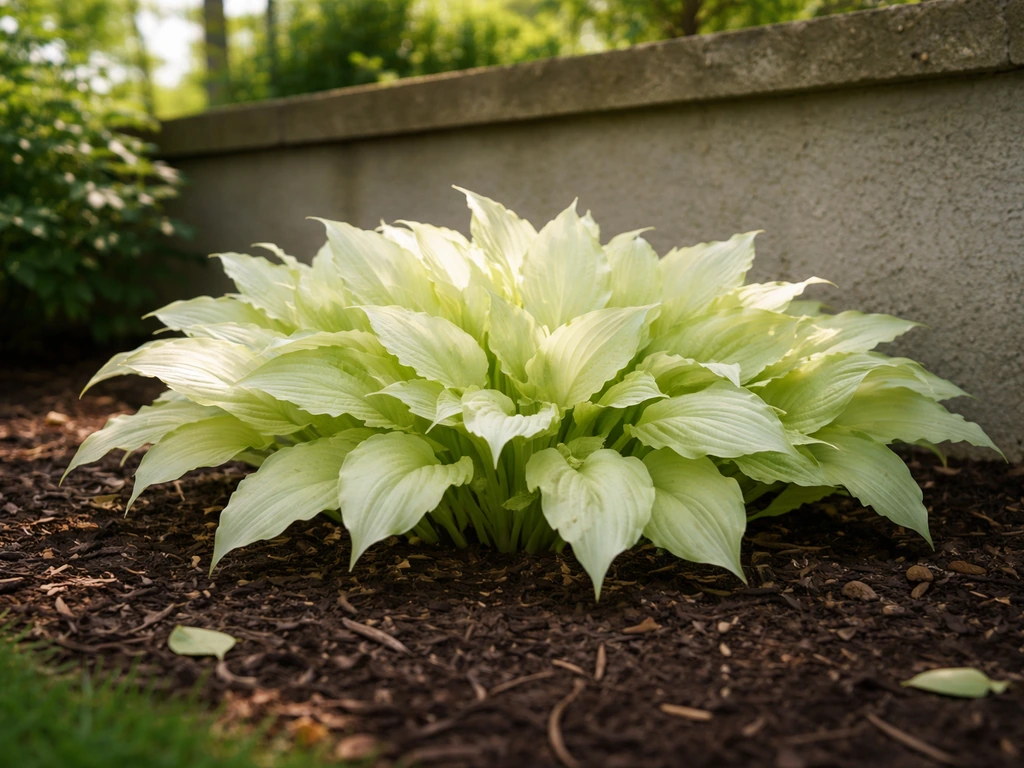
Spring is the ideal time to plant White Feather hosta, ideally after your last frost date when the soil has warmed up a bit. This gives the plant an entire growing season to establish roots before it has to survive winter. If you're working with a container-grown plant, you can technically plant it anytime from late spring through early fall, as long as you can keep it consistently watered for the first six weeks. Fall planting works too, but aim to get it in the ground at least six weeks before your first hard frost so the roots have time to settle in. If you are aiming for autumn frost hosta results, plan ahead for early cold snaps so the plant can settle before the ground freezes.
Light: shade is non-negotiable, but not total darkness
White Feather needs dappled shade or partial shade to look its best and avoid scorching. A spot that gets morning sun (two to four hours) and afternoon shade is close to perfect. Under the canopy of a deciduous tree where light filters through is another great option. Avoid anything that gets direct afternoon sun in summer, especially in zones 6 and warmer. That intense late-day heat will bleach and burn the leaves fast, and the damage is permanent for that season's foliage. I've seen people try to grow hostas on the south or west side of a house in full sun and wonder why they look terrible by August. The answer is always light.
Spacing and placement in the garden
Give each plant at least 18–24 inches of space from neighboring plants. If you're planting a group of White Feather hostas, space them 18–20 inches apart center-to-center. They'll fill in and create a mass planting within two to three seasons. White Feather pairs beautifully with ferns, astilbe, heuchera, and other shade-loving plants that complement its early-season white foliage without competing aggressively for root space.
Soil prep and how to actually plant it
Soil requirements
Hostas want moist, well-drained soil with a slightly acidic to neutral pH, somewhere around 6. BBC Gardeners World Magazine describes Hosta 'White Feather' as having large cream-white leaves that mature to lush green foliage, and recommends it be grown in dappled, partial or full shade in moist, well-drained soil. 0–7.0. The key word is well-drained: moist does not mean waterlogged. If your soil holds standing water after rain, the roots will rot. Before planting, work in a generous amount of compost, two to three inches mixed into the top 10–12 inches of soil. This improves drainage in heavy clay soils and helps sandy soils hold moisture longer. Skip the bagged topsoil and go straight for compost or aged leaf mold if you can find it.
Planting container-grown hostas
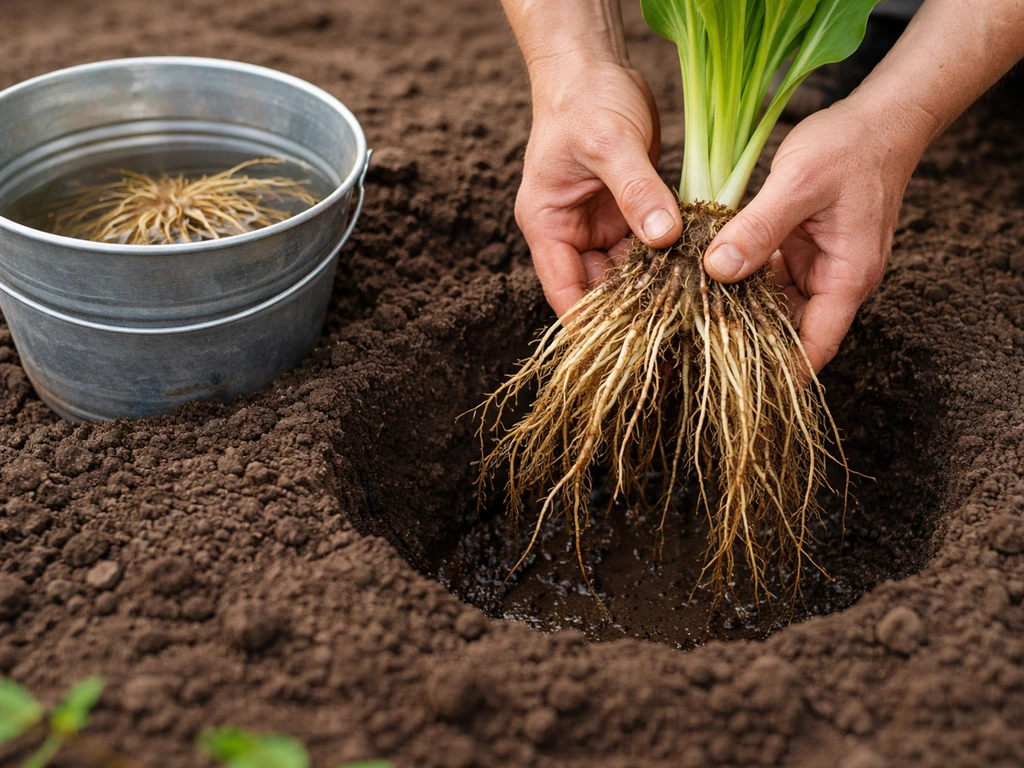
- Water the container thoroughly an hour before planting so the root ball is moist, not bone dry.
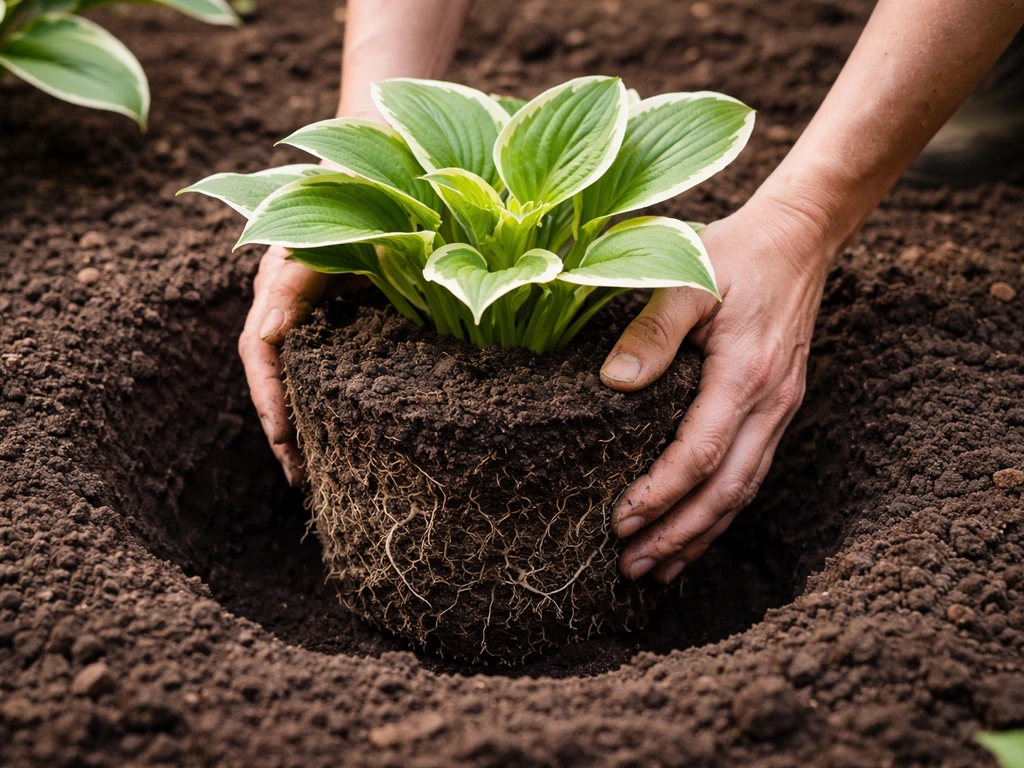
- Dig a hole that's twice as wide as the root ball and just as deep, so the crown of the plant sits at or just slightly above soil level.
- Remove the plant from the pot and gently loosen any circling roots.
- Set the plant in the hole, backfill with your amended soil, and firm it in gently.
- Water in deeply right after planting to settle the soil around the roots.
- Add two to three inches of mulch around the plant, keeping it an inch or two away from the crown.
Planting bare-root hostas
If you received a bare-root division (common when ordering online or dividing an existing plant), the process is similar but with one extra step. Soak the roots in water for 30–60 minutes before planting to rehydrate them. Dig your hole wide enough to spread the roots out without bending or cramping them. Place the crown so it sits about an inch below the soil surface, cover with amended soil, firm gently, and water in well. Bare-root hostas can look rough for a few weeks after planting, but that's normal. Keep the soil moist and they'll push new growth.
Planting divisions
Dividing an established White Feather hosta works best in early spring when the eyes (growth buds) are just emerging from the soil. Dig up the entire clump, brush off excess soil, and use a sharp knife or spade to split the clump into sections, each with at least two to three eyes and a good root mass. Replant immediately and water well. If you want more detail on the division process, the guide on how to grow hostas from roots covers that step-by-step.
Watering, mulching, and feeding
Watering the right way
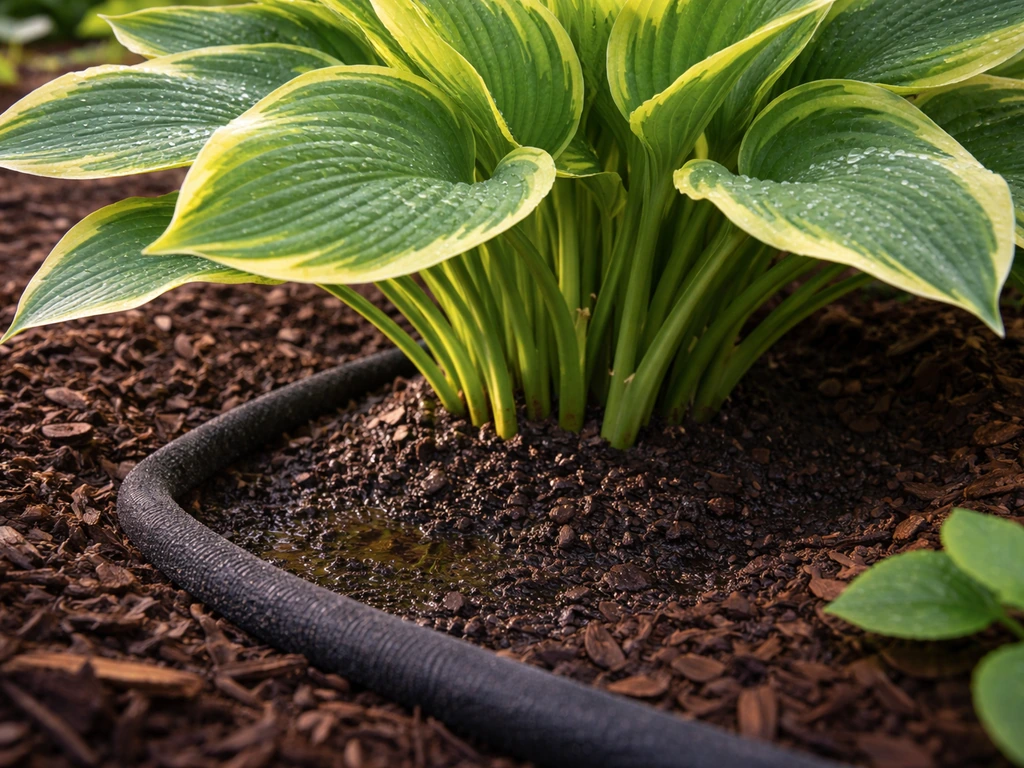
In the first growing season, water deeply once or twice a week depending on rainfall and heat. Deep watering means getting moisture down to the root zone, roughly 6–8 inches deep, rather than a light daily sprinkle. Light frequent watering encourages shallow roots and actually makes the plant less drought tolerant over time. Once established (year two onward), White Feather hosta is reasonably resilient but still prefers consistently moist soil. In prolonged heat and drought, plan on supplemental watering at least once a week.
Water at the base of the plant rather than overhead when possible. Wet foliage overnight encourages fungal problems. If you use a sprinkler, run it in the morning so leaves dry before evening.
Mulching for moisture and temperature control
A two to three inch layer of shredded bark, leaf mold, or wood chip mulch around each plant does two important jobs: it retains soil moisture so you're not watering as often, and it moderates soil temperature during summer heat. Keep the mulch pulled back slightly from the crown to discourage rot and slug habitat right at the base. Refresh the mulch layer each spring before the hostas really push up.
Fertilizing: keep it simple
Hostas are not heavy feeders, but they do respond well to fertilizing in spring. Apply a balanced slow-release granular fertilizer (something like a 10-10-10 or a dedicated hosta/shade plant formula) once in spring as the leaves begin to emerge. Work it lightly into the soil surface around the plant and water it in. That's really all you need. Avoid fertilizing after midsummer because pushing new growth late in the season makes plants vulnerable to frost damage. And skip the heavy liquid fertilizer habit: over-fertilizing leads to lush but weak growth that's more attractive to pests.
If your soil is already rich in organic matter from annual compost additions, you may find the hostas do fine without any supplemental fertilizer at all. Let the plant tell you. Pale, slow-growing plants benefit from feeding. Deep green, vigorous plants probably don't need much help.
Seasonal care from spring through winter
| Season | What to do |
|---|---|
| Spring (emergence) | Remove winter mulch as soil warms. Watch for emerging eyes and avoid stepping near crowns. Apply slow-release fertilizer. Refresh mulch layer after plants are up. Divide overcrowded clumps now if needed. |
| Late spring | Enjoy the cream-white foliage display. Slug and snail patrol starts now. Water if spring is dry. Admire the color transition starting. |
| Summer | Water deeply during heat and drought. Leaves will shift from white to green, which is normal. Avoid overhead watering. Watch for slug damage and treat promptly. |
| Fall | Stop fertilizing by August. Let leaves yellow and die back naturally after first frost. Remove dead foliage once it collapses. Add a light layer of mulch over the crown before hard freezes in colder zones. |
| Winter (zones 3–5) | The crown is dormant underground. A few inches of mulch over the crown helps in colder zones. No watering needed. Mark the location so you don't accidentally dig into it in spring. |
Pest and disease problems to watch for
Slugs and snails: the number one hosta enemy
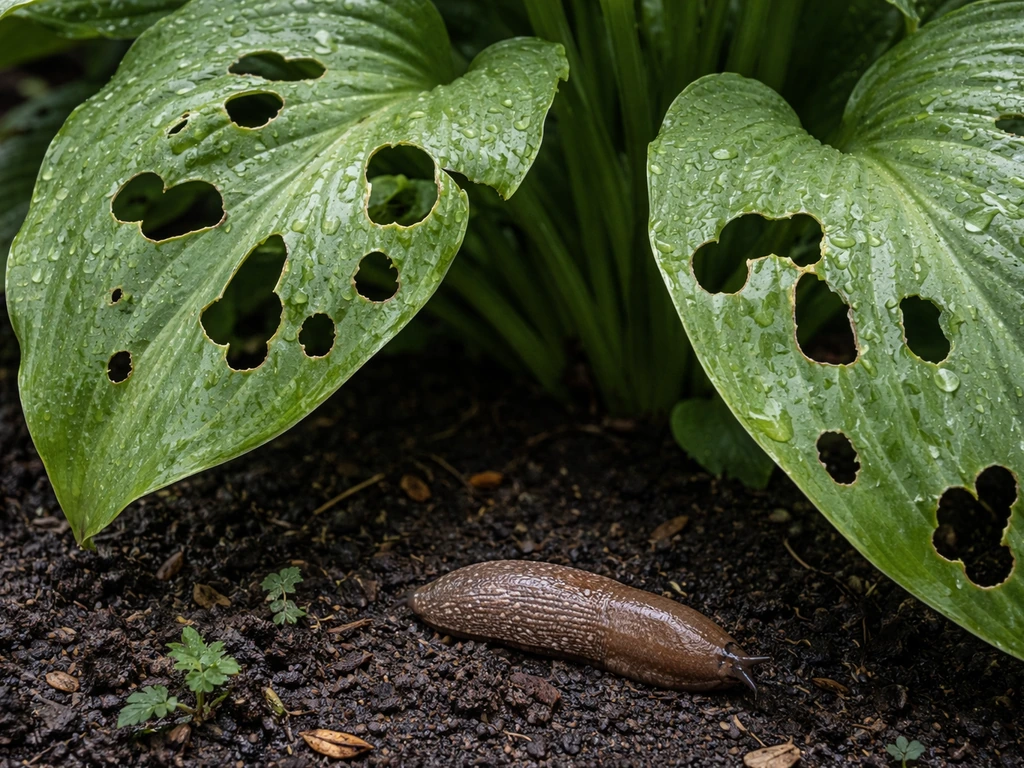
If you grow hostas, you will deal with slugs. It's not a matter of if, it's when. Slugs chew irregular holes in the leaves, usually overnight, and they love the cool, moist conditions that hostas also prefer. The damage is most severe on young leaves in spring. Here's what actually works: iron phosphate bait (sold as Sluggo or similar brands) scattered around your plants is effective and safe around pets and wildlife. Reapply after rain. Diatomaceous earth around the base can help but loses effectiveness when wet. Beer traps work but require emptying regularly. The most underrated approach is just going out at dusk or after rain with a flashlight and removing slugs by hand. Takes five minutes and is surprisingly effective.
Deer and voles
Deer love hostas. If you have deer pressure in your area, protect new plants with deer repellent spray applied every one to two weeks during the growing season, especially in spring and fall when deer are most active. Voles can damage roots underground during winter. If you notice a plant that simply fails to emerge in spring, voles may be the culprit. Hardware cloth barriers around the root zone at planting can help in high-pressure areas.
Fungal issues and rot
Hosta crown rot can happen in poorly drained soil or when mulch is piled against the crown. If a plant suddenly collapses or smells musty at the base, crown rot is likely. There's no great chemical fix: remove affected plants, improve drainage, and don't replant hostas in the same spot for a season. Anthracnose (a fungal leaf disease causing irregular brown patches) can also show up in warm, humid weather. Remove affected leaves, improve air circulation, and avoid overhead watering.
Hosta virus X
Hosta Virus X (HVX) is a serious issue in the hosta world. It causes mottled, distorted, or ink-bleed patterned foliage and spreads through contaminated tools and sap. There is no cure. If you suspect HVX, dig up and destroy the entire plant (don't compost it), and sterilize your tools with a 10% bleach solution before using them on other plants. Buy plants from reputable nurseries to reduce risk.
Quick checklist and symptom fixes
Use this as your go-to reference when something looks off with your White Feather hosta.
| Symptom | Likely cause | What to do right now |
|---|---|---|
| Scorched, bleached, or papery leaf edges | Too much direct sun, especially afternoon sun | Move the plant to a shadier location in early spring, or block afternoon sun with taller plants. Damage on current leaves won't reverse. |
| Holes in leaves | Slugs or snails | Apply iron phosphate bait tonight. Check plants after dark with a flashlight and remove slugs by hand. |
| Leaves stay white or pale all season without greening | Normal for the variety in spring, but if late in season, may be nutrient deficiency or virus | If it's before July, wait. If past July with no green, check for HVX mottling or apply balanced fertilizer and wait two weeks. |
| Brown tips on leaves | Underwatering, excess fertilizer, or low humidity | Water deeply and check soil moisture 3 inches down. If fertilizer was applied recently, flush soil with water. |
| Slow or no growth in spring | Crown damage from frost, voles, or rot | Dig carefully around the crown to check for rot or vole tunneling. If crown is firm and tan, it's fine, just slow. If mushy, remove the plant. |
| Yellowing leaves in summer | Overwatering or poor drainage | Check drainage and reduce watering frequency. Ensure mulch is not compacted and smothering the crown. |
| Sudden plant collapse | Crown rot | Remove plant, improve drainage, don't replant hostas there until next season. |
| Mottled, distorted, or ink-bleed patterns on leaves | Hosta Virus X | Remove and destroy the plant. Sterilize tools. Do not compost. |
Your planting checklist
- Choose a spot with dappled or partial shade, ideally with morning sun and afternoon protection
- Amend soil with compost to improve drainage and moisture retention
- Plant at or just slightly above soil level with the crown never buried deep
- Space plants 18–24 inches apart from neighbors
- Water in deeply at planting and consistently for the first six weeks
- Apply two to three inches of mulch, kept away from the crown
- Fertilize once in spring with a balanced slow-release granular formula
- Start slug monitoring from the moment leaves emerge
- Stop all fertilizing by August
- Let foliage die back naturally in fall and mulch lightly in colder zones
White Feather hosta is one of those plants that rewards patience and the right conditions more than intensive care. Get the light and moisture right, keep the slugs managed, and give it a couple of seasons to establish. If you're still wondering what helps hostas grow, focus on consistent moisture, dappled shade, and soil that drains well. If you're also growing other hostas or want to expand your shade garden, looking into varieties like Autumn Frost or Empress Wu alongside White Feather gives you a nice range of sizes and textures that all share the same basic care requirements, making your shade bed much easier to manage as a whole.
FAQ
If my White Feather hosta is turning green too early, is it sick or normal?
No. White Feather’s cream-white look is tied to light and temperature, and full sun usually causes the leaves to scorch and then permanently green back out. Aim for morning sun with afternoon shade, or filtered light under deciduous trees, and keep the soil evenly moist.
How can I tell the difference between normal color change and a problem?
Most of the time it’s normal varietal transition. If it’s still mostly green by early summer, check for full-day sun exposure, overly dry soil, or too-rich nitrogen feeding. Also confirm you planted the correct cultivar, because mixed stock can happen when plants share the same bench.
What’s the best watering schedule during the first month after planting?
Give newly planted divisions consistent moisture for about six weeks, then switch to deep watering about once a week during dry spells. Check with a soil probe or your finger 6 to 8 inches down, if it’s dry there, water deeply rather than lightly and often.
Can I use a sprinkler for watering, and what’s the risk?
Overhead watering can spread fungal issues, especially when leaves stay wet overnight. If you must use a sprinkler, run it in the morning and increase spacing for airflow. In rainy climates, focus on drainage and avoid dense, wet mulch near the crown.
My White Feather hasn’t emerged yet. How long should I wait, and what should I check first?
Expect a slow first year, but you should see some leaf emergence after planting. If there is no growth by mid-spring, remove surface mulch to check whether the crown is intact and not heaving out of the soil. Also look for slug damage at the base.
How close should mulch be to the hosta crown, and can mulch cause rot?
Mulch helps, but keep it pulled back from the crown by about an inch. Piled mulch can trap moisture and increase rot risk, particularly in poorly drained spots. Use a 2 to 3 inch layer around the plant, refreshed each spring.
What fertilizer mistakes most often lead to weak growth or pest problems?
Too much fertilizer can backfire. If you fed heavily in spring and the plant is getting overly lush but less resilient, cut back next year and skip any late-season feeding after midsummer. In very rich composty soil, fertilizer may not be needed at all.
Can I use weed killer or weed control products around White Feather hosta?
Yes, but control weed competition. Apply a pre-emergent weed control product carefully, because many can harm hostas or delay establishment. For most home gardeners, hand-weeding and thick mulch are safer during the first season.
What should I do first if I see leaf holes but I’m not sure it’s slugs?
If leaves have irregular holes and you see damage mostly after dark, slugs are the likely cause. Use iron phosphate bait and reapply after rain, then remove slugs at dusk to reduce pressure. If diatomaceous earth is used, apply only when the surface is dry.
What are the earliest signs of Hosta Virus X (HVX), and what’s the immediate action?
For HVX, there is no cure, and symptoms can resemble nutrient issues. If you notice mottling, severe distortion, or ink-bleed patterns that persist or spread, remove the plant entirely, destroy it off-site, and sterilize tools before touching other hostas.
My hosta seems smaller than expected. What could be limiting growth?
White Feather commonly stays compact in poor soil or when it’s newly established, then expands after it roots in. If it remains small for several years, improve soil with compost, confirm it is not in excessive shade, and review spacing and watering depth.
When is the best time to divide White Feather hosta, and when should I avoid it?
In ground, most gardeners should avoid dividing during late summer or fall because new cuts may not settle before cold. For best success, divide in early spring when eyes are just emerging, then water well and keep moisture steady through the first weeks after replanting.
How often should I reapply deer repellent, and does it really help with new growth?
Deer protection is most important during peak browsing windows, typically spring and fall. For best results, reapply according to label directions and focus early coverage on new growth. If you have heavy deer pressure, consider combining repellent with physical barriers for young plants.
What should I do if my hosta crown collapses or smells musty?
If the crown collapses or smells musty, assume rot and remove the plant. Improve drainage, avoid replanting hostas in the same spot for a full season, and don’t pile mulch against the crown. Planting in raised beds can help in clay soils.