
Autumn Frost hosta grows best in dappled or morning sun with afternoon shade, planted in rich, well-draining soil at a depth that keeps the crown just at soil level. It's a medium-sized hosta, topping out around 12–20 inches tall and 24–28 inches wide, with stunning blue-green leaves edged in wide yellow margins that soften to creamy white by late summer. It's cold-hardy to USDA Zone 6b and remarkably forgiving once established. Get the light and drainage right upfront and this plant practically takes care of itself.
How to Grow Autumn Frost Hosta: Step-by-Step Guide

Marcus Holloway
19 Jun 2026
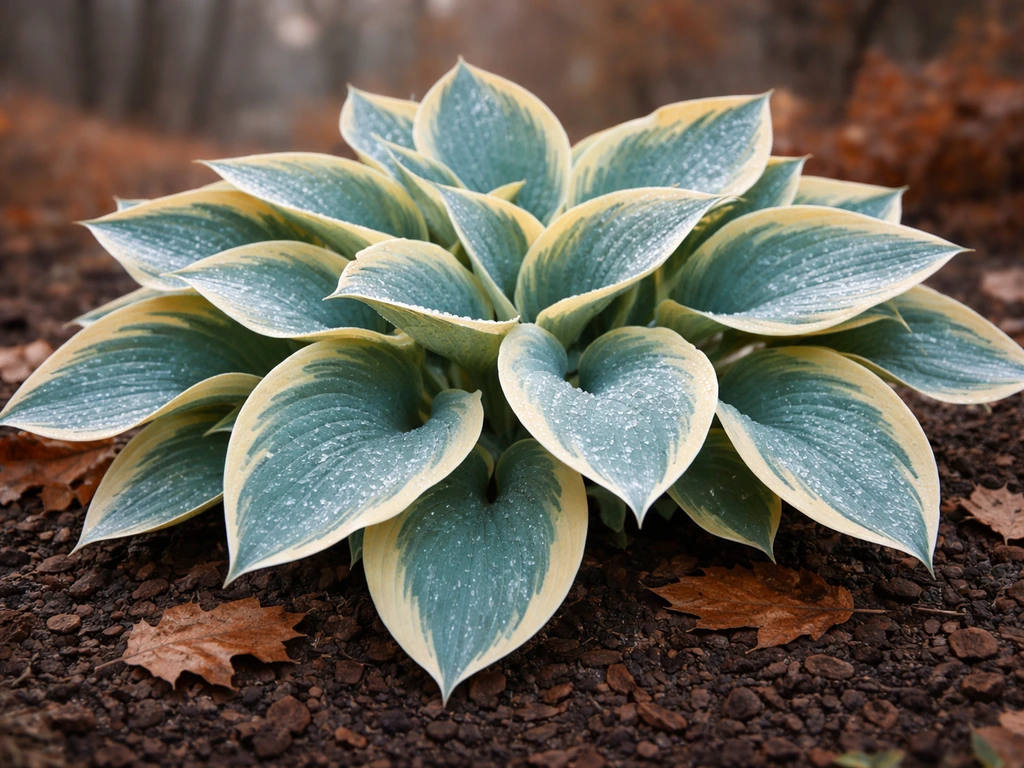
Know your Autumn Frost hosta: traits and what to expect
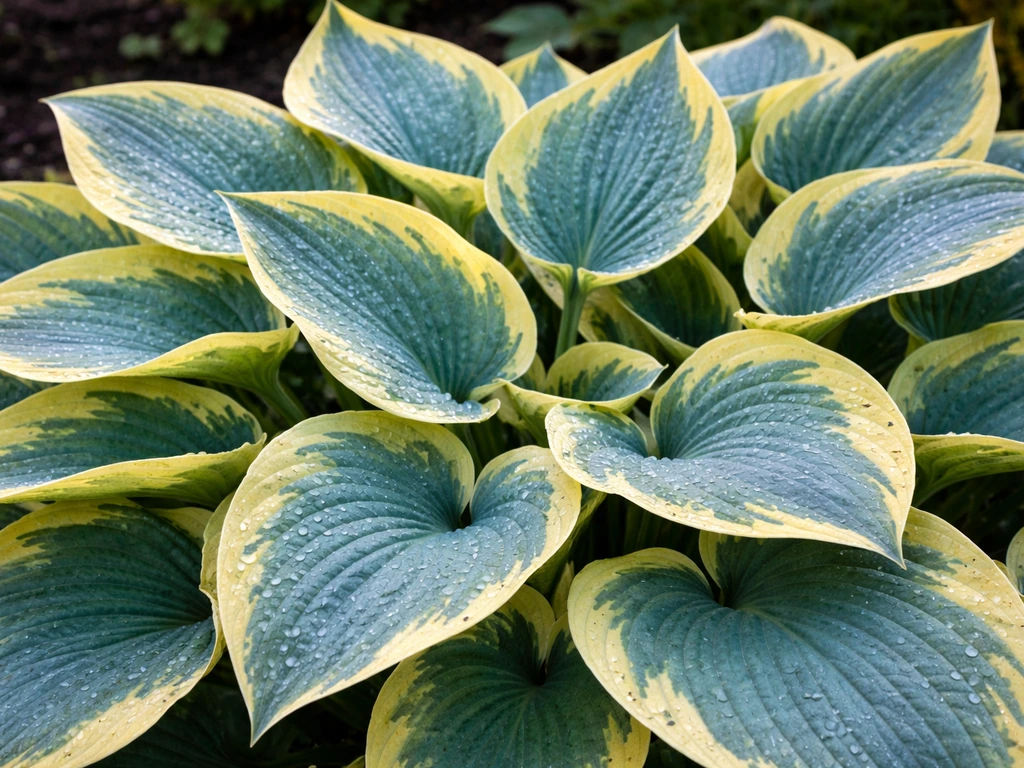
Autumn Frost is part of the Shadowland® series, and it earns its spot in the garden fast. The leaves are thick and pointed with a frosty blue-green center and wide, irregular margins that open bright yellow in spring, then gradually fade to a soft creamy white as summer heat sets in. That color shift isn't a problem, it's the variety doing exactly what it's supposed to do. The name literally comes from this frosted, two-season display.
Expect it to reach full garden size of about 24–28 inches wide and 12–20 inches tall. That sounds compact, but hostas as a group can take 3–8 years to reach their full, mature spread, so don't panic if your first-year plant looks modest. Hosta cultivars may take about 3, 8 years to reach their full size 3–8 years to reach their full, mature spread. The thick substance of the leaves also makes Autumn Frost a bit more slug-resistant than thin-leaved hostas, which is a genuine advantage if you've battled slugs before.
It's rated hardy to Zone 6b, which means it can handle winter lows down to around -20°F (-29°C) with minimal protection in most cases. If you're in Zones 7–9, it'll perform well too, though it will appreciate more shade in hotter climates. Zones 3–5 gardeners can grow it successfully with a little mulching in winter.
Pick the best planting location
Light is the single most important decision you'll make for Autumn Frost. Getting the right light, plus consistent watering and well-draining soil, is what helps hostas grow strong and full Light is the single most important decision. It's a variegated hosta with blue-green coloring, and that blue tone comes from a waxy coating on the leaf surface. Direct afternoon sun burns off that coating fast, leaving you with scorched, faded leaves and a very sad-looking plant by July. The ideal spot gets bright, indirect light or morning sun for 2–4 hours, followed by shade for the rest of the day.
Under deep shade, the variegation can become muddy and the yellow margins may green up more than you'd like. So if your only option is dense, all-day shade from a north-facing wall or heavy tree canopy, expect slightly less dramatic color contrast. A spot under a high-canopy deciduous tree is genuinely perfect: you get bright, dappled light all day without direct sun scorching the leaves. That's the sweet spot.
For spacing, give each plant a full 28–30 inches from neighboring plants. It's tempting to crowd them for instant impact, but hostas resent being crammed once they mature. If you're planting multiple Autumn Frost hostas as a border or mass planting, 24–28 inch spacing center-to-center is the minimum. Closer than that and you'll be dividing within a few years out of necessity rather than choice.
Soil prep and planting depth and timing
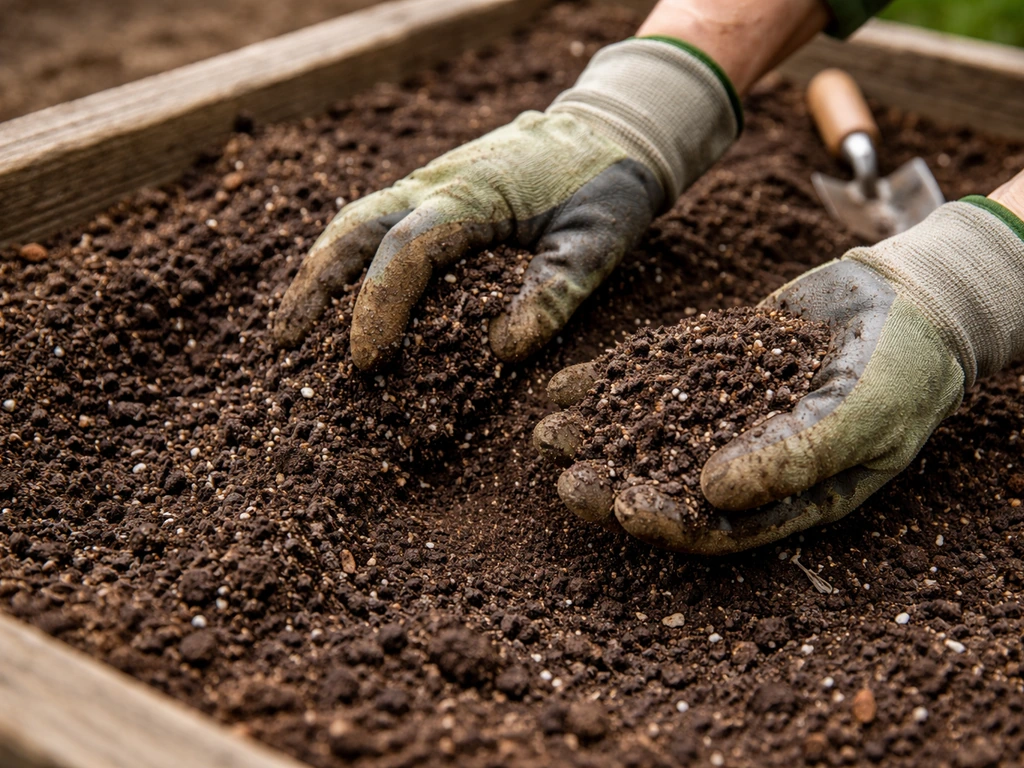
The soil they actually want
Hostas want rich, loose, well-draining soil with a slightly acidic to neutral pH, somewhere in the 6.0–7.5 range. If your soil is heavy clay, that's your biggest problem to solve before planting. Clay holds too much water around the crown, which leads to crown rot, and crown rot is basically a death sentence for a hosta. Work in a generous amount of compost (2–4 inches worked into the top 12 inches of soil) and consider mixing in perlite or coarse sand if drainage is genuinely poor.
Sandy, fast-draining soil is the opposite problem: it won't hold enough moisture. Compost fixes this too. I usually amend the entire bed rather than just the planting hole, because hostas spread wide over the years and their roots will eventually explore well beyond the original hole. Raised beds work great for hostas if your native soil is a mess.
When and how deep to plant

Spring is the best time to plant Autumn Frost, once the soil has warmed and you're past your last frost date. That's typically April through May in most of the US. You can also plant in early fall (August through September), which gives the roots time to establish before winter. Midsummer planting is the hardest on the plant because of heat stress, so avoid it if you can.
Dig a hole about twice as wide as the root mass but only deep enough so the crown sits right at soil level, not buried, not elevated. The crown is that dense central point where the roots meet the emerging shoots. Burying it too deep invites rot; setting it too high exposes it to drying out. When you place the plant in the hole, fan the roots outward rather than leaving them bunched or coiled. This encourages them to spread quickly and anchor the plant well. Backfill with your amended soil, firm it gently, and water thoroughly right away.
Watering and mulch for strong growth
In the first growing season, consistent watering is critical. Aim for about 1 inch of water per week, either from rain or from you. Check the soil 2–3 inches down, if it's dry there, water deeply. Shallow, frequent watering encourages shallow roots, which makes the plant vulnerable to drought stress later. Deep, infrequent watering builds a strong root system. Once Autumn Frost is established (usually after the first full season), it becomes more drought-tolerant, though it still appreciates regular moisture during hot, dry spells.
Water at the base of the plant, not overhead. Wet foliage sitting overnight creates conditions that fungal diseases love, and it can also leave mineral deposits on those beautiful waxy leaves. Drip irrigation or a soaker hose is genuinely the best setup for a hosta bed.
Mulch is one of the best investments you'll make for hostas. Apply 2–3 inches of organic mulch (shredded bark, shredded leaves, or wood chips) around the plant, keeping it pulled back an inch or two from the crown itself. Mulch does three things: it retains soil moisture, moderates soil temperature (hostas don't love wildly fluctuating temps), and as it breaks down, it adds organic matter to the soil. Refresh it each spring. One warning: piling mulch directly against the crown holds moisture right where you don't want it and encourages rot and slug habitat.
Feeding schedule and how much fertilizer to use
Hostas are not heavy feeders, and overfeeding is a real and common mistake. Too much nitrogen pushes lots of soft, lush growth that slugs absolutely love and that is more vulnerable to late frosts. A light, balanced approach is better.
In early spring, as the first shoots emerge, apply a slow-release, balanced granular fertilizer (something in the 10-10-10 range) according to package directions, which usually means about half the recommended rate for ornamental plants in an established bed. Work it lightly into the soil around the plant's drip line, not right at the crown. That one spring application is honestly enough for most hostas in reasonably good soil.
If your soil is genuinely poor, you can do a second, lighter application in late May or early June. Stop fertilizing by midsummer, late feeding pushes tender new growth right when you want the plant to be hardening off for fall. A balanced liquid fertilizer diluted to half strength works well for container-grown Autumn Frost, where nutrients flush out with watering. Avoid high-nitrogen formulas like straight Miracle-Gro applied at full strength; it'll give you big floppy growth but won't do your plant any long-term favors.
Seasonal care through the whole year
Spring: the exciting part
Hostas emerge later than you might expect in spring, and new gardeners sometimes panic thinking the plant didn't survive winter. Be patient. Once soil temps warm and the last frost has passed, you'll see the tightly rolled shoots pushing up through the soil. At this point, apply your slow-release fertilizer, refresh your mulch layer, and check for any frost-heaved roots that need pressing back down. This is also the ideal time to divide clumps if needed, the shoots are easy to see, the roots are beginning to wake up, and the plant bounces back quickly.
Summer: maintenance mode
Once the hosta is fully leafed out, summer care is mostly about watering and watching. Keep the soil consistently moist but not waterlogged. Watch for slugs (more on those below). Flower scapes will appear in midsummer, Autumn Frost produces lavender flowers on tall stalks. You can let them bloom since they're attractive, or remove them early if you'd rather the plant direct energy to foliage. Deadhead spent flower stalks once blooming finishes to keep things tidy.
You'll notice the yellow margins on the leaves transitioning to creamy white through the summer. This is completely normal and actually lovely, the plant has two distinct looks across the season. Don't mistake this color change for nutrient deficiency.
Fall: letting it go gracefully
After the first hard frost, the foliage will collapse and turn brown. Let it happen, don't try to intervene. Once the leaves are fully dead and brown, cut them back to about 1 inch above the soil. Leaving some stem above the soil helps you locate the crown next spring without accidentally digging into it. Fall is also a decent time to transplant or divide if spring got away from you, as long as you have 4–6 weeks before your average first hard freeze. Water well after any fall division so the roots can settle in.
Winter: simple protection
For most of Zones 6b–9, Autumn Frost needs very little winter protection. Your mulch layer handles most of it. In Zones 3–6a, apply an extra 2–3 inch layer of mulch over the crown after the ground freezes, not before, or you'll insulate warmth and delay dormancy. Pine boughs or straw work well. Remove the extra mulch in early spring as the ground thaws.
Troubleshooting common problems
Slugs and snails: the number one hosta enemy
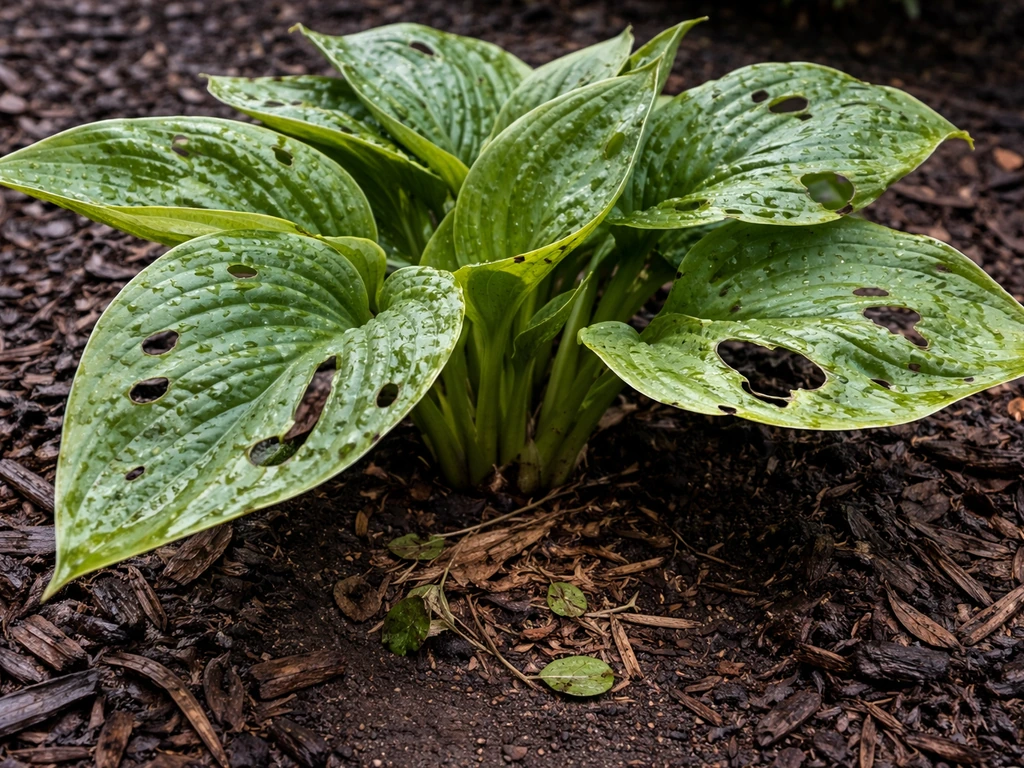
Slugs chew irregular holes through hosta leaves, typically working at night or during wet weather. Autumn Frost's thicker leaves give it some resistance, but it's not immune. Here's what actually works: iron phosphate-based slug bait (like Sluggo) scattered around the plants in early spring before much damage occurs. It's safe around pets and kids, breaks down into the soil, and is genuinely effective. Reapply every 2 weeks during wet periods. Beer traps work but require constant maintenance and honestly feel like a part-time job.
Reduce slug habitat by keeping mulch pulled back from the crown, clearing leaf debris from around the bed, and watering in the morning rather than evening so the soil surface dries out by nightfall. Diatomaceous earth around the plants can help, but it needs to be reapplied after every rain, which makes it impractical in wetter climates.
Leaf burn and color problems
Brown or bleached leaf edges almost always mean too much direct sun. Move the plant to a shadier spot in fall, or create more shade. If the margins are turning brown from the tip inward, it could also be inconsistent watering, dry spells followed by heavy watering stress the leaf tissue. Maintain steady moisture and the new growth next season will look better.
Poor variegation, where the margins are narrow or greening up too much, usually means the plant is in too much shade. Try giving it a bit more bright indirect light. Very young plants can also have less dramatic variegation that improves as the plant matures over its first few seasons.
Slow growth and crown rot
If your Autumn Frost seems slow to emerge in spring or produces very few leaves, the most likely culprits are poor drainage, deeply buried crowns, or late-season fertilizing that didn't allow proper hardening before winter. If you want more tips, see how to grow hostas from roots, especially for encouraging strong early root establishment. Check that the crown is at soil level, not buried.
If the crown feels mushy when you gently press it, that's crown rot, caused by waterlogged soil or mulch piled against the base. There's no saving a fully rotted crown, but you can sometimes rescue the plant by digging it up, cutting away all rotted tissue with a clean knife, dusting the cuts with sulfur powder or a fungicide, and replanting in better-draining soil. Prevention through good drainage and proper planting depth is far easier than treatment.
Slow growth in year one is mostly normal. Hostas spend their first season establishing roots underground, which means top growth is modest. Year two shows noticeably more foliage. Year three onward, you'll really start to see the plant fill out. The patience required is real, but it pays off.
Quick-start checklist and care calendar
Since it's mid-June right now, here's what to do today if you're just getting started or troubleshooting an existing plant: If you want more specific guidance, check out detailed tips on how to grow white feather hosta for stronger, brighter foliage.
- If you haven't planted yet: find a spot with morning sun and afternoon shade, amend soil with compost, and plant with the crown at soil level. Water deeply right away.
- If the plant is in the ground: check that mulch is 2–3 inches deep and pulled back from the crown. Water if the top 2–3 inches of soil are dry.
- Look for slug damage (irregular holes in leaves). Apply iron phosphate bait if you see any.
- Hold off on fertilizing now — it's late in the feeding window. Save that for next April.
- Note whether the plant is getting afternoon sun that could be causing leaf burn, and plan any site adjustments for fall transplanting if needed.
| Season | Key Task |
|---|---|
| Early spring (March–April) | Apply slow-release balanced fertilizer; refresh mulch; watch for emerging shoots |
| Late spring (May) | Optional second light feeding if soil is poor; begin slug bait applications |
| Summer (June–August) | Water consistently 1 inch per week; deadhead spent flower stalks; monitor for pests and leaf issues |
| Early fall (September) | Divide or transplant if needed; water transplants well; no fertilizing |
| Late fall (October–November) | Cut back dead foliage to 1 inch; add extra mulch layer after ground freezes in cold zones |
| Winter (December–March) | No action needed in Zones 6b+; remove extra mulch in early spring as ground thaws |
Autumn Frost is one of those hostas that rewards a little upfront attention with years of reliable, beautiful foliage. Get the light and drainage right, plant at the correct depth, keep slugs in check, and let the plant take its time building up. If you're curious about growing other large-statement hostas, Empress Wu follows many of the same principles but at a dramatically larger scale. And if you're starting from bare roots or divisions rather than potted plants, the root-spreading technique at planting time makes a real difference to how fast the plant establishes.
FAQ
How often should I water Autumn Frost in the first year, and what counts as “deep” watering?
Watering depth matters more than calendar frequency. For newly planted Autumn Frost, water until the soil is moist 6–8 inches down, not just the top inch, then let the top couple inches dry slightly before the next watering. In hot weather, this often means 2 waterings per week rather than a strict 1-inch rule.
What if I planted my hosta too deep or too shallow, can I fix it later?
If the crown is above the soil, it can dry out and the new shoots may be stunted. If it is buried too deep, it can stay wet and rot. The quick check is to look for the dense center where shoots emerge, it should sit at the soil surface (or just barely covered). If it was planted too deep, move it to the correct depth as soon as you notice, ideally in spring.
Can I grow Autumn Frost hosta in a pot, and how do watering and soil change?
In containers, reduce the risk of soggy roots by using a pot with drainage holes, a mix that stays airy (potting soil plus extra perlite), and by watering based on the pot’s weight or how far down the soil dries. Expect more frequent watering than in-ground, but stop as soon as water runs freely out the bottom, since constant saturation is what leads to crown issues.
Is it okay to divide Autumn Frost, and when is the best time to do it?
Yes, and it can be useful for tighter areas, but only if you control moisture and size. Divide when you can see clear growth in spring, then replant immediately at crown depth and space the divisions with enough room for 3–8 years of expansion. Avoid dividing right before winter, in fall you need several weeks before the first hard freeze for root recovery.
My hosta looks pale or small, should I fertilize more to fix it?
Late spring and summer are not great times to “boost” color with extra feeding, because nitrogen can create soft leaves that invite slugs and can delay hardening off. If growth looks weak, focus first on drainage and correct light, then only do a light second feeding early (late May to early June) at reduced rate, and stop by midsummer.
How can I tell the normal color fading from a nutrient problem?
Not usually. Autumn Frost’s creamy white margin change is normal seasonal color shifting, but nutrient deficiency would more often show in the general leaf health, such as overall pale, thin leaves and poor vigor. If the margins look dull only in summer heat, adjust light and maintain consistent watering rather than assuming it needs fertilizer.
What if I only have all-day shade, will Autumn Frost still grow and look good?
In dense shade, you will often get greener or less contrast along the margins, and thick leaf wax can look muted because the plant gets less bright light. If you must keep it in a north-facing or all-day shaded spot, the “fix” is incremental, try adding reflected light (light-colored hardscape nearby) or moving to an area that receives bright, dappled light for much of the day.
When should I apply slug bait, and how do I know if I should reapply sooner?
Start slug bait early in the season, before you see major leaf damage, and keep an eye on wet stretches. Reapplying every 2 weeks during rainy periods is the usual rhythm, but if you see heavy rain washing bait away, you may need earlier reapplication. Also, remove hiding places by clearing leaf debris around the bed.
I’m getting leaf spotting or fungus-like issues, what watering habits should I change first?
Sooty mold or fungal issues are more likely with overhead watering or consistently wet foliage. Water at the base using drip irrigation or a soaker hose, and water earlier in the day so the surface dries by evening. Improve airflow by not crowding plants, since tight spacing traps moisture between leaves.
What causes brown leaf edges on Autumn Frost, and what should I do right away?
If you see brown leaf tips or edge browning, the two most common causes are too much sun or inconsistent moisture. Quick triage is to check whether it’s getting afternoon sun, then verify soil moisture by digging 2–3 inches down, adjust to steady watering, and shift the plant to more shade in fall if burning was likely.