
Little Lime hydrangea is one of the easiest shrubs you can grow for reliable, season-long color. Plant it in a spot with at least six hours of sun, keep the soil moist but well-drained, prune it back by about a third in late winter or early spring, and you'll get a tidy 3-to-5-foot mound covered in panicles from midsummer through fall every single year. If you want lacecap-like blooms on a lacecap hydrangea, focus on correct pruning timing so you don't remove next season's flower buds prune it back by about a third in late winter or early spring. Because it blooms on new wood, you don't have to stress about accidentally cutting off next year's buds the way you would with a mophead or lacecap.
How to Grow Little Lime Hydrangea Step by Step

Marcus Holloway
1 Jul 2026
What Little Lime actually is and how it grows
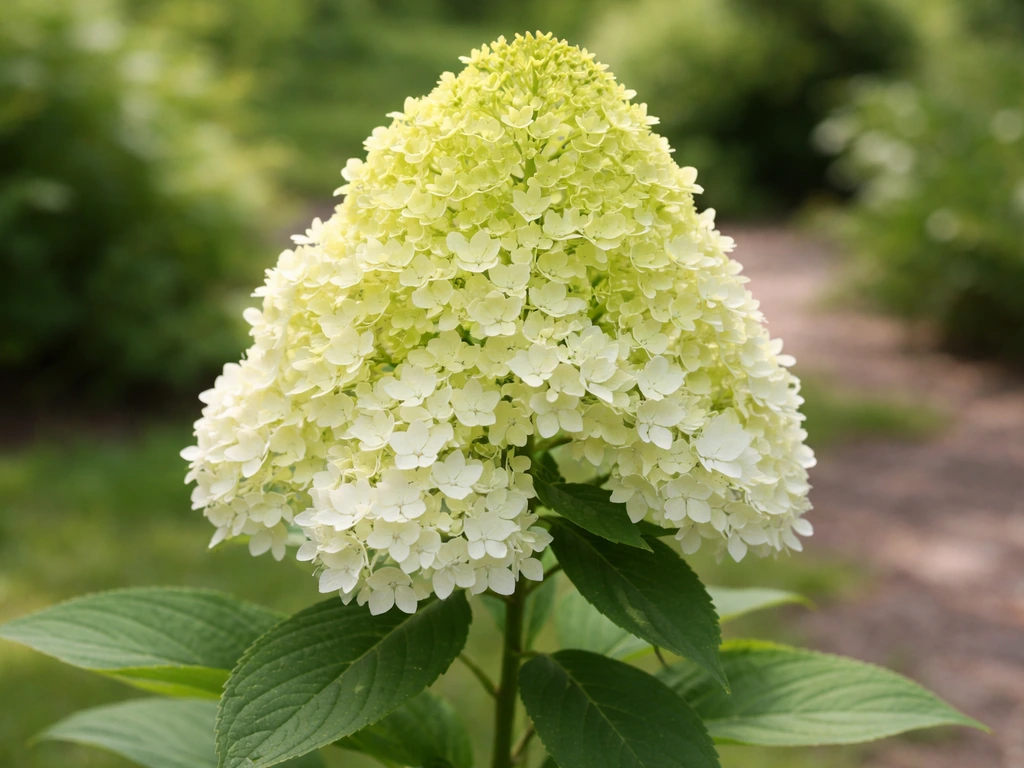
Little Lime (Hydrangea paniculata 'Jane,' sold under the trade name Little Lime) is a compact panicle hydrangea developed as a smaller alternative to the full-sized Limelight. At maturity it forms an upright, rounded mound roughly 3 to 5 feet tall and 3 to 5 feet wide. That's genuinely compact for a panicle hydrangea, which makes it a great fit for foundation plantings, containers, or small beds where a full-sized shrub would take over.
The blooms are the real show. Panicles emerge in midsummer as a soft, clean lime-green, then shift to creamy white through mid-season, and finally pick up dusty pink and rose tones as the temperatures cool in fall. You essentially get three different looks from one plant across a single season. It's hardy in USDA Zones 3 through 8, which is a wide range and one reason it's so popular nationwide.
The single most important thing to understand about Little Lime is that it blooms on new wood, meaning the current season's growth. This is different from old-wood bloomers like mophead or lacecap hydrangeas, where pruning at the wrong time wipes out your flowers. With Little Lime, every spring it pushes out fresh stems, and those stems carry the flower buds. That biology makes it forgiving, predictable, and well-suited to colder zones where stems might die back over winter.
Choosing the right spot
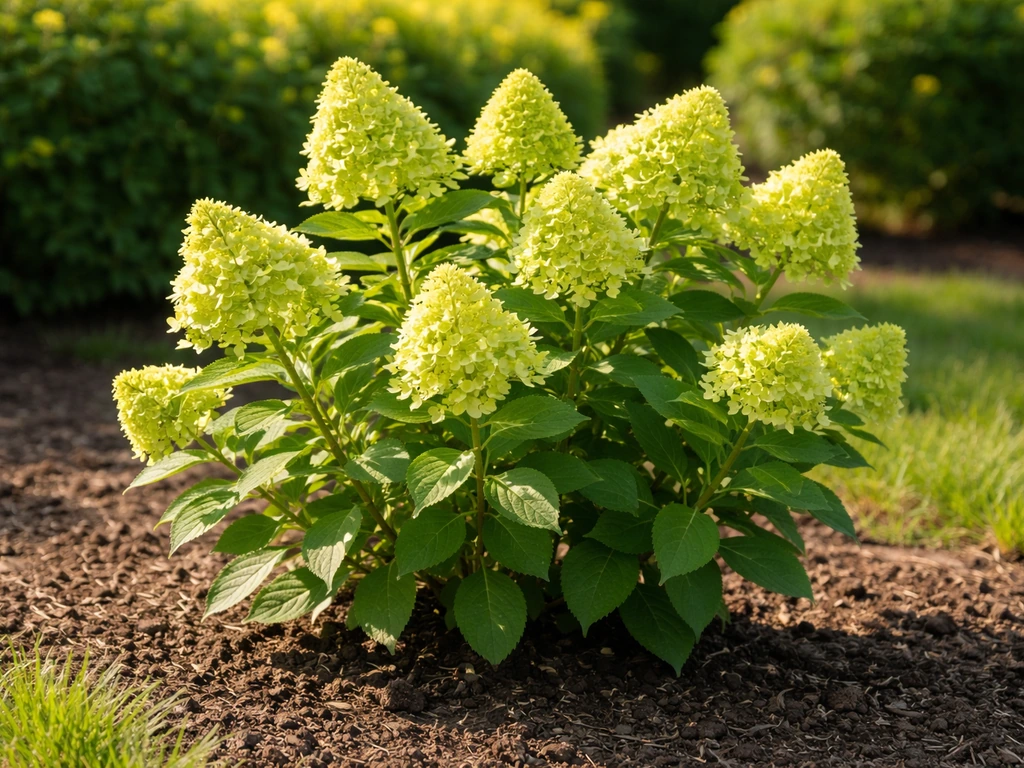
Little Lime wants sun, and more of it than people typically expect from a hydrangea. Aim for at least six hours of direct sunlight per day. Full sun produces the best bloom set and the strongest, sturdiest stems. In hotter climates (Zone 7 and 8), morning sun with some afternoon shade is a smart compromise because it protects the foliage from scorching during peak heat while still delivering enough light to fuel flowering. If you're in Zone 5 or 6, push it toward a full-sun spot without hesitation.
Shade is one of the most common reasons Little Lime underperforms. I've seen gardeners move a struggling plant from a dappled spot under a tree into a sunnier bed and watched it transform within a single season. If your plant is leafy and lush but producing few or small panicles, light is usually the first thing to investigate. A spot that looks sunny in spring can become quite shaded once surrounding trees leaf out fully.
Also consider wind exposure, especially if you're in a colder zone. Strong drying winter winds can desiccate stems and roots. A spot with some protection from prevailing winter winds, like near a fence or building, reduces winter stress without sacrificing summer sun.
Soil, planting time, spacing, and the container vs. ground decision
Getting the soil right before you plant
Little Lime performs best in slightly acidic, well-drained soil with a pH between 5.6 and 6.2. Outside that range, nutrient uptake gets inefficient and you'll see sluggish growth or yellowing leaves even if you're feeding regularly. Pick up an inexpensive soil pH test before you plant. If your soil is too alkaline, work in sulfur or acidic compost. If it's already in range, you're good to go.
Drainage matters more than people realize. Waterlogged soil is probably the fastest way to kill a panicle hydrangea. If you have heavy clay, amend the planting area by mixing in compost and coarse horticultural grit or coarse sand before planting. Don't just dig a single hole in clay and drop the plant in. That creates a bathtub effect where water pools around the roots and suffocates them. Improve a broader area, or build up the bed slightly to encourage runoff.
Planting technique
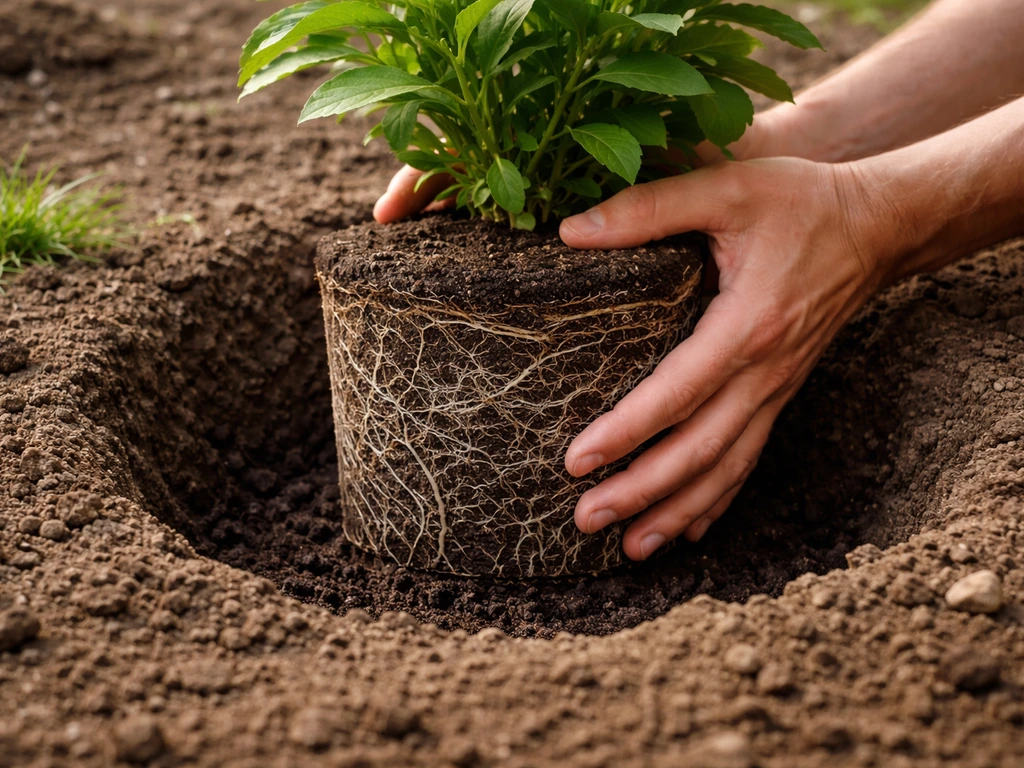
Dig a hole two to three times the width of the root ball and the same depth. Plant at exactly the same level as it sat in the container. Planting too deep is a surprisingly common mistake that leads to stem rot and poor establishment. Backfill with your native soil mixed with about 20 to 30 percent compost by volume, firm it in gently, and water thoroughly right after planting. That first deep watering helps collapse air pockets around the roots.
Spring and fall are both good planting windows. Spring gives the plant a full growing season to establish before its first winter. Fall planting (at least six weeks before hard frost) works well too because cooler temperatures reduce transplant stress and roots can settle in while the soil is still warm. Summer planting is possible but requires more vigilant watering to prevent heat stress.
Spacing
For a foundation planting or a low hedge, space plants about 3.5 feet apart, center to center. This accounts for the mature 3-to-5-foot spread and keeps plants from overcrowding while still filling in as a cohesive row. If you want individual specimens with more breathing room, 4 to 5 feet works well. Crowded plants compete for light and airflow, which invites disease and reduces flower production.
Growing in containers
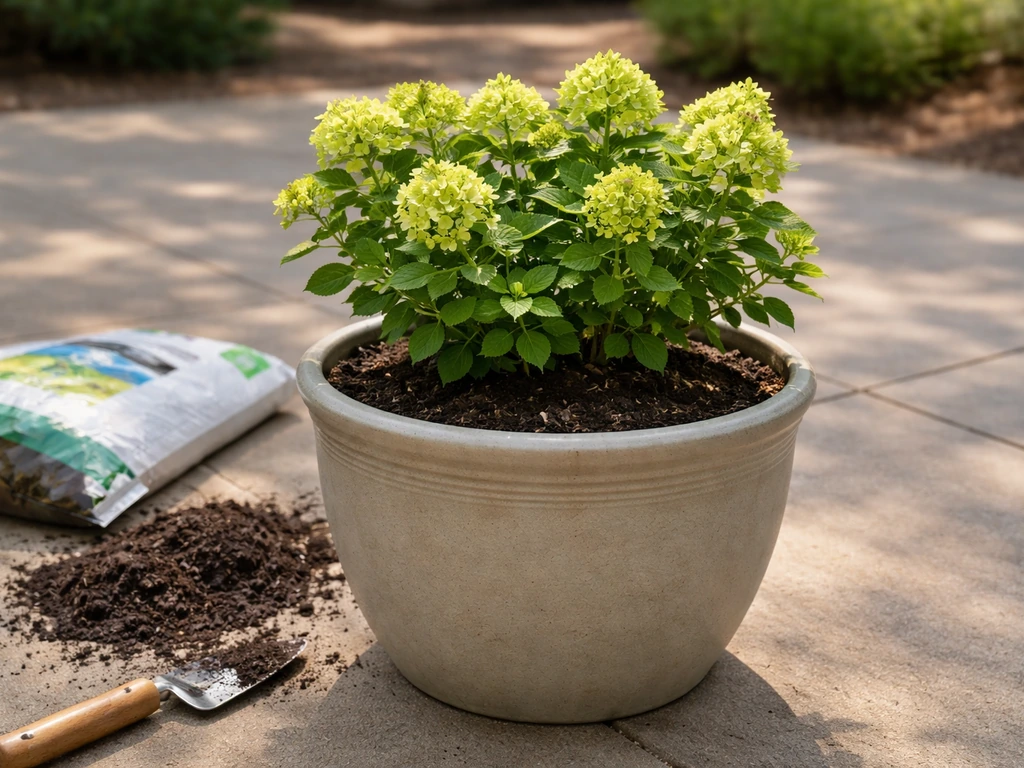
Little Lime's compact size makes it genuinely container-friendly compared to something like a full-sized Limelight. Choose a pot at least 18 to 24 inches in diameter with drainage holes, and use a high-quality potting mix rather than garden soil. Container plants dry out faster than in-ground plants, so you'll water more frequently, sometimes every day during hot summer weather. They also benefit from slightly more frequent feeding since nutrients flush out with regular watering. Container plants in cold climates need extra winter protection because their roots are exposed on all sides. Move the pot to an unheated garage or bury it in the ground for winter if you're in Zone 5 or colder.
Watering and feeding
How much water and when
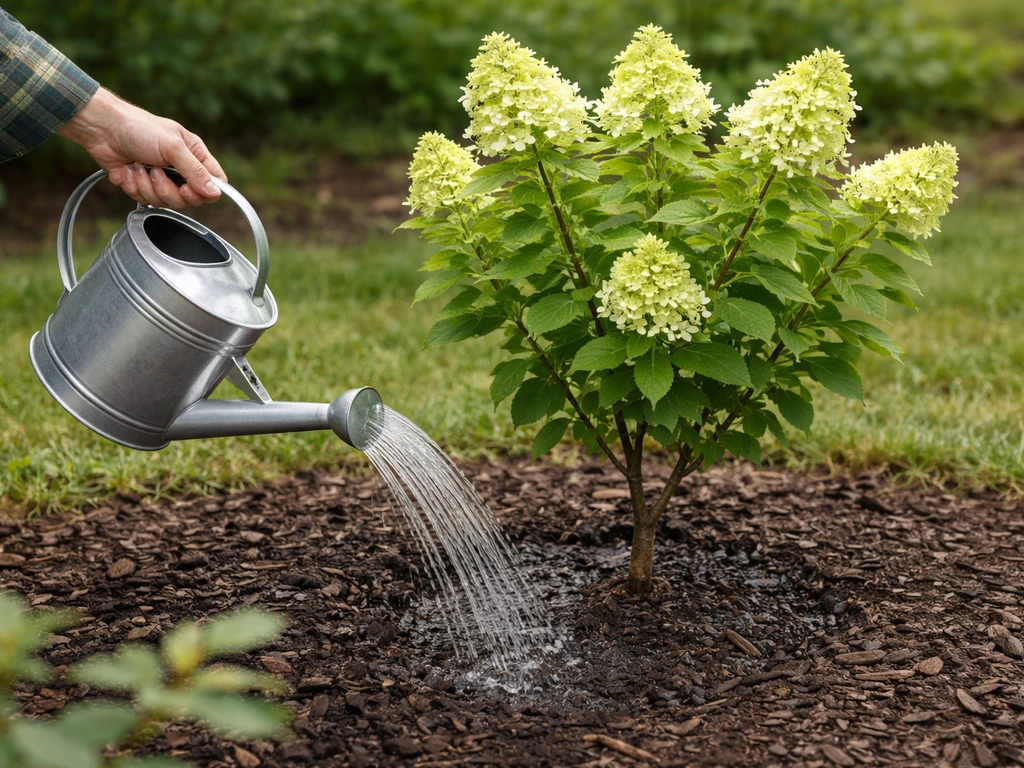
Little Lime has average to high water needs, especially during the first one to two growing seasons while it's establishing. A practical rule: check the top two inches of soil, and water when that layer feels dry. In most climates during the growing season, that translates to roughly once a week for established plants, and more often during heat waves or drought. Soaking deeply each time is better than shallow daily watering because it encourages roots to grow deeper into the soil rather than staying near the surface where they're vulnerable to heat and drying.
Signs of underwatering include wilting, leaf curl, and drooping panicles, typically in the afternoon heat. Signs of overwatering are more subtle but more damaging: yellowing leaves, soft stems near the base, and a general lack of vigor. If the soil stays wet for days at a time between waterings, your drainage setup needs attention before the roots suffer serious damage.
Feeding schedule
Little Lime has average nutrient needs, so don't over-fertilize. A single application of a balanced granular fertilizer like a 10-10-10 in early spring as new growth begins is the standard approach and usually enough. Work it into the soil surface around the drip line and water it in. If you want to give a light follow-up feed in early summer, a diluted balanced liquid fertilizer works, but skip heavy feeding in late summer or fall. Late-season nitrogen pushes soft new growth that's vulnerable to frost and can actually reduce hardiness going into winter.
One thing I'll be honest about: fertilizer alone won't fix a bloom problem caused by poor light, bad pruning timing, or waterlogged soil. I've seen gardeners go heavy on fertilizer trying to coax more flowers and end up with lush foliage and almost no panicles. Get the fundamentals right first, then use fertilizer as a supporting role, not a rescue tool.
Pruning for a compact shape and maximum blooms
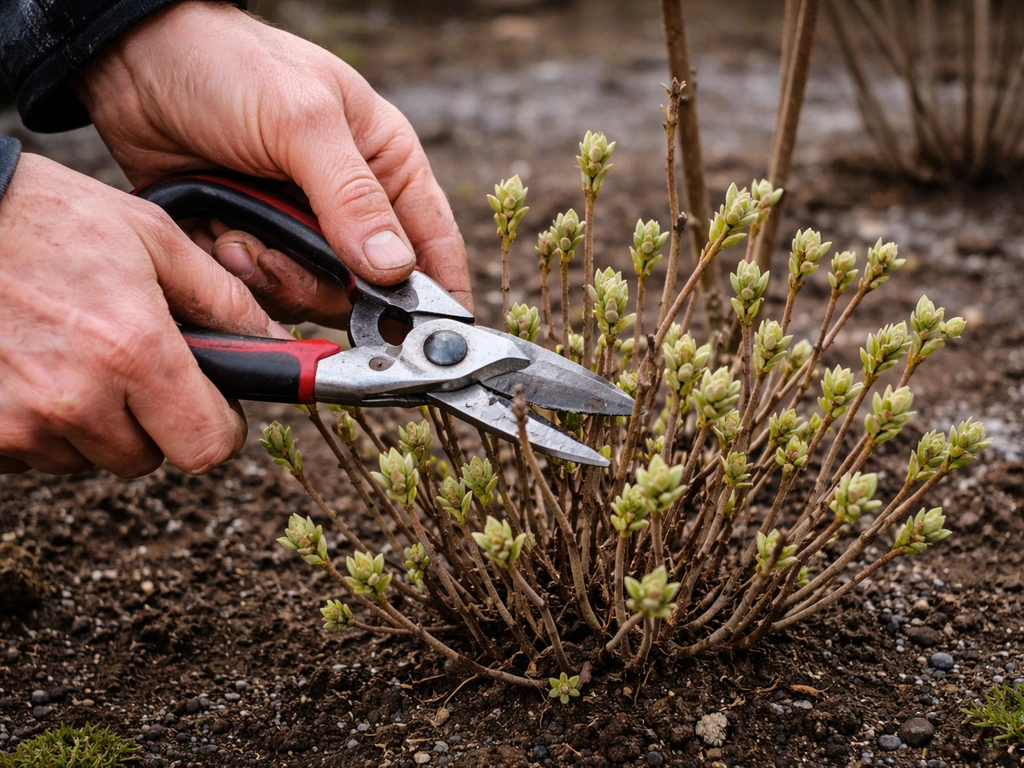
Because Little Lime blooms on new wood, pruning is both safe and necessary in late winter or early spring. The timing window is after the worst cold has passed but before new growth gets going, typically late February through mid-March depending on your zone. This is your annual reset opportunity.
The standard approach is to cut each stem back by about one-third to one-half its length. This encourages strong new shoots, improves stem strength (which helps the panicles stand upright rather than flopping), and keeps the plant within its compact size. If you want to be more aggressive, you can cut stems down to around 24 inches from the ground for a plant in the back of a border, or as low as 10 inches for a very low, tidy specimen. The plant will push back strongly either way because it's regenerating from new wood. If you want to propagate your hydrangea, you can also grow it from a stem cutting using the right timing and rooting setup growing hydrangea from a stem.
The one pruning mistake to avoid is doing it too late. Once new growth is pushing hard in late spring or early summer, heavy pruning disrupts bud development for that season and you'll sacrifice blooms. If you missed the late-winter window, do a light cleanup only and wait until the following late winter for a proper cutback. You can still remove dead or crossing stems any time without much consequence.
In summer, you can deadhead spent panicles to keep the plant tidy. With panicle hydrangeas, this doesn't risk next year's flowers because, again, buds form on new wood the following spring. Some gardeners leave the dried panicles on through winter for ornamental interest and bird habitat, then clean them off in early spring. Both approaches work fine.
Seasonal care from spring through winter
| Season | Key Tasks |
|---|---|
| Spring (March–May) | Prune stems back by one-third to one-half before new growth begins. Apply balanced granular fertilizer (10-10-10). Add 2–3 inches of compost mulch around the base. Watch for new growth to confirm which stems survived winter. |
| Summer (June–August) | Water deeply when the top 2 inches of soil dry out, roughly weekly or more during heat. Optional light liquid feed in early June. Deadhead faded panicles to encourage tidiness. Watch for stress signs in Zone 7–8 heat. |
| Fall (September–November) | Remove dead, damaged, or diseased wood and spent flower heads. Cut back weak or diseased growth. Hold off on any deep pruning until late winter. Stop fertilizing to let the plant harden off before frost. |
| Winter (December–February) | Apply 4–6 inches of mulch around the root zone before hard freezes to insulate roots. In exposed sites, wrap or fence the plant to reduce drying winter wind. Container plants should be moved to shelter in Zone 5 and colder. No watering needed unless in a very dry, mild-winter climate. |
Spring is the most action-heavy season, and getting that late-winter-to-early-spring pruning and feeding sequence right sets the tone for the entire year. If you only do one thing on this list, make it the spring prune. Everything else is maintenance.
Why it won't bloom (and other common struggles)
No flowers or very few panicles
The most common causes of poor blooming are too much shade and pruning at the wrong time. If your Little Lime is in a spot that gets less than four or five hours of direct sun, move it. That's the single most impactful fix you can make. If the light is adequate, think about your pruning timing. Cutting stems back in late spring or early summer, after new growth is already pushing hard, disrupts bud development for that season. If you've done this, expect fewer flowers that year and correct the timing the following late winter.
Yellowing leaves
Yellow leaves most often point to overwatering or poor drainage rather than a nutrient problem. If the soil around the root zone stays wet for extended periods, roots can't get enough oxygen and nutrient uptake shuts down. Dig down a few inches near the root zone and check the soil. If it smells sour or is consistently soggy between waterings, drainage is your issue. In severe cases, roots that have rotted turn dark brown or black and feel mushy. Improve drainage, reduce watering frequency, and, if drainage is structurally poor, consider transplanting to a raised or amended bed.
Yellow leaves can also indicate pH is off. If the soil has drifted above 6.5, iron and manganese become less available and the leaves start showing interveinal yellowing (the veins stay green but the tissue between them turns yellow). Test the pH and amend if needed.
Leaf scorch
Brown, crispy leaf edges in summer are usually sunscorch combined with moisture stress. This shows up most in Zone 7 and 8 during heat waves. The fix is consistent deep watering and, if your site gets brutal afternoon sun in those zones, some light afternoon shade from a nearby structure or taller plant. It's not typically a fatal problem, but chronic scorch weakens the plant over multiple seasons.
Weak, floppy stems
Panicle hydrangeas can get floppy stems when they're overfed with nitrogen (which pushes soft, weak growth) or when they haven't been pruned consistently. Annual late-winter pruning by one-third to one-half strengthens the framework. Cutting back to a low framework each year encourages shorter, thicker stems that hold the panicle weight upright without leaning or flopping. If you've skipped pruning for a couple of years, a harder cutback to about 18 to 24 inches will reset the structure.
Slow establishment or poor growth after planting
If a newly planted Little Lime seems to sit and do nothing for the first season, that's often normal. The plant is investing energy in root development underground before putting on visible top growth. Keep it watered consistently, don't over-fertilize, and be patient. Once you have a hydrangea leaf cutting, you can use a simple rooting setup and keep it consistently moist until you see new growth how to grow hydrangeas from leaves. If growth is still very limited heading into year two, check whether it was planted too deep, whether the soil is draining properly, and whether it's getting enough sun. Those three factors cover the vast majority of establishment failures.
How Little Lime compares to its relatives
If you've grown Limelight hydrangeas before, Little Lime is essentially the same plant scaled down to a more manageable size. Limelight can reach 6 to 8 feet, while Little Lime stays in that 3-to-5-foot range, making it easier to fit into mixed borders and smaller gardens without constant hard pruning to keep it in bounds. Both bloom on new wood and follow the same pruning calendar.
Compared to oakleaf, mophead, or lacecap hydrangeas, Little Lime is significantly more forgiving in cold climates and more tolerant of pruning mistakes. Those types bloom on old wood, so a mistimed prune or a harsh winter that kills stems means no flowers that year. Little Lime sidesteps that problem entirely because it regenerates fresh flowering wood every spring. If you're new to hydrangeas or want low-drama consistent results, panicle hydrangeas like Little Lime are genuinely the easiest place to start.
FAQ
How much shade is too much when I’m trying to grow little lime hydrangea?
If you want reliable panicles, aim for at least 6 hours of direct sun. Less than 4 to 5 hours often leads to lush leaves with fewer blooms, and “morning sun” can become inadequate once trees leaf out, so check the site in midsummer, not just spring.
Why does my little lime hydrangea look healthy but doesn’t bloom?
The usual causes are insufficient light or a pruning timing mistake. If you pruned in late spring or early summer, you likely removed buds for that season, and you should see improvement after the next late-winter cutback.
Should I deadhead little lime hydrangea panicles to increase blooms?
Deadheading is mainly for appearance. Because it flowers on new wood, removing spent panicles usually does not “force” more flowers for the current season, but it can tidy the plant and reduce self-seeding if you do not want seed heads.
Can I prune my little lime hydrangea in the fall?
Avoid major pruning in fall. Cutting back too early can remove stems that help protect the crown over winter, and it can also stimulate soft growth right before cold weather.
What if winter kills some of my little lime stems? Will it still bloom?
Yes, usually. Since Little Lime blooms on new wood, dead or damaged stems can be cut back in late winter, and the plant will generate new flowering shoots that season (as long as the crown survived).
How low should I cut back little lime hydrangea if it has gotten too big or floppy?
A common reset is cutting stems back to around 18 to 24 inches if it has gotten leggy. If you want a very compact form, you can go lower, but keep cuts in late winter or early spring so buds have time to develop on new growth.
Is it better to fertilize little lime hydrangea in-ground or in containers more often?
Containers usually need more frequent feeding because watering flushes nutrients from the pot faster. In ground, a single early-spring balanced feed is typically enough, and additional fertilizer should be light because excess nitrogen can reduce flowers and weaken stems.
What fertilizer number should I use, and how do I avoid overfeeding?
A balanced product like 10-10-10 is a straightforward option applied once in early spring. Avoid late-season nitrogen, and if your plant already has vigorous leafy growth with few panicles, stop feeding and correct light and pruning first.
My little lime leaves turn yellow, but I’m not sure if it’s water or pH. How can I tell?
Check drainage first by digging near the root zone, if it stays wet and smells sour, it’s likely waterlogged roots. If soil is not persistently soggy and you see interveinal yellowing (veins remain greener), test pH, since drift above about 6.5 can cause iron-related yellowing.
Can I grow little lime hydrangea in a pot year-round?
You can grow it in a pot, but plan for winter protection in colder zones. For Zone 5 or colder, move the pot to an unheated garage or bury it in the ground to insulate exposed roots, and keep the pot in well-draining mix with holes.
How often should I water little lime hydrangea once it’s established?
Use the top-2-inch soil check. Water when that layer dries out, in many climates that’s about once per week during active growth, but heat waves or drought can mean more frequent deep watering.
Why are the stems flopping on my little lime hydrangea even though I prune?
Flopping often comes from too much nitrogen or inconsistent pruning. Make sure you do the annual late-winter cutback, and if you have overfed, pause fertilizer and focus on full sun, since stronger stems correlate with better bloom structure.
What should I do if my newly planted little lime seems stalled for the first year?
First-season stillness is common as roots establish. Keep soil evenly moist but not waterlogged, use only light feeding (or none beyond the basic early season approach), and verify sun and planting depth if growth is still minimal heading into year two.