
Limelight hydrangeas are one of the most rewarding shrubs you can put in your yard: big, conical flower heads that start creamy white, shift to that gorgeous chartreuse-lime color, then blush pink before fading to tan by fall. They bloom on current-season wood, which means you prune in late winter or early spring, stand back, and let the plant do the work from July through September. Plant them in full sun to part shade, give them fertile, well-drained soil, keep the moisture consistent, and prune back about one-third of the previous year's growth each spring. That's the core of it. Everything below tells you exactly how to execute each step.
How to Grow Limelight Hydrangeas: Pruning, Care, Fixes

Marcus Holloway
28 Apr 2026
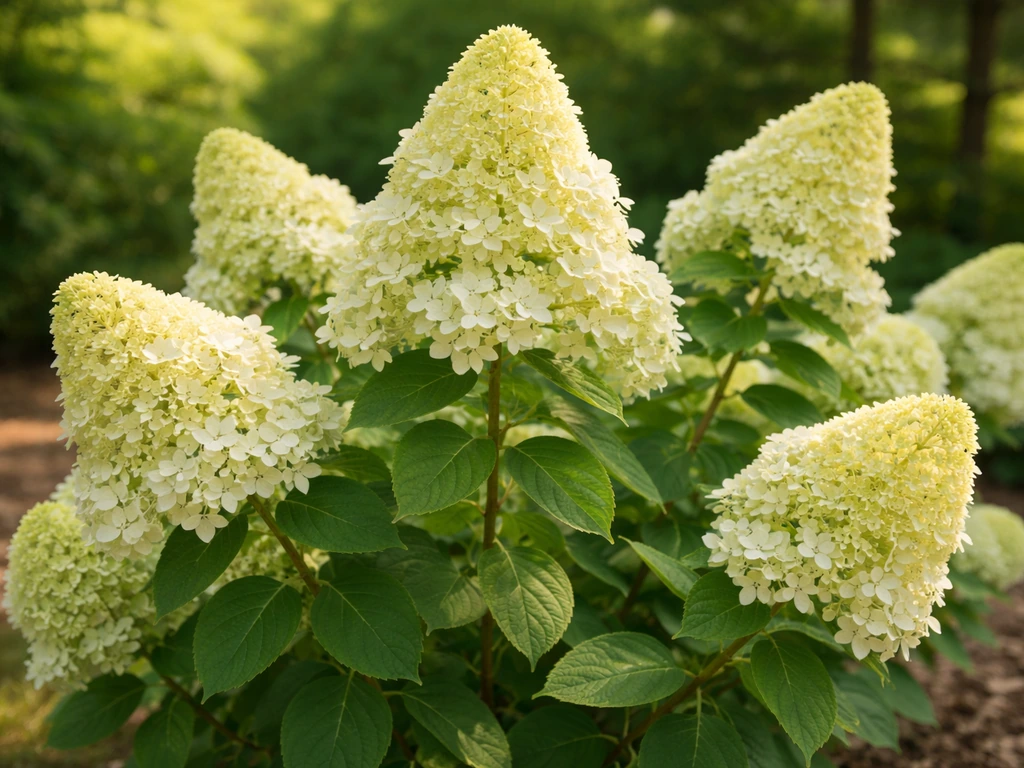
What you're actually dealing with: Limelight's growth habit
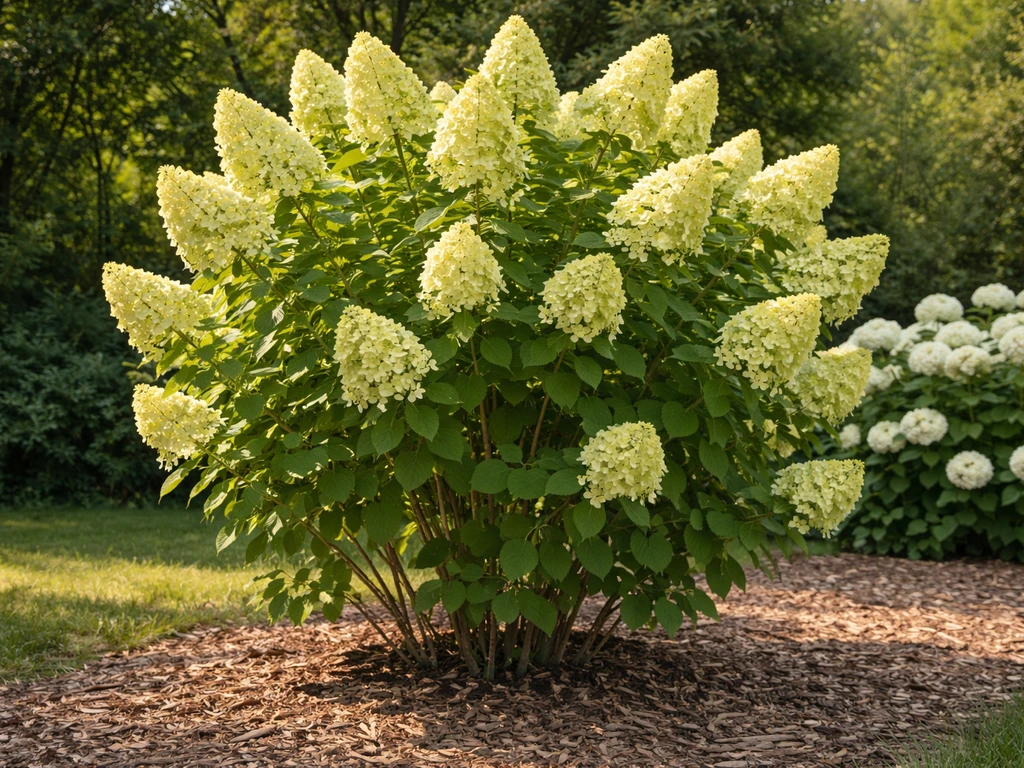
Limelight is botanically Hydrangea paniculata 'Limelight', a panicle hydrangea. That distinction matters because panicle hydrangeas behave very differently from the big-leaf mophead or lacecap types. You don't have to worry about accidentally pruning off next year's flower buds. You don't have to stress about soil pH for bloom color (the flowers change color on their own as the season progresses, regardless of your soil). And unlike most other hydrangeas, Limelight is the most heat-tolerant of the panicle group, performing reliably even in USDA Zone 9.
As a shrub, Limelight is a big plant. We're talking 8 to 15 feet tall at full maturity, sometimes reaching 25 feet in ideal conditions, with a spread of roughly 6 to 10 feet. The flower panicles themselves are upright, sharply pointed, and cone-shaped, running about 6 to 8 inches long. They're made up of both fertile and sterile flowers, and the color progression from white to lime to pink to parchment is part of what makes this plant so appealing across the full growing season.
One thing worth knowing upfront: Limelight is also sold as a 'standard' or 'tree' form, where the plant is trained onto a single trunk, typically topping out around 6 to 8 feet tall and 4 to 6 feet wide. If that's what you bought, don't worry, it's the same plant, just trained differently. I'll cover the pruning differences for the tree form separately below.
Picking the right spot: sun, heat, and how much room to leave
Limelight wants full sun to partial shade. In practice, I've seen these plants do best with at least 6 hours of direct sun per day. In hotter climates (Zone 7 and south), some afternoon shade is actually welcome because it protects the blooms from scorching, but don't go too shady or you'll get weak stems and fewer flowers. In Zones 4 through 6, full sun is your friend.
Spacing is something a lot of gardeners get wrong because the plant looks so modest in a nursery pot. Give each Limelight shrub 8 to 10 feet of space from other plants or structures. A mature specimen can be 6 to 10 feet wide, so that gap matters for airflow, which cuts down on fungal disease, and for allowing the plant to develop its natural rounded form without crowding. For a tree-form standard, you have a little more flexibility since the canopy is elevated, but a 4 to 6 foot clearance on all sides is still wise.
Avoid low-lying frost pockets. Limelight is hardy down to USDA Zone 3 by some accounts, with Fine Gardening listing it for Zones 4 to 8, so cold hardiness isn't usually the issue. But late spring frosts hitting new growth can set back your season, so a spot with decent air drainage protects that early growth.
Soil prep, planting steps, and when to plant

Limelight is not fussy about soil pH the way mophead hydrangeas can be, but it does want fertile, moist, well-drained soil. Mophead hydrangeas have different bloom and pruning needs, so if you are specifically wondering how to grow mophead hydrangeas, you should follow their guide too. Compacted clay or pure sand are both trouble. Sandy soil dries out too fast and starves the roots; heavy clay holds too much water and invites rot. Either way, the fix is the same: work in a generous amount of compost before planting.
The best planting window is late winter to early spring before new growth emerges. Fall planting can work in milder zones, but spring gives the roots a full growing season to establish before their first winter. Here's how to plant:
- Dig a hole twice as wide as the root ball and the same depth. Wider is better than deeper.
- Loosen the soil at the bottom and sides of the hole so roots can penetrate easily.
- Mix compost or other organic matter into the removed soil, especially if your native soil is sandy or heavy clay.
- Set the plant in the hole at the same depth it was growing in the container. Don't bury the crown.
- Backfill with your amended soil, firming gently to remove air pockets.
- Water thoroughly right after planting to settle the soil.
- Apply a 2 to 3 inch layer of organic mulch (shredded bark, pine needles, or compost) over the root zone, keeping it a few inches away from the main stems.
That mulch layer is doing real work: it retains moisture, moderates soil temperature, and reduces how often you need to water in the first critical months. Don't skip it.
Watering and fertilizing through the seasons
Watering: new plants vs. established plants
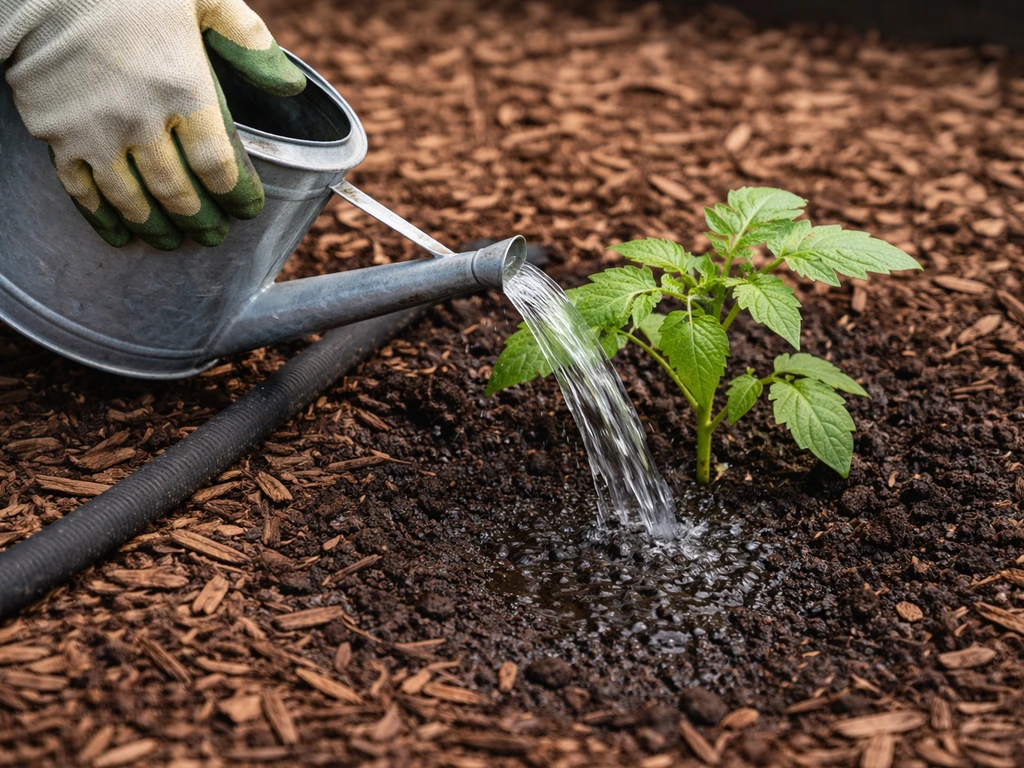
For the first season after planting, water several times a week, delivering about an inch of water each time. Always water at the base of the plant, not overhead. Wet foliage invites fungal problems, and the roots are what need that moisture anyway. Once established (typically after the first full growing season), Limelight is more forgiving, but it still wants consistent moisture during summer. Plan on a deep watering every 5 to 7 days in summer heat if you're not getting regular rainfall. A plant that dries out repeatedly will have smaller flower heads and may wilt dramatically during hot afternoons.
Fertilizing: don't overdo it
Here's where I'd push back on the 'more is better' instinct. Limelight doesn't need heavy feeding. A light application of a balanced fertilizer like a 10-10-10, or better yet a slow-release organic option, once in early spring is usually enough. Too much nitrogen produces lush leafy growth at the expense of blooms and also creates soft stems that can't hold up those heavy flower heads. Avoid the temptation to dump lawn fertilizer on your hydrangeas. It's one of the most common mistakes I hear about, and it rarely ends well.
| Season | Watering | Fertilizing |
|---|---|---|
| Spring (planting/establishment) | Several times per week if newly planted; keep soil consistently moist | Apply slow-release balanced fertilizer (e.g., 10-10-10) once as growth emerges |
| Summer (active bloom) | Deep watering every 5–7 days for established plants; more for new plants | No additional feeding needed; excess nitrogen hurts blooms |
| Fall | Taper off as temperatures drop; keep soil from completely drying out | No fertilizing; allow the plant to harden off naturally |
| Winter | No supplemental watering needed in most zones unless unusually dry and mild | None |
Pruning for big blooms and strong stems
Pruning is where Limelight gives you the most control over what your plant looks like and how it flowers. Because Limelight blooms on the current season's growth (new wood), you prune in late winter to early spring, before the plant breaks dormancy. Nature Hills’ pruning-by-type guide notes that panicle hydrangeas like Limelight can be pruned in late winter or early spring because they flower on new wood, and there’s essentially no bad time to prune This timing is forgiving: you're not risking the year's flowers no matter what you do, as long as you do it before the growing season kicks in.. This timing is forgiving: you're not risking the year's flowers no matter what you do, as long as you do it before the growing season kicks in.
Pruning the shrub form
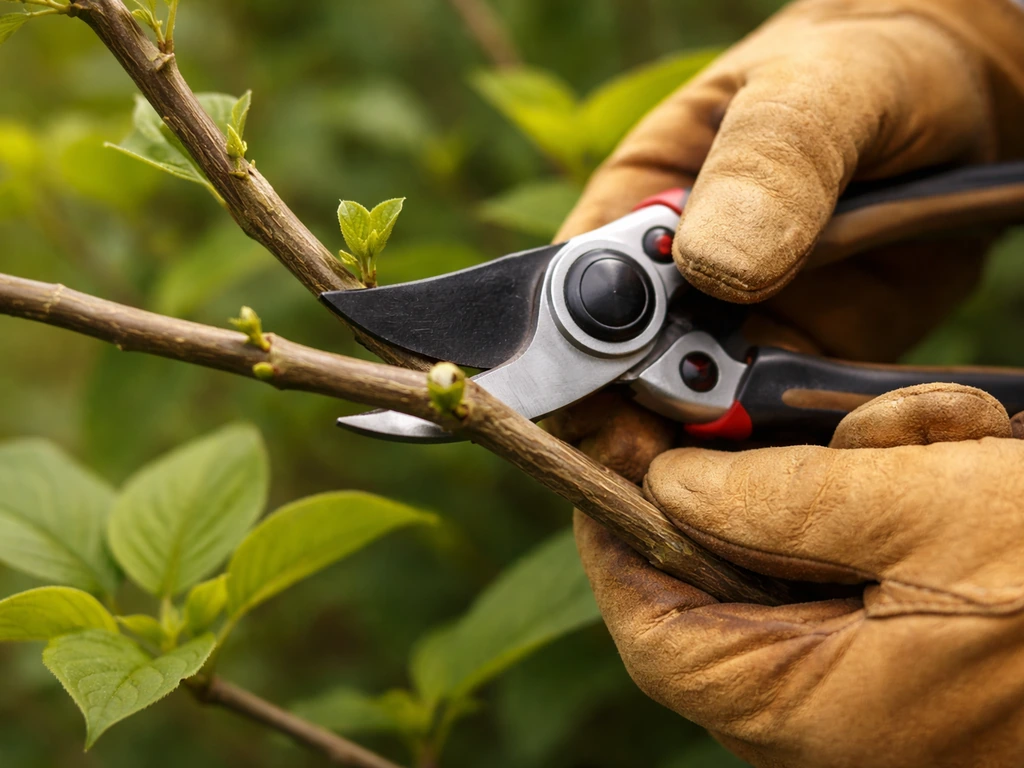
The standard recommendation is to cut back about one-third of the previous year's growth, and you can go up to one-half if the plant is getting too large or lanky. This does two things: it keeps the plant at a manageable size, and it directs energy into fewer, stronger stems that can hold up large flower heads without flopping. Avoid cutting back in fall. If you prune too early in the season, any new growth that pushes out can be damaged by a late freeze, and you'll end up with weak, tender stems going into winter.
Make your cuts just above a healthy bud or node. You don't need to cut every single stem. Focus on removing crossing or rubbing branches, any dead wood, and reducing the overall height. A clean, open framework with good air circulation through the center is what you're after.
Pruning the tree or standard form
If you have a Limelight trained as a single-trunk standard (what's sometimes sold as a 'Limelight hydrangea tree'), the approach is similar but you're working with a different structure. The trunk itself is established, and you're pruning the canopy that sits on top of it. Each spring, cut back the branching canopy by about one-third, just as you would a shrub, to promote strong new growth and good flower production. The goal is to maintain a rounded, balanced canopy that doesn't become so top-heavy it stresses the trunk.
Keep all new shoots that emerge from the trunk or base of the plant removed promptly. These are called suckers, and if you let them grow, they'll take energy away from the canopy and eventually undermine the tree form. Check for them every few weeks during the growing season. Missouri Botanical Garden notes that while Limelight can be trained as a small tree, the multi-stemmed shrub form is actually the more natural and reliable way to grow it. That said, the standard form is genuinely striking in a formal garden or container setting.
Pests, diseases, and what to do when something goes wrong
Common diseases
Limelight is relatively tough, but a few fungal issues can show up, especially in humid conditions or when plants are crowded.
- Botrytis blight (Botrytis cinerea): Gray, fuzzy mold on flowers or buds, often in cool, wet weather. Remove and dispose of affected plant material (don't compost it). Improve air circulation by not overcrowding plants and watering at the base rather than overhead.
- Leaf spot (Cercospora and other fungi): Brown or purplish spots on leaves, sometimes with yellow halos. Usually cosmetic and not fatal. Remove heavily infected leaves, avoid wetting foliage, and ensure adequate spacing.
- Powdery mildew: White powdery coating on leaves. More common on big-leaf hydrangeas than panicle types, but still possible in humid summers. Again, good air circulation is your best prevention.
Common pests
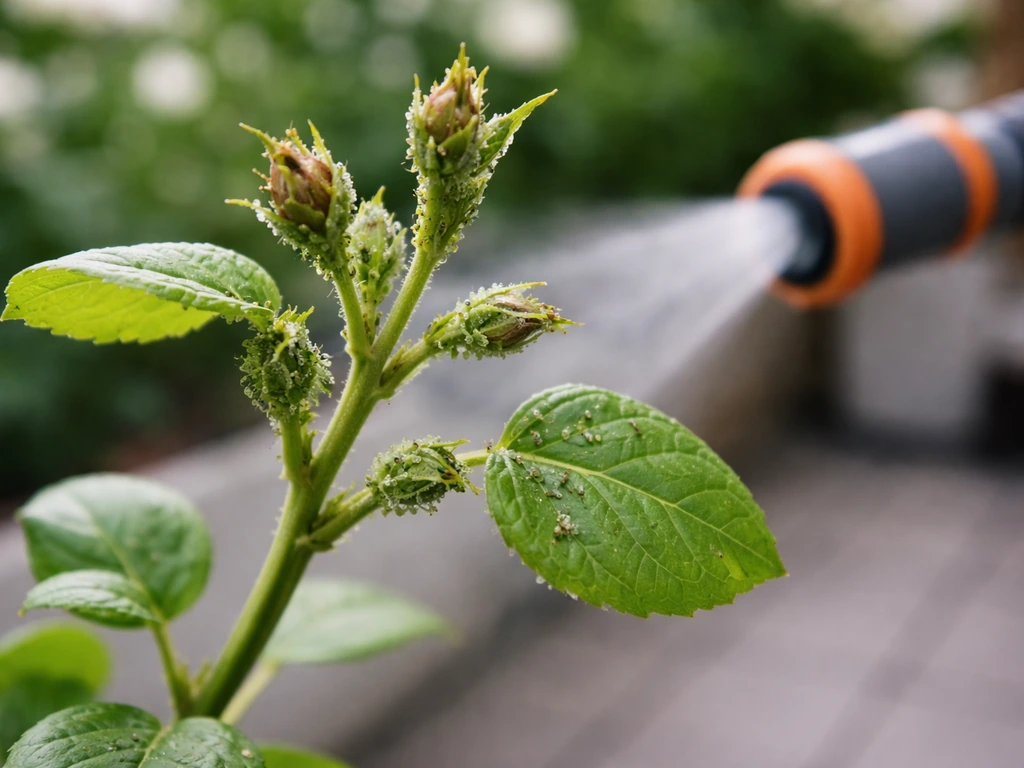
- Aphids: Soft, clustered insects on new growth and undersides of leaves. A strong blast of water from a hose knocks them off. Severe infestations can be treated with insecticidal soap, but most healthy plants handle low aphid pressure just fine.
- Spider mites: Tiny pests that cause stippled, bronzed leaves, usually in hot, dry conditions. Keep plants well-watered (stressed plants are more vulnerable) and use a miticide or insecticidal soap if the problem escalates.
Troubleshooting common problems
| Problem | Likely Cause | Fix |
|---|---|---|
| No flowers or very few blooms | Over-fertilizing with nitrogen, or pruning too late in spring after buds have set | Switch to a low-nitrogen or balanced slow-release fertilizer; prune only in late winter to early spring |
| Flower heads flopping over | Stems too weak from over-fertilizing or insufficient sun, or very large blooms on undersized stems | Prune harder the following spring (up to half) to encourage fewer, stronger stems; reduce nitrogen feeding |
| Wilting in afternoon heat | Normal in intense heat if the plant is established; abnormal if soil is dry or root system is stressed | Deep water the root zone; add mulch to retain soil moisture; check that the plant isn't in reflected heat from pavement |
| Yellowing leaves | Often overwatering, poor drainage, or nutrient deficiency (especially iron in high-pH soil) | Check soil drainage; reduce watering frequency; test soil pH and amend if needed |
| Stunted or weak growth | Compacted soil, insufficient watering, or lack of organic matter | Topdress with compost, improve irrigation consistency, and aerate compacted soil around the drip line |
Seasonal care calendar and what to expect each year
Once you understand the rhythm of Limelight's season, maintaining it becomes straightforward. Here's how to think about the year:
| Season / Timing | What to Do |
|---|---|
| Late winter to early spring (before bud break) | Prune back by one-third to one-half; apply slow-release balanced fertilizer; refresh mulch layer to 2–3 inches |
| Spring (active growth begins) | Water newly planted specimens several times per week; monitor established plants and water if soil dries out; remove suckers from standard/tree forms |
| Early summer | Begin consistent deep watering schedule (every 5–7 days for established plants); watch for aphids and mites on new growth |
| July to September (bloom season) | Enjoy the show; water consistently to support large flower heads; remove any diseased foliage promptly |
| Fall (after first frost or as blooms fade) | Leave dried flower heads on the plant through winter; they're attractive and help protect buds. Do NOT fertilize. Taper watering as temperatures drop. |
| Winter (dormancy) | No watering or feeding needed in most zones; in Zone 3 or 4, a layer of extra mulch over the root zone adds protection; the plant is very cold hardy and doesn't require significant winter intervention |
One thing I genuinely appreciate about Limelight compared to other hydrangea types is how predictable it is. Unlike mophead or lacecap hydrangeas, where accidentally pruning at the wrong time can cost you an entire year of blooms, Limelight's new-wood flowering habit means every spring is a fresh start. Even if you prune incorrectly, or forget to prune at all one year, the plant will still produce flowers. It may be a bit more leggy or the blooms slightly smaller, but you won't lose the season entirely. That forgiving nature makes Limelight a particularly strong choice if you're newer to growing hydrangeas.
If you're also growing or considering other panicle hydrangeas, Little Lime is essentially the compact version of Limelight and follows the same care principles, just scaled down in size. Little Lime hydrangea is a compact panicle type, so it shares Limelight's core care, including sun, spacing, and pruning for current-season blooms. Oakleaf hydrangeas, mopheads, and lacecaps are related but operate quite differently, especially when it comes to pruning timing, so make sure you know which type you have before you cut anything. Oakleaf hydrangeas have their own specific growth and pruning timing, so it helps to learn how to grow oakleaf hydrangea separately from Limelight’s routine.
Your next steps: figure out your planting window (late winter to early spring is ideal), choose a sunny spot with room to grow, prep that soil with compost, plant at the right depth, mulch well, and mark your calendar for a late winter prune each year. If you want the leaf-propagation route, use a simple cutting method so you can learn how to grow hydrangeas from leaves successfully. If you’d rather propagate from stem cuttings, follow these steps for how to grow hydrangea from stem too. Do those things consistently, and a healthy Limelight will reward you with reliable, showstopping blooms for decades.
FAQ
Why are my Limelight hydrangea blooms staying white or not turning pink?
If your Limelight blooms look muted, first check whether you are getting enough direct sun. In shadier spots, panicles can stay paler longer and sometimes produce fewer flowers. Also note that the white-to-lime-to-pink shift is mostly seasonal, so don’t judge color too early, look at the blooms over several weeks rather than the first open day.
What should I do if my Limelight panicles keep drooping or flopping?
Limelight can still flop if it is overcrowded, planted in very rich nitrogen soil, or under-pruned. Make sure you give it 8 to 10 feet of space, limit fertilizer to a light feeding in early spring, and prune enough to create a strong framework, ideally cutting back about one-third. If storms flatten it, stake only temporarily after pruning, and remove ties once stems stiffen.
Why did my Limelight bloom weakly this year even though I pruned correctly?
Late frosts are the most common cause of a weak bloom year after a good-looking winter. The fix is prevention, choose a site with air drainage, avoid low frost pockets, and keep pruning strictly in late winter to early spring before buds break, not right after an early warm spell. If buds are damaged, expect fewer but still present blooms since Limelight flowers on current growth.
Can I transplant a mature Limelight hydrangea, and will it still bloom?
Yes, you can move a Limelight, but plan for slower growth and reduced blooms for one season. Transplant in late winter to very early spring before active growth, keep the root ball as intact as possible, water deeply after planting, and mulch to steady soil moisture. Expect the shrub to regain full flowering the following year if you water consistently.
How do I grow Limelight hydrangeas in a pot successfully?
For container growth, use a large pot with drainage (many failures come from compacted, waterlogged soil). Keep it in the sun to partial shade balance your climate allows, water more frequently than in-ground plantings but never leave it standing in runoff, and feed lightly in early spring. Also prune each spring like a shrub, and be prepared for winter protection in colder zones since containers freeze faster than ground.
Do Limelight hydrangeas need winter protection or a fall prune?
Overwintering is mostly about bud and stem protection from late freezes and drying winds, not about covering the plant in most zones. In colder areas, mulch deeper around the base in late fall after soil cools, and avoid pruning in fall. If your area commonly has spring frosts, consider a temporary cloth cover on frost nights just to protect new shoots.
How can I get bigger flower heads, and is it a watering issue?
Inconsistent moisture is a frequent reason for smaller panicles. During the first growing season, water repeatedly and target about an inch per watering session. After establishment, plan deep watering every 5 to 7 days during summer heat if you do not have rainfall. Use mulch to reduce evaporation, and water at the base to prevent wet foliage.
What fertilizer schedule works best, and what mistakes should I avoid?
A common mistake is using lawn fertilizer with high nitrogen. Limelight needs a light, early spring feed, and too much nitrogen can produce lush leaves with fewer flowers and weaker stems. If you suspect overfeeding, pause fertilizer for the rest of the year and focus on proper pruning and balanced moisture.
Do I need to remove suckers on Limelight, and how often should I check?
For the shrub form, remove suckers that originate at the base to keep the main stems strong and prevent a multi-stem tangle that reduces airflow. For a tree standard, suckers from the trunk or base should be pulled off promptly as soon as you spot them. Check every couple of weeks during the growing season because suckers can appear quickly and are easiest to remove when small.
When can I prune out dead stems, and can I do it any time?
If you have a dead or damaged-looking stem, you can prune it in late winter to early spring when you do your main cutback. Avoid fall pruning because any new growth that starts after pruning can be injured by late freezes, leading to weak stems. Once the growing season starts, you can still do selective cleanup of dead wood, but keep major pruning in the dormant-to-early-spring window.