
Oakleaf hydrangea (Hydrangea quercifolia) is one of the most rewarding shrubs you can grow in a home garden, but it has a few specific needs that, if you miss them, will leave you with a leafy green bush and zero flowers year after year. The most important thing to know upfront: it blooms on old wood, meaning the flower buds form in late summer and fall the year before they open.
How to Grow Oakleaf Hydrangea: Soil, Water, Pruning Tips

Marcus Holloway
12 May 2026
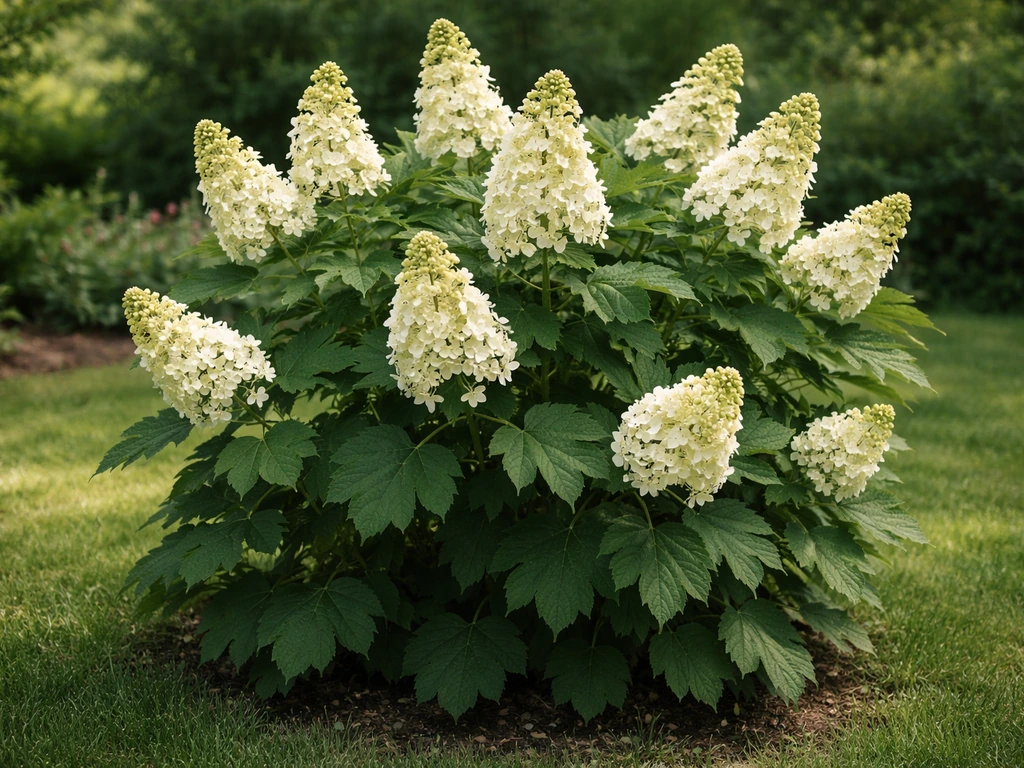
If you prune at the wrong time or lose those buds to a hard winter, you've just cut your bloom for next season. Get that right, give it the right light and reasonably acidic soil, and this plant basically takes care of itself. Leaf propagation is a bit trickier, but if you want to try it, start by taking fresh cuttings and rooting them in a warm, humid setup leafy green bush.
What oakleaf hydrangea actually is and what it wants
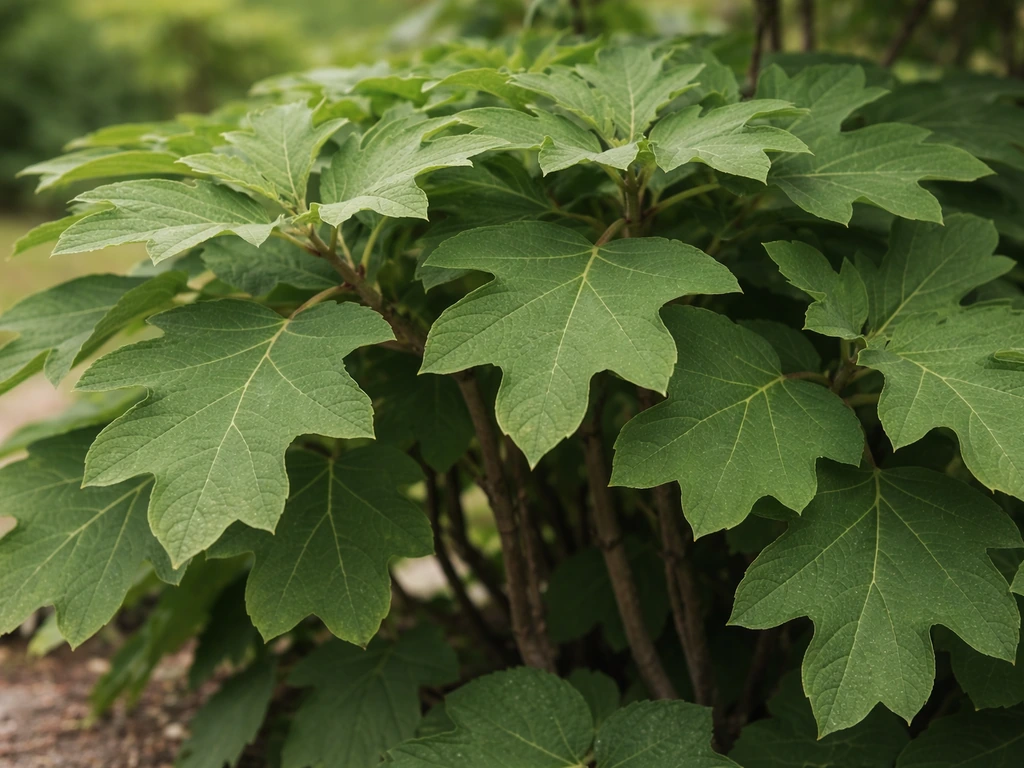
Hydrangea quercifolia is a native North American deciduous shrub with a lot going for it beyond just flowers. It grows into an upright, broad-rounded, multi-stemmed form typically reaching 6 to 8 feet tall and similar in spread. The flowers appear as elegant, cone-shaped panicles about 4 to 12 inches long in June and July, starting creamy white and aging to parchment and dusty pink tones as summer progresses. Even after bloom, the show continues: large oak-shaped leaves (hence the name) turn deep burgundy and orange in fall, and the peeling cinnamon-toned bark carries the display all the way through winter.
The plant spreads slowly by underground suckers, which means over time you'll get a natural colony rather than a tightly contained single shrub. This is actually a feature in the right setting, like a woodland edge or a naturalistic border, but something to plan around in a smaller, more formal garden. Hardiness-wise, oakleaf hydrangea is generally reliable in USDA Zones 5 through 9, but there's an important caveat: when winter temperatures drop well below 20°F, the top growth including those precious flower buds can die back. In Zone 6b and colder, unreliable blooming is often a winter-damage issue, not a cultural one.
Picking the right spot and getting the soil ready
Site selection is where most people either set this plant up for success or quietly doom it. Oakleaf hydrangea is more shade-tolerant than most flowering shrubs, and it genuinely performs well in dappled light or morning sun with afternoon shade. That said, it will flower most freely with at least four hours of direct sun. Deep shade produces weak, floppy stems and sparse bloom. Full, harsh afternoon sun in a hot climate stresses it and can scorch the large leaves badly. A spot under a high-canopied tree or on the east or north side of a building is often ideal.
Soil prep matters more than most people realize. Oakleaf hydrangea wants well-drained, organically rich soil with a pH of roughly 5.5 to 6.0. If your soil is heavy clay, it will sit in wet roots and sulk or die; if it's very alkaline (pH above 7), nutrient uptake suffers and growth stalls. Before planting, do a simple soil test. If you need to lower pH, incorporate elemental sulfur or acidifying amendments per your test results. If drainage is poor, raise the planting bed by 6 to 8 inches or work in generous amounts of compost and coarse bark to improve structure. Sandy, fast-draining soils just need a good volume of compost worked in to hold moisture.
One thing worth noting: oakleaf hydrangea is more drought-tolerant once established than many of its hydrangea cousins, like mophead or lacecap types, which makes it forgiving if your soil doesn't hold moisture perfectly. But in its first two seasons, good soil preparation pays off enormously.
When and how to plant, plus spacing and transplanting
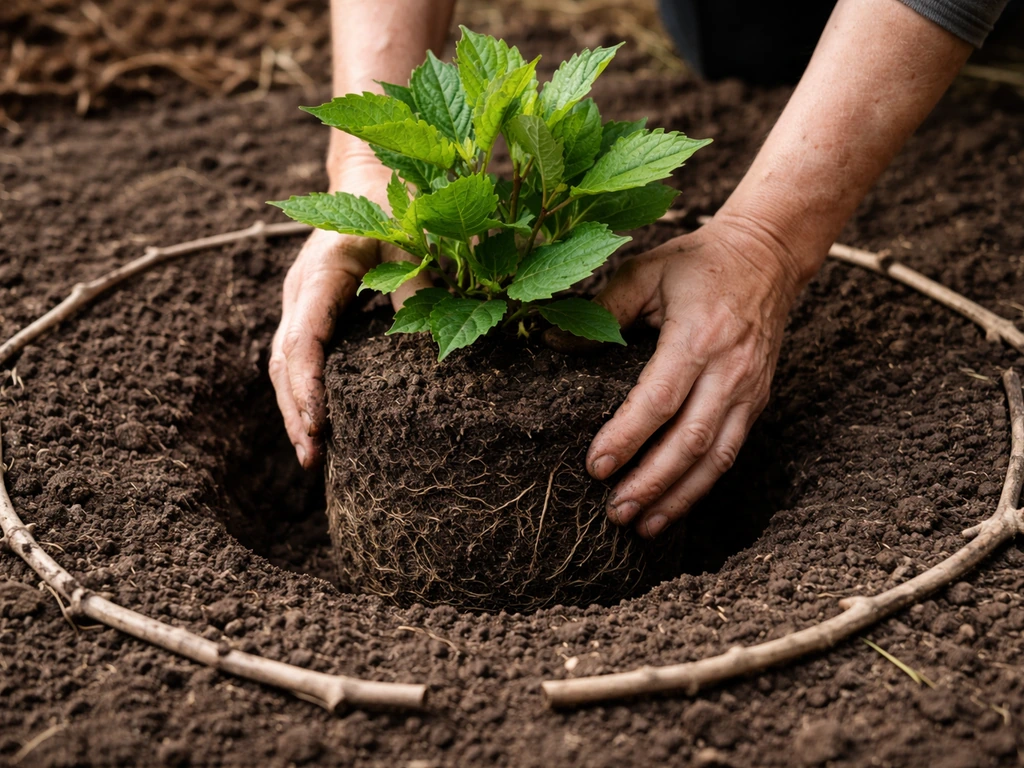
The best planting windows are early spring (before the plant leafs out fully) or early fall (at least six weeks before your first hard frost). Fall planting is often underrated because cooler temperatures and autumn rains give roots time to establish without the stress of summer heat. Spring planting works well too, especially if you're buying from a nursery that has container-grown stock in good shape.
Dig your planting hole two to three times wider than the root ball but only as deep as the root ball itself. Setting it too deep is one of the most common ways to kill a new shrub. The top of the root ball should sit level with or very slightly above the surrounding soil surface. Backfill with the native soil you dug out, mixed with compost if your native soil is poor, and water thoroughly to settle the roots and eliminate air pockets. Mulch the planting area with 2 to 3 inches of shredded bark or wood chips, keeping mulch a few inches away from the base of the stems.
For spacing, plan on 6 to 8 feet between plants if you're creating a mass planting or hedge. A single specimen in a mixed border can be sited a bit closer to other plants, but oakleaf hydrangea appreciates good air circulation to reduce disease pressure. If you're transplanting an established plant, do it in early spring just as growth begins, and cut the plant back by about one third to reduce transplant stress. Water it heavily and consistently for the entire first growing season.
Sunlight and temperature: what the seasons actually do to this plant
Spring is when you'll see the flower buds you protected all winter start to swell and push. This is a good moment to look carefully: if the stem tips look dead or the buds are brown and dried, you've had winter dieback. Don't panic yet. Scratch the bark lightly on a stem below the dead tip. If you see green tissue underneath, the stem is alive and may still bloom lower down. If the entire stem is brown and papery all the way to the base, cut it out. New growth often pushes from the crown even after significant dieback.
Summer is the peak show, with blooms typically opening in June and July. During hot spells, plants in shadier spots will look noticeably better than those in full afternoon sun, which can develop bleached or scorch-edged leaves. Keep watering consistent in summer. After bloom, the plant begins setting next year's buds, so this period is critical. Illinois Extension notes that hydrangeas that bloom on old wood develop next year's flower buds during August and September, so prune immediately after blooming and no later than August 1 for old-wood types After bloom, the plant begins setting next year's buds, so this period is critical.. Avoid any major pruning from midsummer onward.
Fall brings the secondary display of foliage color and the transition into dormancy. The flower buds for next year are forming now. In Zone 6 and colder, you can protect the canes over winter by loosely wrapping the plant with burlap or surrounding it with a wire cage filled with straw after the first hard frost. Remove the protection in early spring before growth resumes. In Zone 7 and warmer, winter protection isn't needed.
Watering and fertilizing: enough but not too much
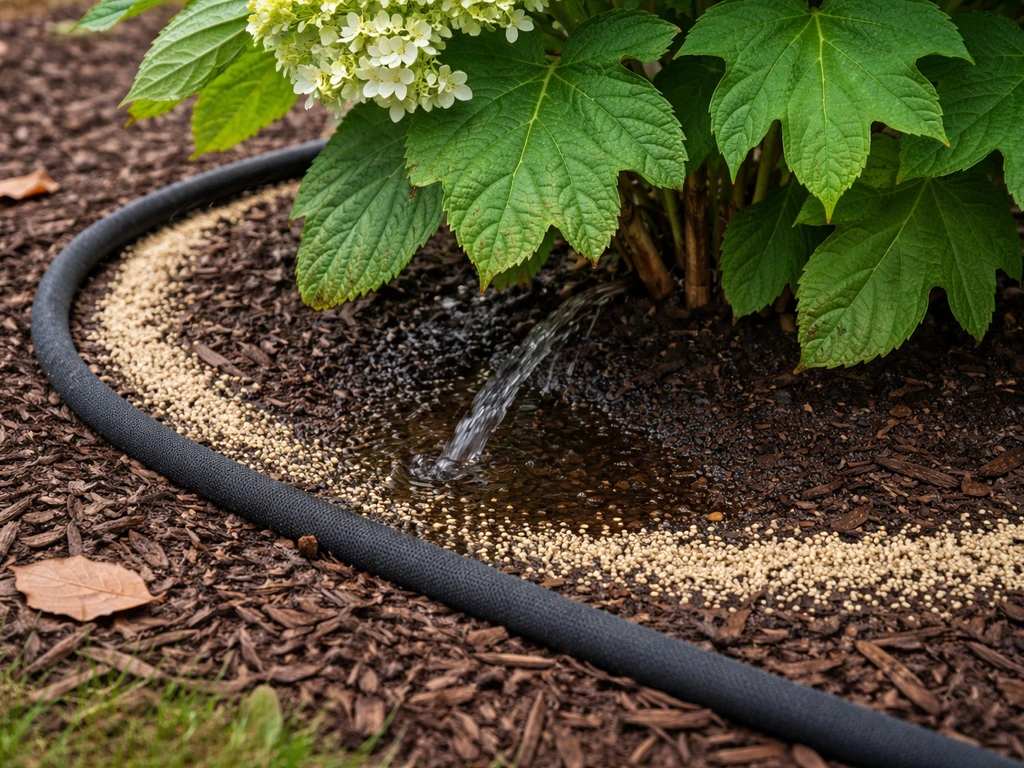
For the first two growing seasons, water consistently and deeply, aiming for about an inch of water per week either from rain or irrigation. Deep watering encourages roots to grow downward, which is how you get a plant that's actually drought-tolerant in later years. Shallow, frequent watering produces shallow roots and a plant that wilts every time it's dry for a few days. A soaker hose or drip line at the base of the plant is far more effective than overhead sprinklers.
Once established, oakleaf hydrangea handles dry spells reasonably well compared to bigleaf types, but it still appreciates supplemental watering during prolonged summer drought. The clearest sign of water stress is large leaves that droop and wilt in the afternoon, though most plants will recover overnight if the soil isn't bone dry.
For fertilizing, a balanced slow-release granular fertilizer applied in early spring is usually all this plant needs. Something like a 10-10-10 or a fertilizer formulated for acid-loving plants works well at the rate specified on the bag. I'll be honest: I've seen people dump Miracle-Gro on struggling hydrangeas and get a brief flush of lush green leaves that then fail to flower. High-nitrogen fertilizers push vegetative growth at the expense of flowering, so avoid them. If your soil is pH-appropriate and reasonably rich in organic matter, you may not need to fertilize at all past the first couple of years. Don't fertilize after July, as late-season feeding can push tender new growth that gets damaged by early frost.
Pruning oakleaf hydrangea: the part most people get wrong
This is the most critical section in this whole guide, because wrong pruning is the number one reason people complain that their oakleaf hydrangea never flowers. Once you know lacecap hydrangea follows the same old-wood pruning rule, you can focus on timing and light to get dependable blooms your oakleaf hydrangea never flowers. If you want better odds of success, learn how to grow hydrangea from stem so you can plan propagation without losing flower potential. Since it blooms on old wood, the buds for this year's flowers were set last summer and fall. If you prune in late fall, early spring, or anytime after late summer, you are cutting off your blooms. It's that direct.
The right time to prune is immediately after flowering, generally in late July or August. At this point, the flowers have faded but the plant hasn't yet begun setting next season's buds. You have a short window of a few weeks to do light shaping, remove dead wood, or cut out crossing stems without sacrificing next year's show.
Here's what to actually do when you prune. For a healthy, established shrub, minimal pruning is the best approach: remove dead, damaged, or crossing branches, and cut spent flower heads back to a pair of healthy buds. If the plant is very overgrown, you can do a more aggressive renewal by cutting one third of the oldest, thickest canes down to the ground. Do this over three years rather than all at once to keep blooming going during the renovation.
Never do a hard cut-back to knee height in spring the way you might with, say, a butterfly bush. UC Marin Master Gardeners recommends pruning oakleaf hydrangeas in mid-summer after the peak of bloom, and if you miss the window, wait another year because heavy pruning can remove the wood where flower buds form Never do a hard cut-back to knee height in spring the way you might with, say, a butterfly bush. .
That approach will give you a year (or two) of zero flowers.
One exception: if you have significant winter dieback, prune out the dead wood in early spring once you can confirm what's alive and what isn't. That's maintenance, not flowering-season pruning, and you can't avoid it.
Pests, diseases, and the problems you'll actually run into
The good news is that oakleaf hydrangea is less pest-prone than many ornamental shrubs. The problems that do show up are usually straightforward to diagnose.
- Powdery mildew: A white powdery coating on leaves, usually appearing in late summer when humidity is high and air circulation is poor. It's rarely fatal but looks bad. Improve air circulation by thinning crowded stems and avoid overhead watering. A neem oil spray or a baking soda solution can help in mild cases.
- Leaf scorch: Brown, papery edges on leaves, usually caused by too much direct afternoon sun or drought stress. Move or shade the plant if possible; keep watering consistent.
- Cercospora leaf spot: Small purple or tan spots on leaves, sometimes with a yellow halo. Caused by a fungal pathogen, and typically shows up in wet summers. Remove and dispose of affected leaves; avoid wetting foliage when watering.
- Root rot: If a plant is wilting despite adequate water, and the soil is consistently soggy, root rot is likely. There is no easy fix once it's advanced; the solution is prevention through better drainage.
- Deer: Deer will browse oakleaf hydrangea foliage readily. Physical barriers or deer repellent sprays are your main options.
- Aphids and spider mites: Occasional visitors, but rarely a serious problem. A strong spray of water or a diluted insecticidal soap solution handles most infestations.
- Botrytis blight: Gray mold on flowers, especially in cool, damp conditions. Remove affected blooms promptly and improve air circulation.
The most common non-pest problem is simply no flowers. Walk through this checklist before assuming something is seriously wrong: Did you prune in fall or spring? (If yes, that's your answer.) Was it an unusually cold winter and you're in Zone 6? (Winter bud damage is likely.) Is the plant in deep shade? (Insufficient light means sparse bloom.) Did you fertilize heavily with nitrogen? (Flower buds are sacrificed for leaf growth.) Fix the underlying cause and be patient; most plants recover and bloom the following season once the issue is corrected.
Seasonal care calendar and your next steps
Here's a simple, practical timeline to keep your oakleaf hydrangea on track from year to year.
| Season | What to Do |
|---|---|
| Early Spring (March–April) | Assess winter dieback; prune out dead wood only. Apply slow-release acidifying fertilizer. Pull back winter mulch slightly from the base. Water if the ground is dry. |
| Late Spring (May) | Watch for bud swell and early leaf emergence. Begin consistent watering if rain is limited. Do not prune. |
| Early Summer (June–July) | Enjoy peak bloom. Water deeply during dry spells. Watch for pests and early signs of mildew. |
| Late Summer (August) | Prune immediately after flowering if needed. This is your only safe pruning window. Reduce or stop fertilizing. |
| Fall (September–November) | The plant is setting next year's flower buds. Do not prune. Admire fall foliage. Mulch after first frost in colder zones. Add winter protection in Zone 6 and below. |
| Winter (December–February) | Leave the plant alone. Dried flower heads provide winter interest and some insulation for buds. Remove protection in early spring once hard freezes have passed. |
If you're troubleshooting a plant that isn't performing right now, start with three questions: When did you last prune and how? What zone are you in and how harsh was last winter? And what does your soil pH actually measure? Those three factors explain the vast majority of oakleaf hydrangea problems. It can also help to know the specific steps for growing a little lime hydrangea so you can match light, soil, and pruning to the plant you have. Get those right and you'll have a shrub that rewards you with flowers every June and July, spectacular fall color, and handsome winter structure with almost no fussing required.
If you're also growing or considering other hydrangea types, it's worth knowing that the old-wood bloom rule is the key difference between oakleaf and varieties like limelight or little lime hydrangeas, which bloom on new wood and can be pruned in early spring without any bloom penalty. That difference alone changes the entire care approach, so always confirm which type you have before picking up the pruners.
FAQ
How can I tell if my oakleaf hydrangea is going to bloom this year if I’m not sure about last year’s pruning?
In spring, look at the current-season cane tips for swelling buds and living green tissue. Oakleaf hydrangea flower buds form on the prior year, so if you only see healthy growth starting well below the old dead tips, you may still get flowers lower on the plant but fewer on the ends.
My plant looks healthy but flowers are tiny or sparse, what should I check first?
Start with light and nitrogen. If it gets less than four hours of sun, blooms often thin out even if the plant grows well. Also, if you used a high-nitrogen fertilizer or fed again after midsummer, bud formation can suffer even though leaves look great.
What’s the safest way to remove winter dieback without accidentally cutting next year’s buds?
Wait until you can identify living tissue, then prune only the dead portion back to where the stem is green beneath the bark. Avoid blanket trimming of the whole shrub in early spring, because any healthy canes you shorten can remove potential blooms.
Can I prune oakleaf hydrangea in October or early winter if it looks messy?
It’s a high-risk time. Pruning in fall or after late summer can remove next season’s buds because oakleaf hydrangea blooms on old wood. If you must clean it up, limit to removing clearly dead stems, not shaping live growth.
How much should I water during establishment if it rains but the soil still feels dry on top?
Use a simple check: dig 2 to 3 inches near the root zone. If it’s dry at that depth, water deeply even if the surface looks fine after light rain. The goal is steady moisture for about two seasons, since shallow watering encourages shallow roots.
Why is my oakleaf hydrangea wilting in the afternoon even though the leaves look fine in the morning?
Afternoon droop that improves overnight usually means the soil is drying too much between waterings or the mulch layer is too thin. Refresh mulch and switch to drip or soaker watering to deliver moisture directly at the base instead of soaking the foliage.
Is it better to cut off spent flower panicles after blooming, or leave them through winter?
Either can work, but cutting spent panicles back to healthy buds supports a tidier look and may reduce self-seeding and extra energy spent on older flower heads. Just do it within the short post-bloom pruning window, and do not shear the whole plant late in the season.
How do I handle pruning for an overgrown shrub that’s been ignored for years?
Use gradual renewal instead of a single hard cut. Remove about one third of the oldest thick canes at the base over multiple years, and keep pruning limited to immediately after flowering so you don’t sacrifice the next season’s bud set.
Should I fertilize if my oakleaf hydrangea is growing strongly already?
Often you don’t need extra feeding after the first couple of years, especially if you already have organic-rich soil and the plant is leafy. If you do fertilize, do it only in early spring with a balanced or acid-friendly product, and stop after July to avoid tender growth.
What’s the best way to protect buds over winter in colder zones without damaging the plant?
After a hard frost, loosely wrap with burlap or use a wire cage filled with straw, leaving room for airflow. Remove protection in early spring before growth resumes, because trapping moisture too long can increase stem problems and delay new shoots.