
Hydrangeas absolutely grow in Georgia, and in many parts of the state they thrive better than almost anywhere else in the South. Georgia spans USDA hardiness zones 6b through 9a, which means your options depend on where you live in the state, but there is a hydrangea type for every Georgia garden. The key is matching the right variety to your location, giving it morning sun with afternoon shade, keeping the roots consistently moist through brutal summers, and never pruning at the wrong time. If you want the same guidance for Louisiana, focus on choosing heat-tolerant hydrangea types and matching watering, mulch, and pruning to your local conditions how to grow hydrangeas in Louisiana. Get those four things right and you will have reliable blooms every year.
How to Grow Hydrangeas in Georgia: Step-by-Step Guide
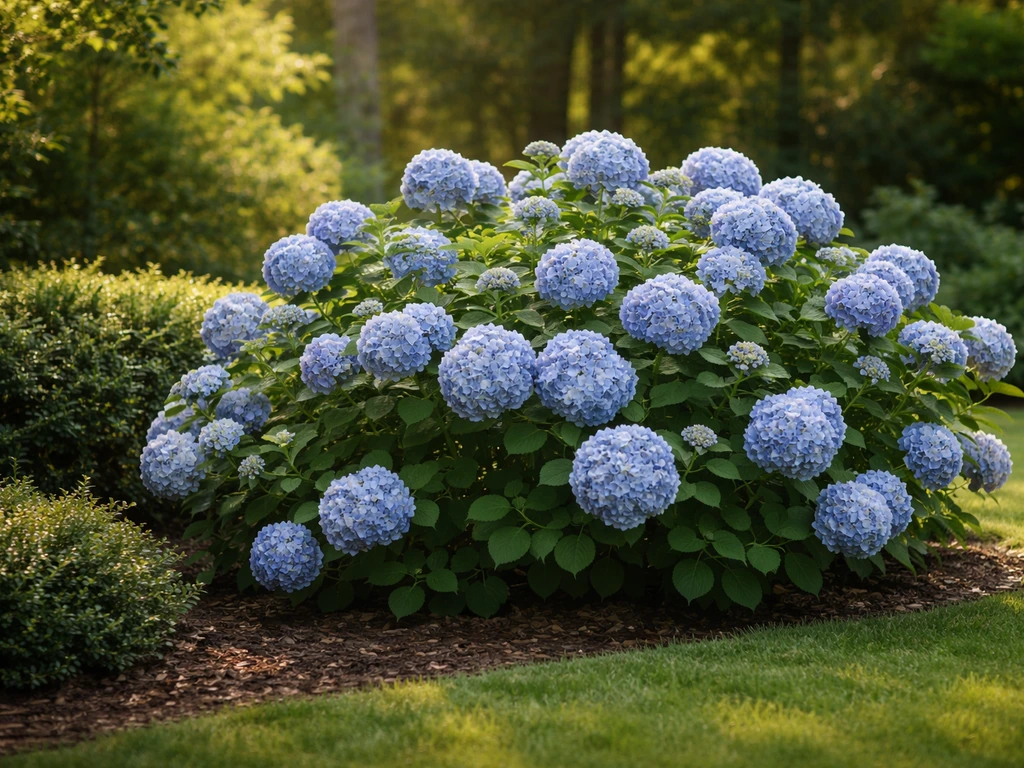
Do hydrangeas actually grow in Georgia?
Yes, and confidently so. Georgia is actually well-suited for several hydrangea species, though the state's geography creates real differences in what thrives where. North Georgia (the mountains, roughly zone 6b to 7a) handles cold-hardy types well and gives bigleaf hydrangeas a fighting chance, though late spring freezes can still zap flower buds. Central Georgia (the Piedmont, zones 7b to 8a) is the sweet spot for most hydrangea types, including bigleaf (Hydrangea macrophylla), oakleaf (H. quercifolia), panicle (H. paniculata), and smooth (H. arborescens). South Georgia (zones 8b to 9a) is hot and humid enough that panicle and oakleaf varieties handle the summers best, while bigleaf hydrangeas can struggle unless you are diligent about shade and water.
The University of Georgia Cooperative Extension specifically lists Hydrangea macrophylla as suitable for Georgia hardy zones 7 and 8, which covers a large swath of the state. That said, the species most naturally at home across all of Georgia is the native oakleaf hydrangea, which is found in the wild across the state's piedmont and coastal plain. If you are brand new to growing hydrangeas in Georgia, oakleaf is honestly the safest starting point.
Choosing the right hydrangea variety for Georgia's heat and winters
This is the single most important decision you will make. Pick the wrong type for your region and you will spend years wondering why you get leaves but no flowers. Here is how the main types stack up for Georgia conditions.
| Type | Species | Best Georgia Region | Blooms On | Heat Tolerance | Notes |
|---|---|---|---|---|---|
| Bigleaf / French / Mophead / Lacecap | H. macrophylla | North and Central GA (zones 7–8) | Old wood | Moderate | Color shifts with soil pH; bud damage risk in cold snaps |
| Oakleaf | H. quercifolia | All of Georgia | Old wood | Very high | Native to GA; drought-tolerant once established; stunning fall color |
| Panicle | H. paniculata | All of Georgia | New wood | Very high | Easiest to prune; blooms reliably every year; handles South GA heat well |
| Smooth / Annabelle | H. arborescens | North and Central GA (zones 6–8) | New wood | Moderate | Huge white blooms; prune in late winter; somewhat floppy stems |
For Central and South Georgia gardeners especially, panicle hydrangeas like 'Limelight,' 'Quick Fire,' and 'Little Lime' are worth serious consideration. They bloom on new wood every single year, they handle heat and humidity without complaint, and they will not punish you for a pruning mistake. If you want the classic big blue or pink mophead look, bigleaf varieties with 'reblooming' genetics like the Endless Summer series are much more forgiving in Georgia than old-fashioned bigleafs, because they produce some buds on new wood as well as old wood, giving you a backup if winter kills the first round of buds.
Site setup: where to plant, sun exposure, and spacing
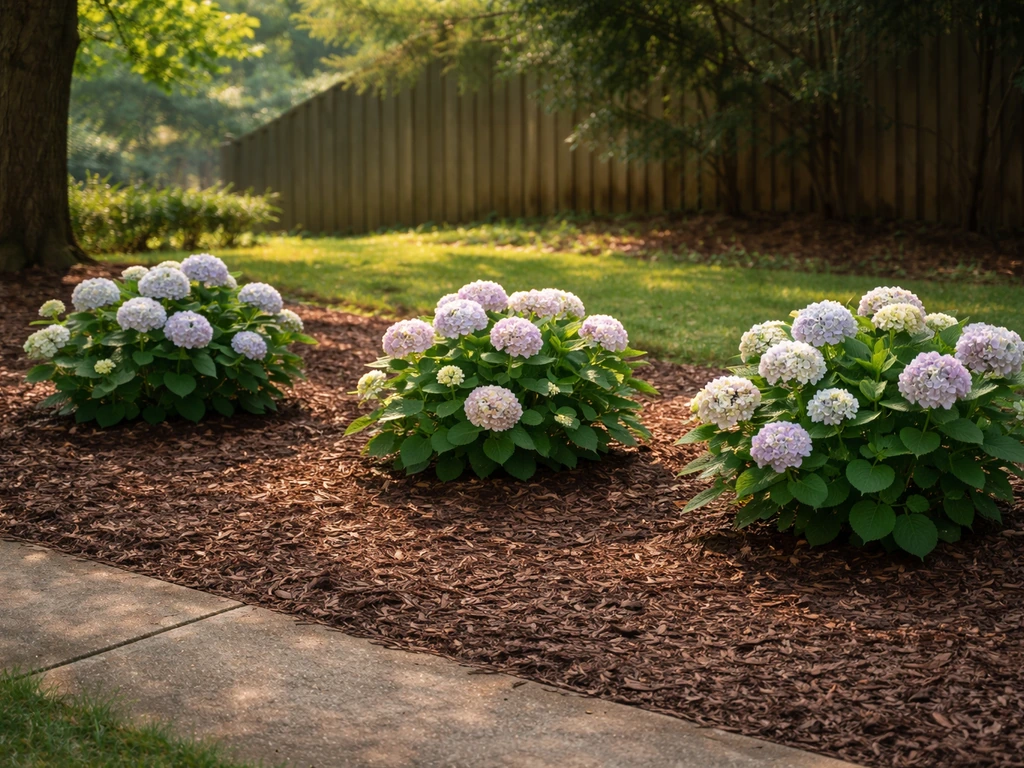
In Georgia, the number one siting mistake is planting hydrangeas where they get full afternoon sun. That blazing 2 to 5 p.m. summer sun will fry your plants, cause chronic wilting, and lead to leaf scorch even if you are watering correctly. The sweet spot for almost every hydrangea in Georgia is morning sun (four to six hours) with dappled or full shade from early afternoon onward. The east side of a building, under a high-canopy tree that lets in filtered light, or the north side of a privacy fence are all good options.
Airflow matters too, especially in Georgia's humid summers. Tight, airless spots against a wall with no breeze invite powdery mildew and fungal leaf spot. Give your plants room to breathe. Michigan gardeners can use the same basics, but choosing the right hydrangea type for local winters and summer humidity is key how to grow hydrangeas in michigan. For most bigleaf and smooth hydrangeas, space plants at least 4 to 6 feet apart. Oakleaf hydrangeas can spread 6 to 8 feet wide, so give them room to do their thing. Panicle hydrangeas vary widely by cultivar, from compact 3-foot shrubs to 8-foot giants, so check the mature size of the specific variety you are buying.
Avoid low spots where water pools after rain. Georgia's clay-heavy soils drain slowly, and hydrangeas sitting in waterlogged soil will develop root rot fast. A gentle slope or a raised planting area is always better than a depression.
Soil requirements and amendments for Georgia gardens
Georgia's native soil runs the gamut from red piedmont clay to sandy coastal plain, and neither extreme is ideal straight out of the ground. Clay drains poorly and compacts roots; sand drains too fast and cannot hold moisture through a hot summer. In both cases, the fix is the same: generous amounts of organic matter worked into the planting area before you put anything in the ground.
Before planting, work in 2 to 4 inches of compost or aged pine bark fines across the entire planting area, not just the hole. If you are dealing with heavy clay, consider also mixing in coarse perlite or expanded shale to improve drainage. UGA Extension planting guidance emphasizes preparing the broader planting area rather than just backfilling a single hole, because roots need to spread outward into amended soil to establish well. If you only amend the hole, you create a bathtub effect where water collects and roots circle inside the amended zone.
Get a soil test before you plant. If you want a quick starting point for your yard in zone 5, focus on hydrangea types and care schedules that match colder winter lows and short growing seasons. Your county UGA Extension office can help with this, and it is worth the small cost. Georgia piedmont soils tend to be naturally acidic, which is actually good news for growing blue bigleaf hydrangeas, but if you are on limestone-influenced soil or have had lime applied to your lawn, your pH may be higher than ideal. More on pH and color in the fertilizing section below.
Watering and mulching to survive Georgia summers
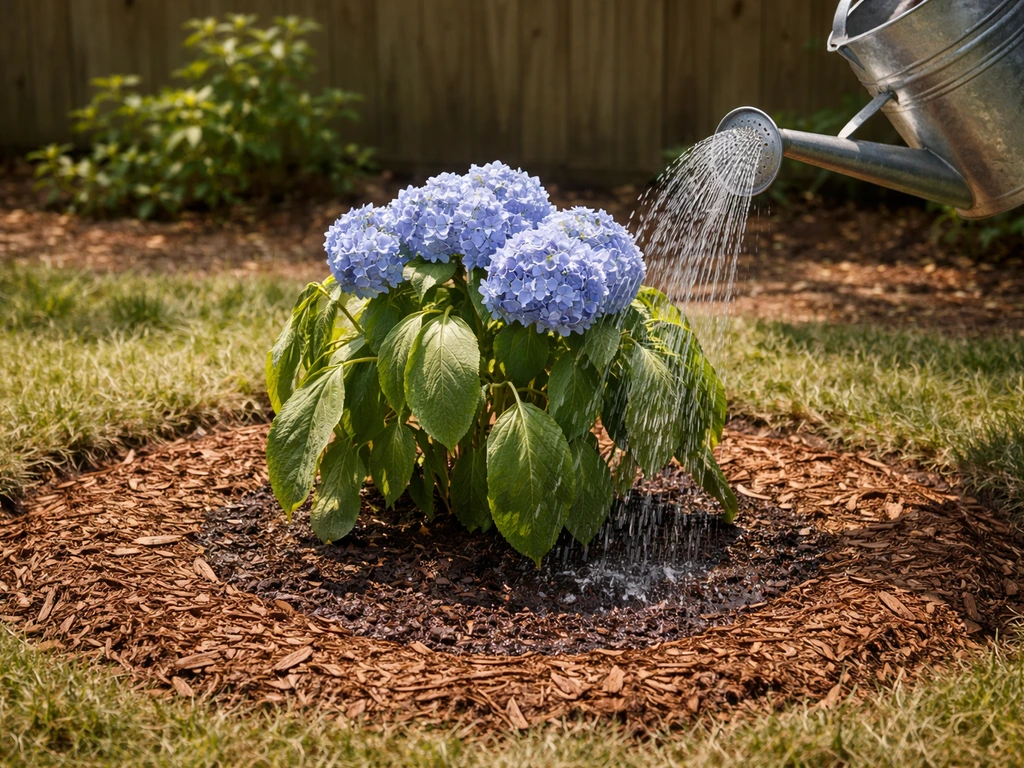
This is where Georgia gardeners most often struggle, and it is easy to see why. A hydrangea that looks crispy by 3 p.m. in July is not necessarily dying. Hydrangeas wilt dramatically in afternoon heat as a normal stress response, and many will perk back up by evening. The real question is whether they are wilting because the soil is dry or just because of heat load. Stick your finger 2 inches into the soil. If it is dry, water. If it is still damp, the plant is heat-wilting and will recover on its own by nightfall.
During Georgia's peak summer heat (June through September), newly planted hydrangeas typically need watering every 1 to 2 days. Established plants in amended soil generally need deep watering two to three times per week, depending on rainfall. UGA Extension consistently recommends deep, infrequent watering over frequent shallow watering because deep watering encourages roots to grow down where soil stays cooler and more consistently moist. When you water, water slowly and thoroughly at the base of the plant. Drip irrigation or a soaker hose is far better than overhead sprinklers in Georgia's humidity because keeping foliage dry reduces disease pressure.
If you do use overhead irrigation, water in the early morning so leaves dry quickly. UGA CAES specifically recommends morning watering to reduce fungal leaf spot risk, which spikes in Georgia during wet spring weather.
Mulch is not optional in Georgia. A 3 to 4 inch layer of organic mulch (shredded hardwood, pine straw, or pine bark) spread around the root zone dramatically reduces soil temperature, cuts watering frequency, and suppresses weeds. Keep mulch 2 to 3 inches away from the main stem to prevent rot. UGA recommends 3 to 4 inches of organic mulch as the practical target depth for effective moisture management. Do not go much deeper than 4 inches or you risk cutting off air exchange to the roots.
Fertilizing and soil pH: what actually moves the needle
Basic fertilizing
Hydrangeas are not heavy feeders, and over-fertilizing is one of the more common mistakes Georgia gardeners make. Too much nitrogen pushes lush leaf growth at the expense of flowers. A slow-release, balanced granular fertilizer applied in early spring as growth begins is the standard approach. One additional application in late spring (around May) is fine. Do not fertilize after mid-summer in Georgia, because you do not want to push tender new growth that can get hit by early fall temperature swings.
Soil pH and bloom color for bigleaf hydrangeas
If you are growing bigleaf hydrangeas (H. macrophylla), soil pH directly controls flower color. This is one of the genuinely cool things about this plant and something Georgia gardeners are in a good position to manipulate. Acidic soil (pH below 6.0) makes aluminum more available in the soil, which causes flowers to turn blue. Alkaline soil (pH above 7.0) limits aluminum uptake and flowers trend pink. Georgia's piedmont soils are naturally acidic enough that bigleaf hydrangeas often bloom blue without any intervention, which is a nice advantage for local gardeners.
If you want to push flowers toward blue, UGA CAES recommends dissolving 1 tablespoon of aluminum sulfate in 1 gallon of water and drenching the soil around the plant in March, April, and May. For a longer-term pH shift, broadcasting 1/2 cup of wettable sulfur per 10 square feet helps gradually lower pH. To push flowers toward pink, raise your soil pH by applying garden lime. Be patient: color changes do not happen overnight and can take a full growing season to show up. Also note that white-flowering bigleaf varieties like 'Annabelle' relatives do not change color regardless of pH. Only the pigmented varieties respond.
One thing to skip: do not reach for Miracle-Gro as a primary strategy for bloom improvement. Soluble synthetic fertilizers push fast green growth and do not address the soil structure, pH, and organic matter levels that actually determine how well hydrangeas perform in Georgia's demanding climate. A good soil test followed by targeted amendments will do more for your plants than any bottle of liquid fertilizer.
When to plant and a seasonal care calendar
Best planting time
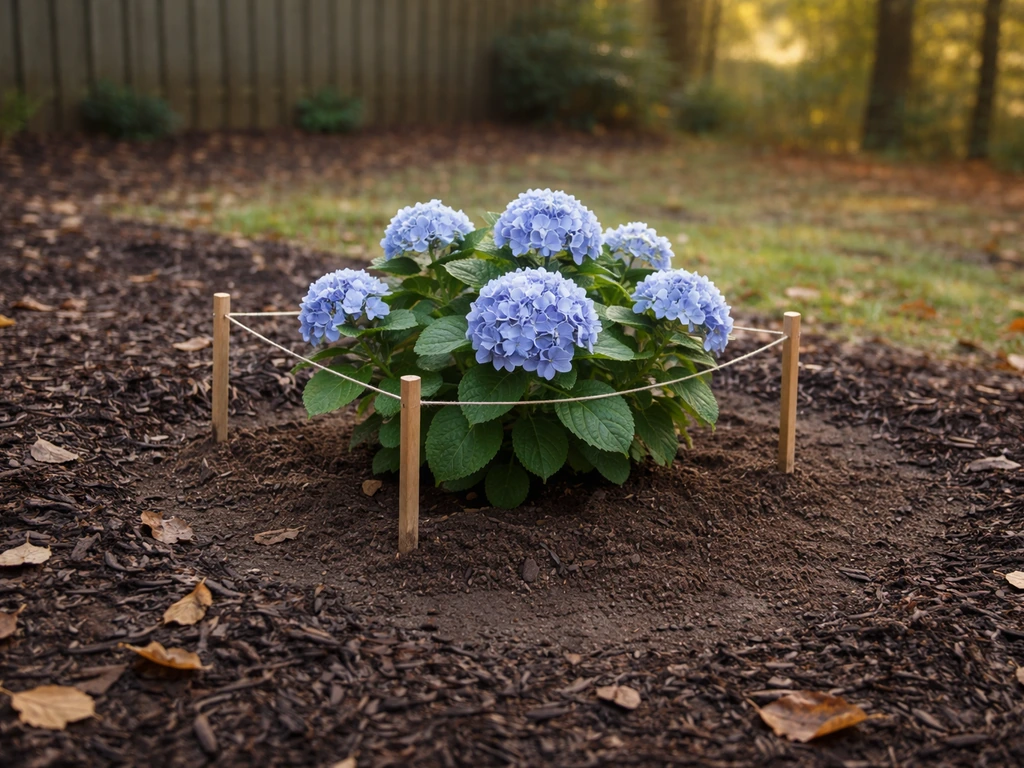
Fall is actually the best time to plant hydrangeas in Georgia, typically September through November. If you want the Canada-focused version, the key is choosing hydrangea types that can handle your local winter lows and then dialing in winter protection how to grow hydrangea in canada. UGA CAES recommends fall planting for trees and shrubs because plants can establish roots through the mild winter while the top growth is dormant, and they hit spring already settled in. Spring planting (March through April) is the next best option and is what most gardeners default to since that is when nurseries are stocked. What you want to avoid is planting during Georgia's summer heat, when establishment stress can be severe. If you must plant in summer, be prepared to water almost daily and provide extra shade during the hottest weeks.
Seasonal care by month
| Season | Month Range | Key Tasks |
|---|---|---|
| Spring | March – May | Apply slow-release fertilizer as buds swell; apply aluminum sulfate drenches if targeting blue bigleaf blooms (March, April, May); prune smooth and panicle types in late winter/early March before growth; watch for leaf spot fungal pressure in wet years; water new transplants deeply |
| Summer | June – August | Water deeply 2–3x per week for established plants; check soil moisture before watering wilting plants; maintain 3–4 inch mulch layer; deadhead spent blooms if desired; prune old-wood types (bigleaf, oakleaf) only immediately after flowering, no later than around August 1; stop fertilizing after June |
| Fall | September – November | Best time to plant new hydrangeas; reduce watering as temperatures drop; do not prune bigleaf or oakleaf types; top up mulch layer before frost; enjoy oakleaf fall color and persistent seed heads |
| Winter | December – February | Protect bigleaf hydrangea flower buds from hard freezes in North GA with burlap or frost cloth if needed; do not prune old-wood types; prune smooth and panicle types in late winter (February in South GA, late February to early March in North GA) once the worst cold has passed |
Pruning rules by hydrangea type (and what goes wrong)
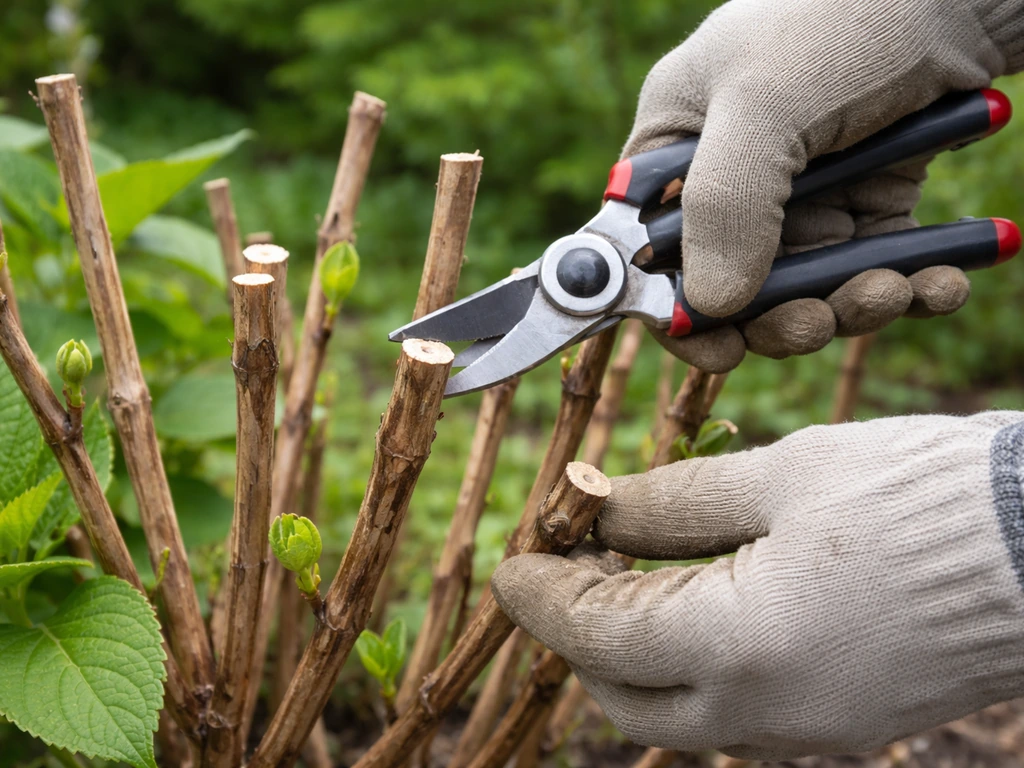
Pruning at the wrong time is the single most common reason Georgia gardeners get beautiful full plants with zero flowers. The rules are simple once you know which type you have, but you do need to know your type before you pick up the pruners.
Old-wood bloomers: bigleaf and oakleaf
Bigleaf (H. macrophylla, including mophead and lacecap types) and oakleaf (H. quercifolia) hydrangeas set their flower buds in late summer for the following year. That means the buds that will bloom next June are already on the plant by September. If you prune in fall, winter, or spring, you are cutting off next year's flowers. UGA Extension and UGA CAES are both very clear on this: prune old-wood hydrangeas right after they finish flowering, and do not prune after about August 1. If you missed that window, leave the plant alone and wait until it flowers next year, then prune immediately after bloom.
The only safe pruning on old-wood types outside of flowering time is removing obviously dead wood, which you can do in early spring once new growth starts so you can clearly see what is alive. Wait for growth to emerge before cutting anything, because canes that look dead in February are sometimes alive and budded.
New-wood bloomers: panicle and smooth
Panicle (H. paniculata) and smooth (H. arborescens) hydrangeas bloom on growth produced in the current season. You can prune these hard in late winter (February in South Georgia, early to mid-March in North Georgia) without any risk to bloom production. In fact, cutting smooth hydrangeas back by about one-third to one-half each year produces stronger stems and bigger flower clusters. Panicle hydrangeas can be pruned lightly for shape or more aggressively to control size, and they will bloom reliably either way.
Common Georgia hydrangea problems and how to fix them
Lots of leaves, no flowers
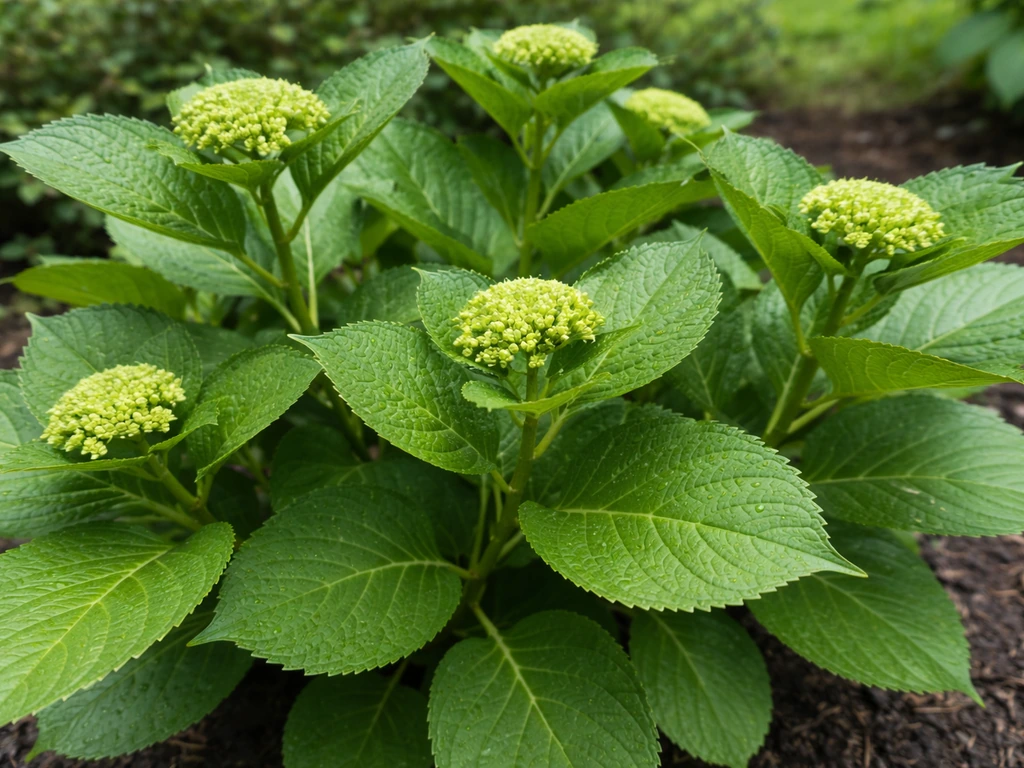
This is the most common complaint. For bigleaf and oakleaf types, the cause is almost always one of two things: you pruned at the wrong time and removed the buds, or a late winter/early spring freeze killed the buds that were already set. Georgia can get sharp cold snaps in March that are devastating to bigleaf buds. If this happens regularly in your area, switch to a reblooming bigleaf variety or plant panicle hydrangeas instead. For panicle and smooth types, lack of blooms usually points to too much shade or too much nitrogen fertilizer.
Wilting and leaf scorch in summer heat
If your hydrangeas are wilting every afternoon, first check the soil moisture before panicking. As noted earlier, some afternoon wilting is normal in Georgia's heat. True heat stress combined with dry soil shows up as crispy brown leaf edges and wilting that does not recover overnight. The fix is more consistent deep watering, heavier mulch, and if possible, more afternoon shade. Moving an established shrub is disruptive, but if a plant is chronically in the wrong spot, fall is the best time to transplant it somewhere better.
Yellow leaves (chlorosis)
Yellow leaves with green veins typically indicate iron chlorosis, which in Georgia is often caused by soil pH that is too high rather than a true lack of iron. When pH climbs above 7.0, plants cannot absorb the iron that is right there in the soil. The fix is not to add more iron fertilizer; it is to lower your soil pH. Apply sulfur or aluminum sulfate as described above, and do a soil test to confirm what you are dealing with before throwing product at the problem.
Fungal leaf spot and powdery mildew
Georgia's wet springs and humid summers are prime conditions for both fungal leaf spot and powdery mildew, especially on bigleaf hydrangeas. Leaf spot shows up as brown or purple spots on leaves; powdery mildew shows as a white or grayish powdery coating, usually on the upper leaf surface. Both are more cosmetic than fatal in most cases, but they weaken plants over time. Cultural controls work well: water at the base of the plant, water in the morning so foliage dries quickly, and maintain good airflow around plants by not crowding them. If disease pressure is severe, a fungicide labeled for the specific issue can help when applied preventively in spring.
Winter bud damage on bigleaf hydrangeas
In North Georgia especially, late freezes after warm spells can kill bigleaf hydrangea flower buds even when the plant overall survives fine. You get a full, healthy-looking shrub with all leaves and zero flowers. UNH Extension notes that blank" rel="noopener noreferrer">winter drying and cold can kill bigleaf flower buds, which leads to lush foliage with no blooms. Prevention strategies include siting bigleaf hydrangeas on the north side of structures (which warms up slowly in spring, delaying bud break), covering plants with burlap or frost cloth when hard freezes are predicted in early spring, or as a longer-term solution, switching to reblooming varieties that produce new buds on current-season wood as a backup. If you are growing hydrangeas in the cooler parts of Georgia and find winter bud loss is a recurring problem, it is worth knowing that gardeners in colder states like Michigan or Colorado face this challenge at an even greater scale, and the same protective strategies apply.
FAQ
How do I tell which hydrangea type I have before I prune, especially if the tag is missing?
Look at bloom timing and stem type. If the flowers appear in early summer and the plant is a mophead or lacecap with thick, woody canes, it is likely an “old-wood” bigleaf type. If it blooms later and makes cone-shaped panicles on sturdy new shoots, it is usually panicle. Smooth hydrangeas often have large, roundish clusters on greener, flexible stems and respond well to yearly hard pruning.
My bigleaf hydrangea has green leaves but no flowers, what should I check first?
Most often it is bud loss from late winter or early spring freezes, or pruning after the bud-setting period. Check your area for freeze events in March, then confirm whether you trimmed in fall, winter, or spring. If buds are repeatedly killed where you live, switch to panicle or a reblooming bigleaf cultivar as a long-term fix.
Is it better to deadhead hydrangeas in Georgia, or should I leave spent blooms alone?
For most hydrangeas, you can remove old blooms for appearance, but do not prune deeper than just the spent flower heads on “old-wood” types. On bigleaf and oakleaf, deeper pruning can remove buds already formed for next year, even if the plant looks tidy.
Can I grow hydrangeas in containers in Georgia, and what changes?
Yes, but you must manage heat and moisture more aggressively because pots dry out faster than in-ground planting. Use a large container (often 15 gallons or more for mature plants), keep consistent moisture with mulch on top, and be careful with winter protection so buds and stems do not freeze hard.
How far from a foundation or fence should I plant hydrangeas in Georgia?
Avoid tight spots where air cannot move. For typical spacing, follow the mature width guidance in your variety’s label, and do not tuck plants flush against walls. Extra distance helps reduce mildew and leaf spot because foliage dries faster after humid mornings.
What is the best way to water for hydrangeas during Georgia summers if I only have a hose?
Water deeply at the base slowly so the soil actually soaks, then stop before runoff. A good test is to feel the soil 6 to 8 inches down after watering. In hot spells, plan for more frequent deep watering for new plants, while established plants need fewer but longer sessions.
My hydrangea wilts every afternoon, but it looks better by evening. Is that normal?
Often yes in Georgia. Afternoon droop can be a heat-load response, not true drought. Check soil moisture 2 inches down, if it is dry then water; if it is still damp then the plant is likely recovering overnight without a problem.
Should I mulch right after planting, and how thick is too thick in Georgia?
Mulch right after planting helps prevent rapid moisture swings. Use 3 to 4 inches of organic mulch, keep it a couple inches away from the main stem, and avoid going much thicker than 4 inches since overly deep mulch can reduce oxygen exchange around roots.
How do I improve drainage for hydrangeas if my yard has heavy clay?
Amend the entire planting area, not just the hole, and mix in organic matter like compost or aged bark. If drainage is still slow, incorporate coarse materials such as perlite or expanded shale. The goal is to prevent waterlogged conditions that encourage root rot.
What should I do about yellow leaves with green veins on a hydrangea in Georgia?
Treat it as likely iron chlorosis related to pH rather than iron starvation. Focus on lowering soil pH using sulfur or aluminum sulfate, and confirm with a soil test first so you do not waste money on iron that the plant cannot absorb at higher pH.
Can I change bigleaf hydrangea flower color in Georgia once it already bloomed blue or pink?
You can influence next season’s color, but results take time. Soil amendments like aluminum sulfate or sulfur, and lime for pink tones, work gradually, so expect changes across a full growing cycle. Also note white-flowering bigleaf types will not shift color with pH changes.
Do hydrangeas need fertilizer in Georgia, and what is the safest schedule?
They are generally not heavy feeders. Use a slow-release balanced fertilizer in early spring when growth starts, optionally one more application in late spring, and stop fertilizing by mid-summer to avoid encouraging tender growth that can be harmed by fall temperature changes.
How do I prevent powdery mildew and leaf spot on hydrangeas in humid Georgia?
Prioritize watering at the base and in the morning so leaves dry quickly, and give enough spacing for airflow. Avoid overhead watering, do not overcrowd plants, and if disease pressure is heavy, consider a labeled preventive fungicide application in spring.
When is the best time to plant or transplant hydrangeas in Georgia?
Fall is usually the best window (roughly September through November) because roots can establish during mild weather while top growth is dormant. Spring is the next best option. Avoid summer planting unless you can provide near-daily watering and temporary shade for the hottest weeks.
If my hydrangea is in the wrong spot, can I transplant it in Georgia?
Yes, but disruption is normal, especially for established shrubs. Transplanting is less stressful in fall. Choose a new site with proper morning sun and afternoon protection, then water thoroughly during the first weeks to help roots re-establish.