
Vanilla Strawberry hydrangea (Hydrangea paniculata 'Vanille Fraise', also sold under the trade name Vanilla Strawberry® with the cultivar code 'Renhy') is one of the easiest large shrubs you can grow for season-long color. Plant it in a spot with morning sun and afternoon shade, amend your soil to a slightly acidic pH of 6.0–6.5, water deeply once or twice a week, prune it back hard in late winter, and you'll have massive cone-shaped blooms that go from white to strawberry pink to deep rose between midsummer and fall. It grows in USDA zones 3–8, it blooms on new wood so pruning mistakes won't cost you flowers, and it tolerates cold winters that would kill many other hydrangeas.
How to Grow Vanilla Strawberry Hydrangea Step by Step
Marcus Holloway
3 Jun 2026
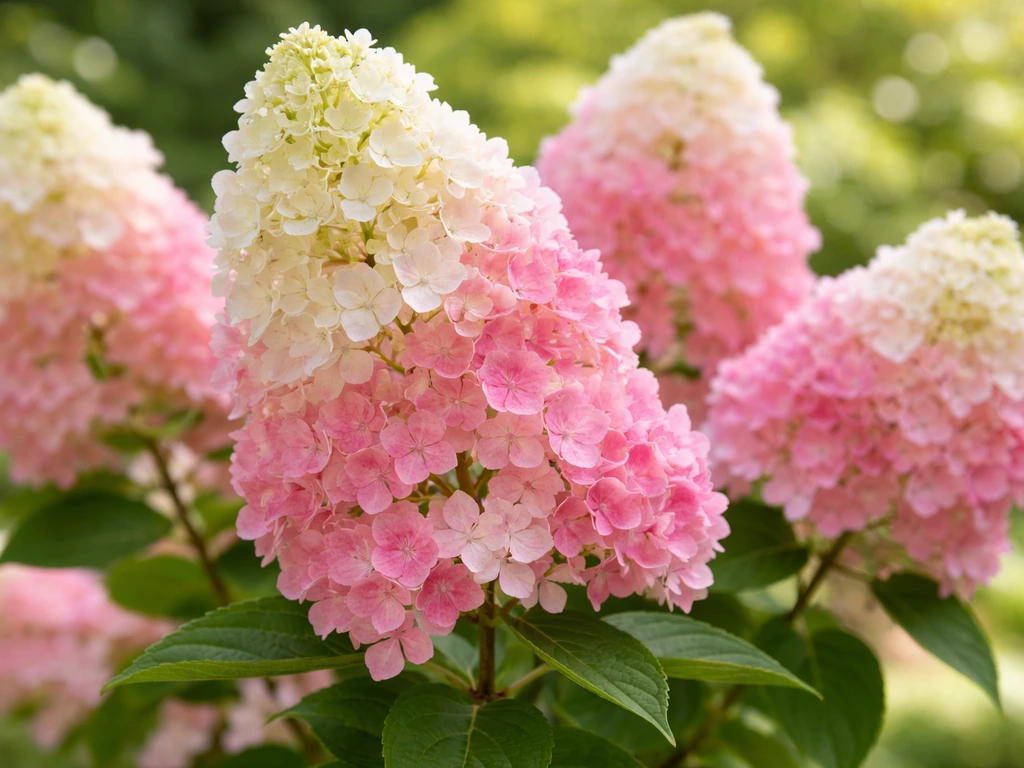
What you're actually growing: quick ID on Vanille Fraise
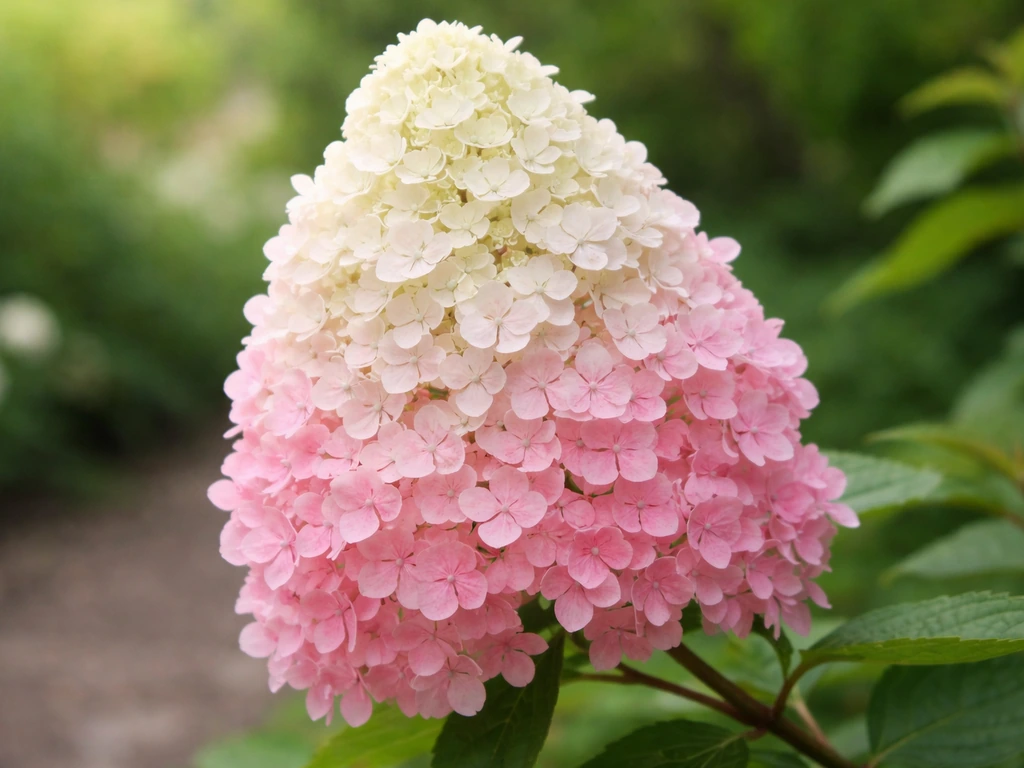
Before diving into care, it helps to know exactly what you have. Vanilla Strawberry is a Hydrangea paniculata cultivar, which puts it in a completely different category from the mophead and lacecap types most people picture when they hear 'hydrangea. ' The flower heads are cone-shaped panicles (not round balls), made up of small fertile florets at the center surrounded by larger [showy sterile sepals](https://www. rhs.
org. uk/plants/pdfs/plant-trials-and-awards/plant-bulletins/hydrangea-paniculata. pdf) on the outside. Those sterile sepals are what give you the color show, transitioning from creamy white in summer to strawberry pink and finally a deeper rose-red as cooler temperatures arrive in late summer and fall.
If you want red blooms specifically, use the tips below for sun, pruning timing, and soil conditions to guide your results deeper rose-red. The panicles on a mature plant can reach 12–16 inches long and are genuinely stunning.
This matters practically because Hydrangea paniculata behaves differently from, say, Endless Summer or Nikko Blue types. It blooms on current-season wood, not old wood, which means you prune it in late winter without fear. It also has no meaningful soil pH effect on flower color (unlike the blue/pink shifts you see with bigleaf hydrangeas). What you see is what you get, every year. It's also the hardiest hydrangea type available, reliably surviving zone 3 winters. If you've struggled with other hydrangeas dying back or failing to bloom, this one will likely change your experience.
Picking the right spot, timing your planting, and getting the soil right
Site selection is where most people either set themselves up for success or frustration. Vanilla Strawberry wants morning sun and afternoon shade, ideally 4–6 hours of direct light. Full sun all day will stress it in hot climates, causing wilting and scorched leaves even when the soil is moist. Full shade produces weak, floppy stems and disappointing bloom counts. A spot on the east side of a house or under the dappled shade of a high-canopied tree is often perfect. In zones 3–5 where summers are cooler, full sun works fine and actually encourages more vibrant color development in the blooms.
Mature plants reach 6–7 feet tall and 4–5 feet wide, so give them room. Don't plant closer than 5 feet from foundations, fences, or other shrubs. Crowding leads to poor airflow, which invites fungal problems, and the plant will struggle to reach its natural form.
For timing, spring planting (after your last frost date) or early fall planting (at least 6 weeks before first frost) are both excellent. Spring planting gives the roots a full growing season to establish before their first winter. Fall planting works well in zones 6–8 where winters are milder. Avoid planting in midsummer heat if you can help it. The plant can handle it, but you'll spend the whole summer babysitting the watering.
Soil preparation that actually makes a difference
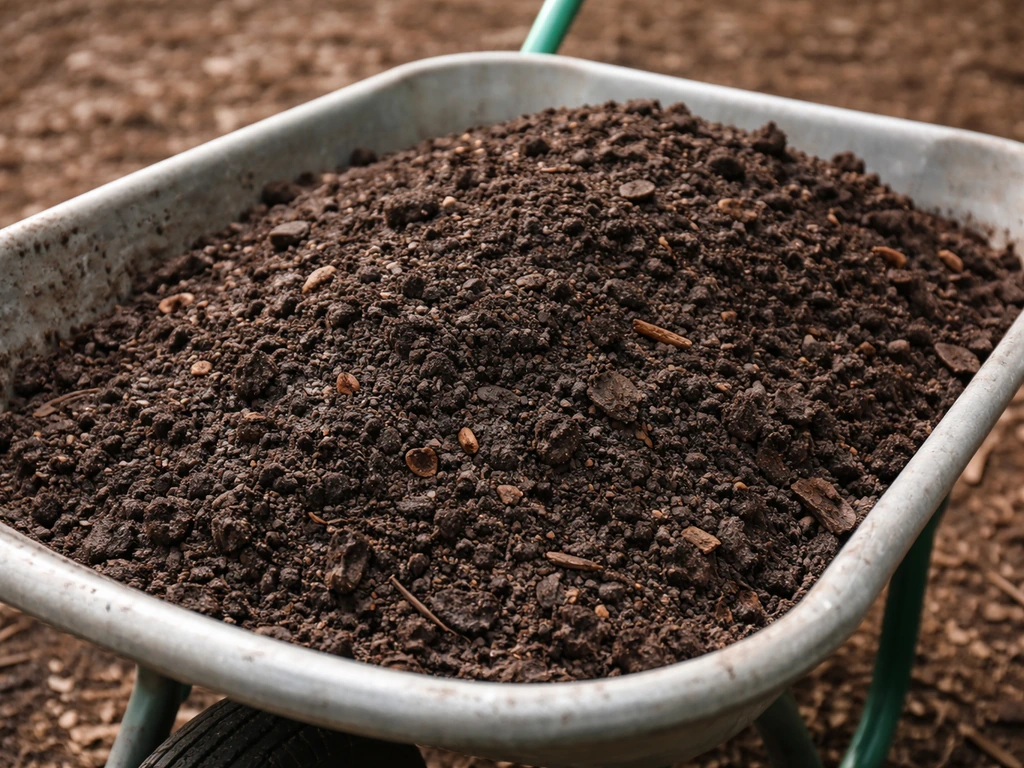
Vanilla Strawberry is not fussy, but it does have a preference. Aim for a slightly acidic pH between 6.0 and 6.5 in rich, well-draining soil with plenty of organic matter. Heavy clay is your biggest enemy here because it holds water around the roots and causes rot. If you have clay, either raise the bed 6–8 inches with a mix of native soil, compost, and coarse sand, or dig out the planting hole and backfill with 50% native soil and 50% compost. Sandy soil drains too fast and needs the opposite treatment: work in two or three inches of compost to improve water retention.
Test your pH before planting if you can. It takes 10 minutes and costs a few dollars at any garden center. If your soil is too alkaline (above 7.0), work in sulfur or acidic compost a few weeks before planting. If it's already in the 6.0–6.5 range, just add a generous layer of compost, dig your hole twice as wide as the root ball and just as deep, and you're ready to go. Don't plant too deep. The crown of the plant should sit at or just slightly above the surrounding soil level.
Watering, feeding, and mulching for big blooms
Hydrangeas have a reputation for being water-hungry, and Vanilla Strawberry is no exception, especially in its first two years. Water deeply at the root zone once or twice a week during the growing season, aiming for about an inch of water per week total including rainfall. Deep watering is key. A quick sprinkle at the surface encourages shallow roots that can't support the plant through summer heat. Instead, let the hose run slowly for 20–30 minutes or use a soaker hose. Once the plant is established after two full growing seasons, it's considerably more drought-tolerant and you can ease off to watering only during dry spells.
For fertilizer, a slow-release balanced granular fertilizer (something like a 10-10-10 or a fertilizer formulated for flowering shrubs) applied once in early spring as growth begins is usually all you need. I've seen gardeners overdo it with high-nitrogen fertilizers trying to push growth, and what they get is huge lush leaves with sparse blooms. Nitrogen drives vegetative growth, so keep it balanced. If you want to top-dress again, a light application in early June is fine, but skip any feeding after July. Late-season fertilizing pushes soft new growth that gets hammered by early frosts.
Mulch is one of the simplest things you can do for long-term plant health and it's often overlooked. Apply a 2–3 inch layer of shredded bark, wood chips, or leaf mulch around the base of the plant, keeping it a few inches away from the main stems. Mulch moderates soil temperature, retains moisture between waterings, slowly improves soil structure as it breaks down, and suppresses weeds that compete for water and nutrients. Refresh it each spring.
Pruning: when to cut, how much, and why it matters for blooms
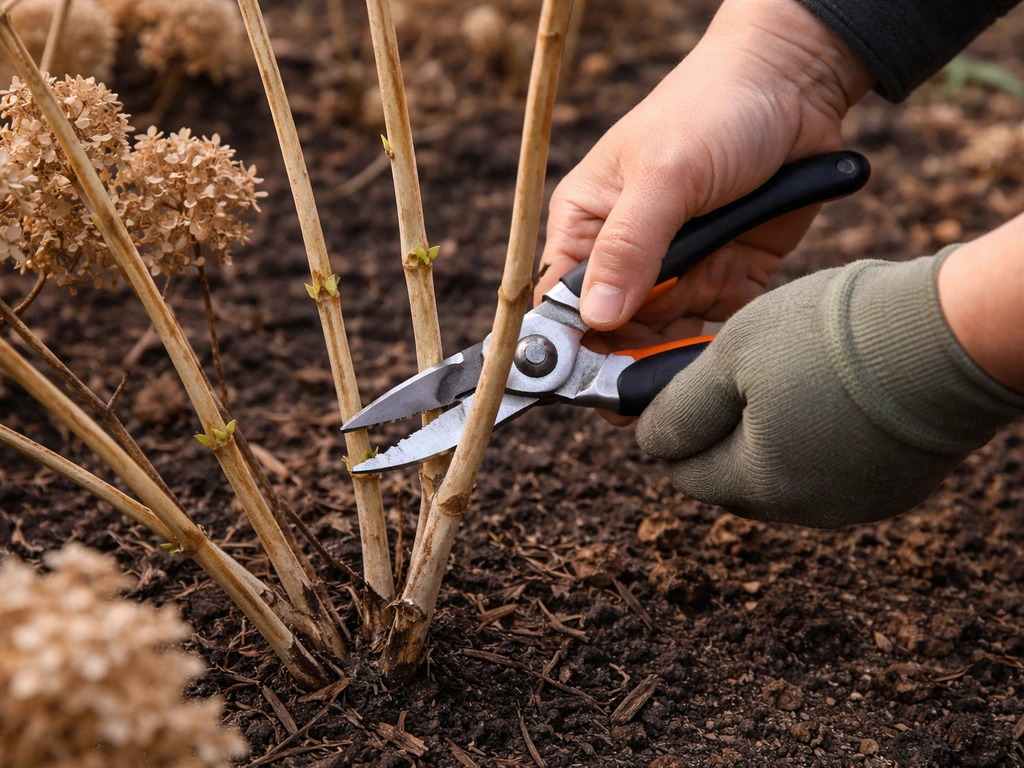
This is where Hydrangea paniculata really shines over other hydrangea types. Because it blooms on new wood produced in the current growing season, you can prune it in late winter or very early spring, just as the forsythia starts to bloom in your area, without losing any flowers. In fact, pruning is what keeps the plant from becoming a tangled, weak-stemmed mess.
Cut the stems back by one-third to one-half of their total length each late winter. For a mature plant, this might mean cutting down to 2–3 foot stubs. It looks brutal. It isn't. Within weeks, vigorous new stems will emerge, and those stems will carry this year's blooms. If you want fewer but larger panicles for cutting, prune harder. If you want more panicles of average size for a big landscape show, prune a little less aggressively. Either way, the blooms arrive reliably in midsummer.
One mistake I see regularly: leaving the dried flower heads on through winter and then pruning too late in spring, after new growth has already started. If you wait until May to prune in zone 5 or 6, you're cutting off young stems that are already expending energy. Prune in late February or March in most zones, before any green growth emerges. The old flower heads are actually quite beautiful through winter and serve as a nice garden structure element, so there's no rush to remove them in fall.
Troubleshooting: no blooms, weak growth, and other common problems
The most common complaint I hear is 'it's not blooming.' With Vanilla Strawberry, the cause is almost always one of three things: pruning at the wrong time (though with this cultivar timing is fairly forgiving), too much shade, or too much nitrogen fertilizer. Run through those three before assuming something is seriously wrong.
- No blooms: Check your fertilizer. If you've been using a high-nitrogen lawn fertilizer or overfeeding, back off completely and switch to a bloom-promoting formula next spring. Also check sun exposure. Less than 4 hours of direct light will significantly reduce bloom count.
- Wilting leaves in afternoon despite moist soil: This is often normal heat stress, especially in zones 7–8 during peak summer. The plant recovers overnight. If wilting persists into morning, check for root issues. Poorly draining soil can cause root rot that mimics drought stress.
- Leggy, flopping stems: Usually caused by too much shade or too little pruning. The stems grow long reaching for light and can't support large panicles. Move to a brighter spot if possible, and prune harder next late winter to encourage thicker basal stems.
- Yellow leaves: Most commonly caused by overwatering or poor drainage leading to nutrient deficiency. Less often, it's iron chlorosis in alkaline soil (yellowing between the veins, with veins staying green). Test your pH and if it's above 7.0, acidify the soil.
- Brown leaf edges: Typically sunscorch, low humidity, or underwatering. In exposed sites, wind can also desiccate the leaves. Increase mulch, check watering frequency, and consider a windbreak if you're in a dry region.
- Powdery mildew: A white powdery coating on leaves, more common in humid climates with poor airflow. Improve spacing, avoid overhead watering, and apply a copper-based or neem oil fungicide at first sign. Good airflow through pruning is the best prevention.
One thing worth saying plainly: newly planted Vanilla Strawberry often looks rough in its first summer. It may wilt, produce small or fewer blooms, and seem to barely grow. That's normal. The plant is spending its energy on root establishment, not top growth. Year two is when you start seeing the real potential, and by year three, you'll have a full, impressive shrub.
Growing vanilla strawberry hydrangea from seeds: what's realistic
Growing Hydrangea paniculata from seed is genuinely possible, and unlike some ornamentals, paniculata seeds require no cold stratification pretreatment before sowing. Hydrangea paniculata seeds require no pretreatment, and plants will flower the same year [paniculata seeds require no cold stratification pretreatment](https://plantsciences. tennessee. edu/wp-content/uploads/sites/25/2021/11/Hydrangea-Production_Cultivar-Selection-and-General-Practices-to-Consider-When-Propagating-and-Growing-Hydrangea-PB1840-A.
pdf). You can get plants to bloom in their first year from seed under the right conditions. That's the good news. Here's the honest part: seeds collected from a Vanilla Strawberry plant will not reliably produce offspring with the same traits.
'Vanille Fraise' is a named cultivar, and cultivars are maintained through vegetative propagation (cuttings, division) not seed. Seedlings will be genetically variable, meaning you might get a lovely panicle hydrangea, but the signature strawberry-pink color transition, the specific bloom size, and the compact growth habit of the true cultivar may or may not appear. If you want a guaranteed, true-to-type Vanilla Strawberry, buy a named cultivar from a reputable nursery.
If you want to experiment, enjoy the process, and are happy with a paniculata hydrangea that may surprise you, growing from seed is a fun project.
Sourcing seeds and checking viability
You have two options for sourcing: collect seeds from an existing Hydrangea paniculata plant after the panicles have fully dried on the shrub in fall, or purchase seeds from a reputable seed supplier. If collecting your own, wait until the panicles are completely brown and papery, usually in October or November depending on your zone. Shake the dried panicle over a sheet of white paper and the tiny seeds will fall out. H.
paniculata seeds are very small, almost dust-like, so handle them carefully. Fresh, properly stored seeds have much better viability than old packets that have been sitting in heat or humidity. If buying seeds, check the packed-for date and buy from a source with good reviews and fast turnover. Viability drops noticeably after a year or two in poor storage.
Starting seeds indoors: the full process
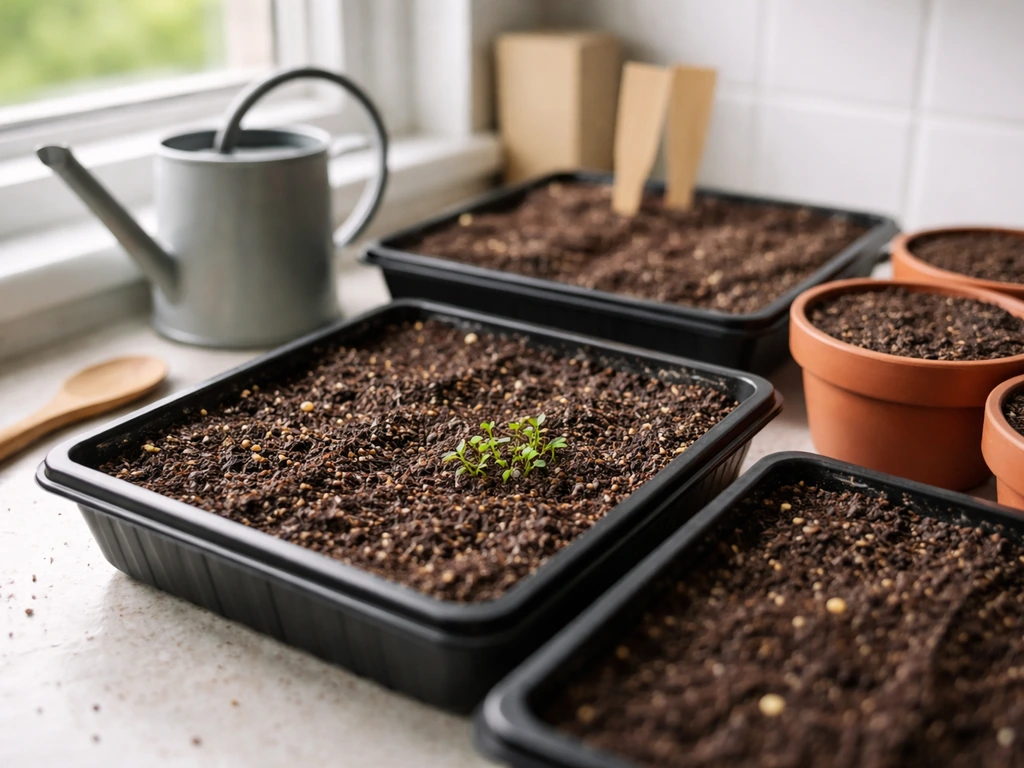
Start seeds indoors 8–10 weeks before your last expected frost date. For most of zone 5, that means starting in late February or early March. For zone 7, that might be late January or February. Check your local last frost date and count back from there.
- Fill shallow seed trays or 4-inch pots with a fine seed-starting mix, not regular potting soil. Seed-starting mix is lighter and has better surface contact with tiny seeds. Moisten the mix thoroughly before sowing so it's evenly damp but not dripping.
- Scatter the seeds on the surface of the mix. Do not cover them with soil. Hydrangea paniculata seeds need light to germinate, so pressing them lightly onto the surface with your fingertip is all they need. The goal is surface contact with the moist medium.
- Place a clear plastic dome or a sheet of plastic wrap loosely over the tray to maintain humidity. This is especially important because the tiny seeds can't survive drying out even briefly during germination.
- Set the tray under grow lights or in a bright south-facing window. Maintain a consistent temperature of 65–70°F (18–21°C). A heat mat set to this range can help if your indoor space is cooler. Room temperature is usually fine in most homes.
- No cold stratification is needed for H. paniculata seeds. Germination typically begins within 14–30 days, though it can be slower. Don't give up too early. Check moisture daily and mist gently with a spray bottle if the surface starts to dry.
- Once you see germination, remove the dome but keep the seedlings under lights 14–16 hours per day. The tiny seedlings need consistent light to avoid becoming leggy and weak. Thin to one seedling per cell once they have their first set of true leaves.
Expect germination to be uneven. Even with good seeds and conditions, not every seed will sprout at the same time, and germination rates for hydrangea can be variable. Don't read anything into slow starters. Just keep conditions stable and patient.
Transplanting seedlings, hardening off, and first-season care
Once seedlings have 2–3 sets of true leaves, usually 4–6 weeks after germination, they're ready to move up to individual 3–4 inch pots with standard potting mix. Handle them by the leaves, not the stems, since the stems are incredibly fragile at this stage. Keep them under lights and in a warm spot indoors until about 2–3 weeks before your last frost date.
Hardening off is non-negotiable. Indoor seedlings are soft and unaccustomed to wind, direct sun, and temperature swings. Start by putting them outside in a sheltered, shaded spot for 1–2 hours on a mild day, then bring them back in. Increase outdoor time by an hour or two each day over 10–14 days, gradually introducing more direct sun exposure in the second week. After two weeks, they can handle full outdoor conditions and are ready to transplant into the garden after your last frost date has passed.
Plant seedlings in a prepared bed just as you would a nursery transplant: in well-draining, slightly acidic soil with plenty of compost worked in. Water them in well and keep soil consistently moist for the first 4–6 weeks. Mulch around each seedling immediately. The first summer is purely about survival and root establishment. Seed-grown plants may produce small blooms in their first year, or they may wait until year two. Either way, manage your expectations and focus on building a strong root system. By year two or three, you'll know what kind of plant your seed produced.
How vanilla strawberry compares to other hydrangeas
If you're deciding between types, knowing the key differences helps. Vanilla Strawberry sits in a useful middle ground: hardier than Endless Summer bigleaf types, more colorful than standard white panicle varieties, and easier to maintain than some of the larger-growing paniculata species. Unlike Nikko Blue or purple-flowering bigleaf hydrangeas, you can't change the bloom color with soil pH adjustments and you don't need to worry about protecting old wood through winter. If you specifically want Nikko Blue hydrangea results, focus on its bigleaf habits and provide the right winter protection to preserve next season’s buds. If you're in zone 3 or 4 and have lost other hydrangeas to cold, this is very likely your answer.
| Feature | Vanilla Strawberry (H. paniculata) | Endless Summer (H. macrophylla) | Nikko Blue (H. macrophylla) |
|---|---|---|---|
| Hardiness zones | 3–8 | 4–9 | 5–9 |
| Bloom type | Cone-shaped panicle | Round mophead | Round mophead |
| Blooms on | New (current-season) wood | Old and new wood | Old wood primarily |
| Pruning flexibility | Very high — prune hard in late winter | Moderate — avoid cutting old wood | Low — avoid cutting old stems |
| Color affected by soil pH | No | Yes (blue/pink shift) | Yes (blue/pink shift) |
| Color change through season | White to pink to deep rose | Fixed by pH and genetics | Blue (acidic) or pink (alkaline) |
| Typical mature size | 6–7 ft tall, 4–5 ft wide | 3–5 ft tall, 3–5 ft wide | 4–6 ft tall, 4–6 ft wide |
Your action plan: what to do right now and through the seasons
Here's a quick checklist to get started depending on where you are in the process today:
- If it's spring (April–May in most zones): Plant nursery-grown Vanilla Strawberry now, after last frost. Prepare soil, set at correct depth, mulch immediately, water in deeply.
- If it's summer (June–August): Focus on consistent deep watering once or twice a week. Skip fertilizing after July. Watch for heat wilt and powdery mildew. Enjoy the blooms.
- If it's fall (September–November): Collect seeds from dried panicles if you want to try seed propagation. Hold off on heavy pruning until late winter. You can plant nursery stock in early fall if you're in zone 6–8.
- If it's late winter (February–March): Prune established plants back by one-third to one-half before new growth begins. Apply slow-release fertilizer as buds swell. Start seeds indoors 8–10 weeks before last frost.
- For seed starters: Gather or purchase seeds, start indoors in late winter, keep at 65–70°F under lights, harden off before transplanting, and expect first blooms either late in year one or in year two.
Simple seasonal care calendar
| Season | Key tasks |
|---|---|
| Late winter (Feb–Mar) | Prune stems back by 1/3 to 1/2. Apply slow-release balanced fertilizer. Start seeds indoors if propagating. |
| Spring (Apr–May) | Plant or transplant after last frost. Mulch 2–3 inches deep. Water deeply at establishment. Harden off seedlings for outdoor transplanting. |
| Early summer (June) | Apply a second light fertilizer dose if needed. Water deeply once or twice weekly. Monitor for pests and powdery mildew. |
| Midsummer (July–Aug) | Enjoy blooms. Maintain watering. Stop fertilizing. Watch for heat stress in exposed sites. Deep water during drought. |
| Fall (Sept–Nov) | Collect seeds from dried panicles if desired. Leave flower heads on for winter interest. Reduce watering as temperatures drop. |
| Winter (Dec–Jan) | No action needed. Dried panicles stand well. Root mulch insulates in colder zones. Plan spring pruning and any new plantings. |
Vanilla Strawberry rewards consistency over complexity. Get the site right, keep the soil healthy, prune at the right time, and water deeply rather than frequently. If you want purple blooms specifically, you can use similar site, watering, and soil basics while making sure your hydrangea type is one that responds to color changes how to grow purple hydrangeas. Do those things and you'll have a plant that grows bigger and more beautiful every year, with zero guesswork about whether it will bloom. That's the real reason experienced gardeners keep coming back to Hydrangea paniculata, and why this cultivar in particular has become such a favorite.
FAQ
How do I know if my Vanilla Strawberry is getting too much sun or too little shade?
Look at the leaves and stems. If you see midday wilting, scorched or crispy leaf edges, or the plant looks stressed even after watering, it is likely getting too much direct sun. If you see long gaps between blooms, floppy stems, and a smaller number of panicles, it is usually too shaded. A good test is to aim for morning light plus protection from harsh afternoon sun.
Why are my blooms pale, more white than pink and rose?
Bloom color timing is mostly temperature driven, not soil pH, for this cultivar. If your winters are mild or your late-season weather stays warm, you may get less dramatic rose deepening. Also avoid overfeeding with nitrogen, which can push leafy growth and reduce the intensity of bloom coloration.
Can I grow Vanilla Strawberry hydrangea in a container?
Yes, but you must scale up the pot and protect the roots. Use a large container with drainage holes (often at least 18–24 inches wide), a well-draining potting mix, and consistent moisture during warm months. In-ground pruning and watering schedules still apply, but container plants need more frequent checks and mulching or winter wrapping to prevent root heaving and freeze damage.
How often should I water once the plant is established beyond year two?
After about two full growing seasons, water during dry spells rather than on a fixed calendar. A practical rule is to water deeply when the top few inches of soil dry out, then soak until excess drains from the root zone. In hot, windy weather, you may need more frequent deep watering even if it is “established.”
My hydrangea is blooming on new wood, so when should I prune if I have a late frost?
Prune late winter or very early spring as described, but do not prune into active freeze risk for your area. If you still get hard freezes in March or early April, wait until stems are firm and you can safely make cuts without significant dieback. With paniculata, the safest approach is to prune before new green growth, then adjust if you see obvious winter damage.
What should I do if I miss the pruning window and it starts leafing out?
If leaves have already started, avoid major pruning reductions. You can remove only dead, broken, or weak stems to tidy the plant, then stop. You may see fewer or smaller panicles that year, but paniculata will still flower on new growth later in the season.
How do I prevent fungal issues in humid climates?
Give extra spacing and improve airflow. Don’t overcrowd with other shrubs within about 5 feet, and keep mulch from piling against the stems. If you notice recurring leaf spot or mildew, consider lighter pruning for airflow and avoid overhead irrigation, since wet foliage increases spread.
Why does my plant grow large leaves but set few blooms?
The most common causes are too much nitrogen fertilizer and overly rich, overly wet soil. Stick to a balanced slow-release feed in early spring, then avoid feeding after early July. Also check that it is receiving enough morning light, because low light can mimic “fertility problems” by reducing bloom formation.
Is there a way to promote more panicles versus bigger panicles?
Yes, it comes down to how hard you prune. Cutting back more (about one-half) tends to produce fewer but larger panicles, while pruning a bit less aggressively often increases the number of panicles. Keep the timing consistent in late winter so new wood has time to form strong blooms.
Can I deadhead faded panicles in fall or spring?
You can leave the dried panicles through winter for structure, then prune in late winter. If you want cleaner appearance earlier, you can remove only the spent tops in late fall, but avoid heavy cutting late in the season because it can encourage soft growth. Full pruning should still wait until the dormant period.
How do I propagate Vanilla Strawberry without losing the exact color traits?
To keep the true “Vanilla Strawberry” cultivar characteristics, use vegetative methods like softwood or hardwood cuttings, or division when feasible. Seed propagation will produce variable offspring, meaning you may not get the signature strawberry-pink color transition and compact habit.