
Forsythia is one of the most rewarding shrubs you can grow, and it's not complicated. Get the location right, prune at the right time, and you'll have a shrub covered in bright yellow flowers every spring with very little fuss. Get those two things wrong, and you'll wonder why your forsythia looks like a big green blob that never blooms. This guide walks you through everything: where to plant, how to prep the soil, how to actually get it in the ground, and how to keep it healthy and blooming year after year.
How to Grow Forsythia: Planting, Pruning, and Care Tips

Marcus Holloway
24 Mar 2026
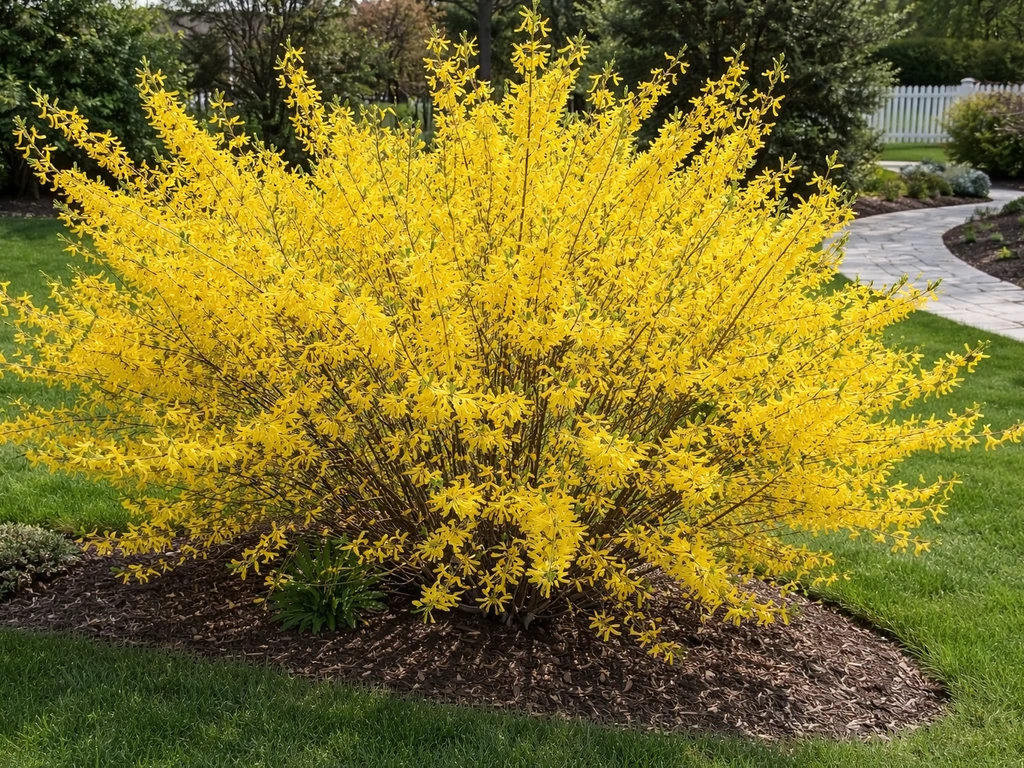
Best location and sunlight for forsythia
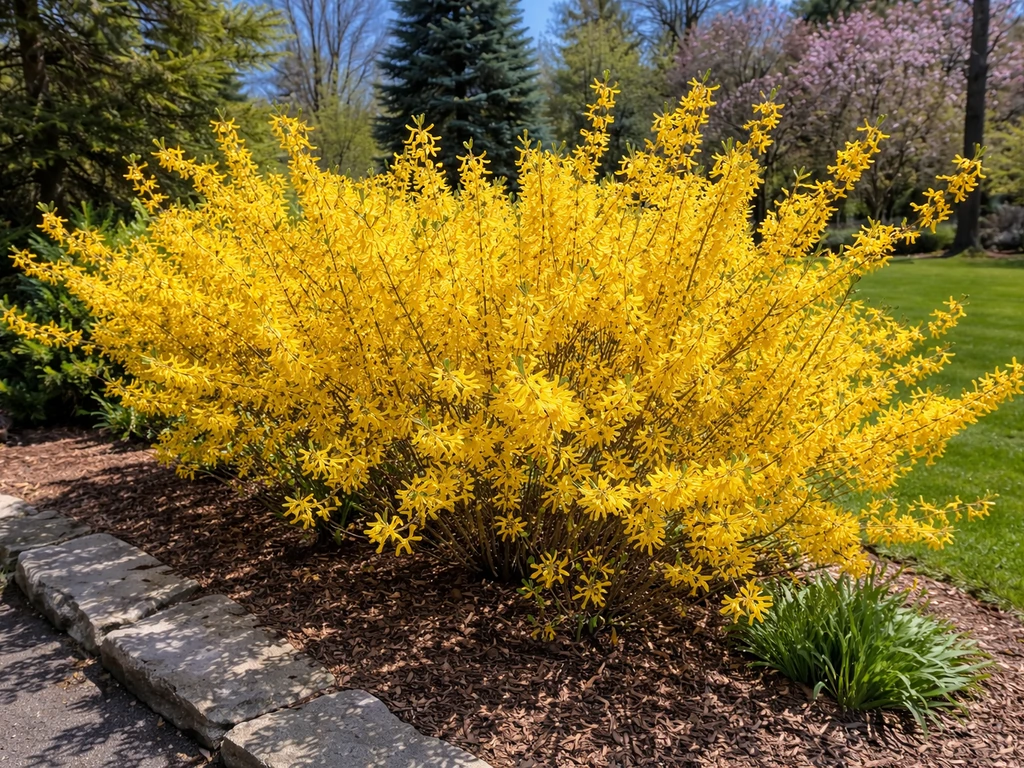
Put forsythia in full sun. That's the short answer. Aim for at least 6 hours of direct sunlight per day, and your plant will reward you with a dense, full flush of flowers every spring. You can get away with partial shade, but the bloom display will be noticeably weaker. I've seen forsythia planted on the north side of a house that barely flowered at all, while the same cultivar planted 20 feet away in full sun was absolutely spectacular. The shade doesn't kill it, it just underperforms. If you want a similar shrub-care walkthrough for a different plant, see how to grow an azalea for related soil and watering considerations.
Beyond sun, think about cold exposure. Forsythia shrubs are tough and hardy, but their flower buds are more vulnerable than the plant itself. In a brutal winter, you can lose most of your buds even though the shrub itself survives just fine, which means a spring with barely any bloom. If you're gardening in a cold climate, look for cold-hardy cultivars. 'New Hampshire Gold,' for example, is rated hardy to around Zone 3 and its flower buds can reportedly survive temperatures down to about -35°F. Most forsythia varieties are reliable in Zones 5 through 8, but knowing your zone and choosing accordingly makes a real difference in bloom reliability. The Arbor Day Foundation tree guide lists forsythia as a plant that grows in USDA Zones 5, 8 and notes it is commonly used for hedging with spacing guidance of about 4, 6 feet apart USDA Zones 5–8.
As for spacing, give this plant room to spread. Forsythia is a big, arching shrub that can easily reach 8 to 10 feet tall and wide at maturity. Planting it too close to a wall, a fence, or other shrubs will mean constant cutting just to keep it in bounds, and that often leads to the wrong pruning at the wrong time, which kills next year's flowers. Pick a spot where it has space to do its thing naturally, and you'll spend a lot less time fighting it.
Soil needs and site prep
Forsythia is not a demanding plant when it comes to soil. It grows in a wide pH range, roughly 6.0 to 8.0, which means neutral to slightly alkaline conditions work well. You don't need to acidify the soil like you would for azaleas or blueberries.
That said, do a basic soil test before planting if you can. If you're specifically trying to grow Encore azaleas, focus on their different sun, soil pH, and watering needs compared with forsythia do a basic soil test before planting if you can. If your soil is way outside that pH range, a simple correction now saves a lot of guesswork later. Strongly acidic soil below pH 6.0 can limit nutrient uptake even in an otherwise tolerant plant.
Good drainage matters more than soil richness. Forsythia does not like sitting in waterlogged soil. If your site tends to stay soggy after rain, either choose a different spot or raise the planting area. Poorly drained soil is also a setup for Phytophthora root rot, which I'll cover in the troubleshooting section. Average garden loam or even reasonably heavy clay that drains decently will usually work fine. If you want to improve the planting hole, mix in a bit of compost to help with structure, but you don't need to go overboard. Forsythia isn't a heavy feeder.
Planting time and how to plant
The best time to plant forsythia is in spring or fall when temperatures are mild and the plant isn't under heat stress. That said, container-grown forsythia can technically be planted throughout the growing season if you keep up with watering. Bare-root plants, which you sometimes find through mail-order nurseries, should go in the ground in early spring before growth kicks off, or in fall once the plant has gone dormant.
Planting a container-grown forsythia
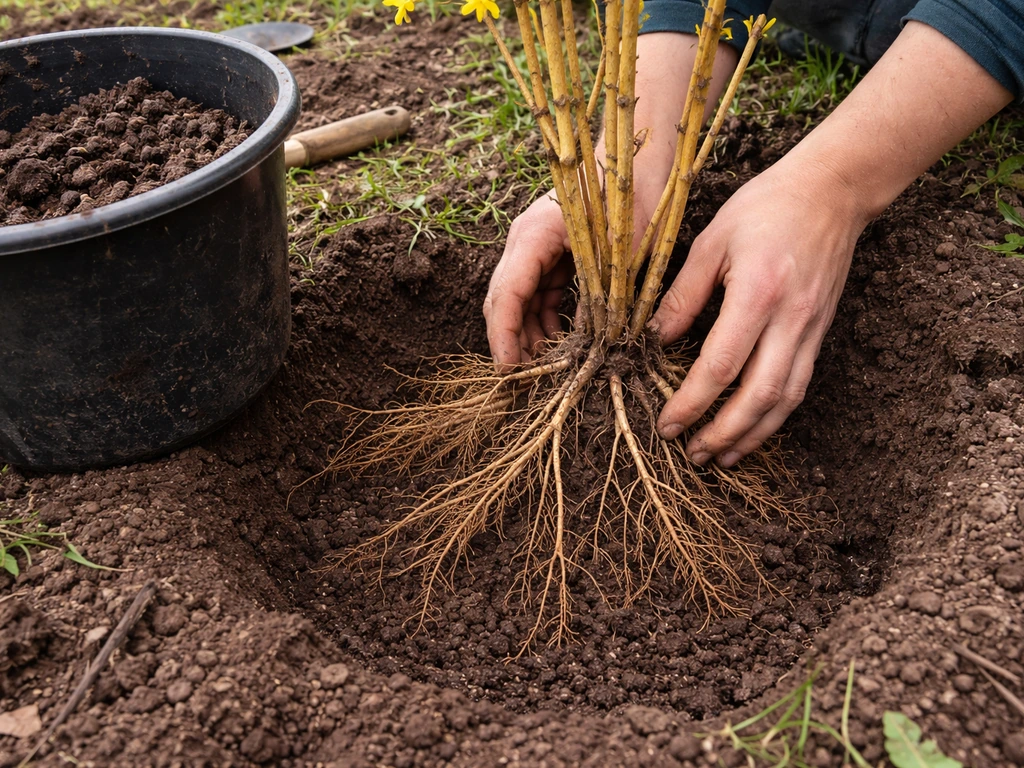
- Dig a hole about twice the width of the container and roughly the same depth. You want the top of the root ball sitting at or just slightly above the surrounding soil level, not buried deep.
- Remove the plant from its container and gently tease apart any circling roots. If the root ball is severely pot-bound, make a few shallow vertical cuts with a knife to encourage outward growth.
- Set the plant in the hole, backfill with the native soil you removed, and firm it down in stages to eliminate air pockets.
- Water deeply right after planting to settle the soil around the roots. This first watering matters more than most people realize.
- If you're planting in summer, be extra attentive with watering in the first few weeks. The RHS puts it plainly: if you buy a forsythia while it's actively growing, plant it as soon as possible and don't let the soil dry out.
Planting a bare-root forsythia
Bare-root plants arrive without soil around the roots and need to go in the ground quickly. If you can't plant right away, heel the roots into a bucket of moist compost or keep them wrapped and moist in a cool spot. When you're ready to plant, dig a hole wide enough to spread the roots out naturally without bending or cramping them. The planting depth should match the original nursery depth, which you can usually spot by a soil mark on the stem. Backfill, firm the soil, and water thoroughly. The key with bare-root is speed and moisture: once those roots dry out, you lose the plant.
Watering, fertilizing, and pruning basics
Watering
For the first season after planting, water regularly to keep the soil consistently moist but not soggy. A good rule of thumb is watering 2 to 3 times per week during dry spells, watering deeply each time to encourage roots to grow downward rather than staying near the surface. Once forsythia is established, usually after one full growing season, it becomes quite drought tolerant and generally won't need supplemental watering in typical conditions. If you're growing forsythia in a container, the rules change: pots dry out much faster, and you'll need to water more frequently, especially from spring through late summer when the plant is actively growing.
Fertilizing
Go easy on the fertilizer. Forsythia isn't a heavy feeder, and piling on nitrogen will give you a lush, leafy plant that doesn't bloom as well. If your soil is reasonably good and you're getting healthy growth, you may not need to fertilize at all. If you want to give it a boost, use a balanced granular fertilizer in early spring, following the rate on the packet. The RHS specifically advises against overdoing it. I'll put it this way: I've seen gardeners dump fertilizer on a forsythia that wouldn't bloom, and it never fixed the problem. Pruning timing almost always was the real culprit.
Pruning: the most important thing you'll do
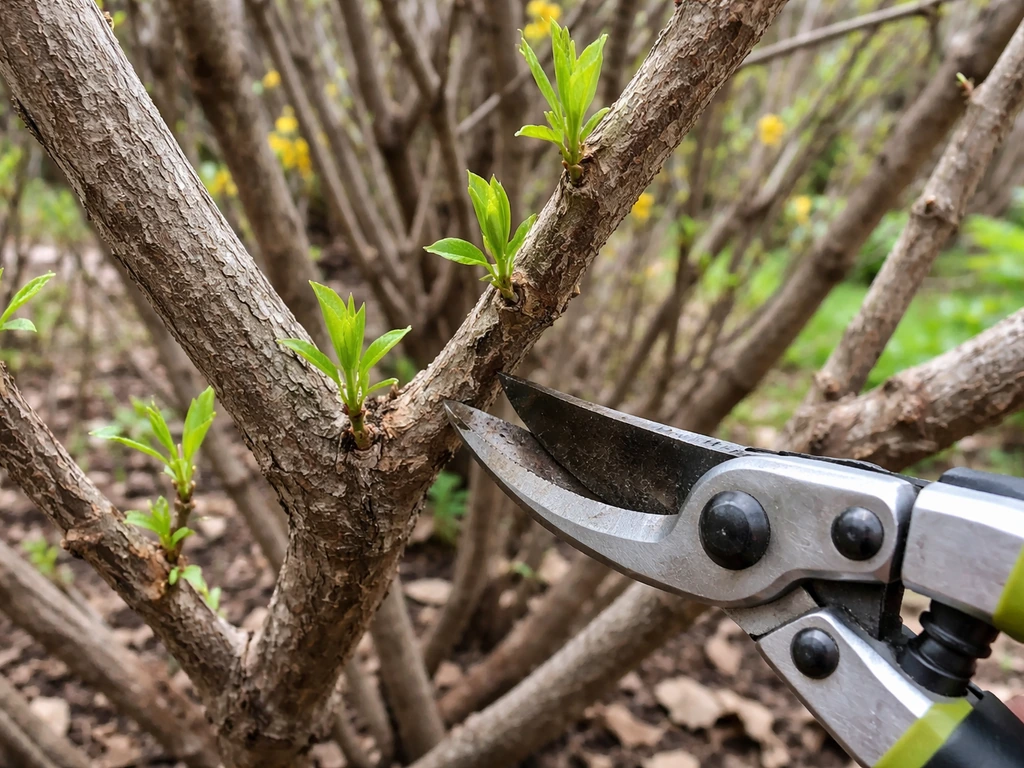
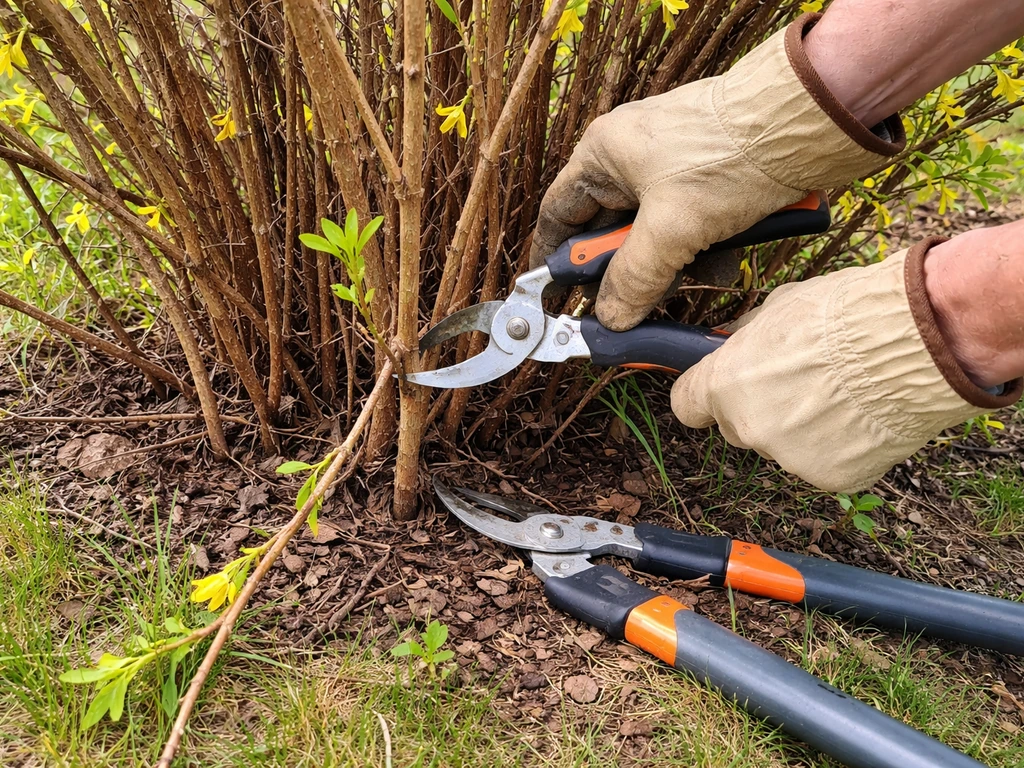
Pruning forsythia correctly is the single biggest factor in whether it blooms well next year. If you want the same kind of reliable blooms from azaleas outdoors, plan your pruning around their flowering cycle and growing conditions Pruning forsythia correctly. Forsythia blooms on old wood, meaning the flower buds for next spring's display form on the new growth produced this year, after flowering. Prune at the wrong time and you cut off all those buds. Prune right after flowering and you give the plant the whole growing season to produce new budded stems for next year.
The window is right after the flowers fade, typically in mid-spring. Don't wait until summer. Don't do a big autumn trim. Both of those approaches will gut your spring bloom. The goal at pruning time is to remove the oldest, thickest stems from the base of the plant, not to shear the whole thing into a ball. Removing about one-fifth to one-third of the oldest canes each year keeps the plant vigorous and open, allows light into the center, and encourages strong new flowering shoots.
If your forsythia has gotten completely out of hand, you can do a staged renewal over two or three years: take out roughly a third of the oldest canes right after flowering in year one, another third the following year, and so on. This is gentler than chopping the whole thing down at once and keeps some bloom going while you're renovating.
Seasonal care calendar
| Season | What to do |
|---|---|
| Early spring (before bloom) | Check for winter damage; remove any dead or broken stems. Don't prune healthy stems yet. |
| Spring (during bloom) | Enjoy it. Don't prune now. Water if dry. |
| Mid-spring (right after bloom) | This is your pruning window. Remove one-fifth to one-third of the oldest canes from the base. Shape lightly if needed. |
| Late spring through summer | Water young or newly planted shrubs regularly. Established plants usually don't need help. New growth is forming the buds that will flower next spring. |
| Late summer/early fall | Flower buds are being set on this year's new wood. Do not prune now. No heavy feeding at this stage. |
| Fall | Mulch around the base to protect roots in cold climates. No pruning needed. |
| Winter | Forsythia is dormant. In very cold climates, extreme cold can kill flower buds even on a hardy plant. Choose a sheltered spot or cold-hardy cultivar if this is a recurring problem. |
The seasonal rhythm is simple once you internalize one principle: anything you do after the flowers fade is setting up next year's bloom. Everything after mid-spring is about letting the plant work undisturbed. Winter is rest time. Spring is your window to shape and renew.
Propagating forsythia and fixing common problems
Propagation: cuttings, suckers, and layering
Forsythia is one of the easier shrubs to propagate, which is great news if you want more plants for a hedge or want to share with a neighbor. If you're branching out from forsythia to other flowering shrubs, you may also want to review how to grow photinia for similar site and care considerations. The three main methods are softwood cuttings, hardwood cuttings, and layering.
Softwood cuttings are taken in late spring to early summer when new growth is still flexible. Take a 4 to 6 inch cutting just below a leaf node, strip the lower leaves, blank" rel="noopener noreferrer">dip the cut end in rooting hormone powder or gel, and stick it into a moist propagation mix (a 50/50 perlite and potting compost blend works well). Keep the medium consistently moist without letting it sit in standing water, as too much moisture kills off developing roots just as surely as drying out does. Cover with a plastic bag or a propagation dome to hold humidity. Most forsythia cuttings root within a few weeks.
Semi-hardwood or hardwood cuttings taken in fall or winter are another option and tend to be more forgiving for beginners since the wood is firmer and less prone to wilting. The process is the same, though rooting takes longer in the cool season.
Layering is the most hands-off method and works particularly well if you have a long, arching branch you can bend down to the ground. In late spring, choose a flexible stem, wound or scratch the underside where it will touch the soil, press that section into a shallow trench, pin it down, and cover with soil. Keep it moist through the season. It may root within that first growing season, but leave it attached to the parent plant until the following spring before cutting it free and moving it.
Many mature forsythias also send up suckers from the base or along surface roots. You can dig these up in early spring, making sure to get a decent amount of root attached, and transplant them directly. This is the quickest and easiest way to get new established plants.
Troubleshooting common forsythia problems
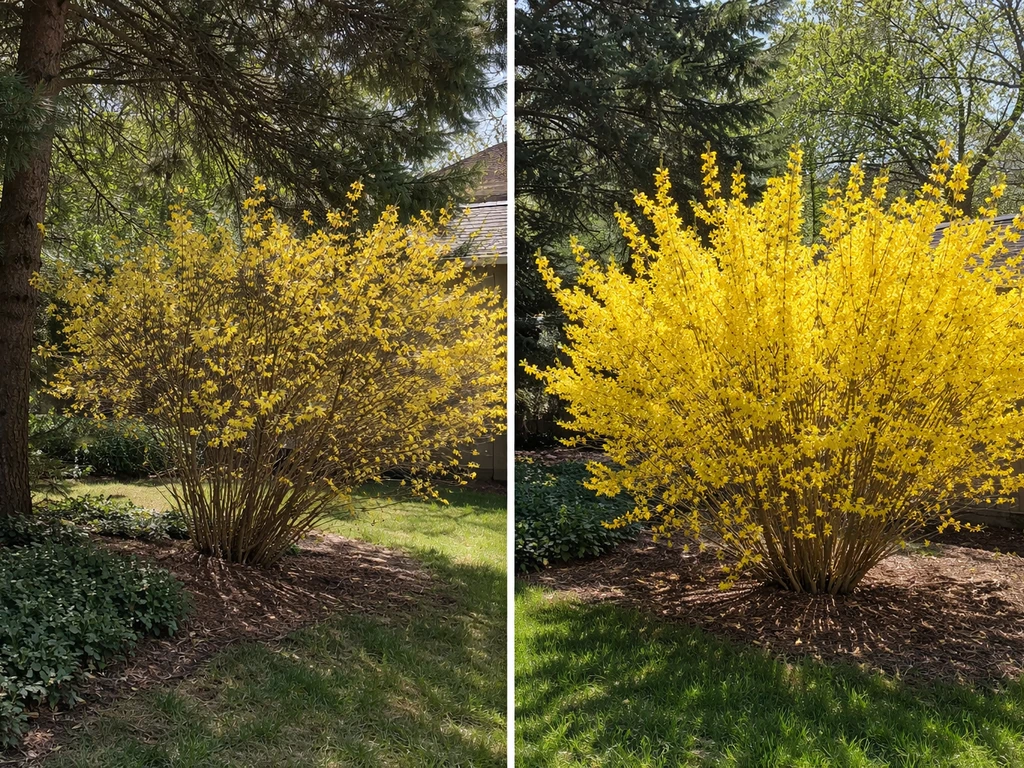
If your forsythia won't bloom, there are really only a handful of likely causes. The most common by far is pruning at the wrong time. If you or anyone else trimmed the plant in late summer, fall, or winter, those buds were almost certainly removed. The fix is to prune correctly this year, immediately after flowering, and then leave the plant completely alone until after it blooms the following spring. It takes patience, but it works.
Too much shade is the second most common reason for poor flowering. If your forsythia gets fewer than 4 to 6 hours of sun, you're fighting against the plant's basic needs. In that case, consider moving it if it's still young, or removing whatever is casting the shade.
Bud kill from extreme winter cold is a third possibility, and it's the one you can do the least about after the fact. If your plant is leafing out fine in spring but just has no flowers, and you had a brutal winter, bud kill is a strong candidate. The answer going forward is to choose a cold-hardier cultivar suited to your zone.
On the disease side, forsythia can be affected by a few issues worth knowing about. Crown gall shows up as rough, tumor-like growths at the base of the plant or on roots and is caused by a soil bacterium. There's no chemical cure once it's present; remove and destroy infected plants and avoid replanting susceptible shrubs in the same spot. Phomopsis gall causes clusters of rough, corky growths on stems, often near the soil line, and can lead to twig dieback. Prune out affected stems well below the gall and dispose of them. Botryosphaeria dieback and twig blight are also on the list for forsythia, both favored by stressed or wounded plants. Keeping your shrub well-sited, properly watered, and pruned with clean tools goes a long way toward avoiding these.
Leaf spot diseases, including some caused by fungi that thrive in warm, humid conditions, can cause spotting and early leaf drop. They're rarely fatal but worth noting. Improving air circulation through good pruning and avoiding overhead watering in humid weather helps keep foliar diseases in check.
Overgrowth and a lumpy, shapeless look usually come from years of shearing the tips rather than cutting from the base. If this is where you're starting from, commit to the staged renewal approach: cut out the oldest, woodiest canes from ground level over two or three post-bloom pruning cycles. You'll be surprised how quickly a forsythia that looked tired and overgrown can bounce back into a graceful, free-flowering form.
FAQ
When is the latest I can prune forsythia and still get good blooms next spring?
Use a simple rule: if it blooms, it is on old wood, so you should prune after flowering and then stop until the next spring bloom. If you cut it in summer, fall, or winter, you remove the buds formed on this year’s growth, and you can get a full season of little or no flowers.
How much should I water forsythia, and does it differ if it is in the ground versus a pot?
Forsythia can handle some dryness once established, but don’t let it swing between bone-dry and waterlogged. During the first year, water deeply so the root zone stays evenly moist, and after that, only supplement during extended dry spells, especially if the plant is in a container or very sandy soil.
Should I fertilize forsythia every year to make it bloom more?
If your goal is flowers, avoid nitrogen-heavy feeding. A practical approach is to soil-test first, then use a balanced fertilizer sparingly in early spring only if growth is weak, otherwise skip it. Overfeeding often produces lush leaves while buds stay poor.
Can I transplant an older forsythia, and will it still bloom?
Yes, but timing matters more than the method. If you move it, do it in mild weather and handle roots gently, then plan to prune lightly after flowering (not in late season) so you don’t accidentally remove next year’s buds. Expect reduced blooms the first spring after transplanting.
What changes when growing forsythia in containers?
Container-grown forsythia is more likely to fail from drying out or freezing back at the root ball. Use a pot with strong drainage, keep watering consistent during active growth, and in cold climates insulate the pot or sink it in the ground to protect the root zone.
My forsythia leafs out normally but has no flowers. What should I check first?
If you notice heavy flowering but sparse leaves or weak overall growth, it can still be a site issue, mainly insufficient sun or winter bud loss. If the plant leafs normally but has few or no flowers, focus on bud-kill likelihood and cultivar hardiness next, rather than assuming a soil deficiency.
If my forsythia blooms poorly, is it better to move the plant or prune nearby plants that shade it?
Forsythia needs sun for bud formation, and too little light often shows up as thin, leggy growth and fewer blooms each spring. If you are deciding between moving it or cutting back shading plants, prioritize the change that increases direct morning light and reduces the number of hours spent under shade.
What should I do about suckers coming up from the base of my forsythia?
Suckers can be useful if you want more plants, but they can also steal energy from the main clumps. To control spread and improve flowering, remove suckers during late winter or early spring, or as soon as you see them, while still using your main pruning window right after flowering.
How do I prune an overgrown forsythia that has been sheared for years?
For best results, you generally want a clean cut and a renewal approach that removes the thickest oldest canes near the base. Avoid one-time shearing because it keeps cutting off flowering stems; instead remove roughly one-fifth to one-third of older canes each year over multiple post-bloom seasons.
If I suspect crown gall on my forsythia, can I save the plant with treatment or pruning?
Yes. Crown gall is not something you can reliably “treat,” and infected plants should be removed and destroyed. Also avoid replanting susceptible shrubs in the same spot, because the soil bacteria can persist and cause repeat infections.
What are the keys to successful forsythia layering?
Layering works best when you can bend a flexible branch to touch the ground without straining it. Scratch the underside where it contacts soil, keep that contact point consistently moist through the season, and do not cut it free until after it has rooted (typically the following spring).
Why do my forsythia cuttings fail to root?
The most common propagation mistake is letting cuttings sit either too dry or too wet. Use a moist but aerated mix, keep humidity high with a cover, and ensure drainage so developing roots are not submerged. Also, softwood cuttings root quicker when taken in late spring to early summer during active new growth.