
Plant hyacinth bulbs outdoors in fall, about 6–8 weeks before your first hard frost, at a depth of 6–8 inches with the pointed end facing up. Give them full sun, well-draining soil, and a light fertilizer at planting, and they'll reward you with intensely fragrant blooms every spring. That's the core of it. In colder climates, learning how to grow forced hyacinths indoors can help you enjoy blooms earlier than spring. Everything else is about giving the bulbs the right cold exposure, avoiding rot, and keeping the foliage intact long enough after bloom so the bulb can store energy for next year.
How to Grow Hyacinth Outdoors: Step-by-Step Guide
Marcus Holloway
29 May 2026
Choosing the right hyacinth bulbs and variety
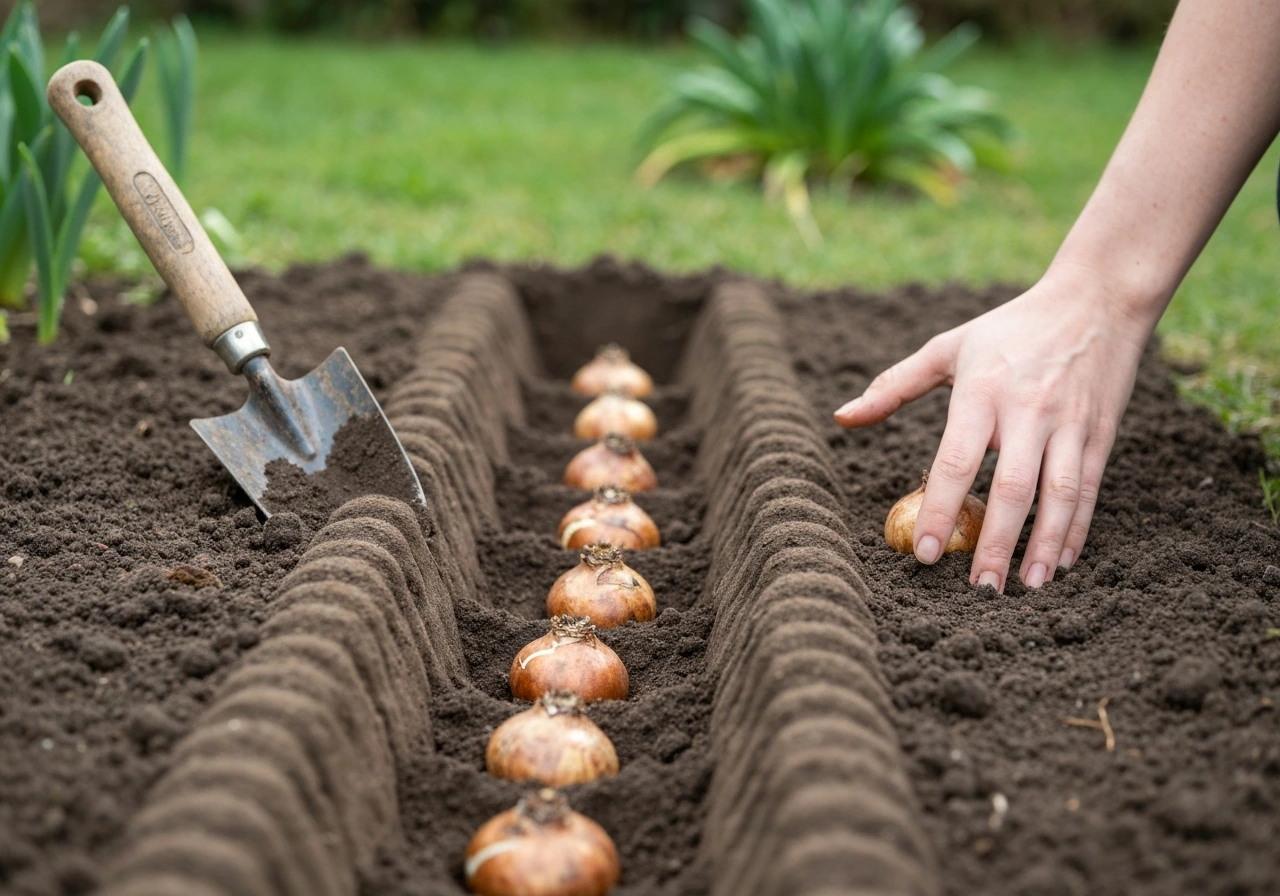
The hyacinth you'll find at every garden center is Hyacinthus orientalis, and its hybrid cultivars cover just about every color you'd want: blue, purple, pink, red, and white. Hardy in USDA Zones 4–8, these are the workhorses for outdoor growing. If you're in Zone 9 or warmer, you can still grow them outdoors but you'll need to pre-chill the bulbs first (more on that below).
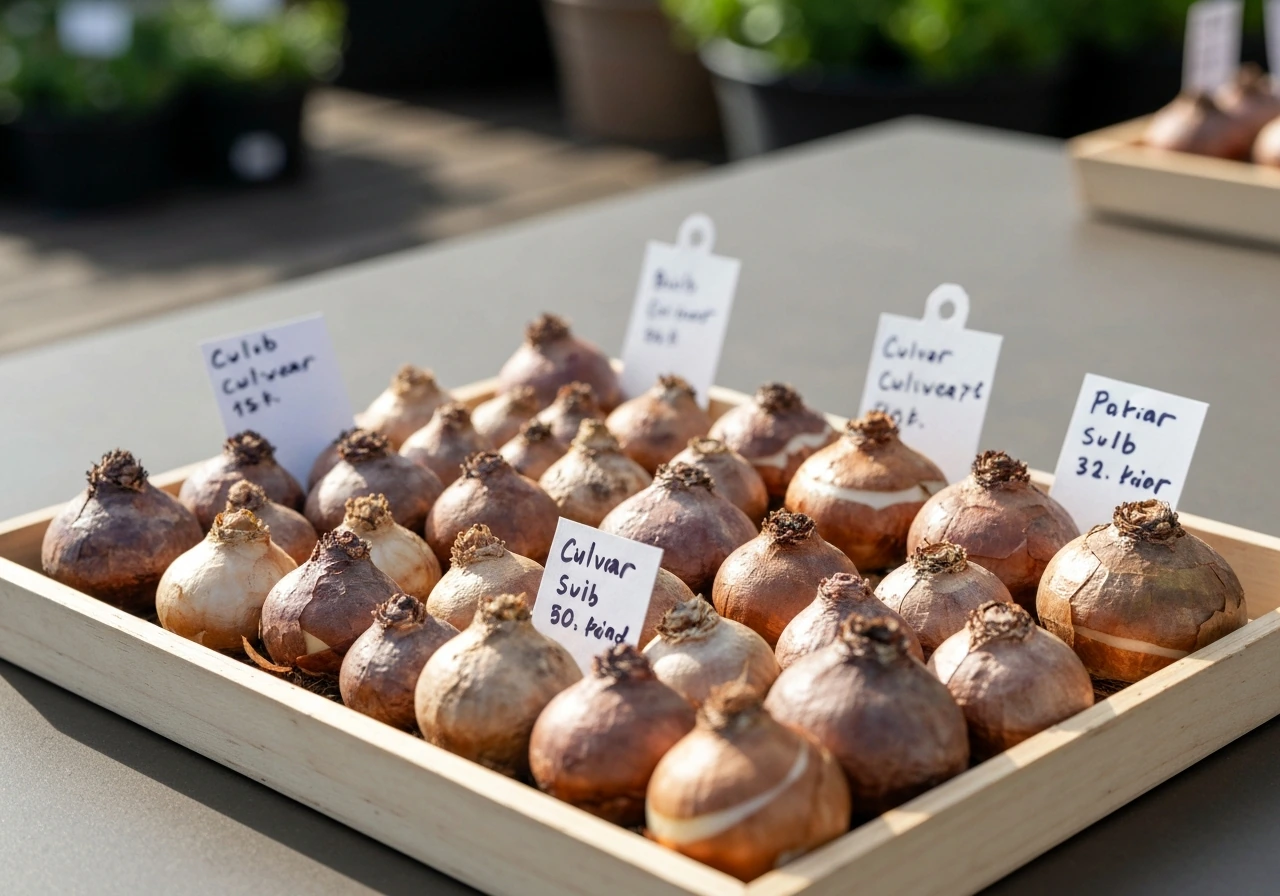
When you're picking bulbs at the store or ordering online, size matters. The biggest bulbs (often labeled 'exhibition size' or 'top size') produce the most impressive, dense flower spikes. Smaller bulbs will still bloom, just with thinner spikes. Whatever size you choose, feel each bulb before buying. A good bulb is firm and heavy with a papery outer tunic. Skip any that feel soft or spongy, show visible mold, or smell musty. Those are already on their way to rot and won't improve in your garden.
On variety, if you want that classic deep blue-purple spike, look at cultivars like 'Delft Blue' or 'Blue Jacket.' For something softer, 'Pink Pearl' and 'Carnegie' (white) are reliable performers. If you want to explore specific colors in depth, there are dedicated guides to growing purple hyacinth, blue hyacinth, and pink hyacinth that go further into cultivar comparisons.
Outdoor planting timing and site selection
Timing is everything with hyacinths. Once you have the timing right, you can follow the same basics to figure out how to grow blue hyacinth successfully. Plant them too early when the soil is still warm and they may rot or sprout prematurely. Plant them too late and they won't develop a strong enough root system before the ground freezes. The sweet spot is when your soil temperature drops to around 50–55°F (10–13°C), which generally translates to 6–8 weeks before your first hard frost. In most of the Northern U.S. and Canada, that's September into October. In the South (Zones 7–8), aim for October through November.
If you're in Zone 9 or above, your winters simply don't get cold enough to trigger flower formation naturally. You'll need to refrigerate bulbs for 12–16 weeks at 35–45°F (2–7°C) before planting. Keep them away from ripening fruit in the fridge, since ethylene gas from fruit can damage the bulbs. Once they've had their chill, plant them in late fall or early winter when your temperatures are at least consistently cool.
For site selection, pick a spot that gets full sun to light shade. Hyacinths will bloom in part shade, but full sun gives you the strongest, most upright stems and the best flower development. If you want how to make hyacinth grow straight, full sun and strong stems are a great starting point before you fine-tune watering and support upright stems. Avoid low spots in your yard where water pools after rain. That standing water is a fast track to bulb rot.
Soil, drainage, and sunlight requirements
Hyacinths are not fussy about soil type as long as it drains well. They'll grow in loam, sandy loam, or even clay if you've amended it properly. What they cannot tolerate is wet feet. A bulb sitting in saturated soil for more than a few days will rot, no exceptions. If your soil is heavy clay, mix in compost, coarse sand, or grit to open it up before planting.
Loosen the soil to about 12–15 inches deep before planting. This sounds like extra work, but it pays off. Loose soil lets roots spread easily and ensures water drains down rather than pooling around the bulb. While you're working the soil, mix phosphorus (from bonemeal or a balanced fertilizer) into the lower zone of the planting bed, below where the bulbs will sit. Phosphorus promotes root development and doesn't move much through soil on its own, so incorporating it at the right depth now means it'll actually be available to your bulbs.
Aim for a slightly acidic to neutral pH of around 6.0–7.0. If you're unsure, a quick soil test from your local extension service will tell you where you stand and whether you need to add lime to raise pH or sulfur to lower it.
How to plant hyacinth bulbs outdoors
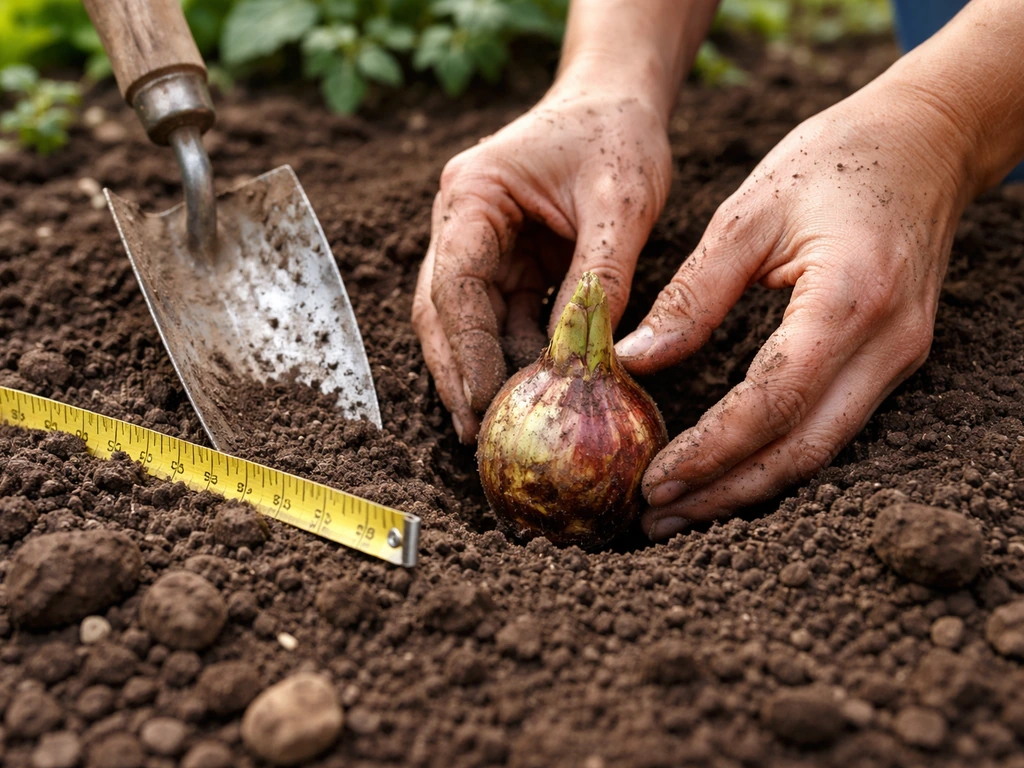
Here's the actual planting process, step by step:
- Loosen soil to 12–15 inches and remove any rocks, roots, or debris.
- Mix a balanced fertilizer (such as 10-10-10 at roughly 5 tablespoons per 10 square feet) plus bonemeal into the lower portion of the bed before placing bulbs.
- Dig individual holes or a flat-bottomed trench to a depth of 6–8 inches. Some sources say 4–6 inches, but 6–8 inches is safer in colder zones because it protects bulbs from hard freezes and reduces heaving.
- Place each bulb pointed end up. If you're not sure which end is up, look for the flattened basal plate (the root end) and position that downward. The pointed tip, even if stubby, always goes toward the sky.
- Space bulbs 4–6 inches apart for a dense, lush look, or up to 6–8 inches apart if you want more airflow and plan to leave them in the ground for multiple seasons.
- Backfill with soil, firm gently to remove large air pockets, and water thoroughly once to settle the soil around the bulbs.
- Do not overwater at this stage. Saturating the soil repeatedly right after planting is one of the most common causes of early rot.
If you're planting in containers outdoors rather than in the ground, use a pot with drainage holes and a gritty, fast-draining potting mix. Container-grown bulbs in cold zones may need extra insulation over winter (burying the pot in the ground or wrapping it in burlap) since they won't have the insulating benefit of the surrounding earth.
Watering, fertilizing, and mulching during the growing season
After planting, water once and then largely step back. Fall rains typically handle moisture needs until the ground freezes. You don't want to keep the soil consistently wet through winter. When shoots emerge in spring, resume watering if rainfall is sparse, aiming to keep the soil evenly moist but never soggy. Once blooms appear, back off slightly on watering to avoid rot at the neck of the bulb.
For fertilizing, the most impactful application is at planting time in fall, incorporated into the soil as described above. In early spring, as shoots push up, you can apply a low-nitrogen fertilizer (one where the first number on the label is lower than the other two) to support flowering without pushing excessive leafy growth. High-nitrogen fertilizers are great for lawns and foliage plants, but with bulbs they tend to produce lush leaves at the expense of blooms, so skip the quick-fix all-purpose stuff here.
Apply a 2–4 inch layer of mulch (straw, shredded bark, or leaf mulch) over the planting area in colder regions after the ground starts to freeze. This moderates soil temperature swings and reduces frost heaving. Keep mulch pulled back slightly from where the bulb tips are to avoid encouraging rot or mold right at the surface. In spring, pull the mulch back a bit as shoots emerge so they aren't fighting their way through a thick mat.
Spring bloom care and after-bloom foliage management
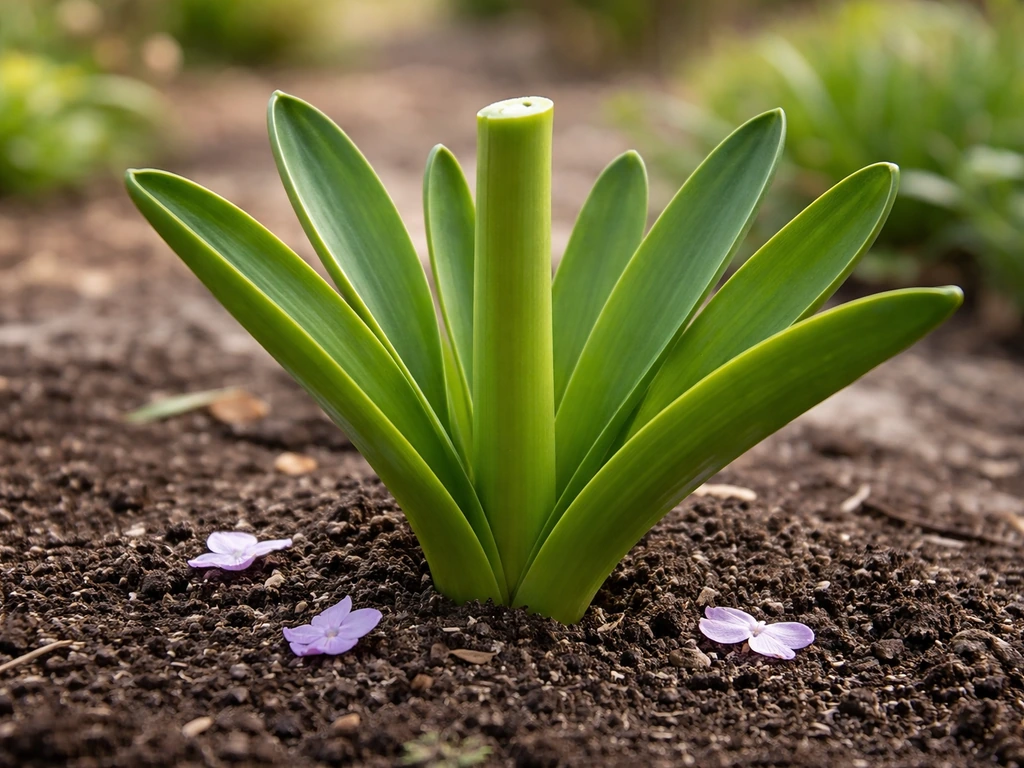
Once hyacinths bloom, your main job is to enjoy them and keep the plants healthy. If you get a late frost after shoots have emerged, cover them overnight with a frost cloth or even an overturned bucket. A sharp freeze on emerging green tissue can damage or kill the spike for that season.
When the flowers fade, deadhead the flower spike by snapping or cutting it off at the base of the flower stem. This stops the plant from putting energy into seed production. But here's the part a lot of beginners get wrong: do not cut back the leaves. I know the yellowing foliage looks untidy, but those leaves are the bulb's only way of photosynthesizing and storing energy reserves for next year's bloom. Cut them too early and you're essentially starving the bulb. Leave the foliage completely alone, water normally, and wait until it turns fully yellow and dies back on its own, usually 6–8 weeks after blooming. Then you can remove it cleanly.
After foliage dies back, you have two options. In Zones 4–8, you can leave bulbs in the ground and they'll often rebloom the following spring, though subsequent blooms tend to be slightly smaller than the first year. Alternatively, dig the bulbs after foliage dies, let them dry in a cool, airy spot for a few days, brush off loose soil, and store them in a mesh bag or paper bag in a cool, dry place (around 60–65°F) until fall replanting. This approach is especially worth doing in warm zones or if you want to refresh your bed layout.
Troubleshooting common outdoor problems
Bulbs not sprouting
If spring arrives and nothing comes up, the most likely culprits are planting too shallow (less than 4 inches, making them vulnerable to freeze damage), insufficient chill hours (especially in warmer zones), or bulbs that were already compromised when planted. If you're in Zone 9+ and skipped pre-chilling, that's almost certainly the problem. Dig carefully to check: if the bulb is firm and intact, it may just be slow. If it's mushy or hollow, it rotted or was eaten.
Rot and mushy bulbs
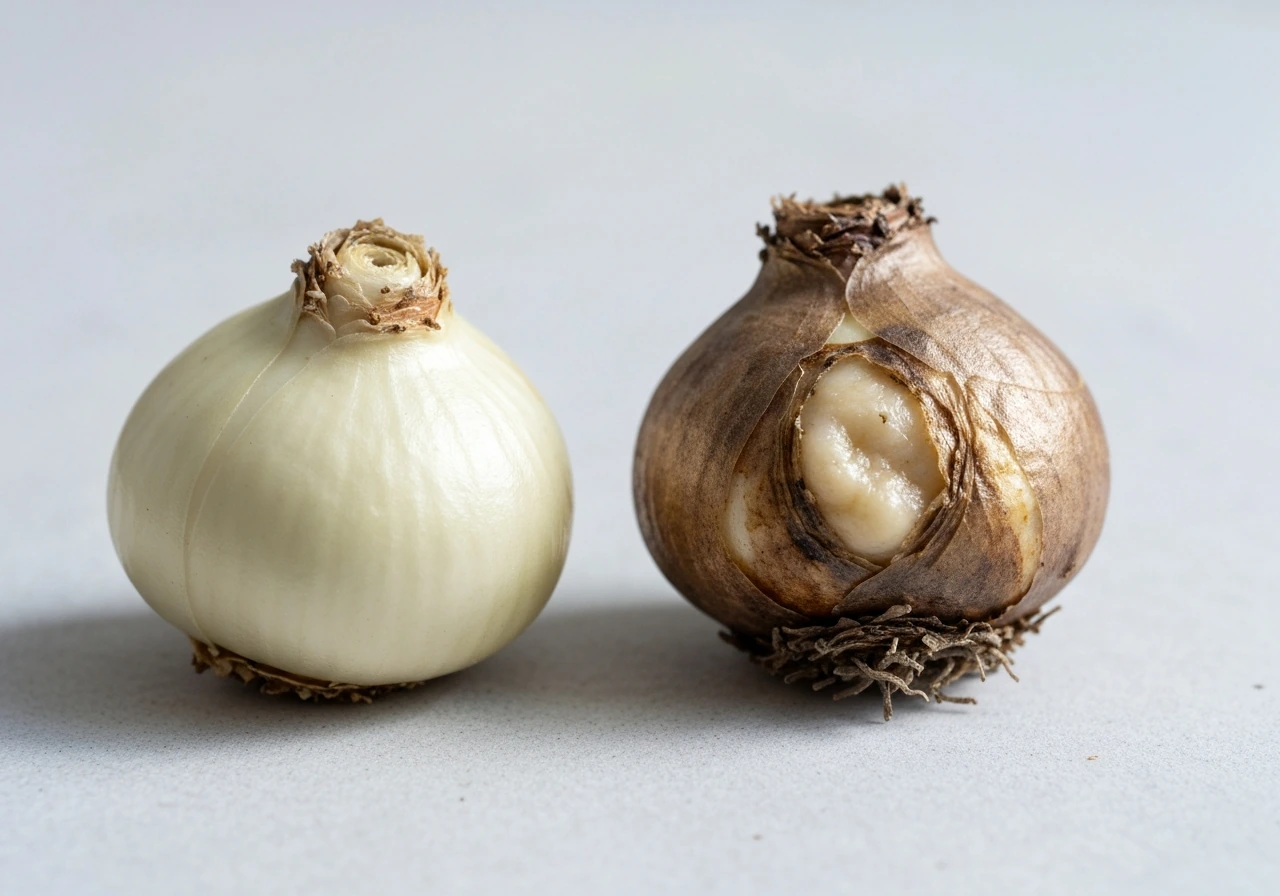
Bacterial soft rot is the most common serious disease in hyacinths outdoors. Infected bulbs become soft and mushy, often with a foul odor, and flowers may fail to form or open irregularly. The cause is almost always poor drainage or overwatering. There's no cure for an infected bulb: remove and dispose of it (don't compost it), and don't replant hyacinths in the same spot for at least two seasons. The fix going forward is improving drainage before you plant, whether that's raising the bed, adding grit to the soil, or choosing a different site entirely.
Poor or missing flowers
If bulbs sprout but produce weak or no flowers, the usual cause is insufficient chilling. A mild winter with too few cold hours is enough to disrupt flower initiation. In Zone 8 and below, this is usually a one-off weather issue. It can also happen if you cut foliage back too early the previous year, depriving the bulb of stored energy. Give those bulbs a full season to recover, keep the foliage intact this time around, and feed lightly in spring. Bulbs that underperform two years in a row are worth replacing.
Pests: rodents, slugs, and squirrels
Rodents and squirrels will dig up and eat hyacinth bulbs. The most reliable deterrent is planting bulbs under a layer of hardware cloth (a wire mesh with small openings) laid flat over the planting bed just below the soil surface, with edges bent down. Squirrels tend to avoid digging where they can't easily excavate. Slugs are a different problem: they damage emerging foliage and flowers in wet springs. Reduce their habitat by removing plant debris and thick mulch layers directly at the soil surface, and avoid watering in the evening, which keeps conditions moist and slug-friendly overnight.
Quick reference: common problems and fixes
| Problem | Likely Cause | Fix |
|---|---|---|
| No sprouts in spring | Insufficient chill, planting too shallow, or eaten by rodents | Check planting depth (6–8 in.), pre-chill in warm zones, use hardware cloth barrier |
| Mushy/rotten bulb | Poor drainage or overwatering, bacterial soft rot | Improve drainage, remove infected bulbs, don't replant in same spot for 2+ years |
| Sprouts but no flowers | Too few chill hours, or foliage cut back too early last year | Leave foliage intact after bloom, consider replacing bulbs that fail twice |
| Flower spike falls over | Heavy flower head, insufficient sun, or planted too shallow | Plant at correct depth, choose full-sun site, stake loosely if needed |
| Slugs damaging leaves | Wet conditions, excessive mulch at soil level | Reduce mulch contact at surface, water in the morning, remove debris |
Growing hyacinths outdoors really comes down to respecting a few non-negotiables: cold exposure, good drainage, correct depth, and patience with the foliage after bloom. Get those right and you'll have fragrant, colorful spikes pushing up every spring with very little effort. If you want to explore beyond outdoor in-ground growing, there are related guides on growing hyacinths in a water vase and on how to grow forced hyacinths indoors for off-season blooms, both of which use the same fundamental understanding of chill requirements but in very different setups.
FAQ
Can I grow hyacinths outdoors from seeds instead of bulbs?
Outdoor hyacinths are typically grown from bulbs, not seed. Seed-grown plants take much longer to bloom and often won’t match the original flower color or shape, so for reliable spring spikes, stick with purchasing healthy bulbs and planting them at the correct fall depth.
How do I tell the correct “pointed end up” when bulbs look similar?
If you look at the bulb’s surface, one side usually shows a clearer, tighter tip where roots will emerge from the bottom. The pointed end goes up, and the flatter end faces down, if you’re unsure rotate the bulb so the tip is oriented upward before covering.
What should I do if winter is unusually warm and my hyacinths sprout early?
If shoots appear before spring, don’t cut them. Provide protection from freeze nights with frost cloth and avoid heavy watering during warm spells, since early growth plus wet soil increases rot risk at the bulb neck.
Do hyacinths need watering during fall after planting?
Water once right after planting to settle soil, then rely on natural rainfall until the ground freezes. If your fall is very dry and the soil is pulling away from the bulb, water lightly enough to moisten the planting zone, not to keep it continuously wet.
Is it safe to plant hyacinths in a spot that flooded last year?
Generally no. Recurrent pooling is the fastest way to trigger bulb rot. If you want to use the area, improve drainage first (raise the bed or amend to add coarse material), and consider relocating if water still stands after heavy rain.
Can I reuse the same soil in containers for hyacinths next year?
It’s better to refresh container mix. Bulbs draw nutrients and the mix can compact, reducing drainage. After flowering, discard or heavily top-dress with fresh gritty mix, and ensure the pot has drainage holes plus a fast-draining medium.
What’s the best way to prevent mold on the soil surface?
Avoid thick mulch touching the bulb tips, pull mulch back when shoots emerge, and don’t overwater in late winter. Improving airflow and keeping the planting area from staying saturated for long periods matters more than adding extra fungicide.
Should I leave hyacinth bulbs in the ground every year?
Often yes in Zones 4–8, but expect smaller or fewer blooms over time. If performance declines, dig after foliage yellows, store briefly in a cool dry place, and replant in fresh or improved soil to reset vigor.
Why did my hyacinths bloom once and then disappear?
Common causes are rot from poor drainage, bulbs being dug up by animals, planting too shallow, or insufficient chill. If bulbs feel mushy when you check, rot is likely. If they’re intact but no shoots appear later, reassess chill and planting depth.
How much cold exposure do Zone 9 and warmer locations really need?
For most Zone 9+ situations, you’ll need an artificial chill period of roughly 12–16 weeks at about 35–45°F, and you should keep bulbs away from ripening fruit in the refrigerator. After chilling, plant when outdoor conditions are consistently cool so roots can establish without heat stress.
What should I do with hyacinth foliage that’s turning yellow, but it’s before I’m ready to remove it?
Leave it alone until it fully yellows and dies back naturally. Premature removal reduces the bulb’s energy reserves for next year, even if the plants look untidy, and removing it early can lead to weaker or missing blooms.
Are hyacinths safe for pets if they chew leaves or bulbs?
Hyacinth bulbs are toxic if ingested, and bulbs can be attractive to digging pests as well as potentially to pets. If you have cats or dogs, keep bulbs out of reach (especially during replanting) and consider protective barriers in the garden.
How can I tell whether a missed bloom is “slow” or a problem?
Check after the usual spring window. If you dig carefully and the bulb is firm, it may still be late. If it’s soft, hollow, or foul-smelling, it likely rotted or was compromised, and you should remove it rather than leaving it to potentially spread issues.