
Heavenly Blue morning glory (Ipomoea tricolor 'Heavenly Blue') is one of the most rewarding annual vines you can grow from seed. Sow it in full sun after your last frost, nick and soak the hard seeds overnight before planting, push them about 1/4 inch deep with 6–8 inches between plants, give them a trellis to climb, and you'll have a fast-growing vine reaching 10–15 feet covered in sky-blue, pale-centered trumpets from midsummer into fall. The most common mistakes, skipping seed scarification, planting in shade, or overfeeding with nitrogen, are all easy to avoid once you know what this plant actually wants.
How to Grow Heavenly Blue Morning Glory: Step-by-Step
Marcus Holloway
17 Jun 2026
What Heavenly Blue morning glory is and where it thrives
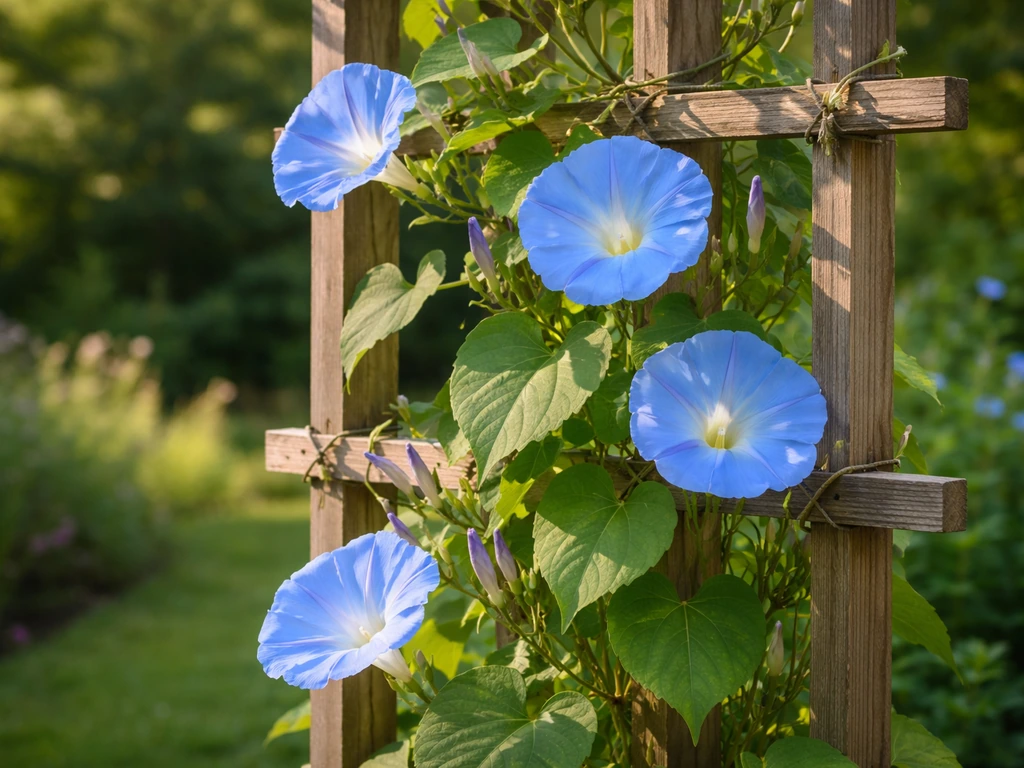
Ipomoea tricolor 'Heavenly Blue' is a warm-season annual vine in most of the country, though in frost-free zones (USDA hardiness zone 10 and above) it can overwinter as a perennial. Everywhere else, treat it as a seasonal grower you start fresh each year. The flowers are genuinely striking: 1–3 inches across, trumpet-shaped, and a vivid sky blue with a white-and-pale-yellow center.
One quirky detail worth knowing is that the flower color actually shifts slightly during blooming as the vacuolar pH inside the petals changes, so the blue you see in the morning can look a touch different by midday before the flower closes. Each bloom only lasts one day, but a well-established vine produces so many that the display feels continuous.
Bloom time typically runs from midsummer through early fall, and fair warning: this cultivar is a known late-season bloomer, meaning in shorter growing seasons you may get fewer flowers than you hoped for. That's not a problem with your technique, it's just the plant's nature.
Sun, temperature, and picking the right spot
Full sun is non-negotiable for good flowering. This vine will grow in dappled shade if it can climb toward light, but if you want the maximum number of blooms, pick a spot that gets at least 6–8 hours of direct sun per day. South- or west-facing walls and fences are ideal.
Morning glories are warm-season plants through and through, they hate cold soil and will sulk, rot, or simply not germinate if you rush them into the ground too early. Aim for a soil temperature of at least 18–20°C (65–68°F) before direct sowing outdoors. In most temperate climates that means waiting until 2–3 weeks after your last expected frost date. Temperature consistency during germination matters too: seeds germinate best when [conditions stay around 20°C](https://www.
seedaholic. com/siol/ipomoea-tricolour-heavenly-blue/). A cold snap after planting can delay germination by weeks or stop it entirely.
Soil setup and container vs. in-ground planting
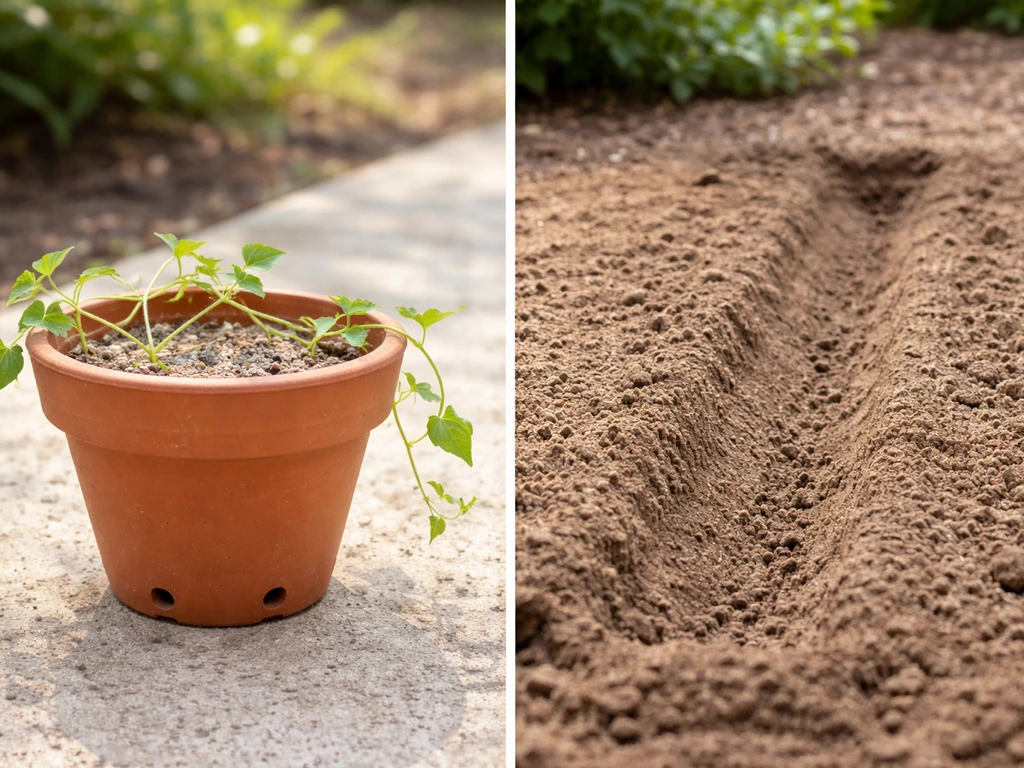
Morning glories genuinely prefer average to lean soil. To grow morning glories successfully, you want soil that drains well and is only lightly amended, since too much fertility can reduce flowering average to lean soil. This is one of those plants where trying to give it a rich, heavily amended bed backfires, too much fertility, especially nitrogen, pushes the plant into producing lush leafy vines with few flowers.
Aim for well-drained soil with a pH in the slightly acidic range of 5. 6–5. 8. You don't need to add much compost or fertilizer at planting time.
If your soil is heavy clay, work in some coarse grit or perlite to improve drainage, because consistently waterlogged roots will cause yellowing and collapse fast.
Container growing is absolutely viable for Heavenly Blue, and it's a good option if you want to place the plant near a specific fence, railing, or obelisk. Use a pot that's at least 12 inches deep and wide, filled with a well-draining potting mix, not a super-rich premium mix loaded with slow-release fertilizer, because again, that tends to push leafy growth over flowers. Make sure the container has drainage holes. Containers do dry out faster than garden beds, so you'll need to monitor moisture more closely. Whether you're growing in ground or in a pot, get your support structure in place before or right at planting time, not after the vine has already started twining.
Starting from seed: step-by-step
Heavenly Blue morning glory has a notoriously hard seed coat, and if you skip the preparation step, you may wait 30 days or more for germination, or get nothing at all. Do not skip this.
- Nick the seed coat: Use a nail file, small knife, or sandpaper to gently scarify (scratch or chip) the hard outer coat of each seed. You just want to break the surface slightly — you're not trying to cut all the way through. This lets water penetrate.
- Soak overnight: Place the nicked seeds in warm water and let them soak for 8–24 hours. You'll often see them swell noticeably. Discard any that float and remain floating after a few hours.
- Decide: direct sow or start indoors? Morning glories strongly prefer to be direct sown where they'll grow because they dislike root disturbance. However, if your growing season is short, you can start seeds indoors 4–6 weeks before your last frost date in biodegradable pots you can plant without disturbing roots. Expect germination in 7–14 days under good conditions, though it can stretch to 30 days.
- Sow at the right depth: Plant seeds about 1/4 inch deep. Some sources suggest up to 1/2 inch — either works, but shallower is safer in heavy soils. Space seeds or thin seedlings to 6–8 inches apart.
- Keep the soil warm and moist: Until germination, keep the soil consistently moist but not soggy. A soil temperature around 20°C gives you the fastest, most reliable germination.
- Thin carefully: Once seedlings are a few inches tall, thin to your final spacing. If you started indoors, transplant biodegradable pots as carefully as possible after hardening off for about a week, and plant out only after frost risk has passed.
One practical note if you're sowing directly: plant a few extra seeds per spot because germination rates with morning glories are rarely perfect, even with scarification. You can always thin extras later.
Watering and feeding: getting the balance right
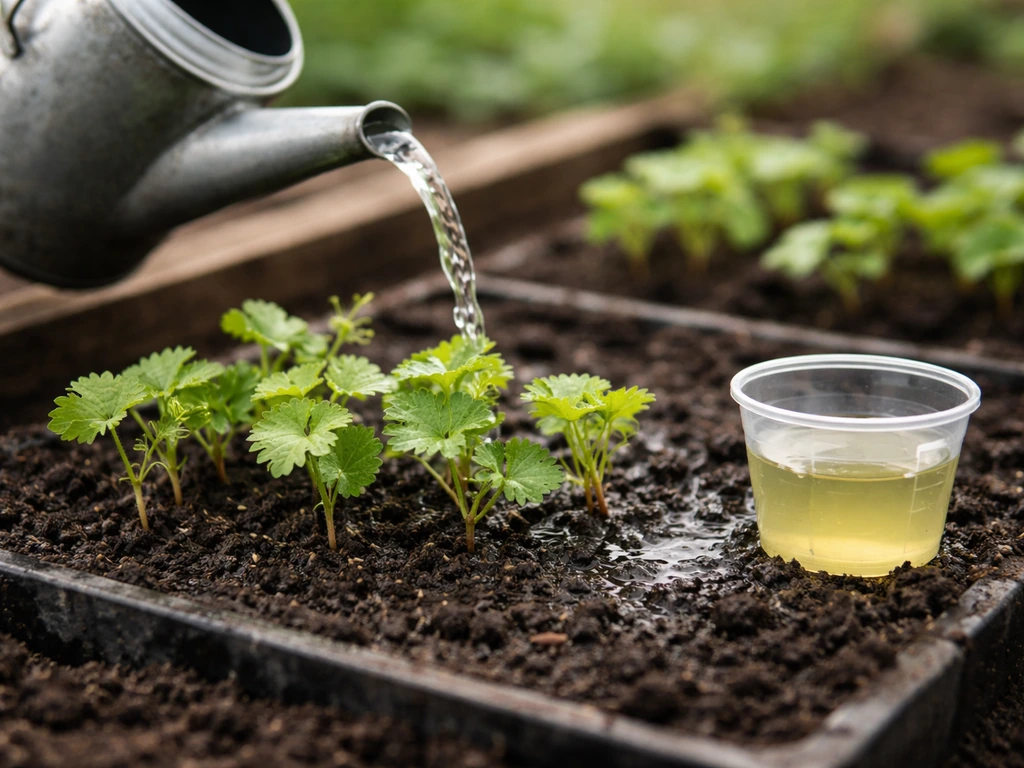
During the first two weeks after planting or germination, keep the soil consistently moist. Young seedlings need steady moisture to establish, and letting them dry out too hard early on sets them back. After that two-week establishment window, morning glories are reasonably drought-tolerant and prefer to dry out slightly between waterings rather than sit in wet soil. Water deeply but infrequently once the plant is growing well. Containers need more frequent attention, check them daily in hot weather.
Feeding is where a lot of gardeners accidentally wreck their flowering display. Overly rich soil or heavy fertilizer applications push the vine into producing masses of leaves and stem at the expense of flowers. If you're growing in decent garden soil, you may not need to feed at all. If you do fertilize, use a balanced fertilizer (not a high-nitrogen formula) and only feed once the plant is actively flowering. A fertilizer where the majority of nitrogen is in nitrate rather than ammonium form is better for this plant. Avoid the temptation to give it a big hit of general-purpose plant food early in the season, that's a reliable way to get a beautiful green vine with almost no blooms.
Trellising, training, and pruning for more flowers
Heavenly Blue is a vigorous twining vine that can reach 10–15 feet in a single season, sometimes faster in warm climates. It needs something to wrap around, thin twine, wire mesh, a lattice trellis, an obelisk, or even an existing shrub or conifer it can scramble through. The stems twine on their own once they find support, so your main job is to point young vines in the right direction in the first few weeks and tie them loosely if they need a little guidance. Once they're climbing, they largely take care of themselves.
Pruning and deadheading make a real difference with this vine. Deadheading spent flowers prevents the plant from putting energy into setting seed, which redirects it back into producing more blooms. It also keeps the plant from becoming invasive, morning glories self-seed enthusiastically, and if you let every flower go to seed, you'll have volunteer seedlings everywhere next spring. Pinching back the growing tips when the vine is young (before it really takes off) encourages bushier, branching growth rather than one long leader. Don't be shy about cutting back any especially long, unruly stems during the season, the plant recovers quickly and tends to respond with more branching and more flowers.
Troubleshooting: when things go wrong
Seeds won't germinate
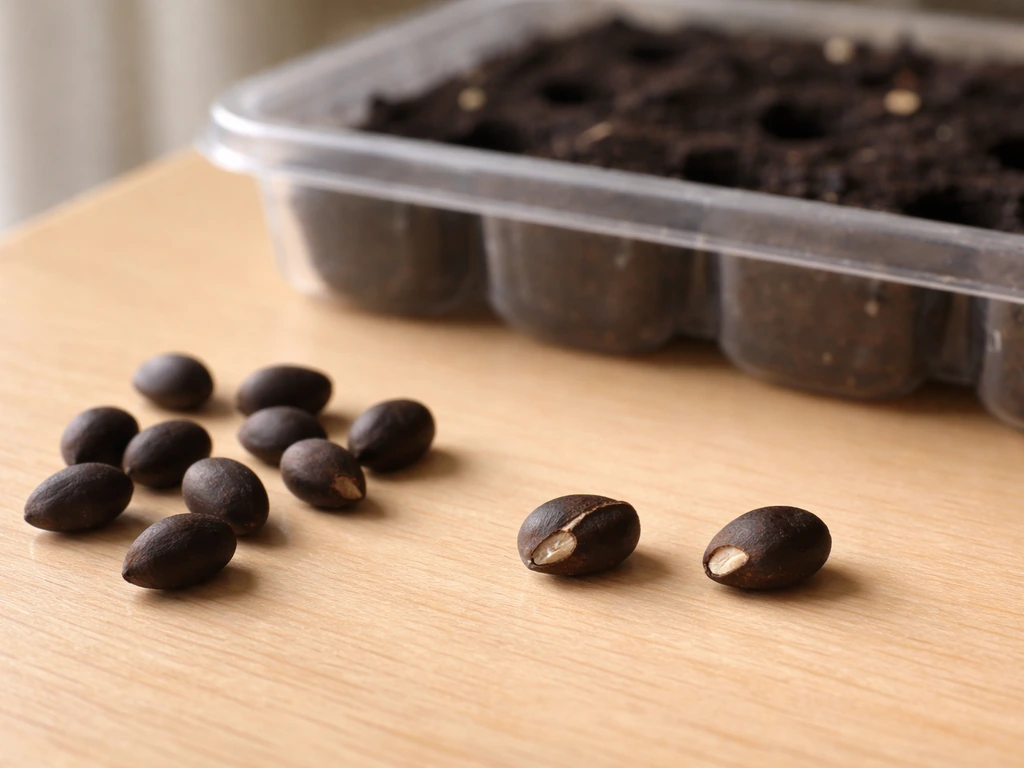
The number one cause is skipping scarification and soaking. The seed coat on Ipomoea tricolor is very hard, water can't penetrate it reliably without some help. If you've waited more than two weeks with no sign of life, that's almost certainly why. The second most common cause is planting too early into cold soil. blank" rel="noopener noreferrer">Soil temperature below 15°C drastically slows or stops germination. Dig up a seed if you're unsure, if it looks plump and swollen, it's probably just slow. If it looks shriveled or is starting to rot, cold and wet soil got to it.
Lots of vine, almost no flowers
This is extremely common and almost always traces back to one of three things: too much nitrogen in the soil, not enough sun, or, if you're in a cooler climate, the plant's natural late-blooming tendency. Cut back on feeding completely, make sure the plant is getting full sun, and be patient. Also remember that 'Heavenly Blue' is a genuinely late-season bloomer. If you're in a zone with a short summer, you may simply not get peak flowering until August or September, and in some cool, short-season gardens it can be a challenge to get a full display before frost. Sowing as early as conditions safely allow (after frost risk, with warm soil) gives you the longest possible season.
Leggy, weak seedlings
Leggy growth indoors almost always means not enough light. If you're starting seeds inside, place them under a grow light or in the sunniest window you have. Leggy seedlings transplant poorly and tend to stay weak. Outdoors, legginess at the base is normal as the vine climbs, what you want to watch for is thin, pale, widely-spaced leaf growth along the length of the vine, which signals too much shade or, occasionally, overfeeding.
Yellowing leaves
Yellow leaves can come from several directions. Overwatering and poor drainage cause root rot, which first shows up as yellowing lower leaves followed by wilting and collapse, if the soil has been consistently wet, drainage is your fix. Underwatering causes a drier, more crispy yellowing usually starting at leaf edges. Fungal issues (including rust) can cause yellowing with spotting or discoloration, and these are more likely in humid conditions with poor air circulation.
Fungal and rust problems are also common causes of yellowing, and watering stress can make yellowing worse, so you can use those clues for diagnosis Fungal issues (including rust) can cause yellowing with spotting or discoloration. Powdery mildew appears as a white coating on leaves and is favored by dry conditions at the leaf surface combined with high humidity.
Improve air circulation, avoid overhead watering late in the day, and remove badly affected leaves.
Pests
The most common pests on Heavenly Blue are aphids, spider mites, and leaf miners. Aphids cluster on new growth and under leaves, a strong jet of water knocks most of them off, and that's usually enough. Spider mites show up in hot, dry conditions as a fine stippling on leaves, sometimes with webbing. Keeping plants well-watered during heat and misting the undersides of leaves helps. Leaf miners leave tell-tale pale squiggly tunnels in the leaf surface, remove affected leaves and destroy them. None of these pests are usually serious enough to require chemical treatment in a home garden, but if aphid populations explode, insecticidal soap is a low-impact option.
Quick reference: key growing parameters
| Factor | Recommendation |
|---|---|
| Mature vine height | 10–15 feet in one season |
| Flower size | 1–3 inches across |
| Bloom time | Midsummer to early fall (late-season bloomer) |
| Sun requirement | Full sun, 6–8+ hours daily |
| Soil pH | 5.6–5.8 (slightly acidic) |
| Seed sowing depth | 1/4 inch (up to 1/2 inch in loose soil) |
| Plant spacing | 6–8 inches apart |
| Germination temperature | Around 20°C (68°F) |
| Germination time | 7–30 days (after scarification and soaking) |
| Seed prep | Nick seed coat + soak in warm water 8–24 hours |
| Watering | Consistent moisture during establishment, then allow slight drying between waterings |
| Fertilizer approach | Low nitrogen; feed lightly only when flowering |
| Hardiness | Annual in most zones; perennial in zone 10+ |
Your next steps right now
If it's already past your last frost date and your soil is warm, you can sow Heavenly Blue directly today. Nick your seeds, soak them tonight, and get them in the ground tomorrow morning at 1/4 inch deep in your sunniest spot. Set up your trellis at the same time, don't wait.
If you're still a few weeks from safe planting weather, start seeds in biodegradable pots indoors under good light so you don't lose any of your already-short warm season. The single best thing you can do to maximize your flowering display is get the seeds in as early as safely possible, skip the heavy feeding, and give the vine a sunny wall to race up. Everything else is just fine-tuning.
If you're also interested in the broader world of morning glory growing, including other color varieties and species-level care differences, the core needs across most Ipomoea types are very similar to what's covered here, full sun, warm soil, lean conditions, and good support are the pillars that apply across the board. If you want to try a different method, learn how to grow gloxinia from leaf for a reliable way to start new plants.
FAQ
Can I grow Heavenly Blue morning glory indoors year-round?
You can start it indoors, but it rarely stays productive without full sun levels. Use a grow light (not just a bright window), keep the temperature warm, and be ready for leggy growth if light is insufficient. For best flowering outdoors, treat it as an annual and start fresh after frost.
Do I need to soak the seeds overnight, or is nicking alone enough?
Nicking helps the seed coat, but soaking improves and speeds water uptake once the coat is weakened. If you do only one step, soaking tends to be the bigger difference for germination consistency. Aim for a single overnight soak, then sow promptly.
How long should I wait before deciding the seeds failed?
After scarification and warm soil, germination often happens within about 2 weeks, but it can be slower. If nothing appears by around 2 to 3 weeks, re-check soil warmth and moisture, and inspect a seed for swelling or early rot. If the seed looks swollen and plump, it is usually just delayed.
What if my vine is growing but not flowering yet?
First check sun exposure, morning glories need direct light to set buds. Then review feeding, high nitrogen or frequent fertilizer commonly delays blooms. Finally, remember this cultivar tends to bloom later, so in cooler climates you may not see peak flowers until late summer.
How do I manage the bloom-to-seed problem if I do not want volunteer seedlings?
Deadhead regularly before flowers form seed pods. Letting even a few blooms go to seed can lead to spring volunteers. If you want a cleaner garden, remove spent flowers sooner rather than later and keep the vine from climbing into areas where fallen seed would be hard to notice.
Is it okay to fertilize if my soil is poor or sandy?
Yes, but lightly and at the right time. If you fertilize, use a balanced formula and wait until the plant is actively flowering. Avoid building fertility early in the season, especially nitrogen-heavy products, because they push leafy growth over flowers.
How should I water after the first two weeks of establishment?
Once established, water deeply but less often, letting the top layer dry slightly between waterings. In hot weather or containers, you may need to check daily because pots dry out much faster than garden soil.
Why are my leaves yellowing, but the soil does not feel wet?
Yellowing can still be drainage stress if water is pooling around roots, especially in heavy clay. Check for poor drainage, and look for the pattern of yellowing, lower leaves turning first with wilting often suggests root stress. If you also see spotting, consider fungal issues and improve air movement.
What is the best trellis setup for early success?
Install support before or at planting so seedlings can find it immediately. Use something thin enough for twining, like twine, wire mesh, or lattice, and guide the first shoots loosely. If you wait until the vine is long, you risk damaging stems while trying to redirect them.
Can I let Heavenly Blue climb a shrub or tree?
Yes, it can scramble through nearby plants, but control matters. Morning glories self-seed readily and vigorous twining can make removal difficult. If you choose this route, keep the vine trimmed and deadheaded to prevent it from spreading into unwanted areas.
How do I stop spider mites and leaf miner damage without chemicals?
For spider mites, focus on conditions, keep plants from fully drying out during heat and mist the undersides of leaves. For leaf miners, removing and destroying affected leaves is usually the most effective non-chemical step. A strong water spray can help with aphids, which often attract more pests.
Will pruning reduce flowering, or does it help?
Pruning and pinching usually helps, especially when done early and strategically. Pinch growing tips on young vines to encourage branching, and cut back unruly long stems during the season. The plant typically recovers quickly and often produces more blooms on the new side growth.
What should I do if germination stops because the seeds rotted?
Most rot problems come from cold soil plus consistent wetness. Make sure the soil is warm enough before sowing, keep moisture consistent for seedlings, then switch to deeper but less frequent watering after establishment. Also avoid planting too deep, staying near 1/4 inch is ideal.