
Hibiscus need full sun (at least 6 hours a day), consistently moist but well-drained soil with a slightly acidic pH, regular feeding with a potassium-rich fertilizer, and protection from frost if you're growing the tropical type. If you want the full Florida-specific playbook, follow the steps in this guide for hibiscus type, sun, watering, soil, feeding, and winter protection full sun.
What Do Hibiscus Need to Grow? Light, Soil, Water Tips
Marcus Holloway
22 May 2026
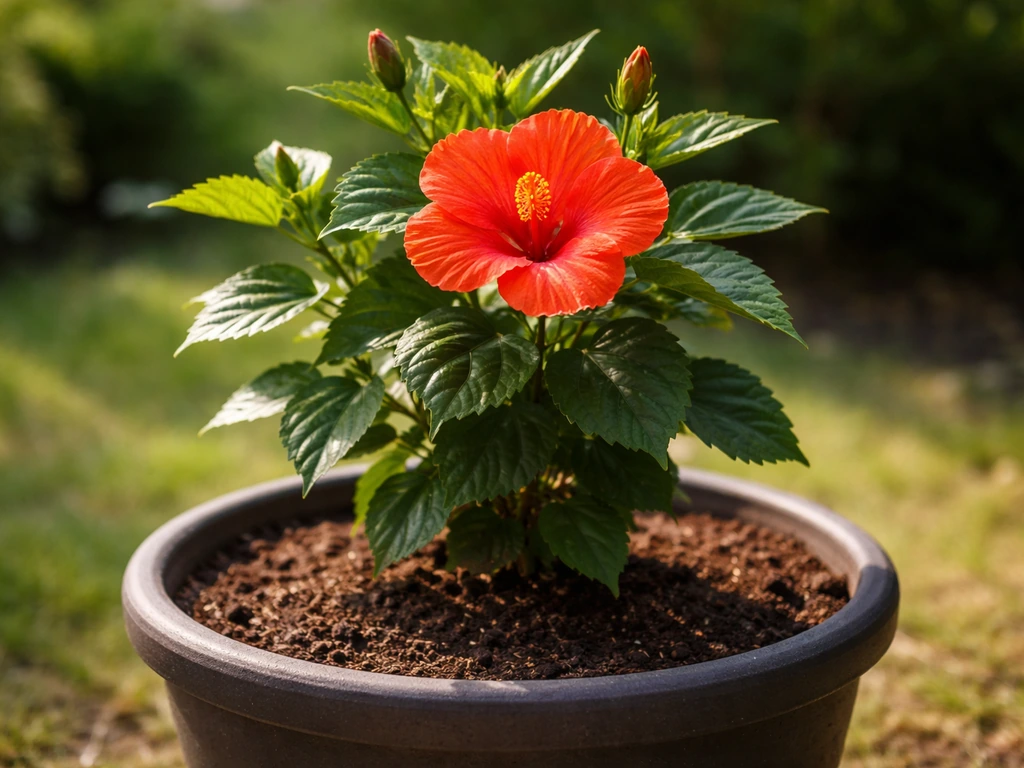
If you are growing Hawaiian hibiscus specifically, the same core care works, but you will want to tailor the sun, watering, and cold protection to its tropical needs hawaiian hibiscus how to grow. Get those four things right and you'll have healthy plants loaded with blooms. Miss one of them and you'll be troubleshooting yellow leaves or empty buds all season.
Tropical vs Hardy Hibiscus: Which One Do You Have?
Before you do anything else, figure out which type of hibiscus you're dealing with, because the care is genuinely different. If you are specifically trying to grow Cuphea hyssopifolia, the basics of sunlight, soil, and watering still matter, but you'll want to follow its particular needs for best results genuinely different. Tropical hibiscus (Hibiscus rosa-sinensis, sometimes called Chinese hibiscus) has glossy dark green leaves, tends to bloom in bright reds, pinks, oranges, and yellows, and absolutely cannot survive frost.
Hardy hibiscus (most commonly Hibiscus moscheutos) has larger, dinner-plate-sized flowers, duller leaves, and is a cold-hardy perennial that dies back to the ground in winter and comes back in spring. Hardy hibiscus groups are cold-hardy perennials that re-emerge after winter dormancy, unlike Hibiscus rosa-sinensis which is not frost tolerant. It can survive down to about -20°F (-29°C) with proper mulching.
If you bought a hibiscus from a tropical plant section at a nursery or you're growing it indoors, it's almost certainly tropical. If it came from a perennial bed section and re-sprouts every spring without you doing anything, it's hardy. The rest of this guide covers both, but I'll flag the differences clearly as we go.
| Feature | Tropical Hibiscus (H. rosa-sinensis) | Hardy Hibiscus (H. moscheutos) |
|---|---|---|
| Cold tolerance | Not frost tolerant; bring indoors below 50°F (10°C) | Hardy to about -20°F (-29°C) with mulch |
| Winter behavior | Semi-dormant indoors; keep alive with reduced water | Dies back to ground; re-emerges in spring |
| Flower size | Medium; showy colors | Very large, up to 12 inches across |
| Preferred pH | Neutral to slightly acidic (6.0–7.0) | Slightly acidic (5.5–6.5) |
| Humidity needs | High; needs moisture in the air indoors | Less sensitive outdoors |
| Best for | Containers, warm climates, patios | Perennial garden beds, cold climates |
The Best Growing Conditions for Hibiscus
Sunlight
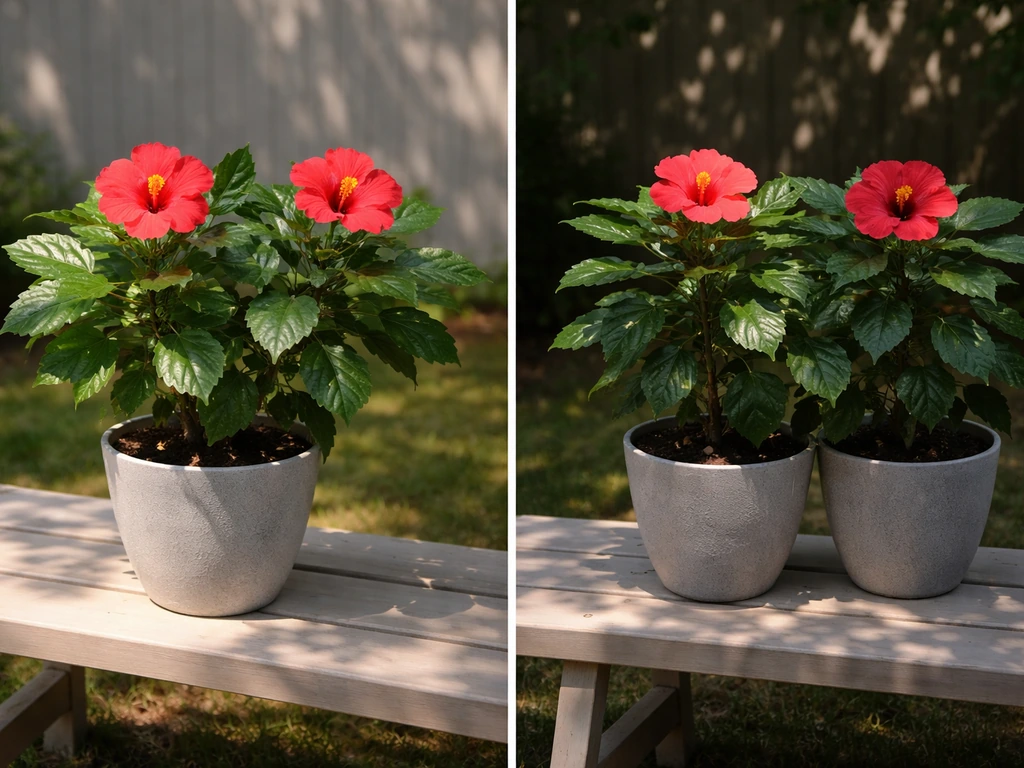
Both types want full sun, and that means a genuine 6 hours of direct sunlight per day at minimum. You can get away with partial shade, but the tradeoff is fewer blooms and weaker growth. For tropical hibiscus in very hot climates (think zone 10+), a little afternoon shade can prevent heat stress without sacrificing too much flowering. For hardy hibiscus, full sun all day is almost always better. If your plant isn't blooming and you can't figure out why, the first thing I'd check is whether it's actually getting 6 full hours. Dappled shade from a nearby tree doesn't count.
Temperature
Tropical hibiscus is comfortable in the same temperatures you're comfortable in: roughly 60–90°F (16–32°C). The critical number to remember is 50°F (10°C) as the minimum night temperature before you should bring a potted tropical hibiscus indoors. The RHS puts the absolute minimum at 7°C (45°F), but I'd be pulling mine in well before that to avoid leaf drop from cold shock. Hardy hibiscus doesn't need any special temperature management except heavy mulching before the ground freezes in fall.
Humidity
Humidity matters most for tropical hibiscus grown indoors or in dry climates. Low humidity causes leaves to lose water through transpiration faster than the roots can supply it, which leads to wilting even when the soil is moist. If you're growing tropical hibiscus inside, sit the pot on a tray of damp gravel or clay pellets to raise humidity around the foliage. Good ventilation is just as important as humidity though: still, humid air without airflow encourages fungal problems like black spot. Open a window, run a small fan, or at minimum space plants so air can move between them.
Getting the Soil Right
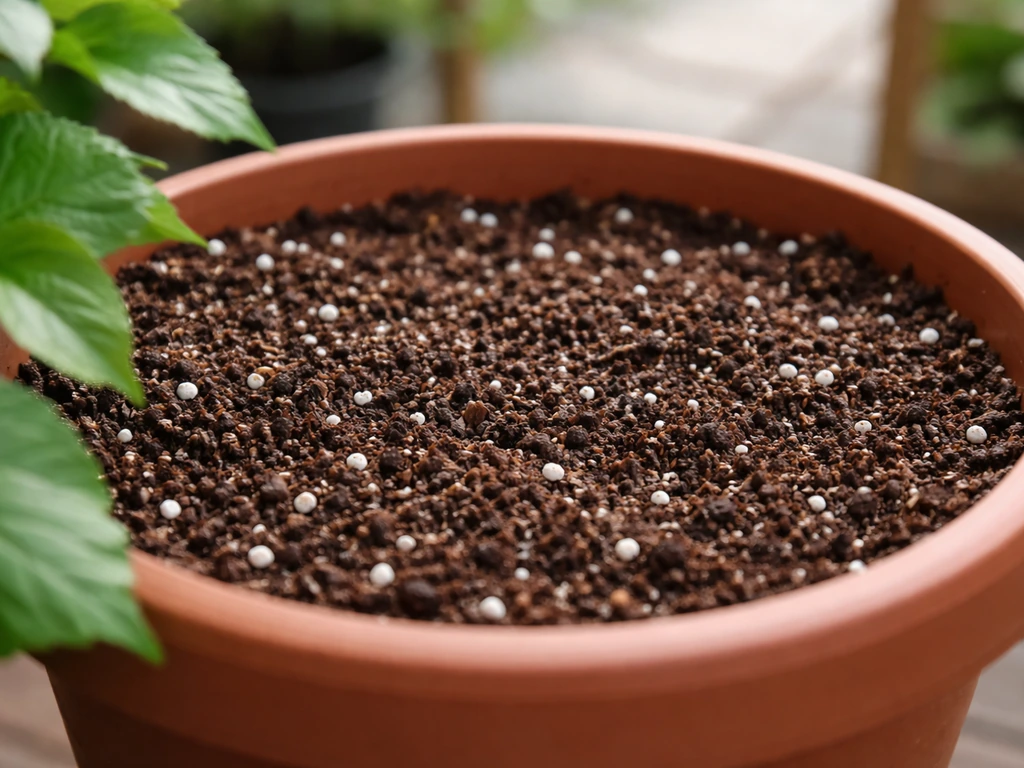
Hibiscus isn't fussy about soil in the way some plants are, but there are a few non-negotiables. It needs good drainage above everything else. Sitting in waterlogged soil even for a few days can trigger root rot, which is caused by a combination of oxygen deprivation and opportunistic fungi in wet conditions. Roots turn dark and mushy, and by the time you see the leaves suffering, the damage is already significant.
For tropical hibiscus in containers, use a lightweight potting mix that includes compost plus perlite or vermiculite for drainage. Avoid heavy, dense mixes that hold too much moisture. For in-ground planting of either type, amend clay soils with compost to improve drainage and loosen the texture. Hardy hibiscus actually tolerates moist sites quite well and can handle heavier soils better than tropical, but it still needs water to drain rather than pool.
For pH, aim for 6.0–7.0 (neutral to slightly acidic) for tropical hibiscus and 5.5–6.5 (slightly more acidic) for hardy hibiscus. You can test your soil easily with an inexpensive probe or test kit. If your pH is off, you're going to have nutrient uptake problems regardless of how much fertilizer you use, so it's worth checking before you start troubleshooting other issues.
- Container mix: potting compost plus perlite or vermiculite, well-draining
- In-ground: loamy, amended with compost if clay-heavy
- pH for tropical: 6.0–7.0
- pH for hardy: 5.5–6.5
- Always: drainage holes in pots, no standing water in saucers
Watering and Feeding: The Routine That Actually Works
How to Water Hibiscus
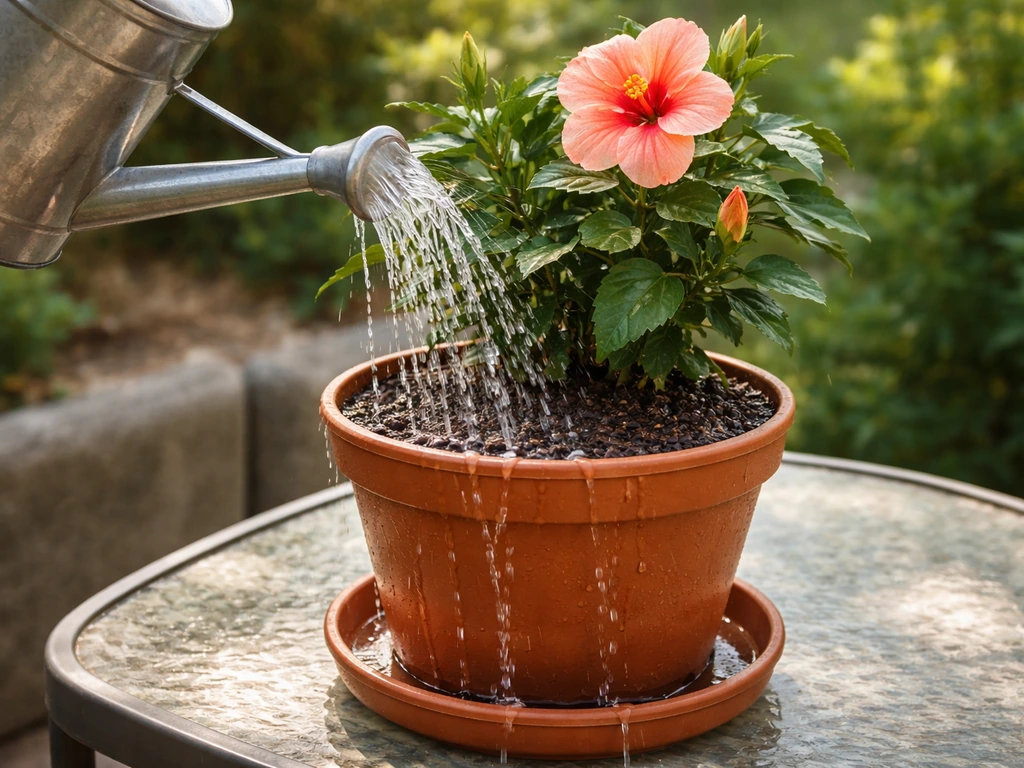
During the growing season, hibiscus likes consistently moist soil, not wet. In hot summer weather, a container plant may need watering every day. Water thoroughly each time until it drains from the bottom of the pot, then let the top inch of soil dry out before watering again. That 'thoroughly but not constantly wet' approach is the key. In winter, if you've brought a tropical hibiscus indoors, cut back significantly. Only water when the top layer of compost is visibly dry. Overwatering in low-light winter conditions is one of the most common ways to kill a tropical hibiscus.
How to Fertilize Hibiscus
Hibiscus is a hungry plant and rewards consistent feeding during the growing season. The type of fertilizer matters: you want something high in potassium, which supports flowering. A fertilizer with a high middle or last number (nitrogen-phosphorus-potassium) is what you're after. Avoid anything very high in phosphorus, which can interfere with the hibiscus's uptake of other nutrients.
In practice you have two solid options. With a slow-release granular fertilizer, you're looking at roughly 4 applications a year evenly spread through the growing season. With slow-release hibiscus fertilizer, Gardening Know How suggests fertilizing about four times per year slow-release granular fertilizer. With a water-soluble liquid fertilizer, the RHS recommends weekly feeding during the growing season starting about 6–8 weeks after repotting. Some growers use a half-dose liquid feed every time they water, which keeps nutrients steady without peaks and crashes. That's a solid approach if you're consistent about it. Just stop feeding in late fall and don't restart until you see new growth in spring.
Planting Setup: Pots vs Ground, Spacing, and Transplanting
Containers vs In-Ground
Tropical hibiscus is one of the best candidates for container growing because it lets you bring the plant indoors before frost, control the soil mix precisely, and move it to the sunniest spot. The downside is containers dry out fast in summer heat, so you'll be watering frequently. Hardy hibiscus, on the other hand, is almost always grown in the ground as a perennial. It has a large root system and doesn't do well long-term in containers.
Spacing
For hardy hibiscus planted in a bed, space plants about 48 inches (120 cm) apart. That sounds like a lot when they're small, but these plants get big fast in summer and you want airflow between them to reduce fungal issues. Crowded hibiscus is stressed hibiscus.
Transplanting and Repotting
For tropical hibiscus in containers, repot every 2–3 years, going up one pot size at a time. Don't jump from a 6-inch pot to a 14-inch pot hoping it'll accelerate growth. Too much extra soil holds moisture the roots can't use, which creates root rot risk. Transplant outdoor tropical hibiscus in early to mid-spring once daytime temperatures are consistently above 60°F (16°C) and frost danger has passed. After transplanting, water slowly and thoroughly until water runs from the drainage holes, and keep the soil evenly moist while it establishes.
Seasonal Care Through the Year
Spring: Getting Started
Spring is when you start ramping up care, not overdoing it. For tropical hibiscus that overwintered indoors, watch for new growth as a signal to increase watering and restart feeding. Move it back outside gradually once nighttime temps are reliably above 50°F (10°C). A hard move from a dim indoor spot directly into full outdoor sun can scorch leaves, so give it a week in a shaded spot first to adjust. For hardy hibiscus, it often looks dead well into late spring (sometimes not showing any sign of life until May), so don't panic and don't dig it up. It's coming.
Summer: Peak Growth and Blooming
Summer is when hibiscus earns its keep. Keep up with watering (containers may need daily attention in heat), feed regularly with your potassium-rich fertilizer, and deadhead spent blooms to keep new flowers coming. Hardy hibiscus grows aggressively in summer heat and can reach 4–6 feet in a single season. There's not much maintenance beyond watering during dry spells and occasionally checking for pests.
Fall and Winter: Protection and Dormancy
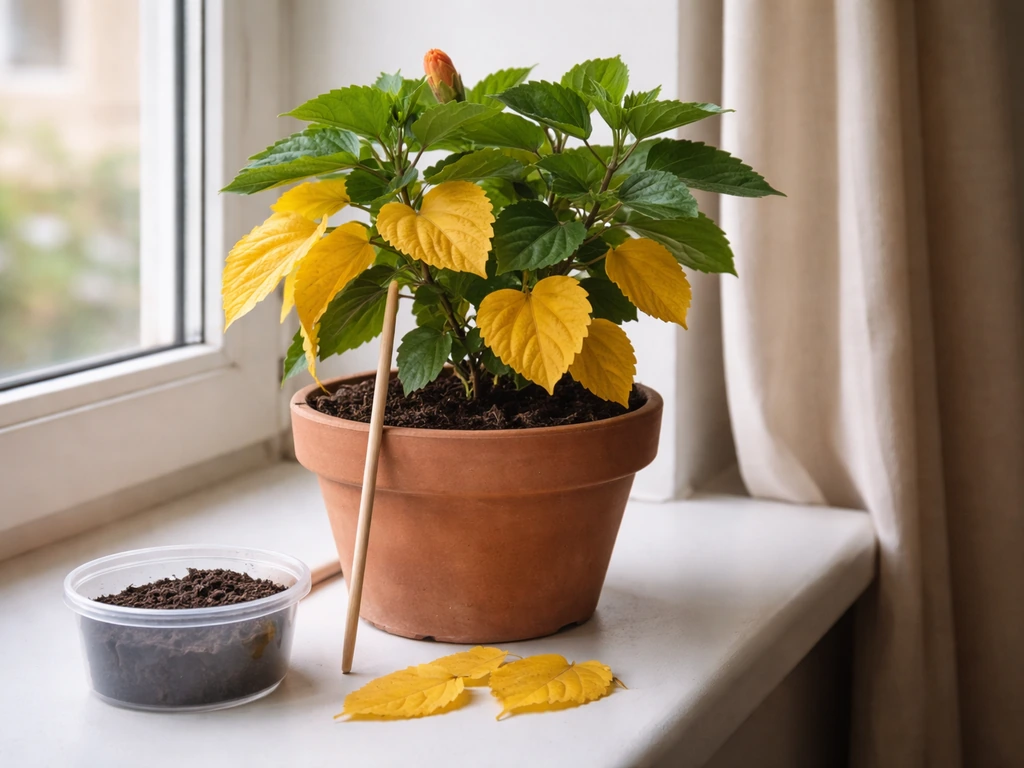
For tropical hibiscus, bring containers indoors before the first frost, ideally when nights consistently drop below 50°F. Once inside, put it in your brightest window, reduce watering significantly, and stop feeding until spring. Expect some leaf and bud drop as it adjusts to lower light. That's normal. It's entering a semi-dormant state and will pull through if you don't overwater it.
For hardy hibiscus, cut stems back to a few inches above the ground after frost kills the top growth. Then apply a thick mulch layer (4–6 inches of straw, shredded leaves, or wood chips) over the crown before the ground freezes. This insulates roots through freeze-thaw cycles and protects against wind desiccation. Avoid black plastic mulch, which can cause damaging temperature swings. In spring, pull the mulch back as temperatures warm to let new shoots emerge.
Common Problems and What to Actually Do About Them
Yellow Leaves
Yellow leaves are the most common complaint and they have multiple causes, which makes troubleshooting frustrating. In winter, yellowing on an indoor tropical hibiscus is almost always a light issue: the plant is getting too little light and may be dropping leaves to cope. Reduce watering and wait. In summer, yellowing usually points to overwatering, nutrient deficiency (especially if it starts on older leaves), or a pH problem that's blocking nutrient uptake. Check your soil moisture and pH before reaching for fertilizer.
Bud Drop
Buds forming and then dropping before they open is usually a stress response. The three most common triggers are inconsistent watering (letting the plant dry out too much between waterings), temperature swings (especially moving a plant from one environment to another), and insufficient light. Fix the most obvious variable first and give the plant two weeks to stabilize before changing anything else.
Wilting
Wilting can mean either too little water or too much. Check the soil before doing anything. If it's bone dry, water thoroughly. If the soil is wet and the plant is still wilting, you may have root rot. Lift the plant from its pot and check the roots: healthy roots are white or tan, rotted roots are dark, mushy, and may smell bad. If you find rot, trim off affected roots, let the remaining roots air dry briefly, and repot into fresh dry mix. If the wilting happened right after moving the plant to a cooler or less humid spot, give it a few days in a warm, sheltered location with more humidity before assuming the worst.
No Blooms or Poor Flowering
Poor or zero blooms usually come down to three things: not enough sun, too much nitrogen (which pushes leafy growth at the expense of flowers), or the plant is stressed from a recent move or environmental shock. If you've been fertilizing heavily with a high-nitrogen general fertilizer, switch to one with higher potassium. If the plant is in less than 6 hours of direct sun, that's your answer right there.
Pests
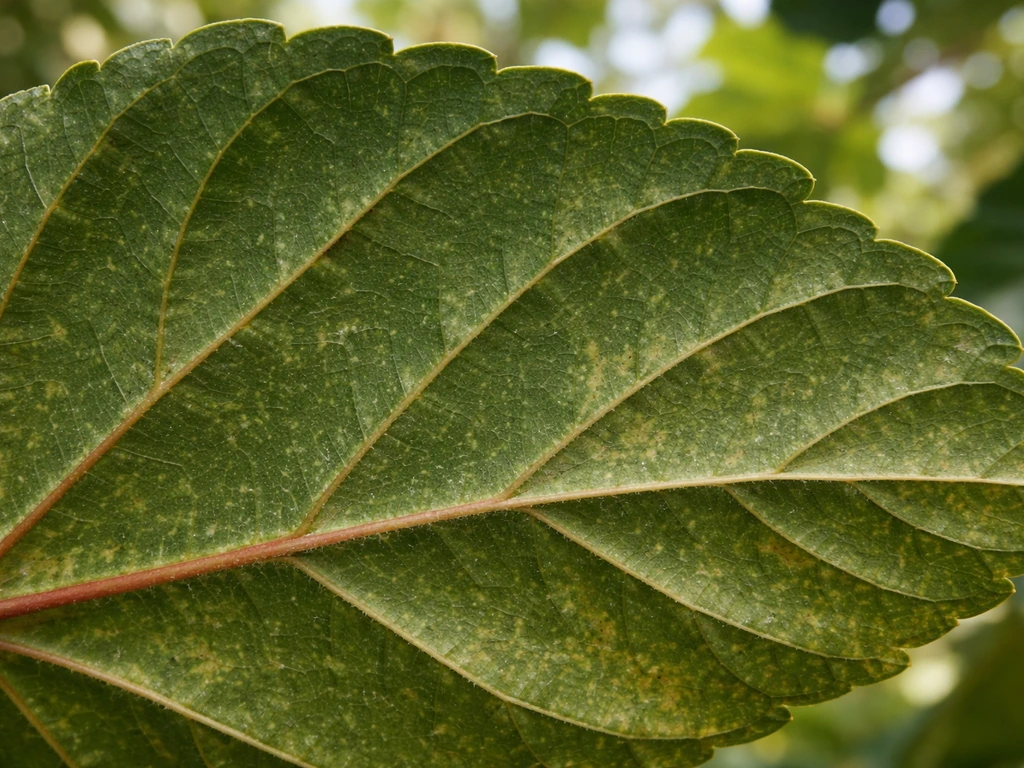
Spider mites are the most common pest on tropical hibiscus, especially on plants kept indoors in dry air. You'll see fine webbing and tiny dots on the undersides of leaves. A strong spray of water knocks them back. For persistent infestations, neem oil or insecticidal soap works well. Aphids appear on new growth and can be dealt with the same way. Good airflow and appropriate humidity are your best long-term prevention.
Leggy, Sparse Growth
Leggy hibiscus is almost always a light problem. If a tropical hibiscus grown indoors is stretching toward a window and producing few leaves, it needs more direct light. Pruning in early spring (cutting stems back by about a third) also encourages bushier, fuller growth on both types.
Your Hibiscus Growing Checklist
Use this as a practical reference to check your setup right now and identify what needs adjusting. If you want to pair hibiscus with other plants, look for companions that share its need for full sun and evenly moist, well-drained soil what to grow with hibiscus. If you want a fuller step-by-step specifically for mahonia, focus on the right site, soil drainage, and consistent watering during establishment how to grow mahonia. If you want detailed, step-by-step help with starting your hibiscus plants, follow the hibiscus flower how to grow instructions in the main guide.
- Identify your type: tropical (glossy leaves, frost-sensitive) or hardy (large flowers, dies back in winter)
- Confirm at least 6 hours of direct sun per day in your chosen location
- Check soil drainage: water should not pool around the base; containers must have drainage holes
- Test or adjust soil pH: 6.0–7.0 for tropical, 5.5–6.5 for hardy
- Set a watering routine: thoroughly water when the top inch of soil is dry during growing season
- Start feeding with a high-potassium fertilizer 6–8 weeks after planting or repotting
- For containers: repot every 2–3 years, go up one pot size only
- For tropical hibiscus: plan your indoor overwintering spot before fall; bring in when nights hit 50°F (10°C)
- For hardy hibiscus: mulch crowns heavily before freeze, expect no signs of life until late spring
- Troubleshoot with the soil check first: most problems (yellowing, wilting, bud drop) start with water or light before anything else
Hibiscus is genuinely rewarding once you've matched the care to the type you're growing. The biggest mistake most people make is treating all hibiscus the same way, or growing tropical varieties outdoors without a winter plan. Get the sun, drainage, and feeding right, know your type, and the flowers will follow. If you want to go deeper on specific varieties, growing hibiscus in warm climates, or companion planting ideas, there's a lot more to explore from there.
FAQ
How do I know if my hibiscus is getting enough light to bloom?
Use a simple timing test, observe for at least 6 hours of direct sun on the leaves (not just bright light). If blooms are missing and the plant is in a spot that stays shaded most of the day, moving it to a location with uninterrupted morning or midday sun usually fixes the issue faster than changing fertilizer.
Do hibiscus need different care in containers versus in the ground?
Yes for watering and soil texture. Containers dry out much faster, so you must water until drainage runs out, then let the top inch dry, while in-ground plants rely more on improved drainage and consistent moisture at the root zone. Also, never overpot a tropical hibiscus, extra soil can stay too wet and raise root-rot risk.
What’s the fastest way to correct root rot risk if I suspect overwatering?
Stop watering and check roots. Lift the plant, trim dark, mushy roots, and repot into fresh dry, well-draining mix. After repotting, keep it slightly drier than usual for a week (bright light, not intense noon sun) to help any remaining roots recover.
Can hibiscus grow with partial shade if I live in a hot climate?
Sometimes, especially for tropical hibiscus, a bit of afternoon shade can reduce heat stress. The key is that the plant still needs at least 6 hours of direct sun overall, otherwise flowering often drops and growth becomes weaker.
Should I fertilize a hibiscus year-round?
No. Stop feeding in late fall and do not restart until you see new growth in spring. In low-light winter conditions, continued feeding plus slower growth increases the odds of salt buildup and nutrient imbalance, which can show up as leaf yellowing.
What fertilizer ratio is best for hibiscus that won’t bloom?
Pick a fertilizer where the middle or last number (potassium) is high, and avoid blends that are very phosphorus-heavy. If you used a general high-nitrogen fertilizer, switching to a potassium-forward formula plus verifying direct sun is usually the most effective two-step fix.
How often should I water a tropical hibiscus indoors in winter?
Water only when the top layer of compost is visibly dry. Indoor winter light is typically lower and evaporation slows down, so sticking to summer schedules often leads to overwatering and leaf drop.
What humidity setup works best for tropical hibiscus indoors?
A humidity tray (pot set on damp gravel or clay pellets) helps, but pair it with good airflow. Stagnant humid air can encourage fungal problems, so use an open window when possible or a small fan on a low setting.
Is hardy hibiscus really frost-tolerant, or can I lose it?
It can handle cold down to around -20°F (-29°C) with proper mulching, but it still needs protection from freeze-thaw cycles at the crown. Apply a thick mulch layer before the ground freezes, and avoid leaving bare soil exposed where winter winds can desiccate emerging shoots.
Why do hibiscus buds drop before opening after I bring the plant outside?
Bud drop often happens after a stress change, common triggers are inconsistent watering, temperature swings, and insufficient light. When moving outdoors, acclimate gradually in a shaded spot for about a week, then step up to stronger sun while keeping watering consistent.
My hibiscus looks wilted but the soil is moist. What should I check next?
Check for root problems. If the soil is wet and wilting continues, inspect roots for dark, mushy tissue and a bad smell. If rot is present, trim and repot into fresh dry mix, and keep conditions warm and sheltered while the plant stabilizes.
What soil pH should I aim for if I’m seeing yellow leaves?
Aim for about 6.0 to 7.0 for tropical hibiscus and 5.5 to 6.5 for hardy hibiscus. If pH is off, the plant can’t absorb nutrients even if you fertilize, so a soil test is a worthwhile next step before increasing feed.
Are spider mites and aphids treatable without strong chemicals?
Often, yes. Start with a strong water spray to knock pests back, then use insecticidal soap or neem oil if needed. Prevention matters too, keep humidity up for indoor plants and maintain airflow so mites have fewer conditions to thrive.
Why is my hibiscus leggy indoors, and what’s the best fix?
Legginess usually means insufficient direct light. Move the plant to the brightest window that still gives real sun exposure, and in early spring prune about a third of the stems to encourage bushier growth.