
Hibiscus will grow and bloom reliably when you match the care to the type you have: tropical hibiscus (Hibiscus rosa-sinensis) wants full sun, consistent moisture, and frost-free conditions; hardy hibiscus (Hibiscus moscheutos) dies back each winter but returns bigger every spring; and rose-of-Sharon (Hibiscus syriacus) is a tough deciduous shrub that thrives in USDA zones 5 to 9 with minimal fuss.
Hibiscus Flower How to Grow: Step-by-Step Guide
Marcus Holloway
3 May 2026
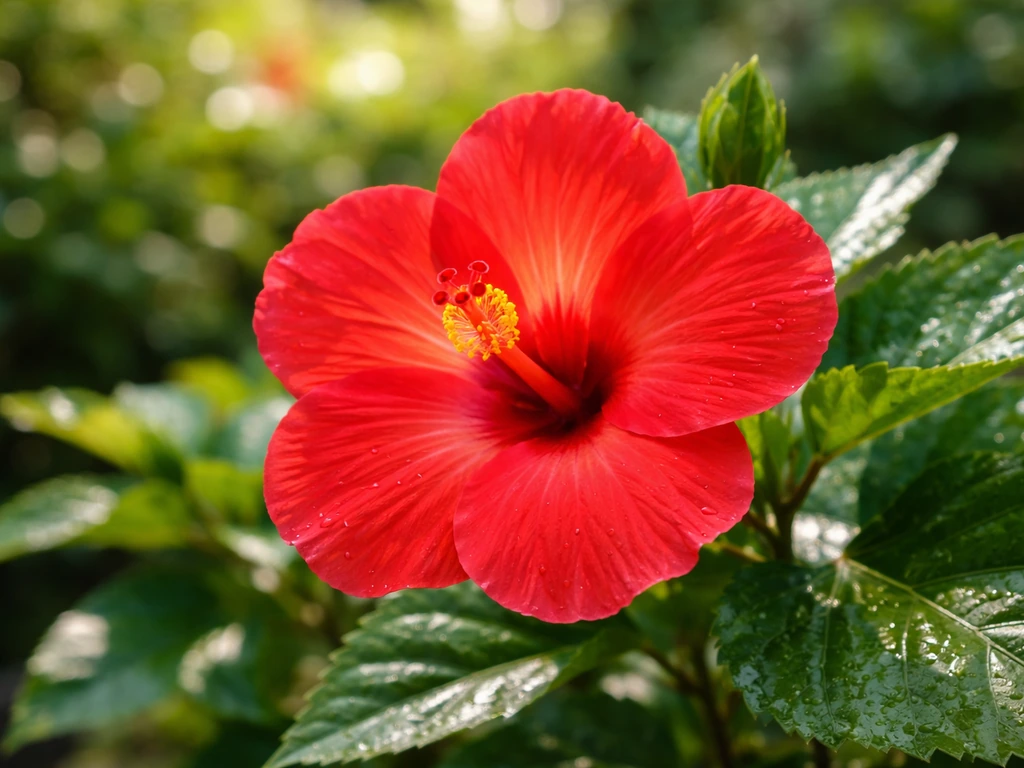
After you decide what to grow, focus on sunlight, consistent moisture, and proper pruning so hibiscus can bloom reliably all season what to grow with hibiscus. If you match the right care for your specific hibiscus type, you can give it what it needs to grow well. Get that match right and abundant flowers follow. Get it wrong and you'll be chasing bud drop and yellowing leaves all season.
What hibiscus is (and why which type you have changes everything)
Hibiscus is a large genus, but home gardeners almost always encounter one of three plants. Tropical hibiscus (Hibiscus rosa-sinensis) is the classic pot plant with glossy leaves and dinner-plate flowers in red, orange, pink, and yellow. It's frost-sensitive and only reliably hardy in zones 9 to 10, so most people in cooler climates grow it as a container plant they bring indoors in winter.
Hardy hibiscus, most often Hibiscus moscheutos hybrids, is an herbaceous perennial that dies to the ground each fall and sends up new stems in late spring. Its flowers are enormous, sometimes reaching 12 inches across. Rose-of-Sharon (Hibiscus syriacus) is the third type and arguably the most misunderstood: it's a large deciduous shrub that can hit 8 to 12 feet tall and 6 to 10 feet wide, blooms from late June into autumn, and handles cold down to zone 5.
Why does the type matter so much? Because the care playbook is genuinely different for each one. Pruning timing, fertilizer needs, overwintering strategy, and when to expect flowers all depend on which hibiscus is sitting in front of you. If you're specifically interested in growing the Hawaiian types, those tropical plants have their own regional nuances worth exploring separately. Hawaiian hibiscus care follows these same fundamentals, with attention to warmth and light to keep growth and blooms going. For this guide, we'll cover all three main types so you can apply the right approach from the start.
How hibiscus flowers actually grow
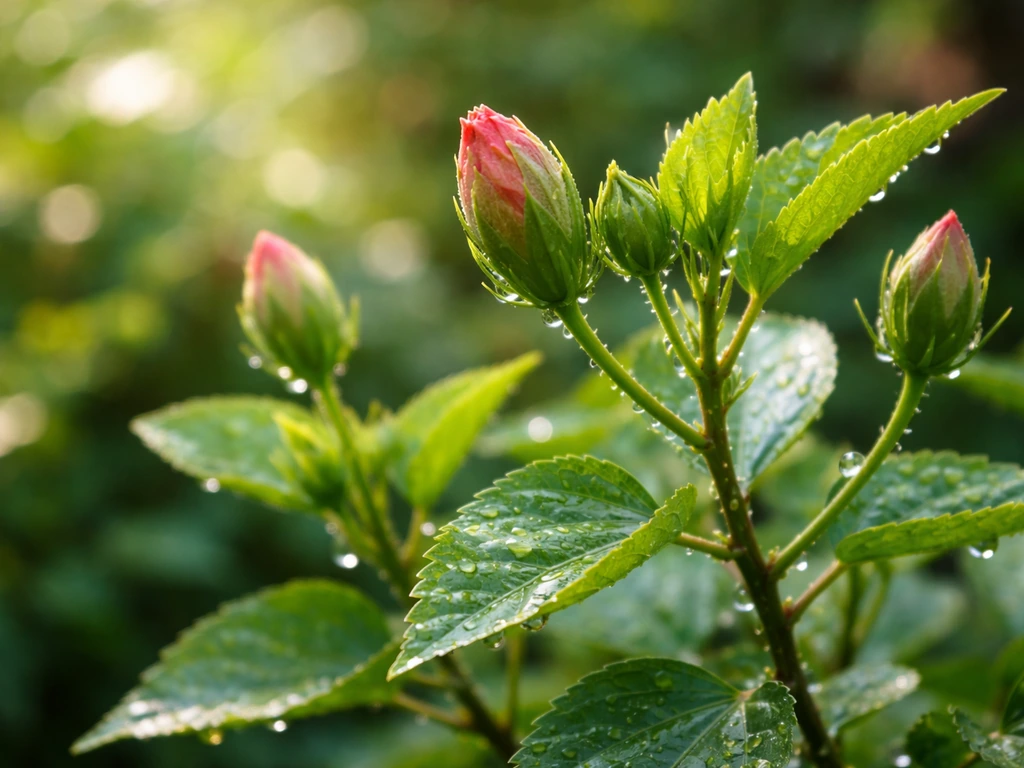
All three common hibiscus types bloom on new growth, which is the single most important fact to understand about how hibiscus flowers grow. Tropical hibiscus produces flowers continuously on new wood from late spring through fall, and year-round in frost-free climates, as long as conditions stay favorable. Hardy hibiscus (moscheutos) has a shorter concentrated flowering window, typically late July through early September, with each individual flower opening for just one day before dropping. Rose-of-Sharon blooms on the current season's growth and flowers from late June well into fall, making it one of the longest-blooming shrubs in a temperate garden.
Because all three bloom on new wood, anything that slows new growth slows flowers. That includes drought stress, nutrient deficiency, too much shade, or cutting off new stems at the wrong time. Bud formation is also sensitive to sudden environmental shifts. Tropical hibiscus is particularly prone to bud drop when it dries out even once, or when it's moved from one light and temperature environment to another (like bringing a new plant home from a nursery). If you've ever watched a tropical hibiscus drop every bud the week after you bought it, that's why.
Choosing the right spot: sun, temperature, and container vs. ground
Hibiscus of all types wants sun. For the best flowering, aim for at least 6 hours of direct sun per day. Rose-of-Sharon and tropical hibiscus both produce noticeably fewer flowers and get leggy in shade. Partial shade (4 to 5 hours) is tolerable for rose-of-Sharon, but full sun is where it really performs. Tropical hibiscus in a container can handle a little afternoon shade in very hot climates, but don't go below 4 hours of direct sun and expect heavy bloom.
Temperature is where your climate determines your approach. Tropical hibiscus stops performing well below about 50°F and will suffer real damage near freezing. If you're in Florida, you'll still start with the same basics, but pay extra attention to hibiscus type, sun, and heat protection Tropical hibiscus.
If you're outside zones 9 to 10, growing tropical hibiscus in a container is the practical move: you can move it inside when temperatures drop and enjoy it on a patio all summer. Hardy hibiscus and rose-of-Sharon don't need that treatment. Rose-of-Sharon is reliably cold-hardy to zone 5 and tolerates heat well.
Hardy hibiscus is similarly cold-tolerant but because it's herbaceous (dying back each winter), you'll want to mark where it's planted so you don't accidentally dig it up in early spring when it's slow to emerge.
| Type | Hardy to Zone | Best Setting | Bloom Season | Container Friendly? |
|---|---|---|---|---|
| Tropical (rosa-sinensis) | 9–10 | Container; patio in summer, indoors in winter | Late spring through fall (year-round in zone 10+) | Yes, ideal |
| Hardy (moscheutos) | 4–9 | In-ground perennial border | Late July to early September | Possible but large |
| Rose-of-Sharon (syriacus) | 5–9 | In-ground landscape shrub | Late June through fall | Not recommended (gets too large) |
Planting hibiscus: soil, timing, and spacing
Soil
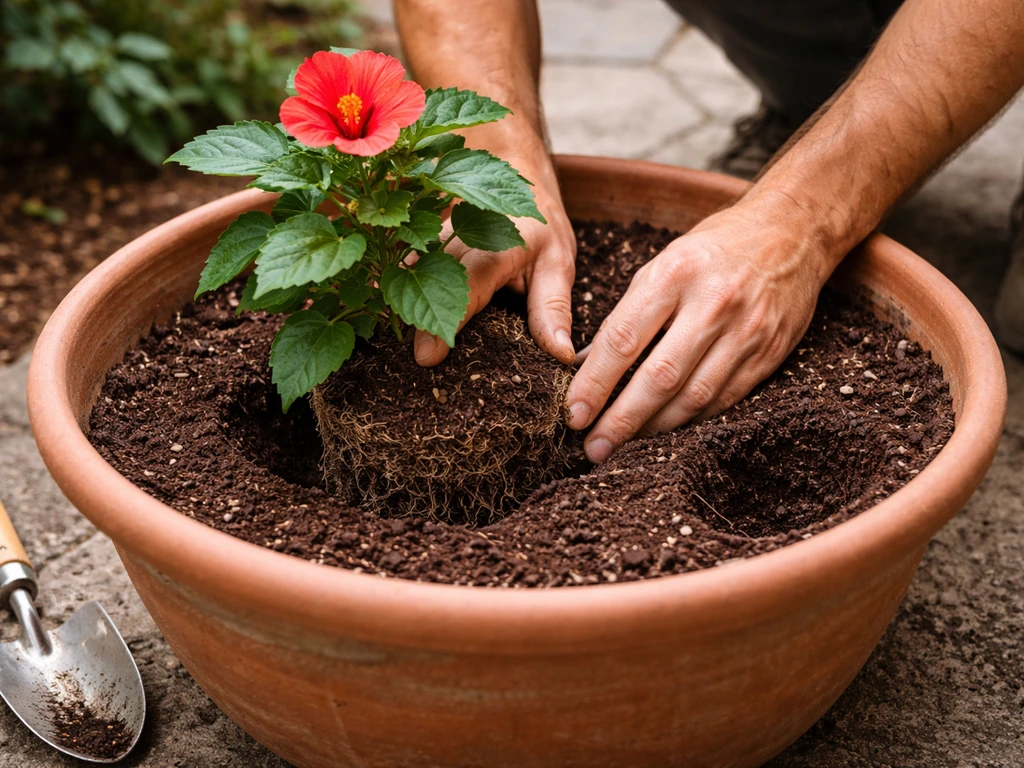
Tropical hibiscus in containers does best in a high-quality soilless potting mix rather than regular garden soil. The goal is fast drainage, because waterlogged roots cause more failures than almost anything else. Target a slightly acidic pH of 6.5 to 6.8. Make sure the pot has drainage holes; this sounds basic but it's the thing people skip and then wonder why the plant declines.
Rose-of-Sharon is much more forgiving about soil. It tolerates sandy, loamy, and clay soils, handles a pH range from 3.7 to 7.3, and copes with both moist and dry conditions once established. Hardy hibiscus wants rich, moisture-retentive soil but still needs reasonable drainage. Amending heavy clay with compost before planting helps both hardy hibiscus and rose-of-Sharon get established faster.
Timing and spacing
Plant all hibiscus types after your last frost date in spring, once nighttime temperatures are consistently above 50°F. For tropical hibiscus in containers, this means moving them outside in late spring. For in-ground planting of rose-of-Sharon or hardy hibiscus, early spring or early fall planting works well in most zones. When planting rose-of-Sharon in the ground, set the crown at or just barely above the soil line, not buried deeper. This detail matters more than most people realize for long-term plant health.
Give rose-of-Sharon serious space: it matures to 8 to 12 feet tall and 6 to 10 feet wide. Space plants at least 6 feet apart. Hardy hibiscus spreads too but stays more compact above ground since it dies back; space these about 3 to 4 feet apart. Container tropical hibiscus doesn't compete for ground space, but choose a pot large enough to support the root system and reduce how often you need to water.
Watering and fertilizing for consistent flowering
Watering
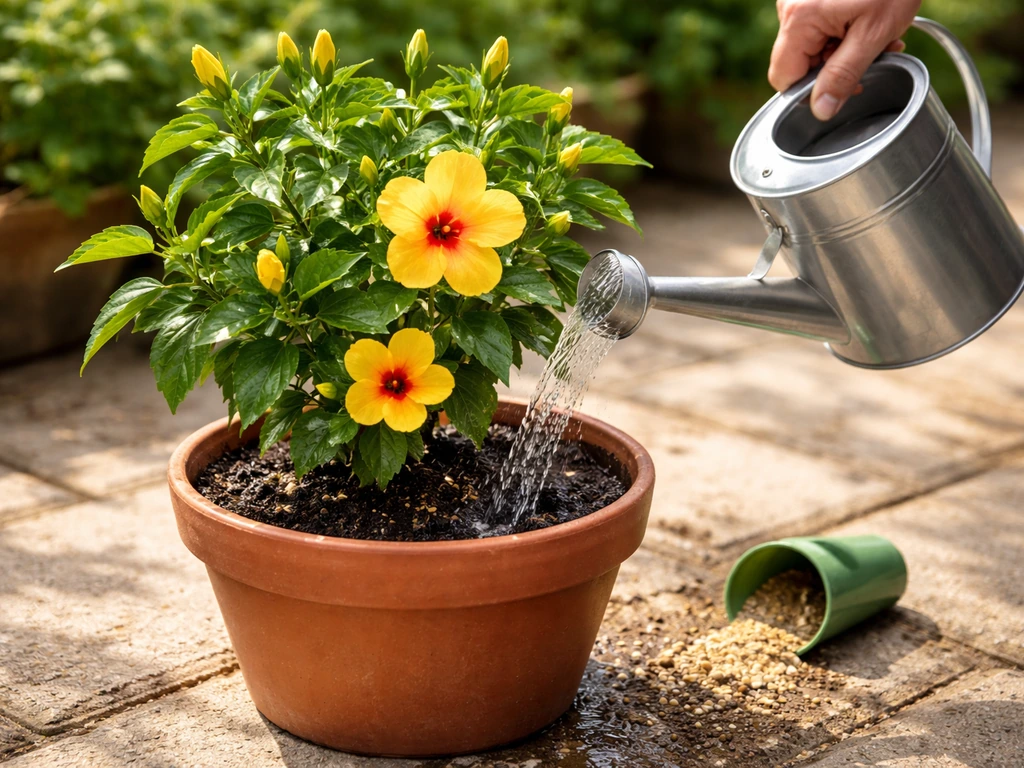
Consistent moisture is critical for tropical hibiscus, especially while it's forming buds. Even one serious dry-out can trigger bud drop. That doesn't mean keeping it soggy (wet roots are their own problem), but it does mean checking the soil regularly and watering before it dries out completely. How often that is depends on pot size, air temperature, and whether the container is terracotta (dries faster) or plastic. In hot summer conditions, a container tropical hibiscus may need water every day or two. In-ground rose-of-Sharon and hardy hibiscus are more forgiving once established, needing supplemental water mainly during dry spells.
Fertilizing
Hibiscus fertilizer needs more attention than people expect, specifically around phosphorus. High-phosphorus fertilizers (the middle number in NPK) can actually kill hibiscus. What hibiscus needs is high potassium (K) and very low phosphorus. Look for a fertilizer marketed for hibiscus or flowering tropicals where the P number is notably lower than K. A balanced 10-10-10 that seems harmless to use on everything is actually not ideal here.
For in-ground rose-of-Sharon in average garden soil, you may not need to fertilize at all. If growth looks slow or pale, fertilize in spring and again in midsummer with a low-phosphorus fertilizer. Tropical hibiscus in containers will deplete the potting mix over time and benefits from regular feeding during the growing season, following product directions. Don't fertilize hibiscus that's stressed, newly transplanted, or going dormant for winter.
Pruning and seasonal care to keep it blooming
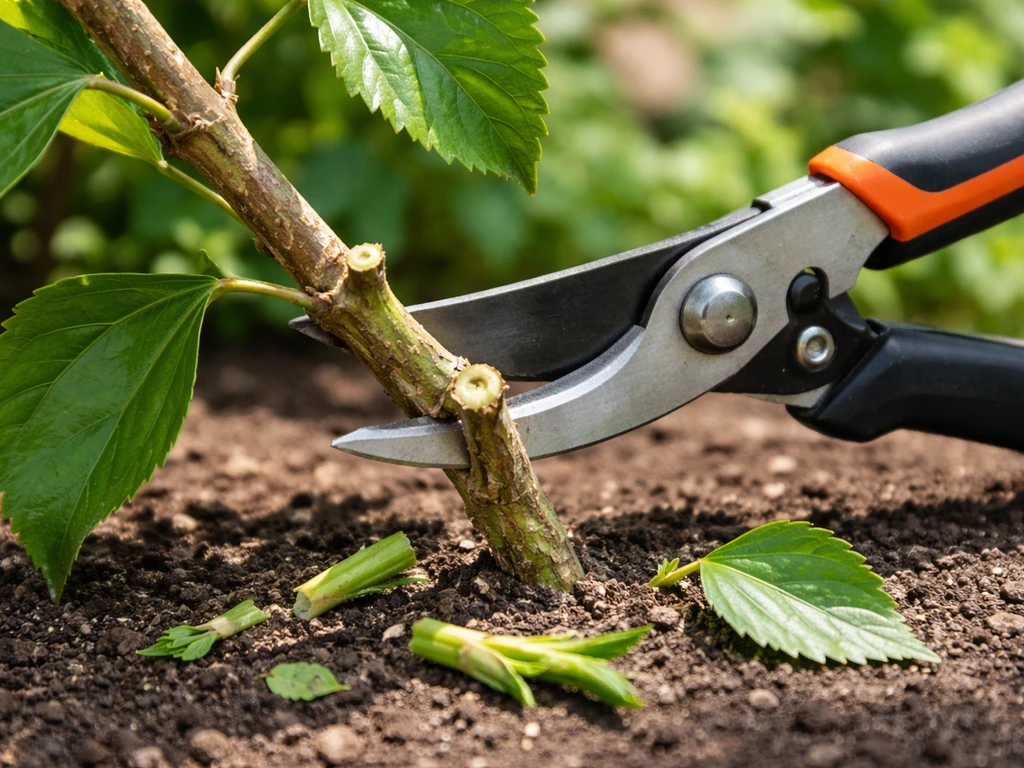
Because all hibiscus types bloom on new growth, pruning timing is about controlling when new growth appears, not about whether the plant will flower. Here's how it breaks down by type.
- Tropical hibiscus (rosa-sinensis): You can prune during the growing season to shape the plant or remove dead wood. Since it flowers on new wood, pruning mostly delays the next flush of flowers rather than eliminating it. To keep it compact and bushy (which produces more flowering stems), cut back up to one-third of the plant in late winter or early spring before new growth kicks in.
- Hardy hibiscus (moscheutos): Cut it back hard in late winter or early spring, before new growth emerges. Left alone it can get messy and tall. Cutting it back to 6 to 12 inches encourages strong new growth and a tidy flowering season starting in July.
- Rose-of-Sharon (syriacus): Prune in early spring before new growth begins. This is the most important rule: don't prune in fall or summer. Heavy spring pruning actually enhances late-summer flowering because you're maximizing strong new growth. Cutting established plants back to around 4 to 5 feet tall gives you a well-shaped shrub with excellent bloom coverage.
For overwintering tropical hibiscus, bring container plants indoors before temperatures drop below 50°F. Cut the plant back by about one-third before bringing it inside to reduce size and pest hitchhikers. Keep it somewhere bright (a south-facing window works) and water sparingly through winter. Don't expect much growth or flowers indoors; the goal is survival until you can move it back outside in spring.
Propagation and troubleshooting
How to propagate hibiscus from cuttings
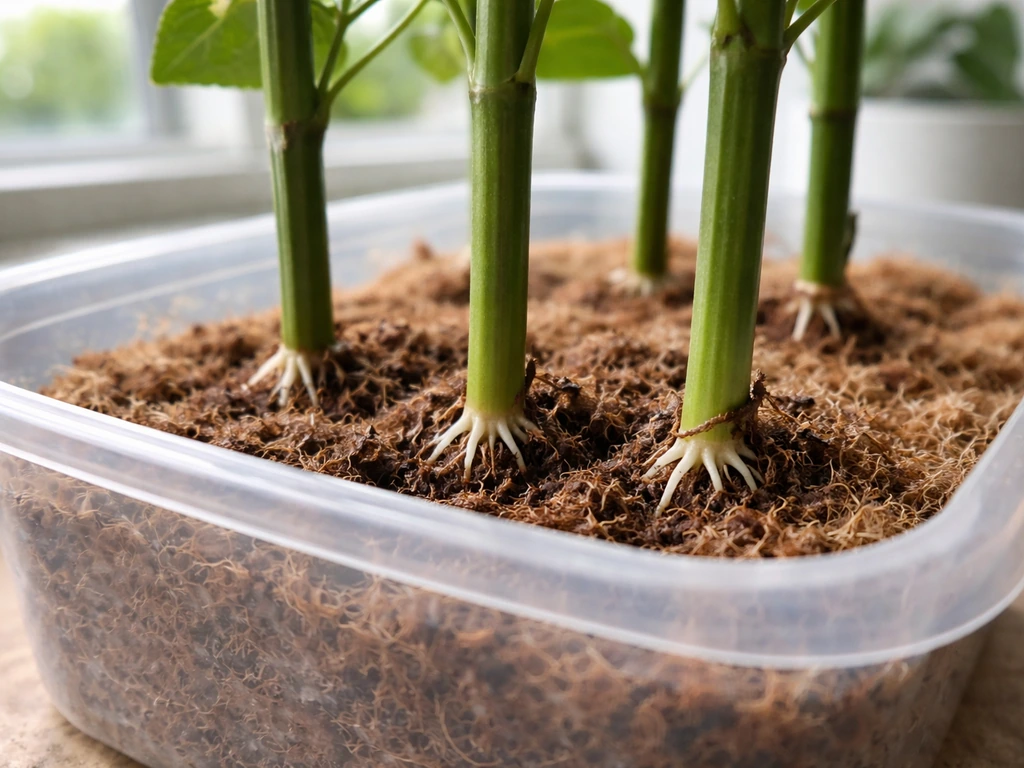
The most reliable way to start a new hibiscus plant is from stem cuttings, and this is how most commercial tropical hibiscus plants are produced. Take a 4 to 6 inch cutting from a healthy, actively growing stem tip. Remove most of the leaves, leaving just one or two at the top to prevent the cutting from drying out before it roots. [Dip the cut end in rooting hormone powder or gel.
](https://extension. missouri. edu/media/wysiwyg/Extensiondata/Pub/pdf/mastergardener/mg0003. pdf) Insert the cutting into a sterile rooting medium (dampened perlite or a peat/perlite mix works well).
Keep the medium consistently moist but not waterlogged, cover loosely with a clear bag or humidity dome to retain moisture, and place it in bright indirect light. Expect roots to develop over roughly 2 to 3 months. Once you see new leaf growth, the cutting has rooted and you can begin transitioning it to normal potting mix and brighter light.
One clarification worth making: you can't grow hibiscus from a dried or picked flower the way you'd plant a seed. The flower itself isn't the propagation material. If you want to try growing from seed, you need a mature seed pod, which forms after pollination. Getting tropical hibiscus to set seed pods consistently is tricky; it requires warm temperatures around 60 to 80°F, good humidity, and the plant needs to actually be pollinated. Rose-of-Sharon self-seeds prolifically (sometimes too much) in the garden, so collecting seeds from that type is easy and seeds will sprout readily in spring. Hardy hibiscus can also be grown from seed but named hybrids won't come true to type.
Why your hibiscus isn't flowering (and what to fix right now)
If your hibiscus is failing to flower or dropping buds, work through these common causes before assuming something more serious is wrong. Mahonia (such as Oregon grape) is grown for its evergreen foliage, flowers, and berries, and it generally prefers partial shade and well-drained soil.
- Not enough sun: This is the most common reason for poor flowering. Count the actual hours of direct sun the plant receives. If it's under 4 to 5 hours, move it. Container plants make this easy.
- Inconsistent watering: Letting a tropical hibiscus dry out even once during bud development causes bud drop. Check soil moisture daily in warm weather and water before it goes completely dry.
- Wrong fertilizer: High-phosphorus fertilizer actively harms hibiscus. Switch to a low-P, high-K formulation and don't feed a stressed plant.
- Temperature shock or relocation stress: Moving a tropical hibiscus from the nursery to your home changes its light, temperature, and humidity all at once. Expect some bud drop and give the plant 2 to 3 weeks to adjust before assuming something is wrong.
- Pest pressure: Aphids and thrips are the most common culprits. Look closely at buds and new growth. A strong spray of water or insecticidal soap addresses most infestations early.
- Root rot from poor drainage: If leaves are yellowing, wilting, and the plant seems to be declining fast despite normal care, check the roots. Soggy, smelly roots with brown mushy tissue indicate root rot. Repot into fresh, well-draining mix and cut away affected roots.
- Pruning at the wrong time: Pruning rose-of-Sharon in summer removes the new growth that flowers were about to form on. Stick to early spring pruning only for rose-of-Sharon and hardy hibiscus.
Leggy growth and a sparse, unproductive plant
Leggy hibiscus with long, weak stems and sparse flowers is almost always a sun or pruning issue. If the plant is reaching toward light, it needs more of it. If it's just getting tall and rangy without good branching, a harder cutback in early spring (for all three types) will reset the growth habit. Tropical hibiscus responds particularly well to this approach: cut it back by up to one-third in late winter and you'll get a bushier plant with more flowering stems as the season progresses. UMN Extension recommends pruning hibiscus in late winter to encourage a bushier plant pruning it back by up to one-third in late winter.
Growing hibiscus really does come down to a short list of fundamentals: the right type for your climate, maximum sun, consistent moisture, the right fertilizer, and pruning at the right time of year. Get those dialed in and the flowers take care of themselves. The troubleshooting almost always leads back to one of those five things. If you’re trying a different flowering shrub, learning how to grow cuphea hyssopifolia can give you another reliable care starting point.
FAQ
How do I identify which hibiscus type I have so I can use the right care plan?
Look for growth habit and hardiness cues, tropical hibiscus is evergreen and sold as a pot plant, hardy hibiscus dies to the ground each winter and comes back in late spring, and rose-of-Sharon is a large deciduous shrub. If you see 12-inch-wide summer blooms and the plant returns from the soil after winter, it is usually the hardy type.
Why does my hibiscus bud drop right after I bring it home or change its location?
Bud drop most often comes from a sudden shift in light and watering, even if the temperature is similar. For tropical hibiscus, avoid moving from shade to full sun or from consistently moist nursery conditions to drier home conditions, acclimate over 1 to 2 weeks and water based on soil dryness, not the calendar.
What is the best way to water hibiscus in a container to prevent both bud drop and root rot?
Water deeply until excess drains, then wait until the top inch of mix dries before watering again. If your container dries fast, choose a larger pot (more stable moisture) and consider avoiding terracotta for tropical hibiscus in very hot weather where daily drying triggers bud loss.
How much sun is enough if I cannot give 6 hours of direct light?
With less than 4 hours of direct sun, hibiscus will usually become leggy and set fewer buds because it blooms on new growth. If you only have partial shade, prioritize the brightest possible spot, use pruning to encourage branching in spring, and expect fewer flowers rather than trying to force daily fertilizing.
How should I fertilize hibiscus if I accidentally used a high-phosphorus fertilizer?
Stop the high-phosphorus product immediately and switch to a low-P option, then flush the potting mix with water to reduce leftover salts (only if the pot drains well). In ground plants, pause fertilizing for a season and focus on consistent watering, if leaves yellow severely or growth stalls, test soil to confirm P levels.
When is the correct time to prune to get more blooms, and will pruning remove my flowers?
Because hibiscus blooms on new growth, the aim is to time pruning so fresh shoots have time to develop. For tropical hibiscus, late winter is typically when you can cut back to build a bushier plant, for rose-of-Sharon and hardy hibiscus, early spring or late winter pruning encourages new branches, avoid late-season heavy cuts that can reduce next cycle flowering.
Can I grow tropical hibiscus outdoors year-round in mild climates?
Only if nights stay reliably warm and frost does not occur, tropical hibiscus struggles below about 50°F and can be damaged near freezing. If you get occasional cold snaps, plan on container growing so you can bring it indoors or cover it promptly when temperatures drop.
What soil pH and drainage matter most for each hibiscus type?
Tropical hibiscus in pots prefers slightly acidic, about pH 6.5 to 6.8, and it requires fast drainage so roots are never waterlogged. Rose-of-Sharon tolerates a wide pH range and can handle average garden soils, while hardy hibiscus likes richer, moisture-retentive soil but still benefits from improved drainage in heavy clay.
How do I prevent hibiscus from turning leggy and not branching?
Legginess usually indicates insufficient light or not enough structure pruning. Increase direct sun, and for bushier growth, do a more decisive cutback in early season (late winter for tropical, early spring for established plants) rather than only removing tips.
What is the simplest way to propagate hibiscus at home?
Use healthy stem cuttings from actively growing tips, about 4 to 6 inches long, remove most leaves, dip in rooting hormone, and place in a sterile, moist (not soggy) medium like perlite or a peat/perlite mix. Keep bright indirect light and steady humidity for 2 to 3 months, then transition to normal potting mix when you see new leaf growth.
Why can’t I grow a new hibiscus plant from a picked flower?
A flower alone does not contain the genetic plant material needed to grow a new plant. To grow from seed, you need a mature seed pod that forms after pollination, and with tropical hibiscus, reliably producing those pods is difficult because it requires warm temperatures, humidity, and actual pollination.
My hardy hibiscus is planted, but it looks dead in spring, what should I do?
Do not dig it up too early, hardy hibiscus often emerges late because it rebuilds new growth after winter dieback. Mark the location, keep the area weeded and mulched lightly, and avoid heavy disturbance until it shows new shoots.