
Luna hibiscus refers to the Luna Series of Hibiscus moscheutos, a hardy perennial hibiscus bred for big, dinner-plate flowers, a compact habit, and reliable performance in home gardens from USDA zones 4 to 9. These are not the tropical hibiscus you see in patio pots at the grocery store. Luna hibiscus dies back to the ground each winter and returns from the crown each spring, blooming on brand-new growth with flowers that can reach nearly 8 inches across. Get the light, water, and pruning timing right and you will have an absolute showstopper from midsummer through early fall. If you want the full process, this guide explains how to grow hibiscus plant step by step from planting to pruning.
How to Grow Luna Hibiscus: Care Guide for Blooming

Marcus Holloway
2 Jun 2026
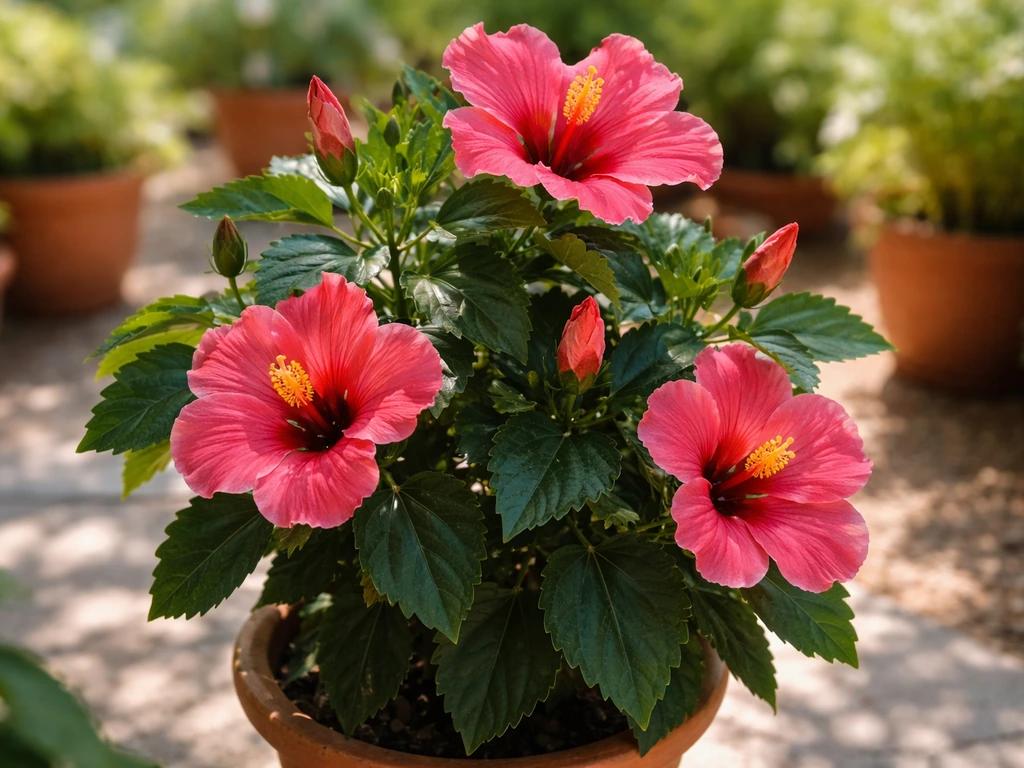
What Luna hibiscus actually is (and what to buy)
The Luna Series is a seed-propagated program developed by PanAmerican Seed, which is why you will find it widely available at garden centers in spring as gallon or quart-size transplants. The most commonly sold cultivars include 'Luna Red' (deep crimson blooms, roughly 2 to 3 feet tall and about 24 inches wide), 'Luna Pink Swirl' (soft pink with a deeper eye), and several white and bicolor options in the series. All of them are Hibiscus moscheutos, the swamp rose mallow native to eastern North America, which explains both their toughness and their love of moisture.
When you are at the garden center, look for the Luna Series label on the tag. You may also see plain 'Hibiscus moscheutos' plants without that specific branding, and those are fine too, but the Luna Series is specifically selected for compact size, early flowering, and seed consistency. Avoid anything labeled just 'tropical hibiscus' or 'Chinese hibiscus' (Hibiscus rosa-sinensis) if you want a perennial that comes back every year in temperate climates. Those are different plants entirely, and their care is quite different. If you are curious about growing the broader family, there are separate guides covering general hibiscus growing that go into that distinction more deeply.
Light, location, and soil: setting the stage for big blooms
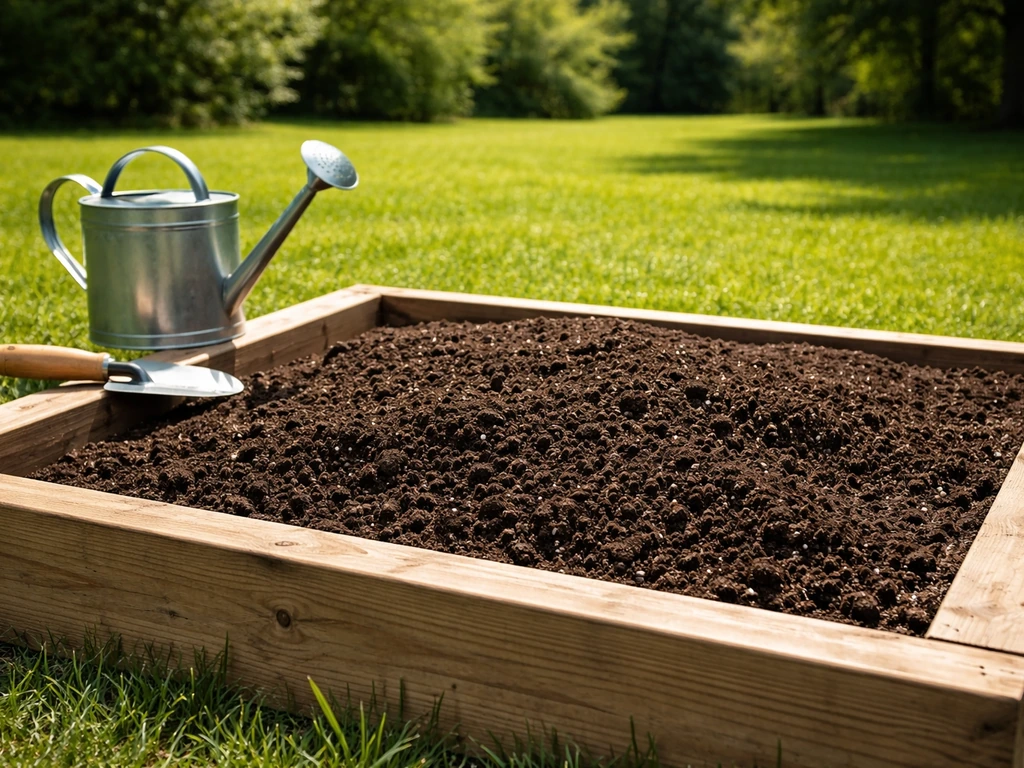
Full sun is non-negotiable for Luna hibiscus. PanAmerican Seed's own culture data is blunt about this: shading decreases crop quality and flowering performance. That translates directly to your garden. You want at least 6 hours of direct sun daily, and honestly 8 is better. Luna will tolerate some afternoon shade, which can help in very hot climates where temperatures consistently hit 95°F or above, but morning sun with afternoon protection is the compromise, not the ideal. If you have only a partly shaded spot and you plant Luna there expecting a flower show, you will be disappointed.
One flowering quirk worth knowing: Luna hibiscus requires a minimum of 12 hours of daylength to flower. In most of the continental US from late May through August, natural daylength easily clears that threshold, so this is not usually a problem in the garden. But if you are starting plants indoors or overwintering under artificial lights, you need to hit that 12-hour mark or you will get lush foliage and no buds.
For soil, Luna hibiscus wants rich, moisture-retentive soil that still drains well enough to not become waterlogged. In the ground, work in a generous amount of compost before planting and aim for a slightly acidic to neutral pH, roughly 6. 0 to 7. 0.
Heavy clay that pools water after rain is going to cause crown rot problems. Sandy soil that dries out in two hours is going to cause bud abort. Both extremes are bad, so if your native soil is either extreme, amend it or grow Luna in a container where you control the mix. In containers, use a quality potting mix with some added perlite for drainage, in a pot at least 12 to 16 inches wide with good drainage holes.
Starting your Luna hibiscus: seeds, cuttings, or transplants
Starting from transplants (the easiest path)
For most home gardeners, buying a nursery transplant in spring is the right move. Plant after your last frost date when soil temperatures have warmed, typically late April through late May depending on your zone. If you are also interested in a different flowering option, this is a similar early-start timing consideration to how to grow hummingbird plant.
Dig a hole about twice the width of the root ball and at the same depth, so the crown sits at soil level, not buried. Water in thoroughly and keep the area consistently moist for the first two to three weeks while the roots establish. One heads-up: hardy hibiscus is famously slow to emerge in spring. Do not panic if your plant looks like a dead stick until late April or even May.
It is just waiting for warm soil.
Starting from seed
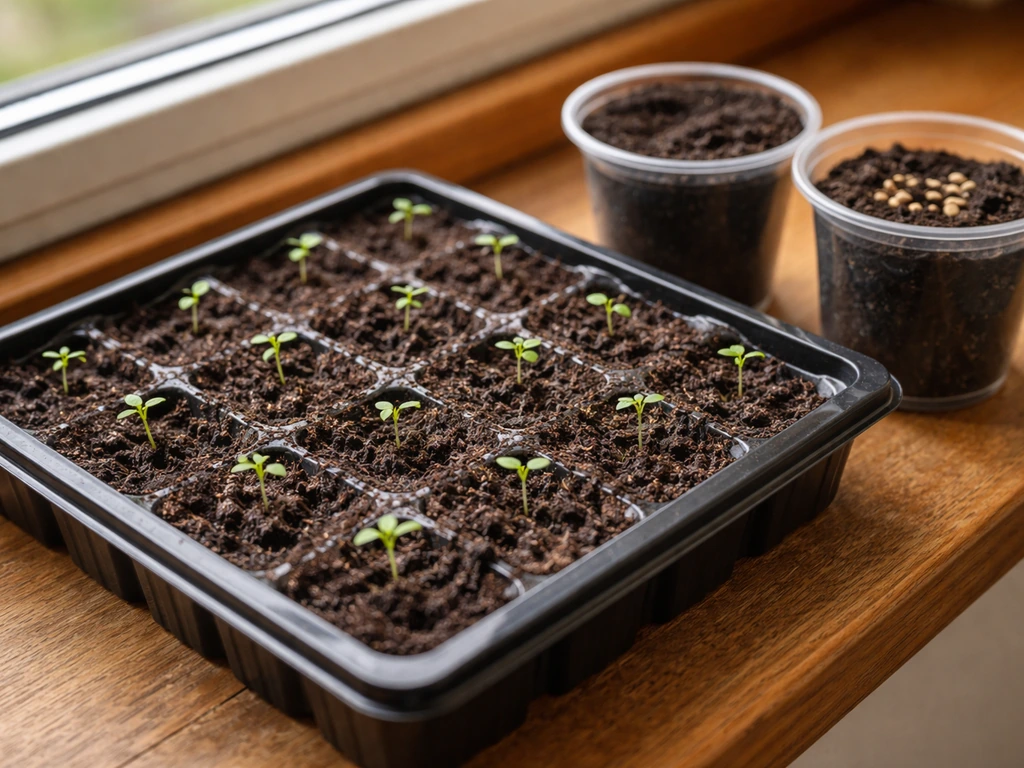
Growing Luna from seed is doable but requires patience. Start seeds indoors 10 to 12 weeks before your last frost date. Nick the seed coat lightly with sandpaper or soak seeds in warm water for 24 hours before sowing to improve germination. Sow in seed-starting mix, barely covering the seeds, and maintain a daily average temperature above 68°F (20°C) with consistently moist media.
Keep the media wet, not soggy, and expect germination in 1 to 3 weeks. Once the radicle emerges, start with a very dilute fertilizer, around 50 to 75 ppm nitrogen. Under long-day conditions (12+ hours of light), expect flowers in roughly 14 to 15 weeks from transplanting, which is a greenhouse benchmark but a useful planning number for home growers too.
Propagating from cuttings or division
You can also propagate Luna hibiscus through softwood or semi-hardwood cuttings taken in late spring to early summer, or by dividing established crowns in spring just as new growth is emerging. Cuttings root best in a humid environment with bottom heat. Division is the low-effort option if you already have a mature plant: just split the crown with a sharp spade, making sure each division has several healthy growing points, and replant immediately.
Watering and fertilizing to get those big flowers
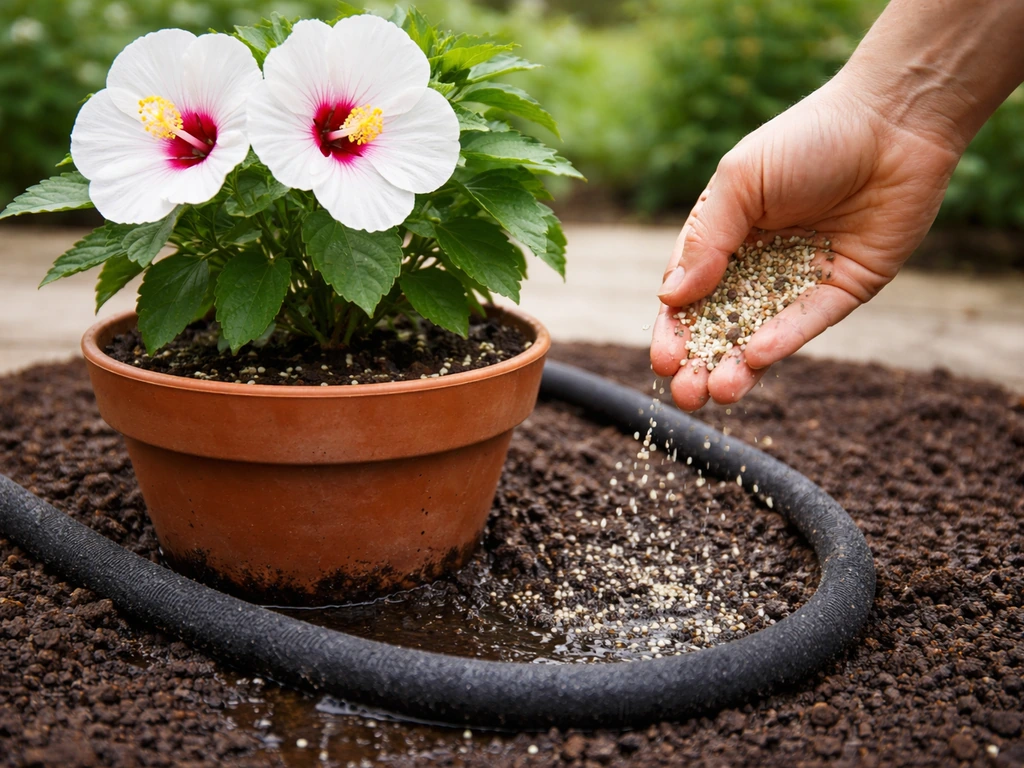
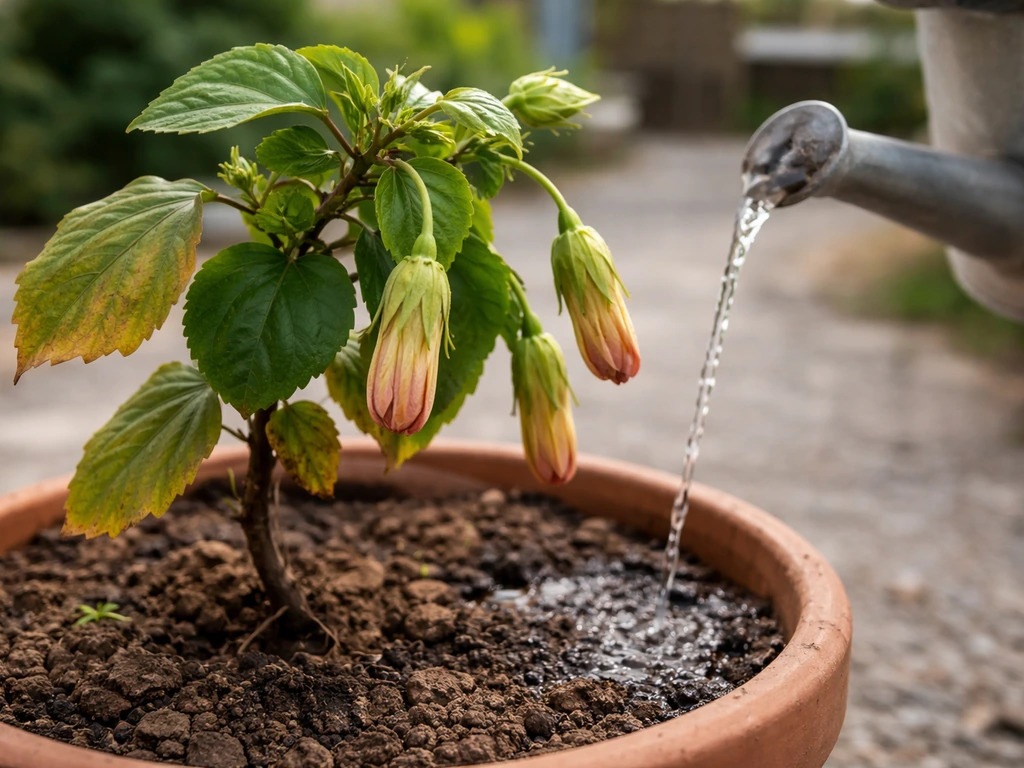
Watering Luna hibiscus is one of those things that sounds simple but trips people up constantly. The core rule is this: keep the soil consistently moist during active growth and bud development, but not waterlogged. Here is why it matters: growing a Luna hibiscus too dry during the bud-formation stage causes flower bud abortion. You will see buds form and then drop before they open, and you will assume something is wrong with your plant. Usually it is just drought stress at the worst possible time. On the flip side, soil that stays soggy leads to root and crown rot, which kills the plant slowly from below.
Practically, during the growing season (roughly June through September in most zones), check soil moisture every 2 to 3 days. Water deeply when the top inch of soil is dry, enough so water drains from the bottom of a container or saturates the root zone in the ground. In peak summer heat, in-ground plants may need water every 2 to 3 days. Container-grown plants can dry out faster and may need daily checking during heat waves. During dormancy in fall and winter, let the soil dry out more between waterings, but do not let dormant crowns in containers completely desiccate.
For fertilizing, Luna hibiscus is a heavy feeder when it is actively growing and blooming. During the growing season, feed every 7 to 14 days with a balanced, water-soluble fertilizer at around 200 to 250 ppm nitrogen, or follow the label rate of a balanced slow-release granular fertilizer applied monthly. A fertilizer with roughly equal nitrogen, phosphorus, and potassium works well for overall health.
I would skip very high-nitrogen formulas that push lots of leafy green growth at the expense of flowers. A fertilizer with a middle number (phosphorus) that is equal to or higher than the first (nitrogen) supports blooming better. Stop fertilizing in late summer, around 6 to 8 weeks before your first frost date, to let the plant harden off properly.
Ongoing care: pruning, heat, and getting through winter
Pruning for maximum blooms
Luna hibiscus blooms on new wood, which changes everything about how you approach pruning. The right time to cut is in late winter or very early spring, before new growth emerges from the crown. Cut the old woody stems back hard, down to 6 to 12 inches from the ground, or even lower. This forces vigorous new stems that will carry this season's flowers. If you wait too long and prune after new growth is well underway, you are removing potential blooms. During the growing season, you can deadhead spent flowers to keep the plant tidy, but that is cosmetic, not required for rebloom since each flower is already forming on new growth.
Managing heat and summer growth
Luna hibiscus loves heat and genuinely needs a long, hot summer to flower well. In cooler northern summers, you may get fewer flowers or delayed bloom. In the hottest climates (zones 8 to 9), some light afternoon shade helps prevent leaf scorch without significantly reducing flower production, but only if morning sun is unobstructed. Mulching around the base with 2 to 3 inches of organic mulch helps retain soil moisture and keeps roots cooler, which directly reduces drought-stress bud drop.
Overwintering in-ground plants
If you are in zones 4 to 9 and your Luna hibiscus is planted in the ground, overwintering is mostly hands-off. After the first hard frost kills the top growth, cut the stems back to about 6 inches and leave a mulch layer of 3 to 4 inches over the crown for insulation. In zones 4 and 5, use a heavier mulch layer, up to 6 inches, or cover with a layer of dry leaves for extra cold protection. The crown is the living part, and protecting it from freeze-thaw cycles is the goal. Remove the mulch in early spring once hard freezes are done.
Overwintering container plants
Container-grown Luna hibiscus is more cold-vulnerable because the roots are exposed on all sides with no ground insulation. In zones 6 and warmer, you can move containers to an unheated garage or sheltered porch for winter. In zones 4 to 5, bring them into a cool indoor space (above freezing but below 50°F is fine) and cut back watering significantly. Do not try to overwinter small plugs or recently rooted cuttings in cold storage, because very small root systems do not handle freezing temperatures well and tend to fail. A mature crown in a gallon or larger pot handles dormant cold storage much better.
Common problems and how to fix them
| Problem | Most Likely Cause | Fix |
|---|---|---|
| Flower buds drop before opening | Drought stress during bud development | Water more consistently; never let soil fully dry out while buds are forming |
| Yellow leaves, general | Overwatering or waterlogged soil; nutrient deficiency | Check drainage; reduce watering frequency; apply balanced fertilizer |
| Leaf drop in summer | Heat or drought stress | Mulch the base; increase watering frequency; consider afternoon shade in zones 8+ |
| No flowers or very few blooms | Too much shade; daylength under 12 hours; too cool a summer | Relocate to full sun; ensure 12+ hours of light; accept that cool summers limit bloom |
| Leggy, floppy stems | Insufficient light; over-fertilizing with high-nitrogen fertilizer | Move to full sun; switch to a balanced fertilizer; do a hard spring pruning |
| Aphids or whiteflies | Common pest pressure on hibiscus | Spray with insecticidal soap or neem oil; repeat every 5 to 7 days until resolved |
| Japanese beetles | Seasonal pest that skeletonizes leaves | Hand-pick early morning; use neem oil; apply beneficial nematodes to soil |
| Crown rot | Overwatering or poorly draining soil | Improve drainage immediately; reduce watering; infected crowns rarely recover fully |
The single most common complaint I hear about Luna hibiscus is bud drop, and almost every time it comes down to inconsistent watering during bud development. The plant is forming those giant 8-inch flowers and it needs steady moisture to complete that process. If you let the soil go bone dry even once during that window, buds abort. Set a reminder to check soil moisture daily once you see buds forming, and you will mostly sidestep this frustrating problem entirely.
Yellowing leaves are the other big question mark. If the yellowing is on lower, older leaves during peak summer growth, that is normal. If it is spreading through younger leaves with soggy soil, check your drainage situation. If the soil is fine but the leaves are pale and yellow overall, the plant is likely hungry: a dose of balanced fertilizer usually greens things back up within a week or two.
Luna vs. other hibiscus: is this the right plant for you?
Luna hibiscus sits in a sweet spot for most home gardeners. It is more cold-hardy than tropical hibiscus varieties and comes back reliably each year in zones 4 to 9 without the overwintering complexity that tropicals demand. Compared to other hardy hibiscus varieties, the Luna Series specifically is bred for compact size (that 2 to 3 foot height is genuinely manageable in a border or container) and early blooming.
If you are growing hibiscus more broadly and want to compare approaches for in-ground beds versus containers, for different climates, or for more unusual color forms like yellow-flowering varieties, those comparisons are worth exploring separately since the care nuances differ.
If you are growing hibiscus more broadly and want to compare approaches for in-ground beds versus containers, for different climates, or for more unusual color forms like yellow-flowering varieties, those comparisons are worth exploring separately since the care nuances differ how to grow yellow hibiscus. If you want the full basics, including what to plant and how to manage watering and light, follow our guide on how to grow hibiscus plant.
For most people reading this in early summer, the next step is simple: pick up a Luna Series transplant at your local garden center now, find your sunniest spot, amend the soil with compost, plant at ground level, water it in well, and keep that moisture consistent. If you are also looking for in-game hibiscus ideas in Hello Kitty Island Adventure, you can adapt these growing tips to your real-world setup. You could realistically see your first blooms within six to eight weeks. That is a fast payoff for a perennial that will be back to reward you again next year.
FAQ
Can I grow Luna hibiscus from a transplant in pots on a patio, then move it into the ground later?
Yes, but keep the crown at soil level both times, and avoid disturbing roots once buds start forming. When transitioning from container to ground, acclimate it for 7 to 10 days by gradually increasing its sun exposure to reduce leaf scorch and shock.
What spacing should I use between Luna hibiscus plants?
Plan for airflow and full-sized clumps. A practical guideline is about 3 to 4 feet between plants, since varieties like Luna Red can spread around 24 inches wide and you want room for stems and easy watering without constantly wetting leaves.
My Luna has buds but many fall off before opening. How can I tell if it is drought stress or something else?
If bud drop happens after a dry spell or inconsistent watering, treat it as moisture stress first. If you have kept moisture consistent, check for waterlogging (soggy soil, sour smell, persistently wet media) and reduce watering frequency. Also verify you are getting enough direct sun and not pruning after new growth has begun.
How do I know whether my pruning cut is too late and will reduce blooms?
If you see green shoots emerging from the crown, pruning now will remove those new bloom stems. The safe window is late winter to very early spring, cut back hard before you notice new growth, and then let it regrow without disturbance.
Is deadheading required for Luna hibiscus to rebloom?
No. Luna flowers are produced on new growth, so removing spent blooms is mainly for appearance. If your goal is a tidy plant, deadhead lightly, but focus energy on consistent moisture and feeding to support fresh bud formation.
How can I prevent crown rot when soil stays wet after rain?
Improve drainage rather than watering less. In-ground, work compost in thoroughly and, if the area pools water, consider raised beds. In containers, use a mix that drains quickly and never let pots sit in runoff water, since constant saturation around the crown is what accelerates rot.
Should I fertilize Luna hibiscus if it is growing poorly in year one?
Wait until active growth is underway, then use a balanced program. If leaves are pale or growth is weak despite good sun and moisture, start with diluted balanced fertilizer (then move up to your normal schedule). Stop feeding about 6 to 8 weeks before your first frost so the plant hardens off.
Can I start Luna hibiscus seeds outdoors instead of indoors?
Often not reliably. Seed-starting indoors 10 to 12 weeks before the last frost gives the long warm period and consistent temperatures needed. Outdoors can fail if nights are cool, the soil stays too wet, or daylength and temperature alignment does not support flowering.
What temperature is best for seedlings and cuttings?
For seed-starting, keep the average temperature above about 68°F (20°C) and keep the medium consistently moist, not soggy. For cuttings, rooting improves with bottom heat and high humidity, since the top can dry out before new roots form if the environment is too dry.
How much sun is too much, and can afternoon shade help?
Luna needs at least 6 hours of direct sun, 8 is better. In zones 8 to 9, some afternoon shade can reduce leaf scorch, but only if morning sun is unobstructed. If shade is heavy or mostly afternoon light, you may see reduced flowering because light drives bud quality.
What is the best way to overwinter a container in cold zones?
Move containers to an unheated sheltered area in zones 6 and warmer, or bring them indoors for zones 4 to 5 to a cool spot above freezing but under about 50°F. Water much less during dormancy, and do not store small plugs or very new cuttings, since tiny root systems are more likely to fail during freezing.
When should I mulch, and should I remove mulch before spring growth?
Mulch after the soil has warmed a bit in spring, and keep a 2 to 3 inch layer through summer to stabilize moisture. Remove or thin mulch in early spring once hard freezes are over, so new shoots can emerge and the crown does not stay trapped in cold, wet conditions.