
Growing hibiscus is genuinely one of the most rewarding things you can do in a flower garden. The blooms are enormous, the color range is ridiculous, and once you understand what a hibiscus actually wants, the plant practically takes care of itself. The catch is that "hibiscus" covers a huge range of plants with very different needs, and a lot of gardeners run into trouble because they treat every hibiscus the same way.
How to Grow a Hibiscus Plant Step by Step for Blooms

Marcus Holloway
17 Apr 2026
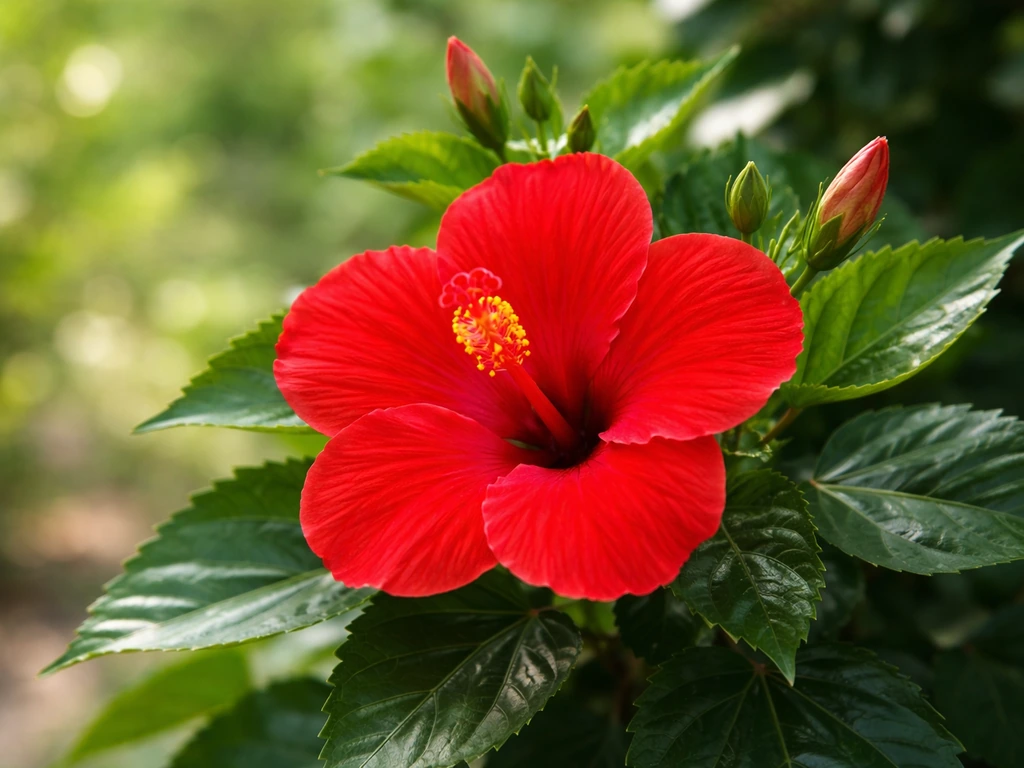
This guide will walk you through everything: choosing the right type, planting it correctly, keeping it fed and watered, pruning it into shape, propagating new plants, and getting it through winter alive. Whether you're starting from scratch or trying to rescue a struggling plant, you'll find concrete answers here.
Picking the right hibiscus for your garden
Before you buy anything, you need to know which hibiscus group you're working with, because they behave very differently. There are four main categories most home gardeners encounter: tropical hibiscus, hardy hibiscus, rose of Sharon, and the tree/bush forms that can come from either group.
Tropical hibiscus (Hibiscus rosa-sinensis) is the glossy-leafed, year-round bloomer you see at garden centers with flowers in coral, yellow, deep red, and every imaginable hybrid color. It's only reliably hardy in USDA zones 9 through 11. If you're outside those zones, you're growing it as a container plant that comes indoors for winter, full stop. This is also the parent plant of most hybrid and giant-flowered cultivars you'll find today, and it's the species most people picture when they say "hibiscus."
Hardy hibiscus (Hibiscus moscheutos and its hybrids, including the popular Luna series) is a completely different beast. It dies back to the ground every winter in most climates, then comes roaring back in late spring. The flowers are famously huge, often 10 to 12 inches across. It handles zones 4 through 9, which means most of North America can grow it outdoors year-round. If you've been eyeing one of those dinner-plate blooms and you live somewhere with cold winters, hardy hibiscus is almost certainly what you want. Growing luna hibiscus is a great entry point into this group, since the Luna series is compact, extremely floriferous, and forgiving for beginners.
Hibiscus syriacus (rose of Sharon) is a shrubby, cold-hardy species that tolerates zones 5 through 9. It blooms in late summer, when most other flowers are winding down, and it can be trained into a single-trunk tree form or kept as a multi-stemmed bush. It's more drought-tolerant than the other types and less fussy about soil. Hibiscus mutabilis (Confederate rose) is similar in hardiness and grows as a large shrub or small tree, with flowers that change color through the day. Hibiscus sabdariffa (roselle) is grown for both its flowers and its calyces, which are used to make teas and jams. It's an annual or tender perennial and needs a long, warm growing season.
White hibiscus is not a separate species; it's a color form available across most of the groups above. Giant hibiscus usually refers to large-flowered hardy hibiscus hybrids or oversized tropical cultivars. If you want something truly unusual, hibiscus bonsai is a real thing and a fascinating way to work with tropical hibiscus in a small space.
Where and when to plant
Sunlight and site selection
Every hibiscus type wants full sun. That means at least 6 hours of direct sunlight daily, and honestly, 8 hours is better. I've tried pushing tropical hibiscus into partial shade and the bloom count drops off sharply. Hardy hibiscus in part shade will grow leaves fine but flowers disappoint. Pick your sunniest spot first, then worry about everything else.
Wind protection matters more than most guides admit. Large hibiscus flowers are delicate, and strong afternoon winds tear petals and stress branches. A spot with morning sun and some shelter from prevailing wind is close to ideal, especially for tropical types with their bigger, more fragile blooms.
Planting timing by type
For tropical hibiscus in zones 9 to 11, plant in the ground any time during the warm growing season. Spring is best because it gives roots time to establish before summer heat peaks. In colder zones, keep tropical hibiscus in containers and move it outside after your last frost date, then bring it back inside before the first frost in fall. For hardy hibiscus, plant in spring after frost risk passes.
These plants wake up late, sometimes not showing any green until late May or early June, so don't panic if a newly planted hardy hibiscus looks dead. For rose of Sharon and Hibiscus mutabilis, spring planting works well, but these are also more forgiving and can be planted in early fall in zones 6 and warmer.
Container vs. in-ground
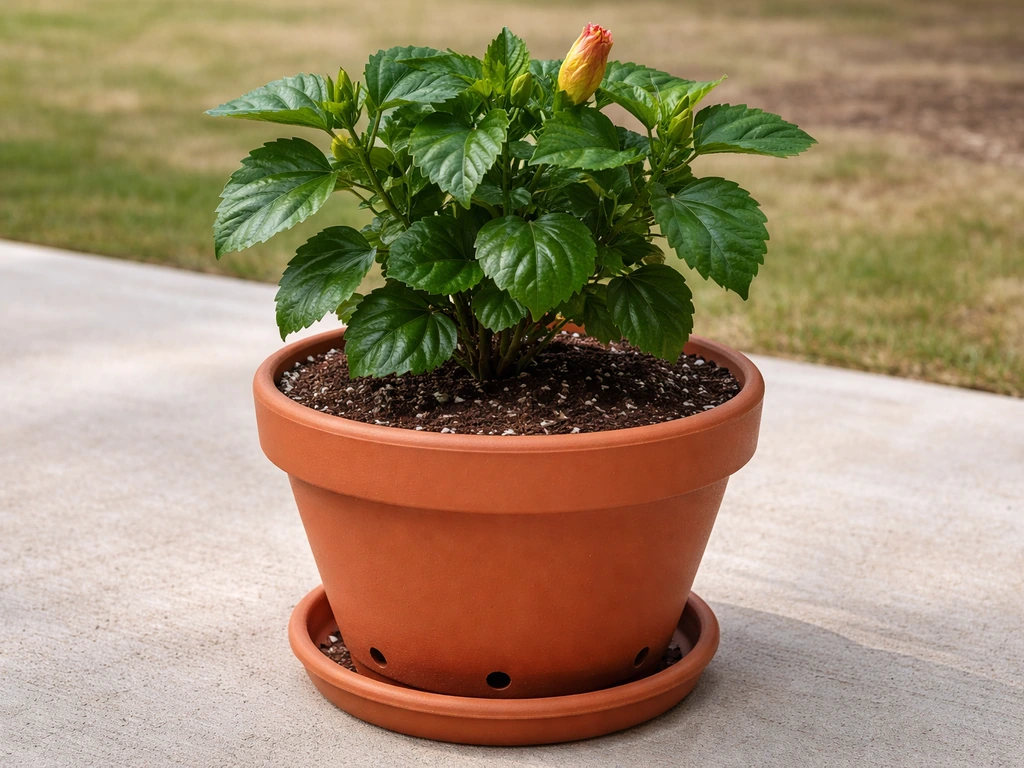
If you're in zone 8 or colder and want tropical hibiscus, containers are your friend. Use at least a 10- to 15-gallon pot for a mature plant, with drainage holes you can actually see water come through. Terra cotta breathes well but dries fast; glazed ceramic or resin holds moisture longer. For everything else, in-ground planting produces stronger root systems and less maintenance overall. Hardy hibiscus in containers can work but you'll need very consistent watering, since the plant is large and drinks heavily. Growing hibiscus at home covers the container approach in more detail if that's your primary setup.
Soil, water, and fertilizer
Getting the soil right
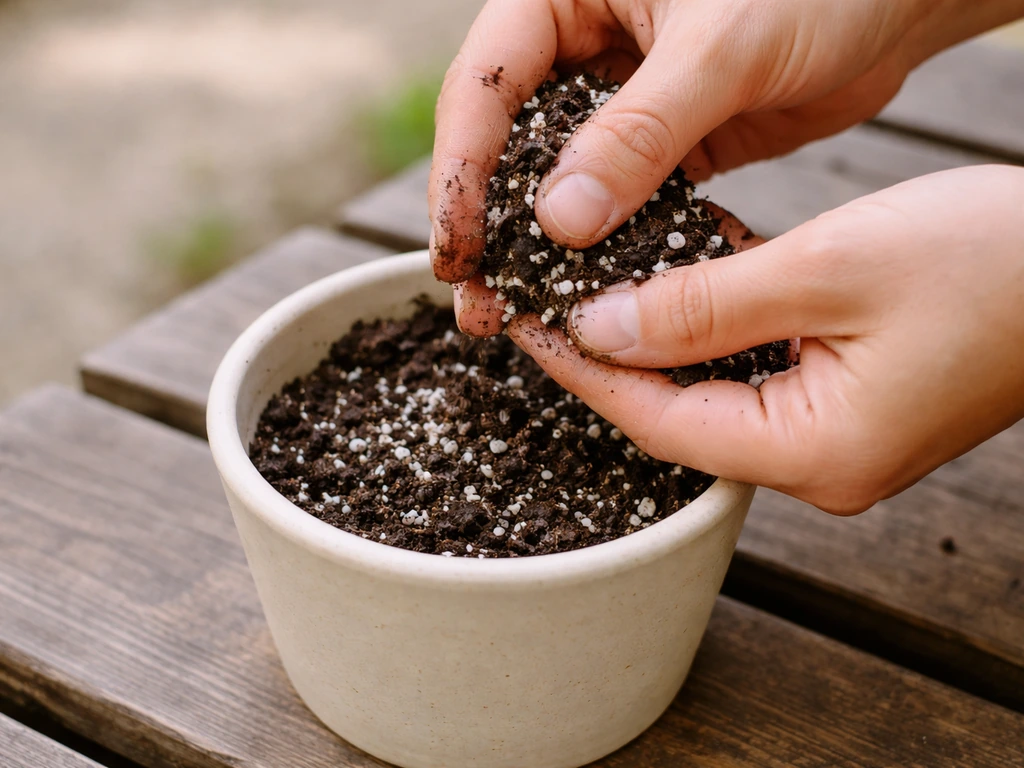
Hibiscus wants well-draining, slightly acidic soil. Target a pH between 6.0 and 7.0, with 6.5 being close to ideal for most types. Heavy clay that stays wet will rot roots fast. If your soil is clay-heavy, either raise your beds 8 to 12 inches or amend generously with compost and perlite before planting. Sandy soil drains too fast and doesn't hold nutrients; fix it with compost and a layer of mulch to retain moisture. When planting in-ground, dig a hole twice as wide as the root ball and only as deep, then backfill with the existing soil mixed with compost. Avoid burying the crown too deep.
Watering without overdoing it
Tropical hibiscus likes consistently moist but never waterlogged soil. During the active growing season, that usually means watering every 2 to 3 days for container plants, and once or twice a week for in-ground plants depending on rainfall and heat. Stick your finger 2 inches into the soil; if it's dry, water deeply. Hardy hibiscus is somewhat more drought-tolerant once established but still wants regular moisture during bud formation and flowering. Rose of Sharon is the most drought-tolerant of the group and can go longer between waterings once its roots are settled.
Here's what fails and why: most people kill hibiscus with overwatering, not underwatering. Yellow leaves that drop steadily, mushy stems at the base, and a plant that looks wilted even though the soil is wet are all signs of root rot from poor drainage or too much water. If you see these, pull back on watering immediately and check that your drainage is actually working.
Feeding for maximum blooms
Hibiscus is a heavy feeder compared to most ornamentals. For tropical hibiscus, a balanced fertilizer with a slightly higher potassium number, something like a 10-10-20 or a fertilizer labeled for hibiscus and tropicals, supports strong bloom production. Apply every 2 to 4 weeks during the growing season. For hardy hibiscus, a balanced slow-release granular fertilizer applied in spring when growth starts, then again in midsummer, is usually enough. Rose of Sharon doesn't need heavy feeding; a single spring application of balanced fertilizer is plenty.
About Miracle-Gro: it works as a general fertilizer and won't hurt your plant, but it's not optimized for hibiscus. A high-nitrogen formula will push lots of leaves at the expense of flowers. If blooms are your goal, look for something with higher phosphorus (the middle number) and potassium (the last number) relative to nitrogen. Also, don't fertilize a stressed or newly repotted plant; wait until it shows active new growth.
How to propagate hibiscus
You have three main options for propagating hibiscus: cuttings, seeds, and (less commonly) layering. Each method has trade-offs depending on what you're working with.
Cuttings (the most reliable method)
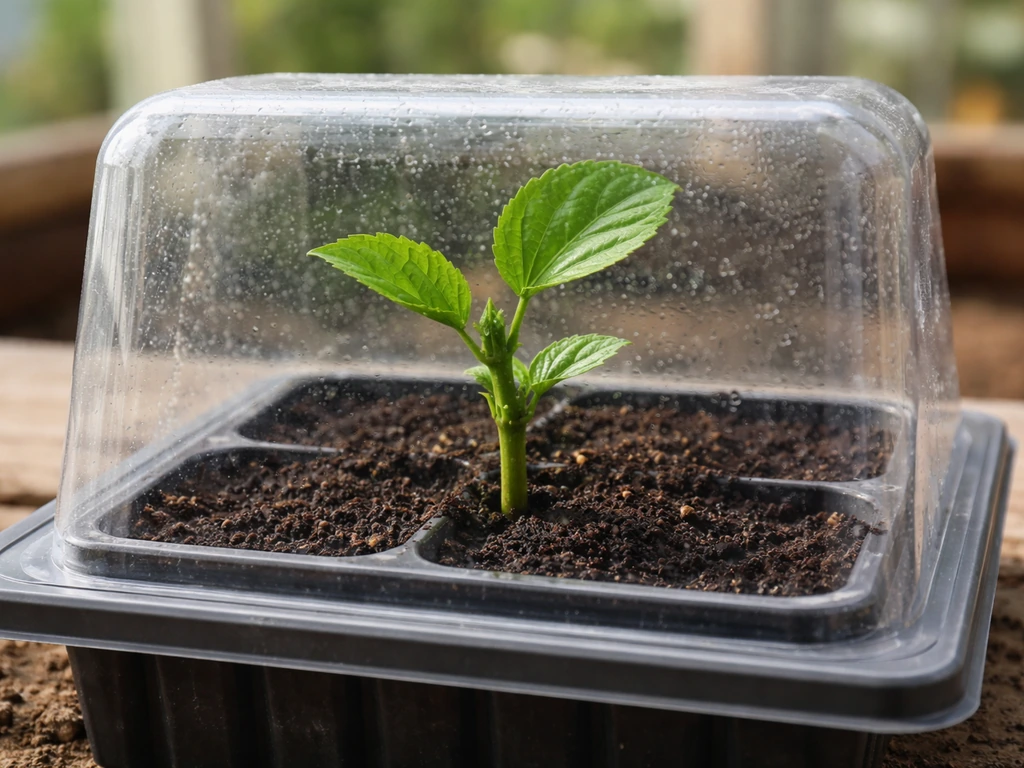
Cuttings are the go-to for tropical hibiscus and most hybrids, and they're what I'd recommend to almost any home gardener. You'll get a plant genetically identical to the parent, and it will flower much faster than a seed-grown plant. Take a 4- to 6-inch stem cutting from healthy, non-flowering growth in late spring or early summer.
Remove leaves from the lower half, dip the cut end in rooting hormone powder, and stick it into a pot filled with a mix of perlite and peat or a dedicated rooting medium. The key detail from UF/IFAS research: aim for a soil temperature of around 70°F for best rooting results. A seedling heat mat works well if you're doing this indoors.
Keep the medium moist but not soggy, cover the cutting loosely with a clear plastic bag or dome to retain humidity, and place it in bright indirect light. Roots usually develop in 4 to 8 weeks. Once you see new leaf growth, you can start treating it as a normal plant.
Growing from seed
Starting hibiscus from seed is slower but satisfying, and it's the right approach for species like Hibiscus sabdariffa (roselle) and hardy hibiscus when you want to grow in bulk. Collect seeds from a mature, dried seed pod after the petals drop, which is what people often mean by "growing a hibiscus plant from flower.
" Scarify the seeds lightly with sandpaper or nick the outer coat with a knife, then soak them in warm water for 8 to 12 hours before planting. Sow them a quarter inch deep in a seed-starting mix, keep the soil at 70 to 75°F, and expect germination in 1 to 3 weeks. Hybrid seeds won't come true to the parent plant, so if you want an exact copy of a specific cultivar, use cuttings instead.
Layering
Air layering works well for larger tropical hibiscus plants when you want to propagate a thick-stemmed branch without cutting it off first. Wound a healthy stem, pack damp sphagnum moss around the wound, wrap it tightly in plastic wrap, and wait 4 to 6 weeks for roots to form. Then cut the branch below the roots and pot it up. It's a slower process but gives you a larger, more established plant than a small cutting would.
Pruning and shaping: bush, tree, and hybrid forms
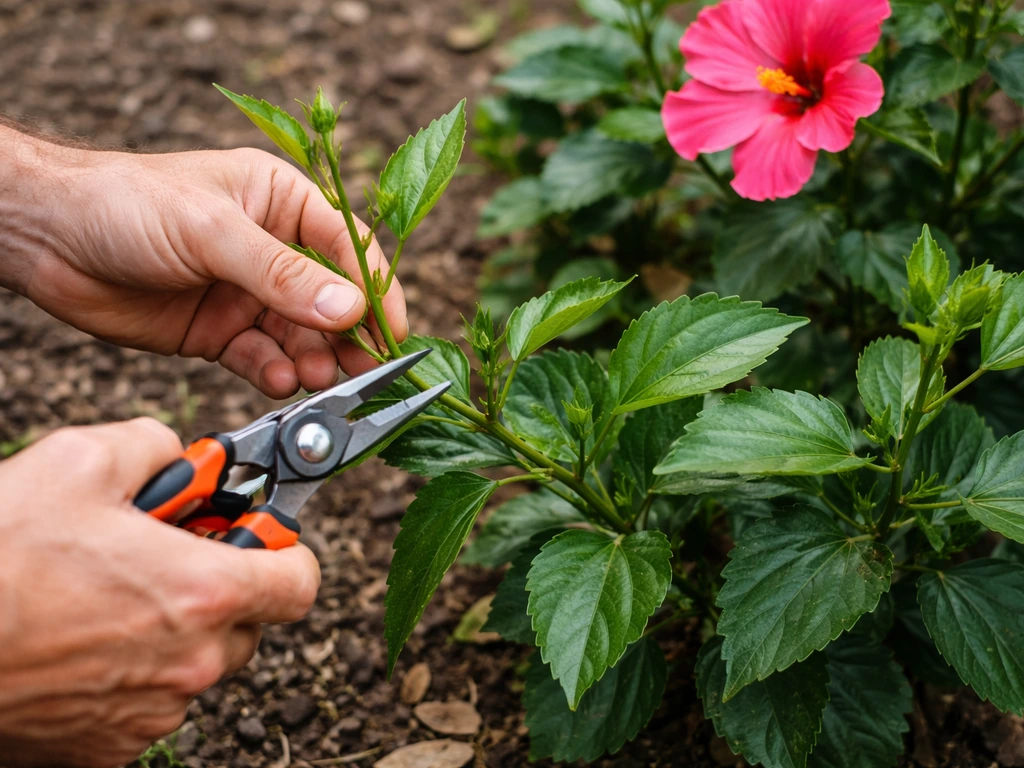
Pruning is where a lot of people hesitate, but hibiscus responds really well to it. The goal depends on the form you're going for.
Bush form
For a full, bushy tropical or hardy hibiscus, pinch growing tips back when the plant is young and still establishing. This encourages branching and creates a wider, denser plant. Once established, cut branches back by about one-third in early spring before new growth appears. Purdue Arboretum notes that Hibiscus syriacus (rose-of-sharon) flowers are borne on new growth, so heavier spring pruning helps enhance flowering later in the summer [cut branches back by about one-third in early spring](https://www.
arboretum. purdue. edu/explorer/plant_genus/hibiscus-rose-of-sharon-rose-of-sharon/). Avoid removing more than a third of the plant at once unless you're doing a hard rejuvenation prune on a very old, woody plant.
Deadheading (removing spent blooms) isn't strictly necessary on most hibiscus since flowers drop on their own, but removing them keeps the plant looking tidy and can slightly encourage more buds.
Tree form
Training hibiscus into a tree (also called a standard) means selecting one strong central stem, staking it as it grows, and removing all side shoots from the lower portion of the trunk. Once the trunk reaches your target height (typically 3 to 4 feet), allow the top to branch and form a canopy. Prune the canopy lightly each spring to keep the shape balanced. Rose of Sharon responds especially well to tree training and makes a striking single-stem specimen plant.
Hardy hibiscus and hybrids
Hardy hibiscus dies back to the ground in fall. You can cut the stems down to a few inches above the soil in late fall or leave them to cut back in early spring, whichever works for your schedule. Don't be alarmed by how late it breaks dormancy in spring. Wait until you see green growth before doing any pruning. For hybrid varieties with more complex branching, the same rules apply: cut back by a third in spring, encourage outward-facing growth, and remove any dead or crossing branches. Yellow hibiscus varieties often have a slightly more open, arching growth habit and benefit from light shaping to keep them tidy.
Seasonal care and getting through winter
Tropical hibiscus in cold climates
Tropical hibiscus cannot survive frost. Period. Once outdoor temperatures start dropping toward 50°F at night, it's time to think about bringing container plants inside. Before you bring them in, inspect them carefully for pests (more on that in the next section) because you don't want to introduce spider mites or aphids to your indoor space. Cut the plant back by about a third to reduce its size and stress, and reduce watering significantly since the plant will slow down in lower indoor light. A south-facing window is ideal; a grow light helps if your windows are limited. Don't fertilize during winter dormancy. Resume normal watering and fertilizing when you move the plant back outside in spring.
Hardy hibiscus and rose of Sharon through winter
Hardy hibiscus (zones 4 to 9) doesn't need any special treatment to survive winter. After frost kills the top growth, cut it back or let it stand and cut back in spring. Mulch over the crown with 2 to 3 inches of shredded bark or straw if you're in zone 4 or 5 for extra root protection. That's genuinely all it needs. Rose of Sharon (Hibiscus syriacus) is even more self-sufficient; it's quite cold-hardy and rarely needs any winter protection within its zone range. It's worth noting that rose of Sharon can self-seed aggressively, so deadheading before seeds mature is a good habit if you don't want seedlings coming up everywhere the following spring.
Spring wake-up
Spring is when you set the season up for success. As soon as you see active new growth, resume regular watering and start your fertilizer program. Do your pruning at this stage, before the plant gets too far along. Repot container plants that have become root-bound, moving up one pot size at a time. If you're a hummingbird gardener, it's worth knowing that growing plants that attract hummingbirds pairs naturally with hibiscus, since the tubular flowers are a reliable hummingbird draw throughout the season.
Fixing common problems
Yellow leaves
Yellow leaves are the most common complaint with hibiscus and have several possible causes. Overwatering is the top culprit: if the yellowing starts on lower leaves and the soil is consistently wet, back off on water and check drainage. Nutrient deficiency (especially iron or magnesium) causes yellowing too, often with the veins staying green while the leaf tissue turns yellow, a pattern called chlorosis.
In that case, a dose of chelated iron or Epsom salt solution can help, but first check your soil pH. Soil above 7. 0 locks out iron even when it's present. [Cold stress causes sudden yellowing and leaf drop in tropical hibiscus](https://extension.
umn. edu/houseplants/hibiscus); if the temperature drops below 55°F, you'll often see this. Finally, natural aging drops older leaves from the interior of the plant; if the yellow leaves are on the oldest, innermost growth and everything else looks fine, that's normal.
Pests
Tropical hibiscus attracts a specific set of pests. Spider mites are the most common, especially on indoor plants or in hot, dry conditions. You'll see fine webbing on the undersides of leaves and a stippled, dull look to the foliage. A strong blast of water knocks them back; insecticidal soap or neem oil applied to the undersides of leaves handles a heavier infestation. Aphids cluster on new growth and bud tips; again, water and insecticidal soap work well. Whiteflies are a persistent problem on tropical hibiscus indoors, and yellow sticky traps help monitor their population. Hibiscus sawfly larvae (small caterpillars that skeletonize leaves) show up occasionally on hardy hibiscus; handpick them or use BT (Bacillus thuringiensis) spray.
Bloom problems
If your hibiscus is growing vigorously but not blooming, the most likely cause is too much nitrogen in the fertilizer. High nitrogen pushes leafy green growth at the expense of flowers. Switch to a lower-nitrogen, higher-phosphorus and potassium formula. Insufficient light is the second most common cause; even one or two fewer hours of sun per day can noticeably reduce flowering. Bud drop, where buds form then fall off before opening, is often triggered by stress: sudden temperature changes, inconsistent watering, being moved, or spider mite damage. Stabilize the plant's environment and the buds should hold. If you're curious about specific cultivar performance, some unique hibiscus varieties are bred specifically for prolific blooming even in lower-light conditions.
Tropical vs. hardy hibiscus: a quick side-by-side
| Feature | Tropical Hibiscus (H. rosa-sinensis) | Hardy Hibiscus (H. moscheutos) | Rose of Sharon (H. syriacus) |
|---|---|---|---|
| USDA Hardiness Zones | 9–11 (container elsewhere) | 4–9 | 5–9 |
| Flower size | 3–6 inches (hybrids up to 8+) | 8–12 inches | 2–4 inches |
| Bloom season | Year-round (warm climates) | Midsummer to fall | Late summer to fall |
| Winter behavior | Evergreen, frost-sensitive | Dies back to ground | Deciduous shrub |
| Drought tolerance | Low to moderate | Moderate once established | High once established |
| Best for containers | Yes, ideal | Possible but challenging | Not recommended |
| Propagation ease | Easy by cuttings | Easy by seed or cuttings | Easy from cuttings or seed |
Your next steps to a blooming hibiscus
Here's how to put all of this into action right now. Work through this checklist and you'll be set up for a successful season.
- Identify which hibiscus type you have or want: tropical, hardy, rose of Sharon, or another species. This determines every care decision that follows.
- Check your USDA hardiness zone and decide: in-ground permanent planting or container with seasonal overwintering.
- Choose a site with at least 6 to 8 hours of direct sun and some wind protection.
- Amend your soil to a pH of 6.0 to 7.0 and ensure drainage is excellent before planting.
- Plant at the right time: after last frost for all types, in spring for best establishment.
- Set up a watering routine based on your soil and climate. Check soil moisture regularly, don't water on a fixed schedule regardless of conditions.
- Start a fertilizing program with a balanced or bloom-boosting formula as soon as active growth appears. Skip high-nitrogen products.
- Prune in early spring before growth gets going, shaping for bush or tree form as desired.
- Monitor for pests, especially spider mites, throughout the season. Catch them early.
- Plan for overwintering: if you have tropical hibiscus in a cold climate, have your indoor space ready before the first fall frost.
Hibiscus rewards attentive gardeners. Give it the sun it needs, feed it consistently, don't drown it, and prune it with confidence. The blooms you get in return are genuinely hard to match for drama and color. Start with one plant, get comfortable with its rhythms, and you'll likely find yourself adding more types every year.
FAQ
How can I tell if my hibiscus is tropical or hardy when the plant tag is unclear?
Check whether it is described as Hibiscus rosa-sinensis (tropical, year-round) or Hibiscus moscheutos and hybrids (hardy, dies back). If you see guidance about indoor overwintering and frost sensitivity, it is almost certainly tropical. If the instructions emphasize planting after spring frost and it returning from the ground each year, it is likely hardy or rose of Sharon.
My hibiscus is in a container, how often should I water without overdoing it?
Water based on depth, not a schedule. Stick a finger about 2 inches into the pot, if it is dry at that depth water deeply until excess drains out. In hot weather that can be every few days, while in cooler indoor conditions it may be much less. Always empty the saucer under the pot to avoid root rot.
Should I remove yellow leaves and fallen buds to prevent problems?
Yes, tidy removal helps, but focus on the cause. Remove dropped buds and yellowing leaves to reduce the buildup of pests or fungal issues in damp conditions. If yellowing is paired with consistently wet soil, drainage or watering is the priority, not pruning.
Why does my hibiscus get lots of leaves but no blooms, even though I fertilize?
Most often the fertilizer is too nitrogen-heavy or the plant is getting less than full sun. Switch to a bloom-support formula with relatively higher phosphorus and potassium, and verify you are getting at least 6 to 8 hours of direct light. Also avoid feeding a stressed, recently repotted, or cold-stalled plant until you see active new growth.
What’s the best way to prevent root rot if my soil stays wet after rain?
Improve drainage before planting. In-ground, raise the bed if you have heavy clay, and mix in compost plus perlite to lighten and speed drainage. Avoid planting too deep and keep the crown at the correct height. If you see mushy stems or steady leaf drop while soil stays wet, pull back watering immediately and confirm water can move freely through the root zone.
My hardy hibiscus looks dead in spring, when should I do anything?
Wait until you see green growth before pruning. Hardy hibiscus can stay dormant until late May or early June in some regions, so it may be alive but not yet sprouting. Only trim away truly dead, brittle wood once growth has clearly started.
How do I prune tropical hibiscus that gets leggy during winter indoors?
Once new growth resumes in spring, prune back early, but do it gradually if the plant is weak. Lightly shorten long stems and pinch tips to trigger branching. Avoid heavy pruning right before bringing it indoors or while it is resting under lower light, since it can delay recovery and reduce blooms.
Can I grow hibiscus from seed and still get the exact same flowers?
Usually no for hybrids. Seed-grown plants often vary from the parent cultivar. If you want the same color and flower size reliably, use cuttings. Seed is best for species types or when you are okay with new variations.
When propagating cuttings, what’s the most common mistake that prevents rooting?
Overwatering the rooting medium or letting it stay soggy. Keep the mix lightly moist, not wet, and maintain warm rooting conditions near 70°F. Bright indirect light is best, and covering the cutting should retain humidity without sealing so tightly that it smothers or stays constantly saturated.
How do I overwinter tropical hibiscus indoors without shocking it?
Bring it in before nights drop to around 50°F, then reduce watering and do not fertilize during the low-light period. Inspect for pests first, because spider mites and aphids often flare indoors. Place it in the brightest spot you have, a south-facing window is ideal, and resume feeding and fuller watering once you move it outside in spring.
My hibiscus buds form and then drop, what should I change first?
Stabilize the environment. Bud drop is commonly linked to sudden temperature swings, inconsistent watering, or pest stress such as spider mites. Keep the watering steady and avoid moving the plant repeatedly. If it is indoors, watch for cold drafts near windows and try to keep nighttime temperatures from dropping sharply.
How do I manage yellowing leaves when it’s not from overwatering?
Look for the pattern and check pH. If veins stay green while the rest turns yellow, suspect chlorosis and confirm soil pH, iron often becomes unavailable when pH is above 7.0. Cold drops below about 55°F in tropical hibiscus can also cause sudden yellowing and leaf drop. If yellowing is only on older interior leaves, it may simply be normal aging.