
Fuchsias are not difficult to grow once you understand what they actually want: cool roots, dappled light, consistent moisture, and regular feeding. Get those four things right and you'll have cascading blooms from late spring right through autumn. Miss them and you'll get wilting, few flowers, or a plant that sulks and drops its buds. This guide walks you through every stage, from choosing the right type to keeping them alive over winter.
How to Grow Fuchsias: Step-by-Step Care, Propagation

Marcus Holloway
23 Apr 2026
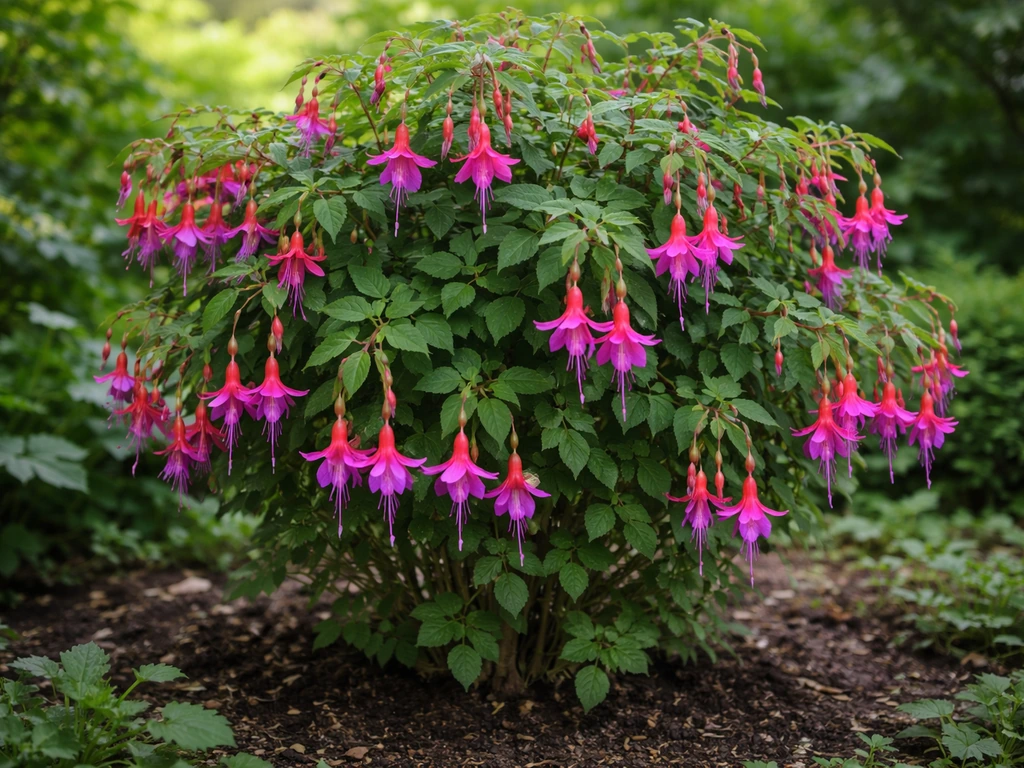
Climbing fuchsia has its own training and support needs, so the right structure and pruning approach make a big difference. If you also want a hardy plant for similar climates, see our guide on how to grow Chicago hardy fig. If you want more hardy options for cool climates alongside your hardy fuchsia, you may also like our guide on how to grow Chicago hardy fig.
If you want more specific advice, our guide on how to grow fuchsia plants covers every step from choosing the right variety to keeping them blooming.
Pick the right fuchsia type and growing setup
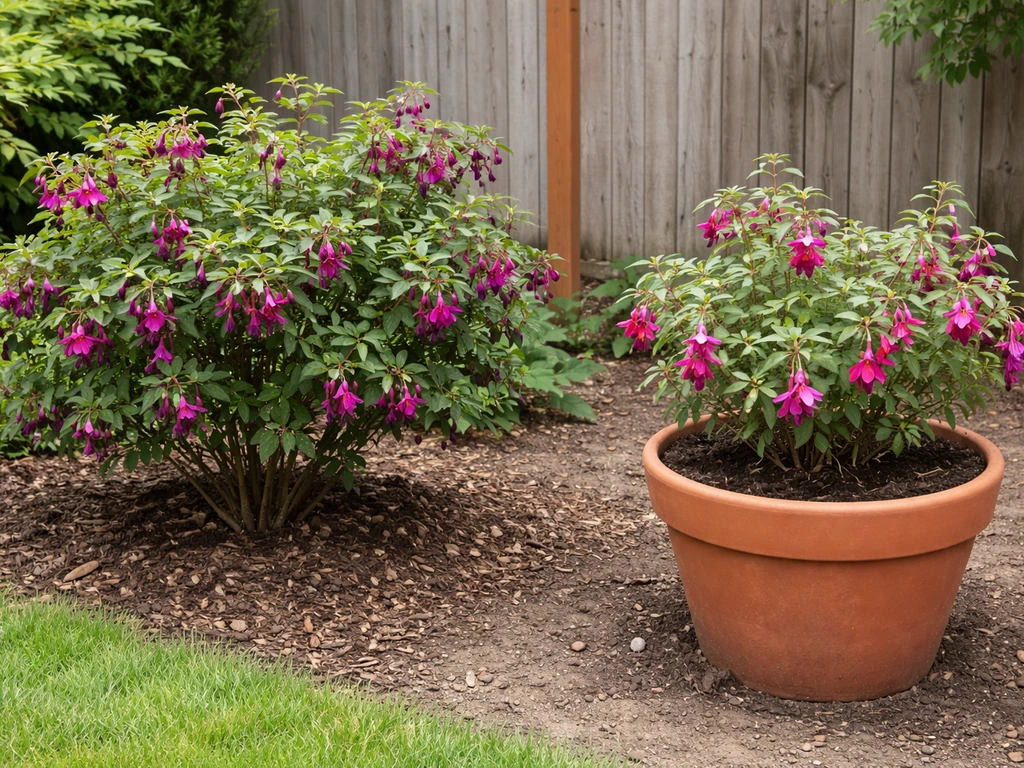
The first decision that will shape everything else is whether you're growing a hardy fuchsia or a half-hardy one, and whether you're planting in the ground or in containers. These aren't interchangeable choices, and mixing them up is the most common reason people end up with disappointing results.
Hardy fuchsias, like Fuchsia magellanica and its relatives, can live permanently in a border. In mild areas they behave like shrubs, building a woody framework year after year. In colder regions they may be killed right back to the ground in winter, but if you plant the crown about 5 cm below the soil surface and mulch it deeply, new shoots push up again in spring. The RHS even notes that tall hardy types can be used as informal hedges, which gives you a sense of how vigorous they can get in the right spot.
Half-hardy and tender fuchsias, the ones you typically see tumbling out of hanging baskets and patio containers, are a different beast. They give the most spectacular flower displays, including the big double-flowered varieties, but they cannot survive frost. You grow them as seasonal plants in most of the UK and much of the US, bringing them indoors or into a frost-free greenhouse before the first freeze. If you're after trailing varieties for baskets, that's a distinct group worth looking into separately.
For growing setup, pots give you flexibility: you can move them to shelter, rotate them for even light, and bring them indoors easily. In-ground planting suits hardy types and gives you a lower-maintenance long-term shrub. If you want a trained standard fuchsia, which is grown as a single upright stem with a rounded flowering head, that's a specific training project that takes a couple of seasons but is very achievable. If you want a standard training project, focus on creating and supporting one upright stem before shaping the rounded flowering head trained standard fuchsia.
| Type | Hardiness | Best Setup | Overwintering |
|---|---|---|---|
| Hardy fuchsia (e.g., F. magellanica) | Frost-hardy, borderline in very cold zones | In-ground border or large container | Mulch heavily; may die back but regrows |
| Half-hardy / tender fuchsia | No frost tolerance | Containers, hanging baskets | Bring indoors before first frost |
| Standard fuchsia | Depends on parent variety | Container (for mobility) | Store in frost-free place |
| Trailing fuchsia | Usually half-hardy | Hanging baskets, window boxes | Bring indoors or take cuttings to overwinter |
Sunlight and temperature: getting the conditions right
Fuchsias do not love full sun, and this surprises a lot of people who assume flowering plants need as much light as possible. They originate from cool, shaded forest edges in Central and South America, and those roots show. The sweet spot is bright indirect light or partial shade: morning sun with afternoon shade is ideal, especially in warmer climates. A north- or east-facing spot that gets a few hours of gentle sun often works better than a south-facing wall in full blast.
Heat is the bigger enemy than shade. Once temperatures climb above about 27°C (80°F) consistently, fuchsias slow down their flowering and start to look miserable. If you're gardening in a hot summer climate, shade cloth in the afternoon and extra watering will help, but there are limits. In the UK, where summers are cooler, fuchsias genuinely thrive outdoors in summer, which is why they're so beloved in British gardens.
Wind is also worth thinking about. The pendulous flowers are surprisingly fragile, and strong winds physically knock them off. The RHS and BBC Gardeners' World both flag this, particularly for large-flowered varieties and standards. A sheltered spot against a fence or wall, or between taller plants, makes a real difference to how long each flush of flowers lasts.
Soil, drainage, and planting timing
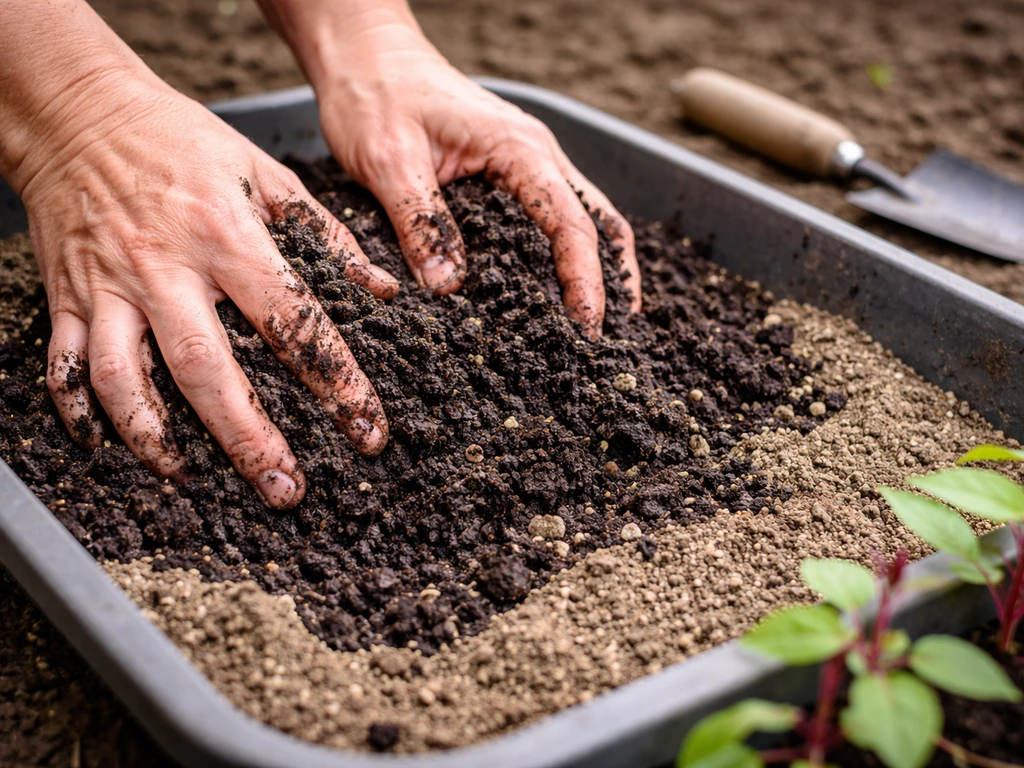
Fuchsias want fertile, moisture-retentive soil that still drains freely. The classic description from BBC Gardeners' World for Fuchsia magellanica is 'fertile, moist but well-drained,' and that holds for most types. Waterlogged roots are one of the fastest ways to kill a fuchsia, but equally they hate drying out completely. Rich, humus-heavy soil that holds some moisture without sitting wet is what you're aiming for.
For in-ground planting, dig in plenty of well-rotted compost or leaf mould before planting. Fuchsias prefer a slightly acidic to neutral pH, roughly 6.0 to 7.0. Plant hardy types with the crown about 5 cm below the soil surface so the base is protected if shoots are killed by frost. After planting, mulch around the base with bark, compost, or leaf mould to keep the roots cool and moist through summer, and to insulate them in winter.
For containers, the compost you choose matters a lot. The RHS recommends a loam-based mix like John Innes No. 2, or a good peat-free multi-purpose compost. The American Fuchsia Society describes the ideal container mix as 'good, light, friable, and rich in humus,' moist but not wet, with root aeration a priority. Avoid dense, compacted mixes that hold too much water around the roots. Containers should always have drainage holes, and I'd add a layer of crocks or gravel at the bottom if you're using a pot without great drainage.
Planting timing depends on your type. Hardy fuchsias can go in the ground from mid-spring once the risk of hard frost has passed. Half-hardy and tender types in containers should only go outdoors after your last frost date. In the UK that's typically from late May into early June. Don't rush it: one hard frost after you've put them out sets them back weeks.
Watering and fertilizing for nonstop blooms
Consistent watering is probably the single biggest factor in keeping fuchsias flowering through the season. Container-grown plants dry out fast in warm weather, and once they wilt from drought stress the flower buds drop, and you won't get them back on those stems. In hot summer weather, pots may need watering every day, sometimes twice if they're in a sunny spot. For in-ground plants, water deeply and regularly until they're established, then rely on rainfall with supplemental watering during dry spells.
The key is to check before you water rather than following a rigid schedule. Stick your finger into the compost: if the top centimetre or two feels dry, water thoroughly until it runs from the drainage holes. If it still feels damp, leave it. Overwatering kills fuchsias just as surely as underwatering, and it's actually more common because people see wilting and assume the plant needs more water, when in fact waterlogged roots cause wilting too.
For feeding, fuchsias are hungry plants and they need regular fertilizing to keep producing flowers rather than just foliage. Use a high-potassium liquid feed, a tomato fertilizer works perfectly, every seven to fourteen days during the growing season from late spring to early autumn. High-potassium feeds encourage flowering rather than leafy growth. In the early season you can use a balanced fertilizer with slightly more nitrogen to get the plants established, then switch to the high-potassium formula once they're in flower. Stop feeding in late summer or early autumn as you start preparing for dormancy.
Propagation: growing from cuttings or seed
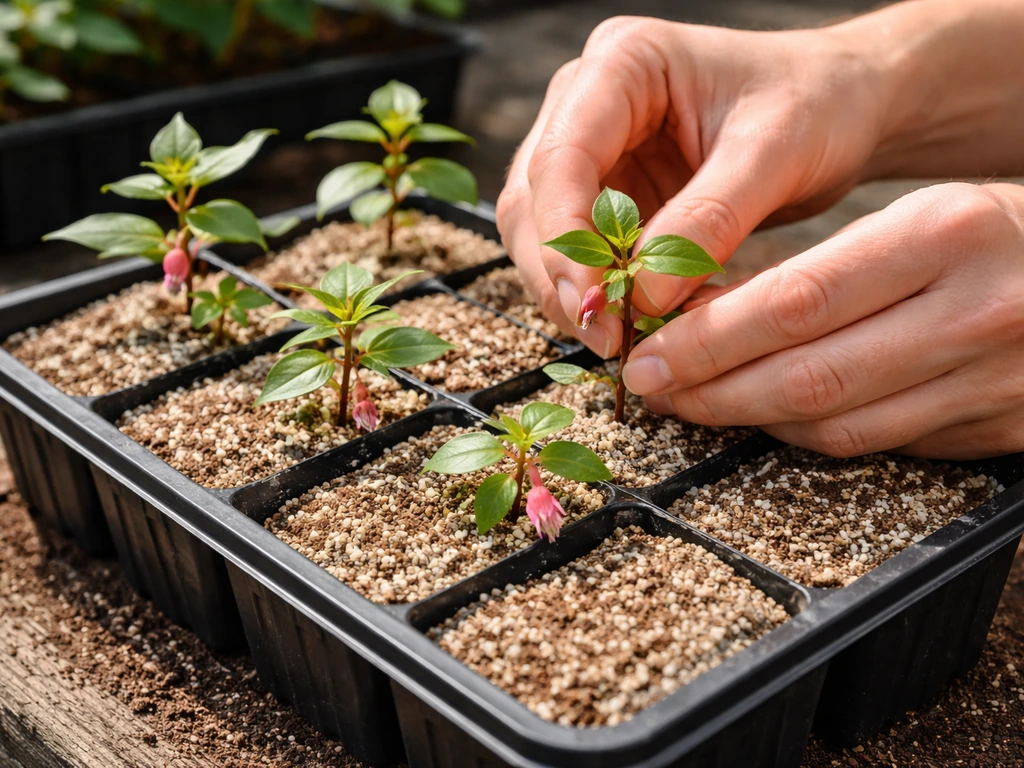
Cuttings are by far the easiest and most reliable way to propagate fuchsias, and it's genuinely satisfying once you've done it a few times. Take softwood cuttings in spring or early summer from healthy shoot tips, about 5 to 8 cm long with a couple of pairs of leaves. Remove the lower leaves, trim just below a node, and push the cutting into a small pot of moist cutting compost or a 50/50 mix of perlite and multi-purpose compost. Cover with a clear plastic bag or propagator lid to retain humidity, place in bright indirect light, and they'll root in two to four weeks. Once rooted, pot them on into a slightly larger pot and treat them as young plants.
You can also take semi-ripe cuttings in late summer or autumn as a way of overwintering half-hardy fuchsias cheaply. Root them the same way, keep them just frost-free over winter, and you'll have young plants ready to grow on in spring.
Growing fuchsias from seed is possible but slow and less predictable. Seeds need warmth, around 18 to 21°C, to germinate, and the resulting plants won't necessarily look like the parent (particularly with named hybrid varieties). For named cultivars, cuttings are always the better route. Seed is more useful if you're experimenting with species fuchsias or doing your own hybridizing. If you want guidance specific to hybrid varieties, see our article on how to grow a hybrid plant. If you want guidance specific to hybrid varieties, see our article on how to grow a hybrid plant.
Pruning, training, and seasonal care
The timing of pruning depends entirely on whether you're growing hardy or half-hardy types. For hardy fuchsias in the ground, BBC Gardeners' World recommends waiting until you can see new growth starting in spring before cutting back. That might be April or even May in colder areas. Pruning too early risks removing shoots that are still alive, and cutting too late delays flowering. Once you see green buds breaking, cut back to those shoots, removing any dead or frost-damaged wood.
For half-hardy container fuchsias that have been overwintered, cut them back hard in late winter or early spring, removing about half to two-thirds of last year's growth. This encourages fresh, vigorous shoots that will carry the season's flowers. BBC Gardeners' World advises pinching out the growing tips of young shoots two or three times in spring to create a bushy, branched plant. Each tip you remove results in two new shoots, so repeated pinching builds up a dense framework. Stop pinching by early summer so you don't keep removing flower buds.
Overwintering fuchsias
Hardy fuchsias in the ground need minimal intervention. Mulch the base generously in autumn (a good 10 to 15 cm layer of bark or compost), protect from cold drying winds if possible, and leave the old stems in place until spring as extra insulation. The RHS recommends planting with the crown 5 cm below the surface specifically to protect the growing point from frost.
For half-hardy container plants, you have two options. The first is to bring the whole plant indoors into a cool but frost-free space, a garage, unheated greenhouse, or cool spare room. Cut back lightly, reduce watering to barely enough to stop the compost from drying completely, and keep it dormant until spring. The second option, which I prefer if space is an issue, is to take cuttings in late summer and overwinter those as small plants instead, discarding the parent. Young rooted cuttings take up much less space and often grow away more vigorously in spring than tired old plants.
Troubleshooting fuchsia problems
No flowers or buds dropping
If your fuchsia is producing lots of leafy growth but no flowers, the most likely culprit is too much nitrogen. This happens when you use a general-purpose fertilizer or compost with a high nitrogen content, which pushes leafy growth at the expense of flowers. Switch to a high-potassium feed immediately. Too much shade can also reduce flowering, though fuchsias need more shade than most flowering plants, so outright darkness is the issue rather than partial shade. Bud drop, where buds form and then fall before opening, is almost always caused by irregular watering, a sudden temperature spike, or strong wind. Keeping conditions stable solves it.
Wilting
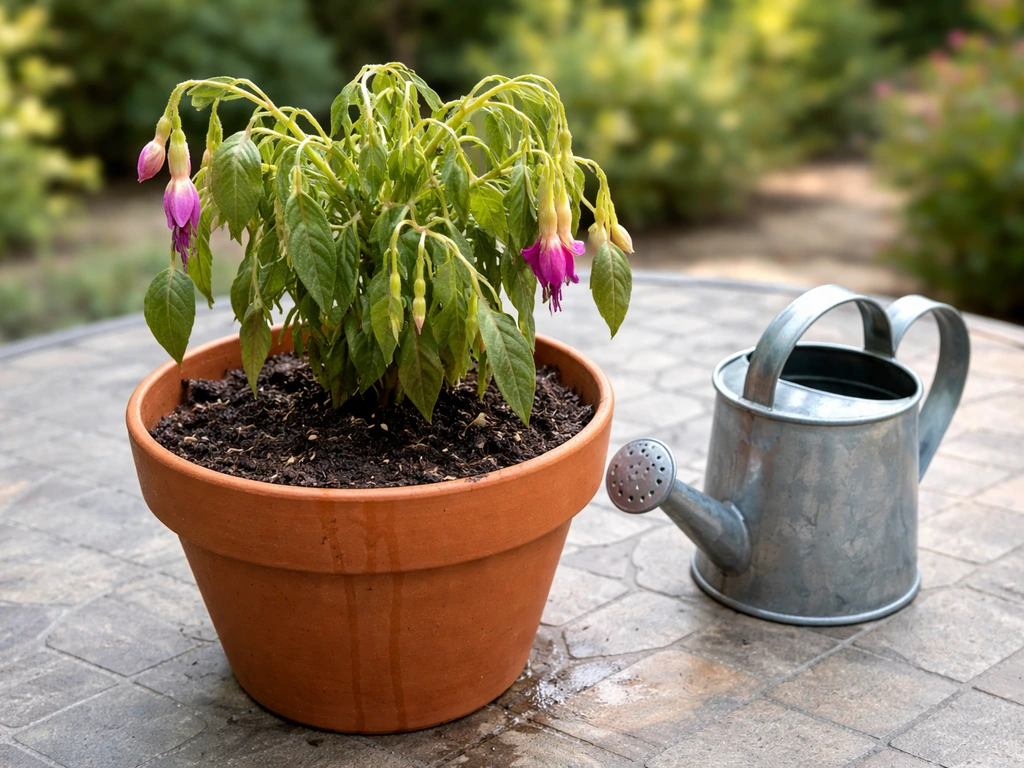
Wilting is the trickiest symptom because it has two opposite causes. If the compost is bone dry, the answer is obvious: water thoroughly. But if the compost is wet and the plant is wilting anyway, that's root rot from overwatering or poor drainage. Check by removing the plant from its pot: if the roots are brown and mushy, you have rot. Trim away the damaged roots, repot in fresh, well-draining compost, and ease off the water. Wilting in midday heat on a very hot day is sometimes just temporary heat stress and the plant will recover in the evening.
Pests and diseases
Vine weevil is the most damaging fuchsia pest, particularly for container plants. The adult beetles notch the leaf edges but cause minor damage; it's the larvae in the compost that kill plants by eating the roots. If your plant suddenly collapses despite good care, tip it out and look for the small, creamy-white grubs curled in the compost. Treat with nematodes (Steinernema kraussei) applied to the compost in late summer or early autumn when the soil is still warm enough for them to work. Repot in fresh compost and the plant often recovers.
Whitefly is the other classic fuchsia pest, especially under glass. They colonise the undersides of leaves and cause yellowing and a sticky residue. Yellow sticky traps, regular checks and removal of heavily infested leaves, and the introduction of the parasitic wasp Encarsia formosa in a greenhouse setting all help. Aphids occasionally target soft new growth in spring; a sharp blast of water or an insecticidal soap spray deals with them quickly.
Grey mould (Botrytis) is the most common disease problem, appearing as grey fuzzy patches on stems and leaves in humid, poorly ventilated conditions. Remove affected material immediately, improve airflow around the plant, and avoid watering over the foliage. Rust, which shows as orange pustules on the undersides of leaves, can also occur. Remove affected leaves, avoid overhead watering, and consider a copper-based fungicide if it persists. Both diseases are much more likely when plants are crowded and damp, so good spacing and airflow are your best prevention.
Leggy or straggly growth
Leggy fuchsias with long bare stems and few flowers are almost always caused by insufficient light or a failure to pinch out in spring. Move the plant to a brighter (but not full sun) position and cut back hard to encourage fresh bushy growth. Regular tip-pinching throughout late spring and early summer is the habit that keeps container fuchsias compact and flower-packed all season long.
FAQ
Can I grow fuchsias in full sun if I water a lot?
Usually not. Even with frequent watering, sustained high heat (around 27°C/80°F and above) suppresses flowering, and intense sun can scorch foliage. Aim for bright shade or morning sun with afternoon protection, and use shade cloth during the hottest part of the day in warm climates.
Why does my fuchsia have lots of leaves but no flowers?
The most common cause is excess nitrogen, often from general-purpose feeds or compost that’s too high in nitrogen. Switch to a high-potassium liquid feed as soon as you notice it, and avoid heavy extra nitrogen late in the season.
How do I stop bud drop when the weather changes?
Bud drop is often from instability, especially sudden heat spikes, irregular watering, or windy conditions. Keep compost moisture consistent, move plants away from drafts and exposed patios, and avoid relocating them frequently once buds are forming.
My fuchsia wilts even though the soil seems moist, what should I check first?
Check for root problems. If the compost is wet and the plant wilts anyway, tip it out and inspect roots for brown, mushy tissue (root rot). Trim damaged roots, repot in fresh free-draining compost, and reduce watering until the plant regains firm growth.
How can I tell whether my watering problem is overwatering or underwatering?
Use the “top layer” test plus pot weight. If the top 1 to 2 cm is dry, water thoroughly; if it’s still damp and the pot feels heavy, it’s likely overwatering or poor drainage. In containers, improving drainage and letting the pot lighten between waterings helps prevent both extremes.
What’s the best soil pH and how do I adjust it for ground planting?
Most fuchsias do best around slightly acidic to neutral (about pH 6.0 to 7.0). If your soil is very alkaline, mix in leaf mould and compost and consider using slightly acidic soil amendments over time rather than trying to “correct” pH quickly.
Should I prune hardy fuchsias right away in autumn or wait?
For hardy types in the ground, it’s generally better to leave old stems until spring. Cutting back too early removes winter protection, and new growth can be slowed if you hit the plant with cold and wind while it’s still exposed.
When should I repot a container fuchsia, and how do I know it needs it?
Repot when roots fill the pot (roots circling or coming out of drainage holes) or when the compost breaks down into a dense, water-retentive layer. Refreshing to a loam-based or friable peat-free mix improves aeration and reduces waterlogging risk.
How do I handle fuchsias if I forget to water for a few days?
If the plant has wilted from drought, water thoroughly and then allow the top compost layer to dry slightly before watering again. If it stays limp even after watering, check for root stress or rot by inspecting roots, especially in heavy or poorly draining compost.
What size pot should I use for fuchsia cuttings or young plants?
Use a pot only one size up after rooting. If the container is much larger than the root ball, compost stays wet longer, increasing the risk of root rot. Step up gradually as the plant establishes.
How do I prevent vine weevil in containers?
Watch for sudden collapse and check the compost for grubs by tipping the plant out. Apply nematodes in late summer or early autumn when temperatures are still warm enough for them to work, and consider using fresh compost during repotting rather than reusing infested mix.
What’s the difference between pinch-pruning for containers and pruning for overwintered plants?
Pinch-pruning (removing growing tips) builds a bushier framework during spring for container plants, and you stop early summer so flower buds can form. Overwintered half-hardy container plants are cut back hard in late winter or early spring to reset growth before the flowering season.
Why is my climbing fuchsia not flowering like it should?
Training affects flower placement. Use supports to guide growth and avoid letting vigorous shoots crowd and shade each other. Also keep feeding appropriate for flowering (high-potassium during bloom), and ensure the plant is not in deep shade where bud formation stalls.