
Fuchsias are not difficult to grow once you understand one core thing: they are cool-weather plants that hate baking in full sun. Give them partial shade, consistent moisture, regular feeding, and protection from frost, and you'll get those spectacular drooping blooms from late spring right through autumn. Whether you're growing a trailing fuchsia in a hanging basket, building a bushy fuchsia shrub in the ground, or training a standard fuchsia tree, the fundamentals are the same. This guide walks you through every step. If you want the full walkthrough from start to finish, follow these tips for how to grow fuchsias successfully.
How to Grow Fuchsia Plants Step by Step for Blooms

Marcus Holloway
24 Apr 2026
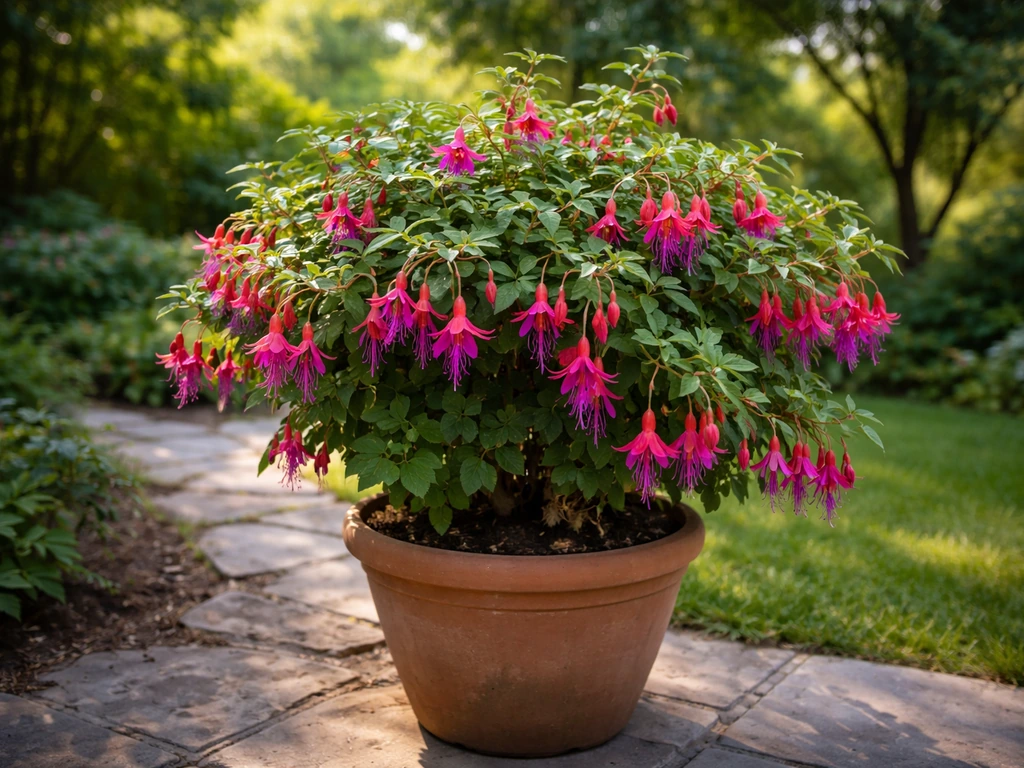
Choosing the Right Fuchsia Variety and Plant Type
The first decision that actually matters is whether you want a hardy fuchsia for the ground or a tender hybrid for containers. Getting this wrong means losing plants to winter cold or growing something that can never reach its potential in your setup.
Hardy fuchsias, led by Fuchsia magellanica, are the toughest of the group. The Old Farmer's Almanac lists it as hardy to USDA Zones 6 through 9, and WSU Extension confirms that with proper mulching and protection, F. magellanica and its hybrids can survive winters down to about 23°F (Zone 6). Canada's Plant Hardiness site places it in zones 8a to 9a, so if you're in the Pacific Northwest, much of the UK, or milder parts of the US, this is your go-to ground-planted fuchsia. In the right spot it dies back in winter and re-sprouts reliably from the roots, behaving like a perennial rather than an annual.
Tender hybrid fuchsias are where you get the biggest, most theatrical blooms. If you want the basics of cultivating a hybrid plant successfully, focus on choosing the right variety for your conditions and giving it consistent care Tender hybrid fuchsias. These are the plants you'll see loaded into hanging baskets and patio containers every spring. They cannot survive frost, so outside of Zones 9 and above, you either treat them as annuals or bring them indoors each autumn.
Trailing varieties are purpose-built for baskets and window boxes. Upright hybrids make excellent bushy container plants or can be trained into a standard fuchsia tree form (a separate skill worth exploring if you want a showstopper). If growing trailing fuchsias or standard forms is your goal, those techniques get quite specific and deserve dedicated attention beyond what a general guide can cover.
If you are interested in hybrid fuchsia how to grow specifics, plan on tailored care for the type you choose.
If you're a beginner, start with a proven hardy variety like 'Riccartonii' or 'Mrs Popple' in the ground, or pick up a labeled trailing or upright hybrid from a nursery for containers. Both are forgiving and widely available in April through May.
Best Planting Timing and Location
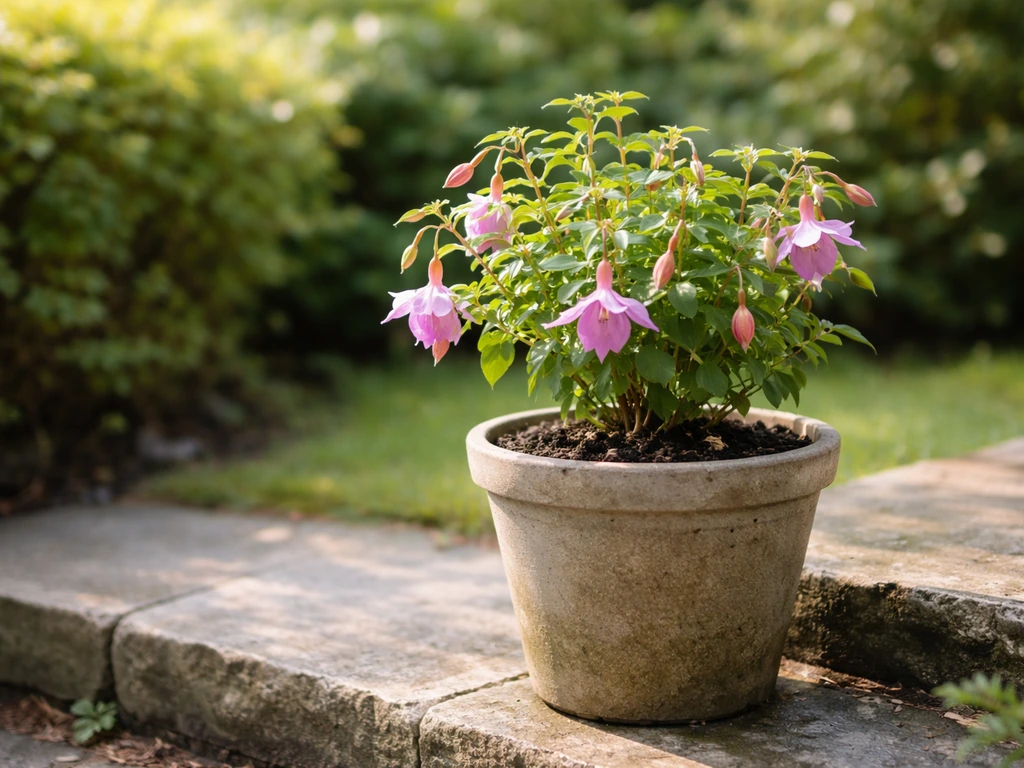
When to plant
For container fuchsias, the trigger is your last frost date. Plant up your baskets and pots after that date has reliably passed and nighttime temperatures stay above 45°F. In most of the UK, that's mid to late May. In the US, late April through May depending on your zone. Hardy fuchsias going into the ground can also be planted in spring once the soil has warmed, though in Zones 8 and 9 an autumn planting works well too. The RHS advises planting the stem base about 5 cm (2 inches) below the soil surface, which helps protect the crown from cold.
Where to put them
Fuchsias prefer cool, moist, partially shaded conditions. Morning sun with afternoon shade is genuinely ideal, not just a suggestion. In hotter climates, the Old Farmer's Almanac specifically recommends all-day shade in southern locations where afternoon heat is intense. Valley Nursery's culture notes back this up, calling for protection from hot afternoon sun and strong winds. I'd add from experience that fuchsias hanging on a west-facing wall in July look miserable by 4pm, even with regular watering. If you're in a warm region, treat shade as non-negotiable rather than optional.
For hardy fuchsias going into the ground, shelter from cold drying winds in winter matters just as much as summer shade. The RHS specifically flags wind protection as part of overwintering success. A spot near a wall or fence that buffers north and east winds can be the difference between a plant that survives Zone 7 and one that doesn't.
Soil and Potting Setup
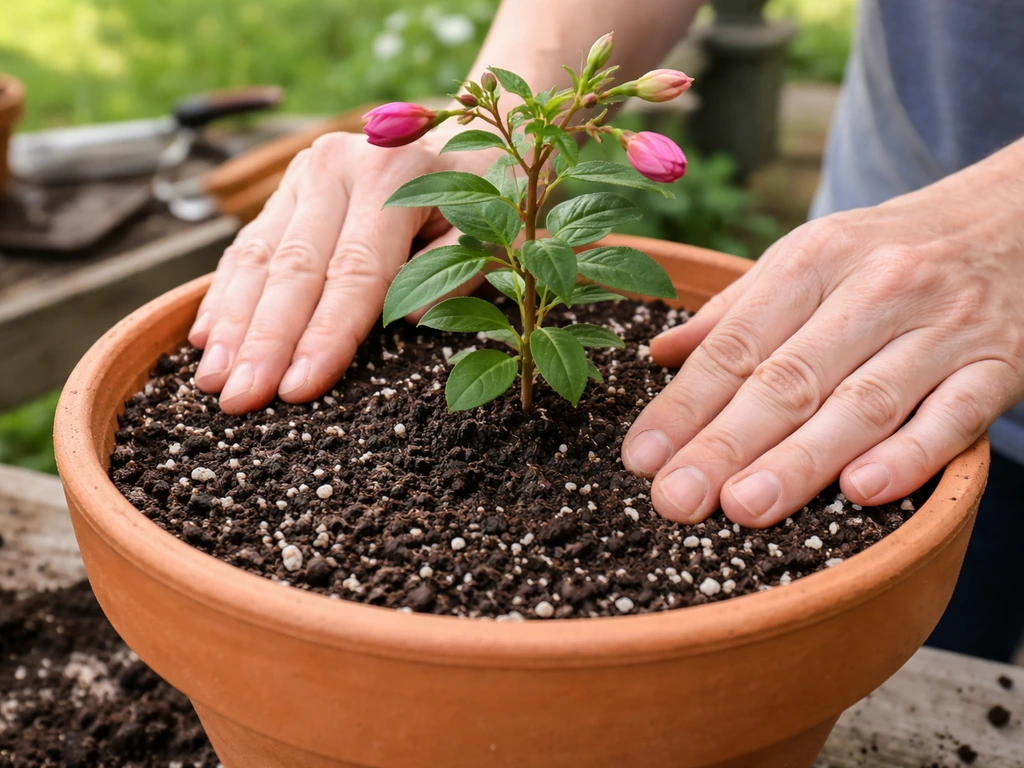
In-ground planting
BBC Gardeners' World recommends digging in plenty of well-rotted organic matter before planting and firming the plant in well before watering thoroughly. This improves both drainage and moisture retention, which sounds contradictory but isn't: you want soil that drains freely but holds enough moisture that the roots stay consistently damp. Heavy clay soils that waterlog in winter are a real problem for fuchsias, so if that's what you're working with, raise the bed or amend heavily with grit and compost.
Container and potting mix
For pots and baskets, WSU Extension advises using a potting mix that already contains fertilizer and adds an aeration component, specifically vermiculite or perlite. I use a standard peat-free multipurpose compost mixed with roughly 20 to 25% perlite and it works well. Drainage is the non-negotiable part: fuchsia roots sitting in soggy compost will rot, especially during the heat of summer when roots are already under stress. Make sure every container has proper drainage holes and that the saucers don't collect standing water.
Container size matters more than people think. A pot that's too small heats up fast in sun, which damages roots directly. A large, light-colored or insulated pot keeps root temperatures more stable and holds moisture longer between waterings, both of which fuchsias appreciate.
Watering and Fertilizing for Nonstop Blooms
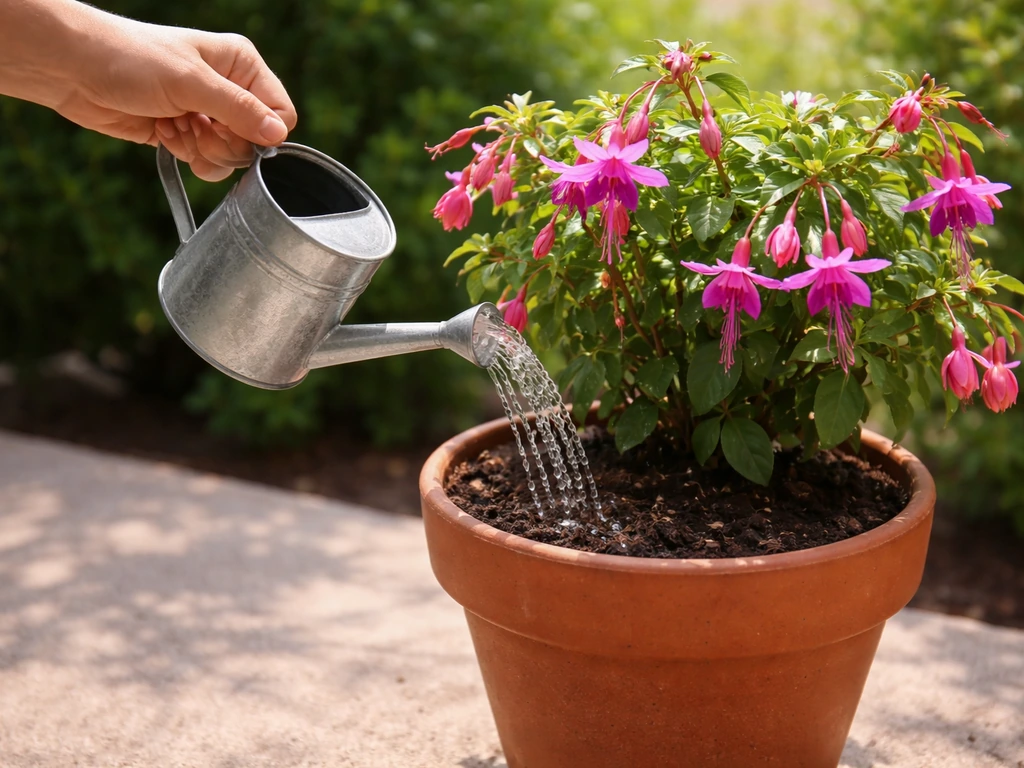
Getting watering right
The target is moist but not wet compost. The American Fuchsia Society puts it plainly: if the potting mix is already moist, skip the watering. Sticking your finger an inch into the compost tells you more than any schedule. In warm weather, hanging baskets may need watering once or even twice a day because they dry out fast and have limited compost volume. Ground-planted fuchsias in cooler, shaded spots need far less attention. Water at the base of the plant when possible, not over the foliage, to reduce disease risk.
The Old Farmer's Almanac advises watering thoroughly after planting so the entire root zone is moistened from the start. Don't just wet the surface and walk away. After that, let the top inch of compost guide your next watering rather than a rigid daily routine.
Feeding for flowering
Fuchsias are moderate to heavy feeders, especially in containers where nutrients wash out with each watering. For a related fruit-growing option, you can also learn how to grow Chicago hardy fig in similar sunny, well-drained conditions. Griffins' Fuchsia Culture recommends a constant-feed approach at around 200 ppm, rotating between different N-P-K formulations rather than using one fertilizer all season.
For most home gardeners, a simpler approach works well: WSU Extension cites an Oregon Fuchsia Society recommendation of 20-20-20 fertilizer at 1 tablespoon per gallon of water, applied regularly through the growing season. The American Fuchsia Society takes a programmatic view, treating fertilizing as a planned schedule rather than something you do when you remember. That attitude is worth adopting. If your fuchsia is blooming well, keep feeding on schedule.
If it stops, feeding is one of the first things to check.
Griffins also mentions foliar spraying at around 30 ppm (roughly 1 oz per gallon) to increase flower count, which is a technique experienced growers use during peak bloom season. It's an option if you want to push production, but consistent root feeding is the foundation. Don't bother with foliar feeding if you haven't nailed your base watering and fertilizing routine first.
Pruning and Shaping for a Healthy Fuchsia Bush
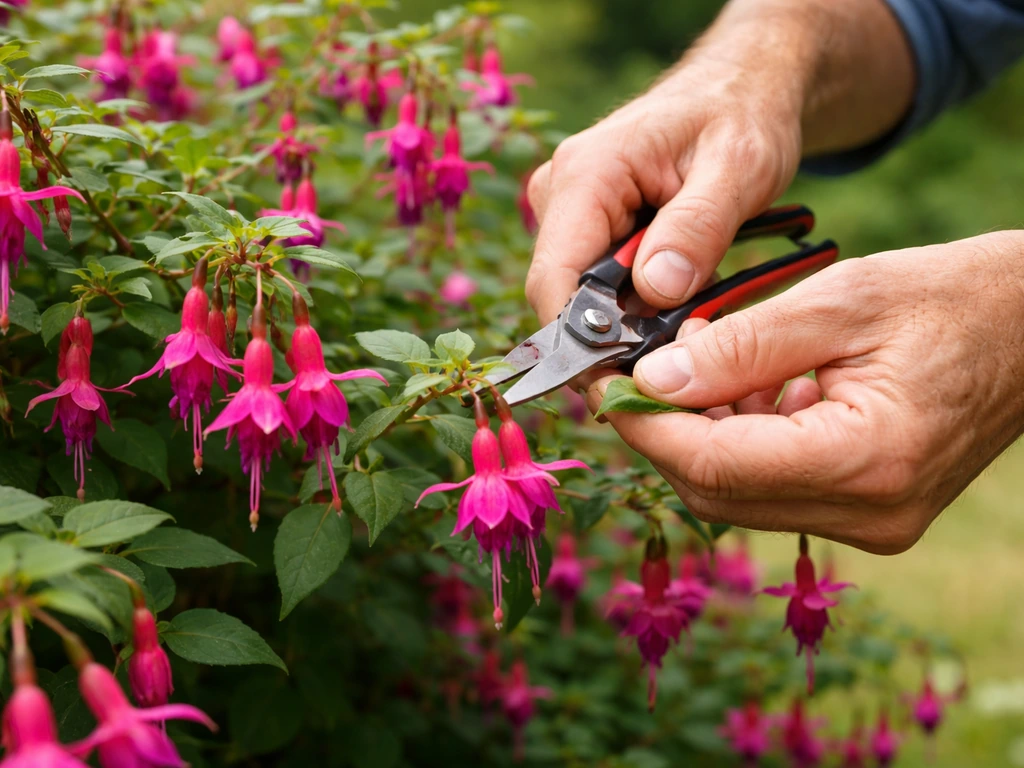
Fuchsias flower on new growth, which is the one fact that should govern every pruning decision you make. Cutting back hard encourages a flush of new stems, and new stems mean flowers. Hold off and leave a congested, woody mess, and you'll get far fewer blooms.
Spring pruning for hardy fuchsias
For hardy fuchsias in the ground, hold off on pruning until spring. BBC Gardeners' World specifically warns against cutting back in autumn because pruning before winter increases frost, pest, and disease risk. Leave the old stems standing through winter as they offer some protection to the crown. In spring, once you see new shoots emerging from the base, that's your signal to cut. BBC Gardeners' World recommends cutting hard, typically to about 7 to 10 cm from the ground, and the RHS backs this up, advising that congested stems be cut down to ground level in early spring. In mild areas, mid-spring after new growth begins is the ideal timing.
Pinching for bushier growth
For container fuchsias and tender hybrids, the technique is pinching rather than hard cutting. The American Fuchsia Society's Basic Fuchsia Calendar instructs pinching out or cutting off the growing tip of each shoot to encourage branching. Each pinch produces two new shoots, each of which can be pinched again. The more branches you build in spring, the more flowering tips you'll have by summer. The AFS advises pruning each side branch back to 2 to 3 nodes as part of spring shaping. Stop pinching about 6 to 8 weeks before you want the plant to flower, because that's roughly how long it takes from pinch to bloom.
If you want a bushy fuchsia bush form rather than a trailing or standard shape, consistent pinching in the first 6 to 8 weeks after spring growth restarts is the most effective single technique. Don't be afraid to be aggressive early in the season. A compact, well-branched framework in May means an explosion of blooms in July.
Light, Overwintering, and Seasonal Care
Summer care
During the growing season, your main jobs are consistent watering, regular feeding, deadheading spent blooms to encourage more flowers, and watching for pests. Keep tender fuchsias out of intense midday and afternoon sun. If your container fuchsia suddenly wilts on a hot day even though the compost feels moist, the problem is likely root heat stress rather than drought, and moving it to a shadier, cooler spot is the fix.
Overwintering tender and container fuchsias
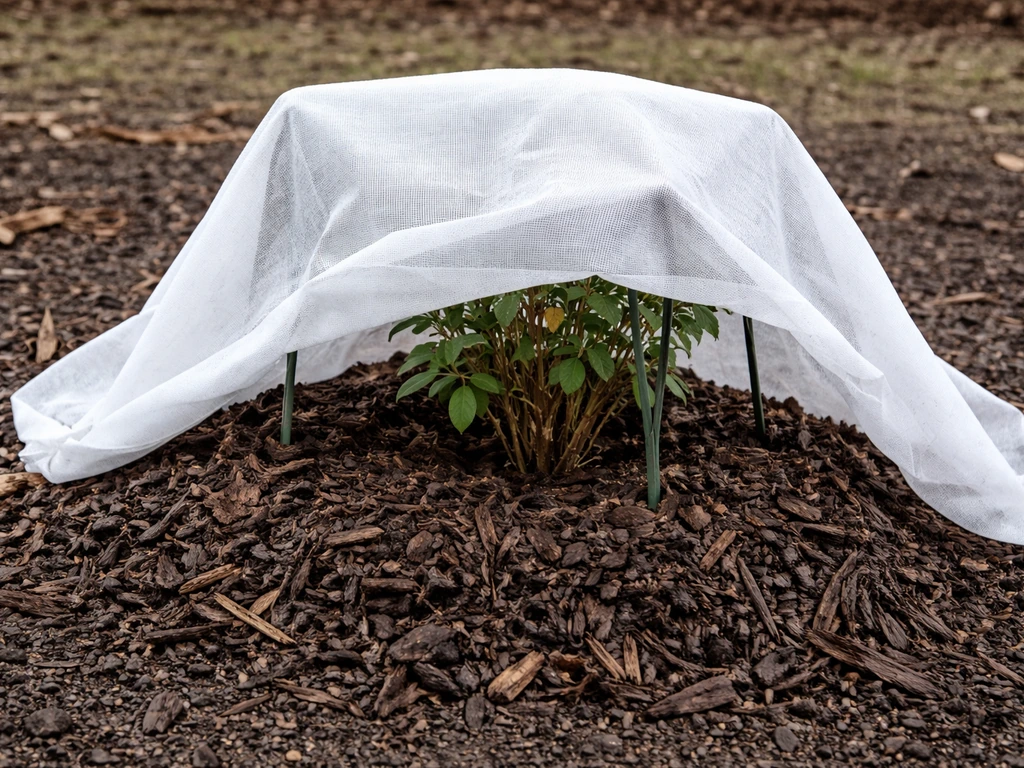
Bring container fuchsias indoors before the first autumn frost. The Old Farmer's Almanac advises storing them in an unheated, unlit area at around 45 to 55°F through winter. Valley Nursery's culture notes put the ideal storage range at 40 to 50°F, upper 50s at most. The goal is dormancy: cool and frost-free, with just enough moisture to stop the roots from drying out completely. Don't store them somewhere warm and lit, or they'll try to grow in low light and come out weak and spindly. In spring, move pots to a bright window or under a grow light and resume watering gradually to restart growth.
Overwintering hardy fuchsias in the ground
For in-ground hardy fuchsias, the RHS recommends applying a deep winter mulch over the root zone and providing shelter from cold drying winds. Planting the crown 5 cm below soil level gives it extra insulation. In Zone 6 gardens, WSU Extension confirms that mulching and protection can get F. magellanica through winters to around 23°F. The RHS also warns against conditions that promote stem rot during overwintering, so don't pile wet mulch directly against the stems.
Common Problems and How to Fix Them
Wilting despite watering
This is almost always heat stress or root rot, and telling them apart matters. The American Fuchsia Society's heat stress guidance explains that when pots overheat, roots lose the ability to take up water even when moisture is present, causing leaves to droop and drop. The fix is shade and cooler air, not more water. Root rot, on the other hand, comes from overwatering and poor drainage. If the compost smells sour and the roots look brown and mushy, you have rot. Improve drainage, reduce watering frequency, and if the damage is severe, repot into fresh mix after trimming dead roots.
Poor flowering
The most common reasons a fuchsia stops blooming are insufficient feeding, too much shade (yes, even shade-lovers need some light), failure to deadhead, or stopping pinching too late in spring so there wasn't time to develop enough flowering tips. Work through those in order before assuming something more serious is wrong. If the plant is producing lots of lush green foliage but no flowers, excess nitrogen is often the culprit. Swap to a fertilizer with a higher middle number (phosphorus) to shift the plant toward flowering.
Whitefly
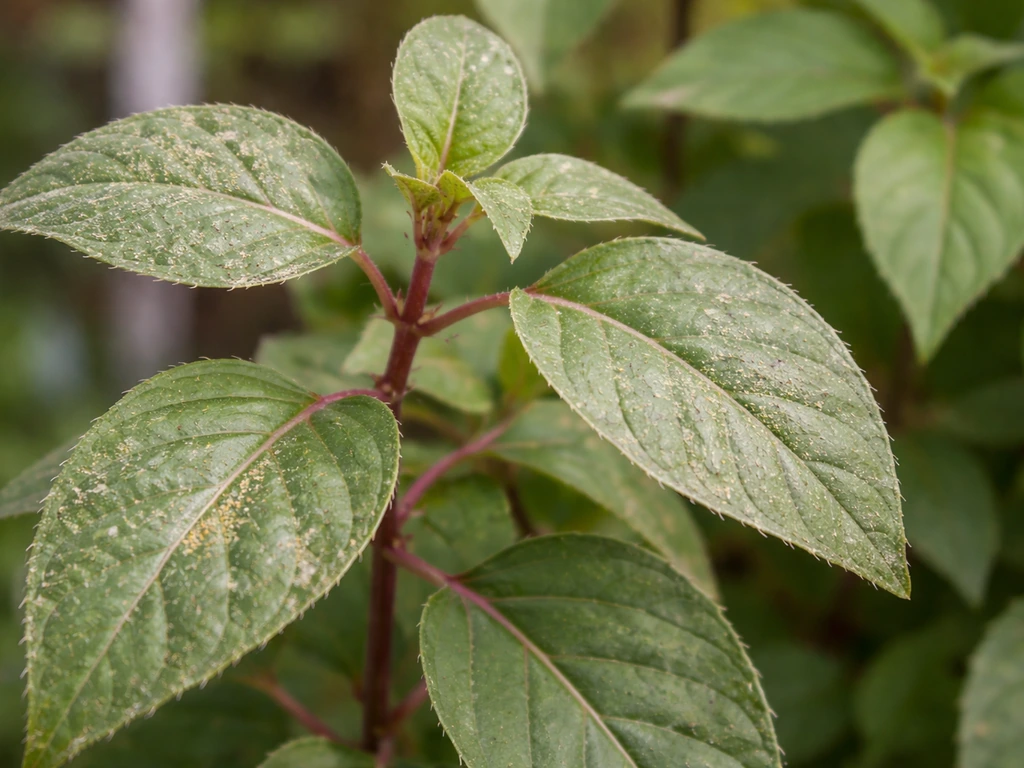
Greenhouse whitefly is one of the most common fuchsia pests. Connecticut's Plant Pest Handbook recommends insecticidal soap or ultra-fine horticultural oil, with emphasis on spraying the undersides of leaves where whitefly nymphs feed. The American Fuchsia Society's insect control guidance makes a point of watering the plant before applying any pest control products, not after. This matters because stressed, dry plants are more susceptible to chemical damage. Repeat treatments every 5 to 7 days are usually necessary since most products don't kill eggs.
Fuchsia rust and gall mite
Fuchsia rust is described by Fuchsietum as the most serious disease affecting fuchsias. It shows up as orange or rusty powdery pustules on leaf undersides. Remove and bin (don't compost) affected leaves immediately, improve air circulation around plants, and avoid wetting foliage. Fuchsia gall mite is a harder problem to deal with because it distorts new growth in a distinctive, puckered way and there's no simple chemical fix available to most home gardeners. The main approach is removing and destroying affected growth promptly and avoiding moving infested plants near healthy ones. Both issues are easier to prevent than cure, so good hygiene and airflow go a long way.
| Problem | Likely Cause | Fix |
|---|---|---|
| Wilting despite moist compost | Root heat stress or root rot | Move to shade; check drainage; reduce watering |
| No flowers, lots of foliage | Over-feeding nitrogen or insufficient light | Switch to higher-phosphorus feed; assess light levels |
| Tiny white insects on leaf undersides | Greenhouse whitefly | Insecticidal soap or horticultural oil, repeat weekly |
| Orange pustules on leaf undersides | Fuchsia rust | Remove affected leaves, improve airflow, avoid wet foliage |
| Puckered, distorted new growth | Fuchsia gall mite | Remove and destroy affected growth; isolate plant |
| Plant dies back completely in winter (container) | Frost damage | Bring indoors before first frost; store at 45–55°F |
Fuchsias reward consistency more than anything else. Keep the watering steady, feed on a schedule, prune at the right time in spring, and protect them when cold arrives, and you'll have a plant that delivers genuinely spectacular colour for months at a time. The mistakes most people make, irregular feeding, planting in too much sun, or pruning too late in autumn, are all easy to avoid once you know what you're dealing with.
Start simple, get the basics right, and then explore more advanced forms like standards or climbing fuchsias once you have a feel for how the plant grows. If you want to try a climbing fuchsia next, learn how to grow climbing fuchsia with the right support, pruning, and training plan. If you want a standard fuchsia, the pruning and shaping steps are a bit more specialized than for bushy or trailing types standards.
FAQ
Can I grow new fuchsia plants from cuttings, and when is the best time to take them?
Yes, but timing matters. If you want to propagate after a plant has started flowering, take cuttings from non-blooming side shoots so the cutting can build roots without spending energy on flowers. Use fresh, actively growing tips and root them in a moist, sterile medium (perlite-rich mix works well). Keep the cuttings out of strong sun until new growth appears, because heat speeds up wilting before roots form.
My fuchsia droops even though I water, how do I tell heat stress from root rot?
Start by checking the “compost moisture and root temperature” combo, not the weather forecast. Droop plus warm pot and dry top layer points to heat stress, especially in baskets. Droop plus sour smell, consistently wet mix, or brown mushy roots points to root rot. For heat stress, move to shade and cool air, then allow the mix to dry slightly between waterings. For rot, trim dead roots and repot into fresh, well-drained mix.
How should I water containers and hanging baskets so I don’t overwater?
Use a simple rule: never let saucers hold water, and when you water, water deeply enough to flush the mix, then empty the runoff. If the pot stays wet for days, it is too heavy or too large relative to the plant, or the mix is too fine. In hot weather you may need more frequent watering, but only if the top inch actually dries.
Can I overwinter potted fuchsias indoors instead of in a cool, unlit space, and how should I adjust care?
Fuchsias typically need a cooler environment to perform well, so a bright window in summer can still be too hot. If leaves are dropping indoors, reduce heat near the window, increase airflow, and keep light bright but not scorching. Bring outdoor containers in before frost, then gradually acclimate over 7 to 10 days so the plant does not shock from sudden light and temperature changes.
When I live in a mild area, is autumn pruning okay for hardy fuchsias?
Winter pruning is usually a mistake for hardy fuchsias. Leave stems standing through cold weather, then prune hard in early spring after you see new growth from the base. If you cut in autumn, you are increasing the chance of freeze damage to the crown and you may remove the material that offers some winter protection.
How often should I deadhead fuchsias, and what should I do if deadheading doesn’t bring new blooms?
For containers, deadhead regularly during the blooming window, not just once at the end of the season. Also remove any spent flowers that still look closed, because they can keep the plant focused on seed formation. If you notice fewer blooms despite good watering, check feeding first, then confirm the plant is getting enough light (too little light can reduce flower initiation even when foliage stays healthy).
What fertilizer mistake most commonly causes lots of leaves but few or no fuchsia flowers?
Yes, but it can backfire. Fuchsias generally need a phosphorus-supportive fertilizer for flowering, and too much nitrogen can create lush growth with fewer blooms. If you see vigorous green growth with little to no flowering, switch to a fertilizer with a higher middle number (phosphorus) and keep feeding on a schedule rather than sporadically.
What’s the best way to deal with fuchsia gall mite if I notice puckered new growth?
If you see distorted, puckered new growth, act fast. Remove and destroy affected shoots and keep tools clean between cuts. Since gall mite spread is mostly driven by moving infested plant material, do not place new plants next to old problem plants until you have confirmed they are clean. For severe infestations, it may be safer to discard heavily affected plants rather than try to “save” them.
How do I apply insecticidal soap or horticultural oil for whitefly without missing the eggs or nymphs?
Whitefly control works best with good coverage. Spray the undersides of leaves and repeat every 5 to 7 days because eggs hatch over time. Also pre-wet the plant before treatment, then let it dry slightly afterward. If you only spray the top surfaces, you can miss the nymphs and the population rebounds.
How do I adjust pinching and pruning if I’m growing trailing, upright, or standard fuchsias?
Start with the growth habit you have, then tune the shape method. Trailing types need pinching to create side branches and a dense basket edge. Upright types respond well to spring pinching to build a branching framework. Standard (tree) forms require additional structure management, like training a single leader and removing competing shoots early, otherwise the plant will revert to a bushy shape.