
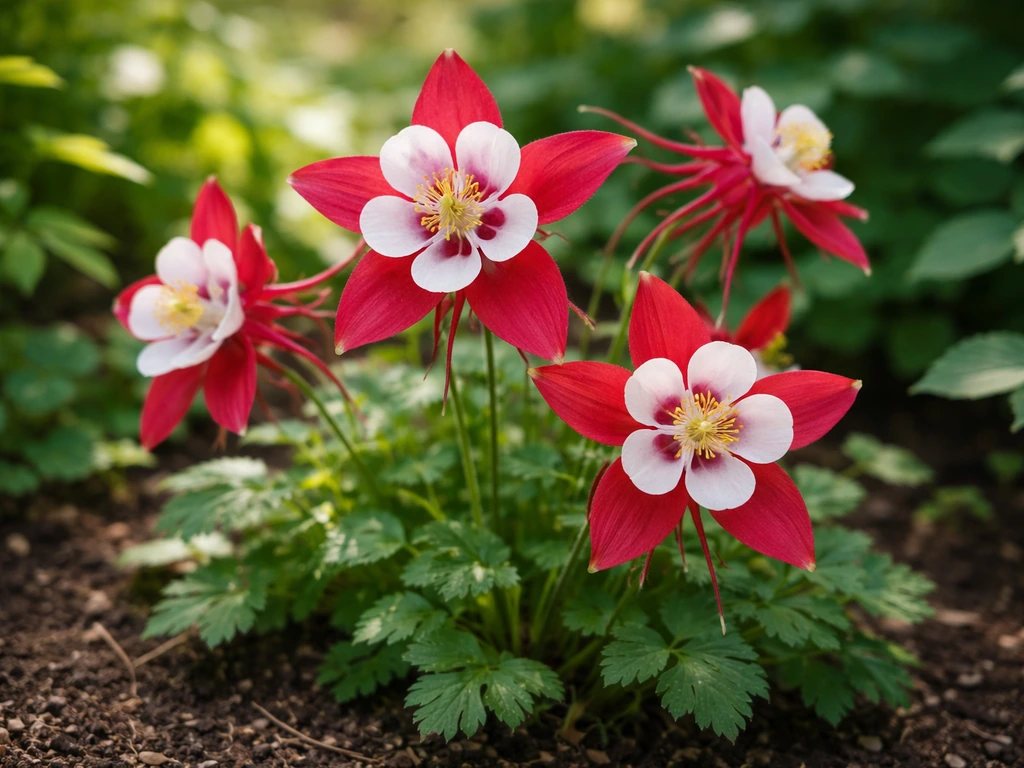
Columbines are one of the most rewarding plants you can grow in a home garden. They're not fussy, they bloom reliably in late spring to early summer, they'll self-seed and naturalize if you let them, and they look like something a fairy planted. The keys to growing them well are simple: give them decent drainage, get your timing right when sowing from seed, and pick the right species or cultivar for your light conditions. Do those three things and columbines will reward you with very little effort in return.
How to Grow Columbines: Planting, Care, and Fixes
Marcus Holloway
25 Apr 2026
Choosing the right columbine for your garden
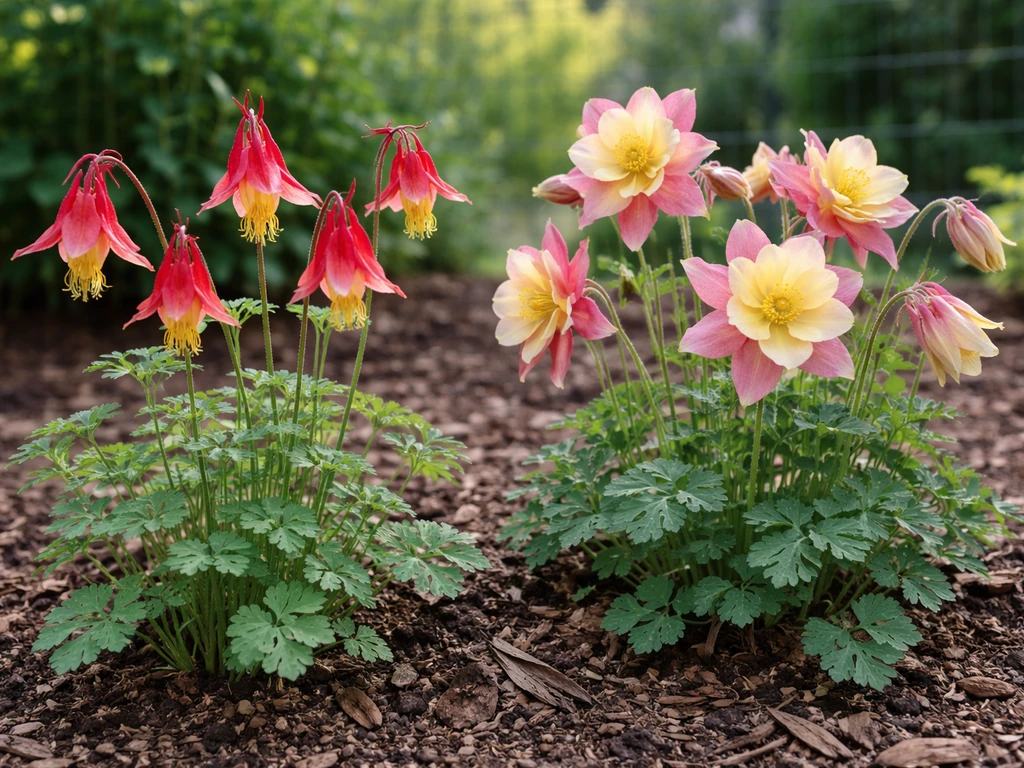
There are dozens of aquilegia species and hundreds of cultivars, but most home gardeners are choosing between native species and ornamental hybrids. The most important thing is to match the plant to your site, not the other way around.
Aquilegia canadensis (eastern red columbine) is the native North American species and one of the most adaptable. It grows 2 to 3 feet tall (though it can range from 6 inches to 4 feet depending on conditions), blooms in May and June with classic red and yellow spurred flowers, and handles everything from light shade to full sun as long as the soil stays reasonably moist. It's a great pick if you have a partly shaded border, a woodland edge, or a naturalistic garden where you want plants to self-seed and fill in over time.
Aquilegia vulgaris (common or European columbine) and its cultivars like the Nora Barlow group are the workhorses of cottage gardens. They're hardy to zones 3 to 8, prefer part shade in rich, well-drained soil, and come in a wide range of colors including deep purples, pinks, and whites. These are the plants you see in classic English border planting, and they're excellent if your garden gets morning sun with afternoon shade. Hybrid series like Spring Magic and Origami are bred for container or cutting garden production but perform well in borders too, as long as you understand they've been selected for compact form rather than long-term naturalizing.
Before you buy anything, look at your garden honestly. Do you have a shady woodland edge? Go with A. canadensis or A. vulgaris. Full sun border with reliable moisture? A. canadensis handles that well. Hot, dry afternoon sun with poor soil? That's the hardest situation for columbines, and you'll struggle no matter which type you choose. Prioritize drainage above everything else: waterlogged soil will drown the roots, and no amount of good positioning compensates for a spot that sits wet.
When to plant and whether to start from seed or buy transplants
You've got a few options here depending on how much patience you have and what time of year it is right now.
Starting from seed indoors
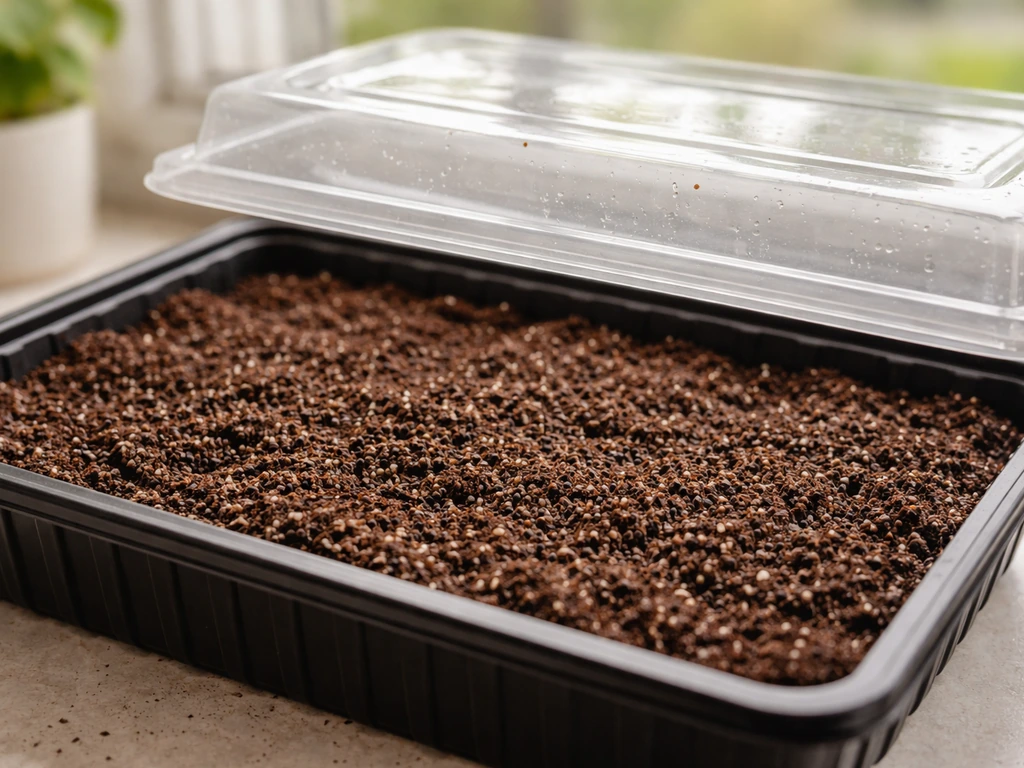
Sow seeds indoors in trays of moist, peat-free seed compost between January and May. One critical thing most beginners get wrong: columbine seeds need light to germinate, so don't bury them. Press them gently onto the surface of your compost, mist the tray, and cover it loosely with clear plastic or a humidity dome to hold moisture. Then put the tray in a cold spot (or your refrigerator) for 3 to 4 weeks. This cold, moist stratification period breaks seed dormancy, and skipping it is the single biggest reason people get zero germination. Temperatures consistently below 40°F are what you're aiming for during this phase. After stratification, move the tray somewhere with bright indirect light at about 65 to 70°F and germination usually follows within 3 to 4 weeks. Transplant seedlings into the garden when they're large enough to handle and frost risk has passed.
Direct sowing outdoors
You can direct sow from April through June in the spot where you want plants to flower. Again, surface sow and don't cover with soil. Nature actually handles the stratification for you if you sow in autumn and let seeds sit through winter cold naturally, which is why columbines self-seed so effectively once established. If you're direct sowing in spring, do it early enough that the soil is still cool and nights are cold, and keep the seedbed consistently moist until germination.
Buying transplants
Plant nursery starts in spring after the last frost, or in early autumn. Autumn planting gives the roots time to establish before winter and often results in stronger first-year flowering. Just make sure the plant is in the ground with enough time to settle in before hard frost, usually 6 to 8 weeks before your first expected freeze.
One thing worth knowing upfront: columbines have a juvenile phase, especially when grown from seed. Don't panic if your first-year seedlings don't bloom. Some plants need to establish a root system and go through their first cold winter before flowering reliably. This is normal, not a failure.
Sun, soil, and spacing
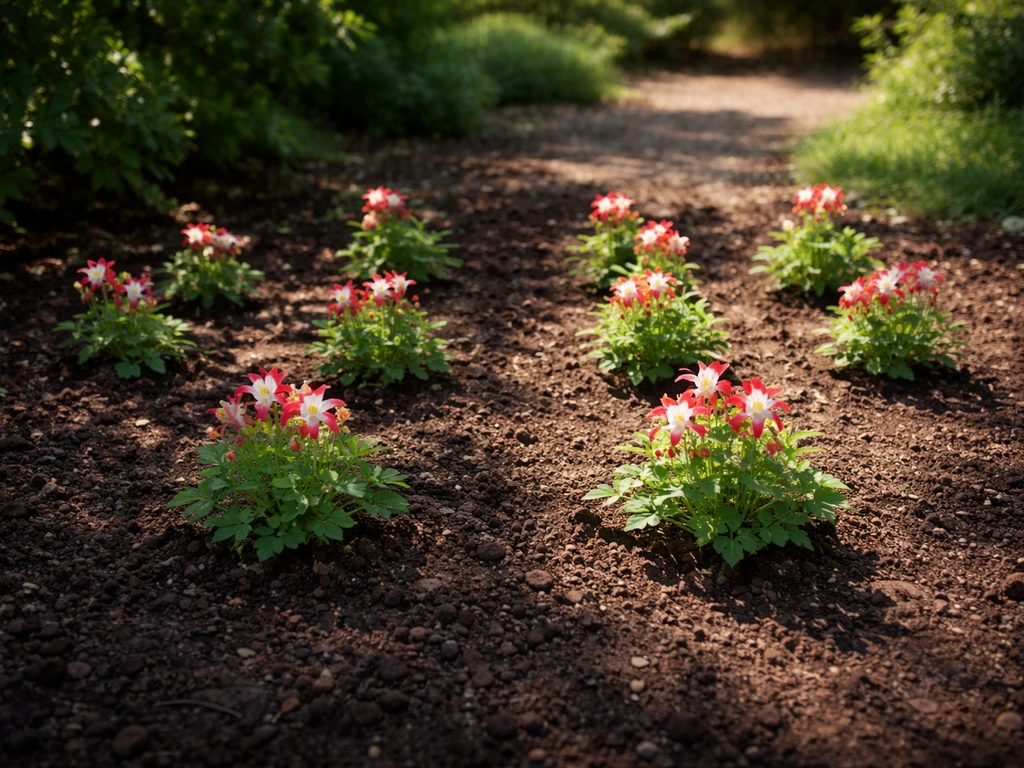
Most columbines do best in part shade, meaning morning sun with afternoon protection, or dappled light under deciduous trees. That said, A. canadensis can handle full sun as long as moisture is available, and filtered shade to full sun works for many hybrid series. What columbines won't forgive is a combination of full afternoon sun and dry, poor-draining soil. If your garden runs hot and dry in summer, plant them where a wall, fence, or taller plant blocks the harshest afternoon rays.
Soil should be rich but well-drained. This is the combination you're aiming for: moisture retention with no waterlogging. Amend heavy clay with grit or coarse perlite to improve drainage before planting. In sandy soil, work in some compost to improve moisture retention. Columbines aren't heavy feeders, so you don't need to push fertility hard, but they do want organic matter. A neutral to slightly acidic pH suits most species well.
Space plants about 12 to 18 inches apart in the garden. Columbines have fairly delicate foliage and don't like being crowded by aggressive neighbors. Give them room to breathe, which also helps with air circulation and reduces powdery mildew pressure later in the season.
Watering and fertilizing
Water newly planted columbines regularly for the first few weeks while the roots establish. Keep the soil consistently moist but not soggy. Once established, columbines are surprisingly drought-tolerant and generally shouldn't need regular watering unless you're in an extended dry spell or growing them in full sun. This is one of those plants where less watering is often better once it's settled in.
After cutting plants back post-bloom (more on that below), give them a good soak to encourage a flush of fresh new foliage. This is one of the more useful watering moments in the columbine calendar.
For fertilizing, columbines don't need much. A light top-dress of compost in early spring is genuinely all most plants need. If your soil is already reasonably fertile, you can skip feeding altogether. Heavy nitrogen fertilizing will push leafy growth at the expense of flowers and make the plant more susceptible to aphids, so resist the temptation to dose them with high-nitrogen feeds. UNH Extension notes that excess nitrogen fertility can also make plants more susceptible to powdery mildew, since succulent growth is more vulnerable Heavy nitrogen fertilizing will push leafy growth at the expense of flowers and make the plant more susceptible to aphids. If you want to use a balanced slow-release fertilizer, a light application in early spring is fine, but it's optional. Overfertilizing also increases susceptibility to root rot diseases, so keep it conservative.
Seasonal care from planting through post-bloom
Spring: establishment and bud development
In early spring, columbine foliage emerges from the ground in a rosette of blue-green, lobed leaves. This is when to apply your compost top-dress and check that drainage is working. Watch for slugs at this stage, as they'll target the soft new foliage. Flower stalks typically appear from late spring into early summer, with most species and hybrids peaking in May and June. Flower stalks can reach up to about 2 feet (60 cm) on many cultivars.
During flowering: deadheading decisions
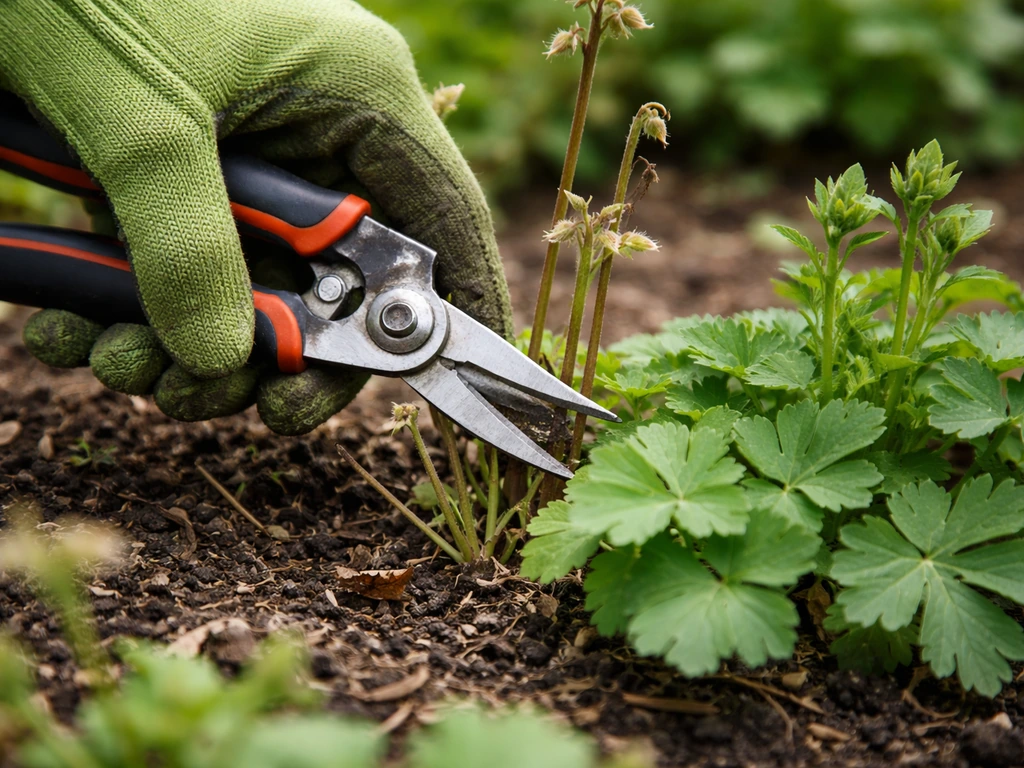
Once flowers fade, you have a choice. If you deadhead spent blooms by cutting the whole flowering stem back to the base, you encourage the plant to produce more flowers and prevent self-seeding. This is the right approach if you want to maintain a specific named cultivar or keep a tidy, controlled border. If you leave the seed heads, the plant will self-seed freely, which gives you a naturalized, self-sustaining colony over time but means seedlings won't necessarily come true to the parent plant. Hybrid columbines are particularly promiscuous cross-pollinators, so if you're growing several types close together, the seedlings will be a mix. Some gardeners love this. Others find it frustrating. Decide which you are and deadhead accordingly.
Post-bloom: cutting back and late-season care
After flowering, cut the whole plant back fairly hard, removing spent stems and tired foliage down to the basal rosette. This does two things: it refreshes the plant with a flush of clean new leaves, and it reduces the risk of powdery mildew, which tends to hit columbine foliage hard in mid to late summer. Water well after cutting back. The plant will regrow a tidy clump of foliage that looks decent in the border through the rest of the growing season.
In autumn, columbine foliage dies back naturally. You can cut it down or leave it as mulch. In colder zones (zones 3 to 5), a light mulch over the crown after the ground freezes helps protect the plant through winter, though established columbines are fairly cold-hardy and don't need heavy protection in most cases.
Fixing the most common columbine problems
Seeds won't germinate
This is the number one frustration with growing columbines from seed, and it's almost always caused by one of two things: skipping cold stratification, or burying the seeds. Columbine seeds require a period of cold, moist conditions to break dormancy, and they need light to germinate, so they must be surface-sown. If you did both of those things correctly and still got nothing, check seed viability. Fresh columbine seed germinates much better than old seed. Buy from a reputable source and sow within a year of harvest if possible.
Plants are leggy or weak
Leggy, floppy columbines usually mean too much shade, too much nitrogen, or both. If plants are in dense shade, they'll stretch toward light and produce weak stems. Move them to a spot with more morning sun. If you've been feeding with a nitrogen-heavy fertilizer, stop and scale back to a light compost application. Also check spacing: crowded plants compete for light and produce weaker stems.
No flowers
If your columbine is growing vigorously but not flowering, a few things could be happening. First-year plants grown from seed often don't flower until they've experienced their first winter cold, which triggers flowering the following spring. This is a natural juvenile phase and not something you can shortcut. If the plant is established and still not blooming, check for excessive shade (not enough light for flower induction) or excessive nitrogen (too much vegetative growth). Some hybrid series also require vernalization (a cold period) to initiate flowering, so plants kept too warm through winter indoors may not bloom.
Powdery mildew
White, powdery colonies on the leaves in mid to late summer are powdery mildew, caused by Erysiphe species. It's extremely common on columbines and looks alarming but rarely kills the plant. The best approach is cultural: cut plants back hard after flowering to remove affected foliage, space plants with enough room for air circulation, and avoid overhead watering in the evening. Some hybrid series are more susceptible than others. If it becomes a recurring problem, consider replacing susceptible plants with more resistant species like A. canadensis.
Root and crown rot
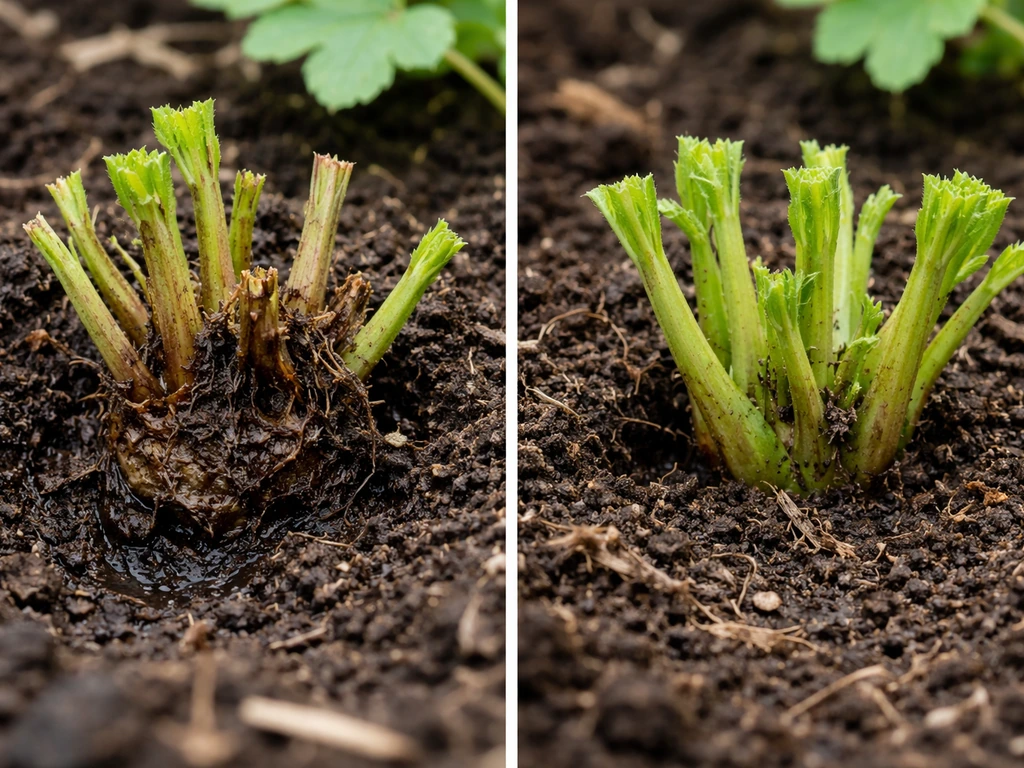
If plants collapse suddenly or show wilting despite adequate moisture, root or crown rot (often caused by Phytophthora) is the likely culprit. The fix here is almost always drainage. Columbines sitting in waterlogged soil will rot, full stop. Improve soil drainage before replanting, avoid overwatering, and never plant in a low spot that pools after rain. There's no effective rescue for a badly rotted plant: remove it, improve the drainage, and start fresh.
Aphids
Columbine aphids (Kakimia essigi) can cluster on stems and under leaves, especially in late spring. A hard spray of water knocks most of them off. For heavier infestations, insecticidal soap or ultra-fine horticultural oil are effective options. Make sure the spray coats the aphids directly, as contact is what kills them. Avoid high-nitrogen feeding, which produces the soft, sappy growth aphids love.
Columbines vs. other tall cottage garden perennials
If you're planning a cottage-style border, columbines are often grouped with delphiniums, which bloom around the same time and share similar preferences for rich, well-drained soil. Once you have your site and drainage dialed in, you can use these same principles to learn how to grow delphinium Pacific Giants for tall, showy spikes. In Australia, the same principles of sun, drainage, and good timing apply, but delphiniums also need extra attention for strong spikes how to grow delphiniums in australia. If you want big, showy spikes, this is also the moment to look at how to grow delphiniums alongside your columbines. The key difference is that columbines are considerably more forgiving: they handle more shade, are shorter-lived but self-seed freely, and don't need staking. Delphiniums deliver more dramatic vertical impact but demand more care and attention. If you're newer to ornamental perennials, columbines are the gentler entry point, and you can always add delphiniums once you've got the border dialed in.
What to do right now
If you're reading this in late April, you're right at the edge of the ideal direct-sowing window. Get seeds in the ground now, surface-sown, in a spot with morning sun and afternoon shade, in well-drained soil. For a full, step-by-step guide on how to grow philadelphus, follow the care instructions that match your light and soil conditions. If you'd rather buy transplants, most garden centers have aquilegias in stock right now, and you can plant them immediately. Water them in well, give them space, and then largely leave them alone. Within a few weeks you should start seeing flower buds, and by late May to June you'll have one of the most charming late-spring displays in the garden.
FAQ
What’s the best way to keep columbine seeds from drying out during stratification?
Use a clear plastic cover or humidity dome consistently, mist only to keep the surface damp, and check every few days. If your tray dries out during the cold period, germination drops even if you did the stratification length and surface sow correctly.
Can I germinate columbine seeds without a refrigerator cold period?
If you can’t replicate cold, your best option is outdoor autumn sowing so the seed naturally experiences winter temperatures. Indoors, skipping the cold, moist phase is the most common reason seeds fail, so you generally need either natural winter cold or an artificial cold treatment.
How long should I wait before assuming columbine seeds won’t germinate?
After moving to warm, bright indirect light, most will show up within about 3 to 4 weeks. If you see nothing by the 5 to 6 week mark, it’s often due to old seed or an incorrect cold or moisture setup, not just timing.
Do columbines need to be buried after planting from seed or nursery?
No for seeds, they must stay on the surface. For nursery plants, set them at the same depth they were growing in the container, keep the crown above waterlogged soil, and avoid covering the crown with mulch right up to the stem.
Should I deadhead columbines if I want the plant to keep blooming longer?
Yes, cutting the flowering stem back to the base can trigger another flush and also keeps the border tidy. If you leave seed heads, you’ll get naturalizing, but the plant will often shift energy toward seeds instead of more flowers.
Will deadheading stop columbines from self-seeding forever?
It will reduce self-seeding significantly, but not always completely. Some seeds can fall before you cut the stems, and volunteer seedlings can still appear, especially if you’re growing multiple clumps over several seasons.
Why are my columbines blooming poorly even though the plants look healthy?
Common causes are too much shade, excessive nitrogen, or the plant not yet completing its juvenile phase. Seed-grown plants frequently need a winter cold before reliable flowering, so a lack of blooms in the first year is often normal.
What’s the best location if my garden has hot afternoon sun?
Give them morning sun with afternoon protection, such as a wall or taller plants that block the hardest rays, or dappled light under deciduous trees. Full sun can work for some types like A. canadensis only if moisture stays reliable and drainage is excellent.
How do I improve drainage for columbines in heavy clay without redoing the whole garden?
Work coarse amendments like grit or coarse perlite into the planting area, and avoid planting in low spots that collect water. If the soil stays wet for days after rain, consider raising the bed or building a mound so the crown is less likely to sit in saturated soil.
How should I water columbines after cutting them back post-bloom?
After you cut back to the basal rosette, water thoroughly once to re-wet the root zone, then resume keeping the soil lightly moist until new foliage starts. This helps the fresh growth flush without leaving the crown constantly wet.
Are columbines safe to grow near lawns with sprinklers?
It can be risky if overhead irrigation keeps leaves wet into the evening, because powdery mildew is driven by damp foliage and poor airflow. Use targeted watering at the base and adjust sprinklers so the foliage dries quickly.
How do I handle powdery mildew when it shows up early?
Remove and discard affected foliage after flowering cutback is your main control, but if it appears early, improving airflow and avoiding evening overhead watering helps immediately. If one cultivar is repeatedly mildew-prone, swap it for a more tolerant species like A. canadensis.
My columbine plants collapsed suddenly, what should I do first?
Check whether the crown area was staying wet or the plant sits in pooled water after rain. If rot is suspected, don’t try to “save” the plant, remove it, improve drainage, and replant in a better spot, because waterlogged roots often fail quickly.
What’s the best spacing for preventing mildew and weak growth?
Space plants about 12 to 18 inches apart so air can circulate through the foliage. Tight planting increases humidity around leaves and also encourages leggy stems due to light competition.
Can I grow columbines in containers, and how does care change?
Yes, but you need excellent drainage and more consistent moisture than in-ground. Use a potting mix that drains fast, water when the top layer starts to dry, and watch for mildew because containers can trap humidity if they’re crowded or in shade.
Do columbines attract aphids every year, and how do I prevent them?
They can, especially on soft new growth. Reduce nitrogen-heavy feeding, inspect stems and leaf undersides in late spring, and hose off colonies early before they build up, then use insecticidal soap or horticultural oil if needed.