
Delphiniums are absolutely worth growing, but I'll be honest with you: they're not the easiest flowers in the garden. They need the right spot, a bit of regular attention, and some understanding of what can go wrong. Get those things right, though, and you'll have towering flower spikes in shades of blue that almost nothing else can match. This guide covers everything from choosing your site to cutting back in autumn, with UK timing built in throughout. If you want more tailored guidance, see our step-by-step guide on how to grow Philadelphus. If you want to compare delphiniums with another stunning cottage-garden flower, our guide on how to grow columbines may be a helpful next read.
How to Grow Delphiniums: Step-by-Step UK Care Guide

Marcus Holloway
22 Apr 2026
Delphinium basics: types and what to realistically expect
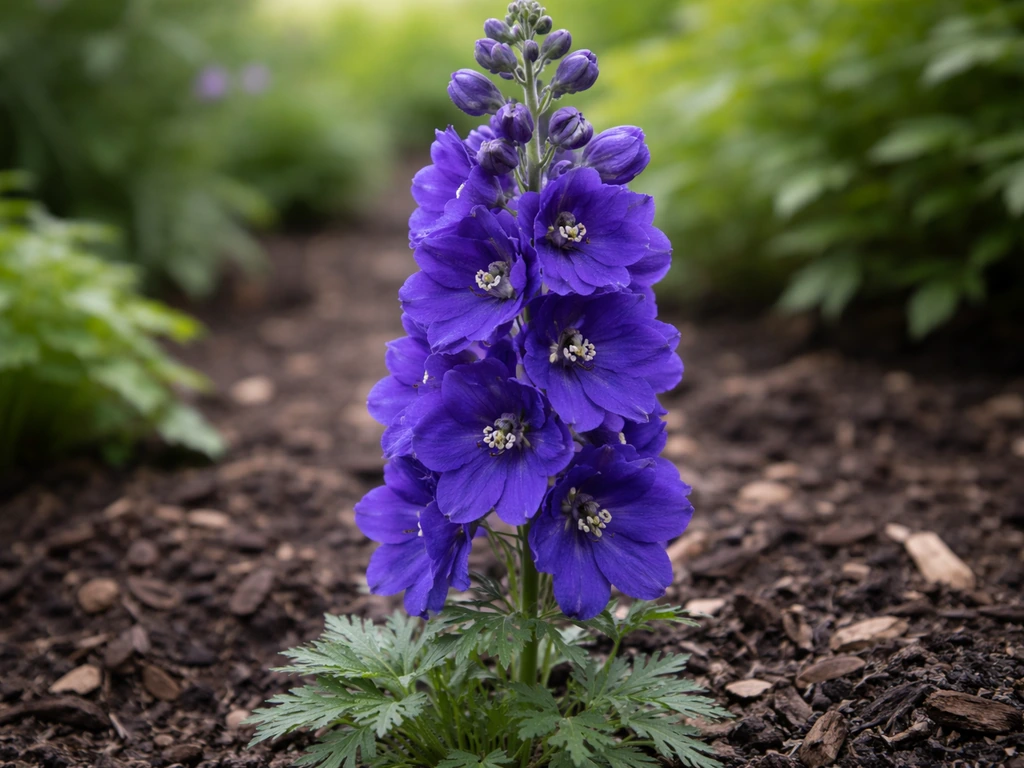
Before you buy or sow anything, it helps to understand that not all delphiniums are the same thing. There are annual types (sometimes called larkspur, or consolida) and perennial types, and they behave very differently. The annuals are smaller, flower over summer, and then they're done. The perennials, which include the classic tall border delphiniums like the Pacific Giants and English elatum varieties, are what most people picture when they think of delphiniums: those dramatic spires of blue, purple, white, or pink that come back year after year.
Perennial delphiniums die back completely below ground in autumn and send up fresh growth in spring. They can reach 4 to 6 feet tall, sometimes more in ideal conditions. That height is part of the appeal, but it's also why they need staking, shelter, and a bit of effort. If you want something lower-maintenance, the shorter dwarf varieties or the Magic Fountains series are worth considering, especially if your garden is exposed. For the full tall-spike experience, Pacific Giants and traditional English delphiniums deliver it best. There's a whole separate thread on growing Delphinium Pacific Giants if you want to go deeper on that group specifically. For Pacific Giants specifically, the same basics apply, but you can tune the staking, feeding, and pruning schedule to keep those tall spikes coming back strong.
Choosing the right site: sun, shelter, and spacing
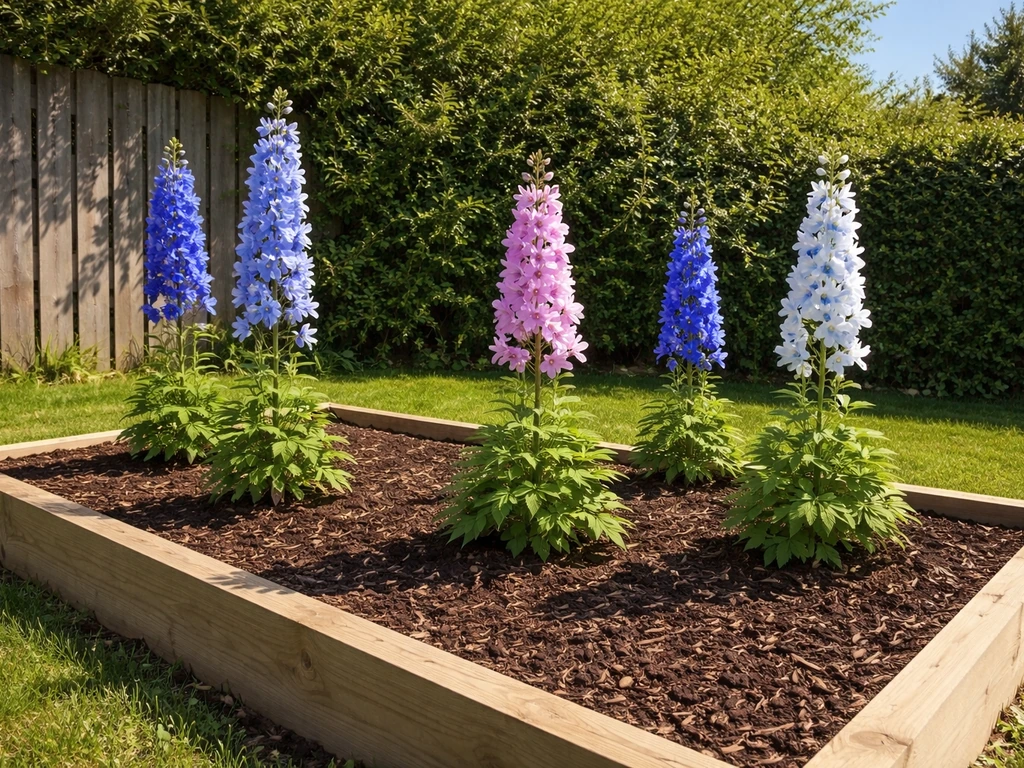
Delphiniums want full sun, ideally 6 to 8 hours a day. They can cope with up to around 50% shade, but you'll get weaker, leggier stems and fewer flowers. In practice, the best results come from a south or west-facing border that gets direct sun through most of the day. Partial shade from a nearby wall or fence on one side is usually fine; dense shade from trees is not.
Wind is the other big factor and honestly the one most gardeners underestimate. Tall delphiniums catch the wind like sails, and a single strong gust can snap a spike you've been nurturing for months. You want shelter, but it needs to be permeable shelter: a hedge, a line of shrubs, or small trees that break the wind rather than a solid wall that creates turbulence. A fence or wall can actually make wind worse by funnelling it. If your garden is exposed, plant your delphiniums in the most protected spot you can find or invest in good staking from the start.
For spacing, give each plant around 60 to 90 cm of room. Crowded delphiniums compete for light and airflow, which both weakens the spikes and increases the risk of powdery mildew. Generous spacing also makes staking much easier.
Soil prep and planting: timing, containers vs ground, crown depth
Getting the soil right first
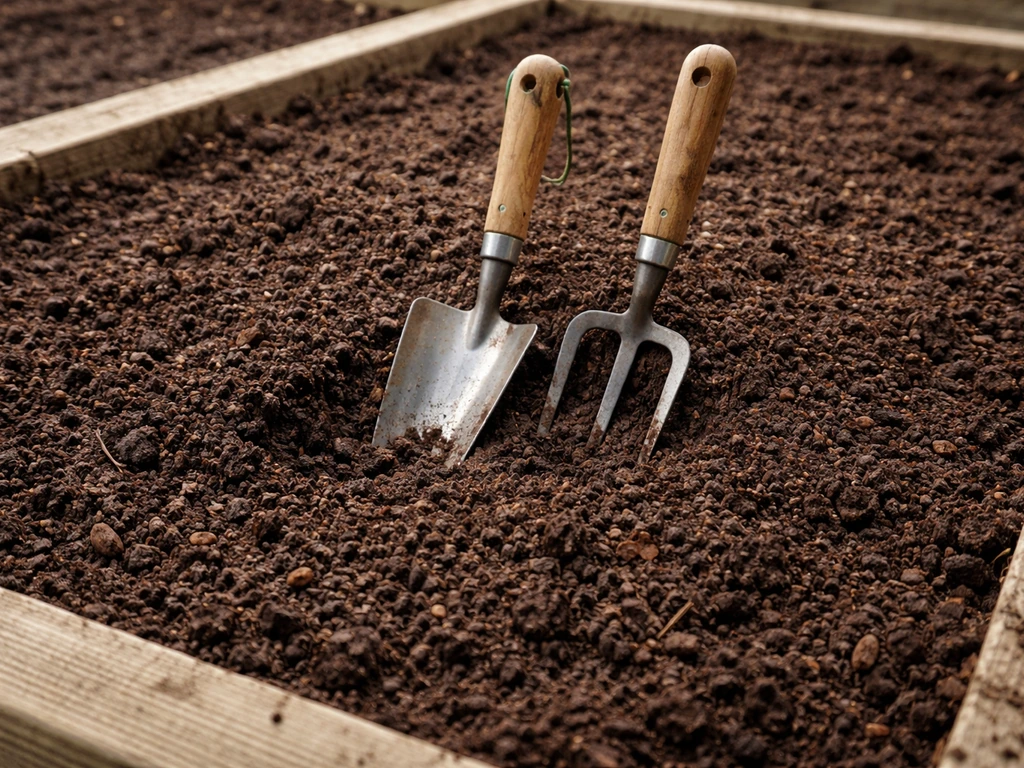
Delphiniums need moist but well-drained soil, and that combination matters more than almost anything else. Waterlogging is fatal: when soil stays saturated, the water displaces air from the soil pores and the roots literally suffocate. On the other hand, soil that dries out completely stresses the plant and limits flower development. The sweet spot is a soil that holds moisture without ever sitting wet.
Before planting, work in a generous amount of well-rotted compost or manure. This improves both moisture retention on sandy soils and drainage on heavy clay. If your soil is particularly heavy clay, adding horticultural grit directly into the planting hole is a worthwhile extra step. It might seem fiddly, but it's much easier than dealing with crown rot later.
When to plant
You can plant container-grown delphiniums at almost any time of year, but spring and autumn are best because the soil is warm and moist, which supports quick root establishment. In the UK, that means March to May or September to October. Avoid planting in midsummer heat or when the ground is frozen solid. If you're sowing from seed, late February to March is the ideal window for indoor sowing, giving you strong plants to put out later in spring. You can also sow from late summer (September to October) for overwintering plants that go out the following spring.
Planting depth and container vs ground
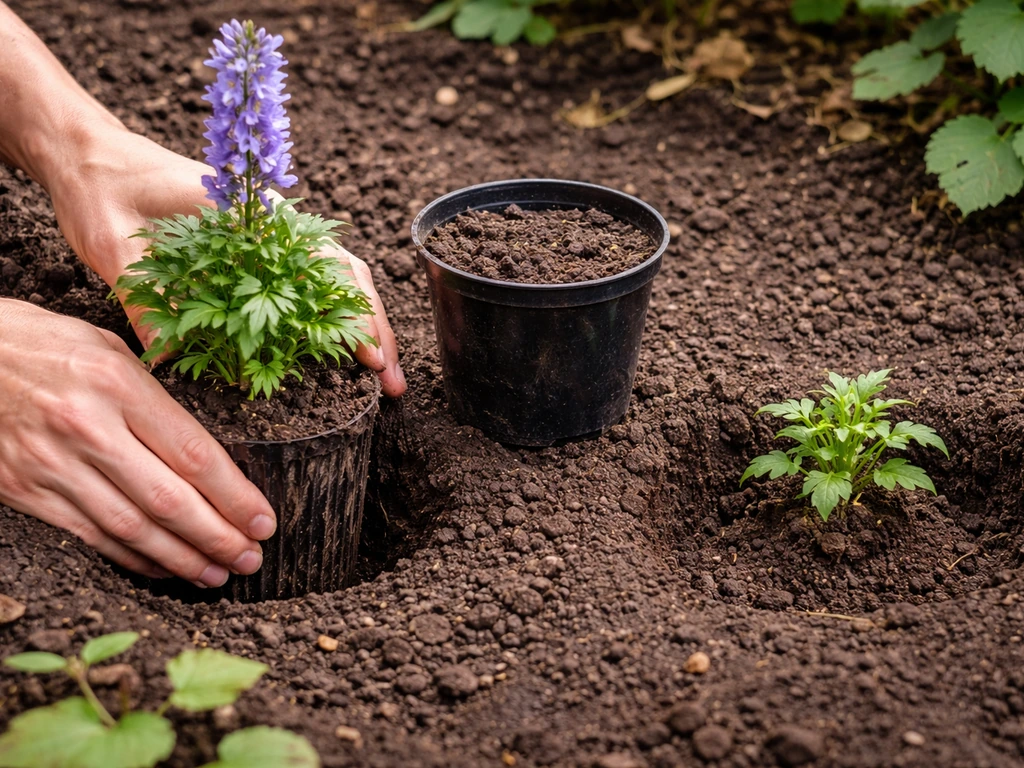
Crown depth is something people get wrong surprisingly often. When planting a pot-grown delphinium into the ground, plant it at exactly the same depth it was in its pot. The crown, the growing point where the stems emerge from the roots, should sit right at soil level, not buried beneath it. Burying the crown too deep is one of the more reliable ways to lose a delphinium to rot. Backfill the hole, firm the soil gently around the roots, and water in well.
Delphiniums can be grown in containers, but it takes more attention. You'll need a large pot (at least 30 to 40 cm diameter), good-quality loam-based compost with added grit, and you'll need to water and feed more frequently than plants in the ground. They're also more vulnerable to drying out and to being blown over. For the most impressive spikes, growing in the ground is genuinely better, but containers work well for smaller varieties.
Watering and feeding for healthy growth and big blooms
Delphiniums are thirsty plants, especially as they're putting on rapid growth in spring and as the spikes are developing. Water deeply and regularly during dry spells, aiming to keep the soil consistently moist but never waterlogged. During typical UK summers you might not need to water much, but during dry stretches water at the base of the plant rather than overhead to reduce the risk of mildew.
Feeding matters a lot for tall, strong spikes. A good approach is to apply a general balanced fertiliser (something like a 12-12-12 granular feed) in May and again in early June as the stems are building. As the flower buds start to show colour, switch to a high-potassium feed such as sulphate of potash, which supports flowering and strengthens the plant. After you cut back the first flush of flowers, feed again with a balanced fertiliser to encourage the second flush. One thing I'd caution: don't over-fertilise young plants or seedlings. High salt concentrations around new roots can damage germination and early development, so go light early and build up the feeding as the plant establishes.
Ongoing care: staking, deadheading, pruning, and overwintering
Staking
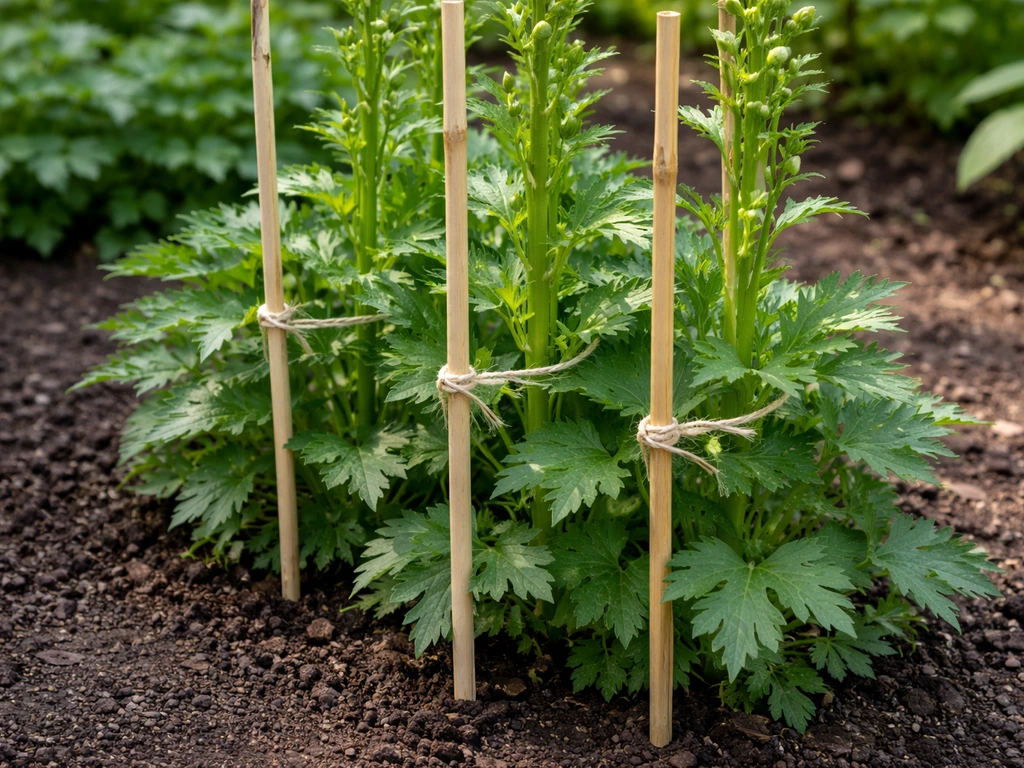
Stake early, not after the stems have started to lean. Put supports in place when the stems are around 30 to 45 cm tall, before they need them. Bamboo canes tied with soft twine work well, though purpose-made ring supports or grow-through frames are even better. For a tall variety like Pacific Giants, you'll want canes at least 150 to 180 cm tall. Tie the stems loosely at intervals as they grow: tight ties can damage the stem and create weak points.
Deadheading and cutting back
Once the main flower spike has finished, cut it back to about 5 cm (2 inches) from the ground. This encourages the plant to produce a second flush of flowers, usually smaller than the first but still very welcome. If the main spike has side shoots that are still in bud, you can leave those and just remove the central spent portion. After the second flush fades, cut those stems back too. Then, once autumn frosts have knocked back the leaves, cut the remaining foliage down to ground level or leave just a few centimetres of stem. Some gardeners prefer to cut back to around 3 cm above soil level after the plant dies back in autumn.
Overwintering
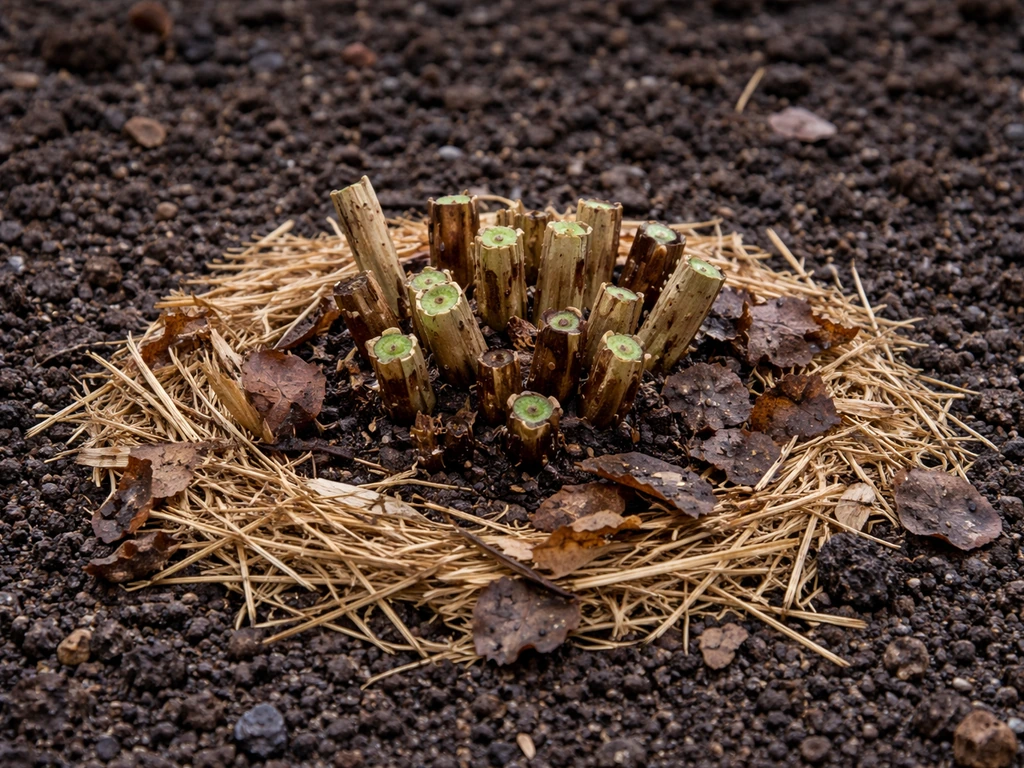
Hardy perennial delphiniums are generally tough enough to survive UK winters in the ground without much fuss. The main risk is sitting in cold, waterlogged soil over winter, which rots the crown. If your soil is heavy, add grit around the crown area in autumn for extra drainage. In very cold regions or with particularly cold-sensitive varieties, a mulch of dry bark or straw over the crown area provides some insulation. New growth will emerge in spring and the cycle starts again.
Troubleshooting common problems and getting them to bloom reliably
Here's what actually goes wrong with delphiniums, and what to do about it:
- Poor flowering or weak spikes: Almost always caused by too much shade, competition from nearby plants, or insufficient feeding. Check your site first. If the plant is getting less than 5 to 6 hours of direct sun, that's your problem. If the site is fine, add a balanced feed in May and a high-potassium feed as buds form.
- Crown rot: This is the big one. You'll notice the plant collapses at the base, or fails to emerge properly in spring. It's caused by wet, poorly drained soil around the crown, often over winter. Prevention is everything here: add grit at planting, avoid planting too deep, and never mulch heavily right over the crown. If a plant has it, remove it and don't replant delphiniums in the same spot without improving drainage first.
- Powdery mildew: White powdery coating on the leaves, usually appearing in late summer. It's a sign of dry soil at the roots combined with humid air around the leaves, so water the roots consistently and improve spacing and airflow. Badly affected leaves can be removed. Resistant varieties are available if mildew is a persistent problem in your garden.
- Grey mould (Botrytis): Fluffy grey mould on stems or leaves, often in cool, wet conditions with poor airflow. Remove affected growth promptly, improve air circulation, and avoid overhead watering.
- Slugs and snails: Delphiniums are genuinely one of their favourite plants. The new shoots emerging in spring are particularly vulnerable. Use whatever slug control method works for you: pellets, nematodes, copper tape around pots, or evening patrols with a torch. Getting on top of slugs early in the season makes a huge difference.
- Plant not returning after winter: Either the crown has rotted (see above) or, less commonly, the plant has simply exhausted itself. Mature delphiniums can decline after several years. Taking basal cuttings in spring (from the new shoots at the base) is a good way to keep your stock fresh without relying on older plants indefinitely.
Season-by-season growing calendar
| Month(s) | Key Tasks |
|---|---|
| February to March | Sow seeds indoors in gentle warmth (around 15 to 18°C). Check stored plants for signs of crown rot. Order bare-root plants or tubers if planning to buy. |
| March to April | Watch for new shoots emerging. Put slug controls in place immediately. Apply a balanced granular feed as growth gets underway. Late sowings from the previous autumn can go out now if hardened off. |
| April to May | Plant out pot-grown delphiniums. Put stakes in place when stems reach 30 to 45 cm. Apply a balanced fertiliser in May. |
| May to June | Apply a second balanced feed in early June. Switch to a high-potassium feed as flower buds show colour. Water regularly if dry. |
| June to July | Main flowering period. Tie in stems as they grow. Enjoy the display. |
| July to August | Cut back faded first-flush spikes to around 5 cm from the ground. Feed with a balanced fertiliser to encourage a second flush. Water well. |
| August to September | Second flush of flowers. Cut back once finished. Late summer is also a good time to sow seeds for overwintering young plants. |
| October to November | Cut back all remaining foliage after the first frosts. Add grit or a dry mulch around the crown on heavy or very cold sites. Pot-grown seedlings from a late sowing should go somewhere frost-free for the winter. |
| December to January | Little to do. Check drainage around established plants after heavy rain. Plan any new plantings or propagation for spring. |
If you're gardening in Australia or a similarly warm climate, the timing and approach shifts quite a bit, since delphiniums there are often treated as cool-season plants rather than summer performers. If you want a clearer, Australia-specific walkthrough, follow our guide on how to grow delphiniums in Australia. The core principles of sun, drainage, and feeding still apply, but the seasonal calendar needs adapting for your local conditions.
Stick to this framework consistently for a couple of seasons and you'll notice the difference. Delphiniums reward a bit of organisation more than most plants: get the site right, feed at the right moments, stake before the stems need it, and cut back promptly after each flush. Do those things and reliable, towering flower spikes year after year are genuinely achievable, even if you're relatively new to growing them.
FAQ
Are all delphiniums perennial, or do I need to replant each year?
Yes, but it is rarely the same outcome as growing perennial delphiniums. If you want a repeating garden display each year in the UK, check the label for perennial types (often sold as specific cultivars like Pacific Giants or English varieties). Annual forms (larkspur or consolida) will complete their life cycle in one season, so you should plan on re-sowing annually rather than expecting year-on-year spikes.
Can I grow delphiniums in partial shade or in a spot that stays damp?
Aim for a planting position that gets strong sun most of the day, but prioritize drainage first. If you must choose between more sun and better drainage, pick better drainage, even if it means slightly less sun. You can also improve drainage by adding grit into the planting hole and mixing in compost, then avoid depressions where water collects.
My delphiniums get powdery mildew, what should I change first?
Powdery mildew risk rises when airflow is poor, so you can’t fix it with watering changes alone. Increase spacing to improve circulation, water at the base to avoid wet foliage, and remove the most affected leaves early in the season. If the issue is persistent in your garden, consider shorter or more mildew-resistant varieties rather than repeating the same tall, crowded setup.
How do I know if I’m watering too much or too little for delphiniums?
Start with deep, infrequent watering during dry spells, but never let the crown area sit in saturated soil. A practical test is to check 5 to 10 cm down in the soil, if it is consistently wet or squelchy, reduce watering and improve drainage. Overhead watering is more likely to worsen mildew, so use a hose aimed at the base.
How shallow or deep should the crown be, especially if the soil settles after planting?
For the crown depth, the key detail is that the growing point should be level with the soil surface, not covered. When backfilling, keep an eye on how the soil settles, then avoid adding mulch right over the crown in autumn. Mulching is helpful for winter insulation on cold or heavy soils, but it should be applied to the crown area lightly rather than burying it.
Why are my delphiniums tall but not flowering, or flowering very weakly?
Don’t automatically assume fertiliser is the solution. If you have weak stems or poor flowering, first check sun and drainage, then review timing and avoid heavy feeding of seedlings. A useful rule is to feed lightly early, increase feeding when stems are actively building in late spring, and switch to a potassium-rich feed only once buds start to show color.
What causes delphiniums to fail to produce flower spikes?
If the main leaves look fine but the plant fails to rise with strong flower spikes, the most common cause is root stress from waterlogging or very poor drainage. Another frequent issue is overcrowding, where competition for airflow reduces vigor. Replanting a struggling clump is often the real fix, but before you do, try improving drainage around the area and check that the crown is not buried.
Can I divide or transplant delphiniums, and when is best?
Yes, but the timing and method matter. The safest approach is to choose a dry period, lift carefully, keep as much root and soil around the roots as possible, and replant at the same crown depth. Also, expect transplant shock, so don’t fertilise heavily immediately after potting up or planting out, focus on stable moisture and good drainage for a few weeks.
What’s the best staking approach if my garden is exposed to wind?
For staking, the biggest mistake is waiting until stems lean. Put supports in when the stems are roughly 30 to 45 cm tall, and tie loosely at multiple points so you do not create tight pressure on one spot. If your garden is very windy, ring supports or grow-through frames can spread support pressure more evenly than canes alone.
What are the most common problems when growing delphiniums in pots?
For container-grown plants, a frequent failure is root crowding and moisture swings. Use a large pot, a loam-based mix with added grit, and plan for more frequent watering than you would in the ground. Also rotate the pot occasionally to keep growth even, and keep an eye on drainage holes because blocked holes lead to crown rot faster in containers.
How do I get the best second flush of flowers after cutting the first spike?
After the first main spike is removed, leaving any side shoots that still have buds can give you more flowers in the second flush. If you want the longest season, cut the spent central portion promptly, then follow up with feeding after the first flush. If you cut too late, the second flush can be weaker, and if you cut too low before side buds develop, you may reduce the total bloom.
Should I mulch delphiniums in winter, especially in heavy clay soil?
In very wet winters, mulch can help insulation, but it can also trap moisture if applied incorrectly. The idea is dry insulation over the crown area, not a thick, wet-cover layer that stays damp. If you have heavy clay, adding grit around the crown and improving drainage in autumn usually gives better results than heavy mulching alone.